
Chickens Can Eat Bananas: Your Complete Guide to Healthy Treats & Feed
Published on: July 23, 2026 | Last Updated: July 23, 2026
Written By: Caroline Mae Turner
Howdy y’all. Standing at the back door with a handful of overripe bananas and a flock of hopeful hens staring you down sure is a common homestead scene. Yes, your chickens can absolutely eat bananas, and mine get their share of peels and all, but you’ve got to serve it right to keep your flock fit and your coop clean.
- A cutting board and a sharp knife (for you, not the chickens).
- A few minutes of your time.
- Those leftover bananas, bread heels, or other kitchen scraps.
Let’s get this treat business sorted properly so you can get back to the real work waiting in the barnyard.
The Straight Scoop on Chickens and Bananas
Well now, let’s get right to it. Can chickens eat bananas? You bet they can, and with gusto. I’ve seen my Barred Rocks tackle a soft, overripe banana like it’s the finest scratch grain. But hold on, friend. Just because they’ll eat it doesn’t mean it should fill their trough.
Bananas are a sweet treat, packed with potassium and a bit of vitamin C. That natural sugar gives them a quick energy boost, which is mighty handy on cold mornings or after a molt. Remember, a chicken’s main fare should always be a complete layer or grower feed, boasting that reliable 16-18% protein. Think of bananas like a slice of pie for us-delightful in small doses.
How you serve it matters. I mash a ripe banana with a fork right in the coop yard. My girls peck at it happily, and it keeps them busy. You can also slice it into coins. Avoid offering a whole banana; it’s wasteful and can lead to bossy birds hogging the feast.
Feed bananas sparingly. A few times a week is plenty for a small flock. Overdoing sugary fruits can lead to pudgy hens and fewer eggs, something I learned the hard way with my first eager pullets. Balance is the cornerstone of good husbandry.
Banana Peels and Other Parts: What’s Safe to Offer?
This is where many folks get curious. That peel seems like good, fibrous stuff, right? It can be, but you’ve got to be smart about it.
Banana peels are safe for chickens, but they’re tough and can be bitter. I always give mine a good scrub under running water to remove any shop wax or pesticide residue. Then, I chop them into small, manageable strips or toss them in a bucket of water to soften overnight. The flock will pick at them, getting some extra fiber and nutrients. It’s always important to know which fruits are safe for chickens.
As for other parts, like the thick stem or those large leaves, I don’t bother. They’re simply too fibrous and tough for a chicken’s digestion, and they offer little nutritional reward for the effort. Stick with the fruit and the prepared peel, especially when considering safe parts for chickens.
Can Chickens Eat Banana Peels Every Day?
I wouldn’t recommend it, no sir. While an occasional prepared peel is a fine addition, daily servings can cause problems.
First, those peels are high in fiber. Too much can bind up a bird’s system, leading to impacted crops. Second, even with washing, trace chemicals might build up over time. Your flock’s diet needs variety for robust health, and any single treat fed daily throws that balance off-kilter.
Here’s my barnyard rule: offer prepared peels as a treat once, maybe twice a week at most. Rotate them with other kitchen scraps like melon rinds, steamed veggies, or a bit of plain oats. This way, your birds get a mix of nutrients without any downside. It’s the thrifty, stewarding way to use what you have while keeping your feathered friends in top form.
A Bounty from the Branch: Safe Fruits for Your Poultry Diet
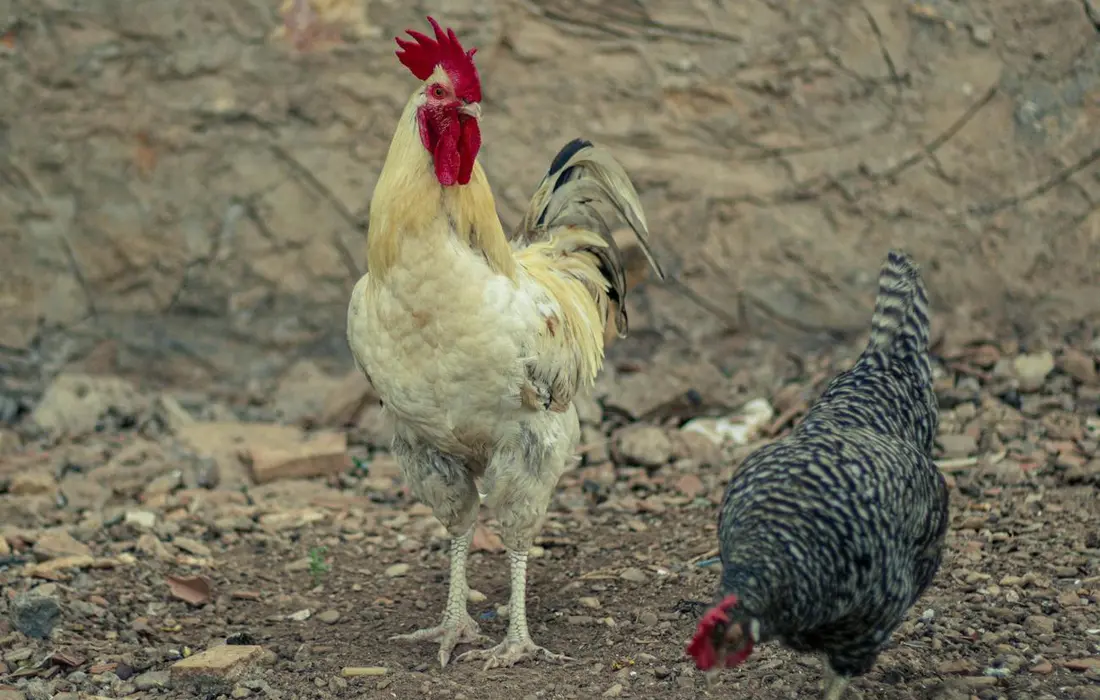
Your kitchen scraps can turn into fine dining for the flock, I reckon. Fruits are a splendid treat, but they should never replace a balanced layer feed that packs the right protein punch, usually around 16-18% for laying hens. I’ve watched my gals go plumb silly for a ripe berry or a soft banana, and it’s a right thrifty way to use what the earth provides.
Can Chickens Eat Bananas and Apples Together?
You bet they can, and it’s a combination I serve up often when the orchard and fruit bowl cooperate. Mixing these two fruits gives your birds a variety of textures and nutrients without any fuss. The bananas bring potassium and soft energy, while apples offer a satisfying crunch and a dose of fiber.
I remember one autumn, my Rhode Island Reds cleaned up a bucket of apple peels and overripe bananas in minutes. Always core your apples and discard the seeds, as they contain a trace of cyanide that can build up over time. For safety and easy eating, I chop both fruits into beak-sized pieces so no one struggles.
- Chop fruits into chunks roughly half the size of a chicken’s beak.
- Feed this mixed treat in a shallow pan to prevent messy squabbling.
- Limit fruit treats to a handful per bird, two or three times a week at most.
- Toss the pieces together so every hen gets a bit of both for a balanced snack.
Can Chickens Eat Bananas and Strawberries?
This pairing is a backyard favorite, especially when strawberry season rolls around. Sweet strawberries and creamy bananas make a nutrient-rich snack full of vitamin C and natural sugars for a quick energy boost. My barred rocks will hop right over each other for a taste.
Just last summer, I scattered a mix of bruised strawberries and banana slices in their run. Washing store-bought berries thoroughly is a must to remove any pesticide residue your birds shouldn’t ingest. If the strawberries are large, I slice them in half to make pecking easier and to ensure the shyer birds get their share. Even the strawberry tops are safe for chickens.
- Rinse strawberries under cool water and pat them dry.
- Remove the leafy tops, though a bit of green won’t harm them.
- Mash a banana and fold in sliced strawberries for a “fruit salad” that sticks to scratch grains.
- Spread the mix on the ground during foraging time to encourage natural scratching behavior.
The Bread Debate: Is It a Harmless Snack or a Health Risk?
Now, let’s mosey on over to a topic that’ll start a debate at any county co-op: feeding bread to chickens. I reckon every one of us has tossed stale crusts or heel ends of a loaf into the run, watching the girls scramble. It seems harmless, even thrifty. But after forty years of keeping flocks, I’ve seen the fallout from treating bread as feed.
Why Bread is a Poor Choice for Chicken Feed
Bread, in its essence, is a filler. It swells in the crop, offering a fleeting sense of fullness without the nutrients your hens desperately need to produce eggs and maintain health. Feeding bread is akin to giving your children cotton candy for dinner-it fills a hole but starves the body of real nourishment. Their little bodies work hard, and they deserve better than empty calories.
I learned this lesson the hard way one summer when a batch of chicks grew slower than the rest. We’d been generous with kitchen scraps, mostly bread ends. Once we cut that out and focused on their starter feed, their growth caught up within two weeks. The proof was in the pasture.
The Specific Risks You Need to Know
Beyond just being junk food, bread presents some genuine dangers to your flock’s well-being.
- Impacted Crop: Dry, doughy, or large pieces of bread can clump together, creating a sticky, immovable mass in the chicken’s crop. This is a veterinary emergency that can lead to sour crop or even starvation.
- Nutritional Dilution: A chicken’s stomach is only so big. When it’s full of bread, she eats less of her balanced layer ration. This directly leads to weaker shells, reduced egg production, and poorer feather condition.
- Mold & Salt Danger: Stale bread often harbors unseen mold, which can be fatal. Commercial breads are also high in salt and preservatives, which a chicken’s simple kidneys weren’t built to process in quantity.
- Attracts Pests: Leftover bread in the run is an open invitation for rodents and flies, creating a nuisance and a disease vector right at your coop door.
If You *Must* Feed Bread: The Homesteader’s Safety Protocol
I understand the urge to waste nothing. If you’re determined to use up that last bit of loaf, follow these rules to the letter. Treat bread not as food, but as a very occasional, heavily supervised entertainment, much like you would a child’s piece of bubblegum.
- Use Only as a Rare Treat: No more than once a week, and it should never constitute more than 5% of their daily intake.
- Prepare it Properly: Ensure the bread is completely free of any mold. Tear it into tiny, peck-sized pieces-no bigger than a pea. For very dry bread, you can lightly moisten it with water to reduce the dust and choking hazard.
- Supervise the Feeding: Scatter the tiny pieces widely in their run to prevent bullying and gorging. Never just toss a whole slice in and walk away.
- Always Follow with Grit: Chickens need insoluble grit (like small granite chips) in their gizzard to grind food. Offering extra grit after a bread treat helps their digestion manage the unfamiliar texture.
| Common Kitchen Scrap | Nutritional Value for Chickens | Safe Feeding Frequency |
|---|---|---|
| Bread (plain, torn) | Very Low. Mostly carbs, little protein/vitamins. | Rarely. Less than once a week. |
| Cooked Plain Rice/Oats | Moderate. Good energy, some protein. | 1-2 times weekly as a scattered treat. |
| Leafy Green Vegetables | High. Excellent vitamins and fiber. | Daily, in moderation. |
| Seed/Grain Scraps | High. Natural source of fats and proteins. | Several times a week, mixed into scratch. |
At the end of the day, your feed bill is an investment in your flock’s health and productivity. Skimping with cheap fillers like bread often costs you more in lost eggs, vet bills, and heartache than it ever saves at the grocery store. Pour that love into a scoop of cracked corn scattered for their afternoon scratch or a fresh head of lettuce hung in the run. Your hens will thank you with clucks, vigor, and a full egg basket.
Mastering Moderation: How to Feed Treats Without Harm
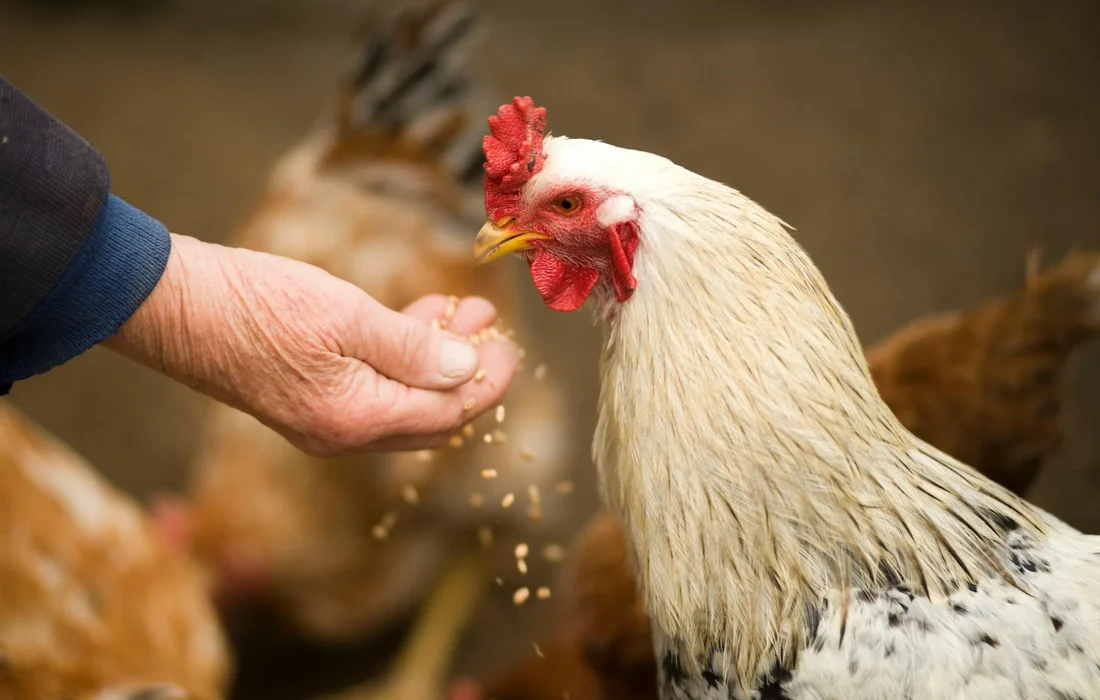
Now, let’s chat about the art of the treat. I’ve seen many a well-meaning soul spoil their flock rotten, only to wonder why egg production dipped or feathers looked dull. Treats are a wonderful tool for bonding and enrichment, but they must never replace a balanced, complete feed. Think of your chickens’ layer pellets or crumbles as their main course-packed with precise protein, around 16-18%, and all the vitamins they need. Everything else is just dessert.
From my own coop, I learned this lesson after a batch of over-enthusiastic pullets started turning their beaks up at their feed. The golden rule is that treats should never make up more than 10% of your flock’s total daily intake. For a standard hen eating about a quarter-pound of feed daily, that’s a mere handful of extras split among the whole crew. Beyond this, daily portions vary by breed, age, and production goals. Following breed-specific guidelines for daily portions helps you tailor rations and keep birds healthy.
Can Chickens Eat Bananas Every Day?
Straight talk? I don’t recommend it. While a bite of banana won’t hurt, making it a daily ritual invites trouble. Bananas are sugary, and a chicken’s digestive system isn’t built for a steady stream of sweet fruit. Too much can lead to picky eating, unbalanced nutrition, and even yeast issues in their crop. Some folks also wonder if chickens and ducks can share bananas, a topic that will be explored further in the next steps.
I reckon once or twice a week is plenty. When I do share, here’s my barnyard method:
- Peel the banana. The peel is tough and can be a choking hazard, though my pigs adore the scraps.
- Mash or chop a small amount-no more than a tablespoon per bird.
- Scatter it in their run to encourage natural foraging behavior, rather than just dropping it in a pile.
Compare it to other fruits: berries are lower in sugar, while melons are mostly water. Variety is your best friend; rotate banana days with leafy greens, scratched grains, or the occasional protein-rich insect snack. This keeps your birds interested and their diet from swinging too far in any one direction.
Seasonal Sense: Adjusting Treats from Summer to Winter
Just like we swap out our overalls for a heavier coat, a savvy homesteader shifts their treat-giving strategy with the calendar. Feeding with the seasons isn’t just thrifty; it’s about working with nature’s rhythm to keep your flock in top condition year-round. I’ve found my birds thrive when their snacks match the weather’s demands.
Summer brings a glorious, sometimes overwhelming, abundance. This is the time for watery, cooling fruits and garden excess. My flock knows the sound of me walking from the zucchini patch, arms overloaded. They adore chunks of watermelon and cucumber, which help with hydration on scorching days. Use summer’s bounty to your advantage by turning overripe tomatoes, bolt-prone lettuce, and insect-damaged fruits into valuable chicken treats, reducing waste in one fell swoop.
Summer Treat Strategy
- Focus on high-moisture content: watermelon, cantaloupe, cucumber, berries.
- Utilize garden surplus: zucchini, tomato tops, pea pods, leafy greens.
- Serve treats cool or even slightly chilled for a refreshing boost.
- Scatter treats in shaded, dusty areas to encourage natural foraging behavior.
Winter Feeding Adjustments
When the north wind blows, your chickens burn more calories just staying warm. Their treat profile needs to change from cooling to fueling. I always keep a sack of scratch grains like corn or wheat for winter evenings. A handful scattered in the litter before dusk gets them scratching and moving, which generates body heat. A small serving of high-energy grains or a dollop of plain animal fat late in the day acts like a furnace stoker, helping them through a cold night.
Winter is also the season for stored riches. Those pumpkins and squash you grew aren’t just for pie. Split open a hard-skinned squash and let them peck at the flesh and seeds, a wonderful source of vitamins and natural dewormer. Sprouted grains become a powerhouse of nutrients. Soaking a jar of wheat or barley for a few days until it sprouts turns a simple grain into a vitamin-rich, digestible superfood that boosts their diet when fresh greens are scarce.
- Prioritize energy-dense foods: black oil sunflower seeds, cracked corn, whole oats.
- Use stored produce: pumpkins, squash, sweet potatoes (cooked).
- Introduce warm, moist mashes made from their regular feed soaked in warm water or herbal tea.
- Ensure constant access to unfrozen water. They cannot utilize any treat or feed without proper hydration.
The key is observation. Watch your birds. If they’re huddled and puffed all day, a little extra energy in the afternoon is wise. Your flock’s behavior is the best guide you’ll ever have, telling you plainly what they need to weather the season comfortably. Adjust slowly, keep their main feed as the steady anchor, and let treats be the helpful, seasonal supplement.
Building a Balanced Diet: The Foundation of Poultry Health
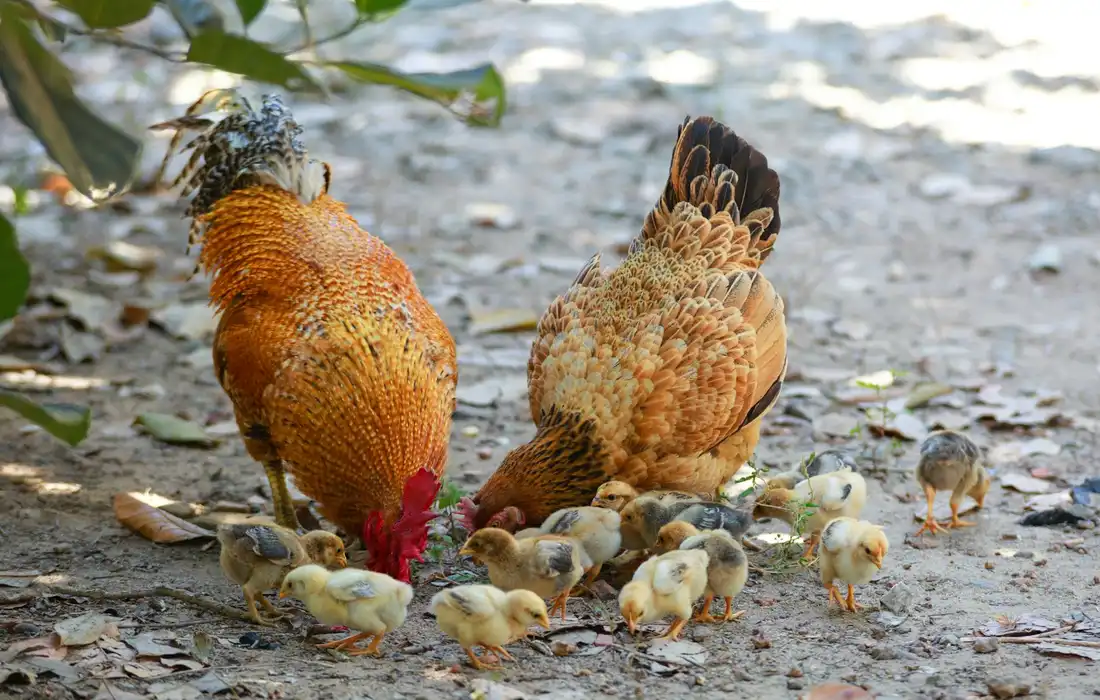
Think of your flock’s meals like the foundation of your farmhouse – it’s gotta be solid and balanced to support everything built on top. I learned from my granddaddy that skimping on nutrition shows up fast in thin-shelled eggs, ragged feathers, and birds that just don’t thrive.
Your Flock’s Main Course: Complete Feed
Don’t be fooled by fancy labels; a reliable, bagged feed is the cornerstone. For my laying hens, I stick with a 16% protein layer pellet as their daily bread and butter, which gives ’em all the vitamins and minerals they need in one scoop. Growing pullets and meat birds require a higher protein percentage, around 20%, to build strong bone and muscle.
Supplementing Wisely: The Art of the Add-In
Here’s where your kitchen and garden become part of the feed room. Treats and scraps should complement the main feed, not replace it, or you’ll throw their nutrition plumb out of whack. I keep a pail on the porch for suitable scraps and follow a simple ratio: about 90% complete feed to 10% treats does right by the birds.
- Garden Bounty: Beet tops, zucchini ends, and chopped carrots add vitamins and keep the birds entertained.
- Whole Grains: A scant handful of plain oats or cracked corn on cold evenings gives extra energy, but I treat it like dessert.
- Protein Punch: During the fall molt, I’ll offer a scoop of sunflower seeds or dried soldier fly larvae to help with feather regrowth.
Fruit and the Forage Factor
Pasture access changes the game, letting chickens hunt for bugs and tender greens. If your birds can range, their diet naturally becomes more varied and robust, reducing your feed bill considerably. For fruits like bananas, I see them as a moist, nutritious snack. I’ll mash one up, peel and all, and spread it in their run maybe twice a week for a pecking party.
Two Critical Essentials Folks Forget
A balanced diet ain’t just about what they eat, but how they use it. Insoluble granite grit is non-negotiable for any chicken without access to coarse dirt, as it grinds food in their gizzard for proper digestion. I keep a dedicated feeder full of it in the coop. For layers, a separate source of calcium, like crushed oyster shell, lets each hen take what she needs for strong eggshells. That gritty habit—why chickens eat rocks and stones—helps them process feed in the gizzard. It’s a natural behavior to support digestion.
My Thrifty Kitchen-Scraps Rulebook
Being frugal means knowing what’s nourishing and what’s just bulk. I never feed anything moldy, salty, or overly processed, as it does more harm than good to their delicate systems. Here’s a quick list of my go-to kitchen contributions:
- Cooked plain rice or pasta (cooled, and in moderation).
- Hard-boiled egg shells, crushed fine, for a calcium recycle.
- Meat scraps, cooked and chopped, for a protein boost.
- Leafy lettuce cores and cucumber peels for hydration.
It all comes down to mindful stewardship. Watching your birds’ condition, their egg quality, and even their enthusiasm at feeding time will tell you more than any bag label ever could.
Closing Questions
Can Chickens Eat Bananas?
Yes, chickens can safely eat bananas as an occasional treat. Offer them ripe and mashed or chopped to prevent waste and ensure all birds get a share. It’s important to consider the safety of fruit and banana peels when feeding them to chickens.
Can Chickens Eat Banana Peels?
Banana peels are safe if thoroughly washed and chopped into small pieces. For rabbits, introduce them gradually and monitor digestion. Feed them sparingly, as their high fiber content can cause digestive issues if overconsumed.
Can Chickens Eat Bananas in the Winter?
Yes, but prioritize energy-dense treats like grains in cold weather. Bananas can still be offered occasionally, but balance them with warmer snacks to support your flock’s calorie needs.
Can Chickens Eat Banana Peels and Apples Together?
This combination is safe when prepared correctly. Always remove apple seeds and chop both fruits and peels into manageable pieces to avoid choking hazards.
Do Chickens Eat Bananas?
Chickens typically enjoy eating bananas due to their sweet taste and soft texture. However, monitor their intake to ensure it doesn’t interfere with their balanced feed, especially for bantam chickens that have specific dietary needs.
Can Chickens Eat Bananas and Peels Together?
Yes, you can serve bananas with peels, but ensure the peels are cleaned and chopped. This provides extra fiber, but limit it to once or twice a week to maintain dietary balance.
Shutttin’ the Gate
The whole business of feedin’ your flock, from bananas to bread crusts, boils down to a simple barnyard truth. A handful of treats is a joy, but a scoop of their proper, balanced feed is the foundation of their health, their egg production, and their lively spirits. I’ve seen the brightest combs and the glossiest feathers on hens whose main course is always a reliable, nutrient-packed feed, with our kitchen scraps servin’ as the occasional side dish.
I’m right grateful you stopped by to ponder your chickens’ supper with me. There’s nothin’ finer than sharin’ what we’ve learned from watchin’ our own flocks scratch and peck. So here’s to your happy hens, to the good eggs they’ll lay, and to the simple, deep satisfaction of carin’ for your own. I’ll see y’all back on the porch.
Further Reading & Sources
- Can Chickens Eat Bananas? What About the Peel?
- Can Chickens Eat Bananas? All You Need To Know | BackYard Chickens – Learn How to Raise Chickens
- r/chickens on Reddit: Tried feeding my chickens banana peels-and they loved them!
Caroline Mae Turner is a lifelong farm girl raised on red clay, early mornings, and the sounds of a bustling barnyard. With hands-on experience caring for everything from stubborn goats to gentle dairy cows and mischievous pigs, Caroline shares practical, tried-and-true advice straight from the farm. Her goal is to help folks keep their animals healthy, well-fed, and living their best barnyard life. Whether you're wrangling chickens or bottle-feeding a baby goat, Caroline brings a warm Southern touch and plenty of real-world know-how to every bucket in the barn.
Feed Recommendations