Can Chickens Eat Cabbage? Your Complete Feeding Guide
Published on: July 22, 2026 | Last Updated: July 22, 2026
Written By: Caroline Mae Turner
Howdy y’all! Staring at a leftover head of cabbage or some tough outer leaves in the garden and wondering if they can go to the flock? Yes, chickens can absolutely eat cabbage, and it’s a fine, healthy treat when prepared right. Turning that extra produce into a pecking party saves waste and gives your girls a fun distraction.
- A head of cabbage or leftover leaves
- A sharp knife or vegetable peeler
- A length of twine or a sturdy hanging device (optional)
- Two spare minutes
Let’s get this simple chore sorted so you can get back to the rest of your homestead duties.
Can Chickens Eat Cabbage? The Straight Scoop
Well, friend, let me settle this for you right now: yes, your chickens can eat cabbage, but it’s purely a treat. It belongs to the brassica family, kin to kale and Brussels sprouts, which means it’s got both perks and particulars. Offering cabbage is like givin’ your flock a festive snack, not fuel for their day’s work.
I recall a bright afternoon last fall when I strung a whole cabbage up in the coop with some baling twine. Those hens pecked at that swingin’ head like it was the main event at a county fair, and the entertainment alone was worth the penny. Watchin’ them work for their food sparks natural behavior and keeps boredom at bay, which is just as important as the nutrition.
Why does this question even matter? Because what your birds peck at directly shapes their egg production, feather quality, and overall spunk. Cabbage for chickens and ducks is a common treat, enjoyed in moderation and as part of a balanced diet. Introducing treats like cabbage adds variety to poultry diet, but it never replaces a complete feed formulated for their needs.
What’s in a Cabbage? Nutritional Benefits and Hidden Risks
Let’s unwrap that leafy head. Cabbage delivers a punch of vitamins C and K, along with minerals that support sturdy digestion and robust health. Here’s a plain breakdown of what’s inside:
| Nutrient | What It Does for Your Flock |
|---|---|
| Vitamin C | Boosts immunity during weather changes or stress |
| Vitamin K | Promotes proper blood clotting and strong bones |
| Dietary Fiber | Keeps the gut movin’ and aids in digestion |
| Trace Minerals (like Manganese) | Supports enzyme function and overall metabolism |
Now, we gotta talk about the hitch: goitrogens. In barnyard terms, these are natural substances that can slow down a chicken’s thyroid if they eat too much, too often. Think of it like a rich dessert-a little is fine, but a steady diet causes problems.
I learned this lesson years back when I got overzealous with garden scraps. After a week of heavy cabbage leaves, my hens seemed sluggish, so I pulled back and watched ’em closer. Monitoring your critters after any new food is a cornerstone of good husbandry; their behavior tells you everything.
So where does cabbage fit? Always as fresh produce, never as a staple. For a balanced diet, treats like cabbage should compose no more than 10% of their total daily intake to avoid nutrient dilution and hidden risks.
How to Feed Cabbage to Chickens: Prep, Portions, and Practical Tips
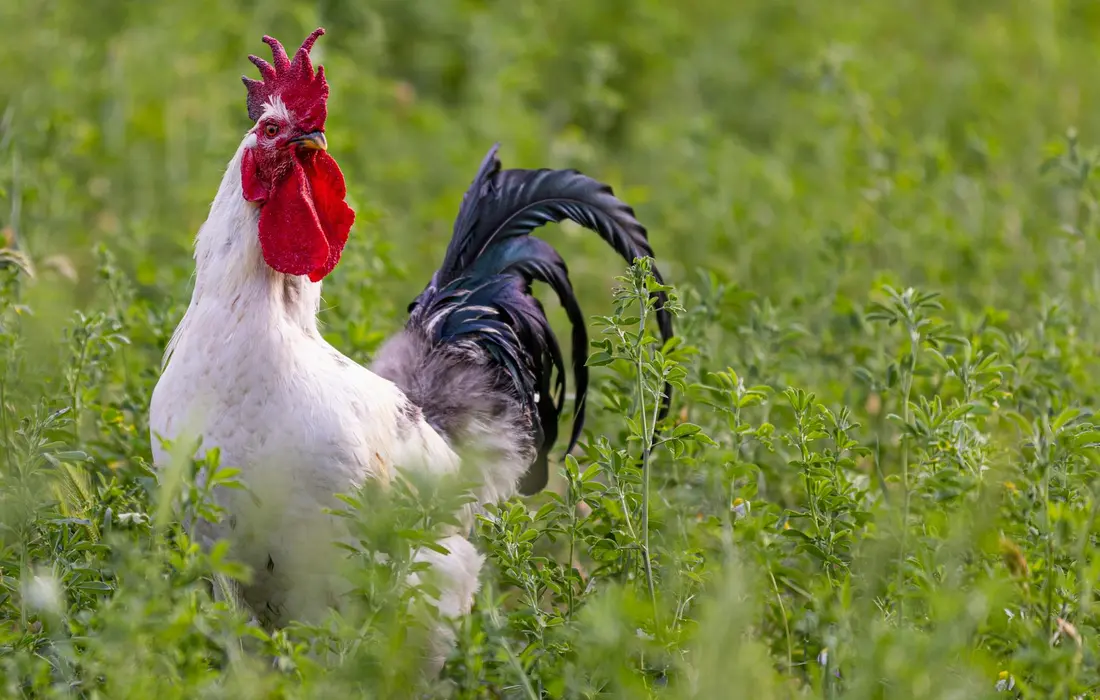
You’ve got the green light on cabbage, but how you serve it makes all the difference between a healthy treat and a messy, wasteful ordeal. Proper preparation is the secret to turning a simple head of cabbage into a cost-effective enrichment activity for your flock. Let’s walk through the barnyard-tested methods.
Raw vs. Cooked: Which is Better for Your Flock?
I’ve served it both ways over the years, and my birds never complain, but there are trade-offs. Raw cabbage is my go-to for a quick, nutrient-dense snack because it preserves all the vitamins and crunch that chickens enjoy. The downside? Tough outer leaves and the core can be a challenge for some birds, especially when compared to other vegetable options that can be served cooked or canned.
Lightly steamed or boiled cabbage (plain, no salt, butter, or seasonings!) is a fantastic option for older hens, chicks, or bitter winter days when you want to offer a warm mash. Cooking softens the cellulose, making it easier to digest, though you do lose some heat-sensitive vitamins like C in the process. Think of it as comfort food for the coop.
Here’s my step-by-step for both:
- Raw: Peel off a few outer leaves or chop a quarter-head into rough, bite-sized chunks. For the core and thick stalks, I run them through my feed chopper or give them a few good whacks with a cleaver to split them open.
- Cooked: Chop the cabbage, steam it for just 3-5 minutes until slightly wilted, then let it cool completely. I’ll sometimes mix this with their layer feed or a sprinkle of oats for a hearty treat.
Serving Methods to Reduce Waste and Enrichment
Chickens are natural foragers, and a head of cabbage is a perfect puzzle. Chickens engage in natural foraging and self-regulation of how much they eat, so puzzle feeding mirrors their feeding behavior. This approach supports healthier intake and keeps them mentally engaged. Turning feed into an activity prevents boredom and reduces pecking order squabbles by giving everyone something to focus on. Try these thrifty, fun methods:
- The Hanging Cabbage Piñata: Take a whole or half head, run a sturdy string through the core, and hang it just above head height. They’ll jump and peck, working for their snack.
- Chop and Scatter: Mix chopped cabbage with their daily scratch grains in a broad, shallow pan. This encourages natural scratching behavior.
- The Coop Salad Bar: Toss cabbage chunks with other kitchen scraps like carrot tops, apple bits, and a handful of herbs like oregano for a health-boosting blend.
Always remove any uneaten, wet cabbage from the run within a few hours, especially in heat, to prevent mold and spoilage. To introduce any new food safely, follow this simple barnyard rule:
- Start Small: Offer just a few leaves or a handful of chunks to the whole flock on the first day.
- Observe Digestion: Check their droppings and behavior over the next 24 hours. Loose stools mean you moved too fast.
- Adjust Portions: If all looks well, you can slowly increase the amount as an occasional treat.
How Much Cabbage? Portion Size and Frequency Guidelines
This is where good stewardship comes in. Cabbage is a treat, not a staple. As a firm rule, treats (including cabbage) should never make up more than 10% of your flock’s total daily diet. The bulk of their nutrition must come from their complete layer or grower feed.
For a standard flock, I reckon a few large outer leaves or one cup of chopped cabbage per 3-4 birds, offered no more than twice a week, is a safe bet. Overfeeding not only risks nutritional imbalance but also leads to soggy, ignored waste that attracts pests to your coop. I’ve seen it happen when a well-meaning neighbor dumped a whole spoiled head in the run-took me days to clean up.
Can chickens eat cabbage every day? I do not recommend it. The primary reason for moderation is the presence of natural compounds called goitrogens, which in excessive amounts can interfere with thyroid function. Variety is the spice of life and the key to health; rotate cabbage with other treats like melon, squash, or leafy greens.
Seasonal and Life-Stage Considerations for Cabbage Feeding
Winter Feeding: Cabbage as a Cold-Weather Treat
When the ground hardens and your pasture greens vanish, a head of cabbage becomes a precious commodity for your flock. This sturdy vegetable delivers a welcome burst of moisture and nutrients when fresh forage is just a memory. I reckon it’s saved my girls from boredom on more than one icy afternoon.
Storing cabbage properly through the cold season is just as important as serving it. Keep your cabbages in a cool, dry spot like a root cellar or a barn shelf, away from dampness that invites mold. A temperature hovering around 32 to 40 degrees Fahrenheit is ideal. I’ve found that wrapping them loosely in newspaper helps prevent frost damage if your storage area gets chilly drafts.
- Hang a whole cabbage with twine in the run for a pecking toy that provides exercise and food.
- Chop leaves into rough strips to mix with their scratch grains, making a warm, moist mash.
- Always remove any uneaten, thawed portions after a few hours to keep their dining area clean.
For a more balanced winter meal, shred some cabbage together with other keeper vegetables. Grated carrots, diced rutabaga, or even a few apple cores make a fine, thrifty salad that stretches your garden’s bounty. It’s a sustainable practice that cuts down on feed costs while treating your birds right.
What About Chicks and Younger Birds?
Young chicks, those fluffy balls under a heat lamp, have a digestive system tuned for one thing: their high-protein starter crumbles. Introducing cabbage or any treat too early can throw their delicate nutrition balance off-kilter and lead to pasty vents. I wait until they’re fully feathered and on a grower ration, usually around 8 weeks old.
For pullets and cockerels in the grow-out phase, you can start a cautious introduction. Offer a teaspoon of finely shredded cabbage per bird, no more than twice a week, to gauge their tolerance. Watch their droppings and make sure they’re still eating their main feed with gusto. Their primary diet needs to supply that critical 18-20% protein for proper development, so treats must stay tiny.
Common Cabbage Feeding Questions Answered
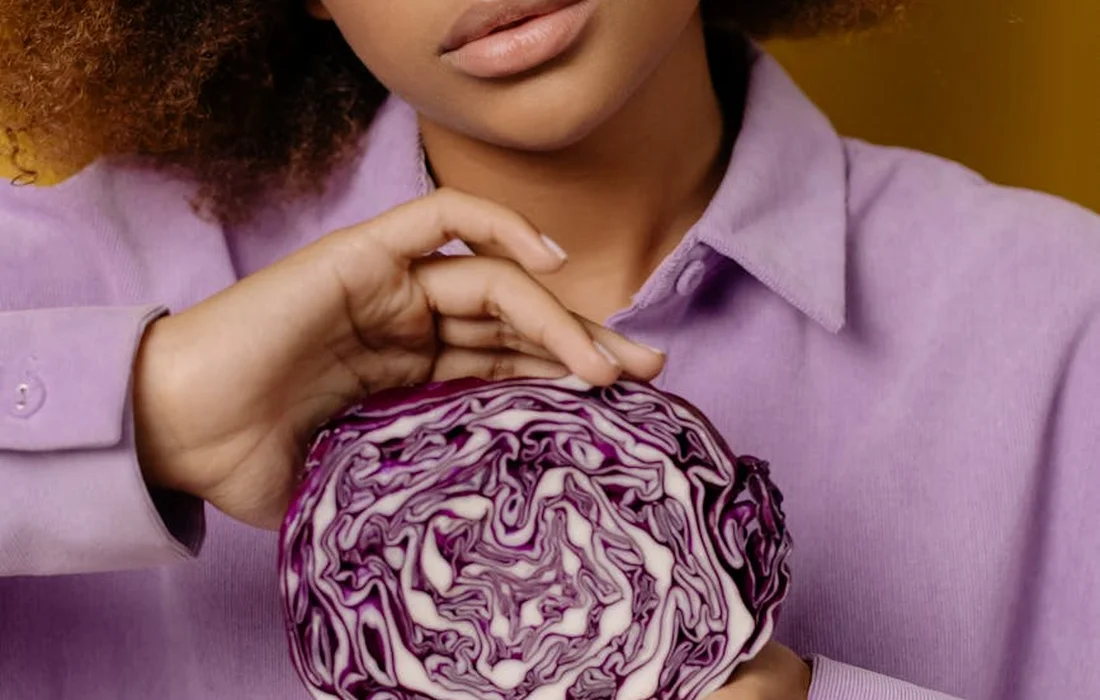
Out in the barnyard, questions pop up faster than weeds in a spring garden. I’ve leaned on the fence many a time, chatting with folks about what’s safe to toss to the flock. Let’s clear up a few specific head-scratchers about cabbage.
-
Can chickens eat cabbage white caterpillars? You bet they can, and they’ll hunt them down with gusto. Those little green caterpillars munching on your brassicas are a natural protein snack. My rule is simple: if the caterpillars have been dining on my unsprayed, organic cabbage, they become chicken feed. If you’ve used any pesticide, even an organic one like Bt, keep those treated caterpillars far away from your birds. When in doubt, wash the cabbage leaves thoroughly and skip the bugs.
-
Can chickens eat cabbage seeds? Now, this is one where I advise caution. While the mature vegetable is a winner, I don’t recommend purposefully feeding cabbage seeds. The seeds and the plants they grow into contain compounds that, in very large concentrated amounts, can interfere with nutrient absorption. Stick to the familiar, crunchy leaves and skip the seed packet; your hens get all the nutrients they need from their balanced feed, with cabbage as a fun supplement. It’s a similar approach to what you’d take with pumpkin seeds for chickens.
- Can chickens eat cabbage and carrots together? Absolutely! This combo is a barnyard buffet favorite. The cabbage provides vitamins and a fun pecking activity, while the orange carrots add a boost of beta-carotene. I often grate both together into a colorful slaw for them. Mixing treats like this encourages natural foraging behavior and provides a wider range of nutrients, which is a cornerstone of good flock stewardship.
No matter the treat, three old-fashioned practices keep your birds safe. Always wash store-bought produce to remove any waxy coatings or residues. Chop out any slimy or rotten parts-if you wouldn’t eat it, don’t feed it. And that classic layer feed in their trough? That’s the main meal that keeps eggs strong and feathers glossy, so treats like cabbage should never make up more than 10% of their daily intake. A little thriftiness with kitchen scraps is wise, but their health depends on that balanced foundation.
Beyond Cabbage: Integrating Brassicas into a Varied Poultry Diet
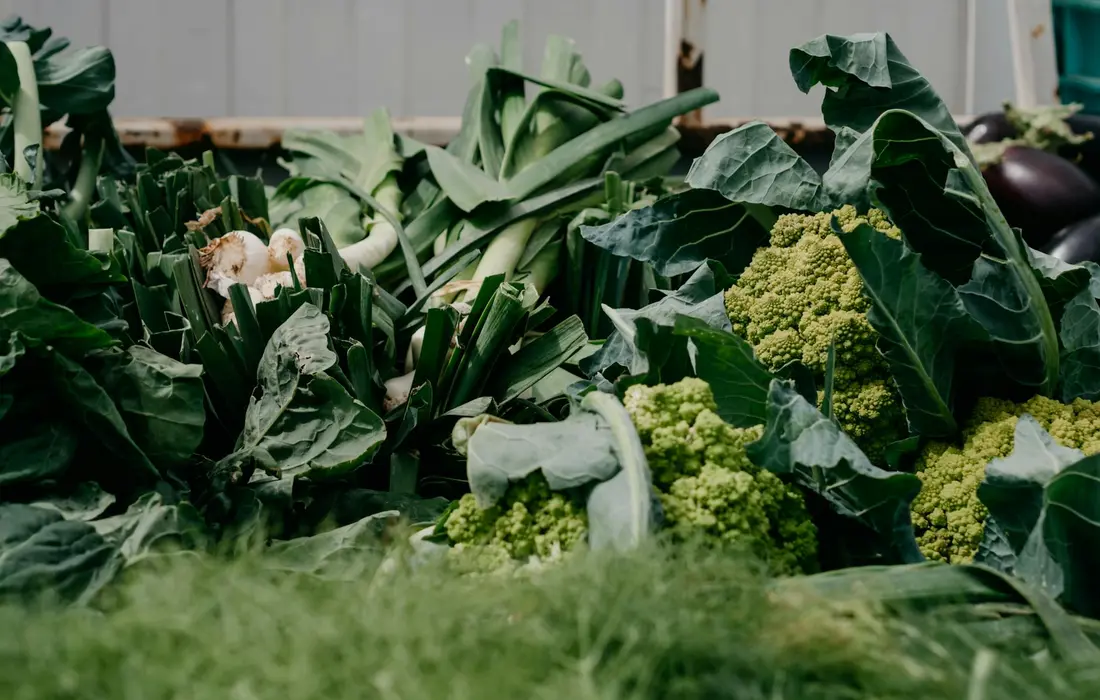
Now, cabbage is a fine treat, but your flock’s garden buffet don’t stop there. The whole brassica family is fair game for chickens, and each member brings its own bit of goodness to the scratch plate.
I like to think of it as offering a varied menu instead of the same supper every night. Rotating through different greens keeps your birds interested and covers a wider spectrum of vitamins and minerals naturally.
Other Brassica Stars for the Hen House
Here’s a quick look at some kinfolk to cabbage and how I’ve seen my birds take to them:
- Kale: This is a powerhouse green my flock goes wild for. It’s often higher in protein and calcium than cabbage. I’ll hang a whole stalk in the run and watch them strip it clean, stems and all.
- Broccoli & Cauliflower: The florets, leaves, and even the thick stems are all enjoyed. These can be a bit messier, but the girls love pecking the tiny buds apart. The stems are terrific for keeping beaks trimmed.
- Brussels Sprouts: Just like little bite-sized cabbages on a stalk! Hanging the whole stalk is excellent entertainment. They’re a bit denser, so I’ll sometimes chop them in half for my bantams.
- Collard & Mustard Greens: These have a stronger, peppery flavor some flocks adore. They’re fantastic hearty greens for fall feeding and pack a nutritional punch.
The Art of the Rotating Menu
You don’t need a spreadsheet for this, just a little mindful observation. If you’ve fed cabbage twice this week, maybe offer broccoli trimmings next time.
This simple rotation prevents your birds from tiring of one item and ensures no single nutrient dominates their treat intake. Variety is the spice of a chicken’s life, too.
I keep a “chicken bucket” by my kitchen sink for all suitable scraps. When it’s full, whatever brassica mix is in there gets tossed out to them. It’s thrifty, it reduces waste, and it makes for happy, active birds.
At the end of the day, feeding cabbage or any garden treat is about good stewardship. Watch your birds after you offer something new; see how they act, check their droppings, and note their enthusiasm. Let their health and gusto guide your hand. There’s a deep, simple joy in watching your flock enjoy the fruits (and vegetables) of your labor together.
Closing Questions
Can chickens eat cabbage?
Yes, cabbage is a safe and healthy treat for chickens when fed in moderation. It offers vitamins and fiber but should never replace their balanced poultry feed. Cabbage is just one of many nutritious vegetables you can feed your chickens.
Can chickens eat cabbage leaves?
Chickens can eat cabbage leaves, both the tender inner and tougher outer ones. These leaves are nutritious and can be served raw, cooked, or even hung for enrichment. Like other cruciferous vegetables, cabbage is healthy for them.
Can chickens eat cabbage raw or cooked?
Chickens enjoy cabbage both raw and cooked. Raw cabbage preserves more vitamins, while lightly cooked cabbage is easier to digest, making it suitable for chicks or older hens.
Can chickens eat cabbage core?
Yes, chickens can eat the cabbage core if it is chopped or split into smaller pieces. This prevents choking and allows them to access the nutrients inside. Just like with any other cruciferous vegetables, it’s important to ensure they are properly prepared for the birds.
Can chickens eat cabbage everyday?
No, chickens should not eat cabbage everyday. Due to goitrogens, limit cabbage to occasional treats, ideally no more than twice a week, to avoid thyroid issues. This topic fits into our comprehensive guide on vegetables in a chicken diet, which emphasizes safe, healthy feeding. For more on safe veggie choices and portions, see the broader guide on vegetables for chickens.
Can chickens eat cabbage in the winter?
Cabbage is an excellent winter treat, providing moisture and vitamins when greens are scarce. Serve it fresh or in a warm mash, but always clean up leftovers promptly.
Shutting the Gate
So, can chickens eat cabbage? Absolutely, and I hope my flock’s joyous clucking over a hanging green head has convinced you. The golden rule, from my scratch bowl to yours, is that treats like cabbage are the spice of life, but a complete layer feed or balanced ration is the unwavering foundation of their health and productivity. Offer your flock variety for their enjoyment and your entertainment, but always circle back to the nutrition that keeps their feathers glossy and their eggshells strong. It’s essential to complement treats with a diet that supports their overall health, especially when feeding vegetables like squash, broccoli, and cauliflower.
I reckon the best part of this life is the simple, daily rhythm of caring for creatures that give so much back. There’s a deep satisfaction in watching a contented flock scratch in the dirt after enjoying a wholesome treat you provided. The real reward is in the steady rhythm of a healthy coop and the peace of mind that comes with good stewardship. Thanks for lettin’ me share a bit from the feed bucket. Now, go enjoy your birds, neighbor.
Further Reading & Sources
- Can Chickens Eat Cabbage? A Smart Guide for Chicken Owners
- Can Chickens Eat Cabbage? All You Need To Know | BackYard Chickens – Learn How to Raise Chickens
- r/chickens on Reddit: Cabbage?
Caroline Mae Turner is a lifelong farm girl raised on red clay, early mornings, and the sounds of a bustling barnyard. With hands-on experience caring for everything from stubborn goats to gentle dairy cows and mischievous pigs, Caroline shares practical, tried-and-true advice straight from the farm. Her goal is to help folks keep their animals healthy, well-fed, and living their best barnyard life. Whether you're wrangling chickens or bottle-feeding a baby goat, Caroline brings a warm Southern touch and plenty of real-world know-how to every bucket in the barn.
Feed Recommendations