Can Rabbits Eat Bananas? A Safe Feeding & Breed-Specific Guide
Published on: May 1, 2026 | Last Updated: May 1, 2026
Written By: Caroline Mae Turner
Howdy y’all, and welcome back to the barn. You’re standing there with a ripe banana, looking at your curious bunny, and wondering if a little treat will do more harm than good. Yes, rabbits can eat bananas, but think of it as a rich dessert-a tiny piece once or twice a week is plenty for most breeds.
What you’ll need:
- A ripe banana (no green tips)
- A clean cutting surface and knife
- A kitchen scale for accuracy (trust me, it helps)
- Your rabbit’s regular hay and fresh water
Don’t you fret-we’ll get this treat schedule sorted quicker than you can muck a stall, so you can get back to the rest of your homestead chores with confidence.
The Straight Answer on Rabbits and Bananas
Well, howdy, neighbor. Let’s settle this straight off: yes, rabbits can eat bananas. I’ve peeled and shared many a banana with my own rabbitry over the years, and I can tell you firsthand, a little taste is just fine.
Now, moderation is the absolute cornerstone of feeding any treat. You must think of banana like a rich dessert-a rare delight, not a daily meal, to keep your bunny’s gut happy and healthy. Similarly, ducks can enjoy bananas in small amounts as an occasional treat. We’ll cover the benefits and safe feeding tips for ducks in the next section.
This question pops up all the time in the barnyard because bananas are so common in our kitchens. It’s only natural to see those big, hopeful eyes and wonder if you can share your snack, just like I did when my grandson first tried to feed his pet bunny from his lunchbox.
So take a breath and don’t fret. Offering a tiny bit of banana as a special reward is a perfectly safe and joyful part of responsible rabbit stewardship, done the right way. And just like any other fruit treats for rabbits, moderation is key.
Nutritional Breakdown: Benefits and Risks of Bananas
That yellow fruit brings some good things to the table: a fair dose of potassium for nerve function, vitamins B6 and C for overall vigor, and a bit of dietary fiber. In my experience, a nibble can act like a spark plug for a sluggish rabbit, giving a quick, natural energy lift when they need it most.
Here are the main benefits a small treat provides:
- A rapid energy boost from natural sugars, useful for training or coaxing a nervous animal.
- Exceptional palatability that makes it a top-tier tool for bonding or hiding necessary supplements.
I’ve used slivers of banana to teach bunnies to come when called, and it works like a charm every time.
But the risks are serious if you get careless. The high sugar content is the primary villain.
- It can disrupt delicate gut bacteria, leading to painful GI stasis-a deadly slowdown.
- Excess sugar converts to fat, paving the way for obesity and all its related ailments.
- Sticky sugars can also contribute to dental problems by promoting tooth decay.
I learned this lesson the hard way with an overfed buck who became lethargic; it took weeks of hay-only diet to reset his system.
Now, about those peels: if you’re using organic bananas and have scrubbed them clean, the peel is safe in minute quantities. It’s tougher and more fibrous, but it still carries sugar, so I treat it as an even rarer offering than the flesh. You must avoid any banana seeds or non-organic peels, as they can contain trace pesticides or pose a choking hazard.
To see the “why” behind moderation, just look at how bananas stack up against a rabbit’s dietary bedrock-hay.
| Food Item | Sugar Content (per 100g) | Fiber Content (per 100g) |
|---|---|---|
| Banana (flesh) | ~12 grams | ~2.6 grams |
| Timothy Hay | ~1 gram or less | ~30 grams or more |
This table tells the whole story: a rabbit’s digestion is engineered for high-fiber, low-sugar forage, making hay the main meal and banana a occasional sweet whisper.
How to Feed Bananas Safely: A Step-by-Step Guide
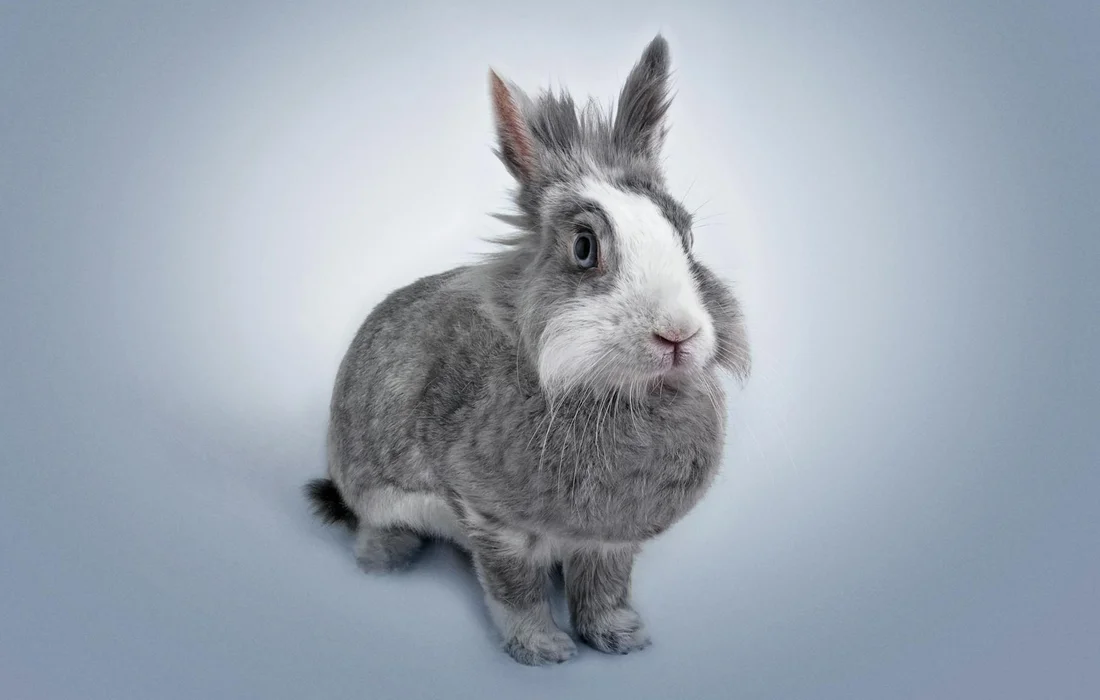
Alright, y’all, let’s walk through the practical side of things so your bunny can enjoy this tropical delight without a tummy ache. For rabbits, banana peels need their own safety prep—wash thoroughly, use pesticide-free fruit, and offer only a tiny piece. We’ll cover the rabbit-specific banana peel safety steps in the next section. Feeding bananas safely is less about the fruit itself and more about your stewardship in serving it, a principle that applies to all our farmyard friends.
Preparing Bananas for Your Rabbit
Just like you wouldn’t toss a whole corn cob to a chicken, you can’t hand a banana to a rabbit as-is. Proper preparation is your first act of kindness, preventing choking and digestive mishaps before they start.
- Select a ripe banana-a bright yellow one with maybe a few sugar spots-and wash the peel thoroughly under cool water, scrubbing to remove any wax or chemical residues. I use the same vegetable brush on bananas that I use on my garden cukes.
- Peel the banana and discard the peel unless you are certain of its organic origin. Even with organic, I generally skip it; those peels are fibrous and can harbor unseen dirt, much like the roughage I compost for the garden.
- Slice the flesh into tiny, dime-sized pieces to prevent choking. Small pieces mimic the size of the forage they’d naturally nibble, making it a safe and manageable treat.
- Inspect for and remove any hard seeds or stringy bits. Run your finger over a slice to feel for anything stubborn; it’s a simple step I do for all soft fruits.
Determining the Right Portion
This is where many well-meanin’ folks go wrong, thinkin’ a bit extra shows love. With rabbits, disciplined portion control is the truest form of care, protecting their delicate digestive balance.
- Recommend a strict portion: no more than 1-2 teaspoons of banana per 5 pounds of body weight. For a hefty Flemish Giant, that might be two teaspoons; for a standard breed, stick to one.
- Adjust for smaller breeds like Netherland Dwarfs-a pea-sized piece is plenty. Their metabolism is swift, and too much sugar can throw it off quicker than a sudden frost harms tender seedlings.
- Stress that this is a treat, not a meal replacement. Their daily bread is and always should be unlimited grass hay, a rule as fundamental as providing clean water to every animal on the place.
Establishing a Feeding Schedule
Creatures of habit thrive on routine, and your rabbit is no different. A predictable treat schedule keeps their digestion steady and turns snack time into a valuable bonding moment. It also helps you manage what kinds of treats they get and when.
- Advise feeding banana treats only once or twice a week at most. I’ve found once a week on a Saturday morning works wonders for my bunch, keeping it special and predictable.
- Suggest tying treat time to a specific activity, like handling or health checks. This pairs a positive reward with necessary care, making it easier to check teeth or inspect feet, just like I do when trimming my goats’ hooves.
- Emphasize observation; if droppings change, reduce frequency. Their droppings are the best daily report card you’ll get; soft or misshapen pellets are a sure sign to pull back on the sweets.
Age and Breed Considerations for Feeding Bananas
Just like with children on the farm, you can’t raise all rabbits the same. Their needs change with age and breed. Knowing these differences is what separates good husbandry from great stewardship, and it keeps your bunnies hopping healthy for years. I’ve learned this through trial and error in my own barn, and I’m happy to share so y’all can avoid my early mistakes.
Feeding Bananas to Baby Rabbits
Those baby bunnies, or kits, will melt your heart, but you’ve got to be stern with their diet. I remember one eager youngster who thought a nibble of peach was a good idea; let’s just say we had a long night nursing a tender tummy back to health. Stick to these rules, and you’ll raise robust rabbits.
- Do not offer any fruits or veggies, including banana, to kits under 12 weeks old. Their gut flora is still setting up shop, and sugar can cause catastrophic digestive upset.
- For those first crucial weeks, a kit’s menu is simple: mother’s milk and then, as they grow, unlimited high-quality grass hay. That hay is the cornerstone, building the muscle and bacteria needed for a lifetime of good digestion.
- After weaning and once they’re steadily consuming hay for a few weeks, you can ponder a treat. Introduce any new food, like a sliver of banana, slower than molasses in January-just a pea-sized bit once a week to start. Watch their droppings closely for any change.
Breed-Specific Advice
From the dainty dwarfs to the gentle giants, breed plays a part in how a rabbit handles a sweet treat. It all boils down to metabolism and those ever-growing teeth, which I’ve spent many an afternoon monitoring. Here’s how to tailor your approach.
- Dwarf breeds like the Holland Lop or Netherland Dwarf need extra caution. They’re prone to dental malocclusion and have a petite digestive tract, making that sugar hit from banana riskier for both teeth and tummy. I give my dwarfs half the typical portion, and only as a rare reward.
- For Lionheads and other popular breeds, the general rules apply. Every rabbit is an individual, so start small and monitor their personal tolerance like you would a new chicken in the flock. Some might handle it fine, while others get a bit too frisky on the sugar.
- Larger breeds, such as the magnificent Flemish Giant, can have the standard portion (about a one-inch slice). But don’t let their size fool you-moderation is still the golden rule to prevent obesity and keep their digestion running smooth as a tractor on fresh oil.
What to Do If Your Rabbit Overeats Bananas

-
Immediately remove all remaining banana and any other treats from reach. You’ve got to be quicker than a hen on a junebug to get that sugary temptation away from your bunny. This isn’t a time for hesitation; just scoop it up and out of the hutch.
-
Provide unlimited fresh timothy hay and clean water to stimulate gut motility. Pile that hay high and keep the water bottle full, because this combination is the engine starter for a sluggish rabbit gut. I always keep a extra flake of orchard grass or timothy handy for just such moments.
-
Watch closely for signs of digestive distress: reduced appetite, lethargy, or abnormal droppings. You’re looking for any departure from their normal, peppy behavior-like if they’re not eager for their evening greens or their droppings look small and dry. Trust me, you’ll learn their regular routine fast.
-
If symptoms appear or persist for more than 12 hours, contact your veterinarian promptly. Rabbits can go downhill fast, so having your vet’s number saved is a piece of homestead wisdom you don’t want to learn the hard way. Don’t reckon you can just wait it out; professional advice is cheap compared to a lost animal.
-
I remember a spotted doe named Dolly who figured out how to tip over a small bowl of fruit scraps. We found her looking downright sorrowful with a bloated belly, and a day of diligent hay-munching and careful observation was our prescription. It was a powerful reminder that even on a busy farm, managing treats is a core part of good stewardship.
Healthy Treat Alternatives to Bananas
Now, if you’re lookin’ to spoil your bunny without the sugar rush, there’s a whole buffet of better choices. From my years in the barn, I’ve learned that variety with vigilance keeps animals thrivin’ on a homestead.
Low-Sugar Fruit Picks for a Sweet Nibble
Fruit should be a tiny accent, not a main course. Here are my go-to options that won’t upset their delicate digestion like too much banana can.
- Blueberries: A couple of these antioxidant-rich berries make a fine reward. They have less sugar than banana, and my rabbits always come a-runnin’ for ’em.
- Apple Slices (Core Removed): Always cut out the core and seeds first. A thin slice or two of a tart apple gives a nice crunch with less sugar content.
- Strawberry Tops: Don’t you dare toss those leafy greens! The tops are a fabulous, low-sugar treat, and it’s my kind of thrifty, waste-not wisdom.
Vegetable Favorites They’ll Fancy
Fresh greens are where you can get creative. I mix a handful of these into my rabbits’ daily greens to keep their meals interestin’ and nutritious.
- Romaine Lettuce: This is a staple in my rabbit patch. It’s high in water and fiber, but low in sugar, unlike iceberg which is mostly water.
- Cilantro & Basil: These herbs are fragrant, low-sugar, and a hit with my herd. A few sprigs add flavor and variety without any fuss.
- Carrot Tops: Those fluffy greens are rabbit gold! They’re nutritious and low in sugar, while the orange root should be a rare treat.
The Non-Negotiable: Hay is Everything
Listen close now. No treat, no matter how healthy, can replace the essential role of hay in a rabbit’s diet for proper digestive health. I’ve seen bunnies get poorly from too many sweets and not enough roughage. Timothy or orchard grass hay must constitute 80-90% of what they eat, available day and night to keep their gut movin’ and teeth ground down.
Making Sense of Sugar: A Handy Comparison
Let’s talk straight numbers so you can see why these alternatives are smarter. Bananas pack about 12 grams of sugar per 100 grams. Now, stack that up against your new options.
- Blueberries hover near 10 grams per 100 grams, but you’re only feedin’ a berry or two.
- Apple slices are similar, around 10 grams, yet a thin slice is plenty.
- Strawberry tops (the leaves) have minimal sugar, with the fruit part at roughly 4.9 grams.
- Romaine lettuce shines at less than 1 gram of sugar per 100 grams.
- Cilantro and basil both sit comfortably under 1 gram of sugar.
- Carrot tops are very low, while the carrot root has about 4.7 grams.
Choosin’ these lower-sugar foods is a simple act of good stewardship, preventing common troubles like obesity and dental problems. It’s how we show respect for the critters in our care.
Rabbit Dietary Needs in the Barnyard Context
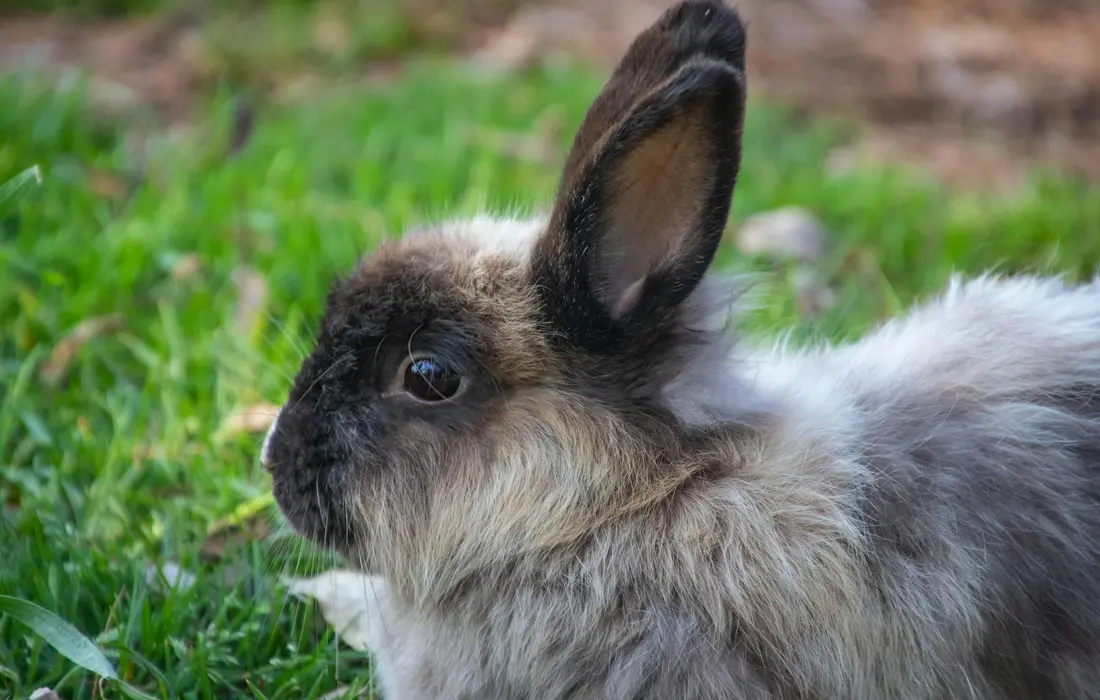
Out here on the farm, we learn quick that you can’t feed a pig like a chicken, or a chicken like a rabbit. While my laying hens require a precise 16-18% protein crumble and my hogs fatten on fermented grains, a rabbit’s engine runs on one simple fuel: long-stem, fibrous hay. Their digestive systems are delicate fermentation vats, needing that roughage to function properly, making a pile of timothy hay more valuable than any grain mix for their daily diet.
This is where treats like bananas enter the picture. Think of fresh fruit not as feed, but as a sparingly used supplement, akin to how I might give the kids a spoonful of molasses in their oatmeal for a special morning. A bit of banana-a slice no bigger than your thumbnail for a standard breed-once or twice a week is plenty. More than that, and the sugar can stall their gut, a problem you won’t see in your grain-scavenging geese.
Good stewardship means working with the land to provide. I dedicated a small corner of my garden to rabbit-safe herbs like cilantro and dill, which offer variety without cost, and I never toss untreated apple peels or beet greens from my kitchen. These scraps become thoughtful snacks, reducing waste and connecting my rabbit’s diet directly to the homestead’s cycle.
Respect for your animal means respecting your wallet, too. I’ve found that putting my money into a dense, green bale of local hay does more for a rabbit’s health and happiness than any brightly bagged treat from the store shelf. That investment in quality forage ensures their teeth are ground and their guts are full, which is the cornerstone of practical, thrifty husbandry for any barnyard keeper.
Closing Tips
Can rabbits eat bananas?
Yes, rabbits can eat bananas as an occasional treat. However, due to their high sugar content, bananas should only be given in tiny amounts to prevent digestive upset. To keep portions in check, refer to our bananas feeding guide on portion control. It walks you through safe amounts based on rabbit size.
How much banana can a rabbit eat?
A safe portion is about 1-2 teaspoons of banana per 5 pounds of body weight. For smaller breeds, reduce this to a pea-sized piece to avoid health issues.
What are the risks of feeding bananas to rabbits?
The primary risks include gastrointestinal stasis from sugar disrupting gut bacteria, leading to lethargy or worse. Overconsumption can also cause obesity and dental problems over time.
How should I prepare bananas for my rabbit?
Wash the banana thoroughly, peel it, and slice the flesh into small, dime-sized pieces. Always remove any seeds or tough bits to ensure it’s safe for nibbling.
Can baby rabbits eat bananas?
No, baby rabbits under 12 weeks old should not eat bananas. Their digestive systems are still developing, and they should only consume mother’s milk and hay initially. You can feed safe fruits to adult rabbits as a treat.
What are healthy alternatives to bananas for rabbits?
Opt for low-sugar options like blueberries, apple slices without seeds, or herbs like cilantro. Remember, hay should always be the main component of their diet for optimal health.
Back to the Hutch
When all’s said and done, sharing a bit of banana with your bunny is one of life’s sweet, simple pleasures. The golden rule of feeding any treat, banana included, is to see it for what it is: a tiny reward, not a staple of their diet. Their health truly hinges on that endless supply of hay, some good greens, and a steady routine. I’ve seen the happiest rabbits are the ones whose folks pay more attention to their daily hay consumption than to the fancy treats in the pantry. It’s quite different from feeding bananas to guinea pigs, which requires a bit more caution.
I hope this guide helps you share a snack with your floppy-eared friend with confidence. There’s a deep satisfaction in caring for our critters well, in understanding their needs and meeting them with a gentle hand. Now, go enjoy that quiet moment at the hutch-it’s what this life is all about.
Further Reading & Sources
- Can Rabbits Eat Bananas? – Feeding Guide For Rabbit Owners
- Can Rabbits Eat Banana Safely? Sweet Treat or Risky Snack? – HayDay HQ
- r/Rabbits on Reddit: Are bananas edible to rabbits?
Caroline Mae Turner is a lifelong farm girl raised on red clay, early mornings, and the sounds of a bustling barnyard. With hands-on experience caring for everything from stubborn goats to gentle dairy cows and mischievous pigs, Caroline shares practical, tried-and-true advice straight from the farm. Her goal is to help folks keep their animals healthy, well-fed, and living their best barnyard life. Whether you're wrangling chickens or bottle-feeding a baby goat, Caroline brings a warm Southern touch and plenty of real-world know-how to every bucket in the barn.
Treat Suggestions