Can Rabbits Eat Carrots? A Homesteader’s Guide to Healthy Bunny Diets
Published on: March 16, 2026 | Last Updated: March 16, 2026
Written By: Caroline Mae Turner
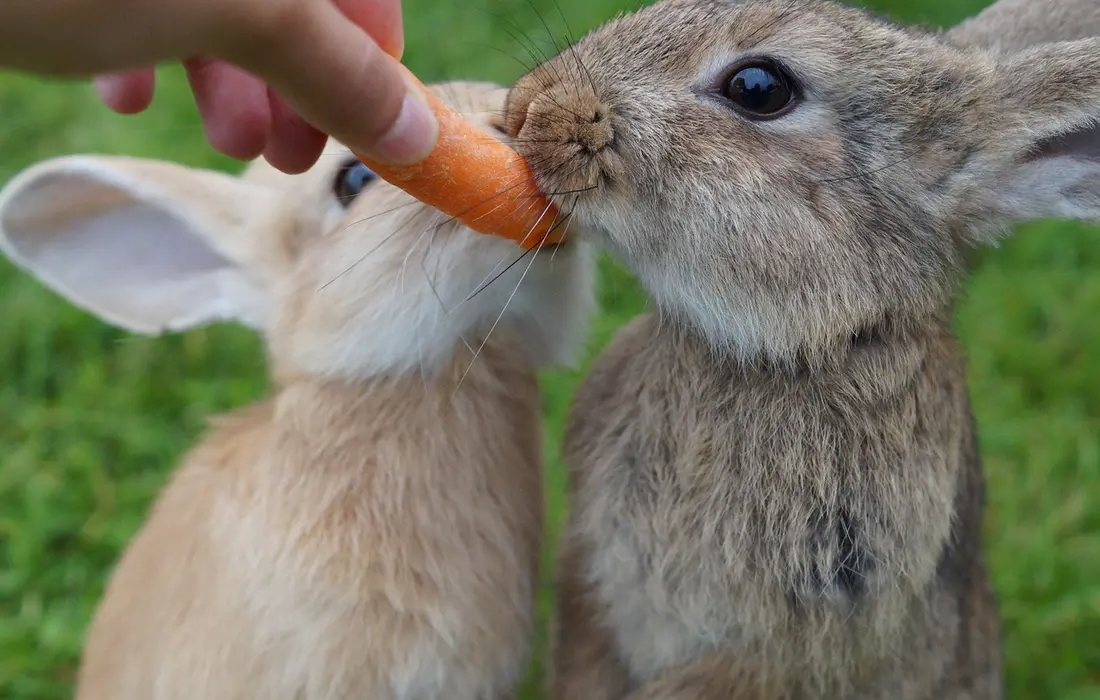
Howdy y’all, and welcome back to the barn. Yes, your rabbit can eat a carrot, but you should think of that orange slice more as a rare candy than a daily vegetable. I reckon that cartoon image of a bunny happily munching a whole carrot has caused more well-intentioned tummy troubles than I care to count.
What you’ll need:
- A fresh, plain carrot (organic is best, scrubbed clean)
- A sharp knife or grater
- A heaping portion of restraint
- Your rabbit’s regular hay pile, which is the real star of the show
Let’s get this common mix-up sorted, so you can feed your critters right and get on with your day.
The Truth About Rabbits and Carrots: Busting the Bugs Bunny Myth
That famous cartoon gave us all a mighty funny, but mighty wrong, idea. Bugs chomping on a carrot like it’s his main course has done more for carrot sales than for proper rabbit husbandry, I reckon. The plain truth is, a rabbit’s digestive system is a finely tuned fermentation vat, built for roughage, not root vegetables.
Can Rabbits Eat Carrots? Yes, But Think “Treat,” Not “Staple”
You can offer carrot, but you must frame it in your mind correctly. It’s a sugary snack, not a meal. A carrot’s bright orange flesh is packed with natural sugars and starch, which can wreak havoc in a rabbit’s gut if fed in excess. I treat carrots like I do candy for a child-a tiny, occasional reward for good behavior, not something they ever get free run of.
How Much Carrot is Safe? A Guide to Moderation
Precision matters here, friends. For a standard-sized adult rabbit (say, 5-6 pounds), a safe serving is no more than one to two tablespoons of chopped carrot, and only 2-3 times a week at most. Think in terms of a fingernail-sized piece per pound of your rabbit. Overdoing it leads directly to an imbalance in their gut flora, a condition called GI stasis that can turn fatal quicker than you’d think. I’ve seen it in my own barn, and it’s a scary, expensive lesson.
Introduce any new treat, including carrot, slowly. Start with a pea-sized bit and watch their droppings for the next 24 hours. If they stay normal, firm, and plentiful, you can occasionally offer that tiny bit more.
What About Carrot Tops, Peels, and Sprouts?
Now here’s where we get to the good part! The leafy green tops are a different story entirely and are a wonderful, healthy addition to their green rotation. Carrot tops are a nutrient-dense leafy green, rich in vitamins and fiber, and can be fed more liberally than the root. A good handful mixed with other greens like romaine or cilantro makes a fine meal.
- Peels: If they’re from organic carrots you’ve washed well, peels are fine in that same tiny, treat-sized amount. They’re just a thinner version of the sugary root.
- Sprouts: Carrot seed sprouts are a fantastic, low-sugar option! They pack a nutritional punch and are a safe way to give that carrot flavor without the baggage.
The Pillars of a Proper Rabbit Diet: Hay, Greens, and More
Forget the carrot for a minute. If you want a thriving, bright-eyed bunny with a silky coat and strong teeth, you build their diet on these three pillars, in this exact order of importance.
Unlimited Hay: The Non-Negotiable Fiber Foundation
This isn’t just food; it’s the engine of their health. A rabbit must have an endless supply of fresh, high-quality grass hay. Timothy hay is the gold standard for adults, while alfalfa (higher in protein and calcium) is for growing kits and pregnant/nursing does. Hay’s roughage keeps their gut moving, grinds down their ever-growing teeth naturally, and prevents a host of deadly problems. It should make up about 80% of everything they eat. I keep racks full at all times, and the sound of constant munching is the sound of a healthy hutch.
Leafy Greens and Vegetables: Essential Vitamins and Variety
This is the “salad bar” portion of their day. Offer about one packed cup of mixed greens per two pounds of body weight daily. Rotate your offerings to provide a spectrum of nutrients and keep them interested.
- Daily Staples: Romaine, green leaf, red leaf lettuce, cilantro, parsley, bok choy, carrot tops.
- Weekly Rotations: Dandelion greens (from pesticide-free areas!), kale, spinach (in moderation due to oxalates), Swiss chard, mint, basil.
- Avoid: Iceberg lettuce (no nutritional value), all cabbage family veggies in large amounts (cause gas), and anything from the allium family (onions, garlic-toxic).
Pellets, Water, and the Occasional Treat
This final tier completes the picture. Select a plain, high-fiber timothy-based pellet, not the colorful mix with seeds and corn, and feed it sparingly-about 1/4 cup per 5 lbs of rabbit per day. Pellets are concentrated nutrition, not filler.
Fresh, clean water must be available 24/7, in both a bowl and a bottle. Bowls are more natural for them to drink from.
Treats, like our infamous carrot slice, a blueberry, or an apple twig for chewing, should be just that-a rare delight. A thrifty steward knows that the best treats are often free: a handful of safe weeds from the yard or a branch from an untreated apple tree provides joy without upsetting their delicate systems.
Rabbit Health and Diet: What Every Steward Should Watch For

Keepin’ a rabbit hale and hearty goes way beyond just fillin’ a food bowl. As a steward, your watchful eye on their daily habits is the first line of defense against common troubles. I’ve learned over the years that a contented rabbit is one with a busy gut, worn-down teeth, and a trim figure. Let’s mosey through the three big things you need to mind.
Digestive Health: Why Fiber is King
Picture a rabbit’s gut like a slow, steady conveyor belt that must never stop. The engine for that system is fiber, and the best fuel you can provide is unlimited grass hay. I keep a mix of timothy and orchard grass in the racks at all times, aiming for that 18-25% crude fiber range the books talk about. Without it, the whole works can grind to a halt in a condition called GI stasis.
I recall one winter when a young doe of mine got picky and turned her nose up at her hay. Within a day, she was hunched and quiet, a sure sign that internal conveyor belt was stalling. We got her back on track with a vet’s help and a stern commitment to hay first. Now, I watch their droppings closer than I watch the weather. Those round, firm pellets are your daily report card.
- Primary Feed: 80-90% of the diet should be grass hay. It’s cheap, it’s natural, and it keeps everything moving.
- Greens Come Second: A packed cup of dark leafy greens per 2 pounds of body weight daily adds moisture and nutrients without upsetting the balance.
- Pellet Portion Control: A mere 1/4 cup of plain timothy pellets per 5 pounds of rabbit is plenty. Overdoing pellets is a fast track to trouble.
Dental Problems and the Need to Chew
Those front teeth you see are just the tip of the iceberg. A rabbit’s teeth grow about an eighth of an inch every week, and they demand honest work to stay filed down. Crunchy carrots might seem like the answer, but they’re too soft and sugary to do the job. The real dentistry happens with long-stem hay that requires a side-to-side grinding motion.
I had a buck once who started leaving little piles of half-eaten pellets. Upon closer inspection, his front teeth were starting to hook like a parrot’s beak-a classic sign of malocclusion. The vet trimmed them, and we overhauled his diet right then. I learned that providing apple or willow branches from my pesticide-free trees gives them a perfect, fibrous job to chew on.
- Ensure constant access to long-strand hay. This is non-negotiable for tooth wear.
- Offer safe, untreated wood blocks or branches weekly. My rabbits fancy a good maple twig.
- Monitor for wet chin fur or dropping food, which can be early whispers of dental pain.
Obesity and Sugar: The Weight of the Matter
Here’s where that cartoon image of a rabbit with a carrot does real harm. Carrots and most root vegetables are sugar bombs in a rabbit’s world, leading to pudgy, sluggish animals and a host of other issues. A single baby carrot is like you eatin’ a full-sized candy bar. I reckon a treat portion shouldn’t be bigger than your thumbnail, and only a couple times a week at most. Not all vegetables are safe for rabbits—some are toxic. A quick look at the vegetables rabbits should not eat list will help you choose wisely.
An overweight rabbit struggles to groom itself, which can lead to flystrike, and puts terrible strain on its heart and joints. I keep my herd at a fighting weight by using their pellets as a measured treat, not a staple, and by favoring leafy herbs like cilantro or basil as rewards. Feel their spine regularly; you should sense the bumps under a thin layer, not a smooth pad of fat.
- Treat with Sense: High-sugar fruits and carrots are for rare occasions. A thin slice of apple or a blueberry is a far better choice.
- Encourage Movement: Use feeding balls for pellets or hide greens around their enclosure to make ’em forage and exercise.
- Regular Weigh-Ins: Use a kitchen scale monthly. A sudden gain often points to too many starchy snacks, not enough hay.
Safe and Unsafe Foods: Your At-a-Glance Feeding Lists
Navigating your rabbit’s menu is simpler than you might reckon, but getting it wrong has consequences I’ve seen firsthand in my barn. A proper diet builds from the bottom up: unlimited grass hay, a measured cup of fresh greens, and just a pinch of pellets for adult rabbits. Let’s walk through what belongs in that daily cup and what should never cross the hutch threshold.
Safe Vegetables and Herbs for Daily Feeding
Your rabbits’ daily greens should be varied, just like we aim for color on our own plates. I rotate what I pick from my garden based on the season to keep my herd interested and healthy. Consistency is key—introduce any new food slowly over a week to avoid upsetting their delicate digestion.
These are my go-to, barn-tested choices that I feed every day:
- Leafy Greens: Romaine lettuce, green leaf lettuce, red leaf lettuce, bok choy, and carrot tops. Iceberg lettuce is a no-go; it’s mostly water with little nutrition.
- Herbaceous Bites: Cilantro, parsley, mint, basil, and dill. My rabbits hear the rustle of a parsley bunch and come running.
- Garden Staples: Brussels sprouts (sparingly), broccoli leaves, and celery leaves. I always chop celery ribs small to prevent stringy fibers from causing choke.
Aim for about one packed cup of mixed veggies per four pounds of rabbit each day. Washing store-bought greens in a vinegar water bath removes residue and is a thrifty alternative to pricey organic produce.
Foods to Avoid: Common Kitchen Dangers
Some foods are outright poisonous, while others quietly cause long-term harm. I keep a list right on my fridge as a reminder for well-meaning family. When in doubt, leave it out-it’s a rule that has saved me more than once.
Here are the common kitchen scraps that must stay out of the rabbit pen:
- Allium Family: Onions, garlic, leeks, and chives. These can cause severe blood cell damage.
- Starchy Vegetables: Potatoes, yams, and raw beans. They are difficult to digest and promote harmful gut bacteria.
- Problem Plants: Rhubarb leaves, tomato vines, and avocado are toxic and can be fatal.
- Seeds and Pits: Apple seeds contain cyanide, and peach or plum pits pose a choking hazard.
I learned the hard way about the allium family after a rabbit nibbled a discarded onion skin and needed supportive care. Always compost these items far away from where your curious critters might forage.
Fruit and Sweet Treats: The Rare Indulgence
This is where carrots land, bless their sugary hearts. Think of fruit not as food, but as a training tool or a weekly delight. Fruit is a condiment, not a cornerstone, of a rabbit’s diet. Too much can lead to a condition called GI stasis, where their gut slows down dangerously.
When you do offer a treat, keep it to a teaspoon-sized portion per two pounds of body weight, once or twice a week. Safe options include:
- Apple slices (seeds removed)
- Blueberries or raspberries
- Pear pieces
- Papaya (which can help with hairballs)
- And yes, a thin slice or two of carrot
I use a sliver of banana as a high-value reward for handling my nervous rabbits. Respecting their biology means enjoying their joy for a treat without compromising their health for our amusement.
How Rabbit Diets Compare to Other Barnyard Animals
On a mixed homestead, it’s mighty tempting to treat all your critters from the same garden haul. But what keeps a pig plump and a cow content can spell real trouble for a rabbit’s delicate gut. Their needs are as different as a tractor and a tiller.
Rabbits vs. Chickens: Carrots as Scratch or Snack?
Your hens will scratch and peck at a carrot chunk with gusto, and that’s just fine. Chickens are omnivores with a sturdy digestive tract built to handle variety-grains, bugs, greens, and the occasional kitchen scrap. A carrot is just another form of scratch to them.
For a rabbit, that same carrot is a potent sugar bomb. A rabbit’s system is a fiber-fermenting machine first and foremost, designed to extract nutrients from the most mundane stems and hay. I’ve seen a few too many treats make a bunny lose its taste for the good hay it truly needs.
Here’s the barnyard breakdown:
- For Chickens: Carrots are a healthy, fun snack. Chop them or toss them whole for pecking. The greens are fantastic fodder, too.
- For Rabbits: Carrots are a high-sugar treat, not a staple. A thin slice or two per week is the limit for an average-sized bunny.
- The Big Difference: Chickens can efficiently use the sugars and carbs. Rabbits cannot; excess sugar disrupts their delicate cecal bacteria, leading to GI stasis.
Rabbits vs. Pigs and Cows: The Sugar and Fiber Balance
Now, a pig will happily devour a whole bucket of carrots, roots and all. So will a cow. Their large, single-stomach or complex multi-chambered systems are built to process a wider array of carbohydrates, including sugars.
A rabbit’s digestive powerhouse is its hindgut, specifically the cecum, where fibrous food is fermented-a process utterly thrown off-kilter by too much simple sugar. Think of it like this: a cow’s rumen is a vast, bubbling fermentation vat that can handle some sugary fruit thrown in. A rabbit’s cecum is a precise, temperature-controlled culture that goes sour easily.
Let’s look at the numbers:
- Rabbit Diet: Requires 80-90% high-quality grass hay (fiber). Their commercial pellets are only about 14-16% protein.
- Pig Diet: Grower feed runs 16-18% protein. They can handle root vegetables like carrots as a sizable portion of a varied diet.
- Cow Diet: Thrives on pasture grass and hay (fiber), but their rumen efficiently converts grains and sugars. Carrots are a sweet, welcome supplement.
The key takeaway? Pigs and cows utilize sugars for energy or fat. For rabbits, that same sugar directly attacks their digestive health.
Practical Tips for a Multi-Species Homestead
Managing everyone’s menu doesn’t have to be a chore. It just takes a little forethought and some good fencing. Here’s what works for me.
Segregate your feeding areas. Rabbits should eat their specialized diet in their own secure hutch or run. This prevents a curious chicken from pecking at their pellets and stops a rabbit from gorging on chicken scratch, which is far too rich for them.
When you harvest garden treats, sort them by species:
- Rabbit Box: Herbaceous greens (kale, romaine), herb tops (cilantro, basil), and that rare, thin carrot slice.
- Chicken/Pig Tote: Carrot chunks, beet tops, bruised veggies, and surplus fruit. Pigs get the bigger portions.
- Cow/Calf Pail: Whole carrots, beet pulp, and windfall apples make a fine extra bite at the fence line.
Use rabbit-safe greens as a unifying treat. A basket of freshly cut wheatgrass, a handful of plain dandelion greens (from unsprayed areas), or some raspberry canes are welcomed by rabbits, chickens, and even goats safely. This builds your habit of treating them all without risk.
Finally, observe. If you see loose stools in your rabbit pen, scrutinize the diet first. On a busy homestead, a well-meaning family member might have slipped Bunny an extra “farmer’s treat” meant for the pigs. Good stewardship means knowing each animal’s needs as individually as you know your own tools.
Closing Tips on Rabbits & Carrots
Is the idea that rabbits eat carrots just a myth?
Yes, the notion that carrots are a rabbit’s main food is a pervasive myth, largely popularized by cartoons. For a healthy barnyard rabbit, carrots are a sugary treat, while grass hay is the true dietary staple.
Where did the ‘rabbits love carrots’ idea come from, like with Clark Gable?
The pop culture link is often tied to a 1934 film where Clark Gable casually eats a carrot while talking. This mannerism was later used for the cartoon rabbit Bugs Bunny, cementing the misleading association in the public mind for decades.
Can rabbits eat carrot sprouts or tops safely?
Absolutely. Carrot tops (the leafy greens) are an excellent, fiber-rich green for rabbits. Carrot seed sprouts are also a fantastic, low-sugar option that provides nutrition without the risks of the starchy root.
What do farmers on Reddit often say about the carrot myth?
On homesteading and rabbit care forums, experienced keepers consistently warn newcomers about the dangers of overfeeding carrots. The collective advice always emphasizes unlimited hay first, treating carrots like rare candy to avoid serious digestive issues.
What are the symptoms of a “carrot leak” or digestive upset?
Overfeeding carrots can cause GI stasis, signaled by small, misshapen droppings or a complete lack of them, lethargy, and a hunched posture. This is a critical condition requiring immediate veterinary attention to get their gut motility back on track.
Any tips for a good “rabbit eat carrot” drawing for my barn?
For a fun and accurate barn-side sketch, draw the rabbit with a huge pile of hay and a single, small carrot slice beside it. This visually teaches the proper proportion and reinforces that carrots are just a tiny part of a much bigger, hay-focused diet.
Shutting the Gate
When all’s said and done, the heart of a good rabbit diet ain’t complicated. Fill their world with limitless, fresh hay and you’ve built the foundation for a vibrant, long-lived bunny. I’ve watched many a rabbit in my care, and their best days always follow a simple rule: hay first, everything else second. That fibrous buffet keeps their digestion smooth and their teeth in check, saving you vet bills and heartache down the road. Choosing the right hay is crucial for rabbits’ health.
I’m right grateful you took the time to learn about your rabbit’s supper. There’s a deep satisfaction in caring for creatures well, in watching them flourish under a mindful hand. Now, go enjoy the simple pleasure of a happy hutch and the quiet rhythm of homestead life. Take care, y’all.
Further Reading & Sources
- Can Rabbits Eat Carrots? Safe Feeding Tips For Your Bunny
- Are carrots a healthy part of a rabbit diet? – Pets Stack Exchange
- Rabbits should eat a carrot a day – and other bunny myths | Burgess Pet Care
Caroline Mae Turner is a lifelong farm girl raised on red clay, early mornings, and the sounds of a bustling barnyard. With hands-on experience caring for everything from stubborn goats to gentle dairy cows and mischievous pigs, Caroline shares practical, tried-and-true advice straight from the farm. Her goal is to help folks keep their animals healthy, well-fed, and living their best barnyard life. Whether you're wrangling chickens or bottle-feeding a baby goat, Caroline brings a warm Southern touch and plenty of real-world know-how to every bucket in the barn.
Diet Requirements