Can Rabbits Eat Melon Rinds and Seeds? A Homesteader’s Safe Feeding Guide
Published on: May 25, 2026 | Last Updated: May 25, 2026
Written By: Caroline Mae Turner
Howdy y’all. Staring at a pile of melon scraps and wondering if your bunnies can join the summer feast without a trip to the vet? Your rabbits can enjoy watermelon, cantaloupe, and honeydew as a sweet treat, but the secret to safety is in the small serving size and meticulous preparation of the rind and seeds.
- What you’ll need:
- A ripe melon (watermelon, cantaloupe, or honeydew)
- A sharp knife and clean cutting board
- About five minutes of prep time
- A mindful eye for moderation
Let’s get this sorted right quick, so you can get back to those berry bushes before the birds do.
Can Rabbits Safely Eat Melon?
Well, howdy! Melon season is rolling in, and I just love seeing those ripe fruits piled high at the market. It’s natural to look at your fluffy herd and wonder if they can have a taste of summer’s sweetness. I’m happy to tell you yes, your rabbits can safely nibble on watermelon, cantaloupe, and honeydew-but only as an occasional treat. Their main diet must always be that good, grassy hay.
I remember the first time I offered a sliver of watermelon to my old doe, Bertha. She sniffed it, then nibbled so daintily before hopping off with a juicy piece, making a happy little mess. It’s a sight that still brings a smile to my face.
| Melon Type | Safe in Moderation | Key Note |
|---|---|---|
| Watermelon | Yes | Extremely high in water, great for hydration. |
| Cantaloupe | Yes | Rich aroma and flavor, higher in natural sugars. |
| Honeydew | Yes | Mildest of the three, often easiest on sensitive tummies. |
Watermelon Safety Check
That bright red flesh is perfectly safe for your bunnies. Watermelon is over 90% water, making it a fantastic hydration helper on a scorching afternoon. We’ll talk about the tough rind and those black seeds in a bit, but the juicy heart of the matter is that this melon is a fine, refreshing offer.
Cantaloupe Safety Check
Cantaloupe gets a solid yes from this barn. Its strong, sweet smell is mighty attractive to rabbits, but mind the sugar content-a little goes a long way. The flesh is soft and easy for them to eat, and like its cousins, the rind and seeds need special consideration we’ll cover later, especially when compared to other stone fruits or nuts.
Honeydew Safety Check
Don’t let its pale green color fool you; honeydew is a safe and gentle treat. It’s often the mildest in flavor and lower in acidity, which can be good for rabbits with a more delicate constitution. The same golden rule applies: offer only a small piece once in a blue moon.
The Sweet Benefits: Why Melon Makes a Fine Treat
When given sparingly, these melons offer more than just a sweet taste. They provide a little boost that can support your rabbit’s well-being, especially when the sun is beating down on the hutch. I’ve watched my rabbits relish a cold melon chunk on a hot day, and it’s clear it perks them right up.
- Hydration Aid: All three melons are mostly water. Watermelon leads the pack, but cantaloupe and honeydew are close behind, helping keep your bunny sipping indirectly.
- Dietary Fiber for Digestion: The flesh contains soluble fiber that aids gut motility. Cantaloupe tends to have a bit more fiber than honeydew or watermelon.
- Vitamin Boost: You get a sprinkle of Vitamins A and C. Cantaloupe is particularly rich in Vitamin A, which supports good eyesight and a healthy coat.
- Low Calcium for Bladder Health: Unlike some greens, melons are very low in calcium, which helps prevent painful urinary sludge in rabbits.
- Behavioral Enrichment: A new texture and taste breaks up the monotony, encouraging natural foraging behavior and curiosity.
Hydration Helper in Summer Heat
Rabbits don’t always drink enough from a bottle when it’s warm. Offering a tablespoon of chilled melon flesh can be a smart, extra way to get fluids into them and prevent dehydration. I’ll often give a small cube as a midday cool-down treat when the Tennessee heat is relentless.
Fiber for Smooth Digestion
While hay is the undisputed champion for digestive fiber, the soft fiber in melon can give the gut a helpful nudge. This gentle assist promotes regular movement and can help ward off the dreaded GI stasis, a serious condition for rabbits. Think of it as a supplemental aid, not the main source, especially when compared to quality rabbit hay for digestion.
Risks and the Rule of Moderation

Feeding melons to your rabbits is a bit like seasoning supper-a little enhances the meal, but too much ruins it. You must respect their delicate digestive systems by offering these fruits as rare treats, not staple foods. I learned this lesson years ago when my curious buck, Jasper, overindulged on picnic scraps and spent a day looking mighty sorry for himself. Learning which fruits are safe for rabbits and how to feed them properly has been crucial ever since.
To keep your bunnies hopping happily, y’all need to mind these three specific risks. A numbered list helps me remember, and it might help you too.
- Sugar Overload: The natural sugars in melon can lead to obesity and dental issues if fed too freely, unsettling a rabbit’s balanced diet.
- Digestive Disturbance: A sudden influx of sugary, watery fruit can disrupt their gut motility, potentially causing painful gas or irregular droppings.
- Unwashed Rinds: The outer skin often carries pesticide residue or field bacteria that can make your rabbit sick if ingested.
Now, being thrifty is a homestead virtue. Those cleaned rinds and seeds can be offered occasionally, turning kitchen scraps into enrichment without waste. I often share a well-scrubbed rind between the rabbits and the compost pile, ensuring every bit serves a purpose.
Sugar Content: The Delicate Balance
Let’s compare our three melons straight from the garden table. Watermelon is typically the lowest in sugar, around 6-8%, while cantaloupe and honeydew climb higher, often between 8-10% sugar. That difference might seem small, but to a rabbit’s metabolism, it matters.
I always tell folks to think of melon flesh like candy for bunnies—a special surprise, not everyday feed. Limit portions to about one teaspoon per two pounds of body weight, and never more than once or twice a week. This keeps their taste for sweets in check and their appetite for hay strong, much like when feeding carrots or other treats.
From my own pasture, I recall a season where my herd preferred honeydew over hay. Correcting that imbalance meant strict portion control and reminding myself that my job is to provide what they need, not just what they want.
Spotting Signs of Trouble
Even with careful feeding, sometimes a rabbit gets a bit too much. Recognizing the early warnings lets you act fast. Your first clue is often a change in their droppings or daily routine. I keep a close eye on my rabbits for these specific symptoms after any treat time.
- Soft, Misshapen Stools: This indicates digestive upset and is a direct sign to stop all fruit immediately.
- Lethargy or Hunched Posture: A rabbit that’s usually lively but now sits still might be experiencing gut discomfort.
- Reduced Hay Eating: If they’re ignoring their primary food source, the melon has likely spoiled their appetite for proper nutrition.
At the first sign, remove all melon from their reach. Immediately provide unlimited fresh hay and water to help their system recalibrate. If symptoms don’t improve within 12 hours, or if your rabbit stops eating entirely, consult your veterinarian without delay. I’ve made that call, and it’s always the right move for responsible stewardship.
Portion Control: How Much Melon to Feed
Feeding melon is a joy, but giving too much is a fast track to digestive upset. In all my years tending rabbits, I’ve learned that the most generous thing you can do is show restraint with treats, no matter how eager those noses twitch.
Follow these three simple steps to keep your bunnies healthy and happy.
- Weigh your rabbit. If you don’t have a scale, hold your bunny and step on your bathroom scale, then subtract your own weight. Knowing their size is the first step to responsible feeding.
- Calculate treat allowance. For a healthy adult, total treats should never exceed 10% of their daily food intake. For melon, I reckon even less-it’s a special occasion bite, not a staple.
- Cut melon accordingly. Use a sharp knife to create small, uniform cubes. This prevents gorging and makes it easy to track exactly how much they’ve eaten.
This table gives you a clear, quick reference for safe serving sizes based on a standard five-pound rabbit. Adjust proportionally for your critter’s weight.
| Melon | Flesh Portion | Rind Portion | Notes |
|---|---|---|---|
| Watermelon | 1-2 teaspoons | A thin, 1-inch strip | Rind must be scrubbed clean. It’s more for gnawing enrichment than nutrition. |
| Cantaloupe | 1 teaspoon | Not recommended | Higher sugar content demands a lighter hand. Always remove seeds and strings. |
| Honeydew | 1-2 teaspoons | A thin, 1-inch strip | Slightly lower in sugar than cantaloupe. Ensure rind is from an organic source if possible. |
Watermelon Portions Per Serving
That juicy red flesh is mostly water, but the sweetness can still overwhelm a delicate gut. I measure out watermelon like I’m doling out precious gems-one small cube per five pounds of rabbit is a treasure they’ll truly appreciate.
- For an average 5-pound bunny, one to two teaspoons of cubed flesh is ample.
- If offering the pale rind, wash it with a vinegar solution and cut a piece no larger than a postage stamp. My rabbits see it as a fun chew, not a meal.
- I remember one hot July when my buck, Jasper, would come running for his single cube. He’d hold it in his paws and make it last, which taught me that a little bit is plenty satisfying.
Cantaloupe and Honeydew Portions Per Serving
These melons are delightful but differ in their sugar punch. You must tailor your portions with a keen eye, especially for cantaloupe, to avoid unneeded calories and keep your herd in prime condition.
- Cantaloupe: Due to its concentrated sugars, serve conservatively. One teaspoon of flesh for a five-pound rabbit is the maximum I ever offer. Scrape out all the seeds and fibrous center pulp first.
- Honeydew: This melon is gentler, so you can use a portion similar to watermelon. One to two teaspoons for a five-pounder is a safe, refreshing treat. The pale green flesh is often a hit.
- The rind on honeydew can be offered as an occasional chew if cleaned thoroughly, but cantaloupe rind is too tough and fibrous for easy digestion. I steer clear of feeding it.
Handling Rinds and Seeds: A Practical Guide
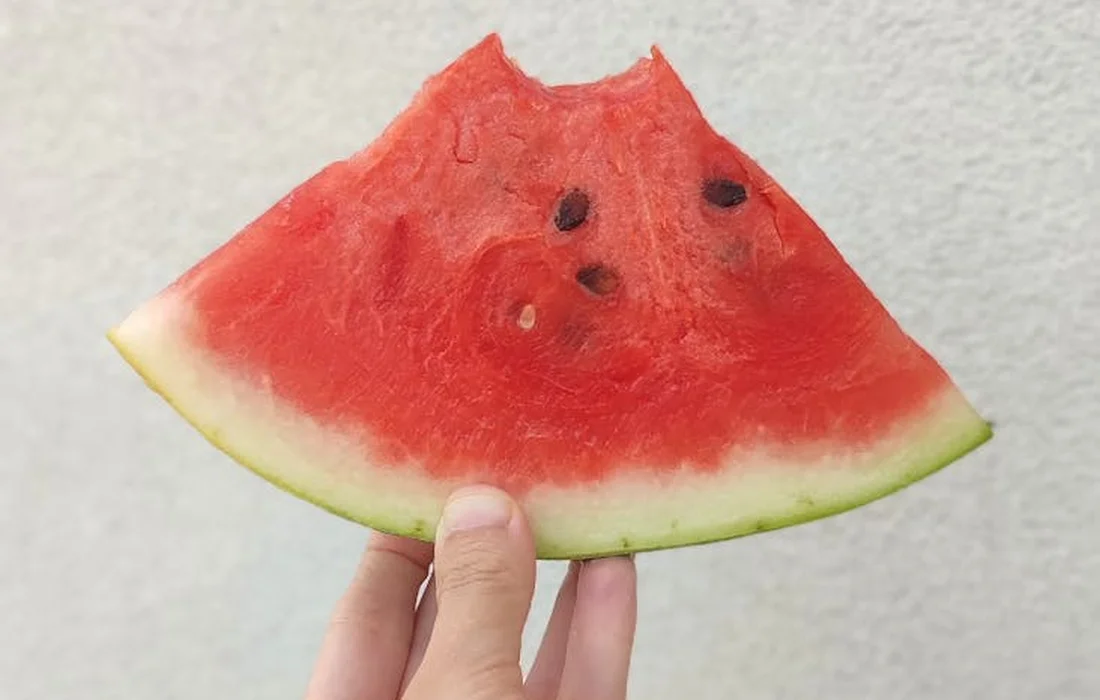
Before you hand over that juicy melon slice, let’s talk about the parts that aren’t so straightforward. In my barn, we treat rinds and seeds with the same care we give to planning a pasture rotation-thoughtfully and with the animal’s well-being first. For goat keepers, watermelon rind and seeds can fit into a balanced diet with practical feeding tips. Here’s my down-to-earth advice for each melon type.
Melon Rind: To Feed or Not to Feed?
I’ve found that a rabbit’s opinion on rind depends greatly on the melon in question. Always start with a vigorous scrub under cold water using a vegetable brush, whether your melon is homegrown or store-bought. This step removes dirt and pesticide residue, and I do advocate for organic when your budget allows.
Let me break it down for you based on my own trials at the hutch:
- Watermelon Rind: Yes, this is safe and often enjoyed. After washing, I cut the pale green and white rind into thin, manageable strips. My rabbits see it as a crunchy, hydrating snack on a hot day.
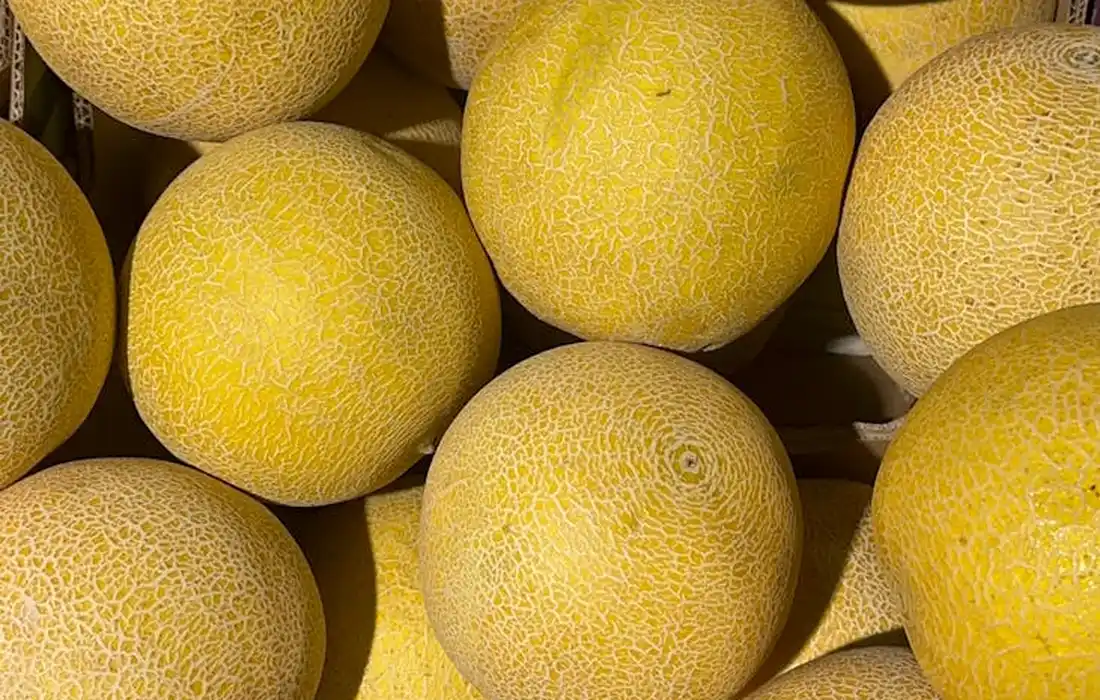
- Cantaloupe Rind: This netted rind is much tougher. While not toxic, it’s less palatable and difficult for rabbits to chew. I typically avoid feeding it and add it to my compost instead of the feed bucket.
- Honeydew Rind: Similar to cantaloupe, the smooth, firm rind is a hard pass for most critters. Stick to the sweet flesh and you’ll save yourself the trouble of prepping something they’ll likely ignore.
Melon Seeds: Removal Recommended
Seeds are where I never cut corners. I remove seeds from watermelon, cantaloupe, and honeydew as a standard rule to prevent choking or intestinal blockage. It’s a lesson I learned early on when a young bunny had a scare with a watermelon seed.
Here’s my practical approach for each type:
- Watermelon Seeds: Always take them out. These black seeds are large and hard. Even one seed poses a real risk, so I scoop them out diligently before serving.
- Cantaloupe & Honeydew Seeds: These smaller, softer seeds in the central cavity should also be removed. While a thoroughly chewed seed might pass, it’s a gamble I reckon isn’t worth taking for your animal’s comfort.
A good practice is to scoop the seed mass out first, then check the flesh for any stragglers. This extra minute of care ensures your treat time is always safe and enjoyable.
Step-by-Step: Preparing Melon for Your Rabbit
-
Start with a good melon, friends. You want one that feels heavy for its size and gives a bit at the blossom end-that’s how you know it’s ripe and sweet. I always give the exterior a mighty scrub with a mix of one part vinegar to three parts water, even if that melon came from my own organic patch. Dirt and unseen residues cling to that rind, and this simple wash knocks it all loose. I’ve found it works better than a plain rinse for keeping my critters safe.
-
Use a clean, sharp knife to slice your melon open on a steady cutting board. Now, get every last seed out of there. Those tiny seeds can cause big trouble in a rabbit’s delicate gut, so scoop ’em all out and toss them in the compost. This goes for watermelon, cantaloupe, and honeydew alike. I use a spoon for cantaloupe and my fingers for watermelon-just make sure your hands are clean.
-
Once you have the seed-free flesh, it’s time to make rabbit-sized bites. For my standard-sized bucks, I dice the melon into cubes about half an inch big; for smaller dwarfs, I go even smaller, around a quarter-inch. You’re aiming for a piece they can nibble easily without risking a choke. I learned this the hard way years ago with an overeager bunny and a chunk that was too big.
-
The rind can be a nice, fibrous treat if your rabbit takes to it. If you choose to offer it, scrub that rind once more after cutting, then slice it into thin strips, no wider than your pinky finger. This makes it manageable for them to chew. I only give rind from melons I’ve grown myself, and I introduce it slowly to see how their tummy handles it.
-
Serve your prepared melon right away on a dish you’ve washed in hot, soapy water. Never offer melon that’s sat out too long or been chilled stone-cold from the fridge, as that can shock their system. I serve treats at barn room temperature. Chickens can enjoy melon flesh as a refreshing, moderate treat. For a complete chickens eat melons feeding guide, including cantaloupe and honeydew. If you have leftovers, a tight-covered container in the fridge for a day is fine, but let it lose its chill before serving again.
Feeding Frequency and Best Practices
Let’s get right to the heart of it: melon is a treat, not a staple. I reckon you wouldn’t eat pie for every meal, and your rabbit shouldn’t eat melon every day either. Their delicate digestive systems thrive on consistency, with the vast majority of their diet being high-quality hay. For a healthy adult rabbit, a few small cubes of melon once or twice a week is the absolute maximum I’d ever recommend on my farm. This prevents digestive upset and keeps them excited for their special snack.
When you do offer it, follow these barn-tested best practices to keep your bunny hopping happily.
- Start Slow: For a first-time introduction, offer a piece no larger than your thumbnail. Watch closely for the next 24 hours.
- Monitor Digestion: This is your most important job. Any sudden change in droppings means you need to pull back.
- Balance is Key: This treat must be in addition to, not instead of, their unlimited hay and regular portion of leafy greens. Hay keeps their gut moving.
- Fresh Water Always: The natural sugars in melon make fresh, clean water even more critical. Check their bottle or bowl twice daily.
Over in our barn, treat day is Saturday morning, right after the main chores are done. This weekly ritual lets me observe all the rabbits while they’re most active, ensuring each one gets their fair share and shows no immediate issues. It’s a small joy for them and a perfect check-in time for me.
Creating a Treat Schedule
Variety is the spice of life, even for a rabbit. Rotating treats prevents boredom and ensures they get a broader range of nutrients. I keep it simple with a weekly rotation, using what’s in season and safe from the garden. A predictable schedule helps you manage portions and keeps your rabbit’s digestion on a steady, reliable rhythm. Here’s a sample of how I might plan a week’s treats for my herd.
- Monday: A sprig of fresh basil or cilantro.
- Wednesday: One blueberry or a thin slice of strawberry.
- Friday: A small piece of crunchy bell pepper (seedless).
- Saturday (Treat Day): A few cubes of cantaloupe or watermelon rind.
Observation After Feeding
Your most crucial work begins after the treat is gone. Rabbits are masters at hiding illness, so you must become a master of observation. For the first 24 hours after offering any new food, including melon, you need to play detective. Healthy, normal droppings are firm, round, and uniform in size-like little cocoa puffs. That’s what you want to see continuing after snack time.
Be deeply concerned if you see soft, misshapen, or overly small droppings, or worse, a complete lack of them. Diarrhea is a dire emergency for a rabbit. Any sign of mushy cecotropes (the softer droppings they usually re-ingest) or lethargy means you must immediately remove the new food and consult your veterinarian, especially if you suspect GI stasis symptoms. Trust your gut; if your bunny seems “off,” it’s better to make that phone call. Their health depends on your watchful eye.
Closing Tips for Your Flock
How do I properly prepare each type of melon for my rabbits?
Always start by scrubbing the whole melon to remove dirt and residues. For all types, meticulously remove all seeds before dicing the flesh into small, bite-sized cubes to prevent choking.
Can rabbits eat the rinds of all melons equally?
No, melon rinds are not equally suitable. Washed watermelon rind can be a fun, fibrous chew, but the tougher, netted rind of cantaloupe and the firm rind of honeydew are generally not recommended for rabbit consumption. When feeding rabbits fruits, it’s important to consider their safety and suitability, as with other fruits like pears.
What’s the main risk when feeding melon to rabbits?
The primary risk is digestive upset from high sugar and water content. Overfeeding can lead to soft stools, gut stasis, and a decreased appetite for their vital hay, which is the cornerstone of their diet.
How much melon is too much for a rabbit?
For an average 5-pound rabbit, more than 1-2 teaspoons of melon flesh at a time is too much. Treats like melon should never make up more than 10% of their daily food intake, and in practice, much less.
How often should I offer melon as a treat?
Melon should be a rare treat. Offering a small portion once or twice a week at most is a safe frequency to avoid health issues and keep their diet balanced around unlimited hay.
Are there any parts of the melon I should never feed?
Yes, you should never feed the seeds from any melon, as they are a choking and blockage hazard. Additionally, avoid any rind that hasn’t been thoroughly washed or is from a non-organic source due to potential pesticide exposure. For a practical reference on poultry, our feeding guide covers what chickens and ducks can safely eat, including watermelon rind options. It explains how to prepare and offer melon parts to your flock without risk.
Shuttin’ the Gate
When the heat bears down and you’re lookin’ to share your slice of summer with a bunny, just remember the golden rule: a treat is a treat, not a meal. That thumb-sized piece of melon flesh, offered once or twice a week, is a celebration-not a foundation for their diet. Your rabbit’s health truly hinges on that endless buffet of hay, supported by steady greens and just a sprinkle of those high-value sweets. It’s the daily stewardship, not the occasional indulgence, that keeps their digestion clockwork and their spirits bright.
I reckon the best part of this life is findin’ joy in these simple, shared moments. Watchin’ a rabbit happily munch a cool piece of cantaloupe, seeds and rind carefully removed, is a pure delight. So enjoy your harvest, share a sensible bite with your fuzzy folk, and take pride in carin’ for them so well. If you’ve got a good story about your rabbit’s favorite treat, I’d love to hear it next time we’re talkin’ over the fence. Until then, happy homesteadin’, y’all.
Further Reading & Sources
- Can rabbits eat watermelon? Avoid any health issue – rabbits.life
- Can Rabbits Eat Watermelon? Vet-Reviewed Safety Facts & FAQ | PangoVet
- r/Rabbits on Reddit: Watermelon for bunnies?
Caroline Mae Turner is a lifelong farm girl raised on red clay, early mornings, and the sounds of a bustling barnyard. With hands-on experience caring for everything from stubborn goats to gentle dairy cows and mischievous pigs, Caroline shares practical, tried-and-true advice straight from the farm. Her goal is to help folks keep their animals healthy, well-fed, and living their best barnyard life. Whether you're wrangling chickens or bottle-feeding a baby goat, Caroline brings a warm Southern touch and plenty of real-world know-how to every bucket in the barn.
Treat Suggestions