Feeding Corn to Rabbits Safely: Husks, Kernels & What to Avoid
Published on: March 24, 2026 | Last Updated: March 24, 2026
Written By: Caroline Mae Turner
Howdy y’all. Yes, your rabbits can taste corn, but think of it as a handful of candy, not a meal-offer only fresh, clean husks or a few kernels rarely, and never the dry cob. I’ve watched a curious bunny snatch a dropped ear, only to spend the next day worried over its sluggish gut.
What you’ll need:
- A fresh ear of sweet corn from your garden or market
- A keen knife to slice kernels from the tough cob
- Five minutes for prep to prevent choking hazards
- Your rabbit’s regular hay to keep digestion moving right
Stick with me, and we’ll have your feeding routine settled so you can muck out the pen without a second thought.
The Straight Answer on Rabbits and Corn
Well, y’all, let’s not beat around the bush. After decades with my hands in the soil and my eyes on the herd, I reckon the straight talk is what we need. Feeding corn to rabbits is a risky business, and most of the time, it’s best left in the field or for the chickens. Their delicate digestive systems, built for steady fiber, just don’t handle corn’s starchy surprise well. I’ve seen one too many bunnies go off their feed after a well-meaning treat gone wrong.
Now, that don’t mean every scrap is off-limits. Some parts can pass muster if you’re mighty careful. But as a rule, I tell folks to think of corn as a “sometimes, very specific part” food, not a staple. Your rabbit’s health is worth more than a handful of cheap feed.
Breaking Down the Corn Plant: A Safety Guide for Every Part
Just like you wouldn’t feed a pig the same way you feed a goose, you can’t lump all parts of the corn plant together for a rabbit. We need to pick it apart, piece by piece. This careful breakdown is where good stewardship begins, saving you vet bills and keeping your bunnies hopping. Let’s walk through what’s in your garden or leftover from supper.
Corn Husks and Silk: A Fiber-Friendly Exception?
Here’s a bit of good news from the barn. Those green, papery husks and the fine silk? In my experience, they’re generally safe for rabbits in small amounts. Fresh, organic husks provide a decent chew and a bit of extra fiber, which is always a win for a rabbit’s gut. I often let my crew nibble on a husk or two after we’ve shucked corn for our own dinner.
But you must be vigilant. Always wash them thoroughly to remove any pesticides. Never feed husks that are wilted, slimy, or show any sign of mold-that’s a fast ticket to trouble. The silk is fine, but it’s so light it’s more of a curiosity than a meal. Treat these like a garnish, not a main course.
- Source Matters: Only use husks from corn you grew without sprays or bought organic.
- Preparation is Key: Rinse them under cool water and pat dry.
- Serving Size: One or two small husks per rabbit, a few times a week at most.
Corn Kernels and Cobs: The Problematic Pair
This is where we hit the hard “no.” Kernels and the cob are the parts that cause real harm, and I’ve had to nurse bunnies back from the edge because of them. Corn kernels are little packets of starch and sugar, designed to put weight on a cow, not fuel a rabbit’s complex digestion. They can ferment in the cecum, leading to painful gas and life-threatening GI stasis. (Don’t even get me started on the cob.)
The cob is even worse. It’s not food. It’s a hard, indigestible block. I’ve pulled pieces of cob from bedding where a bored rabbit chewed it, and it’s like wood. Ingesting cob material can cause a deadly intestinal blockage that even the best vet might not fix. Don’t give it to them as a chew toy, and never let them clean a leftover cob.
- Kernels are High-Starch: At over 60% starch, they disrupt the gut’s bacterial balance.
- Cobs are Indigestible: They offer zero nutritional value and pose a severe blockage risk.
- The Result is Often Silent: A rabbit may seem fine until it stops eating and passing droppings-an emergency.
Corn Leaves and Stalks: Garden Debris or Bunny Food?
After the harvest, you’re left with a sea of green leaves and tough stalks. It’s tempting to toss them to the rabbits, but hold up. Fresh corn leaves, while not toxic, are very high in nitrates and can be surprisingly tough on a bunny’s system if eaten in quantity. I’ve used them as occasional browsing material in a pinch, but never as a primary feed.
The dried stalks? They’re essentially straw. A clean, dried corn stalk can be a safe, fibrous chewing enrichment for dental health, but it’s not nutrition. Ensure they are completely free of mold, which loves to grow on damp stalks. I’ll sometimes put a section in their run for them to explore and gnaw on, but I always remove it if it gets soiled.
- Fresh Leaves: Limit severely. A leaf or two as a rare treat, only if pesticide-free.
- Dried Stalks: Okay for chewing and play. Monitor for sharp edges or mold.
- Better Alternatives: Your rabbit’s menu is better filled with oat hay, orchard grass, and safe leafy greens like romaine.
Why Corn and Rabbit Digestion Don’t Mix
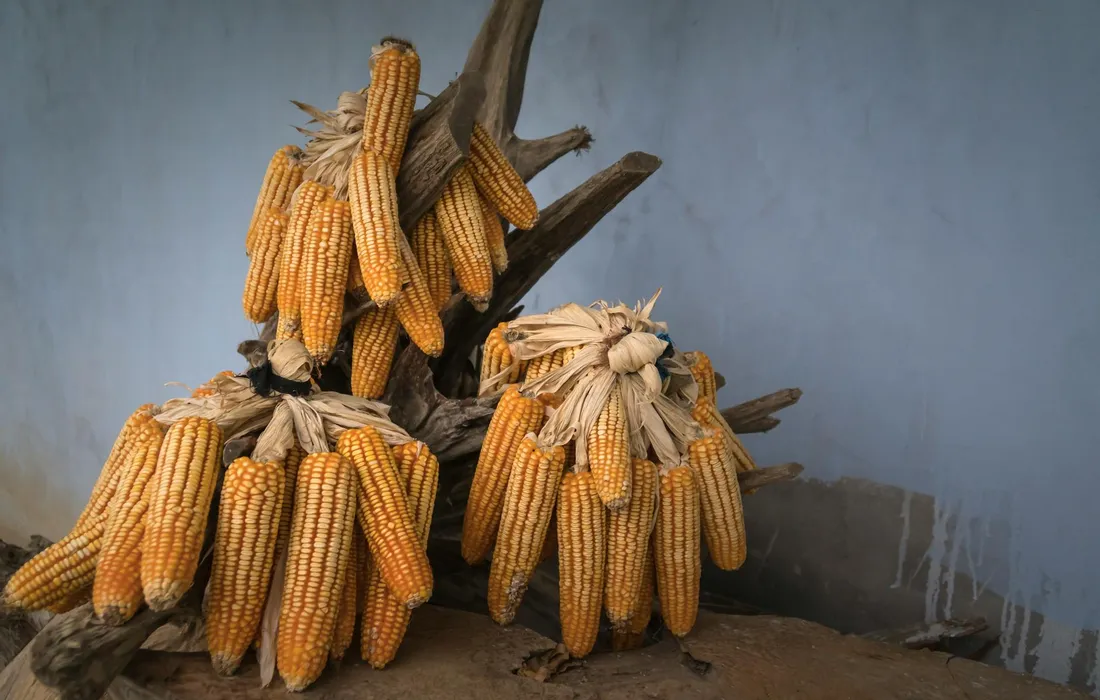
Let’s have a honest chat about that bunny belly and why a cob of corn spells trouble. Rabbits are hindgut fermenters, meaning their entire health hinges on a slow, steady breakdown of fibrous roughage, something corn simply cannot provide.
I reckon I’ve cleaned up after this mistake myself, back when I thought a little sweet corn was a harmless treat. Seeing a usually lively rabbit hunched and bloated taught me more about digestion than any book ever could.
The Starch Problem in a Fiber-Driven Engine
Think of a rabbit’s gut like a finely-tuned compost pile that needs steady, tough material. Corn kernels deliver a concentrated burst of starch that ferments too quickly and in the wrong place, creating a toxic environment for the good gut bacteria.
- Digestive Disruption: Starch bypasses the needed fiber fermentation, leading to a pH imbalance in the cecum.
- GI Stasis Risk: This imbalance is the primary trigger for gastrointestinal stasis, where the gut slows or stops moving entirely.
- Painful Gas and Bloat: Rapid bacterial fermentation of corn starch produces excessive gas, causing significant pain and appetite loss.
- Low Effective Fiber: The minimal fiber in corn lacks the lignin and cellulose “scratch” necessary to wear teeth down and push food through the system.
Breaking Down the Plant: Husks, Silks, and Stalks
You might eye the greener parts of the plant, but caution is your best tool here. While the husk itself is more fibrous, it’s often a carrier for pesticides, mold spores, or that problematic silk which can cause tangles and impactions.
Even the fresh stalk or young plant is too rich and succulent for a rabbit’s primary forage. Offering it regularly invites the same digestive upset as the kernel, just on a slightly slower timeline.
What Happens Inside: A Simple Timeline
- Ingestion: The rabbit consumes corn, often eagerly due to its high sugar content.
- Rapid Passage: Simple carbohydrates move quickly to the cecum, the fermentation chamber.
- Bacterial Shift: Starch-fermenting bacteria proliferate, outcompeting the fiber-digesting ones.
- Toxin Production: This shift creates harmful byproducts and reduces vital nutrient absorption.
- System Slowdown: The entire digestive tract can grind to a halt, requiring urgent veterinary care.
Stick with the feeds that have stood the test of time on the homestead. Your thriftiest and most sustainable choice is always a diet built around what a rabbit’s system evolved to eat: long-stem forage.
Feeding Corn to Other Barnyard Animals: A Quick Comparison
Now, while our main concern is those long-eared friends, looking at how the rest of the barnyard handles corn gives us mighty useful perspective. It’s a lesson in how different digestive systems are designed for different work.
Chickens: The Scratchers
My flock views whole dried corn as their favorite wintertime treat, not a staple. I’ll toss a handful into the run on a cold afternoon to get them moving and generate body heat as they digest it. For chickens, corn is a superb energy-dense snack, but it’s low in the protein they need for steady egg production. Their gritty gizzards make quick work of the hard kernels. You can feed them the husks and silks, too-they’ll happily shred them into nothing.
Practical Tips for Poultry:
- Offer cracked corn or whole kernels as a treat, not more than 10% of their daily intake.
- A great winter feed boost to help maintain body temperature.
- Ensure your main layer feed has 16-18% protein; corn is only about 8-9%.
- Avoid moldy corn at all costs-it’s just as toxic to birds as it is to mammals.
Pigs: The Omnivore Processors
Here on the farm, we’ve fed pigs corn for generations. Their single-stomach digestion is much closer to ours than a rabbit’s, but they handle it far better. For pigs, field corn (dent corn) is a fundamental energy component of a balanced ration, always ground or cracked for proper digestion. For a complete corn feeding guide for pigs, you’ll find practical tips on balancing corn with protein and minerals. It also covers feeding amounts across growth stages. I’ve never fed them just plain corn; it’s always mixed with a protein source like soybean meal and minerals to create a complete feed.
Pig Feeding Fundamentals:
- Corn must be processed-ground, rolled, or cracked-for efficient nutrient absorption.
- It makes up 70-80% of a finishing pig’s diet, balanced with 15-20% protein supplement.
- They can eat fresh sweet corn cobs, husks and all, as a seasonal snack.
- Whole, dry corn can pass through undigested, wasting feed and money.
Cows & Goats: The Ruminant Masters
My dairy cow sees corn as a concentrated energy source to support milk production. As ruminants, she and the goats have a massive fermentation vat-the rumen-that can break down the complex starches in corn. For ruminants, corn is often fed as cracked grain or silage, and it must be introduced slowly to avoid upsetting the delicate rumen pH. Too much, too fast, and you risk acidosis, a dangerous condition.
Ruminant Rules of Thumb:
- Corn is a supplement to high-quality forage, not a replacement.
- Always process the kernel to maximize its nutritional availability.
- Limit intake to 0.5% of body weight per meal for safety (e.g., 5 lbs for a 1000 lb cow).
- The whole corn plant can be harvested as silage, a staple winter feed.
Geese: The Grazers
Much like chickens, geese enjoy cracked corn as a treat. Their primary diet should be fresh grass and greens. I use a little corn for my geese in the late fall to help them put on a bit of extra condition before the colder weather settles in. It’s a handy tool for weight management, but it’s not necessary for their daily health if they have good pasture. You can read more about the safety of feeding grains like corn to geese for a better understanding.
Seeing these differences makes one thing crystal clear: an animal’s digestive design dictates everything. What is a core feed for a pig is a risky treat for a rabbit, and that’s a distinction worth remembering every time you head to the feed bin.
Practical Rabbit Care: Keeping Your Flock Safe from Corn
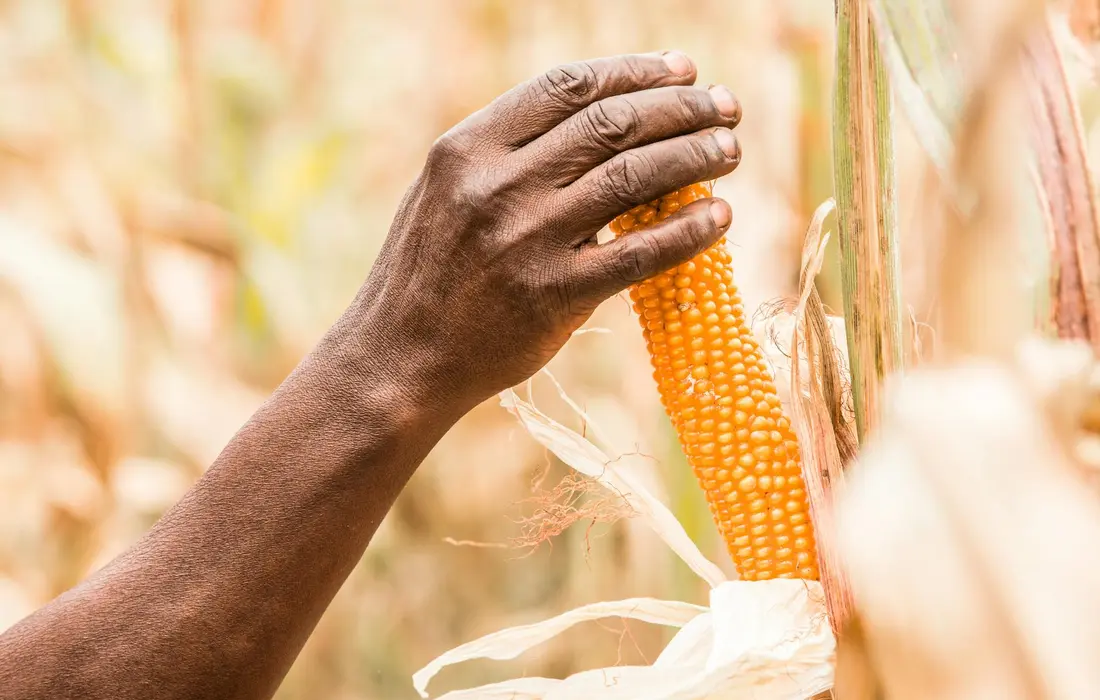
Now, let’s talk turkey-or rather, let’s talk about keeping corn away from your rabbits. On a mixed homestead, it’s mighty easy for feeds to get mingled. A chicken scratches some cracked corn into the rabbit run, or a pig ear of corn rolls under the fence. Vigilance is your best tool here.
The Corn Rule: A Hard No for Rabbits
Make this a barnyard mantra: rabbit pellets for rabbits, scratch grains for chickens. Never assume a “little bit won’t hurt.” Corn, in any form meant for consumption, is not a treat or a supplement for rabbits-it’s a risk you simply don’t need to take. I keep their feed bin in a separate, lidded container away from the poultry supplies to prevent any mix-up during a rushed morning. Just like with wheat or other grains, it’s best to avoid feeding them to rabbits.
Types of Corn to Watch Out For
- Dried/Shelled Corn: This is the biggest hazard. Those hard kernels are a perfect recipe for blockages.
- Cracked Corn: Often in chicken scratch, it’s a fine, tempting powder that can cause digestive upset and is nutritionally empty for your bunny.
- Fresh Sweet Corn: The cob is a major choking and blockage hazard, and the sweet kernels are too starchy.
- Decorative Indian Corn: Just because it’s pretty doesn’t make it safe. Those rock-hard kernels are a dental and digestive disaster waiting to happen.
A Story from the Barn: The Silage Incident
I learned my lesson years back with a batch of homemade silage meant for the goats. A corner of the tarp blew loose, and my curious Californian buck got into it. Within hours, he was bloated and off his feed. That experience cost me a vet visit and taught me that fermenting grains and plants are even more volatile for a rabbit’s delicate gut. We got him through it, but it was a stark reminder that their digestive system is not like our other livestock.
Pasture & Run Management
If you free-range poultry or have cropland, your management needs a rabbit-centric plan.
Fencing is Your Friend
A good, sturdy fence does more than keep rabbits in; it keeps dangers out. For perimeter safety, I swear by heavy-duty welded wire with small openings (1″ x 2″ or smaller) at the bottom. This stops chicks from wandering in and leaving behind cracked corn, and it keeps rabbits from reaching through to nibble on forbidden plants.
For their dedicated run, use a tight-knit wire on the bottom half. Bunnies are curious and will try to mouth anything within reach, including stray corn husks blown in from the compost pile.
Post-Harvest Field Patrol
After harvesting sweet corn for your table, never turn rabbits onto that patch. The leftover stubble, dropped kernels, and small cobs are a minefield. Instead, let the chickens have at it first-they’ll clean up the kernels and bugs beautifully, leaving a safer area for mowing and decomposition before any rabbit access.
The Safe Feeding Alternative
If you’re looking for a wholesome, high-fiber treat your rabbits will adore, skip the corn aisle entirely. Head to the hay loft instead. A fragrant handful of timothy hay, a sprig of fresh oat grass, or a few dried dandelion leaves from a chemical-free yard are celebrations in a rabbit’s world. Their joy for these simple, safe foods is a reminder that good husbandry isn’t about giving them everything we have, but everything they need.
Smart Treats and a Solid Hay-Based Diet
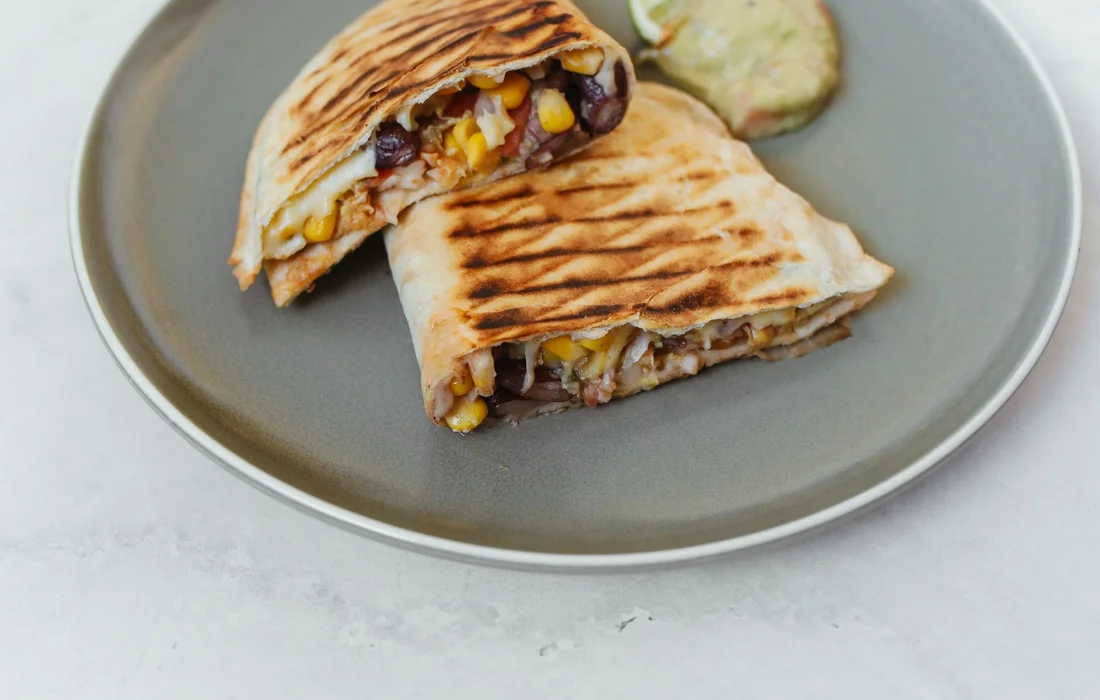
Let’s get right to the heart of the matter: a rabbit’s food pyramid isn’t a pyramid at all. It’s a mountain, and the whole mountain is made of hay. Unlimited, high-quality grass hay like timothy or orchard grass is the absolute non-negotiable foundation for everything-digestion, dental health, and mental well-being. I check my herd’s racks twice a day, same as checking water, because everything good starts with that roughage.
Where Treats Fit on the Homestead Menu
Think of treats not as food, but as tools. We use them for bonding, for training, or as a tiny reward. The golden rule we live by is that treats and fresh veggies together should never make up more than 10% of a rabbit’s daily intake. The other 90%? That’s your hay mountain. This balance keeps their complex gut systems humming and prevents obesity, a real problem for penned rabbits.
The Corn Conundrum: A Rare Treat, Not a Staple
So, can they eat it? A dry, mature kernel of field corn? Technically, yes. But “can” and “should” are two different pastures. Corn is like candy for rabbits-dense in calories and starch but low in the fiber their guts truly crave. I’ve seen a handful of kernels turn into a picky eater who noses away their good hay.
My personal rule is simple: I don’t feed corn kernels to my rabbits. The risk outweighs the tiny reward. The starch can disrupt the delicate balance of cecal bacteria, leading to GI stasis. More dangerously, corn is highly susceptible to molds, and the mycotoxins they produce can be fatal. If you wouldn’t grind it for your own cornbread, don’t risk it in your rabbit’s bowl, especially when it comes to popcorn for rabbits.
Safer, Smarter Treat Options from the Farm
Instead of corn, look to your garden or the produce aisle for treats that add nutrition, not just calories. These are the things I offer, in tiny amounts, to my own rabbits:
- Herbal Sprigs: A sprig of fresh mint, basil, or cilantro.
- Leafy Greens Tops: The tops of carrots, radishes, or strawberries.
- Branchy Chews: Untreated apple, willow, or maple twigs (excellent for teeth!).
- Occasional Sweet Bites: A blueberry, a thin apple slice, or a small chunk of banana (no bigger than your thumbnail).
What About the Whole Corn Plant?
Now, the fresh plant is a different story. A young, tender corn stalk with its leaves can be a fun, fibrous chew. The soft, green husks from a sweet ear of corn are generally safe in moderation if they are pesticide-free. Always introduce any new green slowly, and watch their droppings closely for any change. The dried, brown husk and the cob itself are choking hazards and should be avoided.
The most valuable treat you can ever give your rabbit is your time and gentle attention, not something from your feed sack. Sit with them, let them explore a safe run in the grass, and you’ll build a trust far sweeter than any kernel. Their health will thank you for a simple diet built on that mighty mountain of hay, as outlined in the domestic rabbit diet guide.
Closing Questions
Can rabbits eat corn?
No, it is not safe to feed corn kernels to rabbits. Their digestive systems are designed for high-fiber foods, and corn’s high starch content can cause serious issues like GI stasis and bloating.
Can rabbits eat corn husks and silk?
Yes, but only if they are fresh, organic, and thoroughly washed. Offer these in small amounts as an occasional fiber source, never as a main part of their diet.
Can rabbits eat corn leaves?
Fresh corn leaves can be given rarely in tiny quantities if pesticide-free. However, they are high in nitrates and not suitable for regular consumption, so prioritize safer greens like romaine lettuce.
Can rabbits eat corn on the cob?
Absolutely not. The cob is indigestible and a major blockage hazard, while the kernels are too starchy. Always remove kernels from the cob if offering them sparingly, but it’s best avoided altogether.
Can rabbits eat corn chips?
No, corn chips are unsafe for rabbits. They are processed with salts, oils, and additives that are harmful, and even plain chips come from corn kernels, which are difficult for rabbits to digest. Rabbits should always avoid any kind of junk food, including chips.
Can rabbits eat corn seeds?
No, corn seeds (kernels) should not be fed to rabbits. They are concentrated in starch and sugar, which can disrupt gut bacteria and lead to digestive problems, similar to other processed grains.
Back to the Pasture
When it comes to feedin’ your rabbits, let their natural needs lead your hand. The foundation of a healthy rabbit’s life isn’t found in a treat bucket, but in a never-ending supply of quality grass hay that keeps their gut moving and their teeth in check. See corn, husks, and leaves for what they are: an occasional diversion, not the main event. My own rule from years at the hutch is to let the hay rack guide me; if it’s full and being worked over, a tiny bit of something sweet from the garden now and again is just fine neighborly behavior.
I thank you for takin’ the time to care about the details of what goes into your animals. There’s a deep satisfaction in watchin’ a healthy rabbit at dusk, content after a good meal. I hope you get to enjoy that simple peace with your own flock. Until next time, happy homesteadin’ to y’all.
Further Reading & Sources
- Can Rabbits Eat Corn? – Everbreed
- Unveiling the Truth: Can Rabbits Safely Nibble on Corn? – Columbia Insights
- Can Rabbits Eat Corn on the Cob? Expert Answers & Advice
Caroline Mae Turner is a lifelong farm girl raised on red clay, early mornings, and the sounds of a bustling barnyard. With hands-on experience caring for everything from stubborn goats to gentle dairy cows and mischievous pigs, Caroline shares practical, tried-and-true advice straight from the farm. Her goal is to help folks keep their animals healthy, well-fed, and living their best barnyard life. Whether you're wrangling chickens or bottle-feeding a baby goat, Caroline brings a warm Southern touch and plenty of real-world know-how to every bucket in the barn.
Diet Requirements