Can Rabbits Eat Nuts? Your Straight-Talking Safety Guide for Almonds, Cashews & Seeds
Published on: September 28, 2026 | Last Updated: September 28, 2026
Written By: Caroline Mae Turner
Howdy y’all. Save those nuts for your own snack pile-rabbits should not eat nuts or seeds as a regular part of their diet. I reckon that handful of almonds has you pondering, but their delicate digestive systems thrive on fiber, not fat.
What you’ll need:
- A solid grasp of rabbit nutrition basics
- A list of safe, leafy green treat alternatives
- Five minutes to understand the “why” behind the rule
We’ll have this feed question settled faster than a bunny bolts for its hutch, so you can get back to your real chores.
The Straight Answer on Nuts and Seeds for Rabbits
Y’all, let’s not beat around the bush. Rabbits are not built to eat nuts and seeds. Their systems crave fiber, not fat. Offering nuts is a surefire way to invite digestive upset and long-term health problems in your herd. Peanuts, in particular, can be hard on a rabbit’s gut and should be avoided or given only with veterinary guidance. Nut safety and digestive risks are key concerns for any bunny keeper. Save those snacks for the squirrels and birds. Here’s a quick look at some common ones you might have in your pantry.
| Nut or Seed | Safe for Rabbits? | Brief Reason |
|---|---|---|
| Almonds | No | Too high in fat and phosphorus; bitter varieties contain cyanide. |
| Cashews | No | Even higher fat content; often salted or seasoned, which is harmful. |
| Pistachios | No | High fat; shells pose a severe choking and blockage risk. |
| Sunflower Seeds | Not Recommended | Extremely high in fat; can disrupt gut flora if fed regularly. |
| Pumpkin Seeds | Not Recommended | Similarly high in fat; a single, plain seed is a rare maximum. |
Almonds for Rabbits: The Hard Truth
Almonds pose a triple threat to a rabbit’s well-being. First, their fat content can silently pack on pounds and strain the liver. Second, the phosphorus throws off the critical calcium balance needed for strong bones. Most folks don’t realize that bitter almonds, and even sweet ones in trace amounts, contain cyanide-producing compounds. I once found a dropped almond near the barn feed bin after my nephew’s visit. It was a stark reminder that vigilance is key-our curious critters will find what we miss, especially when it comes to forbidden fruits and nuts.
Cashews for Rabbits: A Fatty Temptation
Think of a cashew as a rich, buttery cake for a rabbit. Their fat content outpaces even almonds, making them a dense calorie bomb. That rich nature is a direct assault on the simple, fiber-driven digestion rabbits depend on. Store-bought cashews are almost always coated in salt or other seasonings, which can lead to dehydration and kidney stress. It’s a temptation best kept far from the hutch.
Why Nuts and Seeds Are Trouble for a Rabbit’s Digestion
A rabbit’s gut is a masterpiece of fiber fermentation, not fat processing. Their large cecum acts like a delicate fermentation vat, full of specific bacteria that break down tough hay and greens. Introducing high-fat, low-fiber nuts is like pouring motor oil into that vat-it gums up the whole works and can cause stasis. Compare that to my hog’s sturdy stomach, which can handle richer fare; a rabbit’s system is refined for austerity.
The Hidden Dangers: Choking, Shells, and Additives
-
Choking Hazard: Nuts are hard and irregularly shaped. They can easily become lodged in a rabbit’s throat or intestinal tract, creating a life-threatening blockage faster than you reckon. Especially when they’re given to rabbits as nut-based spreads like peanut butter.
-
Toxic Shells & Coatings: Some shells, like those from stone fruits, contain cyanide. Many nuts are coated in salt, sugar, or even chocolate, which are all poisonous to rabbits. Always remember that a “little bit” of a toxin is still a toxin for a small animal.
-
Dental Damage: While rabbits need to wear down their continuously growing teeth, hard nuts can cause painful fractures or cracks. Hay is the perfect, safe abrasive nature intended, unlike pistachios or other hard nuts.
-
Allergic Reactions: It’s rare, but possible. A rabbit might react with itching or swelling. With so many safe forage options, why risk finding out the hard way?
If Your Rabbit Gets Into the Snack Bag: Emergency Steps
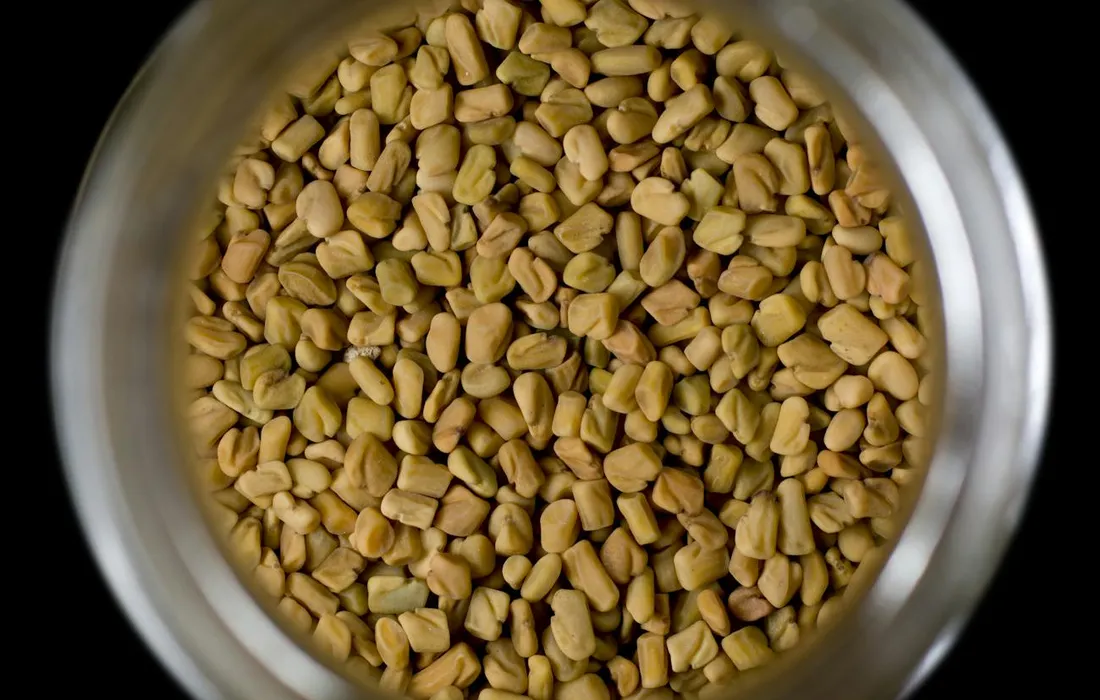
Every homesteader has a story of a clever critter outsmarting a latch. I once found my Netherland Dwarf, Patches, looking mighty guilty beside a torn bag of birdseed. If your bunny has a similar escapade, here’s what to do.
- Step 1: Don’t Panic. Identify what and how much was eaten.
Take a deep breath. Your calm helps your rabbit. Scout the scene. Are we talking two almonds or a half-cup of sunflower seeds? Gather the evidence-it matters for the next steps. - Step 2: Remove ALL access to more nuts/seeds.
Sweep the area clean. Check their hiding spots, too. A determined rabbit will hoard forbidden treasure in a corner for later. Secure the rest of your stash in a proper bin. - Step 3: Monitor closely for signs of GI stasis (lethargy, small/no droppings).
This is the real danger. Over the next 12-24 hours, watch like a hawk. Is she hunched and quiet? Is she ignoring her favorite greens? Check the litter box for tiny, hard droppings or a complete lack of them. A quiet rabbit is a big red flag. - Step 4: Increase hay and water intake immediately.
Flush that rich food out with fiber. Offer the sweetest, greenest hay you have-timothy, orchard grass, or oat hay. Encourage hydration by washing greens and offering them wet, or by providing a clean bowl of fresh water. Movement is medicine, so gentle encouragement to hop around can help get their gut moving. - Step 5: When to call your veterinary expert immediately.
Don’t wait if you see no droppings for 12 hours, if your rabbit stops eating entirely, or if they seem in pain. A belly full of nuts can turn sour fast, and a vet can provide gut-motility meds and fluids. It’s a bill worth paying for peace of mind.
Better Bunny Treats from the Homestead
Treating your rabbit shouldn’t cost a fortune or risk their health. The best approach is rooted in thrifty, sustainable stewardship—using what you already grow or can easily forage. Shifting from store-bought snacks to homegrown goodness builds a healthier animal and a more resilient homestead cycle.
Top Safe Vegetable & Herb Treats
My rabbits’ treat drawer is just a corner of the garden. These fibrous, watery greens are perfect for a daily nibble. A good portion is one large leaf or a small handful of herb sprigs per day. Knowing which leafy greens are safe for rabbits helps you vary their diet. We’ll cover safe types, portions, and feeding guidelines.
- Leafy Greens: Romaine lettuce, green or red leaf lettuce, carrot tops (the ferny greens, not the carrot), kale stems (sparingly), bok choy.
- Garden Herbs: Basil, mint, cilantro, dill, oregano, rosemary. These add variety and can be grown in a pot by the kitchen door.
- Garden Tops: Radish leaves, strawberry tops (the leafy hulls), broccoli leaves (the plant itself is a great crop for you!).
Fruit as a Rare, Sweet Reward
Fruit is bunny candy. I treat it like I do a rich dessert-a tiny bit, very seldom. This prevents sugar overload and keeps their digestion steady.
- Safe Options: A thin slice of apple (seeds removed), a single blueberry, a sliver of banana, a raspberry, a slice of pear (seeds removed).
- The Portion Rule: I tell new homesteaders to think “the size of your thumbnail, no more than twice a week.” That’s plenty for a small creature.
- Critical Note: Always remove apple and pear seeds, as they contain trace amounts of cyanide.
The Golden Rule of Rabbit Nutrition
Everything circles back to a simple, time-tested ratio. Think of it as the foundation of your rabbit husbandry.
- 80% Unlimited Grass Hay: Timothy, orchard grass, or meadow hay should be available 24/7. This wears down teeth and keeps the gut in constant motion.
- 10% Fresh Greens & Vegetables: This is their daily salad, the leafy treats and herbs listed above.
- 10% High-Quality Pellets: A measured amount of plain, high-fiber pellets (no colorful bits or seeds mixed in) rounds out their vitamins.
Where do treats fit? They come out of that 10% greens allotment, not in addition to it. The very best “treat” you can offer is often a new variety of fresh grass from a clean pasture or a different batch of fragrant hay. That’s the soul of good, simple stewardship.
Closing Tips on Rabbit Nutrition
Can I feed my rabbit nuts like I do my chickens or pigs?
No, you cannot. Chickens and pigs have very different digestive systems that can handle higher-fat foods like grains and some nuts. A rabbit’s fiber-dependent gut cannot process this rich fare, making nuts harmful for them. Even processed grains, such as bread, pose risks to rabbits.
What should I do if I accidentally fed my rabbit a few nuts?
First, do not panic. Immediately remove all remaining nuts and ensure your rabbit has unlimited access to fresh hay and water. Monitor them closely over the next 24 hours for any signs of lethargy or changes in droppings, which indicate a digestive problem.
My rabbit ate a seed from the barn floor. Is this an emergency?
A single, stray seed is not typically an emergency. The real danger comes from a concentrated amount. Simply ensure their primary diet is correct-plenty of hay-and watch their behavior. Problems arise from regular feeding or large, intentional quantities.
Why can my geese eat cracked corn and seeds, but my rabbit can’t?
Geese and rabbits are fundamentally different. Poultry are naturally equipped to digest seeds and grains as part of their diet. Rabbits are strict herbivores whose health depends on fermenting fibrous plants, not breaking down starchy or fatty seeds—which is why they cannot eat chicken or chicken feed.
Are there any nuts or seeds that are “less bad” in a pinch?
No nuts are recommended. While a single, plain pumpkin or sunflower seed as a rare, one-time accident is less risky than a handful of almonds, it still offers no nutritional benefit and adds unhealthy fat. It’s best to cultivate the habit of never offering any.
What’s the best “treat” mindset for a homesteader with rabbits?
The best treats are fresh, fibrous, and free. Use garden trimmings like carrot tops, herb sprigs, or clean forage instead of store-bought snacks. This keeps your rabbit’s diet aligned with its biology and integrates their care into your sustainable homesteading cycle. If you’re curious about what rabbits actually like to eat, our quick guide covers favorite foods and safe treats. It also helps you decide which items to offer as occasional goodies.
Shutting the Gate
After walkin’ through all those details on almonds, cashews, and such, let’s land on the one thing that matters most for your rabbit’s well-being. Their delicate digestive systems are built for fiber, not fat. Your safest bet, and the kindest choice, is to leave all nuts and seeds out of their diet entirely and focus on unlimited grass hay, a handful of fresh greens, and just a sprinkle of pellets. I’ve seen too many good bunnies get poorly from rich treats that were meant with love, especially when it comes to walnuts and other nuts.
I’m mighty grateful y’all stopped by to learn about keepin’ your rabbits safe. There’s a deep satisfaction in providin’ simple, proper care for the creatures in your charge. Now, go enjoy the quiet company of your hoppin’ friends and the good life you’re buildin’ for ’em.
Further Reading & Sources
- Rabbit Diet: What to Feed a Pet Bunny | Best Friends Animal Society
- r/Rabbits on Reddit: Can Rabbits eat nuts?
- The Nuts & Seed Myth Debunked
Caroline Mae Turner is a lifelong farm girl raised on red clay, early mornings, and the sounds of a bustling barnyard. With hands-on experience caring for everything from stubborn goats to gentle dairy cows and mischievous pigs, Caroline shares practical, tried-and-true advice straight from the farm. Her goal is to help folks keep their animals healthy, well-fed, and living their best barnyard life. Whether you're wrangling chickens or bottle-feeding a baby goat, Caroline brings a warm Southern touch and plenty of real-world know-how to every bucket in the barn.
Diet Requirements