Can Rabbits Eat Peppers? Your Guide to Bell, Chili, Green & Sweet Pepper Safety
Published on: April 3, 2026 | Last Updated: April 3, 2026
Written By: Caroline Mae Turner
Howdy y’all, and welcome back to the barn. You’re likely staring at a basket of garden peppers and wondering if your bunnies can share the bounty. Yes, your rabbits can safely enjoy most common garden peppers, but the devil-and the potential for tummy trouble-is in the spicy details.
- A handful of fresh, washed bell peppers (any color).
- Knowledge of the one pepper type that’s strictly off-limits.
- Two minutes for preparation to keep things safe.
Let’s get this sorted right quick, so you can get back to the rest of your critter chores with confidence.
The Straight Answer on Rabbits and Pepper Safety
You can hand a rabbit a bell pepper slice with a clear conscience. Most rabbits can safely enjoy the flesh of bell peppers and sweet pepper varieties, but the seeds, stems, and leaves of the plant itself are a firm no. Think of the pepper like an apple; the fruit is fine, but the core and tree parts aren’t on the menu.
What Every Rabbit Keeper Needs to Know First
Before we even step into the garden, let’s ground ourselves in rabbit biology. A rabbit’s digestive system is a finely-tuned hay processor, designed for high-fiber, low-sugar roughage. I reckon their gut is about as delicate as a house of cards in a breeze-upset the balance, and you’ve got a sick bunny on your hands.
Any new food, peppers included, is a potential disruptor. The golden rule is to introduce any new treat, including pepper, slowly and in tiny amounts, watching their droppings and behavior like a hawk for the next 24 hours. If their poops stay firm and round, you’re in the clear.
Portion control is your best friend here. A rabbit’s main diet is hay, making up about 80-90% of what they eat. Fresh veggies are the supplement, not the main course. A few thin slices or a couple of small cubes of pepper once or twice a week is a perfect treat for an average-sized rabbit. More than that, and you’re inviting trouble.
Breaking Down the Pepper Patch: Bell, Sweet, and Chili Varieties
Not all peppers are created equal in the rabbit world. It breaks down into two clear camps: the safe bunch you can share and the off-limits bunch you should keep far from the hutch. Similar to bean plants and sprouts, some vegetables can be harmful to rabbits despite their healthy appearance.
The Safe Bunch: Bell Peppers and Sweet Peppers
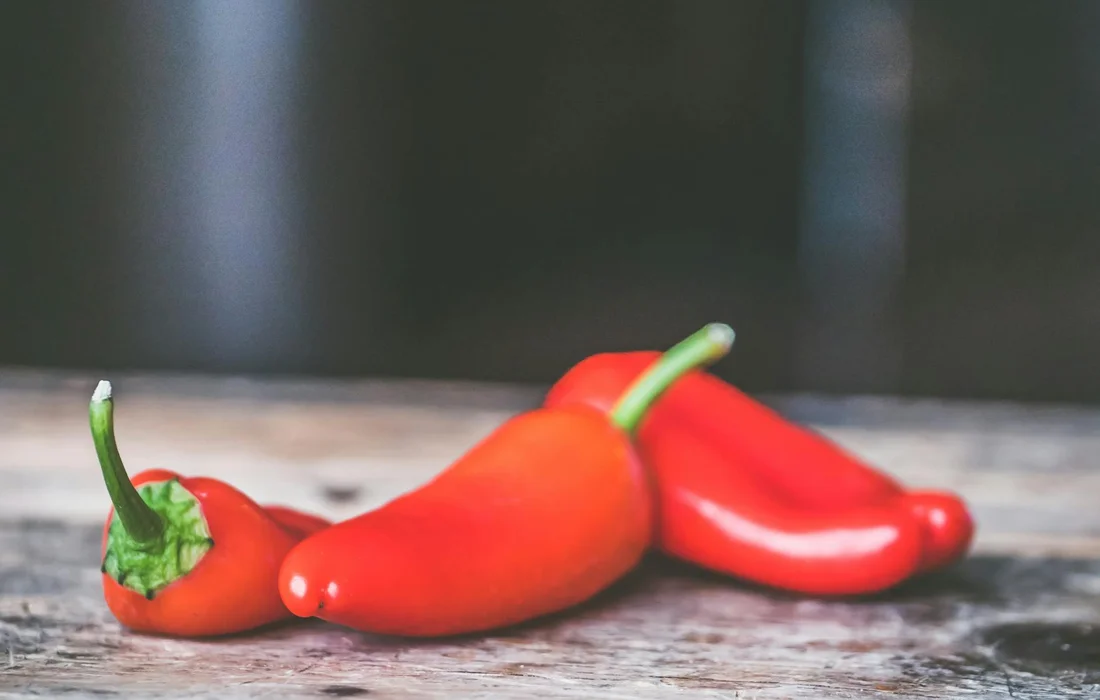
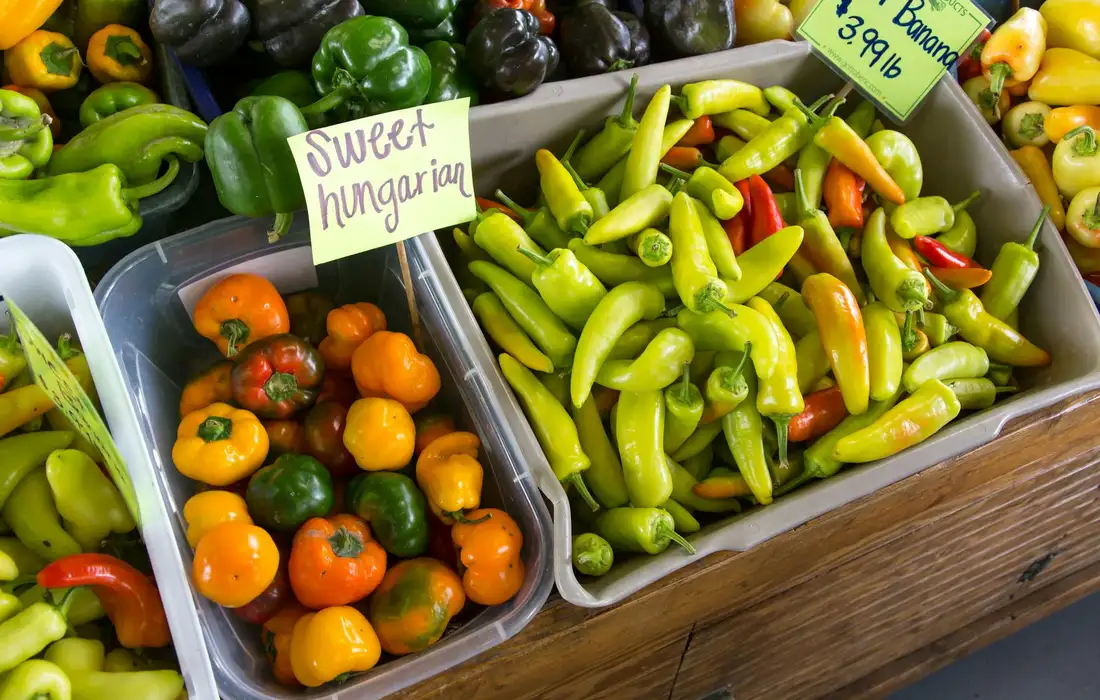
This is your green light. All colors of bell peppers-red, yellow, orange, and even purple-are safe for rabbit consumption. Sweet pepper varieties like banana peppers and pimentos fall into this safe category, too.
They offer a nice little nutritional boost. Bell peppers are packed with Vitamin C and Vitamin A, which support a healthy immune system and good eyesight. They also have a high water content, which can be refreshing. Remember to always wash store-bought peppers thoroughly to remove any pesticide residue before offering a piece to your bunny.
- Red Bell Peppers: The ripest and sweetest. Highest in Vitamin C and beta-carotene.
- Yellow & Orange Bell Peppers: Sweet and mild, with a slightly different antioxidant profile.
- Sweet Banana Peppers: Mild and safe, but still remove all seeds first.
A Note on Green Peppers Specifically
Folks often ask about green bell peppers separately. They are simply bell peppers harvested before they’ve fully ripened and turned red, yellow, or orange. Green peppers are perfectly safe, but they can be slightly more bitter and a tad harder to digest for some sensitive rabbits. If you’re introducing peppers for the first time, I’d start with a sweeter red or orange slice, then try green later if all goes well.
The Off-Limits Bunch: Chili Peppers and Anything Spicy
This is non-negotiable. You must never feed your rabbit chili peppers, jalapeños, habaneros, cayenne, or any pepper bred for heat. The compound that creates the “spicy” sensation is called capsaicin.
Rabbits lack the receptors to enjoy this heat; for them, it’s simply a powerful irritant. Capsaicin can cause severe burning pain and inflammation in a rabbit’s mouth, stomach, and digestive tract, leading to distress, refusal to eat, and serious GI complications. I’ve seen a curious young rabbit take a nibble of a dropped jalapeño seed, and the immediate discomfort was clear as day.
This rule extends to anything cooked with these peppers. No spicy foods, ever. A good barnyard habit is to wash your hands well after handling hot peppers before you tend to your rabbits, lest you transfer the oils to their feed or fur.
- Jalapeños, Serranos, Habaneros: All forbidden.
- Crushed Red Pepper Flakes: Often in spice blends, keep them away.
- Cayenne Powder: A common garden pest deterrent, but dangerous if ingested.
How to Prepare and Serve Peppers to Your Rabbits
-
Step 1: Sourcing and Washing
Now, where your peppers come from matters more than you might reckon. I always reach for organic or homegrown peppers from my garden when I can. Choosing peppers grown without harsh chemicals is a simple act of stewardship for your rabbit’s health. If store-bought is your only option, that’s just fine, but you must be diligent. Give that pepper a thorough bathing under cool, running water. I use a soft brush I keep by the sink just for veggies. From my experience, a proper wash removes more than dirt; it washes away worries about residue.
-
Step 2: Proper Preparation
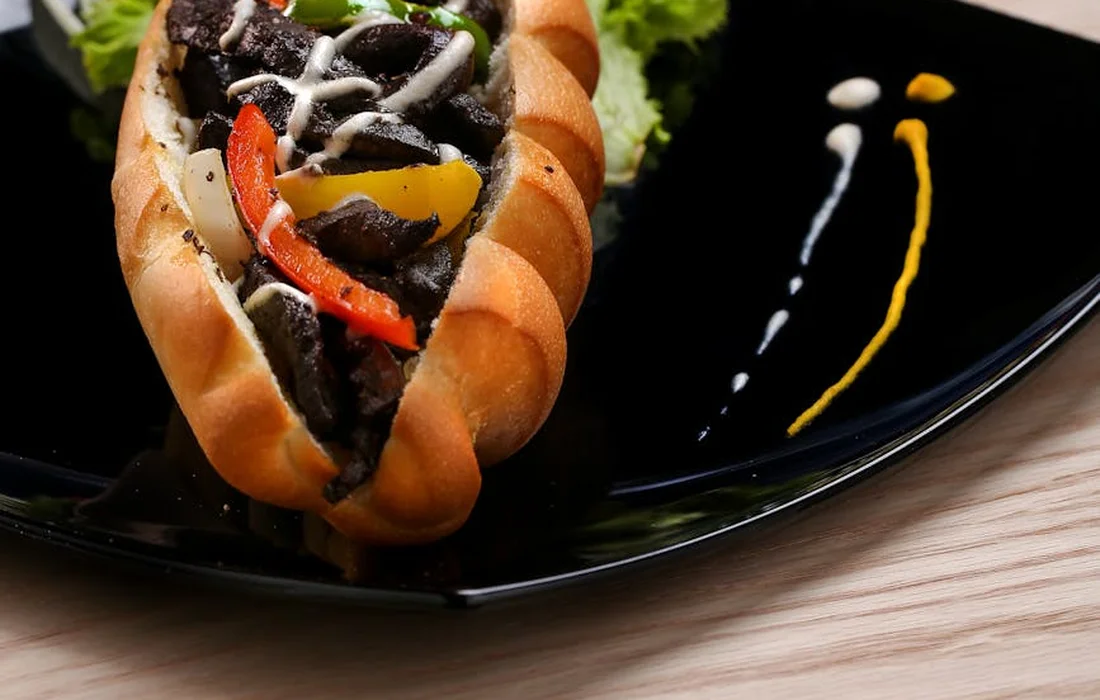
Preparation is straightforward, but doing it right makes all the difference. First, slice off the top and remove the tough stem and core. I find a sharp paring knife works best. Next, cut the flesh into rabbit-sized strips or chunks. Aim for pieces about the width of two pencil leads-long enough to hold, small enough to munch. This size encourages natural foraging behavior without presenting a choking hazard. And let me settle a common question: those little white seeds inside are perfectly safe for your bunny to eat, so there’s no need to pick each one out.
-
Step 3: Serving Size and Frequency
Here’s where frugality and animal care walk hand-in-hand. Peppers are a treat, not a staple. For a standard five-pound rabbit, start with a conservative portion. I recommend one thin slice of bell pepper or about a tablespoon of small chunks. This modest serving lets you introduce new flavors without overwhelming their sensitive gut. In my barn, peppers are a once-a-week delight, usually added to their leafy greens. This frequency keeps their diet varied and exciting while ensuring the mainstay-that good hay-remains the star of the show.
The Good Stuff: Nutritional Perks of Peppers for Rabbits
Now, let’s talk about what’s in that colorful pepper flesh that your bunny might benefit from. I’ve tossed many a pepper core into the run over the years and watched with a smile. When you offer the right kind of pepper, you’re serving up a hydrating, vitamin-packed snack that most rabbits find downright irresistible.
Bell Peppers: The All-Star Safe Choice
Every color of bell pepper-red, yellow, orange, and green-gets a hearty thumbs-up from this farmer. The main difference is in their ripening stage and sugar content. Green bells are simply the unripe version, which means they have a slightly lower sugar content and a tangier taste. I often start my young rabbits on green bell pieces before introducing the sweeter colors, just to keep their taste buds and digestion on an even keel.
Here’s what that crisp bite provides:
- Vitamin C: While rabbits make their own vitamin C, a little extra from food supports a robust immune system, especially during times of stress.
- Vitamin A: Crucial for good vision, healthy skin, and proper organ function. Ripe red peppers are particularly loaded with this.
- Fiber: That pepper flesh has a good bit of soluble fiber, which aids in smooth digestion alongside their all-important hay.
- Hydration: Peppers are over 90% water. On a hot summer day, a chilled pepper slice is a refreshing, water-rich treat.
- Low in Calories: This makes them a fantastic, guilt-free snack when fed in proper portions.
A Word on Chili & Hot Peppers
This is where we draw a firm line in the barnyard dust. You must never, ever feed your rabbit any variety of hot pepper-jalapeño, habanero, cayenne, or any chili with “heat.” The compound that creates the burning sensation, capsaicin, is a severe irritant to rabbits. It can cause painful mouth sores, significant stomach upset, and serious digestive distress. I keep my chili powder and fresh hot peppers locked away in the kitchen, far from curious noses.
Sweet Peppers: Proceed with Awareness
Some long, thin “sweet” pepper varieties, like banana peppers or some Italian frying peppers, can have a very mild, occasional heat. My rule of thumb is simple: if there’s any doubt about a pepper’s potential spiciness, it doesn’t belong in the rabbit hutch. Stick with the unmistakable, zero-heat bell peppers for absolute safety. It’s just not a gamble worth taking with your critter’s comfort.
What Parts Are Safe to Eat?
- The Flesh & Inner Wall: Perfectly safe and nutritious. Chop it into rabbit-sized pieces.
- The Seeds: Totally fine! Don’t bother removing them; rabbits don’t mind them a bit.
- The Stem & Leaves: A firm NO. The stem is tough and a choking hazard, and pepper plant leaves are part of the nightshade family and are not considered safe for rabbit consumption.
Always wash store-bought peppers thoroughly to remove any pesticide residue. The best peppers often come from your own garden, where you know exactly what’s gone into the soil and onto the plants. My rabbits get the slightly blemished, sun-warmed bells from my plot that aren’t fit for canning-they think they’ve hit the jackpot.
Points of Caution: What to Watch Out For
Now, just because a rabbit can nibble a pepper doesn’t mean every pepper patch is a free-for-all. Observing your animal’s unique reaction is the cornerstone of good husbandry, something I learned the hard way with my old doe, Bertha. You must be a mindful steward, even with seemingly harmless veggies or herbs like mint leaves.
The Heat is Off: Absolutely No Spicy Peppers
This is the single most important rule in our barn. Chili peppers, jalapeños, habaneros, or any pepper with capsaicin-the compound that brings the fire-have no place in a rabbit’s diet. Their digestive systems are incredibly sensitive to that irritation. I reckon it’d be like one of us swallowing a coal ember; it just causes pain and distress with no nutritional upside.
Start Slow and Low: The Introduction Phase
Even with safe bell or sweet peppers, you never just toss a whole pepper into the hutch. A sudden heap of new food is a surefire invitation for a case of soft stool or a gassy, uncomfortable bunny. Begin with a piece no bigger than your thumbnail, once or twice a week. Watch their droppings like a hawk for the next 24 hours. Firm, round pellets mean you’re on the right track.
- Wash the pepper thoroughly under cool water to remove any pesticide residue.
- Remove the stem and all seeds. The stem is tough and the seeds, while not toxic, can be a choking hazard and are best avoided.
- Cut a tiny, fresh piece of the flesh (the colorful part).
- Offer it alongside their normal hay. Hay should always be 90% of what they eat.
What Your Eyes (and Nose) Should Monitor
After that first tiny taste, your job is to watch. Any change in behavior or output is your rabbit’s way of sending you a telegram about their gut health. If you see any of the following, stop the peppers immediately and go back to just hay and water for a day.
- Lethargy or hiding more than usual.
- Smaller, misshapen, or soft droppings.
- A complete lack of droppings for several hours.
- Loud gurgling sounds from their belly.
- Loss of appetite for their Timothy hay.
The Pesticide Problem: A Lesson from My Garden
I once lost a fine young buck to what I later realized was chemical poisoning. That tragedy taught me that the source of your feed matters as much as the feed itself. If you’re not growing your own peppers organically, you must assume they’re coated in chemicals. A quick rinse isn’t enough. I soak store-bought peppers in a vinegar-water bath for ten minutes now and give them a good scrub. For the tops of carrot greens or lettuce from the market, I do the same. It’s a thrifty, simple step for peace of mind.
Moderation is the Key to the Kingdom
Think of peppers like a flavorful sprinkle on top of a massive salad. Overdoing it with any treat, no matter how healthy, disrupts the delicate bacterial balance in the cecum, their fermentation chamber. A few small pieces per week is a treat. A daily feast is a problem waiting to happen. Stick to the thumbnail rule, and your rabbits will enjoy the variety without the tummy trouble.
| Part of Pepper | Safe for Rabbits? | Barnyard Note |
|---|---|---|
| Flesh (Red, Green, Yellow Bell) | Yes, in moderation | The colorful part is the safest, most nutritious bit. |
| Seeds | Best Avoided | Not toxic, but a needless risk for choking or blockage. |
| Stem & Core | No | Too tough, fibrous, and hard to digest. |
| Leaves & Plant | No | The pepper plant itself is not considered safe for consumption. |
| Any Spicy Variety | Absolutely Not | Capsaicin causes severe digestive pain and inflammation. |
Beyond the Hutch: Peppers for Other Barnyard Critters
While our bunnies enjoy their little pepper treats, the rest of the farmyard family can often join in on the feast. Turning surplus or slightly wilted peppers into animal feed is a wonderful practice of thrifty, sustainable stewardship right here on the homestead. Let’s take a stroll past the rabbit hutch and see who else might appreciate a colorful bite. Bunnies especially have their favorite treats!
Chickens: The Fearless Pepper Packers
My hens will dash across the run for a chopped bell pepper. The beautiful part? Chickens can eat every type of pepper, seeds and all, without a single concern for heat. Birds lack the receptor for capsaicin, so a habanero is as mild to them as a slice of cucumber, making it a fantastic way to add vitamins and zest to their scratch. I often toss whole small chilies into the run and watch them have a grand old time playing keep-away.
Pigs: The Ultimate Kitchen Scrap Champions
If you’re raising pigs, you’ve got a perfect cleanup crew for pepper ends and stems. Pigs adore them. I simply chop larger peppers into manageable pieces and remove any big, tough stems that might pose a choking hazard, then mix them right into their evening slop. The vitamin C and variety do wonders for their overall health and add a welcome break from the usual grain.
Goats & Sheep: Occasional Treats with Caution
My goats will nibble on just about anything, and sweet bell pepper scraps are generally safe for them in small amounts. Offer peppers as a rare treat, not a dietary staple, to keep their sensitive rumens happy and avoid disrupting their crucial fiber digestion. I usually chop a handful for the whole herd and let them share. Be more cautious with very hot varieties, as the seeds can sometimes cause mouth irritation.
Cows & Geese: Minor, Chopped Additions
For larger livestock like cattle, peppers are more of a curious supplement than a feed. If you have a few pepper slices to spare, chopping them finely and mixing them into a shared feed trough is safe, but they’ll never be a major part of a cow’s forage-based diet. Geese can enjoy a bit of chopped sweet pepper as well, but it’s the tender grasses and grains they truly crave. Always ensure pieces are small to prevent any risk of choking.
Closing Tips for the Homesteader
Can rabbits eat bell peppers?
Yes, all colors of bell pepper (red, yellow, orange, green) are safe and nutritious for rabbits. Offer them washed and cut into small pieces as an occasional treat, not a daily food.
Can rabbits eat chili peppers?
No, you must never feed chili peppers or any spicy variety to rabbits. The compound capsaicin is a severe irritant to their digestive system and will cause pain and distress. It’s important to understand which herbs and spices are safe for rabbits, such as [turmeric](https://thebarnyardbucket.com/can-rabbits-eat-turmeric-herb-and-spice-safety), which should only be given with caution.
Can rabbits eat green peppers?
Yes, green bell peppers are safe. They are simply unripe bell peppers and can be offered, though some rabbits may find them slightly more bitter or harder to digest than sweeter, ripe colors.
Can rabbits eat sweet peppers?
Proceed with caution. While many “sweet” varieties are safe, some can have unpredictable, mild heat. For absolute safety, stick with standard bell peppers which have no capsaicin.
Are pepper plants themselves safe for rabbits?
No. While the pepper fruit flesh is safe, the plant’s stems, leaves, and flowers are not considered safe for rabbit consumption and should be kept out of the hutch—especially when it comes to pepper plants in your garden.
Can I give pepper scraps to my other farm animals?
Absolutely. Chickens can eat all peppers, seeds and all, while pigs enjoy chopped pieces. For goats, sheep, and cows, offer small amounts of sweet pepper as a rare, chopped treat.
Shuttin’ the Gate
When it comes to treatin’ your rabbits, the core of good husbandry ain’t about any single food. The true secret is in the slow introduction and the watchful eye; your rabbit’s healthy digestion is the most precious crop you’ll ever tend. Start with a tiny bite, watch those droppings like a hawk for two days, and you’ll have a happy bunny nibblin’ on a colorful variety. Knowing what to feed them is half the battle.
I’m always grateful for a chance to chat about good animal keepin’. There’s nothin’ finer than sittin’ on a porch at dusk, knowin’ your critters are content. I hope your rabbits enjoy their little pepper treats, and I wish y’all many peaceful evenings watchin’ them binky in the run. Drop by the blog again soon and tell me how your garden-and your rabbits-are thrivin’.
Further Reading & Sources
- Can Rabbits Eat Peppers? Your Guide to Safe Bunny Snacks – HayDay HQ
- r/Rabbits on Reddit: Hello, everyone. Do bunnies like bell peppers? Is it true that bunnies can’t taste spicy things with their tongue? For now, I only give her bok choy and basil. I’ll add another kind of vegetable for her next week since she has sensitive stomach.
- Bell peppers | BinkyBunny
Caroline Mae Turner is a lifelong farm girl raised on red clay, early mornings, and the sounds of a bustling barnyard. With hands-on experience caring for everything from stubborn goats to gentle dairy cows and mischievous pigs, Caroline shares practical, tried-and-true advice straight from the farm. Her goal is to help folks keep their animals healthy, well-fed, and living their best barnyard life. Whether you're wrangling chickens or bottle-feeding a baby goat, Caroline brings a warm Southern touch and plenty of real-world know-how to every bucket in the barn.
Diet Requirements