
Can Rabbits Eat Garden Herbs? Your Barnyard Guide to Safe Snacks
Published on: October 5, 2026 | Last Updated: October 5, 2026
Written By: Caroline Mae Turner
Howdy y’all. Staring at that overgrown herb patch and wondering what’s safe for your bunnies? Yes, rabbits can eat many garden herbs like sage and sorrel, but comfrey demands caution, and the devil is always in the details. I’ve spent many an afternoon watching which greens my herd nibbles first, and it’s taught me that not all herbs are created equal.
- Your garden-fresh sage, comfrey, or sorrel
- A good eye for positive plant identification
- A pinch of patience for introducing new foods
We’ll sort through each one right quick, so you can hand out those green treats and move on with your day.
The Rabbit Diet: Where Garden Herbs Fit In
Let’s get down to brass tacks about what keeps a rabbit’s engine running smooth. Their diet rests on three sturdy legs, and if one’s shaky, the whole critter feels it. First, you’ve got unlimited grass hay-timothy, orchard, or meadow-which is the absolute bedrock for both digestion and tooth wear. Next, a measured portion of plain, high-fiber pellets gives ’em a concentrated nutrient boost. The final leg is a daily rotating salad of fresh, leafy greens, and this is where your garden herbs come waltzing in.
Now, don’t go thinking that fragrant sage or sprawling comfrey can replace that pile of hay. They can’t. Herbs are the flavorful spice rack of the rabbit world, offering variety and targeted health benefits, not bulk nutrition. Tossing a few leaves in is like us enjoying a sprig of parsley on our supper-it’s a nice touch, not the main course.
Everything comes back to fiber, specifically the long-strand kind in hay that keeps their unique gut motility in perfect rhythm. A sudden change in menu can stop that rhythm cold, leading to serious trouble. Introducing any new green, herb or otherwise, must be a slow and solitary affair, so you can spot any sign of a soft stomach before it becomes a crisis. I learned this the hard way years ago with an overeager bunny named Jasper and a handful of dill.
To give you a solid baseline, here are the common, safe leafy greens I trust before we ever talk herbs:
- Romaine or Green Leaf Lettuce (never iceberg)
- Bok Choy
- Carrot Tops (the greens, not the orange root daily)
- Celery Leaves
- Endive
- Radish Tops
- Spring Greens Mixes (check for spinach content)
Sage for Rabbits: Benefits and Feeding Tips
Yes, that woody, aromatic sage from your kitchen garden is perfectly safe for your rabbits to enjoy on occasion. I’ve watched my own rabbits nibble a leaf with the same thoughtful consideration I give to a strong cup of coffee. Its potent oils and compounds mean it should always be a minor treat, not a daily staple.
This humble herb packs more than just flavor. Sage is celebrated for its antioxidant properties, which help support overall cellular health. In my barnyard practice, I’ve also valued it for its mild digestive support, which can be soothing for a bunny’s sensitive system. Offering a leaf or two is a simple way to add a beneficial variety to their dietary rotation.
Introducing sage is no different from any new green. Follow these steps to keep your bunny safe:
- Select one perfect, fresh, unsprayed sage leaf.
- Offer it alone, separate from their regular greens.
- Watch closely for the next 24 hours for any changes in droppings or behavior.
- If all is well, you can add it to the safe-foods list.
For quantity, think restraint. An average 5-pound rabbit can happily handle a few fresh leaves, offered no more than once or twice a week. This keeps the benefits without overwhelming their system with the strong essential oils.
A final, critical note: always use fresh sage from your garden. Dried sage from your spice cabinet is far too concentrated and potent for a rabbit’s digestive tract and should be strictly avoided. Stick with the gentle freshness of what you can grow and pick yourself.
Comfrey for Rabbits: Weighing the Risks and Rewards
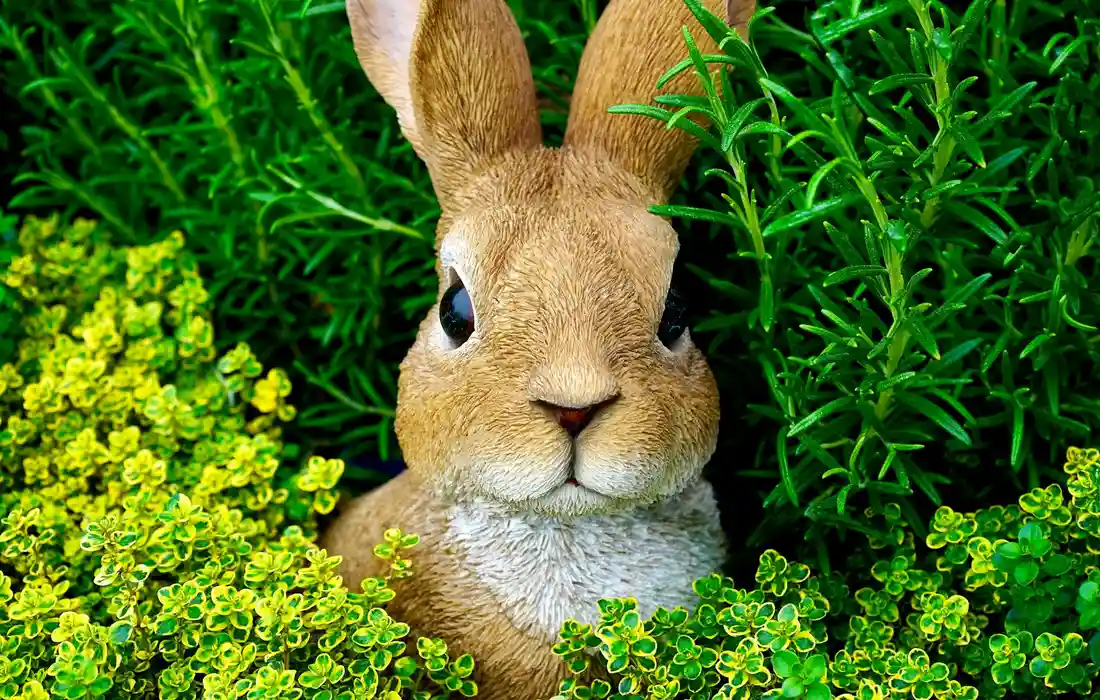
Now, comfrey is where we need to have a real good, honest chat by the fence post. This herb is a powerhouse in the garden, famous for healing compost teas and salves, but for our rabbits, it carries a serious footnote. The concern rests with natural compounds called pyrrolizidine alkaloids, or PAs for short. These can cause cumulative liver damage over time.
I’ve seen homesteaders use it, but they treat it with the same respect as a strong bottle of liniment-used sparingly and with great purpose. My own practice is cautious. I reckon if you choose to offer it, you must follow rules stricter than a hen with one chick.
If you decide to offer comfrey at all, treat it as a potent herb, not a forage crop, and adhere to these iron-clad guidelines. Only pick the very youngest, most tender leaves from the plant. Offer a piece no bigger than your thumbnail to a standard-sized rabbit, and do so no more than once a month. It should be a tiny part of a varied diet, never a staple.
For many of us, the risk simply doesn’t outweigh the benefit. Your rabbit’s long-term health is worth more than experimenting with a risky leaf, especially when safer greens abound. Excellent alternatives include plain plantain leaves, raspberry leaves, or a sprig of mint. These provide variety without the shadow of concern that comfrey brings.
Sorrel for Rabbits: Managing High Oxalate Content
That tangy, lemony sorrel that’s so lovely in a spring salad presents a different kind of puzzle for rabbit keepers. Its sharp taste comes from notably high levels of oxalic acid, or oxalates. In the body, these oxalates can bind with calcium, potentially leading to bladder sludge or stones over time, especially if fed regularly.
Think of sorrel not as a green, but as a spice. Managing sorrel is all about treating it like a potent seasoning from your garden’s spice rack, not a base ingredient. You wouldn’t feed your rabbit a bowl of pepper, and the same principle applies here.
A safe protocol is straightforward. For a medium-sized rabbit, a single, small sorrel leaf can be offered as a rare treat-perhaps once every couple of weeks. It should always be part of a mix with very low-oxalate greens like wheatgrass or romaine lettuce. This tiny amount lets them enjoy the novel flavor without overloading their system.
Keep a watchful eye on your rabbit’s bathroom habits, as this is where trouble often shows up first. Any sign of gritty, thick urine, straining to urinate, or a reduction in fecal pellets means you should stop all high-oxalate foods immediately and consult your vet. Prevention through strict moderation is the surest path to keeping your bunny hopping happily.
A Guide to Other Common Garden Herbs
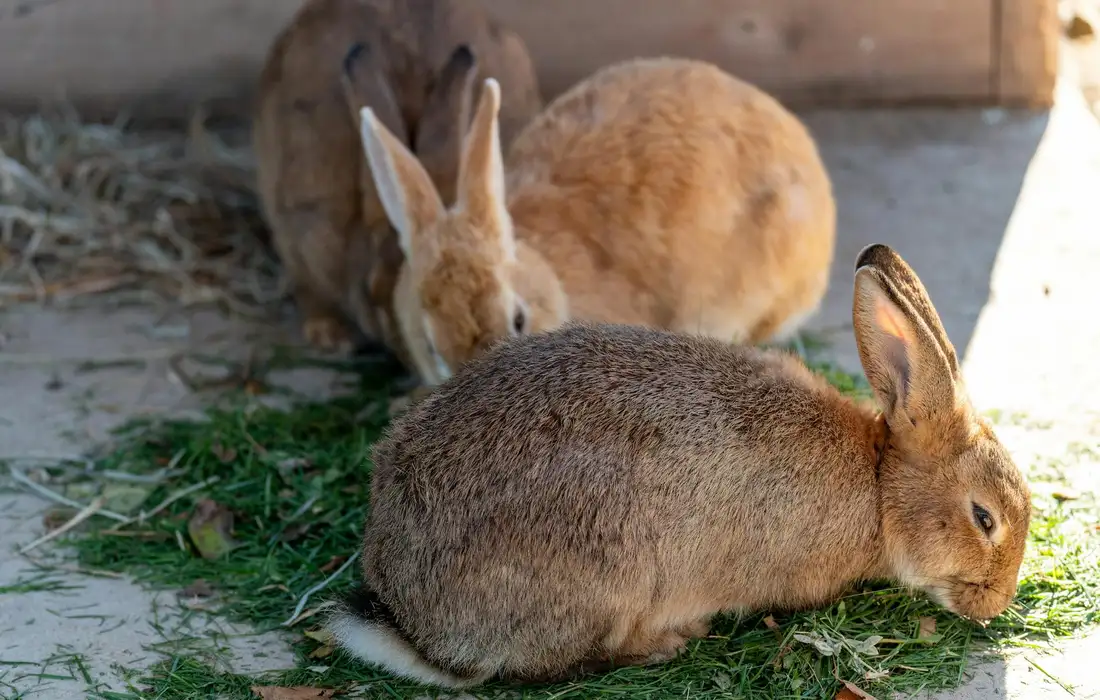
Your garden is a treasure trove of flavors and remedies, and many of those leafy gems are just fine for your bunnies. Knowing which herbs are safe lets you turn garden trimmings into wholesome snacks for your flock of hoppers. It’s crucial to be aware of what they can and cannot eat. I’ve spent many an afternoon sharing snippets from my herb patch with my rabbits, and it’s a joy to see their noses twitch with curiosity.
Safe and Beneficial Herbs
These herbs are generally safe and can offer little health boosts when fed in moderation. Always remember that herbs are treats, not a replacement for their main diet of hay and pellets. Here’s a list of my barnyard-approved favorites:
- Parsley: A wonderful source of vitamin C, which supports overall health. My rabbits always go for the curly leaf kind first.
- Thyme: Packed with antimicrobial compounds, it’s like a tiny, natural wellness aid for their respiratory system.
- Rosemary: Rich in antioxidants, this fragrant herb can help support a healthy coat and digestion.
- Oregano: Full of antioxidants too, and I’ve noticed it seems to perk up their appetite on sluggish days.
- Basil: Gentle on the stomach and often a hit for its sweet aroma. It’s a perfect summer treat.
- Mint: Soothing for digestion and a natural breath freshener for your critters. They find the scent irresistible.
- Cilantro: Aids in gentle detoxification and is loaded with vitamins A and K for good measure.
- Dill: Can help ease minor bloating or gas, making it a handy herb to have on standby.
Herbs to Avoid or Use With Extreme Caution
Some plants common in kitchens and flower beds pose a real threat to rabbits. Steer clear of anything in the allium family, as these contain compounds that can destroy a rabbit’s red blood cells, leading to hemolytic anemia. It’s a serious condition that creeps up quietly, so prevention is your only good tool.
- Chives, Garlic, Leeks, and Onions: All members of this family are toxic. No part of these plants-leaves, stems, or bulbs-should ever be fed.
- Other Garden Dangers: Many ornamental plants are just as risky. Keep rabbits far from foxglove, nightshade, lily of the valley, and rhubarb leaves. I make it a rule to know every plant in my garden’s reach, because one mistaken nibble can lead to heartache.
How to Introduce Herbs to Your Rabbit’s Menu
Rabbits have delicate digestive systems, so every new food needs a proper introduction. Going slow is the golden rule I learned the hard way years ago with a too-eager doe named Clover. Follow these steps to keep your bunnies happy and healthy.
-
Provide a clear, step-by-step process for adding any new herb.
- Wash the herb thoroughly under cool water to remove any pesticides, dirt, or garden critters.
- Offer a very small piece, about the size of a thumbnail, placed alongside their regular hay or pellets.
- Feed only one new herb at a time and wait a full 24 hours before trying anything else.
- Monitor their droppings closely. Stop immediately if droppings become soft, misshapen, or significantly smaller.
- If the herb is well-tolerated with no gut upset, you can slowly increase the amount over the course of a week.
-
Share a personal story from the barn about a rabbit’s first taste of mint.
I recall the first time I offered mint to my old buck, Jasper. He was a cautious fellow. He sniffed that bright green leaf for a good minute, his whiskers quivering, before taking a tentative bite. Then, he did what I can only describe as a happy little hop and finished the whole sprig. Now, the sound of me rustling the mint jar brings him straight to the fence. It’s a small joy, but it’s these moments that make homesteading so rewarding.
Feeding Guidelines: Quantity, Frequency, and Rotation
Now, let’s talk about how much of these good green things to offer. It’s easy to get carried away when you see those eager noses twitching, but restraint is a form of kindness. The golden rule on my farm is that all fresh foods-herbs, greens, garden trimmings-should stay under 10% of your rabbit’s total daily intake. The bedrock of their diet must always be unlimited grass hay. From here, we’ll outline which leafy greens are safe for rabbits and how to portion them within daily feeding guidelines. We’ll cover safe leafy greens types and practical portions.
For a practical measure, I reckon about 1 to 2 tablespoons of mixed fresh herbs per day for a standard 5-pound rabbit is a fine place to start. For a giant breed, you might offer a quarter cup. I use an old kitchen spoon from the drawer to keep it simple. Think of herbs as a potent seasoning, not the main course.
Rotation is just as important as quantity. I never feed the same herb two days in a row. Feeding sage every single day, for instance, could lead to an overload of certain compounds, while a rotating buffet ensures a broader spectrum of nutrients and keeps things safe. I follow a simple system: Monday might be sage and mint, Tuesday could be basil and dill, and Wednesday I might skip herbs altogether and offer romaine instead.
Here’s a quick reference table I keep tacked up near my feed bins:
| Herb | Suggested Serving | Suggested Frequency |
|---|---|---|
| Sage | 2-3 small leaves | 2-3 times per week |
| Comfrey Leaf (dried) | 1-2 pinches | 1-2 times per week |
| Sorrel | 1-2 leaves | Once a week |
| Mint | 3-4 leaves | 3-4 times per week |
| Basil | 1-2 sprigs | Every other day |
Rabbits in the Garden: Foraging Safety and Plant Identification
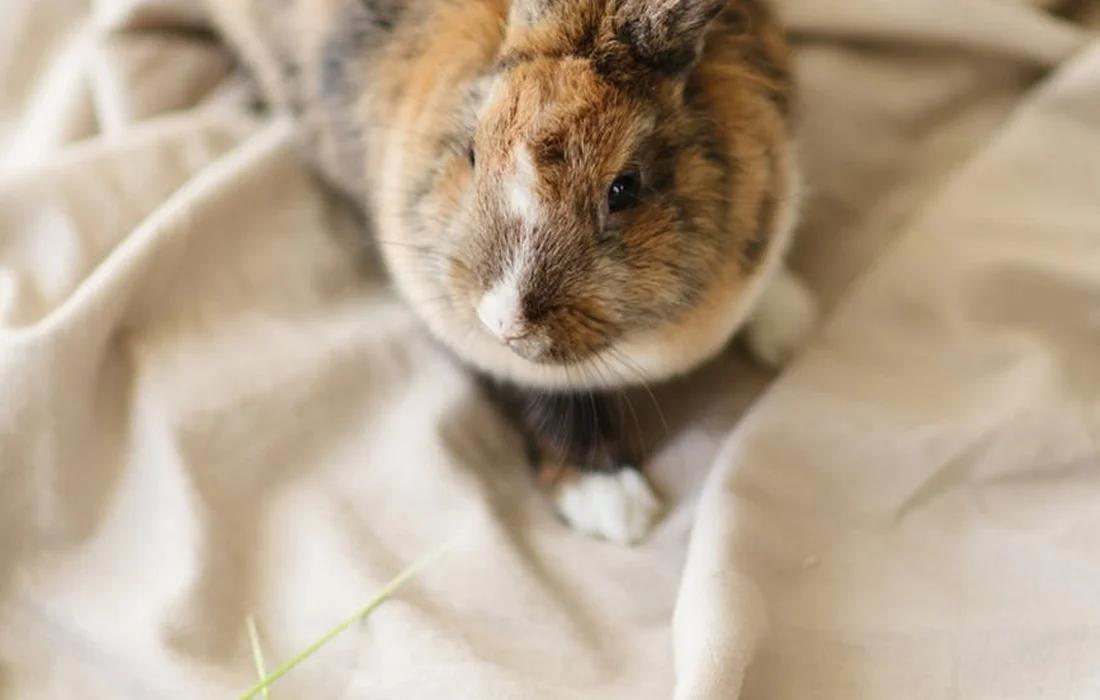
If you let your rabbits have a supervised stroll in the garden, yes, they will absolutely nibble on your herbs. They’re natural foragers with a curious palate. I’ve watched my rabbits make a beeline for the parsley patch with more determination than a hound on a trail. But here’s the hard-won truth: unsupervised foraging is a gamble I don’t take.
The risks are real. Neighborly spray drift, a toxic plant you missed, or even a harmless plant treated with a chemical you forgot about-it only takes one bite. I hand-pick every leaf my rabbits eat to know its source.
Your garden is full of other rabbit-safe treasures beyond the herb bed. You can confidently share these with your bunnies:
- Carrot tops (the greens, go easy on the carrot root)
- Strawberry leaves and plants
- Raspberry and blackberry leaves and canes
- Marigold flowers (not just pretty, they’re a tasty treat)
- Sunflower leaves
You must also know the enemies. Some common garden plants are highly toxic and must be fenced off completely:
- Rhubarb leaves (the stalks we eat are fine for us, but the leaves can be deadly for rabbits)
- Any plant in the nightshade family: tomato leaves, potato leaves, eggplant tops
- Ivy of all types
- Foxglove and Lily of the Valley
- Daffodil and Tulip bulbs and leaves
For a truly rabbit-happy homestead, consider setting aside a small, secure foraging patch. I built a simple, bottomless wooden frame, laid down some wire hardware cloth on the ground to deter diggers, and planted it with a mix of clover, parsley, and oat grass. I can move the whole frame around the yard. This approach fits into a rabbit-safe garden vegetables complete foraging planting guide, helping you plan safe, productive foraging beds. It gives them safe, fresh greens to explore, satisfies that foraging instinct, and saves my main garden from becoming a bunny buffet. Follow that guidance to balance foraging greens with the rest of your vegetable garden.
Closing Questions
Do rabbits eat herbs in the garden?
Yes, rabbits will readily nibble on garden herbs if given access, as they are natural foragers. However, always supervise their grazing to ensure they avoid toxic plants or areas treated with chemicals.
Do rabbits eat herbs?
Yes, rabbits can eat herbs, which offer flavorful variety and health benefits in their diet. Dill is a common option, and knowing its safety and benefits helps you feed it confidently. Introduce herbs slowly and in small amounts to prevent digestive upset.
What herbs can rabbits eat?
Rabbits can safely eat many common herbs like parsley, mint, basil, and cilantro. Always steer clear of toxic herbs such as chives, garlic, and other allium family plants. For a quick reference on safe versus unsafe herbs for rabbits, see our rabbit herb guide. It outlines which herbs to include and avoid.
Can rabbits eat and drink herbs?
Rabbits primarily consume fresh herbs as food, not as drinks. Avoid offering herbal teas or infusions, as their digestive systems are sensitive and best suited to solid, fresh greens.
What herbs can rabbits eat everyday?
Most herbs are too potent for daily feeding and should be rotated. Mild options like basil or mint can be given several times a week, but variety is essential for balanced nutrition.
Do rabbits eat herbs and vegetables?
Yes, rabbits eat both herbs and vegetables as part of their fresh food intake. Herbs often serve as supplemental treats, while leafy vegetables like romaine lettuce are staple greens in their daily diet. Many owners consult a diet combination guide on how rabbits can safely eat lettuce and carrots together. This helps ensure a balanced intake of fiber and nutrients while avoiding excess sugars.
Back to the Pasture
When it comes to sharing your garden’s bounty with your rabbits, let one principle guide your hand: moderation and observation are your best tools. The single most important habit you can build is to treat every new herb, even those deemed safe, as a potential change to their delicate gut flora and introduce it over three or four days, starting with a piece no bigger than your thumbnail. I’ve seen too many eager bunnies get a sour belly from a generous but hurried helping of sorrel, and patience is the cure.
I reckon there’s a special kind of contentment in tending a patch of earth and the animals it helps sustain. Thank you for lettin’ me share a cup of virtual coffee and these hard-earned lessons from my own rabbitry. Now, go enjoy the quiet company of your floppy-eared friends and the simple rhythm of life on the homestead.
Further Reading & Sources
- Recommended Vegetables and Herbs | Rabbit Welfare Association & Fund (RWAF)
- Healthy Herbs Your Rabbit Can Eat (and their medicinal properties) | The Bunny Lady
- Rabbit Resistant Herbs – Advice From The Herb Lady
Caroline Mae Turner is a lifelong farm girl raised on red clay, early mornings, and the sounds of a bustling barnyard. With hands-on experience caring for everything from stubborn goats to gentle dairy cows and mischievous pigs, Caroline shares practical, tried-and-true advice straight from the farm. Her goal is to help folks keep their animals healthy, well-fed, and living their best barnyard life. Whether you're wrangling chickens or bottle-feeding a baby goat, Caroline brings a warm Southern touch and plenty of real-world know-how to every bucket in the barn.
Herbal Supplements