Cattle Treats: The Safe Way to Feed Berries and Strawberries
Published on: September 3, 2026 | Last Updated: September 3, 2026
Written By: Caroline Mae Turner
Howdy y’all. If you’ve got a bucket of overripe strawberries or a berry patch spilling over, you’re likely eyeing those placid bovines and wondering, “Can I just toss ’em some?” You absolutely can share most common berries with your herd, but the farmer’s fix is to always treat them as a occasional snack, not feed, and to introduce any new treat slowly.
- Ripe, clean berries or strawberries (never moldy)
- A clean bucket or trough for serving
- A calm herd to prevent rushing
- A few minutes of your evening chore time
Let’s get this sorted so you can turn those extra fruits into happy cows and get back to the rest of your list.
Understanding Cattle Treats: Where Berries Fit In
On the farm, a “treat” ain’t a meal. It’s a supplement, a relationship-builder, and a small gustatory delight for your bovines. The cornerstone of good cattle nutrition will always be quality forage, clean water, and proper minerals; everything else is just the icing on the cake. Treats like berries should never replace their core diet, as a cow’s complex rumen is finely tuned for fermenting grasses and hay.
Now, contrast those homegrown or foraged berries with a bag of store-bought cattle cubes. The cubes are convenient, sure, and often fortified, but they also cost you a pretty penny and are filled with processed ingredients. Offering berries is a thriftier, more natural choice, especially if you’re picking wild blackberries from the fence line or sharing surplus strawberries from your garden patch. It connects your herd’s diet directly to the land you both steward.
I remember the first time I held out a handful of overripe strawberries to my old lead cow, Daisy. She sniffed, her wet nose tickling my palm, then curled her tongue around them with a delicacy I didn’t know a 1,200-pound animal could possess. The soft *crunch* and immediate searching look for more told me all I needed to know. That moment of shared quiet, of offering something simply for the joy of it, is the heart of why we give treats at all.
This practice must be rooted in respect for their digestion. A cow’s stomach is a fermentation vat, and sudden sugars can upset the delicate microbial balance. Moderation isn’t just a suggestion; it’s a non-negotiable rule of animal husbandry to prevent digestive upset like acidosis or bloat. You’re the keeper of the gate, deciding what and how much extra sugary food goes into that intricate system.
The Good Stuff: Nutritional Perks of Berries for Cattle
So what are you really offering when you toss a few berries into the feed bunk? You’re giving a burst of vitamins, powerful antioxidants, and a notable amount of water. Berries like strawberries provide a notable hit of Vitamin C, which, while ruminants produce their own, can act as a supportive antioxidant during times of stress or illness. The high water content also makes them a wonderfully hydrating snack on a scorching summer afternoon.
The natural sugars-fructose and glucose-in berries deliver a quick hit of usable energy. This can be a welcome pick-me-up for a hard-working draft animal or a lactating mama. But that quick energy is a double-edged sword; you must always balance it with ample roughage to keep the rumen working at a steady, healthy pace. Think of it like stoking a fire with kindling versus a big log; you need the long-burning fiber to keep the engine running smoothly.
Not all berries are created equal, and your local bounty will dictate your offerings. Strawberries are often the softest and easiest for them to manage, with a good mix of vitamin C and manganese. Blueberries, smaller and with a tougher skin, are antioxidant powerhouses. Wild blackberries and raspberries bring their own robust vitamin profile and are often free for the taking, but mind the thorns on the canes for your own sake. I tend to crush or lightly mash blueberries to make them easier to eat and mix with a little bran to slow consumption.
There’s a strategic use for these treats beyond bonding. During a dry spell when pasture grass is parched and lacking moisture, a bucket of chilled berries can supplement both nutrients and hydration. In the late winter when stored hay has lost some of its nutritional punch, a handful of preserved or dried berries (fed sparingly) can act as a palatable nutrient boost to tide them over until spring grass. It’s about observing the needs of your herd and your land, and using what you have wisely.
Berry Safety: What’s Safe and What’s Toxic for Your Herd
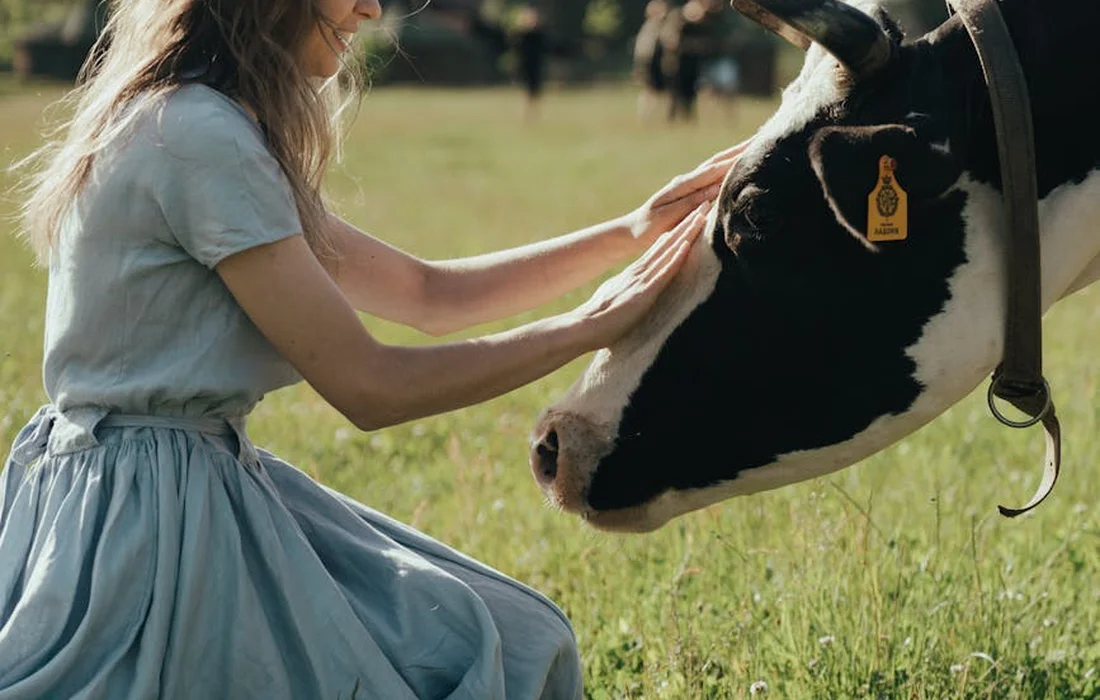
When it comes to treatin’ your cattle, knowin’ what’s wholesome and what’s harmful is the bedrock of good stewardship. I’ve spent many an afternoon watchin’ the herd nibble on wild patches, and a keen eye for plant identification has saved us more than once in avoiding harmful and unusual foods.
Safe Berries for Cattle Consumption
Your bovines will thank you for these sweet morsels, and your wallet will too if you’re usin’ garden surplus. Stickin’ to this list means you’re providin’ a safe, natural snack that complements their roughage.
- Strawberries: A favorite in our fields. The seeds are tiny and pose no issue, passin’ right through their system.
- Blueberries: Packed with antioxidants, these are a healthy bonus. Their soft seeds are perfectly safe for digestion.
- Raspberries & Blackberries: These bramble fruits are a hit. Their numerous seeds are small and fibrous, causin’ no harm when consumed in moderation.
Don’t let imperfect fruit from your patch go to waste. Overripe, bruised, or slightly blemished berries are perfect for thrifty feedin’, reducin’ waste and bringin’ joy to the herd.
Toxic Berries to Absolutely Avoid
Nature has its pitfalls, and some pretty berries hide real danger. Learnin’ to spot these plants is as important as knowin’ your own fences.
- Nightshade Berries (Solanum species): Often found in hedgerows, these shiny black or green berries grow on vines or small plants. Every part is poisonous.
- Yew Berries: The red flesh might seem tempting, but the seed inside is deadly toxic. Yew is commonly used in landscaping, so check your boundary lines.
- Holly Berries: Those bright red clusters seen in winter can cause severe stomach upset. The pointed leaves are a good identifier.
- Chokecherries: Wild shrubs with hanging clusters of dark berries. The pits contain cyanide, especially dangerous when wilted or damaged.
Walk your pastures regularly and clear any suspicious seedlings. Good pasture management means actively removin’ these toxic bushes before your curious cattle ever find them (know what’s safe and what’s not).
Preparing Berry Treats: From Harvest to Feeding
Treat time shouldn’t be complicated, but a few simple steps ensure it’s always safe. I always wash my berries, even the ones from my own garden, because dust, birds, and other critters leave behind more than just footprints.
Follow this straightforward process to go from harvest to happy herd.
- Inspect for Mold: Sort through your berries and discard any that are spoiled or heavily molded. A little bruisin’ is fine, but fuzzy fruit belongs in the compost, not the feed bucket.
- Wash Thoroughly: Give them a good rinse under cool water to remove any pesticide residue, dust, or natural contaminants. This is non-negotiable for peace of mind.
- Remove Large Stems or Leaves: While small bits won’t hurt, takin’ off the main stems and any large leaves makes for a cleaner treat and prevents any potential choking hazard.
- Serve Fresh or Dried: You can feed them fresh right away. For preservation, try air-dryin’: spread clean berries on a screen in a shaded, breezy spot for a few days. Dried berries make a terrific, concentrated treat for winter months when fresh fruit is scarce.
How you offer these treats can turn a snack into a bondin’ experience. Scatterin’ a few handfuls in their pasture encourages natural foraging behavior, while mixin’ a small amount into their regular feed in the trough spreads out the enjoyment. For a real connection, try hand-feedin’ a few berries to your gentler cows-it’s a wonderful way to build trust.
How Much Is Too Much? Feeding Guidelines for Berry Treats
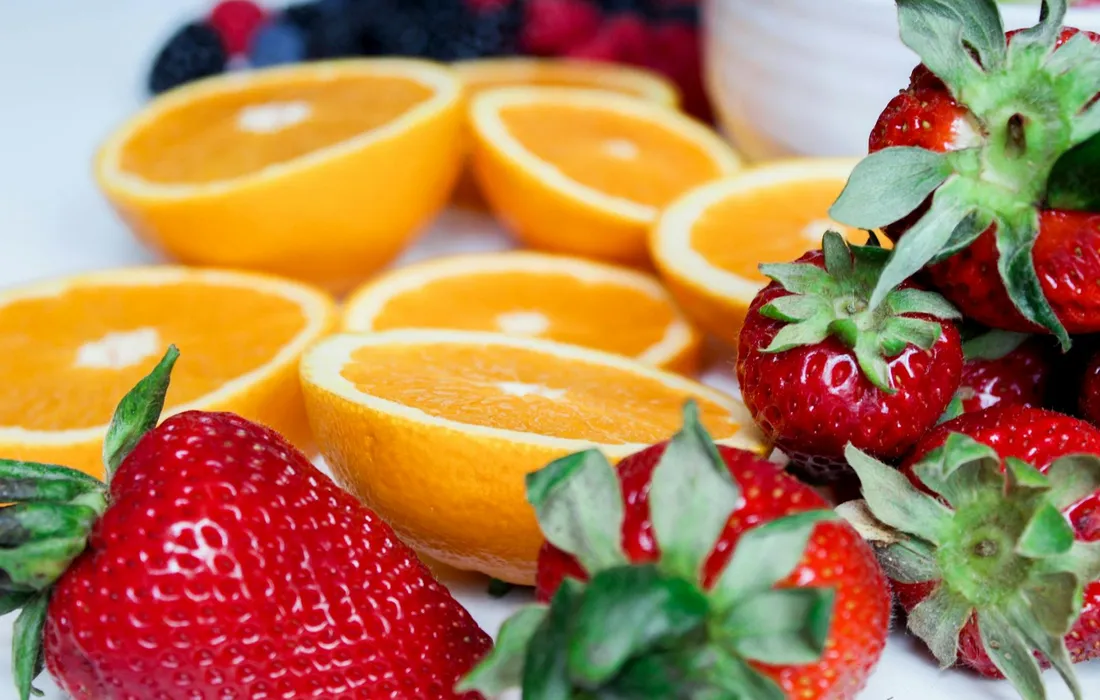
Now, I reckon y’all are wondering where to draw the line with these sweet offerings. It’s a fine line between a happy cow and a bellyache, and I’ve walked it more than once after my heifers cleaned out a volunteer blueberry bush.
Determining Portion Size
You can’t just toss fruit into the pasture willy-nilly. The golden rule is that all treats, berries included, should stay below 1-2% of your animal’s total daily dry matter intake. For a 1,400-pound beef cow eating roughly 28 pounds of dry matter a day, that’s only about a quarter to a half-pound of berries. This same caution applies to grapes and other common fruits—treats should remain rare and small. Monitor how your herd responds to any fruit and adjust accordingly.
- Provide a simple rule: berries should not exceed 1-2% of the animal’s daily dry matter intake.
- Offer practical visuals: I tell folks to think of a single handful per cow as an occasional delight, not a bucketful. My rule of thumb is what I can comfortably hold in my own calloused hand.
- Differentiate between dairy cattle (where milk flavor can be subtly affected) and beef cattle. With dairy girls, be extra sparing; a few strawberries once a week is plenty, as too much can subtly tint the milk’s flavor. For beef cattle, the main concern is simply keeping their rumen balanced.
Frequency and Moderation
Treats are a spice, not the main course. I never offer berry treats more than once or twice a week, and I always do it after they’ve filled up on their good hay or grass. This helps prevent them from picking at their core feed.
- Recommend feeding berry treats 1-2 times per week at most to prevent digestive upset. Any more frequent, and you’re asking for trouble.
- Explain how to integrate treats into the overall energy balance of the cattle diet. Those berries are pure sugar energy, so on treat days, I might skip a pinch of their grain supplement to keep their total diet in check. It’s about balancing the books for their belly.
- Advise observing manure consistency as a key indicator of good digestion. The proof is in the paddock; if manure becomes loose or cow pies look frothy, you’ve overdone the fruit and need to pull back immediately.
Risks and Red Flags: When Berry Treats Go Wrong
I learned this lesson early when a batch of overripe blackberries led to a long night in the barn. Respecting the rumen means knowing when a good thing has gone too far.
- Detail digestive issues: bloat or acidosis from sudden sugar overload. A swift influx of berry sugars can ferment too quickly in the rumen, causing gas bloat or a dangerous drop in pH called acidosis. It’s a painful shock to their system.
- Highlight mold risk and mycotoxin danger from spoiled fruit. Never, ever feed a berry that’s mushy, fuzzy, or smells off. The mycotoxins from mold can cause serious long-term health issues no amount of baking soda will fix. If you wouldn’t eat it, don’t feed it.
- List warning signs: off-feed, scouring, lethargy, and steps to take (remove treats, consult vet). If your animal turns its nose up at hay, has diarrhea, or acts dull and lethargic, stop all treats right away, offer plenty of fresh water and good hay, and call your vet if symptoms persist beyond a day.
- Reinforce that a healthy rumen is paramount; treats should never disrupt core nutrition. Everything we do starts with a functioning rumen; your berry handout should be a tiny blip in their digestive day, not the main event. Their forage-based diet is what keeps them thriving for years.
Seasonal and Practical Tips from the Barnyard
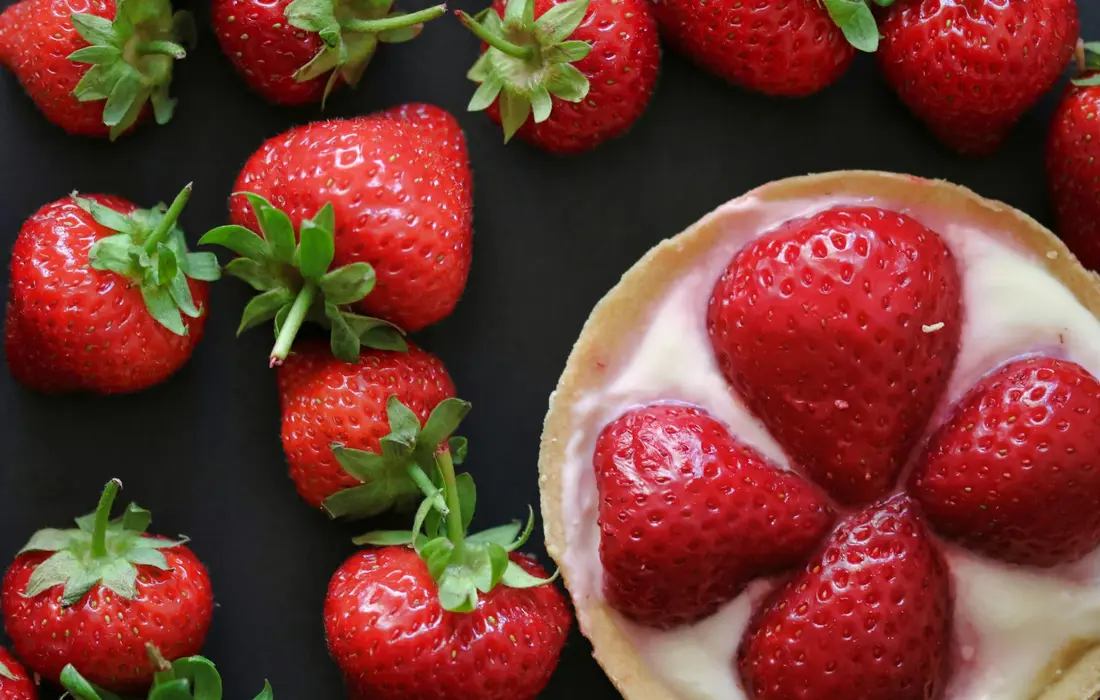
When those summer sunberries ripen, it’s a mighty fine time to share the wealth. I reckon my herd knows the sound of my bucket headed to the blackberry brambles. Summer’s abundance lets you feed fresh treats more liberally, turning pest plants or garden extras into valuable snacks. But come winter, those fresh berries are a memory. That’s when my pantry stash of dehydrated strawberry tops or apple pomace from fall cider making sees use, offering a sweet whisper of summer in their feed.
Thrifty Tips for Treats
You don’t need a perfect supermarket pint to make a cow’s day. My best sources are often the “seconds” basket at the farmer’s market or a friendly chat with a local produce stand. Build a relationship with a grower and ask about unsaleable fruit-slightly bruised, overripe, or misshapen berries are bovine gold. I’ve gotten flats of strawberries destined for compost that my ladies adored. Just be swift; overripe fruit ferments quickly.
- Visit local markets at closing time for potential deals.
- Always inspect donated produce for mold, which is dangerous.
- Wash all market-sourced fruit thoroughly to remove unseen residues.
Making it a Family Affair
Preparing these treats is a grand way to involve young hands in stewardship. My grandkids help rinse berries in a big colander under the hose. Teach them to pick out any stray leaves or stems, making the safety of the herd a shared responsibility. It turns a chore into a lesson on care and turns treat time into a shared event they’ll remember. The simple joy of handing a strawberry to a gentle cow is a powerful thing.
At the end of the day, lean on the fence and watch. There’s a pure contentment in observing a contented herd munching on sun-warmed blackberries. This simple act connects us to the natural rhythms of growth, harvest, and the uncomplicated pleasure of a good, shared meal. It’s a reminder that the best parts of this life are often the simplest ones, freely given.
Closing Tips and Common Questions
What are the benefits of feeding berries to cattle?
Berries offer a hydrating, vitamin-rich snack that provides antioxidants like Vitamin C and a quick source of natural energy. This can be especially supportive during times of heat stress or when fresh forage quality is lower.
How should strawberries be prepared for cattle consumption?
Always wash strawberries thoroughly to remove dirt and potential residues. It’s also a good practice to remove the large green stem and any leaves before offering them to your herd.
What is the recommended serving size of berries for a cow?
A general rule is a single handful per cow as an occasional treat. This small portion ensures the treat stays well below 1-2% of their daily dry matter intake to prevent dietary imbalance. For healthy treat ideas and snacks for cows, choose options that support digestion and stay within daily limits. These ideas keep treats tasty without upsetting nutritional balance.
Are there any risks associated with feeding strawberries to cattle?
The primary risks are from feeding moldy or spoiled fruit, which can contain dangerous mycotoxins. There is also a risk of digestive upset if too many are fed at once due to their sugar content.
Can feeding too many berries cause digestive issues in cattle?
Yes, overfeeding berries can lead to digestive problems like acidosis or bloat. This happens because a sudden large amount of sugar can disrupt the delicate microbial balance in the rumen.
Should berries be fed fresh or dried to cattle?
Both are acceptable. Fresh berries are excellent in season, while properly dried berries (without additives) make a safe, concentrated treat for winter, but should be fed in even smaller amounts due to the lack of water content.
Shuttin’ the Gate
The simplest rule in my barnyard has always served me best: their main meal is a sacred thing. All the sweet treats in the world can’t replace a belly full of good hay, clean pasture, and a balanced mineral supplement. Keep those berries as a joyful little “extra”, and your herd’s digestion will thank you.
I hope you get a chance to see your own cattle’s ears perk up at the sight of a strawberry. It’s one of those small, sweet moments that makes all the chores worthwhile. Y’all take care out there, and if you try it, I’d love to hear how it goes. We’re all just learnin’ from the land and each other, one treat at a time.
Further Reading & Sources
- What Do Cows Eat: 28 Foods They Absolutely Can
- Can Cows Eat Blueberries? – Agriculture Site
- can cows eat blueberries? | Keeping A Family Cow
Caroline Mae Turner is a lifelong farm girl raised on red clay, early mornings, and the sounds of a bustling barnyard. With hands-on experience caring for everything from stubborn goats to gentle dairy cows and mischievous pigs, Caroline shares practical, tried-and-true advice straight from the farm. Her goal is to help folks keep their animals healthy, well-fed, and living their best barnyard life. Whether you're wrangling chickens or bottle-feeding a baby goat, Caroline brings a warm Southern touch and plenty of real-world know-how to every bucket in the barn.
Treat Suggestions