Spice Up Your Flock’s Feed: 3 Unusual & Nutritious Treats
Published on: August 3, 2026 | Last Updated: August 3, 2026
Written By: Caroline Mae Turner
Howdy y’all. Welcome back to the barn. If you’re staring at the same old scratch grains wondering how to boost your hens’ health and those golden yolks, the farmer’s fix is already growing in your garden or sitting in your pantry: chamomile, chayote, and dates.
- Dried chamomile flowers (from your herb garden or the tea aisle)
- A fresh chayote squash (also called mirliton)
- A handful of pitted dates
- About five minutes of your time
Let’s get this sorted quicker than a hen spots a beetle, so you can get back to the rest of your chores.
Why Look Beyond the Standard Chicken Feed?
Now, I swear by a good, balanced layer feed as the cornerstone of my flock’s diet. It’s their dependable daily bread. But think of it like your own supper plate. Eating nothing but the same fortified cereal every single meal, while technically “complete,” leaves a body-and a bird-yearning for more. Commercial feed is engineered for efficiency, not necessarily for peak vitality or the simple joy of a varied peck.
Bringing in unusual foods like chamomile, chayote, and dates does something a bag of crumbles can’t. It engages their natural foraging instincts, provides a broader spectrum of phytonutrients, and can offer targeted support. I reckon it’s the difference between just living and truly thriving. This practice of thoughtful supplementation is the heart of true husbandry, elevating basic care into mindful stewardship.
Feeding Chamomile Flowers to Your Flock
Picture this: a handful of tiny, daisy-like flowers holding the power to soothe a skittish pullet or ease a broody hen’s tension. That’s the quiet magic of chamomile. I’ve kept a patch by the garden gate for years, originally for my own tea, but the birds showed me its wider purpose.
The Calming Benefits of This Gentle Herb
Chamomile isn’t a medicine, but a gentle supporter. Its value comes from subtle anti-inflammatory and mild sedative properties. I’ve found it most useful during stressful events like integrating new birds, after a predator scare, or for hens who seem perpetually “on edge.” It can also be a welcome treat for broody hens, who often forget to eat and drink properly. It won’t solve major health issues, but it helps promote a sense of calm in the coop.
How to Prepare and Serve Chamomile Safely
You must use the right part: only the flowers. Stems and leaves are too strong. Here’s how I do it:
- Dry It Thoroughly: Harvest flowers and let them air-dry completely on a screen in a dark, well-ventilated spot. This concentrates the good stuff and prevents mold.
- Crush Gently: Once crispy dry, I crumble the flower heads with my fingers, separating them from any tough bits of stem.
- Serve Simple: Sprinkle the dried flowers lightly over their regular feed or into a clean, shallow dish. Some folks brew a weak, cooled tea and mix it into a mash, which is fine for a special treat.
Important Cautions and Recommended Quantity
Moderation is your guiding principle here. Chamomile is potent. Think of it as a seasoning, not a side dish-a light sprinkle a few times a week is plenty for the whole flock. Never make it a daily staple or replace a significant portion of their feed. I avoid giving it to chicks under 16 weeks old, as their systems are too delicate for herbs. Always ensure your chamomile is grown without pesticides or harvested from a clean, uncontaminated area. If you buy it, choose organic, food-grade flowers meant for human consumption.
Introducing Chayote Squash to Chicken Diets
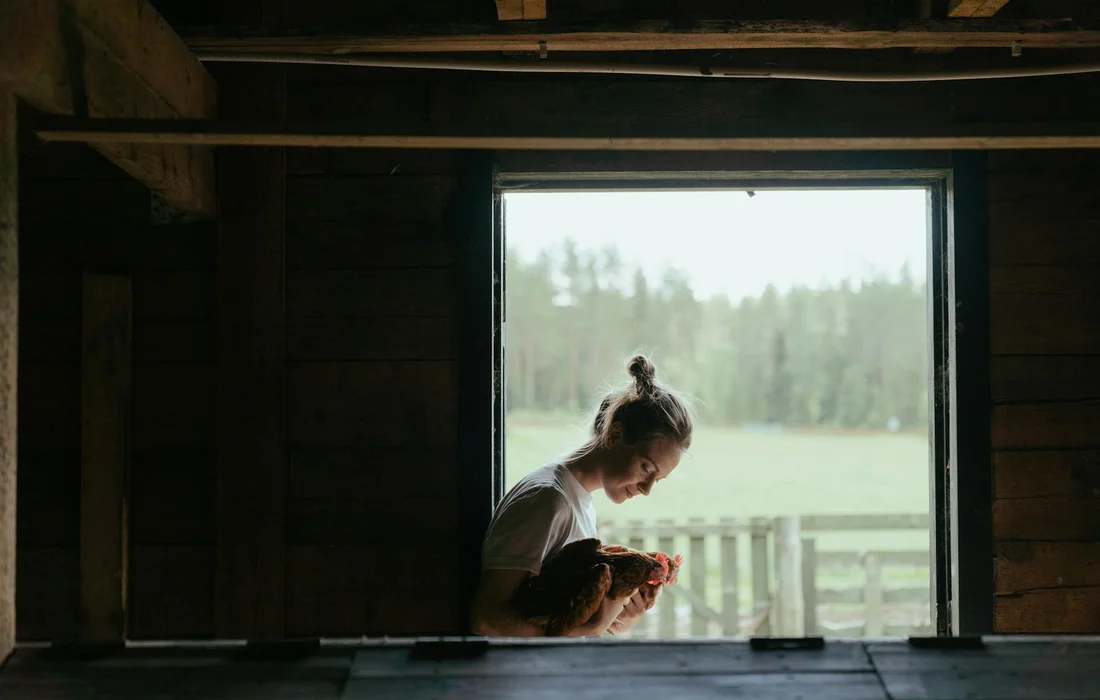
Now, let’s talk about a garden oddity that might just become your flock’s new favorite curiosity. Chayote squash, sometimes called a vegetable pear, is a prolific vine crop I’ve grown for years. It thrives with little fuss and produces a bounty that even a large family can’t always eat. Thankfully, chickens find its mild, crisp flesh absolutely delightful, making it a fantastic way to turn surplus into nutritious snacks. It’s an excellent addition to their diet of squash and zucchini.
Nutritional Perks of Raw and Cooked Chayote
This pale green squash is a hydrating, low-calorie supplement packed with good things. It offers a decent hit of vitamin C, which is a boon for immune health, along with trace minerals like manganese and folate. The real star is its fiber content, which promotes healthy digestion and can help keep your hens feeling full without overloading on calories. You can feed it raw to preserve every bit of that vitamin C and satisfying crunch, or lightly cooked if you have a batch that’s a bit too tough. Chickens can safely eat squash, including butternut and spaghetti varieties, as part of a balanced diet. For safety, feed in moderation and avoid large rind pieces or seeds. I often steam a few during the deep winter months to add a warm, soft food to their diet when fresh greens are scarce.
The Best Ways to Prep Chayote for Pecking
Prepping chayote is simple, but a little thought goes a long way in preventing waste. That single large seed inside is edible and my hens fight over it. Here’s how I get it ready for the run:
- Give it a good wash to remove any field grit or prickles from the skin.
- Slice it in half lengthwise and pop out that central seed. You can chop the seed separately-it’s a treat!
- For the flesh, I use a mandoline or sharp knife to cut it into thin slices or small cubes. This makes it easy for the birds to peck at and reduces the chance they’ll try to run off with a whole, slippery chunk.
- Another winner is to simply grate it coarsely over their regular feed, which encourages foraging behavior.
Feeding Limits and Potential Risks
While chayote is wonderfully safe, moderation is your guiding principle. Its high water and fiber content means too much, too fast can lead to loose droppings. Think of it as a supplement, not a staple-a few handfuls per flock, two or three times a week, is a perfect rotation. I’ve never had a chicken turn it down, but always introduce any new food slowly over a few days to watch for any individual bird’s sensitivity. The only real risk is if you’ve used pesticides in your garden, so always wash store-bought or homegrown produce thoroughly. Some kitchen scraps and garden plants can be toxic or harmful to chickens, so always verify safety before offering. A quick check on chicken diet safety helps you avoid hidden hazards in your flock’s meals.
Offering Sweet Dates as an Occasional Treat
Let’s shift gears to something purely decadent: the humble date. Now, I don’t suggest these lightly, as they are nature’s candy. But on a cold morning when the girls need a quick energy boost before ranging, or as a special reward, a few dates can work wonders. I keep a bag in the feed room for just such occasions, and the excited chatter when they see me chopping them is a sure sign of a hit.
Energy Boost and Palatability of Dates
Dates are dense, quick energy. They’re loaded with natural sugars, potassium, and a bit of magnesium. This makes them a superior treat compared to, say, plain bread crusts. That burst of glucose can be genuinely helpful for birds recovering from illness or stress, or for supporting laying hens during peak production. Their sticky sweetness is incredibly palatable, so much so that you must be the strict keeper of the cupboard. Your flock would happily eat them to the exclusion of all else if given the chance. Candy and other sugary treats should be avoided around chickens; overconsumption can trigger digestive upset and obesity. More than natural sugar, processed sweets can introduce additives that upset a flock’s gut health.
Essential Prep Steps: Pits and Chopping
This is non-negotiable. Whole dates are a choking hazard and most contain a hard, oblong pit. Proper prep is a two-step safety ritual.
- Pit Every Single Date. Run your knife along the length of the fruit and remove the hard seed inside. Compost those pits where no bird can find them.
- Chop the Pitted Fruit Finely. I aim for pieces no larger than a pea. This allows the sticky treat to be scattered widely, preventing bossy hens from hogging it and ensuring everyone gets a tiny, safe morsel.
Managing Sugar Intake and Serving Size
This is where your stewardship matters most. Too much sugar disrupts their balanced digestion and can lead to unhealthy weight gain. I treat dates like I do cracked corn-a scant handful for the entire flock, no more than once a week, and never as their main course. I’ll often mix the chopped pieces into a larger volume of scratch grains or sprinkle them over a flake of hay to encourage extended foraging. Watch your birds enjoy this rare luxury, then secure the bag back in the pantry. A little goes a very long way in both flavor and energy.
Balancing These Unusual Foods in a Complete Diet
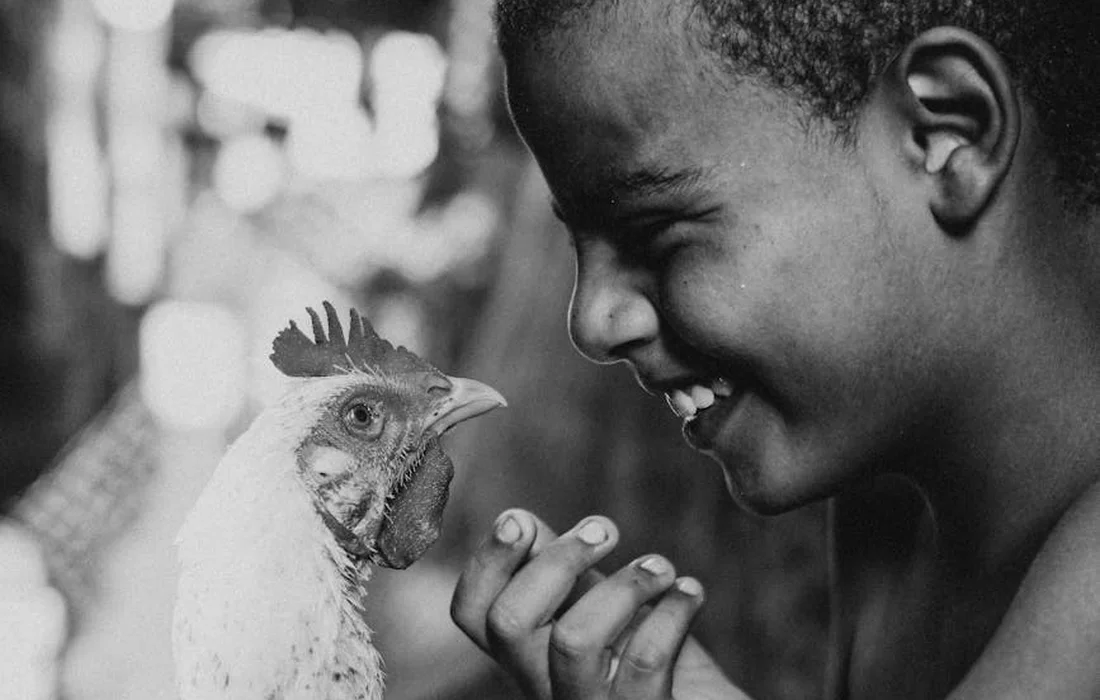
Now, I reckon y’all are eager to share these finds with your flock, but tossing new foods into the mix willy-nilly is a sure path to trouble. Think of your chicken’s main feed as the sturdy foundation of your barn—everything else is just the charming porch swing, nice to have but not holding up the walls. From my own coop, I’ve seen hens get picky or poorly when treats outweigh their complete ration. Beyond treats, they can nibble on safe kitchen scraps or garden greens in moderation. These supplemental foods should complement the main ration, not replace it.
The Golden Rule of Treats
No matter how wholesome a snack seems, it should never make up more than 10% of your bird’s total daily food intake. I stick to the 90/10 rule like gospel: ninety percent complete layer feed, ten percent for everything else from kitchen scraps to these unusual delights. This keeps their protein intake around that crucial 16-18% mark for laying hens, ensuring strong shells and steady production.
Chamomile: The Occasional Calm
I dry chamomile from my herb garden and keep it in a old mason jar by the coop. This isn’t a food; it’s a supplement. I sprinkle a small handful into the bedding or offer it as a dried herb once a week, especially after a stressful event like a predator scare or integrating new pullets. It makes the coop smell peaceful and gives the girls something novel to peck at. More than that, and you’re wasting good herbs. Chickens can eat certain herbs—rosemary, sage, and other garden herbs—in small amounts, but safety depends on the herb and the amount. If you plan to use herbs beyond chamomile, verify which ones are safe for poultry and appropriate in your flock’s diet.
Chayote: The Thrifty Hydrator
This squash is a wonderful, water-rich supplement, but it’s mighty low in protein. I grow it on a trellis to save space. To prepare chayote for the girls, I simply slice it in half and let them peck out the soft seed core, or grate it raw over their scratch in hot weather for extra hydration. You can cook it to soften, but that uses fuel. A single chayote can be split among a flock of six, two or three times a week.
- Feed it Raw: Just wash, split, and toss. They’ll eat the seeds and soft interior first.
- Grated Goodness: Mix a cup of grated chayote with a handful of their regular feed to encourage foraging.
- What to Avoid: Don’t replace their leafy greens with it. Chayote is a supplement, not a green replacement.
Dates: The Sticky Sweet Situation
Oh, my hens do a funny dance when they see dates! But these are pure sugar to a bird. I treat dates like I do candy for my grandkids-a tiny, special reward for good behavior, not a regular snack. One medjool date, pitted and chopped fine, is plenty for five hens to share once a week. Any more, and you risk upsetting their digestive balance and diluting their protein intake.
- Always remove the pit-it’s a choking hazard.
- Chop the date into raisin-sized bits to prevent bullying over large pieces.
- Mix the chopped date with a scoop of plain yogurt or mash it into their grit for a sticky, engaging treat.
A Sample Week of Balanced Feeding
Here’s a peek at how I might weave these items into my flock’s routine, based on a flock of five laying hens. Their main feed is available free-choice all day — balanced feed is crucial for their health and productivity. The supplements and treats are just that: extras to keep them interested and provide some variety.
Closing Tips
What quantity of chamomile is safe for chickens?
Offer chamomile only as a light sprinkle over feed or in bedding a few times a week. It is a potent herb, so treat it as a occasional supplement, not a daily food, to avoid overconsumption.
What quantity of chayote is safe for chickens?
A few handfuls of chopped chayote per flock, two to three times weekly, is sufficient. Its high water and fiber content mean overfeeding can lead to loose droppings, so introduce it gradually.
What quantity of dates is safe for chickens?
Due to high sugar, limit dates to a scant handful for the entire flock no more than once a week. Always ensure dates are pitted and finely chopped to prevent choking hazards.
Are there any risks in feeding chamomile to chickens?
Risks include overuse, which can disrupt diet balance, and avoid giving it to chicks under 16 weeks. Ensure chamomile is pesticide-free, as contaminated herbs can harm your flock.
Are there any risks in feeding chayote to chickens?
Chayote is generally safe, but excessive amounts can cause digestive upset due to its fiber. Always wash thoroughly to remove pesticides or grit, and monitor for individual sensitivities.
Are there any risks in feeding dates to chickens?
The main risks are choking from pits and high sugar intake leading to obesity or digestive issues. Always pit and chop dates finely, and strictly limit frequency to maintain a balanced diet. Unlike granola or cereal, which are processed and not ideal for rabbits, natural treats like dates should still be given sparingly.
Shutting the Gate
The single most valuable tool in your coop isn’t a fancy feeder or an automatic waterer. Your most important asset is your own watchful eye, learning your flock’s rhythms and trusting your gut when a new treat like chayote shows up in the feed bowl. Observation beats any chart I could give you.
I’m grateful y’all took this little walk through the garden and pantry with me. There’s a deep joy in sharing the bounty, in watching a hen contentedly peck at a date or settle in for the night after a sprinkle of chamomile. May your runs be green, your nests be full, and your days with your critters be long and peaceful.
Further Reading & Sources
- A high protein chicken treat your hens will love.
- Homemade Treats for Chickens For A Happy, Healthy Flock – Hobby Farms
- Top 7 Organic Chicken Treats For A Happy, Healthy Flock | Hatching Time Blog
Caroline Mae Turner is a lifelong farm girl raised on red clay, early mornings, and the sounds of a bustling barnyard. With hands-on experience caring for everything from stubborn goats to gentle dairy cows and mischievous pigs, Caroline shares practical, tried-and-true advice straight from the farm. Her goal is to help folks keep their animals healthy, well-fed, and living their best barnyard life. Whether you're wrangling chickens or bottle-feeding a baby goat, Caroline brings a warm Southern touch and plenty of real-world know-how to every bucket in the barn.
Herbal Supplements