
Chicken Diet Solved: The Safe Way to Handle Dock and Bay Leaves
Published on: August 28, 2026 | Last Updated: August 28, 2026
Written By: Caroline Mae Turner
Howdy y’all. You can toss a few fresh dock leaves to your flock as a occasional treat, but keep those aromatic bay leaves well away from the coop-they’re not for chicken consumption. I’ve seen many a homesteader pause, pruning shears in hand, wondering if those common plants are a free snack or a hidden hazard.
What you’ll need:
- Confident identification of curly dock or broadleaf dock plants
- A source of clean, uncontaminated dock leaves
- A moment to wash and roughly chop the greens
- Your usual sense of mindful moderation
Stick with me, and we’ll clear up the confusion right quick so you can get back to your real work.
Setting the Table: A Keeper’s Philosophy on Treats & Toxins
I learned my lesson about treats the year my favorite hen, Bertha, got sour crop from too many kitchen scraps. A homesteader’s kindness must be guided by wisdom, not just a generous hand.
Your chickens’ complete feed is their livelihood, carefully balanced by nutritionists. Think of treats like a weekend dessert—a delightful extra, not the main meal. Choose healthy snacks for them, but never let treats exceed one part in ten of their daily intake. More than that, and you risk nutrient imbalances and picky eaters.
Plants produce compounds for their own defense, and what’s harmless to us can trouble a bird’s digestion. Respecting that line is the heart of good stewardship. I keep a worn reference book in the mudroom and double-check any new greenery, especially when it comes to pokeweed and other plants that can be toxic to chickens.
My barnyard-tested rules for any new treat are simple:
- Identify the plant with absolute certainty. Guesswork has no place here.
- Offer a small sample to two or three birds first.
- Monitor closely for a full day. Look for normal droppings and steady energy.
- Always provide plenty of fresh, clean water to help their systems cope.
The Lowdown on Dock Leaves: Weed or Wonderful Treat?
That broad-leafed “weed” taking over your damp pasture corner? My flock has opinions on it. Common dock (Rumex species) sits in a gray area-not a staple, but a permissible forage when handled with sense. I’ve used it for years as a seasonal supplement without issue.
Identifying Common Dock in Your Pasture
You’ll know dock by its long, lance-shaped leaves with distinctly wavy or curled edges. They form a low rosette first. Mature plants send up a tall, central seed stalk that turns a characteristic rusty brown, a sure sign you’ve found dock. The leaves often have reddish veins running through them.
I teach every apprentice to look for the crinkled leaf margin and that tall seed spire in the nightshade family, like tomato leaves. Avoid any look-alikes, especially in the nightshade family. When you crush a leaf, it should have a tangy, almost sour smell. If you’re staring at a plant and your gut says maybe, then it’s a no for the chickens.
Nutritional Profile and Feed Safety for the Flock
Dock leaves bring vitamins to the party, notably A and C, which are great for immune function and healthy feathers. They also contain minerals like iron. The crucial detail is their oxalic acid content, which binds calcium and can cause deficiencies if overfed. This is why we use it sparingly.
In my experience, occasional feeding causes no harm. I reckon it’s a beneficial green boost. But making it a daily salad bar is asking for trouble with eggshell quality. Moderation transforms a potential problem into a useful resource.
Here’s a quick breakdown of what’s in those green leaves:
- Vitamin A: High. Supports vision and respiratory health.
- Vitamin C: Moderate. Aids during molting or heat stress.
- Calcium: Present, but bioavailability is lowered by oxalates.
- Oxalic Acid: Present. The reason we limit portions.
How to Safely Offer Dock to Your Birds
I follow a simple routine to make dock safe for the girls. First, I only harvest from areas I know are free from chemical drift or road runoff. Washing is non-negotiable; it removes soil microbes and tiny pests.
Young, tender leaves from spring or early summer plants are best-they’re milder. Here’s my step-by-step method:
- Gather a handful of young dock leaves per every ten birds.
- Rinse them thoroughly under cool, running water.
- Chop the leaves into rough pieces to prevent choking and stop boss hens from hoarding.
- Scatter the pieces in their run or mix lightly with scratch grains to encourage natural foraging behavior.
- Offer this treat no more than twice a week. This frequency avoids oxalate buildup.
Never feed leaves that are wilted, yellowed, or have any mold spots. Freshness matters as much as the plant itself when it comes to preventing digestive upset. Watch your birds after they eat. If they eagerly forage and act normally, you’ve added a safe, thrifty item to your treat roster.
Bay Leaves in the Barnyard: Culinary Herb Conundrum
What Exactly Are Bay Leaves? (It’s Not Just for Soup)
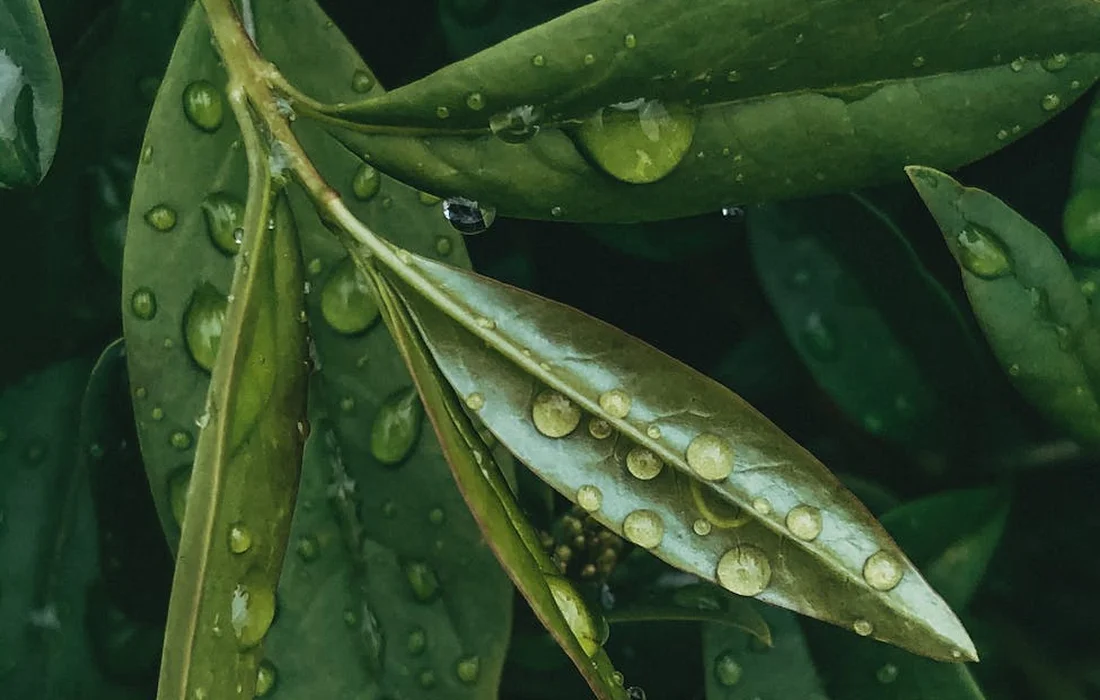
That dusty leaf in your soup jar is usually from the bay laurel tree, a Mediterranean native we call Laurus nobilis. In my herb garden, I’ve got one pruned like a small tree, and its leaves pack a fragrant punch when crushed. While we humans use them for slow-simmered flavor, their potency is exactly why they’re a different story for the barnyard.
You might also hear “bay” used for other plants, like mountain laurel, which is downright poisonous. I stick to true laurel for cooking and keep all types far from my animals. Knowing your plant sources is the first step in safe stewardship.
The Real Risk: Essential Oils and Aromatic Compounds
The danger lies in compounds like eucalyptol, pinene, and cineole. These essential oils are concentrated and can irritate the delicate mucous membranes of a chicken’s crop and gut. For a bird weighing five pounds, even a small piece of leaf can be a big irritant. Think of it like a splash of pure peppermint oil on your skin-it’s too strong for their internal systems. These examples also highlight a broader point about chicken diet safety foods, as many common items can be toxic or harmful to birds. Knowing what to avoid helps prevent illness in flocks.
I learned this early on when a few leaves accidentally made it into the hens’ scrap bucket. The flock pecked around them, leaving the bay entirely alone. Animals often have a natural aversion, but we shouldn’t test that instinct with mixed kitchen waste.
What to Do With Kitchen Scraps That Contain Bay
Your leftover pot liquor or stew veggies can still be used, but with care. I have a two-step system at my sink. First, I strain out any large herb pieces, especially bay. Then, I give the scraps a second look under the light. Taking that extra minute to pick through scraps is a simple act of protection for your flock.
If the bay leaf has cooked down to fragments and you can’t retrieve it all, that batch gets a one-way ticket to the compost heap. It’s not worth the risk. Turning questionable scraps into compost is the thrifty, safe choice that benefits your whole homestead cycle.
Beyond the Bucket: A Quick Guide to Kitchen Herbs & Greens
Herbs Your Flock Will Love (Safe & Beneficial)
Many herbs from your windowsill or garden are excellent, healthful treats. They offer variety, nutrients, and even natural medicinal properties. Here’s my tried-and-true list of barnyard-approved herbs:
- Oregano: My top choice. Fresh or dried, it supports respiratory health. I mix a handful into the feed of new chicks.
- Mint: Spearmint or peppermint, it’s a refreshing snack that can help deter flies. My pigs love a bunch tossed in their wallow.
- Parsley: A vitamin powerhouse. I give it to my laying hens for a green boost, and the geese clean up the tough stems.
- Sage: I dry bundles for the coop in winter. It’s mildly antimicrobial and the chickens enjoy pecking at the leaves.
- Dill & Fennel: The feathery greens are safe and can aid digestion. Cows and goats will nibble these right from your hand.
Introduce any new green slowly, offering just a few sprigs at first to see how your critters respond.
Common Garden Plants to Keep Behind the Fence
Some plants are so common we forget their toxicity. Vigilance in your garden layout and pasture checks is non-negotiable. Here are the usual suspects I always fence out: If you keep cows, understanding which plants are safe to eat and which are not is crucial. A practical toxic plant guide for cattle can simplify pasture decisions.
- Nightshade Family Foliage: This includes tomato and potato leaves and vines. They contain solanine. The fruit is fine, but the green parts are not.
- Rhubarb Leaves: High in oxalic acid, they can cause kidney damage in pigs, chickens, and most livestock.
- Onion & Garlic Tops: In large, consistent amounts, these can cause hemolytic anemia in birds. I compost all allium tops instead.
- Ornamental Sages like Lantana: Often called “red sage,” this is not your culinary sage. It’s highly toxic to all grazing animals.
- Foxglove and Oleander: Beautiful but deadly. Even a few leaves can cause cardiac arrest in a cow or horse. Know every plant growing in your animals’ reach, because their curiosity doesn’t come with a warning label.
Smart Foraging: Principles for a Safe and Varied Poultry Diet
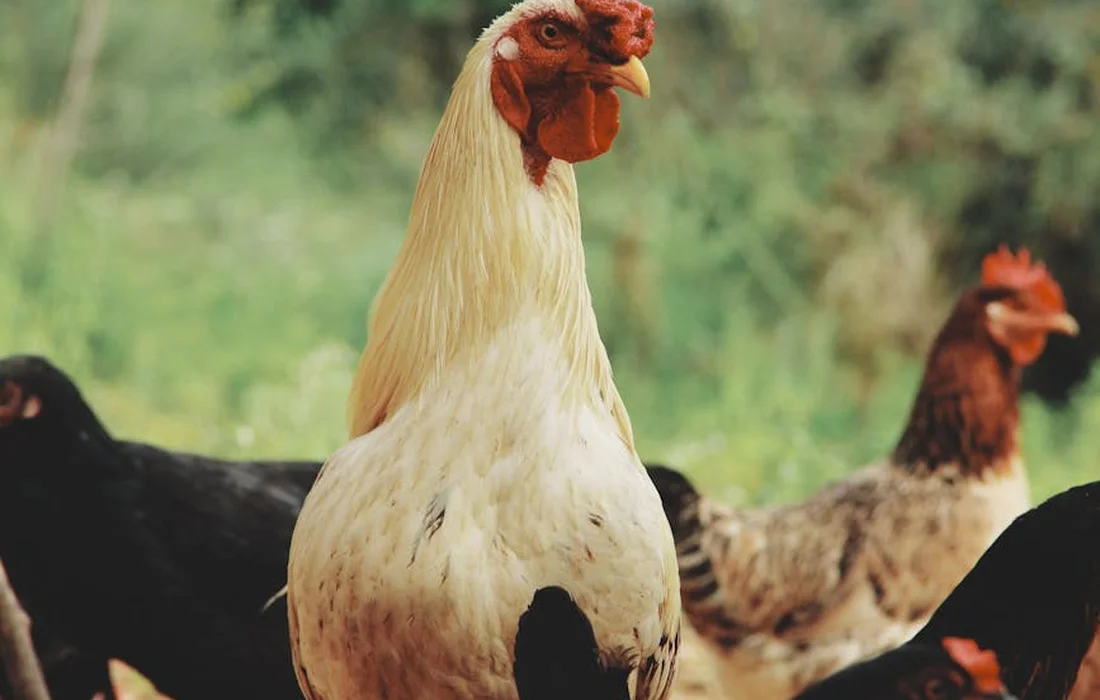
I reckon letting the flock out to forage is my favorite part of the afternoon. Smart foraging blends their natural instincts with our guidance to create a diet that’s both varied and safe.
From my experience, birds that hunt and peck for part of their food are hardier and their eggs taste richer. You manage your land better and cut feed costs when you harness this free-range bounty wisely.
The Golden Rules of Introducing New Foods
Whether it’s dock leaves from the fence row or bay leaves from your kitchen, never introduce a new food without these barnyard-tested rules.
Go slow as molasses in January. Offer a tiny amount the first day and watch closely for 24 hours.
- Identify with certainty. Use a good field guide or ask a seasoned neighbor. Mistaking hemlock for queen anne’s lace is a fatal error.
- Source from clean areas. Avoid roadsides, ditches, or any place that might have chemical drift. I only pick from my own untreated pastures or the deep woods.
- Mix it with the familiar. Toss new greens right into their regular scratch or feed to encourage tasting.
- One new thing at a time. If trouble arises, you’ll know the culprit straight away.
I learned the hard way with my geese and some buttercup greens. A little patience at the start saves a heap of worry later on.
Recognizing Signs of Digestive Upset or Poisoning
Even with the best care, a curious bird might grab something disagreeable. Knowing these signs lets you act before a tummy ache becomes a tragedy.
Watch for any sudden change in their normal, busy behavior.
- Lethargy and puffing up. A healthy chicken is alert; a sick one sits still with feathers fluffed.
- Changes in droppings. Watery, strangely colored, or bloody waste signals trouble in the gut.
- Loss of coordination. Stumbling, falling over, or neck twisting points to neurological poisoning.
- Reduced eating and drinking. When they ignore treats and water, it’s a major red flag.
I keep a hen hospital kit with electrolytes and a phone number for my vet handy. Quick observation and isolation of the affected bird can stop problems from spreading through the whole flock.
Building a Balanced Home Diet Foundation
Forage and treats are the spice, not the main meal. Your foundation must be a complete commercial feed, formulated for your birds’ specific life stage.
For my laying hens, I use a 16% protein layer pellet as their daily staple. This choice balances practicality and cost efficiency, especially when considering layer vs broiler feed requirements. Growing pullets and meat birds require more, around 20-22% protein, to build muscle and frame properly.
Pasture management ties directly to diet quality. I provide a minimum of 10 square feet per bird in rotational pens. Moving the flock every few weeks prevents parasite buildup and allows tender, nutritious plants to regrow, which is essential for maximizing grazing efficiency.
Here is my simple, balanced diet structure that has served my flocks for years:
- 90% Complete Feed: This ensures they get their essential vitamins, minerals, and amino acids every single day.
- 5-10% Secure Forage & Scraps: This includes checked weeds like dock, herb trimmings, and vegetable peels. Never avocado or potato greens.
- Free-Choice Calcium: A separate dish of crushed oyster shell lets each hen take what she needs for strong eggshells.
- Always Available Grit: Insoluble granite grit is mandatory for any bird eating whole grains or fibrous greens, as it grinds food in their gizzard.
Measure treats by the handful, not the bucket. Sticking to this 90/10 ratio keeps birds in peak condition without diluting the nutrition they rely on.
Closing Questions
Can I feed my chickens bay leaves from my kitchen?
No, bay leaves are not safe for chickens. Their concentrated essential oils can irritate the digestive tract and should be kept entirely out of the coop. Unlike some chicken-safe plants and flowers, bay leaves pose a risk to poultry.
Is chicken adobo cooked with bay leaves safe to share with my flock?
No, chicken adobo or any dish containing bay leaves should not be fed to chickens. Even after cooking, the harmful compounds in the leaves persist and pose a risk.
Are leftovers from chicken soup made with bay leaves okay for my birds?
No, chicken soup with bay leaves is not safe for chickens. Always meticulously pick out and discard all bay leaves and fragments before considering any soup scraps as a treat. For a broader overview, see our soup human foods safety guide for chickens. It explains which ingredients to avoid and how to prepare safe scraps.
Can I give my chickens leftover chicken en cocotte that was prepared with bay leaves?
No, you should not share chicken en cocotte or any dutch oven dish with bay leaves. The aromatic oils in the leaves are toxic to poultry, regardless of the cooking method.
Is chicken tikka masala containing bay leaves a safe treat for my barnyard animals?
No, chicken tikka masala with bay leaves is unsafe for chickens, geese, or other farm animals. The bay leaves and strong spices make this dish unsuitable for their sensitive systems, unlike some natural plants that are safer for consumption.
Can I offer my flock chicken curry that includes bay leaves?
No, chicken curry with bay leaves should be avoided. The bay leaves remain a hazard, so only provide curries or stews after ensuring all such herbs are completely removed.
Shutting the Gate
We’ve scratched through the details on dock and bay leaves, and the path forward is clear. Your flock’s wellness hinges on your mindful stewardship-offer dock leaves as a rare, washed treat in tiny amounts, and keep those aromatic bay leaves far from the run. I’ve seen a curious hen nibble dock in my pasture without issue, but I never risk the potent oils in bay. Trust your eyes over any guide; if a bird turns away, listen to her.
Thank you for lettin’ me share a spell from the barnyard fence. There ain’t no better reward than the contented murmur of chickens foraging safely under a wide sky. I hope y’all find as much grace in the daily rhythms of care as I do. Now, go enjoy your critters.
Further Reading & Sources
- Can Chickens Eat Bay Leaves | TikTok
- Are Bay Leaves Poisonous to Chickens? | ChickenLaws.com
- Bay Leaf Chicken With Orange Parsley Salad Recipe
Caroline Mae Turner is a lifelong farm girl raised on red clay, early mornings, and the sounds of a bustling barnyard. With hands-on experience caring for everything from stubborn goats to gentle dairy cows and mischievous pigs, Caroline shares practical, tried-and-true advice straight from the farm. Her goal is to help folks keep their animals healthy, well-fed, and living their best barnyard life. Whether you're wrangling chickens or bottle-feeding a baby goat, Caroline brings a warm Southern touch and plenty of real-world know-how to every bucket in the barn.
Herbal Supplements