Chocolate & Cookies: The Homesteader’s Safety Guide for Chickens
Published on: August 8, 2026 | Last Updated: August 8, 2026
Written By: Caroline Mae Turner
Howdy y’all. Let’s settle this common kitchen scrap question right now: Chocolate is outright toxic to chickens, and cookies are just a pile of sugary, salty junk that does your flock no favors-you should never deliberately feed either to your birds.
What you’ll need:
- The ability to spot the early signs of distress in a hen.
- Your vet’s emergency number and the number for the Animal Poison Control Center.
- A stash of healthy treat alternatives to grab instead.
Stick with me for a few minutes, and we’ll get this all sorted clear as a bell, so you can get back to your real chores with peace of mind.
The Plain Truth About Chocolate and Your Flock
Let’s set the record straight, neighbor. I’ve seen a well-meaning soul toss a cookie crumb to a hopeful hen, not knowing the harm it could carry. Chocolate, in any form, is a hard no for your birds. It ain’t a treat; it’s a toxin. I reckon if my grandma caught me giving chocolate to a chicken, she’d have my hide. Her rule was simple: if it ain’t grown in the garden or mixed in the feed barrel, think twice before sharing it.
All chocolates are risky, but some are meaner than others. Dark, baking, or cocoa powder packs a heavier punch of poison than milk chocolate. White chocolate, while still unfit, is the least dangerous. The darker the chocolate, the greater the peril for your poultry, plain and simple. A few ounces of dark chocolate can cause serious illness in a standard-sized hen, while it might take a bit more milk chocolate to do the same damage. But why risk finding out?
Cookies and cakes are just as guilty when they contain chocolate. That leftover birthday cake or brownie edge seems like harmless scrap, but it’s a Trojan horse. You must train everyone on the farm, especially youngsters, that chicken snacks come from the grain bin, not the cookie jar. I learned this lesson early when a batch of cocoa-shell mulch nearly caused a crisis. It’s not just the candy bar; it’s any product with cocoa you need to guard.
How Chocolate Poisons a Chicken: The Science in the Coop
Theobromine: The Main Culprit
That rich, deep flavor we love in chocolate comes from compounds called methylxanthines. For chickens, the main villain is theobromine. Their bodies, bless ’em, just can’t process it like we do. A chicken’s metabolism crawls when breaking down theobromine, letting it build up to toxic levels in their bloodstream. It’s like pouring molasses in their engine-everything gums up and grinds to a dangerous halt.
This compound overstimulates their nervous system and heart. Where a human might get a buzz, a chicken’s small body goes into distress. Theobromine concentration varies wildly. Check this out:
- Cocoa Powder: Roughly 800 mg of theobromine per ounce. This is the most concentrated form.
- Unsweetened Baking Chocolate: About 450 mg per ounce.
- Dark Chocolate (70-85%): Around 200-250 mg per ounce.
- Milk Chocolate: Closer to 60 mg per ounce.
- White Chocolate: Typically less than 1 mg per ounce-still not food.
Seeing these numbers, you can understand why a few pecks at a fallen brownie mix packet could spell real trouble. Their size works against them; a 5-pound hen feels the effects of a tiny amount far more than a 150-pound human.
When “Just a Bite” Becomes an Emergency
You might think a little piece won’t hurt. I’ve heard that before. But with chocolate, there’s no safe “little.” Symptoms can show up within a few hours, and they come on fast. Knowing the signs of theobromine poisoning can mean the difference between a scare and a loss. Watch your flock close if you suspect mischief.
Here are the red flags, in the order you might see ’em:
- Hyperactivity and Restlessness: Birds acting jittery or nervous for no clear reason.
- Increased Thirst and Panting: They’ll hit the waterer hard and may breathe with their beaks open.
- Muscle Tremors and Staggering: Looks like weakness or drunkenness; they can’t perch right.
- Diarrhea: Often urgent and watery.
- Seizures or Cardiac Arrest: This is the worst-stage, life-threatening emergency.
If you catch a hen in the act or see early symptoms, don’t wait. Your first call should always be to your veterinarian or an animal poison control center, even if it’s after hours. Have details ready: the type of chocolate, how much you think was eaten, and when it happened. While you wait for professional advice, remove all other food and provide fresh water. Sometimes, a vet might advise giving activated charcoal, but never administer anything without direct instruction. I keep a bottle of vet-approved activated charcoal in my barn kit for such scares, but using it is a decision made with expert guidance.
Recognizing the Signs of Chocolate Poisoning
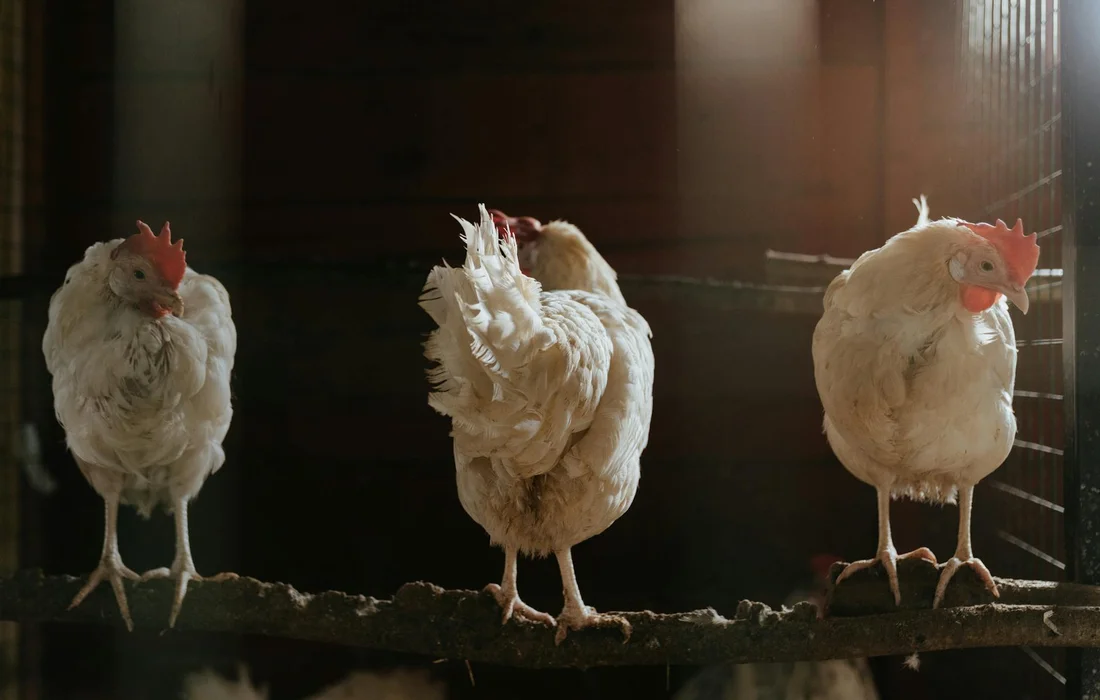
Now, y’all, chickens are curious critters, and they’ll peek at anything that drops. But if one of your hens gets into chocolate, the signs come on quicker than a summer storm. You need to watch for a cluster of symptoms, not just one odd behavior, to know you’re dealing with poisoning. From my barnyard years, I’ve seen it start subtle and ramp up fast.
The Early Warnings
In the first hour or two, your bird might not look terribly sick. The earliest hint is often a restless, jittery energy that just ain’t normal for her. She may act spooked or be unable to settle on the roost.
- Hyperactivity & Restlessness: Pacing, frantic pecking at nothing, or general agitation.
- Increased Thirst & Urination: You’ll see more water consumption and wetter, messier droppings.
- Rapid Breathing: Her sides will pump like a bellows, even at rest.
The Dangerous Escalation
If the toxin isn’t addressed, things turn serious. I recall one pully who got into some baker’s cocoa; her heart was racing so fast I could see her chest flutter. This stage requires immediate action, as it can lead to collapse.
- Muscle Tremors & Shaking: Fine tremors, often in the wings or legs, that she cannot control.
- Elevated Heart Rate: You can sometimes feel it by gently holding her against your chest.
- Diarrhea: Watery, greenish, or unusually foul-smelling waste.
- Loss of Coordination: Stumbling, falling over, or an inability to stand properly.
The Critical Stage
This is when the situation becomes life-threatening. At this point, your hen’s nervous system is under full assault, and time is your scarcest resource.
- Seizures or Convulsions: Uncontrolled wing flapping, neck arching, and loss of consciousness.
- Coma: The bird becomes unresponsive and limp.
My Coop is in Crisis: Emergency Steps to Take
When you spot those signs, don’t you dare panic. Take a deep breath and move with purpose. A clear head and swift hands have saved more birds in my coop than any fancy medicine alone. Here’s exactly what to do, in order.
Step 1: Secure the Scene
First, get every chicken away from the source. Collect any remaining chocolate or cookie scraps immediately, and check the beaks of other birds for tell-tale crumbs. I keep a dedicated “hazards” bucket in my feed shed for just such a cleanup—especially when I’m unsure what human food chickens can safely eat.
Step 2: Isolate the Affected Bird
Gently place the sick hen in a separate, quiet crate or box lined with old towels. Stress kills, so a dark, calm space is crucial for slowing the toxin’s spread and calming her system. This also lets you monitor her closely.
Step 3: Contact Your Veterinarian
Call your vet or an emergency animal clinic right away. Tell them exactly what was ingested, how much you suspect, and when you found the bird. Have a rough estimate of your hen’s weight ready; this helps them gauge toxicity. If a vet isn’t an option, a poultry poison hotline is a thrifty lifeline.
Step 4: Provide Supportive Care
While waiting for professional advice, you can offer supportive care. Fresh, cool water is essential to help flush her system and prevent dehydration from the diarrhea. Do not try to force-feed her anything, especially not oil or other home remedies, as you could cause aspiration.
- Hydration: Offer electrolyte water (a pinch of salt and sugar in a quart of clean water will do in a pinch).
- Comfort: Keep her crate warm, around 85-90°F, using a heat lamp placed safely at one end.
- Cleanliness: Change soiled bedding frequently to keep her clean and reduce stress.
Step 5: Monitor and Document
Keep a simple log on a scrap of paper. Note the time you found her, any symptoms you see, and when they change. This information is pure gold for your vet. Watch her breathing, check for tremors, and see if she’ll drink on her own.
What Not to Do
In your worry, it’s easy to want to try everything. Never induce vomiting in a chicken; their anatomy makes it extremely dangerous and ineffective. Avoid giving any medications, charcoal, or food until you’ve spoken with a professional. Your steady stewardship is her best chance.
The Cookie Conundrum: More Than Just Chocolate
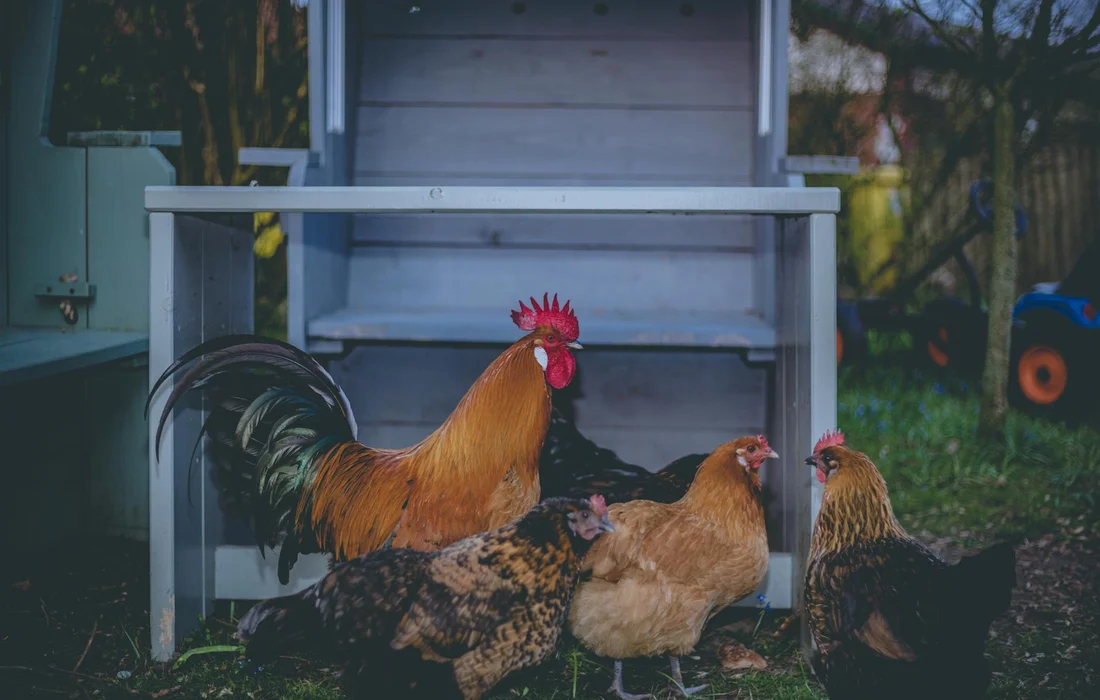
Now, I reckon we all know chocolate is a hard ‘no’ for the hens, but a store-bought cookie presents a whole pantry of problems. That sugary treat is a Trojan horse, y’all. The danger ain’t just a speck of cocoa powder. It’s the sheer load of refined sugar and fat that a chicken’s simple gut was never meant to process. Feeding cookies can swiftly lead to digestive upset, obesity, and a drastic drop in egg quality, as their bodies struggle with the empty calories.
Beyond the sugar, consider the other ingredients. Many contain raisins or currants, which are toxic to dogs and whose safety for poultry is questionable at best-I don’t gamble with my flock’s health. That same caution also applies to your chicken diet—some human foods can be toxic or harmful to chickens. A safe, simple diet protects their crop and overall health. Others use nutmeg or artificial sweeteners like xylitol, which are outright poisonous. My rule from the coop is simple: if the ingredient list reads like a chemistry experiment, it has no business in your chicken’s crop.
Let’s talk about mold, too. Cookies made with grains can harbor invisible mycotoxins if they’re even slightly stale. I’ve seen a batch of slightly old baked goods cause more trouble than a fox in the henhouse. Avoiding processed human sweets is the single easiest way to prevent a cascade of avoidable health issues in your backyard birds.
Feeding Finesse: Safe and Thrifty Treat Alternatives
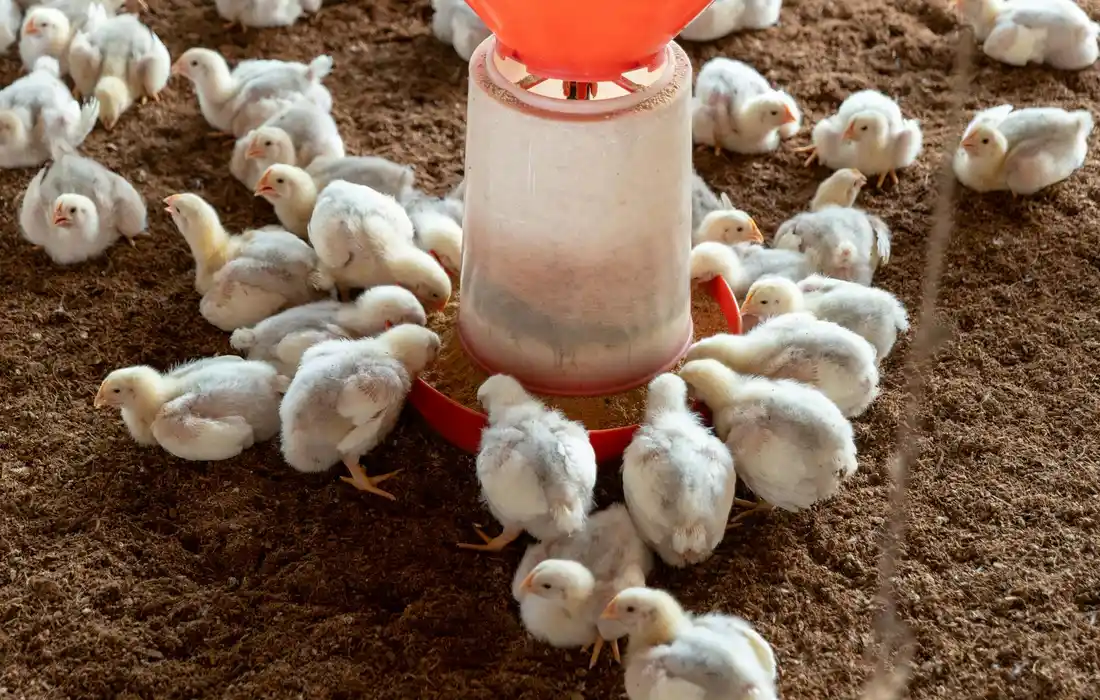
Treatin’ your flock shouldn’t strain your wallet or their health. The best treats come straight from the garden, the kitchen scrap bucket, or the feed store without the fancy packaging. True thriftiness in husbandry means turning your waste into their wealth, creating a beautiful cycle of sustainability right on your homestead. I keep a dedicated container on the counter for suitable scraps-it cuts down feed costs and makes the girls mighty happy to see me coming.
Remember the golden rule of treats: they should never make up more than 10% of your flock’s total daily diet. Their main nutrition must always come from a complete, balanced layer or flock raiser feed. Offering treats in the afternoon, after they’ve filled up on their proper ration, ensures they get the nutrients they need first. I scatter treats in their run to encourage natural foraging behavior, which keeps them active and entertained.
Building a “Yes List” for Your Flock
Here’s my tried-and-true list of affordable, healthy delights. These are the things I feed with a smile, knowing I’m supporting their vitality.
- Garden & Orchard Goodies: Chopped watermelon (rind and all), crushed blueberries, sliced cucumber, pumpkins seeds, and leafy greens like kale or Swiss chard. My hens go wild for a split sunflower head from the garden.
- Protein Powerhouses: Sprouted lentils, chopped hard-boiled eggs (yes, eggs!), plain cooked beans, and the occasional handful of black soldier fly larvae or mealworms. This is especially crucial during molting for feather regrowth.
- Kitchen Scrap Stars: Cooked plain rice or pasta, oatmeal, wilted salad greens, and the tops from carrots or strawberries. I often ferment a bit of their scratch grains in a jar for a probiotic boost.
- Pasture & Forage: Nothing beats fresh grass, dandelion greens, and clover. If you can manage a secure rotating pasture run, you’re giving them the finest buffet of all.
Stick to this “Yes List,” and you’ll have robust, productive birds. Watching your chickens thrive on simple, wholesome foods is one of the deepest satisfactions of mindful animal stewardship. Next, delve into chicken diet basics to feed your backyard flock with confidence. This simple step keeps birds thriving on wholesome, appropriate foods. It connects you to the old ways, where nothing was wasted and every creature was nourished by the land.
Closing Questions on Chocolate & Your Flock
Is white chocolate or carob safe since they have less theobromine?
No, they are not recommended. While white chocolate contains negligible theobromine, it is still pure fat and sugar with no nutritional value for chickens. Carob is a safer alternative, but it should only be given rarely, if ever, as a special treat and not become a dietary habit.
What should I do if I’m not sure how much chocolate a chicken ate?
Always err on the side of caution and contact a veterinarian or poison control immediately. Describe the situation and the type of chocolate involved. Monitor the bird closely for any symptoms, as a professional can best assess the risk based on your description and the bird’s weight.
How can I prevent visitors or children from feeding my chickens harmful treats?
Clear, visible signage by the coop is very effective. Politely inform all guests of your house rules and keep a container of approved treats, like scratch grains or mealworms, nearby that they can safely offer instead. Education is key to prevention.
Are ducks, geese, or other poultry equally sensitive to theobromine?
Yes, theobromine and caffeine are toxic to most birds and many mammals. Ducks, geese, and turkeys are all susceptible to chocolate poisoning. The safety rules for chickens apply to your entire mixed flock of poultry, including being careful with any sources of caffeine like coffee grounds and tea leaves.
Are cookies without chocolate, like sugar or oatmeal cookies, okay to feed?
No, they are not a suitable food. These cookies are still packed with refined sugars, salts, and fats that disrupt a chicken’s digestive health and can lead to obesity. They offer no beneficial nutrients and should be avoided entirely, especially when it comes to any cakes or desserts that are high in sugar.
Can a chicken fully recover from chocolate poisoning?
Yes, with prompt veterinary intervention, many birds can make a full recovery. However, recovery depends on the amount ingested and how quickly treatment begins. There is always a risk of lasting organ damage or death in severe cases, highlighting the critical importance of prevention.
Back to the Pasture
So there you have it, friends-the straight talk on why that sweet stash belongs in your cookie jar, not your chicken run. The golden rule in my barnyard has always been simple: if it comes wrapped in plastic or was made in a factory, my birds don’t need a single crumb. The most important key to keeping your flock thriving is a vigilant eye and the discipline to stick with feeds and treats you know are safe, because curiosity in a hen is only topped by her knack for finding the one thing she shouldn’t. I’ve plucked more than a few candy wrappers from beaks over the years, and that moment of fright is all the reminder I need.
Now, I reckon you’ve got some happy hens to tend to. Go on out there, breathe in that good air, and take pride in the stewardship you’re providing. Nothing beats the sound of a contented flock scratching in the dirt, a sure sign you’re doing right by them. We’re all learning as we go, and I’m right there with you. Until next time, keep your fences mended and your waterers full.
Further Reading & Sources
- Can Chickens and Hens Eat/Have Chocolate? – Safe or Toxic?
- Is chocolate toxic to chickens? – Quora
- Can Chickens Eat Chocolate? – Eco Peanut
Caroline Mae Turner is a lifelong farm girl raised on red clay, early mornings, and the sounds of a bustling barnyard. With hands-on experience caring for everything from stubborn goats to gentle dairy cows and mischievous pigs, Caroline shares practical, tried-and-true advice straight from the farm. Her goal is to help folks keep their animals healthy, well-fed, and living their best barnyard life. Whether you're wrangling chickens or bottle-feeding a baby goat, Caroline brings a warm Southern touch and plenty of real-world know-how to every bucket in the barn.
Special Needs