
Complete Duck Diet Guide: Nutrition, Feeding Tips & Daily Requirements
Published on: March 6, 2026 | Last Updated: March 6, 2026
Written By: Caroline Mae Turner
Howdy y’all. Healthy ducks start with three simple things: a reliable pellet feed boasting 16-18% protein, fresh water deep enough for their whole head, and a daily helping of leafy greens from your garden. I’ve spent many a morning at the pond’s edge, and I reckon most feeding troubles come from overcomplicating what these hearty birds naturally need.
What you’ll need:
- A good-quality waterfowl or all-flock crumble or pellet
- A heavy, tip-proof water container that holds several gallons
- Access to grit and some leftover veggies or weeds for foraging
- A consistent few minutes each day to observe and refill
Let’s walk through this together, and you’ll have a feeding plan squared away faster than a duck can dabble.
The Core of Duck Health: Essential Nutritional Needs
Now, let’s talk about the building blocks of a hearty duck. It’s easy to think “bird feed is bird feed,” but I learned long ago that ducks have a dinner plate all their own. Their needs differ from chickens in key ways, especially when it comes to their diet for ducklings and adults, and missing those details can lead to slow growth, poor eggshells, or worse. Treating their diet as unique is the first step toward a thriving, productive flock.
Protein, Vitamins, and Minerals: What Ducks Require
Think of protein as the lumber that builds your duck’s body-muscle, feathers, and egg production all depend on it. The amount they need shifts with their stage of life, and getting it right saves you money and heartache.
- Ducklings (0-3 weeks): They’re growing at a breakneck pace and need a hefty 20-22% protein starter crumble. This isn’t chick starter; it must be unmedicated.
- Growers (3 weeks to laying age): You can taper down to a 16-18% protein grower feed to support steady development.
- Laying Hens: A 16-18% protein layer pellet is the sweet spot. It has the extra calcium (around 2.5-3.5%) needed for strong shells.
- Non-Laying Adults & Drakes: A maintenance diet of 14-16% protein is plenty to keep them in good condition without excess.
Vitamins and minerals are the nails and hinges that hold everything together. Vitamin A keeps their eyesight sharp for foraging, while Vitamin D3, from sunlight or feed, lets them use all that calcium you’re providing. Vitamin E supports strong immunity. For minerals, calcium and phosphorus work as a pair for bone and eggshell strength, with a ideal ratio hovering around 2:1 (calcium to phosphorus). I always keep a separate dish of crushed oyster shell for my layers-they’ll take what they need, when they need it.
The Critical Role of Niacin in Duck Diets
This is the single biggest difference between feeding chickens and feeding ducks. Ducks require nearly double the niacin (Vitamin B3) that chickens do for proper leg bone and joint development. A chick starter simply doesn’t have enough. I’ve seen the consequences: a duckling with bowed legs or swollen hocks struggling to walk is a sure sign of niacin deficiency.
You can fortify a standard unmedicated chick crumble. Brewer’s yeast is my go-to fix; I simply mix in about 2 tablespoons per cup of feed for the first few weeks. Other good natural sources include peas, lentils, and fish meal. It’s a small step that prevents a lifetime of mobility problems for your web-footed friends.
Setting the Table: Daily Duck Diet and Feeding Amounts
You can have the finest feed in the county, but if you don’t serve the right amount at the right time, you’ll have waste or hungry birds. Figuring out the “how much” depends on their size, age, and job on the farm. My Muscovies, being heavier, always put away more than my lightweight Runners.
How Much Feed Per Duck? A Simple Measurement Guide
These figures are for a balanced commercial pellet or crumble fed as the main diet. Remember, ducks with ample pasture, bugs, and kitchen scraps will eat less processed feed.

- Ducklings (0-2 weeks): Feed free-choice (always available). They’ll eat about a cup of crumble split between several meals a day.
- Growing Ducks (3 weeks to 18 weeks): Approximately 1/2 to 3/4 cup of grower feed per duck per day.
- Active Laying Hen: 1/4 to 1/2 cup of layer pellets per duck, per day. In winter or with limited forage, lean toward the higher end.
- Non-Laying Adult: 1/4 cup of maintenance feed per duck daily is often sufficient.
The best gauge is to watch their condition and the feed dish; you want it nearly empty by bedtime, not full or picked over by noon. A fat duck is an unhealthy duck, and overfeeding is just as wasteful as underfeeding.
Feeding Frequency: When and How Often to Offer Food
You’ve got two main paths here: free-choice or scheduled meals. I’ve used both, and each has its place.
Free-choice feeding is where a hopper is always full. It’s fantastic for busy schedules and growing ducklings who need constant fuel. The downside? Ducks are famously messy. They’ll dunk, play with, and soil perfectly good pellets, leading to significant waste. It also makes it harder to notice a sudden drop in appetite, which is an early health warning sign.
Scheduled meals, usually twice a day (morning and late afternoon), give you control. You provide what they’ll clean up in 15-20 minutes. This method cuts waste dramatically, allows you to easily supplement with healthy scraps, and lets you check in on each duck’s vigor twice daily. It does require your presence, but that daily ritual is where you spot the subtle changes in your flock. For most homesteaders with a closed flock, I find scheduled feeding fosters better stewardship and less spoilage. A duck feeding schedule helps prevent overfeeding, as ducks often eat more than you expect. Keeping portions in check is as important as the timing of meals.
From Fluff to Feather: Feeding Ducks Through Life Stages

Watching a duck grow is a powerful reminder that their dinner plate needs to evolve right along with them. I reckon matching their feed to each life stage is the cornerstone of responsible, thrifty husbandry that pays off in healthy, happy flocks. My own birds have taught me that a deliberate feeding plan prevents problems and saves money in the long run — especially when you get their nutrition right from the start.
Duckling Diets: Starter Feed and Early Nutrition
Those first fuzzy days are all about building a sturdy foundation. From hatch to about 2 weeks old, ducklings need a serious protein punch. You must provide a starter crumble with 20% to 22% protein to fuel their incredible growth from fluff to proper feathers. I never use medicated chick starter; it’s formulated for a different species and can harm your ducklings.
Setting them up right is simple with a few key steps:
- Keep a shallow, sturdy feeder full of starter feed available at all times-they eat almost constantly.
- Always have fresh water beside the feed, but use pebbles in a deep dish to keep curious bills safe from drowning.
- For the first day or two, I sometimes moisten the crumble slightly with water to make it easier for them to eat.
I remember one batch of Pekins that grew so fast I was mixing new feed every other day. Investing in a high-quality starter feed is non-negotiable; it’s the bedrock for all the growth and antics to come.
Transitioning to Grower and Adult Feeds
After the two-week mark, your ducklings become juveniles with new dietary needs. From 2 weeks up to 8 weeks, switch them to a grower feed. A grower ration with 16% to 18% protein supports steady frame development without stressing their joints from overly rapid growth. This is when they start to look lanky and their personalities really shine.
Once they pass 8 weeks of age, they graduate to adult maintenance feeds. For ducks not laying eggs, a maintenance feed with 14% to 16% protein is perfect. The secret to a smooth transition is never changing their feed cold turkey; a gradual mix-over keeps their digestion settled. To pick best duck feed formulas, you’ll want to tailor nutrition to their age and breed. Knowing their nutritional requirements makes this method more effective. Here’s my tried-and-true method:
- Days 1-3: Mix 75% old feed with 25% new feed.
- Days 4-6: Use a 50/50 blend of old and new.
- Days 7-9: Shift to 25% old feed and 75% new feed.
- Day 10: Offer 100% of the new adult feed.
This patience prevents picky eating and waste, honoring the thriftiness we value on the homestead.
Special Needs for Laying Ducks
When a duck begins laying, her body works overtime, and her nutrition must reflect that. Switch your laying hens to a proper layer feed formulated with 3% to 4% calcium long before the first egg arrives, usually around 18-20 weeks old. This calcium is vital for forming strong eggshells; without it, she’ll leach minerals from her own bones, even if you provide eggshells as a calcium supplement.
I make a point never to feed layer ration to drakes or immature ducks. Instead, I offer the layer feed to the hens and provide crushed oyster shell in a separate, free-choice dish for everyone. This simple, respectful practice lets each bird regulate her own calcium intake, preventing urinary issues in drakes while supporting your layers.
A good layer feed will also have a protein level between 16% and 18%. Combining this with daily access to greens and bugs from the pasture gives your ducks everything they need to produce beautiful eggs sustainably. Seeing my Indian Runners on their layer feed, I know I’m supporting their well-being from the inside out. If you’re wondering what ducks eat, a complete guide to duck diets can help. It explains what to feed at different life stages and seasons.
Safe Bites and Forbidden Foods: What Ducks Can and Cannot Eat
Feeding your flock is one of the great joys of keeping ducks, but it pays to know the pasture from the poison ivy. A handful of the wrong treat can undo all your good husbandry, while the right snacks boost health and happiness. Let’s break down what’s safe for the treat bowl and what needs to stay locked in the pantry.
Healthy Treats: Fruits, Vegetables, and Kitchen Scraps
Ducks are fantastic foragers, and supplementing their diet with garden goodies is a thrifty, nutritious practice. I’ve spent many an evening on the back step shelling peas for my Pekins-it’s a peaceful ritual they come running for. Always chop treats into bite-sized pieces to prevent choking and offer them in a shallow dish of water, which mimics their natural dabbling behavior, especially when feeding vegetables.
- Leafy Greens: Romaine lettuce, kale, Swiss chard, and beet tops. Spinach is fine in tiny amounts, but too much can interfere with calcium absorption.
- Chopped Vegetables: Cucumber, zucchini, cooked pumpkin, steamed green beans, and shredded carrots are duck favorites.
- Peas: Frozen or fresh, peas are a powerhouse treat. Thaw frozen peas first-my ducks act like they’ve won the lottery when these hit the water.
- Berries & Soft Fruits: Sliced strawberries, blueberries, melon, and chopped grapes (halved to be safe). They adore the sweetness.
- Grains & Seeds: Cooked plain oatmeal, cracked corn (sparingly, as it’s fattening), and birdseed mix make fine winter snacks.
Kitchen scraps can be a brilliant way to reduce waste, but think of them as a side dish, not the main course. Stick to raw or cooked vegetable trimmings, stale whole-grain bread crumbs (very occasionally), and cooked plain rice or pasta. I keep a “duck bucket” by the sink for suitable peels and ends. Always avoid anything moldy, salty, or buttery.
Foods to Avoid: Common Hazards for Ducks
Some foods are outright toxic, while others quietly cause malnutrition or digestive disasters. When in doubt, leave it out-it’s the simplest barnyard rule to live by. Here’s a list of the usual suspects you must keep away from your web-footed crew.
- Avocado: Every part-pit, skin, and flesh-contains persin, a toxin that causes heart damage and respiratory distress in birds.
- Chocolate & Caffeine: These contain theobromine and caffeine, which can lead to seizures, hyperactivity, and fatal heart issues.
- Onions & Garlic: In large quantities, these can cause anemia by destroying red blood cells. A tiny bit hidden in scraps might slip by, but it’s best to exclude them entirely.
- Citrus Fruits: Oranges, lemons, and limes can interfere with calcium absorption and potentially cause digestive upset. It’s not worth the risk.
- Dry, Uncooked Beans: They contain hemagglutinin, which is poisonous to birds. Cooked beans are safe, but ducks don’t need them.
- Bread, Crackers, & Junk Food: This is a big one. Bread fills ducks up with empty calories, leading to angel wing and malnutrition. It’s like letting a child eat candy for dinner-they’ll happily do it, but you’re the one responsible for their health.
- Salty or Sugary Processed Foods: Ducks’ kidneys cannot process high salt levels, and sugar disrupts their gut flora.
- Alcohol, Moldy Food, & Potato Leaves/Tomato Vines: These contain various toxins (solanine in nightshades) that lead to serious illness.
Beyond the Feed Bucket: Foraging, Grit, and Water
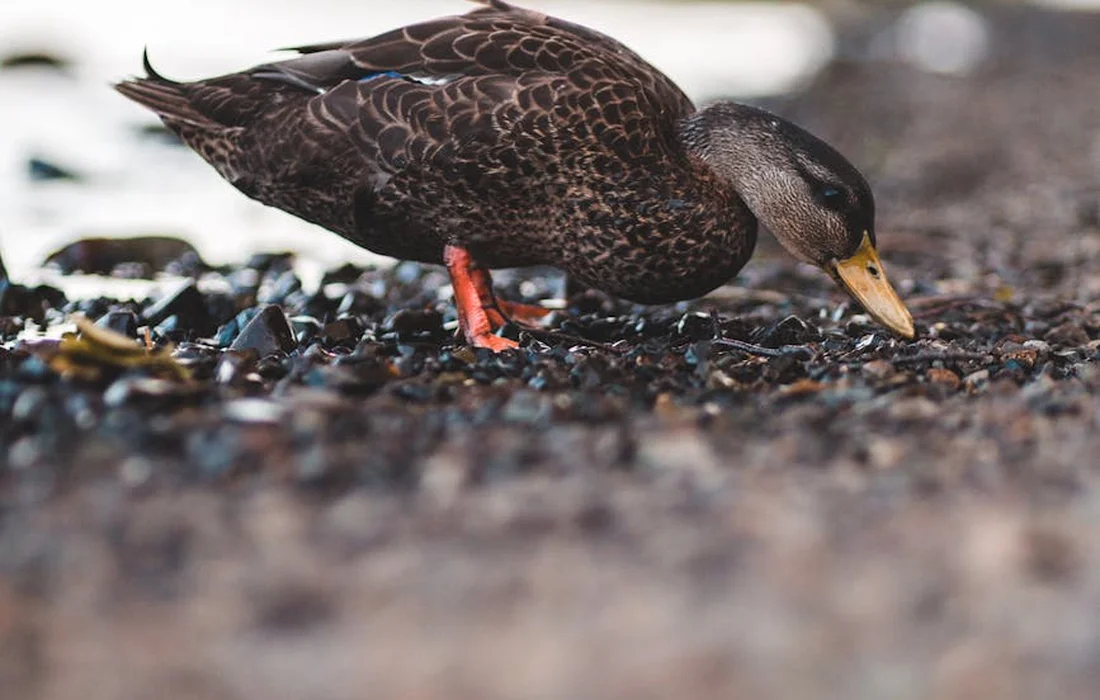
A bag of feed is just the start. Real duck husbandry means working with their nature, not against it. I’ve found the healthiest flocks are those where I let the ducks’ instincts do some of the work, saving me money and giving them a richer life.
The Joy of Foraging: What Ducks Find on Their Own
Turn your ducks loose on some pasture or a garden plot after harvest, and watch the magic happen. Their flat bills are perfect little shovels. One season, my ducks cleaned a slug infestation from my strawberry patch so well I didn’t have to buy a single trap.
They’ll eagerly hunt for:
- Insects: Slugs, snails, mosquito larvae, and beetles are protein-packed delicacies.
- Aquatic Life: If they have a pond or muddy area, they’ll sieve for tadpoles and water bugs.
- Greens and Seeds: Tender grasses, dandelions, and fallen seeds add vital vitamins.
This foraging isn’t just play; it significantly supplements their commercial feed. You can reckon on a good forage cutting your feed costs by up to 15% in the warmer months, all while giving your birds better nutrition.
Grit: The Duck’s Digestive Aid
Ducks don’t have teeth. They need grit-small, hard stones-in their gizzard to grind up whole grains, bugs, and fibrous plants. Providing grit freely is non-negotiable for proper digestion and nutrient absorption.
You want insoluble grit, like granite or flint chick grit, which stays in the gizzard to do the grinding work. Don’t confuse it with soluble oyster shell, which is for laying hens needing extra calcium. I keep a sturdy dish filled with coarse granite grit in their run at all times, and they take exactly what they need.
Water: Essential for Feeding and Health
Water is the cornerstone of everything for a duck. They need it to drink, to clean their eyes and nostrils, and critically, to eat. A duck without enough water to wash down its food is a duck at risk of choking or nutrient deficiency.
My rule is simple: provide deep, clean water they can fully submerge their bills in. For drinking alone, plan on at least 1 to 2 quarts of fresh water per duck every single day, and double that in heat. Their water will get dirty fast, so be prepared to refresh it often to keep diseases at bay.
Here’s how I manage:
- Use heavy, tip-proof containers placed away from bedding.
- Check and refill waterers twice daily, without fail.
- Scrub waterers with vinegar weekly to prevent slime and algae.
Remember, a duck’s meal isn’t complete until it’s washed down. That deep container of water is just as important as the feed in your bucket.
Keeping Feed Fresh and Ducks Thriving: Storage and Health Signs
Good feed does no good if it goes bad before it hits the bill. Proper storage is the silent partner to good nutrition, protecting your investment and your flock’s health. I learned this lesson years back with a bag of chick starter that got damp; the loss stung my wallet, but the risk to young birds was far worse.
Proper Feed Storage to Prevent Waste and Spoilage
Think of stored feed as a treasure you’re protecting from three thieves: moisture, pests, and heat. Get this right, and your feed stays nutritious and safe.
- Use airtight containers. Plastic bins with gamma-seal lids or metal trash cans with snug tops are my go-to. I’ve repurposed old freezers (with locks removed, for safety) for bulk storage.
- Store in a cool, dry place. Your barn’s lean-to or a garage is better than a humid shed. Heat degrades vitamins fast.
- Practice first-in, first-out. Always put new feed at the back and use the oldest bag first. Mark purchase dates on your containers with a marker.
- Keep it off the ground. Set containers on pallets or blocks to discourage rodents and prevent condensation from seeping in.
- Buy reasonable quantities. Only purchase as much feed as your flock will consume in about two weeks during summer, or a month in cooler, drier weather, to ensure maximum freshness.
Recognizing Signs of Poor Nutrition in Your Flock
Ducks are wonderfully resilient, but their bodies will tell you plainly when their diet’s off-kilter. You’ve got to be a good observer, watching for these subtle signs at the pond’s edge.
A dull, listless duck is often a hungry duck. Lethargy, or a general lack of enthusiasm for foraging and swimming, can be one of the first red flags that their nutritional engine isn’t getting the right fuel.
- Poor Feather Quality: Look for ragged, slow-to-grow, or constantly oily plumage. They need ample protein for good feathers. A niacin deficiency will show up as bowed legs or enlarged hocks in ducklings, slowing their growth to a crawl.
- Reduced Egg Production or Quality: Hens laying fewer eggs, or eggs with thin, brittle shells, are likely screaming for more calcium or overall energy. Don’t just blame the season.
- Leg Weakness or Issues: Slipping, sitting too much, or an obvious limp can point to nutritional deficits. In growing birds, this is often a critical niacin emergency.
- Poor Weight Gain or Loss: If you can easily feel a sharp keel bone on a mature duck, it’s likely underweight and not getting enough calories.
When you spot trouble, act fast but thoughtfully. Immediately assess their current feed: is it stale, moldy, or simply not the right type for their life stage? Correct the feed first. For suspected niacin issues in ducklings, I add a bit of brewer’s yeast to their starter. For weak eggshells, offer a separate bowl of crushed oyster shell. If symptoms are severe or don’t improve with dietary changes, don’t hesitate to consult a vet who knows poultry. Sometimes, what looks like a feed problem is a worm load or other illness needing different care. Additionally, many feeding troubles overlap with nutrient deficiencies and waste management in the coop. In the next steps, you’ll find concise guides on these topics to help you troubleshoot effectively.
Closing Tips for a Healthy Flock
How do I provide grit to ducks?
Offer insoluble granite or flint grit in a separate, sturdy dish available at all times. Ducks will self-regulate and consume the small, hard stones they need to grind food in their gizzard for proper digestion.
What treats are safe for ducks?
Safe, healthy treats include chopped leafy greens, peas, cucumber, berries, and cooked squash. Always offer treats in moderation and ensure they are cut into bite-sized pieces to prevent choking.
How to store duck feed properly?
Keep feed in an airtight container placed in a cool, dry location and off the ground. Practice first-in, first-out rotation and only buy what your flock will consume in a few weeks to maintain freshness and prevent spoilage.
What are the signs of poor nutrition in ducks?
Key signs include lethargy, poor feather quality, leg weakness, and reduced egg production or soft shells. A sudden change in appetite or failure to thrive often points directly to a dietary issue.
How much water do ducks need with their food?
Ducks require a minimum of 1-2 quarts of fresh water per duck daily, and significantly more in hot weather. They must have water deep enough to submerge their entire bill to swallow food safely and maintain health.
Can ducks forage for their own food?
Yes, ducks are excellent foragers for insects, slugs, tender grasses, and aquatic bugs. By munching on insect larvae, ducks help control pests naturally. Allowing them to forage supplements their diet with vital nutrients and can reduce your feed costs, especially in spring and summer.
Shuttin’ the Gate
Lookin’ over your flock, content and quackin’ as they fossick through the grass, is one of the finest rewards for your diligence. If you remember nothin’ else from this whole guide, you hold onto this: clean, plentiful water for both drinkin’ and washin’ is the non-negotiable cornerstone of every single thing we’ve talked about, from digestion to feather health. Get that right, and you’ve won ninety percent of the battle before it even starts.
I reckon I’ll see y’all out there in the mornin’ mist, coffee in hand, watchin’ those happy birds patrol their kingdom. There ain’t a better way to start a day. Thank you for carin’ enough to learn, for choosin’ good stewardship, and for givin’ your critters a fine life. Now go enjoy your flock.
Citations and Authoritative Sources
- Duck Nutrition | Cornell University College of Veterinary Medicine
- A Guide to the Ideal Diet for Backyard Ducks | Grubbly Farms
- Duck Nutrition | What to Feed Pet Ducks | Manna Pro | MannaPro
Caroline Mae Turner is a lifelong farm girl raised on red clay, early mornings, and the sounds of a bustling barnyard. With hands-on experience caring for everything from stubborn goats to gentle dairy cows and mischievous pigs, Caroline shares practical, tried-and-true advice straight from the farm. Her goal is to help folks keep their animals healthy, well-fed, and living their best barnyard life. Whether you're wrangling chickens or bottle-feeding a baby goat, Caroline brings a warm Southern touch and plenty of real-world know-how to every bucket in the barn.
Diet Requirements