
Can You Feed Cows Corn? A Farmer’s Honest Guide to Grains
Published on: December 27, 2025 | Last Updated: December 27, 2025
Written By: Caroline Mae Turner
Howdy y’all. Standing at the fence with a bucket of grain, you might wonder if that golden corn is a blessing or a burden for your herd. Yes, you can feed cows corn, but it’s not a simple swap for hay-it’s a powerful tool that demands respect. Get it right, and you’ll see glossy coats and good gains. Get it wrong, and you’re in for a world of bellyaches and worry.
- A clear plan for why you’re feeding it.
- A strong, healthy rumen to start with.
- The right equipment to feed it safely.
Let’s husk this ear down to the cob, so you can feed with confidence and get back to the hundred other chores calling your name.
The Straight Talk: Can Cattle Safely Eat Corn?
Yes, cattle can safely eat corn, and we’ve been feeding it to them for generations. But that “yes” comes with a whole barnyard of context, because corn is a powerful tool in your feed bucket, not a complete meal ticket. I’ve raised beef and dairy herds on this very farm, and corn has always been in the mix, but never the whole story. Think of it like this: you wouldn’t live on just biscuits and gravy, no matter how good they are. Your cows need that same balanced thinking.
- Corn is a cornerstone of concentrated feed for cattle across the globe.
- It is primarily an energy-dense supplement, not a replacement for roughage.
- Feeding too much, too fast, is where most well-meaning folks run into trouble.
- In my experience, a handful of cracked corn per cow per day is a fine starting point for a homestead herd.
Quick Facts on Corn for Cows
Before you scoop that first kernel, let’s lay down some foundational truths. Corn is like rocket fuel for cows, and you’ve got to respect the ignition sequence. Their natural diet is slow-burning forage, so we’re adding a high-octane boost that requires careful management.
- Corn is packed with digestible energy, mostly from starch, which ferments quickly in the rumen.
- It’s relatively low in protein, often around 8-10%, so it must be paired with other protein sources.
- You must introduce any grain, especially corn, gradually over 2-3 weeks to avoid digestive upset.
- On its own, it lacks the long fiber a cow’s rumen needs to function properly and stay healthy.
- Compared to a pasture of mixed grasses and legumes, corn is a concentrated punch of calories designed for growth or milk production.
Addressing Common Questions: Whole Kernels, Cobs, and Husks
Y’all often ask about the whole ear, not just the golden kernels. Knowing what parts of the corn plant are safe can save you waste and worry. I’ve fed just about every part over the years, and here’s the quick rundown to guide you.
- Whole Kernels: Safe, but cracking or rolling them improves digestion and helps prevent whole kernels passing through undigested.
- Cobs: Can be risky if fed whole or in large pieces; they are very fibrous and can cause impaction. Best ground or chopped.
- Husks & Leaves: Generally safe as a fibrous feed, similar to low-quality hay, but ensure they haven’t molded.
- Silk: Perfectly safe and often consumed with the ear.
- Stalks: After harvest, dried stalks (stover) can be used as bedding or limited feed, but they’re low in nutrition and high in lignin, so they’re more filler than food.
Corn in the Ruminant System: Energy Feed and Digestion
To use corn wisely, you need to understand the marvelous machine that is a cow’s stomach. A cow’s rumen is a fermentation vat teaming with microbes, and what you feed them directly changes that microbial community. When I check my herd, I’m not just looking at their coats; I’m thinking about the invisible world inside them. Corn’s job is to provide a rapid burst of energy by feeding the microbes that produce volatile fatty acids, which the cow uses for fuel.
But here’s the barnyard analogy: if forage like hay is the steady, slow-burning log in the stove, corn is like throwing a cup of kerosene on it. It’ll heat things up fast, but you’ve got to mind the fire so it doesn’t get out of control and burn the whole stove down-that’s acidosis. The rumen needs constant buffering from saliva, which comes from chewing long-stemmed forage. Without that balance, the rumen pH drops, and good microbes die off.
Starch, Energy, and Why Corn Packs a Punch
Let’s talk numbers, because good stewardship means knowing what you’re working with. Corn is about 70% starch, and that starch converts to energy with impressive efficiency, which is why it’s the go-to for finishing beef or boosting milk yield. On a dry matter basis, it has nearly twice the energy density of good grass hay. Where a prime alfalfa hay might offer 18-20% protein, corn sits around 9%. You see the gap? That’s why we mix.
I keep a simple chart in my feed shed to remind me. For growing steers, that dense energy means faster gains. For my milk cow, it helps her keep condition while producing. But always remember, this punch is why you measure by weight, not volume, to avoid overdoing it.
The Forage vs. Grain Balance for Rumen Health
This is the golden rule of cattle feeding, and I’ve seen the consequences of ignoring it. The health of your herd literally hinges on maintaining the proper ratio of forage to grain in their diet. For most homestead cattle, even those on a feed regimen, forage—hay, pasture, silage—should always be the majority of what fills their belly.
Too much starch from corn can cause subacute acidosis, a sneaky condition that lowers feed efficiency and hurts hoof health. A good rule of thumb I follow is to never let grain exceed 0.5% to 1% of the animal’s body weight per feeding without careful adaptation. For a 1,200-pound cow, that’s just 6 to 12 pounds of corn per day, split into two meals, with plenty of hay available at all times. Their rumen must have that roughage to grind on and keep the digestive system moving right.
Choosing and Preparing Your Corn: From Field to Feed Bucket
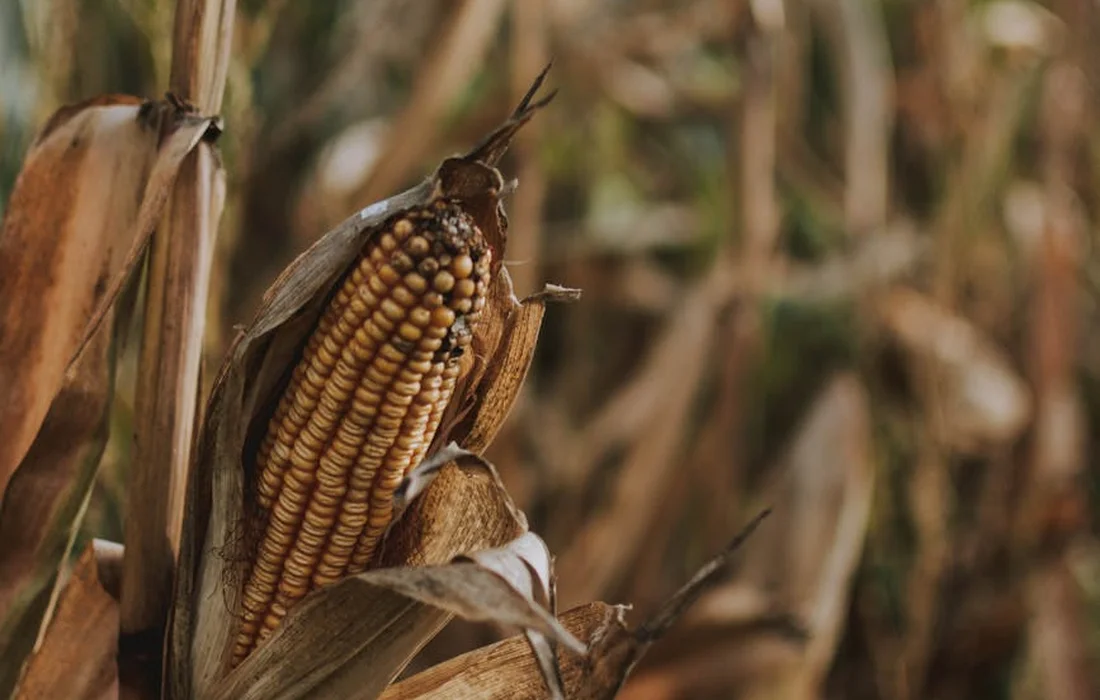
Getting corn from your field or the local co-op into your cattle’s feed trough isn’t as simple as just shoveling it in. The form you choose and the care you take in preparation directly impact your herd’s health and your feed efficiency. I’ve learned, sometimes the hard way, that taking a few extra steps saves money and prevents bellyaches in the barnyard.
You’ll mainly be deciding between whole shelled corn, cracked or rolled corn, and corn silage. Each has its place, much like how you’d use different tools for mending a fence versus building a new one.
Whole, Cracked, or Processed: Best Forms for Cattle
Let’s break down your options. I remember one season we fed whole corn to some yearlings, only to find too many golden kernels shining in the manure pile-a sure sign of waste.
- Whole Shelled Corn: This is the durable, low-maintenance option.
- Pros: Stores beautifully, resists mold, and is cheap to handle.
- Cons: Hard for younger cattle to digest completely. Much of it can pass right through them undigested.
- Best For: Mature beef cattle with fully developed rumens. They’ll chew it sufficiently. I don’t recommend it for dairy cows or calves.
- Cracked or Rolled Corn: This is my go-to for most of the herd.
- Pros: Increases the surface area for rumen microbes, boosting digestibility and energy uptake. You’ll see less waste.
- Cons: Won’t store as long as whole corn; processed grains can spoil faster if damp.
- Best For: Nearly all cattle, especially dairy cows needing high energy and younger stock. Cracking corn opens up the starchy heart of the kernel, letting your herd get every bit of good from it.
- Steam-Flaked or High-Moisture Corn: These are heavily processed forms.
- Pros: Exceptional digestibility, leading to fantastic feed conversion rates, often used in finishing beef.
- Cons: Not practical for most homesteads; requires specialized equipment.
- Best For: Commercial feedlot operations focusing on rapid weight gain.
Handling Corn Silage for Optimal Feeding
Corn silage is a different beast altogether. It’s the entire corn plant-stalk, leaves, ear, and all-chopped up and fermented in a pit or silo. It smells sweet and tart when done right.
Proper fermentation preserves nutrients better than drying and creates a feed cattle absolutely love. The key is getting the moisture right, aiming for about 65% when you pack it. Too dry, and it won’t ferment. Too wet, and it’ll leach nutrients and taste sour.
- Chop it fine. A good theoretical length of cut ensures tight packing to push out air.
- Pack it tight and cover it fast. Use old tires or a proper silage tarp to seal out oxygen. This anaerobic environment is where the good bacteria work their magic.
- Feed it out properly. Once you open the pile, feed quickly across a clean face to prevent spoilage. In summer, I aim to move through at least six inches of the face per day.
Silage is a superb, economical roughage and energy source, perfect for winter feeding or as a dairy ration base. Just mind the moisture when you make it.
Safety Check: Avoiding Mycotoxins in Stored Corn
Nothing turns thrift into loss faster than moldy feed. Mycotoxins from molds can sicken your stock, cause abortions, and silently steal performance.
Your nose and eyes are your first and best tools for feed safety. Before processing or feeding any stored corn, give it a thorough inspection.
- Look for visible mold: Blue-green, white, or pinkish fuzzy patches are a hard “no.” Discard those kernels.
- Take a deep sniff: Good corn smells clean and slightly sweet. Musty, earthy, or chemical odors signal big trouble.
- Feel for heat and clumps: In a bulk bin, feel for warm spots or kernels stuck together-signs of moisture and active mold growth.
- Keep it dry and aerated: Store shelled corn in a cool, dry bin with good airflow. Never store cracked corn long-term; process only what you’ll use in a couple of weeks.
When in doubt, throw it out. It’s not worth the vet bill. A little vigilance protects the welfare of your animals and the fruits of your labor.
How Much Corn to Feed: Practical Ratios for Your Herd
Figurin’ out the right amount of corn is where the art meets the science of cattle keepin’. You can’t just dump a bucket and hope for the best. For steady health and good gains, corn needs to be part of a balanced Total Mixed Ration-or TMR, as we call it around the barn. Think of a TMR like a hearty stew for your herd, where every spoonful has the perfect mix of energy from corn, protein from supplements, roughage from hay, and all the vitamins and minerals they need. This method prevents picky eatin’ and keeps their rumens hummin’ smoothly.
Feed Ratios for Dairy Cows: Supporting Milk Production
My Jersey girls, Bess and Clara, taught me that a happy cow gives plenty of milk, and that starts in the feed bunk. For a lactatin’ dairy cow, corn often makes up 30 to 40 percent of her total diet dry matter. The key is balancing that starch with enough protein, like soybean meal at 16-18%, and long-stem fiber from good grass hay to keep her digestion steady and milk butterfat high. I adjust the mix faster than a hen pecks corn-early lactation cows need more energy, so I might push corn to 40%, while dry cows or heifers get a lighter touch with more forage. Always remember, the bag of milk replacer ain’t near as important as the balanced ration you feed the mama.
A Sample Lactating Cow TMR (Per Head, Daily Basis)
| Ingredient | Amount (Dry Matter Basis) | Notes from the Feed Shed |
|---|---|---|
| High-Quality Haylage | 25-30 lbs | This is your fiber foundation. Don’t skimp. |
| Cracked Corn | 10-15 lbs | I crack mine to improve digestibility. |
| Protein Supplement | 4-6 lbs | Soybean meal or a commercial mix works. |
| Minerals & Salt | 0.5-1 lb | A free-choice block ain’t a substitute for a mixed ration. |
Feed Ratios for Beef Cattle: Finishing for Growth
When you’re finishin’ beef for the freezer or the market, corn is your main engine for marbling and weight gain. In a hot finishin’ ration, corn can rightly be 70 to 85 percent of the mix. You must build up to that level over several weeks to avoid founder or acidosis, which is a painful digestive upset I’ve had to nurse a steer through more’n once. Start your cattle on a diet of 40% corn and 60% forage, then increase the corn by about 5% each week. And listen here, give each animal a solid 18 to 24 inches of bunk space. Crowdin’ at the trough stresses critters and means the timid ones won’t get their fair share, hurtin’ your uniform gains.
Beef Finishing Ration Progression
- Weeks 1-2 (Adaptation): 40% Cracked Corn, 60% Grass Hay. This gets their rumens acquainted.
- Weeks 3-5 (Growin’ On): 60% Cracked Corn, 35% Hay, 5% Protein Meal. You’ll see their coats start to shine.
- Weeks 6+ (Finishin’): 80% Cracked Corn, 15% Hay, 5% Protein Meal & Fat. This is where you put on the final, quality weight.
Step-by-Step: Introducing Corn to Cattle Safely
I learned this process the hard way one spring, and now I follow these steps like my grandma’s biscuit recipe. It’s all about patience and watchful eyes.
- Start with Small Amounts. On day one, offer no more than a pound or two of corn per head, mixed right into their usual hay or pasture.
- Mix with Familiar Forage. Always blend the new corn with the feed they know. This encourages eatin’ and buffers their sensitive stomachs.
- Increase Gradually Over Weeks. Take three to four weeks to reach your target corn ratio. A sudden switch is a sure invitation for trouble.
- Monitor Manure and Behavior. Walk your pastures or pens daily. Firm, but not hard, manure is good. Loose stools or animals off their feed mean you’re movin’ too fast.
- Adjust Based on Animal Health. If you see a problem, hold the corn level steady or even back off a touch for a few days. The herd’s well-being always trumps the schedule.
Risks and Rewards: Managing Cattle Corn Feeding
Now, let’s talk straight about the balance sheet of feeding corn. When managed with a mindful eye, corn can boost your herd’s energy and growth, but if you get careless, the costs can outweigh the benefits faster than a spring thaw. I’ve seen both sides of this coin in my own pastures. The main risks you’re dancing with are acidosis, bloat, and founder. Each one stems from pushing that rich, starchy corn too hard or too fast on a rumen built for roughage.
-
Acidosis: This is when the rumen turns too acidic from a rapid fermentation of starch. It’s a painful condition that can knock a cow right off her feet.
-
Bloat: A frothy foam builds up in the rumen, trapping gas and causing the left side to swell like a balloon. It’s a silent, dangerous emergency.
-
Founder (Laminitis): This is a serious hoof ailment. The metabolic upset from acidosis can cause inflammation in the hoof, leading to permanent lameness if you don’t catch it quick.
Prevention ain’t complicated, but it does demand discipline. You must introduce corn over several weeks, never letting it exceed more than 60-70% of the total diet on a dry matter basis for finishing cattle. Always, and I mean always, pair it with ample long-stem forage like good hay. Respectful stewardship means knowing that a cow’s health is your first priority, not just the number on the scale at market time. I keep a close watch on manure consistency-it’s your first clue everything’s working right.
Spotting and Preventing Acidosis in Your Herd
Acidosis sneaks up on you. One day your steers are eating hearty, the next they’re off their feed and looking sore. Learning to spot the early signs is the difference between a quick adjustment and a costly vet call. Here are the symptoms I’ve learned to watch for, straight from the barnyard.
- Gooey, grayish diarrhea that smells sour.
- Cows standing hunched up, looking at their flanks.
- Loss of appetite and chewing cud.
- Laminitis or stiff walking as it progresses.
Prevention is all about routine and ratios. My granddaddy always said, “Happy rumen, happy herd,” and he was right.
- Keep Feeding Times Consistent: Feed at the same times each day. Sudden feasts after hunger stress the rumen bugs.
- Mind the Feed Ratios: For growing or finishing cattle, I never let corn-based concentrate surpass 1% of their body weight at one feeding. The rest of the meal must be forage.
- Forage Must Always Be Available: Whether it’s in the bunk or out on pasture, ensure long-stem hay or grass is there for them to nibble. It keeps the rumen mat firm and fermentation steady.
Feeding Corn Byproducts: Stalks, Leaves, and Husks
After the combine rolls through, a golden resource is left in the field. Using corn stalks and such is the height of thrifty, sustainable farming, turning what some see as waste into winter roughage for your herd. But you have to know their limits. Nutritionally, this stuff is mostly fiber. Protein drops to a meager 4-6%, and energy value is low, so it’s a maintenance feed, not a growth feed.
- Stalks and Leaves: Great for bedding or slow grazing. I bale them for stalk hay, but it’s critical to test for nitrates, especially after a drought-stressed crop.
- Husks: A bit more palatable than stalks, they can be mixed into a total mixed ration to add bulk.
- Silk and Cobs: Silks are harmless but negligible. Cobs are pure fiber; they’ll eat ’em but get little from ’em.
So, can cows eat corn stalk hay? Yes, they certainly can, and mine do every winter. You must balance that stalk hay with a protein supplement, like a 20% protein cube, because on its own, it won’t meet their nutritional needs. This approach also aligns with feeding guides for cows, deer corn, and corn stalks. Always introduce it slowly and ensure it’s clean and mold-free. It’s a respectful way to use the whole harvest, but never let it become the sole support of your animals.
Building a Balanced Ration: Corn as Part of the Whole
Now, tossing corn to your cows ain’t like filling a feed bucket for chickens. A cow’s rumen is a complex engine, and it needs a well-tuned fuel mix to run right. Think of corn as the high-octane gasoline in that engine-powerful for energy, but it won’t keep the whole system humming without other parts. You’ve got to build a complete plate for them, balancing energy, protein, fiber, and all those essential minerals.
From my own years on the farm, I’ve seen folks get into a pickle by overfeeding corn and forgetting the rest. The cows might gain weight, but their coats go dull, and they just don’t thrive. Corn is mighty low in protein, often sitting around 8-9%, and it’s short on critical minerals like calcium and phosphorus that keep bones strong and systems functioning. That’s where you need to step in as the chef, mixing up a proper total mixed ration, or TMR as the folks in coveralls say.
Here’s a simple, down-to-earth example of a daily TMR for a mature, 1200-pound beef cow that’s just maintaining her weight. This mix keeps her healthy without pushing for heavy gain.
| Feed Ingredient | Amount (lbs per day) | What It Provides |
|---|---|---|
| Cracked Corn | 8 | Starch for energy and warmth |
| Good Quality Grass Hay | 20 | Essential roughage for rumen health |
| Soybean Meal (or equivalent) | 1.5 | Protein boost to balance the corn |
| Complete Mineral & Vitamin Mix | 0.5 | Calcium, phosphorus, selenium, and vitamins A, D, E |
| Plain White Salt | 0.1 | Regulates fluids and encourages drinking |
This table is your starting fence post. Your exact amounts will swing with the weather, the quality of your hay, and whether your lady is bred, lactating, or just lounging in the sun. Always have fresh, clean water available too-a cow on grain drinks a powerful lot more.
Supplementing Corn for Complete Nutrition
When corn becomes a regular part of the menu, you must become a supplement shopper. That golden kernel needs a helping hand to make a full meal.
- Soybean Meal: This is my go-to for protein. Corn might be 9% protein, but a growing or milking cow needs closer to 12-16%. A couple pounds of soybean meal, which runs about 48% protein, fixes that gap right quick.
- Complete Mineral Mix: Do not skip this. I keep a loose mix in a weather-proof feeder free-choice. A high-corn diet can actually lock up phosphorus in the cow’s body, leading to weak bones and poor breeding. A good mix adds back the calcium, phosphorus, copper, zinc, and all the trace minerals your soil and hay might lack.
- Salt: Always offer plain salt separately from the mineral mix. It drives their thirst, which helps prevent urinary issues and keeps everything moving through that four-part stomach smoothly.
I recall one winter when we were feeding more shelled corn than usual. The cows started chewing on the barn wood, a sure sign they were hunting for minerals they weren’t getting. A bag of proper mineral supplement stopped that costly habit in its tracks. It’s a small expense that prevents big troubles.
Pasture Management with Corn Feeding
Even if you’re feeding corn, don’t you dare fence your cows out of the pasture. Good grass is the foundation of thrifty and sustainable cattle care. Pasture provides live enzymes, fresh fiber, and nutrients that bagged feed simply can’t match.
Use your corn feeding as a tool to extend your grazing season and take pressure off the land. When the summer grasses get short and tough, a few pounds of corn in the evening can keep condition on your herd without them overgrazing the paddock. This is where rotational grazing shines-moving your cattle to fresh grass every few days lets the pasture recover while you supplement with grain.
My method is simple: let them fill up on lush grass first, then offer a measured corn ration back at the lot. This keeps their rumens primed with fiber and prevents the digestive upset that can come from gorging on straight grain. It respects the animal’s nature, promotes welfare, and saves you money on harvested feed all year long. Plus, it aligns perfectly with best feeding practices for maintaining rumen health.
Stewardly Practices: Welfare, Thrift, and Feed Safety
Feeding corn walks a line between thrift and welfare, and a good steward minds both. Ethical feeding means respecting the rumen’s limits while meeting the animal’s needs, ensuring that cheap calories don’t come at the cost of comfort. I never rush a herd onto high corn rations; a sudden switch is a sure path to trouble.
From my own pastures, I’ve learned that vigilance is the bedrock of herd health. Each evening, I walk among my cattle, noting how they rest and chew their cud-this quiet ritual has caught more issues than any lab test. It’s about knowing your animals as individuals, not just a unit.
Thriftiness shines when you control your feed from seed to stall. Growing your own corn cuts costs dramatically, but only if you store it with care to prevent spoilage and waste. I keep mine in metal bins elevated on gravel, and that simple step has saved bushels over the years.
Ensuring Feed Safety from Field to Fence Line
Safe feed is the silent partner in any successful feeding program. You must guard that corn from threats you can see, like pests, and those you can’t, like toxins, every step of the way. It’s a chain of responsibility that ends at the cattle’s muzzle. Even when feeding parts like corn husks, caution is crucial.
Here are the non-negotiable practices I follow on my farm:
- Test for mycotoxins: Before any batch gets fed, especially after a wet year, I test. It’s cheap insurance against hidden molds that can cause poor gains or sickness.
- Store feed dry and clean: Moisture invites ruin. I store shelled corn in a well-ventilated, rodent-proof shed, and never let bags sit directly on a concrete floor.
- Provide abundant, clean water: Cattle eating dry corn need more water to digest it properly. Clean troughs daily and check heaters in winter; dehydration undercuts all your feeding efforts.
This diligence pays off in robust health. Good stewardship translates directly to fewer sick days and more efficient growth, saving you money and heartache.
Listening to Your Herd: Signs of Good Nutrition
Your cattle are your best guides, constantly telling you if that corn is doing its job. Learning their language of well-being turns management from guesswork into a confident partnership. It’s the difference between just feeding and truly nourishing.
Look for these clear indicators that your ration is on target:
- Glossy coats and bright eyes: A shiny, lie-flat coat signals good fat digestion and overall health. Dull hair often hints at nutritional gaps.
- Steady, firm weight gain: For finishing cattle, aim for 2.5 to 3.5 pounds per day. Gains that are too rapid can mean founder, while slow gains suggest inefficiency.
- Strong, consistent milk yield: In dairy cows, steady production without drastic drops points to balanced energy from corn and forage.
- Calm, content behavior: Well-fed cattle are typically relaxed, spending time grazing or resting. Restlessness or excessive bawling can signal hunger or discomfort.
Make observation a daily habit. By watching closely, you catch small issues before they become big ones, ensuring your animals thrive on the diet you provide. That’s the heart of responsible husbandry.
Your Corn Feeding Questions, Answered

Can Cows Eat Corn Cobs?
Yes, but with important caution. Whole or large pieces pose a serious impaction risk. For safety, cobs should be ground or chopped before feeding.
Can Cows Eat Corn Husks and Silk?
Yes, both are generally safe. Husks are a low-quality fibrous feed, while silks are harmless. Always ensure they are clean and free from mold before offering them.
Can Cows Eat Corn Stalks?
Yes, dried stalks (stover) can be used as a maintenance feed or bedding. They are very high in fiber and low in nutrition, so they should not be relied upon as a primary food source without protein supplementation.
Can Cows Eat Corn Leaves?
Yes, corn leaves are safe for consumption as part of the overall plant residue, similar to husks. They are best utilized when the entire plant is fermented as corn silage for optimal nutritional value.
Can Cows Eat Corn on the Cob?
This is not recommended due to the cob itself. While the kernels are fine, the dense, fibrous cob is difficult to digest and hazardous if swallowed in large pieces. It’s safer to remove the kernels or grind the entire ear.
Can Cows Eat Corn Stalk Hay?
Yes, corn stalk hay (or stover hay) can be fed. It serves as a bulky roughage but is very low in protein and energy. It must be balanced with a proper protein and mineral supplement to meet the herd’s nutritional needs.
Closing Tips for Confident Feeding
Success with corn hinges on balance and observation. Always introduce it gradually and pair it with ample long-stem forage to maintain rumen health.
Let your herd be your guide. Their condition, behavior, and manure are the best indicators of whether your feeding program is on track.
Shutting the Gate
At the end of the day, the best thing you can do for your herd is to remember that corn is a tool, not a cornerstone. It’s a fine supplement and a powerful fuel when used with a heavy dose of good sense. The true key to thriving cattle isn’t in any single bag of feed, but in your watchful eye—knowing that a contented rumen and a slowly filled bunk are the guardians of their health and your peace of mind, especially when it comes to managing sugary foods for cows.
I reckon that’s about all from my side of the fence. I hope this chat helps your cattle prosper and your feed bills make sense. There’s a deep, simple joy in caring for these gentle creatures well. Now go enjoy the quiet hum of your barn and the sight of a happy herd out on pasture. Y’all take care.
Further Reading & Sources
- Feeding Corn to Beef Cattle | NDSU Agriculture
- Limit Feeding Cows Corn as an Alternative to Hay | UNL Beef | Nebraska
- r/farming on Reddit: Is feeding cattle corn good?
Caroline Mae Turner is a lifelong farm girl raised on red clay, early mornings, and the sounds of a bustling barnyard. With hands-on experience caring for everything from stubborn goats to gentle dairy cows and mischievous pigs, Caroline shares practical, tried-and-true advice straight from the farm. Her goal is to help folks keep their animals healthy, well-fed, and living their best barnyard life. Whether you're wrangling chickens or bottle-feeding a baby goat, Caroline brings a warm Southern touch and plenty of real-world know-how to every bucket in the barn.
Feeding Guidelines