How Much Hay to Feed Goats: Daily Portions for Pygmy and Standard Breeds
Published on: September 11, 2026 | Last Updated: September 11, 2026
Written By: Caroline Mae Turner
Howdy y’all. If you’re tired of guessing at hay portions and seeing good feed get wasted, the core rule is that a healthy, adult goat will eat roughly 2 to 4 percent of its body weight in hay every single day. That means a 50-pound Pygmy might only need 1 to 2 pounds, while a 150-pound Nubian could require 3 to 6 pounds. I’ve learned through seasons of trial that nailing this range is the key to thrifty and effective stewardship.
- What you’ll need:
- A simple kitchen or hanging scale to weigh hay flakes or your animals.
- A well-built hay feeder that keeps forage off the ground.
- Fresh, clean grass or mixed legume hay.
- A moment each morning and evening to check the racks.
We’ll break down the specifics for every size goat so you can handle this chore with confidence and move on with your day.
The Heart of the Matter: Why Hay is Non-Negotiable for Goats
I reckon some folks look at a pasture and think a goat’s got all it needs right there. But let me tell you, even with the greenest forage, hay is your insurance policy and your goat’s best friend. It’s the cornerstone of good goat husbandry, plain and simple.
Rumen Health and the Need for Roughage
That pot-bellied look on a healthy goat? That’s its rumen at work, a fermentation vat full of microbes that turn roughage into energy. Hay’s long-stem fiber is the literal backbone of this system, stimulating rumen muscles to keep everything moving and maintaining a stable, healthy pH. Without it, the rumen goes sour, leading to bloat, acidosis, and a world of hurt. I’ve seen a goat get into the grain bin-it’s a frantic vet call we all want to avoid. Good hay prevents that scramble.
Beyond the Bucket: Hay as a Behavioral Necessity
Goats are natural foragers and browsers, designed to nibble and chew for up to eight hours a day. A hay rack full of quality hay satisfies this deep-rooted instinct. Providing ample hay stops a host of vices like fence-chewing, bark-chewing in goats and sheep, or wasting good feed by rooting through it out of boredom. It’s about stewardship. A content goat with a full belly and a job to do is a peaceful, productive member of your barnyard.
What Changes a Goat’s Hay Appetite? Key Factors to Weigh
Figuring hay rations isn’t a one-number-fits-all deal. It’s more like reading the weather-you have to look at all the signs. A smart keeper adjusts for these key things.
Size, Weight, and Breed Build
A dainty Pygmy doe might top out at 75 pounds, while a strapping Nubian can easily clear 150 pounds. The difference in their furnace sizes is dramatic. As a solid rule of thumb, plan for goats to consume between 2% to 4% of their body weight in dry forage daily, with hay making up the bulk of that. So, a 100-pound wether needs 2 to 4 pounds of hay per day, while that 30-pound Pygmy kid might only need a pound. Always start by knowing what your animals actually weigh.
Life Stage and Production Demands
This is where your management really shows. A goat’s needs shift drastically through its life, and its hay is the foundation for each stage.
Maintenance for Dry Does and Wethers
These are your baseline animals, not growing babies or producing milk. For a dry, non-pregnant doe or a wether, that 2-3% of body weight in good-quality grass or mixed hay is usually perfect for maintaining weight and health through the seasons. They’re the easiest to manage, and a consistent hay schedule keeps them happy.
The Increased Needs of Pregnancy and Kidding
Those last two months of gestation, called the “fresh” period, are critical. The doe is building life and needs more nutrients. I always upgrade my pregnant does to a richer legume hay, like alfalfa, or mix it 50/50 with grass to bump the protein and calcium for developing kids. Her consumption will increase, and she’ll need that higher-octane fuel.
Fueling the Milk Train: Lactation Requirements
A heavy milker is a high-performance athlete. She can’t produce on poor hay. Lactation demands premium nutrition; a milking doe often needs the best alfalfa or clover mix you can source, and she may easily eat 4-5% of her body weight to keep milk flowing and her own condition stable. Skimp here, and you’ll watch her milk drop and her spine get sharp.
Growing Kids and Yearlings
Young goats are building bone and muscle every single day. From weaning through their first year, free-choice access to a good mixed hay with at least 16% protein is non-negotiable for proper growth and development. They need to be able to nibble all day long to support that rapid change.
Weather and Season’s Chill
When the mercury drops, a goat’s metabolism fires up to stay warm. In freezing weather, you can expect your herd’s hay consumption to increase by 25% or more, as they use the energy from fermentation to generate body heat. I always pad my winter hay estimates because a snowbound week with short rations is a crisis. Windbreaks and dry bedding help them use that fuel efficiently.
The Quality of the Hay Itself
All hay is not created equal. This is the biggest variable in your calculations. A goat will consume less of a rich, leafy, green alfalfa because it’s packed with nutrients, but they’ll have to eat much more of a coarse, stemmy, yellowed grass hay to meet their needs-and they might still fall short. It’s similar to feeding hay for sheep where quality varies significantly by type. Feed musty or moldy hay, and they’ll rightly turn their noses up, or worse, get sick. Your eyes and nose are your best tools; good hay smells sweet and feels flexible.
Your Handy Rule of Thumb: Calculating Daily Hay Rations
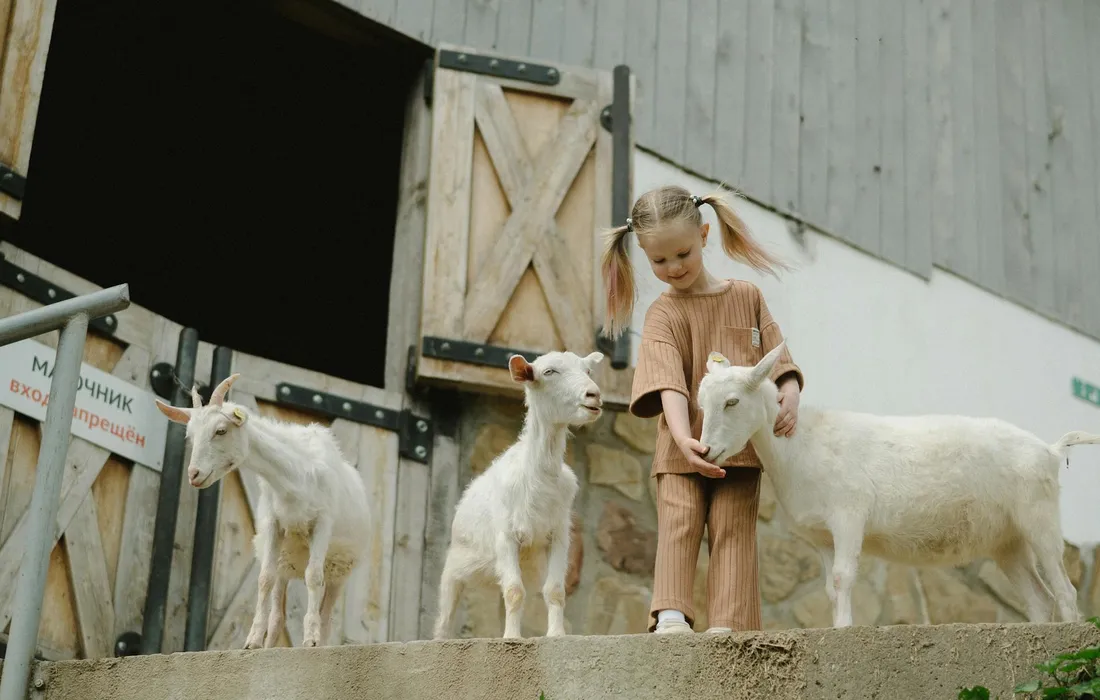
After thirty years of filling mangers, I’ve settled on a system that’s simpler than a three-piece puzzle. It keeps the herd content and my feed bill predictable. The cornerstone of good goat keeping is knowing how much roughage your animals truly need, which prevents both waste and worry. Understanding goat eating habits and satiety is key to determining the right amount.
The 2-4% of Body Weight Guideline
Most goat-keepers live by this reliable range: a healthy adult goat will eat hay equal to 2% to 4% of its body weight each day. That spread isn’t just a guess-it’s your adjustment knob. A lazy wether in the summer might cozy up to the 2% end. A doe milking heavily for you in the dead of winter? She’ll be at that full 4%, no question. Think of 3% as your solid starting point for a standard, non-working adult, then tweak it for weather, production, and pasture quality-and make sure to measure how much they actually consume daily.
Step-by-Step: Figuring Hay for Your Herd
Let’s walk through it like we’re figuring it out on the tailgate of my old truck. I’ll use my mixed herd as an example.
- Weigh Your Animals. A livestock scale is gold, but a weight tape works wonders. If you’re guessing, err on the side of heavier-it’s cheaper to have a little extra hay than a skinny goat.
- Pick Your Percentage. For this example, we’ll use 3% for maintenance.
- Do the Math. Take the goat’s weight in pounds, multiply by 0.03. My 150-pound Nubian doe needs 4.5 pounds of hay daily (150 x 0.03 = 4.5).
- Scale Up for the Herd. Add every goat’s daily need together. Two Pygmies (50 lbs each at 3% = 1.5 lbs each), plus that Nubian (4.5 lbs), equals 7.5 pounds total per day.
- Buy for the Season. Multiply that daily total by the number of days you’ll feed hay. If I’m feeding for 120 winter days: 7.5 lbs/day x 120 days = 900 pounds, or about 18 standard 50-pound bales. Always add 10% more for waste, squabbles, and the occasional bale that just smells “wrong” to their picky noses.
Breed-Based Hay Guidelines: From Pygmy to Alpine
Just like you wouldn’t feed a draft horse the same as a pony, goat breeds have different fuel needs. Their size and job change the numbers.
Miniature Marvels: Pygmy and Nigerian Dwarf Goats
These little powerhouses are efficient! A mature Pygmy or Nigerian Dwarf typically weighs between 40 and 80 pounds. At a 3% rate, that’s just 1.2 to 2.4 pounds of hay per head, daily. Their small stature means a single flake of good grass hay often does the trick, but watch their condition like a hawk-it’s easy to overfeed these compact friends. I keep a scale in the barn just for monitoring my mini’s rations.
Dairy Breed Requirements: Nubian, Saanen, Alpine, LaMancha & More
Here’s where your hay investment pays in gallons. A dry, pregnant dairy doe (140-180 lbs) needs that solid 3-3.5%. But once she freshens and is in milk, crank it up. A heavy milker can easily require 4-5% of her body weight in top-quality hay-that’s over 8 pounds a day for a large Alpine. Skimping on hay for a milker is like expecting a well to give water without a source; her production will dry up mighty fast. I always feed my milkers free-choice the best leafy alfalfa or orchard grass mix I can find.
Meat Goat Maintenance: Boer, Kiko, Spanish, and Myotonic
These rugged breeds are built for growth and frame maintenance. A mature Boer buck can top 300 pounds, needing 6-9 pounds of hay daily. The key with meat goats is consistent, quality roughage to support steady weight gain and rumen health without excessive fat. For meat goats, I stick to the 2-3% range for maintenance, bumping it up only for late pregnancy or if they’re on very poor pasture. A good grass/legume mix keeps them in prime condition, especially for specific meat breeds like Boer and Nubian goats.
Fiber Goats: Angora and Cashmere Considerations
Growing that luxurious fleece is hard work! Angora and Cashmere goats have elevated protein demands year-round to support fiber growth. While their hay intake by weight aligns with similar-sized dairy breeds (an Angora might weigh 70-110 lbs), the quality must be higher. I provide my fiber goats with a legume-rich hay, like alfalfa, to ensure they get 12-14% protein from their roughage, which is fundamental for strong, shiny fiber. Their coats tell the story of their diet clearer than any feed tag ever could.
Choosing Your Hay: Types, Pros, and Pasture Pairings
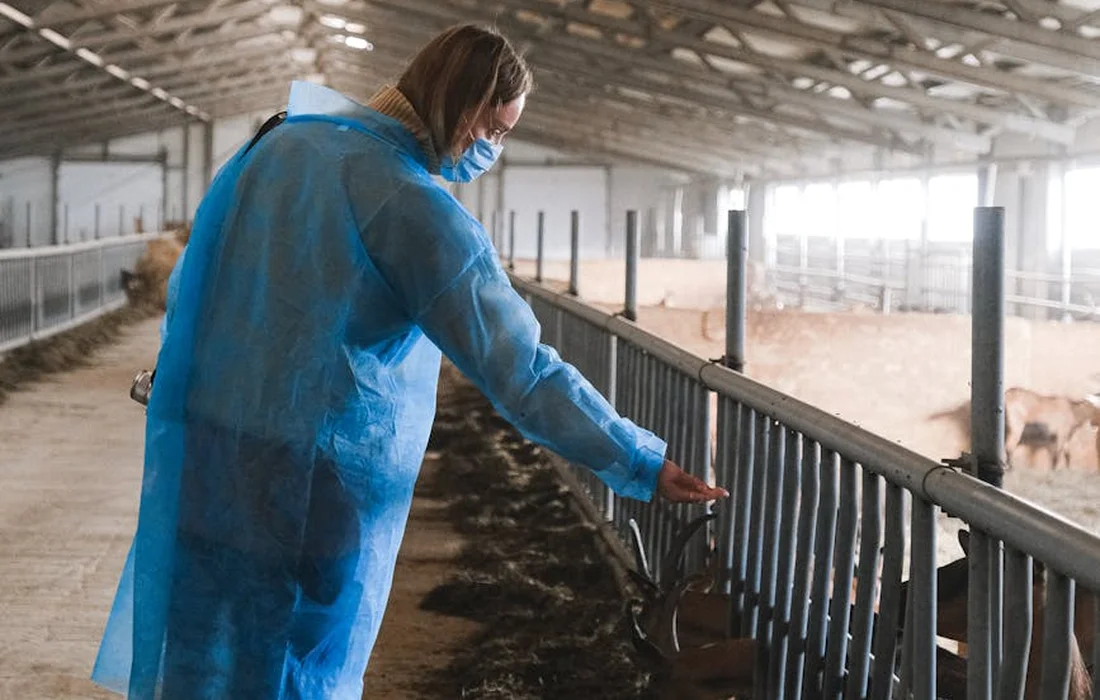
Picking the right hay is more art than science, a decision that shapes your feed bill and your herd’s health. Your choice hinges on your goats’ life stage, your local climate, and what your own land can provide. Let’s mosey through the options.
Legume Hay: The Powerhouse Alfalfa
Alfalfa is the rich cousin of the hay family-high in protein, calcium, and calories. I keep a stand of it for my dairy does and growing kids. It’s brilliant for animals with high nutritional demands. But it’s too much of a good thing for most wethers, pet goats, or easy-keepers, leading to unhealthy weight gain and urinary issues in bucks. For a balanced plan, a complete nutrition feeding guide for alfalfa goats can help tailor these principles to your herd. It covers essential minerals, portions, and age-specific needs to keep your goats healthy.
- Best For: Milking does, pregnant does in late gestation, growing kids, and goats needing to gain condition.
- Protein Content: Typically 15-22%, sometimes higher.
- Watch For: It must be clean and dry; moldy alfalfa is especially dangerous.
- My Rule: I treat alfalfa like a supplement, not a staple, for most of my herd.
Grass Hay: Timothy, Bermuda, Orchard, and Meadow Mix
This is your everyday, good jeans-and-boots hay. Grass hay is lower in protein and calcium than alfalfa, making it a perfect maintenance feed. A clean, leafy grass hay provides the long-stem fiber a goat’s rumen needs to function properly without overloading them with energy.
- Timothy: Soft, palatable, and cool-season. Great for all goats, a personal favorite for my Pygmies.
- Bermuda: Warm-season grass, can be stemmy. Ensure it’s cut early and is fine-stemmed for better consumption.
- Orchard Grass: Sweet-smelling and soft, often a top choice for picky eaters.
- Local Meadow Mix: What my supplier calls “barn mix.” Know what’s in it! Avoid mixes with toxic weeds like ragwort.
Quality grass hay should smell sweet, be greenish in color, and have more leaves than tough, woody stems. I reject any bale that’s dusty or smells musty-it’s not worth the vet bill.
Mixing it Up: Blending Hay Types for Balance
You don’t have to pick just one. Blending hays is a thrifty, smart way to tailor nutrition. I often do this right in the feeder.
- For a lactating doe on good grass hay, I’ll flake in some alfalfa to boost her protein.
- For a herd with a few fat wethers, I’ll feed primarily grass hay but toss one flake of alfalfa in a separate area for the older nanny who needs it.
- A simple 50/50 mix of grass and legume can be an excellent all-purpose feed for a mixed herd.
This method lets you adjust the “recipe” based on the season and your animals’ changing needs without buying a whole new set of bales.
The Pasture and Hay Partnership
Hay and pasture aren’t separate things-they’re partners. Your pasture’s quality directly dictates your hay bill. Even on the lushest pasture, I provide a small amount of hay at all times to keep rumen pH stable and prevent digestive upset.
In spring, when grass is rich and wet, they’ll nibble hay for fiber balance. In summer’s drought, hay becomes the main course. I practice rotational grazing, moving my goats to fresh paddocks before they overgraze and dig up roots. Understanding goat diet fundamentals—what goats eat (grass and hay)—and their grazing behavior helps shape these decisions. That knowledge guides how I rotate and monitor pastures to stay in balance. This stewardship allows the land to recover, yielding more forage over time and reducing my dependence on purchased hay. A well-managed pasture is the most sustainable feed you’ll ever grow.
Closing Questions
How much hay does a Kinder goat eat?
Kinder goats are a dual-purpose breed, typically weighing 100-150 pounds. Apply the standard 2-4% body weight rule, aiming for 2-3 pounds of hay daily for maintenance, and increase for lactation or growth with richer legume hay.
How much hay does a Savanna goat eat?
Savanna goats are large meat breeds, often weighing 150-250 pounds. For maintenance, feed 2-3% of body weight in grass or mixed hay, equating to 3-5 pounds daily, and boost to 3-4% for pregnant does or rapid gain.
How much hay does a Rove goat eat?
Rove goats are a hardy, rare breed from France, with adults averaging 130-180 pounds. Use the 2-4% guideline, so they generally need 2.5-4 pounds of hay daily, adjusting for their robust build and foraging activity.
How much hay does a Valais Blackneck goat eat?
Valais Blackneck goats are dairy breeds, similar in size to other milkers at 120-160 pounds. Dry does require 2-3% hay, but lactating does may need 4-5% of body weight in quality legume hay to support production.
How much hay does a Pygora goat eat?
Pygora goats, a cross between Pygmy and Angora, weigh 75-120 pounds. Feed 2-4% of body weight, so 1.5-3 pounds daily, with an emphasis on protein-rich hay like alfalfa to support fiber growth.
How much hay does a Nigora goat eat?
Nigora goats, from Nigerian Dwarf and Angora crosses, are small fiber goats weighing 60-100 pounds. They typically eat 1.5-3 pounds of hay daily based on the 2-4% rule, using legume mixes to meet protein needs for fleece. Their diet is crucial for maintaining health and fiber quality, similar to Nigerian Dwarf goat’s nutrition.
Shutting the Gate
After all the talk of pounds and percentages, your success hinges on simple observation. Walk your fence line daily and learn your herd’s normal. The truest sign you’ve got the hay right is a goat with a bright eye, a full rumen, and a leisurely pace to its cud chewing. Trust that over any chart on the barn wall.
I’m right proud we could chat about hay and goats today. There’s a mighty fine satisfaction in hearing the steady crunch of contented animals as the evening settles in. Y’all take care of your herd, and they’ll surely take care of you.
Further Reading & Sources
- Sweetlix – Do you have enough hay for your goats this winter?
- Feeding Goats 101 – The Hay Manager
- Hay Cost Calculator for Goats: How Much Hay Do I Need?
Caroline Mae Turner is a lifelong farm girl raised on red clay, early mornings, and the sounds of a bustling barnyard. With hands-on experience caring for everything from stubborn goats to gentle dairy cows and mischievous pigs, Caroline shares practical, tried-and-true advice straight from the farm. Her goal is to help folks keep their animals healthy, well-fed, and living their best barnyard life. Whether you're wrangling chickens or bottle-feeding a baby goat, Caroline brings a warm Southern touch and plenty of real-world know-how to every bucket in the barn.
Diet Requirements