How to Train Pigs for Truffle Hunting: A Farmer’s Step-by-Step Guide
Published on: September 21, 2026 | Last Updated: September 21, 2026
Written By: Caroline Mae Turner
Howdy y’all. Training a pig to hunt truffles succeeds when you channel their natural rooting instinct into a focused game of scent and reward, starting with a young, food-motivated animal. I’ve found that folks often overcomplicate it, thinking they need special breeds or expensive gear, when what you really need is a clear plan and a pocket full of treats.
What you’ll need:
- A weaned piglet or young pig, ideally between 4 to 6 months old
- Real truffles or high-quality truffle oil for scent imprinting
- A consistent, high-value reward like chopped apples or plain yogurt
- A well-fitted harness and a 15-foot lead rope
- A quiet, familiar training area free from distractions
We’ll break this down into simple steps so you can get back to your other chores with a new partner ready for the orchard.
Why Pigs Make Natural Truffle Hunters
If you’ve spent any time around a pasture, you’ve seen a pig’s snout to the ground, rootin’ with a purpose. They ain’t just makin’ a mess; they’re followin’ a scent story written in the dirt. Pigs are born with a deep-seated instinct to hunt for underground treats, a trait that makes ’em natural allies in the truffle woods. I remember my first sow, Mabel, who’d pinpoint a wild onion patch from twenty yards away before I even caught a whiff.
The Pig’s Nose Knows: Understanding Scent Detection
That pink snout is a powerful tool. It’s packed with millions more olfactory receptors than a dog’s nose, built by nature for precision diggin’. Their superior scent detection allows them to locate truffles through layers of soil and leaf litter that would baffle other animals. They don’t need trainin’ to want a truffle; they’re born thinkin’ it’s a delicious reward.
But that very love for the fungus is a double-edged sword. A dog can be taught to point or sit at a find, but a pig’s first thought is to gobble it up. Your job as a trainer isn’t to create the desire, but to harness and manage that powerful natural drive. It’s about guidance, not creation.
Here’s a quick comparison I’ve noted between species on the hunt:
- Porcine Partners: Offer unmatched natural ability and enthusiasm. Best suited for stewards who value a traditional method and can work with a pig’s food motivation.
- Canine Companions: Require more initial scent training but are typically easier to control at the moment of discovery. Ideal for larger, commercial harvesting operations.
For sustainable stewardship, workin’ with a pig’s innate skills means less stress for the animal and a more organic hunt. You’re simply redirecting behaviors they’d exhibit in a forest paddock anyway, which is a thrifty and respectful approach to husbandry.
Selecting and Preparing Your Truffle Pig Prospect
Not every pig is cut out for the job, and pickin’ the right one sets your whole venture up for success. I look for a weaner pig, about three to four months old-old enough to focus, young enough to mold. You want a bold, inquisitive youngster who approaches the world with its nose first. The one that’s first to the feed trough is often a good candidate.
Keep these specific criteria in mind when visitin’ the litter:
- Breed Disposition: Heritage breeds like the Tamworth or Gloucestershire Old Spot often possess a calm yet persistent nature perfect for focused work.
- Health Check: Clear, bright eyes, a cool moist snout, and solid body condition are musts. A pig on a proper 16% protein grower ration will have the energy for training.
- Space Considerations: Even a prospect needs room. Provide a minimum of 40 square feet per animal in its housing to prevent boredom and encourage natural behaviors.
Prepare your space before bringin’ them home. A sturdy pen with woven wire fencing sunk into the ground prevents early escape attempts. A secure, comfortable home base makes your pig feel safe and ready to learn from you.
Setting Up for Success: Bonding and Basic Obedience
All the skill in the world means nothin’ without trust. Spend your first weeks simply being a source of good things. Sit in the pen during evening feeds, talkin’ softly and offerin’ a handful of oats from your palm. This daily ritual builds a bond that turns you from a keeper into a trusted teammate. I’ve trained pigs that would come runnin’ to my call just for a scratch behind the ears.
Once that bond is formin’, introduce these three basic commands. Use short, five-minute sessions to keep their attention sharp.
- The Name Game: Always use their name followed by a cheerful “come!” Reward with a treat for compliance. This recall is your foundational safety command.
- “Leave It”: Practice by placing a treat in your closed fist. Only open your hand when they stop rootin’ at it. This impulse control is critical for truffle retrieval.
- “Easy” or “Gentle”: Teach this during feedin’ time to calm a frantic eat. A gentle mouth on your hand translates to a careful snout at the truffle site.
Always end on a success, even if it’s a small one. Consistent, positive reinforcement using their regular feed as a reward is a thrifty and effective training method that respects the animal’s intelligence. Remember, you’re not breakin’ a spirit; you’re buildin’ a partnership for the harvest.
Your Truffle Training Toolkit: Gear and Rewards
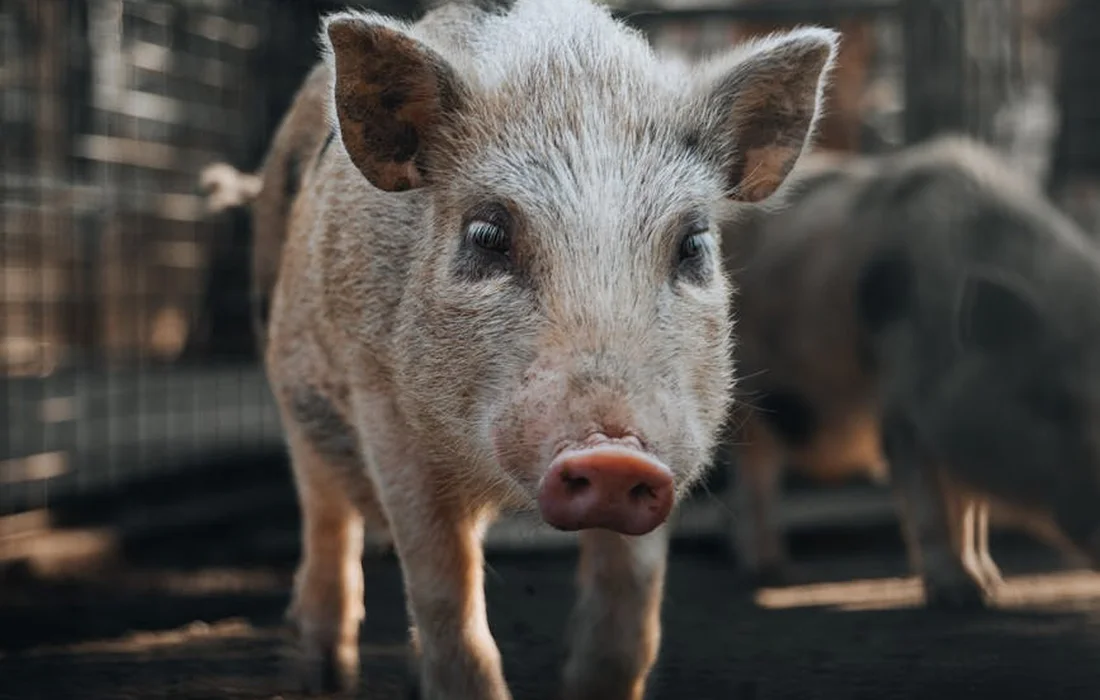
Before you call your hog to class, you need the right supplies. Think of it like packing a lunchbox for the first day of school-it sets the tone. I’ve found the simplest tools, used with consistency, work best.
- A Quality Harness and Lead: Not a dog leash. You need a sturdy, padded harness that distributes pressure across the chest. A panicked pig is powerful; control is about gentle guidance, not restraint.
- High-Value Treat Pouch: Keep your rewards handy. I use a simple canvas nail bag slung over my shoulder, filled with small, irresistible treats.
- The Ultimate Reward: Forget basic grain. Your pig’s paycheck should be something spectacular. I swear by small, shelled nuts like pecans, chunks of sweet apple, or even a spoonful of plain yogurt. The key is to use a reward they only get during truffle training, which makes the job incredibly special in their minds.
- Containers and Trowels: You’ll need small jars for scent samples and a hand trowel. The pig finds, you dig. This protects the delicate truffle network and teaches the pig to signal, not destroy.
Sourcing and Storing Truffle Scent for Practice
You can’t train a nose without a scent. Real truffles are costly, but you have options. I’ve tried them all over the years.
The most effective method I use is creating “scent pods.” I take a few grams of the least expensive real truffle I can source, freeze it solid, and use a fine grater to create truffle dust. I mix a pinch of this dust with neutral, food-grade mineral oil in a small glass jar. The oil captures and holds the scent beautifully.
For everyday practice, soak small cotton rags or wooden pegs in this oil and store them in airtight mason jars in the freezer. Freezing is your best friend; it locks that precious aroma in until you’re ready for a training session, preventing your pig from getting bored with a faded smell. Some folks use high-quality truffle oil, but ensure it’s made with real truffles, not just synthetic flavoring-a pig’s sophisticated snout will know the difference.
The Core Step-by-Step Pig Training Method
This isn’t a weekend project. Patience is your primary tool. We’re building a partnership based on trust and a shared love of tasty snacks.
Step 1: Introduce the Truffle Scent in a Controlled Space
Start in a quiet, familiar pen with no distractions. Let your pig investigate an open jar containing your scented rag or peg. Watch their reaction-their natural curiosity will kick in. The moment they sniff it with interest, mark that behavior with a clear, happy word like “Yes!” and immediately give them their special high-value treat.
Repeat this simple “sniff equals treat” exercise several times over short sessions for a few days. You are building a single, powerful association: that unique smell predicts a fabulous reward, and paying attention to it is the best game in town. Never force their nose to the scent; let them discover and choose to engage.
Step 2: Teach the “Find It” Command with Hidden Samples
Now we make it a game. In that same controlled space, have your pig wait or distract them momentarily. Place the scented object in plain sight a few feet away. Use an excited, consistent command like “Find it!” or “Seek!” Encourage them to get it.
The instant their snout touches the object, shower them with praise and treats. Gradually increase the difficulty-hide it behind a feed bucket, under a piece of plywood, or buried in a shallow bowl of their regular bedding. This phase is all about building confidence and reinforcing that the “Find it” command means to search for that specific aroma until you succeed. Keep sessions short, fun, and always end on a successful find.
Step 3: Transition to Outdoor Rooting and Digging Cues
Pigs are born to root. We must channel that instinct. Move to a soft, designated patch of dirt in your yard. Let them see you “plant” the scented peg just an inch or two under the soil surface. Give your “Find it!” command.
They will naturally start to root. Pigs have a versatile digestive system that makes them curious eaters, often sniffing and sampling nearly anything. That instinct is why training must keep them focused on the scent and the task. The second their snout dislodges the soil and they touch the scent, stop them with a gentle “Ah-ah” or “Easy,” take the peg yourself, and then give the jackpot reward. You are teaching a critical chain: find the scent, root to indicate, then let the human handle the retrieval. This prevents a trained pig from gobbling up a valuable truffle in the field.
Step 4: Practice in a Simulated Field Environment
This is your dress rehearsal. Set up a training grid in a pasture or wooded area that mimics truffle habitat. Use multiple shallow hides at varying distances. Work your pig on harness and lead, practicing the full sequence: command, search, signal, reward.
Introduce gentle distractions like light wind or birds. Practice calling them off un-scented areas. This final step solidifies the behavior in a realistic setting, ensuring your pig listens to you amidst the thrilling chaos of the hunt, not just the quiet of the barnyard. Mastery here means you’re both ready for the real forest.
Taking It to the Field: Advanced Techniques and Safety
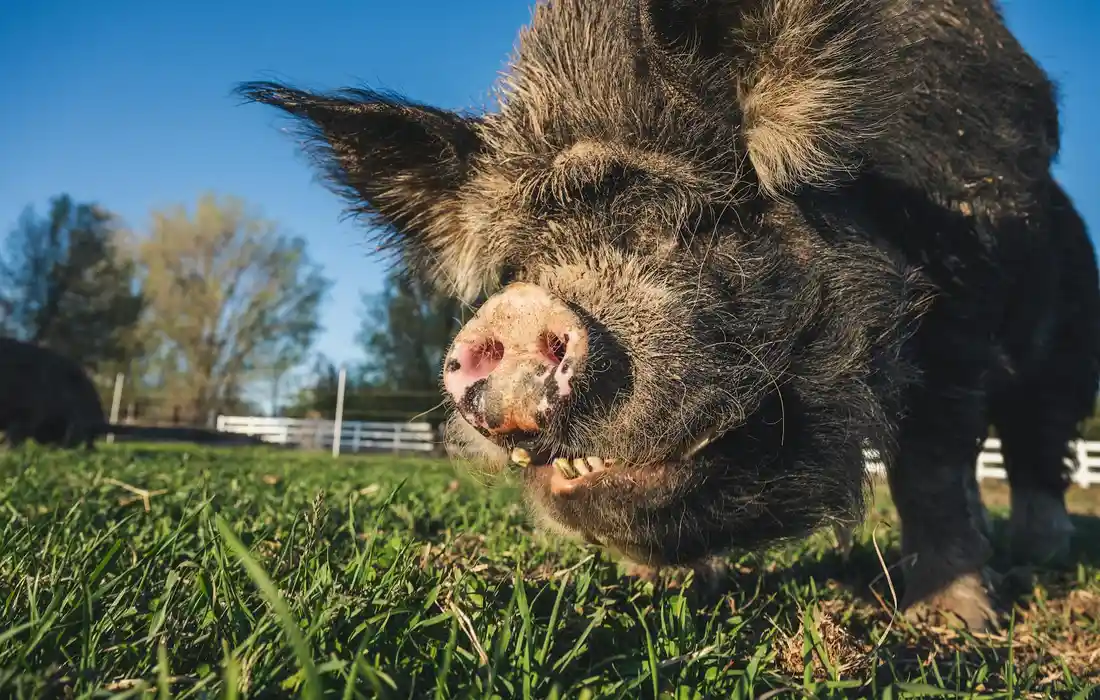
Managing the Rooting Instinct: From Sniffing to Harvest
Now, here’s where your real skill as a handler comes into play. A pig’s natural urge after a good sniff is to dig, and dig, and dig. Pigs are anatomically built for foraging—their long snouts and strong jaws drive their feeding and rooting behaviors. If left to their own devices, they’ll happily excavate your precious truffle into a thousand pieces. The goal is to teach them that the “find” is the job, and the reward comes from you, not from the hole. I learned this the hard way with my first truffle-hunting gilt, Bertha, who once turned a prime specimen into something resembling grated cheese before I could blink.
Here’s my method for redirecting that powerful instinct:
- The Boot Block: The moment your pig signals a find and begins to root, gently but firmly place your boot over the spot. This interrupts the digging.
- Immediate Reward: While your boot covers the treasure, immediately give your marker word (“Yes!” or a click) and offer a high-value treat from your pouch. You’re paying for the signal, not the destruction.
- The Gentle Harvest: Only after rewarding and securing your pig on a short lead do you kneel to carefully unearth the truffle with your own hand trowel. The pig learns that the good stuff comes from above, not below.
Always scout your hunting area first. Look for holes, dense thickets where a lead can snag, and any potential hazards like old fencing or poisonous plants. Being aware of toxic flora and weeds is essential for safe pig forage, and our toxic plants and pig forage safety guide provides quick ID tips and avoidance strategies. Refer to it before each outing to minimize the risk of ingesting hazardous plants. I make it a rule to never go truffling alone; having a partner means one can manage the pig while the other harvests, and help is right there if you need it. Keep your sessions short, under an hour to start, and always end on a positive note with a jackpot reward for a good day’s work.
Closing Questions for the Aspiring Truffler
How long does it take to fully train a truffle pig?
Expect a minimum of 4 to 6 months of consistent, short-daily training sessions to develop a reliable pig. The timeframe depends on the individual pig’s temperament and your consistency. Reaching solid performance in varied field conditions often takes a full season of practice.
Can I use truffle oil for all the scent training?
High-quality, real-truffle-infused oil is excellent for initial imprinting and practice drills. However, it is crucial to transition to the scent of actual truffles before the harvest season. A pig’s sensitive nose needs to be perfectly tuned to the specific, complex aroma of the real fungus you’re hunting. It’s also important to be aware of toxic and forbidden foods pigs must avoid, to keep training safe.
Is one breed of pig significantly better than another?
While many heritage breeds like the Tamworth are famed for their rooting instinct and calm focus, a food-motivated, inquisitive pig from any breed can succeed. The individual animal’s personality and drive are more important than the specific breed, though some breeds may offer inherent traits that give them an edge.
What is the working lifespan of a truffle-hunting pig?
With proper care, a pig can be an effective hunting partner for 5 to 8 years, often peaking in skill and focus between 2 and 5 years of age. Their long-term health and sustained interest are directly tied to respectful handling, good nutrition, and keeping the work engaging rather than repetitive.
What happens to a truffle pig when it retires?
A retired truffle pig deserves a peaceful life as a respected pasture pensioner. They should be transitioned to a regular feeding regimen and provided with ample space for gentle rooting and relaxation. Their well-earned retirement is a commitment you make when you start the training journey, especially considering their feeding habits and safety concerns.
Should I breed my successful truffle pig to get more hunters?
While a good temperament can be heritable, breeding specifically for truffling is complex and not a guaranteed shortcut. Instinct is passed on, but the meticulous training must still be done with each new piglet. For most small-scale farmers, sourcing a well-tempered prospect is more practical than managing a breeding program.
Shuttin’ the Gate
When all’s said and done, your success hinges on one thing: treating this whole endeavor as a partnership. A truffle pig isn’t a tool you use, but a partner you work with, and that partnership is built on a foundation of patience, positive reinforcement, and profound respect. Their keen nose does the finding, but your steady heart does the training.
I reckon there’s few things sweeter than walkin’ through the woods with a purpose, a trusted snufflin’ companion at your side. So here’s to muddy boots, to the thrill of the find, and to the quiet satisfaction of a job done well with an animal you understand. Y’all take care out there, and enjoy every step of the journey.
Further Reading & Sources
- Truffle hog – Wikipedia
- r/explainlikeimfive on Reddit: ELI5: Why/how are pigs used to find truffles? Do they have a natural affinity for them?
- Pigs or Dogs- Which Animal is the Better Truffle Hunter? – The Real Truffle Hunters Ltd
Caroline Mae Turner is a lifelong farm girl raised on red clay, early mornings, and the sounds of a bustling barnyard. With hands-on experience caring for everything from stubborn goats to gentle dairy cows and mischievous pigs, Caroline shares practical, tried-and-true advice straight from the farm. Her goal is to help folks keep their animals healthy, well-fed, and living their best barnyard life. Whether you're wrangling chickens or bottle-feeding a baby goat, Caroline brings a warm Southern touch and plenty of real-world know-how to every bucket in the barn.
Best Practices