What Chickens Can and Can’t Eat: Your Guide to Human Snacks and Condiments
Published on: October 1, 2026 | Last Updated: October 1, 2026
Written By: Caroline Mae Turner
Howdy y’all. You’re standing at the back door with a plate of leftovers, those hens are giving you the side-eye, and you’re wondering if that last bit of casserole is a treat or trouble. You can share many of your kitchen scraps safely, but the golden rule is this: moderation is key, and some common human foods are downright dangerous to your flock. I reckon every chicken keeper has faced that moment of hesitation, just like I have when my grandson tried to share his buttered popcorn.
What you’ll need:
- A critical eye for ingredient labels.
- The discipline of moderation as your guiding principle.
- A reliable “no-fly” list for toxic items committed to memory.
- A good compost bin or trash can for the stuff that doesn’t make the cut.
Let’s get this sorted quick, so you can get back to the rest of your chores with confidence.
The Homesteader’s Mindset: Treats Are Just That – Treats
I reckon we’ve all stood at the coop door, watching those eager beaks and feeling generous with our kitchen leftovers. Let me be clear as a morning bell: snacks and scraps are supplements, never a replacement for a balanced, complete poultry feed.
I learned this the hard way one fall when I got overzealous with pumpkin guts and corn cobs. My hens’ egg production dipped noticeably, reminding me that variety doesn’t equal vital nutrition.
That’s why I live by the 90/10 rule on my farm. Ninety percent of your flock’s diet must come from their quality layer or grower ration, leaving only ten percent for treats, scraps, and garden goodies.
When you follow this rule, your treat-giving serves three wise purposes. You’re aiming to boost their diet with extra vitamins, reduce your household waste responsibly, and provide your birds with simple mental enrichment.
- Supplementing core nutrition with specific vitamins or proteins.
- Reducing kitchen and garden waste through thoughtful recycling.
- Enriching the birds’ daily routine with new textures and tastes.
The Safe Snack List: Your Chicken’s Favorite Handouts
Here’s a trustworthy guide to the human foods you can share with confidence. This list is your quick-reference for turning safe scraps into happy clucks.
| Category | Safe Examples | Preparation Notes |
|---|---|---|
| Fruits | Watermelon, berries, apple slices, peeled banana, cantaloupe | Chop large pieces; remove pits from peaches or plums; cut grapes in half. |
| Vegetables | Cucumber, zucchini, cooked sweet potato, leafy greens, cooked pumpkin | Always cook potatoes and sweet potatoes; chop hard veggies; serve greens fresh. |
| Grains & Seeds | Cooked oatmeal, plain popcorn, sunflower seeds, cooked rice, quinoa | Serve plain and unsalted; avoid any mold; bread should be stale and minimal. |
| Protein Boosts | Dried mealworms, cooked eggs, plain yogurt, cooked beans (not canned) | Cook eggs and beans thoroughly; yogurt in tiny amounts; mealworms are a top treat. |
Fruits and Vegetables: Fresh from the Garden
Your garden surplus is a wonderful resource for your flock. Most ripe fruits and veggies are fair game, but proper prep keeps your birds safe from choking or toxins.
Always chop items like melon rinds or apples into beak-sized bits. Grapes and cherry tomatoes should be halved to prevent a dangerous blockage in their crop.
Apple seeds contain trace cyanide, but the amount in a core is negligible. You’d have to feed barrels of pure seeds for it to matter, so don’t fret over a few in the slice.
Never feed raw potatoes, peels, or green tomato leaves. These nightshade plants contain solanine, a toxin that cooking neutralizes completely.
Leafy greens like kale and Swiss chard are excellent. Avoid the entire onion family-onions, garlic, leeks-as they can lead to watery blood and tainted eggs over time. For a backyard flock, Swiss chard leafy greens and other leafy greens can be a welcome treat for chickens. They add variety to a chicken’s diet and can support egg quality.
Grains, Bread, and Seeds: The Energy Foods
These snacks are perfect for a cold weather calorie boost. Stale bread, plain cereal, and cooked grains like oatmeal are safe energy foods in strict moderation.
You must inspect all bread and grains for any sign of fuzz or mold. Mold spores can cause devastating respiratory infections, so toss any questionable scraps without a second thought.
Seeds are a natural, fatty treat chickens adore. Black oil sunflower seeds are a particular favorite that supports feather health and provides essential oils.
Everything in this category must be utterly plain. Salt, sugar, artificial flavors, and seasonings are hard on a chicken’s kidneys and have no place in their treat bowl.
The Toxic Twelve: Human Foods That Harm Chickens
When it comes to our flocks, some things just aren’t up for debate. I learned this the hard way years back when a well-meaning visitor tossed some leftover guacamole into the run. We lost a good hen that day. Keeping your chickens safe means knowing the absolute no-gos, a short list of foods that contain toxins poultry bodies simply cannot process. Consider this your non-negotiable guide for a healthy coop.
- Avocado Pit & Skin: These contain persin, a fungicidal toxin that causes cardiac distress and respiratory trouble in birds. The flesh is sometimes debated, but I say why risk it?
- Chocolate & Caffeine: Both contain theobromine and caffeine. These stimulants overload a chicken’s system, leading to erratic heart rates, seizures, and can be fatal.
- Alcohol: It might sound silly, but fermented kitchen scraps or spilled beer can cause intoxication, organ failure, and impaired coordination in birds.
- Raw or Dried Beans: They harbor lectins like phytohemagglutinin, which is a severe digestive irritant. Always cook beans thoroughly if you ever share them.
- Green Potatoes & Tomato Leaves: Parts of the nightshade family contain solanine, which attacks the nervous system.
- Rhubarb Leaves: High in oxalic acid, which can cause kidney damage and weakness.
- Moldy or Spoiled Food: The fungi produce mycotoxins that lead to organ damage swiftly. If you wouldn’t eat it, don’t feed it.
Onions, Garlic, and the Allium Family
Now, this one gets folks whispering over the fence. Alliums-onions, garlic, leeks, chives-contain thiosulphate, which can break down red blood cells and cause hemolytic anemia in birds if fed in large, consistent doses. The practical truth is, a tiny bit of cooked onion in your leftover meatloaf scraps won’t hurt, but I never feed them directly or in concentration. My rule is simple: if the scrap is mostly allium, toss it in the compost, not the run.
I recall a neighbor who fed his flock garlic powder daily for “worming,” and those girls became pale and lethargic. For health treatments, always use proven poultry-specific remedies instead of kitchen experiments. A little flavor in their leftovers is one thing; a dedicated dose is quite another. If you’re curious about garlic’s role in a flock, a garlic chickens benefits safety guide can help you weigh potential benefits against risks.
Condiments and Processed Junk: Salt, Sugar, and Spice
Chickens have a mighty curiosity for our snack foods, but their kidneys are not built for our pantry. High sodium is a silent threat. A chicken’s daily salt need is minuscule, and a handful of salty chips can lead to excessive thirst, kidney dysfunction, and even death. Processed condiments like ketchup, mustard, soy sauce, and hot sauce are liquid salt and sugar bombs often laced with garlic or onion powder to boot. No amount of these salty foods is safe for chickens.
Spices, especially capsaicin from hot peppers, won’t harm them physiologically, but why cause your girls unnecessary stress? Their taste buds work differently than ours. Here’s a quick list of common risky snacks to avoid:
- Potato Chips & French Fries: Loaded with salt, unhealthy fats, and sometimes onion/garlic seasoning.
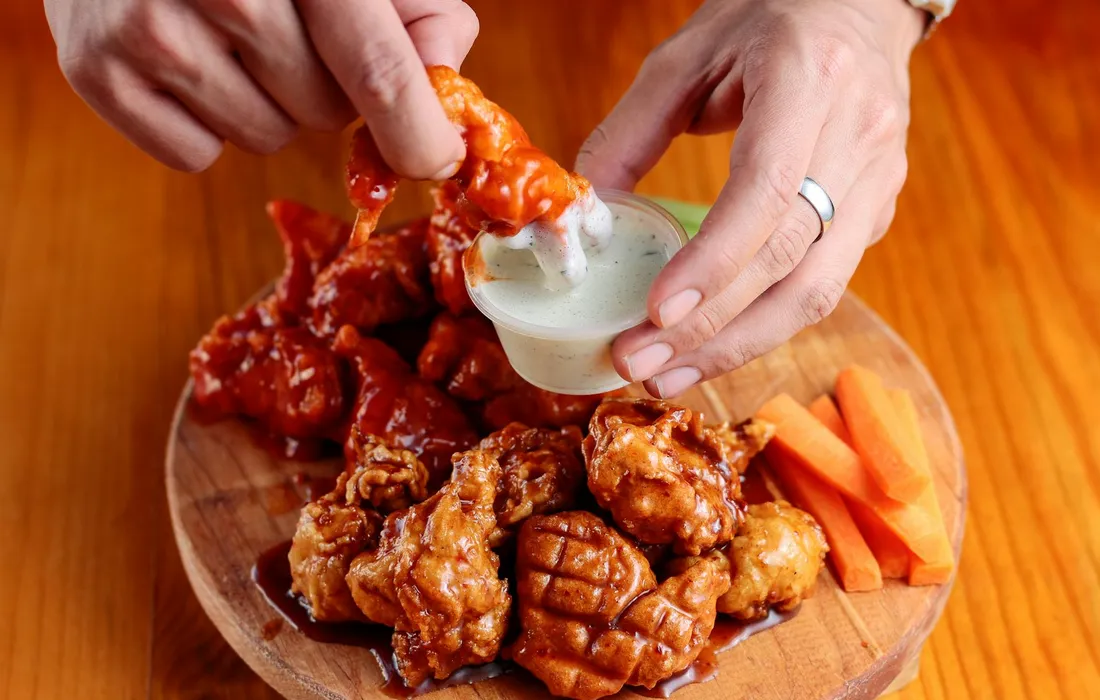
- Hot Wings & Spicy Foods: High in salt, fat, and spice that can disrupt digestion.
- Pudding, Cake, & Candy: Sugar rush leads to imbalanced nutrition and obesity.
- Anything Salty or Moldy: As said before, when in doubt, leave it out.
Dairy Dilemmas: Yogurt, Cheese, and More
I get asked about dairy more than just about anything. Chickens are not mammals, and most lack the lactase enzyme to digest lactose well. The key is in the fermentation process, which breaks down that troublesome milk sugar. That’s why a dollop of plain, unflavored yogurt or some cottage cheese is a fine occasional treat, especially on a hot day or for hens on antibiotics.
Hard, aged cheeses like cheddar or parmesan have very little lactose and can be offered sparingly as a calcium-rich tidbit. Where you run into trouble is with liquid milk, ice cream, or soft cheeses like ricotta-these high-lactose items will likely give your flock a case of the runs. I keep a tub of plain yogurt in the fridge for the girls; they come running when they see the spoon, and it’s never caused a upset belly in my yard.
How to Feed Kitchen Scraps the Right Way
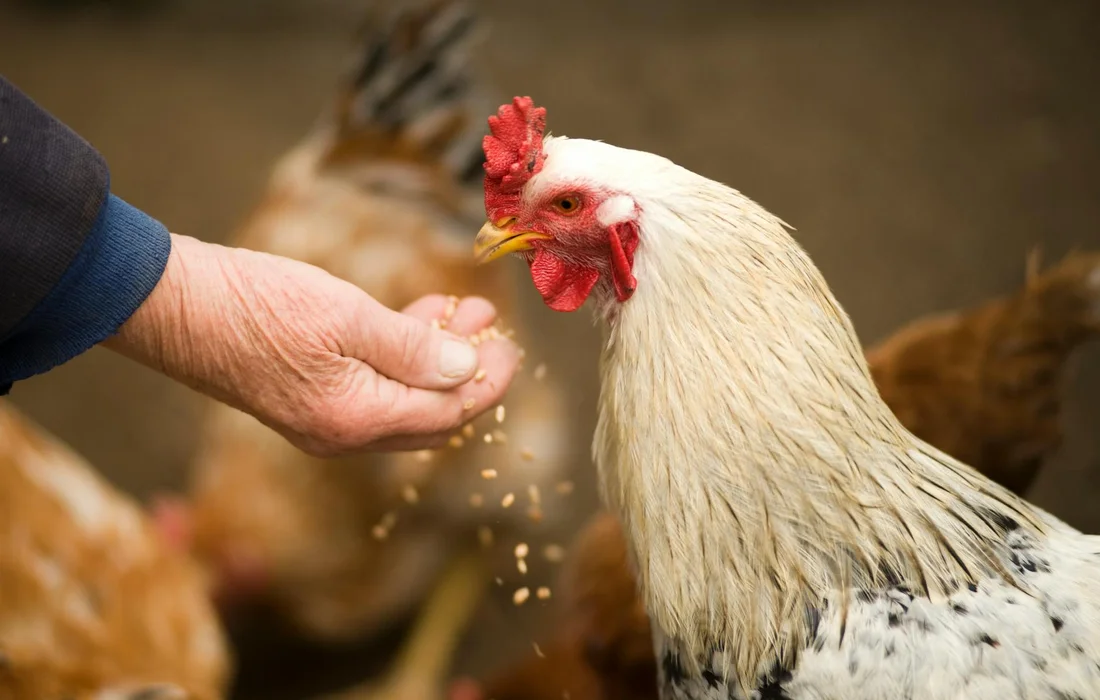
Sharing from your table feels neighborly, and it’s a mighty fine way to cut down on waste. But just like you wouldn’t let a young’un run wild in a candy store, you gotta have some rules for treat time with your flock. Here’s my tried-and-true method, honed over many a year at the back porch.
- Inspect Like a Hawk
First thing’s first: give those scraps a good looking-over. If it’s got a speck of mold, strange fuzz, or smells “off,” it belongs in the compost, not the coop. I’ve pulled many a questionable potato peel from my own bucket. Mold is a hard and fast “no” for any critter in your care. - Prepare for Success
Big pieces are a choking hazard and can cause crop issues. Chop everything down to beak-sized bits. For tough veggies like potatoes or dried beans, a quick steam or boil softens them up and neutralizes any problematic compounds. I keep a little pot on the stove just for this. - Serve with Dignity
Never just toss scraps onto the run floor. This attracts pests and can spoil in the dirt. Use a dedicated, flat dish or pan that you can easily pick up and clean afterwards. It keeps things tidy and lets you see exactly what’s been eaten. - Mind the Portion
Treats are just that-a treat. They should never make up more than 10% of your birds’ daily intake. A handful per bird is plenty. Too much of a good thing throws their balanced feed ration out of whack faster than you can say “scratch.” - Water is the Final Step
Always, and I mean always, ensure fresh, clean water is available right after they’ve had their snacks. This helps everything wash down and move through their system properly, preventing impactions. I make a habit of refreshing the waterers every single time I give treats.
When Treats Go Wrong: Recognizing Trouble
Even with the best intentions, a curious hen might snatch something she shouldn’t, or a scrap might not sit right. Being a good steward means knowing the signs that something’s amiss in the henhouse.
- Lethargy or Weakness: A bird that’s just sitting, puffed up, and not interested in foraging is sending a clear signal.
- Runny Droppings or Diarrhea: A sudden change in manure consistency often points straight to a dietary upset.
- A Sudden Drop in Egg Production: If your layers slow down or stop after a new treat was introduced, that’s a clue.
- Unusual Behavior: This could be hiding, labored breathing, or a messy vent area.
The moment you spot trouble, remove every last bit of the new food from their reach immediately. Clear out that feeding dish and do a visual sweep of the run. Next, flood the zone with fresh, cool water to encourage flushing and hydration.
Watch closely for a few hours. Often, with the irritant gone and plenty of water, a healthy bird will bounce back. But if symptoms persist for more than half a day, or if a bird appears in visible distress, it’s time to call your vet. Don’t wait and hope. Acting fast is part of the responsibility we take on for these animals. I’ve made that call myself, and it’s always better to have a professional opinion than to lie awake at night wondering.
## Closing Questions
My neighbor feeds her chickens bread every day. Is that really okay?
While plain, stale bread in tiny amounts is not toxic, feeding it daily is not recommended. It fills them up without providing balanced nutrition, which can lead to deficiencies and weight gain. It’s far better to use grains like cooked oatmeal or a handful of scratch as an occasional energy treat instead.
Can I give my flock the leftover pasta with a little marinara sauce?
It’s best to avoid this. The plain, cooked pasta itself is safe in moderation, but marinara sauce almost always contains garlic, onions, salt, and sugar. These ingredients are hard on a chicken’s system and offer no nutritional benefit, so scrape off the sauce before sharing.
Are there any “healthy” condiments I can use to make treats more appealing?
Chickens don’t need condiments for appeal, and most are harmful. Instead of sauces, use natural binders like a tablespoon of plain yogurt or unsweetened applesauce to hold seed mixes together. For a real favorite, simply moisten their treats with water or a bit of low-sodium chicken broth, especially if you’re cautious about using condiments with chickens.
Potatoes are toxic, but what if they’re just starting to sprout or have a green tinge?
You must avoid these. Solanine, the toxin in nightshades like potatoes, concentrates in the sprouts, eyes, and green skin. Even a small amount from a sprouting potato can be dangerous, so always compost any potatoes that aren’t firm and completely clean.
Is a small piece of avocado flesh safe if I’m absolutely careful to remove all skin and pit?
The safest advice is to avoid avocado entirely. Persin, the fungicidal toxin, is most concentrated in the pit and skin but is also present in the flesh. The risk of trace contamination or simply misjudging the amount isn’t worth the potential for cardiac and respiratory distress in your birds. Some poultry keepers wonder if chickens will peck at avocado pits or skins. Even so, safety dictates avoiding avocado altogether for birds.
How do I practically measure the “10% treat rule” for my flock?
A good rule of thumb is to limit treats to about what they can clean up in 15-20 minutes, once per day. For a flock of five hens, a generous handful of chopped veggies or a few spoonfuls of cooked grains is sufficient. Their main feeder should always have their complete ration available.
Back to the Pasture
When you get right down to it, the best rule for sharing your snacks is the simplest one. The most reliable treats for your flock will always come from your own garden, the weed patch, or a bag of plain scratch grains-not from the kitchen cabinet. A chicken’s body is built for a forage-based life, and sticking close to that natural menu keeps their digestion steady and their eggs plentiful. If you’re considering kitchen scraps as a supplement, our complete safety guide explains what’s safe to offer and how to avoid hazards. This helps keep your flock healthy while making the most of leftovers.
I reckon that’s about all from my porch for now. I hope this helps y’all feel confident at treat-time, so you can spend less time worrying and more time just enjoying the sight of your happy hens doing their work in the sunshine. There’s few things finer than that. Take care of yourselves and your critters.
Further Reading & Sources
- The Complete Guide to What Chickens Can Eat
- What Can Chickens Eat?| Purina Animal Nutrition
- What Can Chickens Eat? | BackYard Chickens – Learn How to Raise Chickens
Caroline Mae Turner is a lifelong farm girl raised on red clay, early mornings, and the sounds of a bustling barnyard. With hands-on experience caring for everything from stubborn goats to gentle dairy cows and mischievous pigs, Caroline shares practical, tried-and-true advice straight from the farm. Her goal is to help folks keep their animals healthy, well-fed, and living their best barnyard life. Whether you're wrangling chickens or bottle-feeding a baby goat, Caroline brings a warm Southern touch and plenty of real-world know-how to every bucket in the barn.
Treats and Snacks