
Feeding Your Flock for Profit and Plenty: Layer vs. Broiler Chicken Feed Secrets
Published on: October 12, 2026 | Last Updated: October 12, 2026
Written By: Caroline Mae Turner
Howdy y’all. The farmer’s fix is straightforward: you must feed a broiler chicken and a layer chicken completely different diets from the very start, or you’ll waste feed money and compromise their health. I learned this the hard way years ago when my first batch of “egg layers” grew too fast and my “meat birds” wouldn’t lay worth a lick, all from a well-intentioned but wrong feed bag.
What you’ll need:
- Two separate feed types: one high-protein ration for broilers, one calcium-rich for layers.
- Your feed store receipt and a pencil to run the numbers.
- Five minutes of observation time at the feeder each day.
- A commitment to never mix the two flocks at feeding time.
By the time we’re through, you’ll have a clear plan to feed each bird right and keep your wallet as healthy as your hens.
Two Flocks, Two Missions: Why Layers and Broilers Aren’t the Same
Now, if you’re new to this, you might think a chicken is a chicken. But friends, that’s like saying a pickup truck and a sports car are the same ’cause they both have wheels. You raise layers and broilers for completely different purposes, and their entire biology is honed for their specific job on the homestead. Trying to treat them the same is a fast track to poor results and wasted feed. For layers, the right nutrition makes all the difference. Layer crumble specialized chicken feeds are crafted to support steady egg production.
The Egg Specialist: Anatomy of a Layer Hen
My laying hens are the busybodies of the barnyard, all spindly legs and alert eyes. They’re built light and lean. That’s by design. Their energy goes into producing those beautiful eggs, not into bulking up. I’ve watched my Rhode Island Reds for years. They’ll scratch and forage all day, using that slender frame to be quick and efficient. A layer’s body is a dedicated egg factory, and every bit of her physiology-from her calcium-storing bones to her productive oviduct-serves that singular, daily purpose. She’s a long-term investment, often with us for several productive years.
The Meat Master: Built for Growth
Broilers, on the other hand, are the linebackers. Breeds like the Cornish Cross have been selectively developed for one thing: converting feed to breast meat with astounding speed. Their bodies are broad, their legs are stout (though they can have problems if they grow *too* fast), and they spend a great deal of time resting near the feeder. Their metabolism is a roaring furnace, focused on rapid muscle protein synthesis, not sustained reproductive output over seasons. They are a short-term project, reaching processing weight in as little as 8 weeks.
Side-by-Side in the Barnyard: A Quick-Reference Chart
| Aspect | The Layer Hen | The Broiler Chicken |
|---|---|---|
| Primary Purpose | Egg production | Meat production |
| Body Type | Light, lean, agile | Broad-breasted, heavy, less active |
| Production Timeline | Years of steady laying | Weeks of rapid growth |
| Key Nutritional Focus | Calcium & sustained protein | High protein & dense energy |
| Feed Consumption | ~1/4 lb per bird per day | Can exceed 1 lb per bird per day at finish |
Inside the Feed Bag: Cracking the Nutritional Code for Each Bird
This is where the rubber meets the road, y’all. You can’t fuel a diesel tractor with gasoline, and you can’t fuel these two different birds with the same ration. Feed is your biggest ongoing cost, so matching the nutrition to the mission is the heart of true cost efficiency. Let’s open up that bag and see what’s what.
Building an Egg: The Layer’s Feed Requirements
An eggshell is almost pure calcium carbonate. Every single day, a good layer pulls enough calcium from her bloodstream to make a shell that’s both strong and porous-a marvel of nature. Her feed must support this incredible drain. A proper 16% protein layer ration is the steady backbone of her diet, providing the amino acids to form the albumen (egg white) and yolk. But the star of the show is that calcium, usually supplied as large-particle oyster shell or limestone grit she can consume as needed.
I keep a separate dish of oyster shell free-choice in the coop. It’s a thrifty trick. The hens self-regulate, taking what they require, which prevents me from wasting expensive calcium in the main mix if they don’t need it. Fermenting a portion of their layer feed is my go-to method for boosting digestibility and gut health, making every scoop work harder for my money and my hens.
Building Muscle: The Broiler’s Feed Requirements
Broilers are on a sprint, and their feed is the rocket fuel. They start on a high-protein “starter” crumble (22-24% protein) for the first few weeks to build their frame and immune system. Then, we switch to a “finisher” ration (18-20% protein) with more energy-dense calories to pack on that final muscle weight. The protein percentage is critical here-it provides the building blocks for breast and thigh meat, driving the growth their genetics demand.
You must watch their growth. They’ll eat voraciously, and it’s easy to let them get too heavy, too fast, leading to leg issues. I follow a strict feeding schedule, offering ample feed but with periods of darkness to slow them down just enough for healthy development. This ties into chicken diet basics for feeding your backyard flock, helping you tailor rations to age and activity. Start with simple, balanced feeds and adjust as they grow. For true efficiency with broilers, your feed conversion ratio (FCR)-how many pounds of feed it takes to make a pound of chicken-is your north star. Aiming for an FCR under 2:1 is a solid homestead goal. That means less than two pounds of feed per pound of live bird, making your feed budget stretch further toward filling the freezer.
The Feed Conversion Race: How Efficiently Do They Turn Feed into Food?
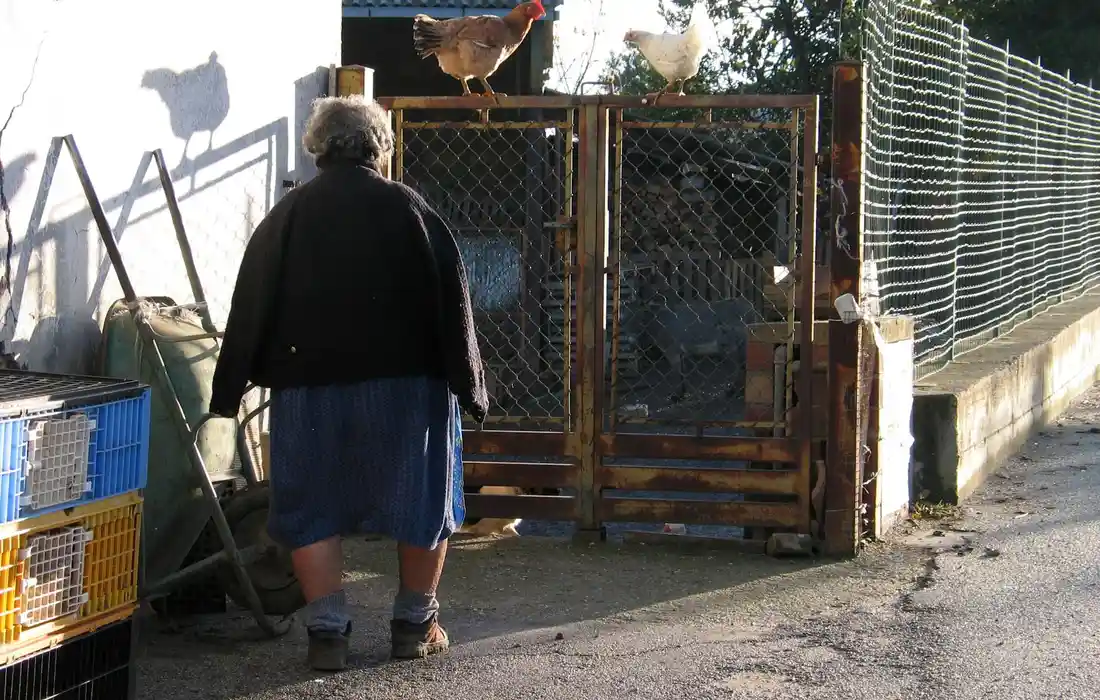
Now, let’s talk turkey-or chicken, rather. Feed conversion is just a fancy way of asking how much grub your bird eats to make the food you’re after. In my years of filling troughs, I’ve seen that efficiency isn’t just about speed; it’s about the shrewd use of every scoop of feed. Layers and broilers are built for different finish lines, and their feed bills tell the tale.
Measuring the Egg Basket: Layer Feed Efficiency
Your laying hens are steady, reliable workers. They ain’t sprinters, but marathon runners. For a good layer, you’re looking at about a quarter pound of feed consumed per bird, per day. To get a dozen eggs, a hen will typically need to eat between 3.5 and 4 pounds of a solid 16-18% protein layer ration. That’s what I’ve tracked in my own flock of Rhode Island Reds. Weather, stress, and the molt can nudge those numbers, but that’s your ballpark. Their efficiency shines in persistence, not bulk growth, which is why it’s so important to choose the right layer pellet feed that balances protein and nutrition.
Beyond the feed bucket, pasture access for bugs and greens can trim your costs. I always reckon a content hen on good range is a hen that stretches your feed bag further.
Weighing the Fryer: Broiler Feed Efficiency
Broilers are a whole different beast. Bred to pack on pounds fast, their feed conversion is a sight to behold. A modern meat bird can convert roughly 1.8 to 2 pounds of feed into a pound of live weight. That means in just 6 to 8 weeks, a chick gobbles about 10-12 pounds of high-octane feed (20-24% protein starter, then 18% finisher) to reach a 5-6 pound dress weight. They are machines for turning corn into meat, but that rapid growth demands careful management to keep them healthy.
You must watch their feed closely. Letting broilers free-range too much can actually hurt their feed efficiency, as they burn calories roaming instead of growing. I keep mine on deep litter with constant access to their specially formulated feed.
Pencil to Trough: Calculating Real Feed Costs for Eggs and Meat
It’s one thing to know the ratios, another to see what it means for your wallet. Grab a notepad and a pencil; the only way to know your true cost is to run the numbers yourself. Feed price per bag is just the start. You gotta factor in waste, spoilage, and those clever critters that always find a way to spill the bin.
Cost Per Dozen: Running the Numbers for Your Layers
Let’s break down the egg money. Say a 50-pound bag of layer feed costs you $18. That’s $0.36 per pound. If a hen eats 0.25 lbs a day, her daily feed cost is 9 cents. Over a month, that’s about $2.70 in feed to keep one layer in business. If she gives you 24 eggs in that month (a steady 6-egg week), your feed cost per dozen eggs sits right around $1.35. Your mileage will vary with feed price and her laying pace, but that’s the skeleton of the math. Feed needs vary by breed and life stage, so daily portions can differ. Following breed-specific guidelines ensures you’re feeding the right amount for your flock.
- Track feed bought and eggs collected for a month.
- Divide total feed cost by dozens of eggs gathered.
- Remember, older hens eat the same but lay less, nudging your cost up.
Cost Per Pound of Meat: Figuring Your Broiler Bottom Line
For meat birds, we’re calculating cost per pound of live or dressed weight. Using that 1.8:1 feed ratio, a 5-pound broiler ate about 9 pounds of feed. If your broiler feed costs $0.40 per pound, the feed cost for that one bird is $3.60. If you’re looking to reduce costs further, cost-effective homemade feed recipes for chickens and ducks can help you tailor protein and energy to your flock while staying within budget. These DIY options can complement the figures above and help you optimize overall feed costs. That puts your feed cost per pound of live weight at about $0.72. Processing costs are a separate line item, but for feed alone, that’s your core figure.
Don’t forget the starter weeks. Those first few weeks on high-protein feed are your biggest investment, but they set the stage for all the growth to come. Buying feed in bulk from a local mill can shave precious cents off each pound.
Sample Scratch-Pad Math: A Tale of Two Flocks
Let’s put it side by side with some round numbers from my own scratch pad last season. This assumes a 10-bird flock for each type, over a single production cycle for broilers and a month for layers.
| Item | 10 Laying Hens (1 Month) | 10 Broilers (To Processing) |
|---|---|---|
| Total Feed Eaten | 75 pounds | 100 pounds |
| Feed Cost (at $0.35/lb) | $26.25 | $35.00 |
| Total Output | 20 dozen eggs | 50 lbs live weight |
| Feed Cost Per Unit | $1.31 per dozen eggs | $0.70 per lb of meat |
This table shows the stark difference in what you’re buying: layers invest feed over time for a steady stream, while broilers concentrate it into a single, hefty payoff. Your numbers will dance based on your local feed prices and management, but this gives you a solid fence post to lean on.
From Chicks to Checkout: Daily Feeding Routines for Best Results
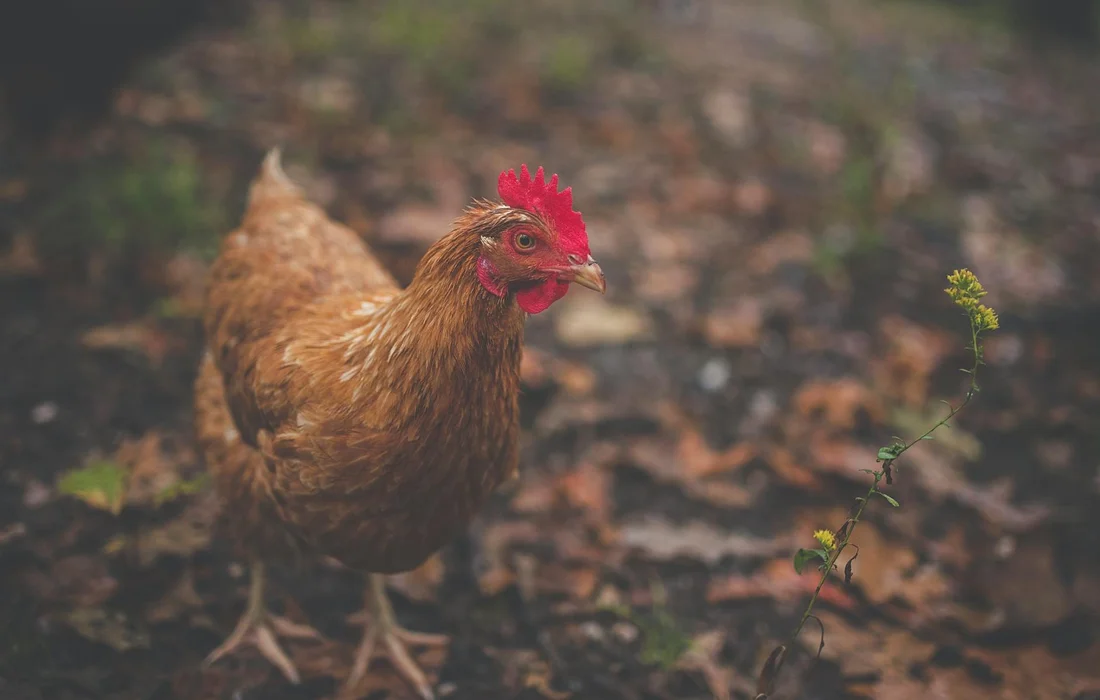
Your daily routine at the feeder sets the stage for everything. It’s not just about filling a trough; it’s about observation, adjustment, and stewardship. I’ve found the birds tell you what they need, if you’re willing to watch and listen.
Feeding Your Layers for a Long, Productive Life
Layers are marathon runners, not sprinters. Their feed supports egg production, bone strength, and overall vitality for years. My old gal, Henrietta, laid steady for five years on a good routine, and I credit that to consistent, stage-appropriate nutrition.
A layer’s life is broken into clear feeding phases, and sticking to them prevents health issues and maximizes your egg basket’s yield.
- Starter (0-8 weeks): Offer a high-protein crumble (18-20%) free-choice, 24/7. Chicks are building frames and feathers.
- Grower (9-18 weeks): Switch to a 16-18% protein grower feed. This slows growth just enough to let their reproductive systems mature before laying begins. Limit treats severely.
- Layer (19 weeks+): The main event. A 16-18% protein layer pellet or crumble, with added calcium (3-4%), is non-negotiable. Always offer oyster shell in a separate dish so hens can self-regulate.
- Daily Routine: I scatter their main feed in the morning. This encourages natural foraging behavior and prevents boss hens from guarding the feeder. Check that feeders are clean and dry by evening.
I keep their feed in a treadle feeder to stop rats and wild birds, a trick that’s saved me a fortune in spilled grain. Watch their droppings and feather condition; shiny feathers and firm waste mean you’re on the right track.
Feeding Your Broilers for Optimal Growth
Broilers are a different story entirely. Your goal is efficient, rapid growth to a finished weight in 6-10 weeks. Every day’s feed must count, as their appetite is colossal and their metabolism runs hot.
With broilers, you are managing a controlled sprint to finish weight, which demands a high-protein, high-energy diet from day one until processing.
- Starter to Finish (0-weeks to processing): Most homesteaders use an all-in-one “meat bird” or “broiler finisher” feed with 20-24% protein. They never switch to a lower-protein grower ration.
- The “Free-Choice” Rule: Feed and fresh water must be available at all times, day and night. I fill feeders twice daily to ensure it’s always appealing and fresh.
- Monitoring Growth: Weigh a few birds weekly. If growth seems slow, check for parasites or drafty conditions stealing their energy. Their feed conversion ratio should be impressive-around 2 pounds of feed per 1 pound of gain.
Be prepared for the amount they eat. In their last two weeks, a flock of 25 can easily go through 10 pounds of feed a day. Pull feed (but not water) 8-12 hours before processing to ensure crops are empty, making the task cleaner and safer.
Beyond the Bag: Smart, Thrifty Supplements and Alternatives
That bag of feed is the cornerstone, but a clever homesteader knows how to stretch it without cutting corners on nutrition. My grandma called it “making do,” and it’s a practice that keeps more change in your overalls pocket.
Pasture, Scraps, and Fermented Feed: Boosting Value
Giving your birds access to more than just bagged feed enriches their diet and your soil. It’s a cycle of goodness right there in your yard.
Fermenting a portion of your feed is the single best thrift-with-benefits practice I’ve adopted; it boosts nutrient availability, cuts feed use, and promotes gut health.
- Fermented Feed: Soak feed in water for 2-3 days until it bubbles. It smells tangy, like yogurt. Start by replacing 25% of their dry ration with this probiotic-rich mash. You’ll see feed usage drop by nearly 20%.
- Pasture & Greens: A movable pen or rotated pasture gives birds access to bugs, seeds, and grass. This provides vitamins and reduces boredom. They’ll work the land for you, fertilizing as they go.
- Kitchen & Garden Scraps: Offer leafy greens, squash, melon rinds, and cooked beans. I keep a bucket on the porch for peelings. This reduces waste and supplements their diet, but remember: scraps are a supplement, not the main course.
What Not to Feed and Why
Being thrifty doesn’t mean being reckless. Some common items can cause illness or even prove fatal. A good rule from my pa: if you ain’t sure, don’t give it.
Protecting your flock means knowing the kitchen scraps and garden plants that can do more harm than good, no matter how eagerly the birds peck at them.
- Avocado Pits & Skins: Contain persin, a toxin that can cause heart damage.
- Raw Potato Peels & Green Potatoes: Contain solanine, which is harmful to birds.
- Chocolate or Anything Caffeinated: Toxic, just like for dogs.
- Salty Foods or Moldy Bread: Can cause digestive upset and toxicity.
- Dry, Uncooked Beans: Contain hemagglutinin, which is poisonous to poultry.
I also keep my flock well away from ornamentals like foxglove, lily of the valley, and rhubarb leaves. When in doubt, stick to known safe greens like kale, Swiss chard, and weeds from untreated lawns (dandelions are a favorite here).
Choosing Your Flock: Matching Your Goals with the Right Bird
Before you order a batch of chirping chicks, sit down with a cup of coffee and ask yourself what you truly want from your backyard. I’ve seen folks jump in with both boots, only to find they’re overrun with eggs when they wanted freezer meat, or vice versa. Your answer guides everything from the coop you build to the feed you buy. Choosing between layers and broilers isn’t just about the bird; it’s about aligning your daily chores and long-term vision with the right breed’s instincts. I reckon my own misstep years ago, getting a mixed batch without a plan, taught me that lesson the hard way.
Think on these points to steer your decision:
- Egg Supply vs. Meat Harvest: Layers are a long-term commitment for a steady egg income. Broilers are a short-term project for a concentrated meat yield.
- Feed Budget Rhythm: Layers need a consistent, moderate feed input over years. Broilers demand a heavy, high-protein feed investment for just a couple of months.
- Space & Infrastructure: Layers require sturdy, predator-proof housing with nesting boxes for the long haul. Broilers need less elaborate but well-ventilated space for rapid growth.
- Your Timeline: Are you looking for a weekly return in the egg basket, or a seasonal harvest for the table?
When Layers Make the Most “Cents”
If your dream involves collecting warm eggs each morning, layers are your girls. They’re the homestead’s steady heartbeat. A good hen will give you an egg nearly every day for her prime laying years, which is about 2-3 years strong. The real economy of layers shines when you view them as a long-term investment that pays daily dividends in your kitchen. I’ve had Rhode Island Reds out there still visitin’ the nest boxes at four years old, though the pace does slow.
Their feed is a specific science. You’ll want a quality layer pellet or crumble with 16-18% protein and added calcium for strong shells. Skimp here, and you’ll see thin shells and fewer eggs. Providing oyster shell free-choice alongside their feed is a non-negotiable thrift; it lets the hens regulate their calcium intake and prevents costly egg-binding. My rule is about a quarter-pound of feed per hen per day, but a good pasture or garden scratch area can cut that by a third.
For housing, plan for at least 3 square feet inside the coop and 8-10 square feet in the run per bird. Crowding stresses hens and stops egg production cold. Letting them forage not only supplements their diet with bugs and greens but also keeps them active and healthy, reducing your feed bill and vet calls. Remember, a stressed hen is a non-laying hen. I always toss my kitchen veggie scraps to the flock-it turns waste into golden yolks.
When Broilers Boost Your Homestead Harvest
When you need to fill your freezer efficiently, broilers are the undeniable champions. These birds are bred for one purpose: to convert feed into muscle with breathtaking speed. We’re talkin’ plate-ready in as little as 6 to 8 weeks. Broilers offer a rapid, measurable return on your feed investment, turning bags of feed into pounds of meat in a single season. My first batch ever left me stunned at how quickly those yellow puffs became Sunday dinner.
Their feed requirements are intense but short-lived. You’ll start them on a high-protein starter crumb (20-24% protein) and keep them on it their entire grow-out. They eat voraciously. Expect a feed conversion ratio of around 2:1, meaning roughly two pounds of feed for every pound of live bird you raise, which is a efficiency that layers simply cannot match for meat production. They need constant access to food and water; growth never pauses.
Space is managed differently. They require about 1 square foot per bird initially, expanding to 2-3 square feet as they grow, but because of their short lives, permanent infrastructure is minimal. Good ventilation is critical in their brooder and pen, as their rapid growth makes them susceptible to heat stress and leg issues if air quality is poor. You must be prepared for processing day-have your equipment, help, and ice chests ready. It’s a hard day’s work, but the reward is a year’s worth of homegrown meat you nurtured yourself.
Closing Thoughts on Your Chicken Enterprise
Is the meat from layer hens and broiler chickens different?
Yes, the meat is fundamentally different due to their genetics and purpose. Broiler meat is tender and mild, coming from birds bred for rapid breast muscle growth. Layer meat, from spent hens, is much tougher and stronger in flavor, better suited for slow-cooked soups and stocks.
Can I raise layer and broiler chicks together from the start?
It is not recommended to raise them together past the first few weeks. Their nutritional needs quickly diverge, with broilers requiring much higher protein for fast growth, while layers need a different balance to support future egg production. Managing them separately ensures each flock gets the precise diet it requires for health and productivity.
What does “feed conversion ratio” mean, and why is it important?
The feed conversion ratio (FCR) measures how efficiently an animal turns feed into desired product, like eggs or body weight. A lower FCR (e.g., 2:1 for broilers) means less feed is needed per pound of gain, directly impacting your cost efficiency and profitability on the homestead.
Are there chicken breeds that are good for both meat and eggs?
Yes, dual-purpose breeds like Rhode Island Reds, Orpingtons, or Plymouth Rocks offer a balance. They provide a respectable number of eggs and a decent carcass size, though they won’t match the extreme efficiency of dedicated layer or broiler breeds. They are an excellent choice for a self-sufficient homestead not focused on maximum output of either product.
What does current research say about alternative feeds for chickens?
Ongoing research explores sustainable feed ingredients like insect meal, food by-products, and algae to reduce reliance on traditional grains like soy and corn. The goal is to maintain bird health and growth while improving environmental sustainability and potentially lowering long-term feed costs for farmers. These approaches also apply to sustainable duck and poultry feeds, highlighting cross-species potential for alternative ingredients. Such cross-applications help unify nutrition goals with environmental and cost benefits for farmers.
How does a broiler’s rapid growth affect its overall health and care?
The intense focus on rapid muscle development can strain a broiler’s cardiovascular and skeletal systems. They require careful management to prevent leg issues and heart failure, including controlled feeding schedules, excellent litter quality, and proper ventilation to reduce stress on their bodies during their short lifespan.
Shutting the Gate
When the sun starts to dip behind the barn and you’re heading in for supper, just remember this one thing above all else. Your flock’s health and your wallet’s happiness both depend entirely on you matching the right fuel to the right engine-never feed a broiler ration to a laying hen, and don’t expect a layer pellet to grow a meat bird efficiently. That’s the whole dance right there.
I reckon I’ll see y’all out there by the pasture fence. There’s a deep, quiet satisfaction in watching a flock thrive on feed you chose with care. Whether you’re gathering a basket of warm eggs or putting a homegrown Sunday dinner on the table, it’s a blessing born from good stewardship. Now go enjoy those critters.
Further Reading & Sources
- r/chickens on Reddit: How different is layer feed vs broiler feed?
- Comparing the Poultry Nutrition Needs of Broilers vs. Layers – Anderson International Corp
- Chicken Layer Feed & Broiler Feed: Know the Difference – Hobby Farms
Caroline Mae Turner is a lifelong farm girl raised on red clay, early mornings, and the sounds of a bustling barnyard. With hands-on experience caring for everything from stubborn goats to gentle dairy cows and mischievous pigs, Caroline shares practical, tried-and-true advice straight from the farm. Her goal is to help folks keep their animals healthy, well-fed, and living their best barnyard life. Whether you're wrangling chickens or bottle-feeding a baby goat, Caroline brings a warm Southern touch and plenty of real-world know-how to every bucket in the barn.
Diet Requirements