Which Ornamental Plants Are Safe for Your Rabbits to Nibble?
Published on: July 31, 2026 | Last Updated: July 31, 2026
Written By: Caroline Mae Turner
Howdy y’all. You’re eyeing that pretty bee balm by the fence and your curious bunny at the same time, wondering if you need to build a fortress. The quick farmer’s fix is that both bee balm (Monarda) and tickseed (Coreopsis) are generally safe for rabbits to sample in moderation, but you’ll want to keep them well away from spirea (Spiraea), which is not recommended for consumption. Reckon we’ve all been there, trying to balance a love for a cheerful flowerbed with keeping our furry foragers out of trouble.
- Your own sharp eyes for plant identification.
- A trusty pair of clippers for offering controlled samples.
- Your list of garden plants: Bee Balm, Spirea, and Tickseed.
Let’s sort this greenery out so you can get back to the rest of your homestead chores with one less worry.
Understanding Rabbit Digestion and Garden Risks
Now, a rabbit’s gut is a finely tuned engine, and it don’t run on just any kind of fuel. It’s built for a steady flow of fibrous grasses and leafy greens. When something toxic or just plain wrong slips in, that whole system can grind to a halt faster than a rusty tractor on a cold morning.
Why Plant Safety Matters for Your Herd
You wouldn’t let your young’uns snack on just any berry in the woods, and the same careful eye is needed for your rabbits. Offering the wrong plant can disrupt the delicate balance of bacteria in their cecum, leading to a deadly condition called GI stasis, where their digestion simply stops. It’s a quiet, sneaky emergency that we aim to prevent with every handful of greens we offer.
Key Signs of a Healthy Rabbit Diet
You can tell a lot by just watching and listening. A happy, well-fed rabbit will show you:
- Steady consumption of hay, making up about 80% of their plate.
- Firm, round droppings that look like little brown peas.
- Bright eyes, a clean, dry nose, and a willingness to hop about.
- Consistent appetite and water intake day after day.
Any sudden change in these habits is your first and best warning that something’s amiss, either with their food or their health. If your rabbit isn’t eating or shows a sudden appetite drop, consult an emergency guide on rabbit appetite loss and health concerns. Time matters, so quick, informed steps can protect their wellbeing.
Bee Balm (Monarda) for Rabbits: A Safe Nibble?
I’ve watched my own rabbits investigate the bold, shaggy blooms of my bee balm patch with curious twitches of their noses. This native perennial, loved by pollinators, often finds itself on the homesteader’s “is this safe?” list.
Is Bee Balm Poisonous to Rabbits?
Good news from the barnyard: bee balm is not considered toxic to rabbits. In my experience, it’s one of those garden herbs that can be a delightful, aromatic occasional treat, not a staple. Its strong, minty-oregano scent comes from natural essential oils, which is precisely why we must practice moderation.
How to Offer Bee Balm Safely
Think of bee balm as a spice, not the main course. Here’s how I do it:
- Start Small: Offer one or two fresh leaves to an adult rabbit and watch for 24 hours.
- Source Wisely: Never pick from areas sprayed with pesticides or herbicides.
- Wash Well: Rinse leaves and flowers to remove dust and potential garden pests.
- Limit Frequency: Once or twice a week is ample for this potent herb.
Introducing any new food too quickly can upset their stomach, so patience is a virtue that pays off in healthy droppings.
Parts of Bee Balm Rabbits Can Eat
The rabbits in my care have enjoyed the tender, young leaves most. The flowers are also edible for them, though they might be more intrigued by the texture than the taste.
- Safe: Fresh, young leaves and flower petals.
- Use Caution: Woody stems are too tough and not palatable.
- Best Practice: Offer the green leaves first before trying the colorful blooms.
This approach lets you gauge their interest and their body’s tolerance without wasting any of your lovely garden harvest.
Spirea in the Rabbit Yard: Friend or Foe?
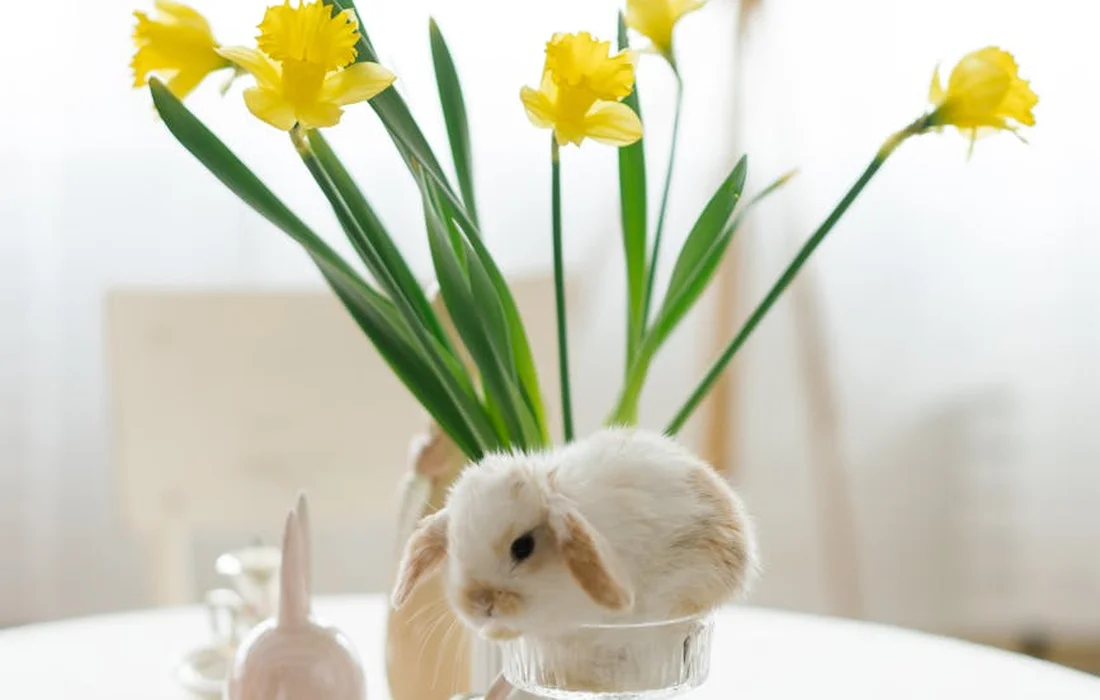
Spirea bushes, with their frothy clusters of pink or white flowers, are a homestead favorite for their toughness and beauty. I’ve got several varieties lining my pasture fence, and I’ve watched my rabbits eye them with curiosity. The good news is, you can likely breathe easy. Most common spirea varieties (think Bridal Wreath, Little Princess, Goldflame) are considered non-toxic to rabbits. After decades of keeping bunnies near these shrubs, I’ve never had a case of poisoning I could attribute to spirea alone. They’re generally a safer ornamental choice than many others, especially compared to flowers like magnolia, gladiolus, and mallow that can be problematic.
Spirea Toxicity Check for Rabbits
Now, “non-toxic” doesn’t automatically mean “ideal feed.” The concern with spirea isn’t a potent poison, but the potential for mild digestive upset due to tannins and other compounds, especially if a bunny gorges on a large amount of a new plant. Watch for these signs if you suspect overindulgence:
- Reduced appetite or total refusal of their regular hay.
- Unusually small or misshapen fecal pellets.
- Lethargy or a hunched posture, signaling discomfort.
Always introduce any new green, even a “safe” one, in a tiny, thumbnail-sized piece to see how your individual rabbit’s gut handles it. A rabbit’s digestive system is a finely tuned engine, and sudden fuel changes can cause a stall.
Feeding Spirea to Your Bunnies
I don’t actively harvest spirea as a primary feed. I view it more as a permissible browse for supervised yard time. Here’s my practical approach:
- Pruning Waste is the Best Source: When I trim my bushes in spring or fall, I’ll let the small, leafy branches dry out for a day or two. I then offer a few stripped leaves as a novelty, not a meal.
- Focus on the Leaves: The tender leaves are easier to digest. I avoid offering the woody stems or large flower clusters.
- Know Your Variety: While most are fine, I’m cautious with Japanese Spirea (Spiraea japonica). Some older resources flag it, so I simply don’t feed it-better safe and thrifty than nursing a sick animal.
My rule is simple: spirea is a garden plant first, and a very occasional rabbit treat a distant second. It should never replace their core diet of unlimited grass hay, quality pellets, and trusted greens like romaine or herb tops.
Tickseed (Coreopsis) and Rabbit Health
Those cheerful, daisy-like blooms of Tickseed are a pollinator magnet and a low-maintenance dream. The question for us rabbit stewards is whether that bright splash of color comes with a hidden cost for our floppy-eared lawnmowers. You’ll be pleased to know that Coreopsis sits firmly on the “friend” side of the ledger. In my flower borders, Coreopsis has proven to be a reliably safe plant for curious rabbits who manage a sneaky nibble. It lacks the toxic alkaloids or milky saps that make many ornamentals dangerous.
Can Rabbits Eat Tickseed Plants?
Yes, rabbits can eat Coreopsis. Both the leaves and the flowers are non-toxic. The plant is not a nutritional powerhouse like dandelion or plantain, but it offers variety and enrichment. I’ve seen my rabbits preferentially eat the soft leaves over the slightly tougher petals. Its primary value is as a safe, fibrous roughage that promotes healthy gut motility when eaten in moderation. Just ensure it’s from your chemical-free garden, not a nursery pot treated with systemic pesticides.
There’s a difference between annual (Coreopsis tinctoria) and perennial (Coreopsis lanceolata) varieties, but both are safe. The annuals tend to have finer, more fern-like foliage that my bunnies seem to find particularly palatable.
Managing Tickseed in a Rabbit Garden
Coreopsis is a prolific self-seeder. If you allow it in or near your rabbits’ run, be prepared for it to spread. Here’s how I manage it for mutual benefit:
- Controlled Grazing: I sometimes cut a few whole stems and hand-feed them to create a positive, interactive experience. This prevents the rabbits from demolishing my decorative clump.
- Harvesting for Hay Mix: When deadheading spent blooms, I toss the leafy stems into a “sun-drying” pile with other safe weeds. Once crisp, I crumble them into my homemade hay mix for added scent and texture.
- Garden Perimeter Planting: I plant Coreopsis along the outside of my rabbit yard fencing. The rabbits can safely nibble any leaves that poke through, and I get a vibrant, carefree border that doesn’t worry me.
Letting your rabbits sample safe flowers like Tickseed satisfies their foraging instinct and adds a little joyful variety to their day, which is a cornerstone of good husbandry. Just remember, it’s a garnish, not the main course. Their hay bin should always be fuller than your flower basket.
Recognizing and Reacting to Plant Poisoning
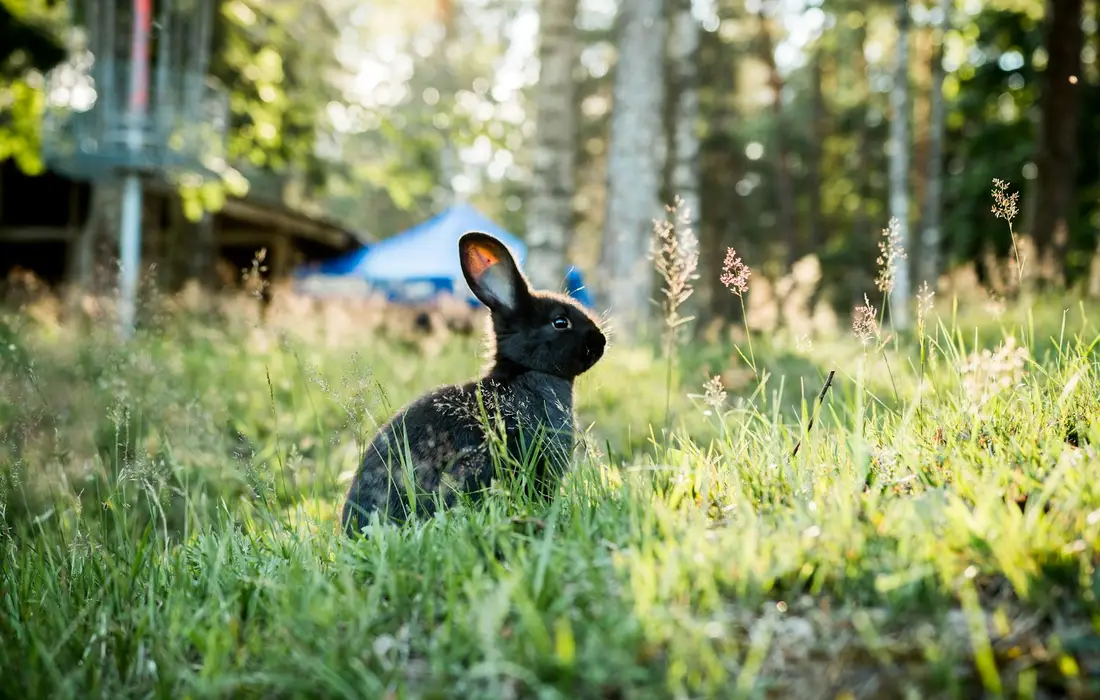
Even with the best-laid plans, a curious rabbit might snatch a bite of something they shouldn’t. Knowing the signs and having a plan is part of responsible stewardship. It’s like keeping a well-stocked first aid kit in the barn-you hope to never use it, but you’ll be mighty glad it’s there.
Symptoms of Toxic Plant Ingestion
Rabbits are prey animals, hardwired to hide weakness. You have to be a keen observer. Symptoms can show up within hours or be delayed. I’ve learned to look for any deviation from their normal, perky behavior. The first warning is often a rabbit that’s just sitting hunched up, looking withdrawn and unhappy, with no interest in their favorite greens.
- Gut Stasis: This is the big one. No new droppings, or droppings are very small, misshapen, or strung together with fur. A silent, still belly is a red flag.
- Neurological Signs: Watch for head tilting, stumbling, tremors, or seizures. These are serious and require immediate action.
- Oral Issues: Excessive drooling, pawing at the mouth, or visible swelling around the lips or tongue.
- Digestive Distress: Loud gut gurgles you can hear from a distance, followed by bloating and severe lethargy.
- Changes in Vital Signs: Rapid breathing, very low body temperature, or collapse.
What to Do If Your Rabbit Eats a Bad Plant
Don’t panic, but do move with purpose. I’ve had to walk through these steps a time or two, and a clear head makes all the difference.
- Remove and Identify: Immediately separate the rabbit from the plant. If you can, safely bring a sample of the plant with you for identification. Every second counts for your vet.
- Call Your Veterinarian: This is not a wait-and-see situation. Describe the plant and all symptoms, no matter how minor they seem. Have your rabbit’s weight handy if you know it.
- Offer Supportive Care: While preparing to travel, keep your rabbit warm and quiet. Offer fresh water and their usual hay. Do not try to induce vomiting or give any home remedies unless specifically instructed by your vet, as this can often cause more harm.
- Be Prepared to Act: Your vet may instruct you to administer activated charcoal or other first-aid measures. Having a rabbit-savvy vet’s number programmed into your phone is one of the best investments you can make.
Planning a Rabbit-Safe Ornamental Garden
You can have a beautiful, blooming homestead that’s also a safe forage zone. It just takes a little thoughtful planning, using plants as living fences. I like to think of it as creating a landscape that works for me and my critters.
Top Rabbit-Safe Plants for Your Homestead
These are my go-to ornamentals. They provide color, structure, and peace of mind. Most of these are also wonderful for pollinators, pulling double duty on the homestead.
- Bee Balm (Monarda): As we discussed, it’s a safe, aromatic powerhouse. The rabbits tend to leave it be, but if they nibble, it’s no cause for alarm.
- Roses (Rose spp.): The petals and hips are perfectly safe and a lovely treat. It’s the thorny canes that provide the real benefit-they make a fantastic natural barrier.
- Snapdragons (Antirrhinum): These add wonderful vertical color, and in my experience, rabbits find them completely uninteresting.
- Sunflowers (Helianthus): The mature stalks and leaves are rabbit-safe. I let the birds have the seeds and till the stalks back into the garden at season’s end.
- Herbs as Guardians: Planting a border of robust herbs like lavender, rosemary, sage, and oregano often deters rabbits with their strong scents while being safe if sampled.
Common Garden Plants to Keep Away from Rabbits
Many popular landscaping plants carry real risk. I’ve made it a rule to plant these well outside any possible bunny reach, like in front yard beds or in elevated containers. Even then, it’s important to consider rabbit-proof gardening plants they avoid.
- True Lilies (Lilium) and Daylilies (Hemerocallis): Every part is highly toxic, especially to kidneys. I don’t allow them in my bunny-view garden at all.
- Daffodils & Tulips (Narcissus & Tulipa): The bulbs are the most dangerous part, causing severe digestive upset and cardiac issues. A digging rabbit is at high risk.
- Foxglove (Digitalis): Beautiful but deadly. It contains cardiac glycosides, and even a small amount can be fatal.
- Oleander (Nerium oleander): This is a hard no for any homestead with free-ranging animals. Every single part is profoundly poisonous.
- Azaleas & Rhododendrons (Rhododendron spp.): Common in southern landscapes, these can cause vomiting, weakness, and a dangerous drop in blood pressure.
When in doubt, I use a simple rule from my granddad: If you don’t know what it is, fence it off until you do. A plain wire panel is cheaper than a vet bill and easier on the heart.
Ornamental Plant Safety for Other Barnyard Critters
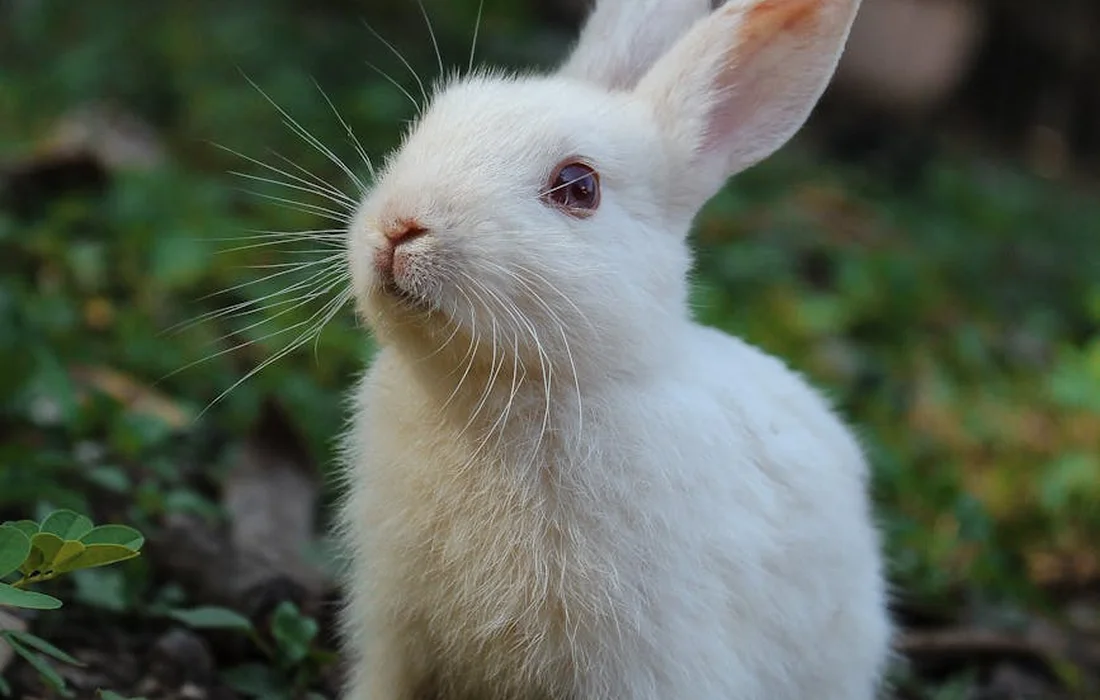
While our focus has been on rabbits, your homestead is a tapestry of life. What’s safe for a bunny might be a treat for a chicken or a toxin for a goat, so knowing the difference keeps your whole menagerie thriving. Let’s take a walk through the garden and see how these common ornamentals fare with your other animals.
For Your Flock: Chickens and Geese
My hens follow me like a feathered shadow whenever I’m near the flower beds, always hopeful for a scratch or a stray bug. Generally, a curious peck at Bee Balm, Spirea, or Tickseed won’t harm your poultry, as these plants aren’t known to be toxic to birds. In fact, I’ve watched my girls nibble dried Bee Balm leaves with gusto.
But your chief concern with chickens and geese isn’t usually toxicity-it’s obliteration. A determined flock can strip leaves, shred blossoms, and dust-bathe a prized perennial into oblivion in an afternoon. I use simple wire cages or temporary fencing around new or vulnerable plants until they’re established. Free-ranging is a blessing, but a little strategic fencing protects your landscaping investment from their enthusiastic foraging.
For Grazers: Goats, Sheep, and Cows
Now, with our ruminant friends, we must be more cautious. A goat’s digestive system is a different engine altogether from a rabbit’s. Spirea (Astilbe) is the one plant from our list that gives me real pause for goats and sheep, as some species within the broader Spiraea genus can contain compounds that may cause issues in ruminants if consumed in large quantities. It’s rarely their first choice, but a bored animal with limited forage might sample it.
Bee Balm (Monarda) and Coreopsis (Tickseed), however, are generally not listed as toxic for cattle, sheep, or goats. My dairy goats have brushed past my Monarda for years without a second glance, preferring virtually anything else. The golden rule with grazing animals is to ensure they always have access to ample, high-quality pasture or hay-a full belly is the best deterrent against nibbling questionable ornamentals.
For Rooters: Pigs in the Ornamental Patch
Pigs change the game entirely. It’s not just about what they eat, but what they destroy with their powerful snouts in the process of investigating. No ornamental plant is truly “pig-proof” if it’s planted in ground they can access, as rooting is a natural and relentless behavior. Your Bee Balm might be non-toxic, but the pig won’t delicately eat it; he’ll uproot the entire plant searching for grubs or roots underneath. Even non-toxic plants can be damaged by this behavior.
If you want to keep ornamentals near pigs, your only real option is robust, buried fencing or raised beds they cannot breach. Consider planting these flowers in a dedicated, pig-proof zone away from their paddock, turning potential conflict into a pleasant view for you and a safe haven for pollinators. Trust me, I learned this the hard way after losing a whole row of coneflowers to a single curious Berkshire in under twenty minutes.
Closing Tips for a Rabbit-Safe Homestead
What general rules help identify rabbit-safe plants?
Prioritize plants without milky sap, strong alkaloids, or known toxins. Always cross-reference with a reliable resource, like a veterinarian-approved list, before offering any new greenery to your herd.
Are Bee Balm and Tickseed common and safe in UK gardens?
Yes, both Bee Balm (Monarda) and Tickseed (Coreopsis) are cultivated in the UK and are considered safe for rabbits in moderation. Always ensure plants are free from pesticides and introduce them slowly to avoid digestive upset.
What houseplants are safe to have around indoor rabbits?
Safe indoor options include spider plants, Boston ferns, and certain herbs like basil and mint. Always place plants out of reach or in hanging baskets to prevent overconsumption, even of non-toxic varieties.
Beyond Bee Balm, what other ornamental garden plants are rabbit-safe?
Consider planting roses (petals and hips), sunflowers (leaves and stalks), and snapdragons, which are generally safe. Herbs like lavender and rosemary can also act as aromatic, rabbit-safe borders in your garden. Consider rabbit-resistant flowers to expand color while keeping nibblers at bay. Many such varieties deter rabbits with scent, texture, or stout stems.
How should I introduce a new garden plant to my rabbit’s diet?
Start with a tiny, thumbnail-sized piece of the plant and observe for 24 hours. Offer it separately from their regular food to monitor for any adverse reactions like changes in droppings or appetite.
What are the immediate signs to watch for after my rabbit tries a new plant?
Monitor for reduced appetite, lethargy, or changes in fecal pellets. If you notice any of these signs, remove the plant immediately and consult your veterinarian, as quick action is crucial for rabbit health.
Shuttin’ the Gate
When it comes to our fancy flowers and our fluffy foragers, the golden rule is simple: know what you’re growin’ and watch what they’re doin’. No list in the world replaces your own two eyes observing your rabbits’ health and habits after introducing any new plant or food, even a safe one. Start with a tiny taste, wait a full day, and let their comfort guide you more than any book ever could.
I reckon that’s about all from my barnyard on this subject. Now, get on back to your own patch of paradise. There’s a rabbit to scratch and a garden to admire, and that’s what this simple, good life is all about. Enjoy your critters, trust your instincts, and I’ll see y’all down the fence line.
Further Reading & Sources
- 19 Beautiful Rabbit-Resistant Plants for Your Flower Garden
- bunloaf: Safe Houseplants for Rabbits – Common houseplants that are non-toxic to bunnies
- Rabbit Resistant Plants | Rabbit Resistant Flowers | Rabbit Proof Plants
Caroline Mae Turner is a lifelong farm girl raised on red clay, early mornings, and the sounds of a bustling barnyard. With hands-on experience caring for everything from stubborn goats to gentle dairy cows and mischievous pigs, Caroline shares practical, tried-and-true advice straight from the farm. Her goal is to help folks keep their animals healthy, well-fed, and living their best barnyard life. Whether you're wrangling chickens or bottle-feeding a baby goat, Caroline brings a warm Southern touch and plenty of real-world know-how to every bucket in the barn.
Diet Requirements