Rabbit Diet: Can They Eat Spinach? Leafy Green Oxalate Guide
Published on: August 22, 2026 | Last Updated: August 22, 2026
Written By: Caroline Mae Turner
Howdy y’all. Yes, your rabbits can enjoy spinach, but only as an occasional treat fed in small amounts due to its oxalate content. I’ve watched many a neighbor fret over that lush bundle of greens, torn between wanting to share the harvest and worrying over their bunny’s health.
What you’ll need:
- A fresh bunch of spinach, thoroughly washed
- A simple kitchen scale or a good eye for portion control
- A quick lesson on balancing high-oxalate greens in their diet
We’ll have this all cleared up in two shakes, so you can move on with your day.
Spinach Safety for Rabbits: The Oxalate Question
Now, let’s get down to the root of the matter. When folks worry about feeding spinach, they’re usually fretin’ over one thing: oxalates. I reckon it’s the most misunderstood part of rabbit greens since that time my nephew tried to feed a dandelion root to a chicken. It’s also why I always caution them when they’re eyein’ kangkong for rabbits.
What Are Oxalates and Why Do They Matter in Rabbit Nutrition?
Think of oxalates as little mineral magnets. They’re natural compounds found in lots of plants, and they have a powerful hankerin’ to bind to minerals-especially calcium-inside your rabbit’s body. When they bind, they form crystals.
In a rabbit’s delicate urinary system, a heavy load of these crystals can cause irritation and, in severe cases over a long time, contribute to the formation of bladder sludge or stones. Managing oxalate intake is a key part of preventing urinary tract issues, which are a common and painful problem for domestic rabbits.
Spinach, along with beet greens and Swiss chard, sits in the higher-oxalate bracket. It’s not poison, but it’s a food that demands respect and moderation, much like a billy goat with a new set of horns.
Are Oxalates in Spinach Harmful to Your Rabbit?
This is where I see a lot of new homesteaders get tangled up. They hear “oxalates” and think “never ever.” That’s not the whole truth. The dose makes the poison, as my granddaddy used to say about jalapeños.
A tiny bit of spinach for a healthy, hydrated rabbit is not a ticking time bomb. The harm comes from feeding it too often, in too large a quantity, or to a rabbit already prone to urinary issues. It’s about the overall dietary picture.
Spinach becomes risky when it’s a daily staple, crowding out lower-oxalate greens and overwhelming your rabbit’s ability to process those mineral-binding compounds. Variety isn’t just the spice of life for a rabbit; it’s a cornerstone of their health.
Feeding Spinach to Your Rabbits: Practical Guidelines and Portions
Alright, so we know to proceed with caution. Let’s talk brass tacks on how to actually put this knowledge to work in your feeding routine. This is the part I learned through trial and error with my own herd of Silver Foxes.
How Much Spinach is Safe? Determining the Right Portion
Portion control is everything. I don’t measure with fancy scales, but with a practical eye. Spinach should be a treat leaf, not a base green.
- For an average 5-6 pound rabbit, a safe serving is about one large spinach leaf or two smaller leaves, 1-2 times per week at most.
- Never make spinach the only green in a meal. Mix that single leaf with a hearty handful of lower-oxalate staples like romaine lettuce, cilantro, or bok choy.
- If you have a dwarf breed or a rabbit with a history of bladder problems, I’d skip spinach altogether. There are plenty of other wonderful greens for them.
Stick to the “one leafy treat per meal” rule, and rotate your treats-some parsley one day, a spinach leaf another, a slice of bell pepper the next. This rotation is your best defense against nutrient imbalances.
How to Introduce Spinach to Your Rabbit’s Diet
If your bunny has never tasted spinach, you can’t just toss a whole bunch in and hope for the best. Their gut flora needs time to adjust to new foods. Here’s how I do it, step by step:
- Start with a Sniff: Offer a piece of spinach about the size of your thumbnail. Let them investigate and take a small bite.
- Watch and Wait: Monitor their droppings and behavior for the next 24 hours. You’re looking for normal, firm fecal pellets and no signs of gut stasis (lethargy, no appetite).
- Gradual Increase: If all is well, you can offer that thumbnail-sized piece again in a couple days. Only after several successful, small introductions should you consider offering the full, single-leaf portion.
- Always Serve with Hay: The meal should always be eaten alongside unlimited grass hay. The hay keeps their gut moving and helps dilute everything else.
The golden rule of introducing any new food is to go slower than you think you need to; a rabbit’s digestive system rewards patience and punishes haste. I learned that lesson the hard way with a head of radicchio years ago, and my doe taught me a thing or two about gradual change. That means transitioning your rabbit’s diet safely and introducing new foods gradually.
Recognizing and Handling Oxalate-Related Health Concerns
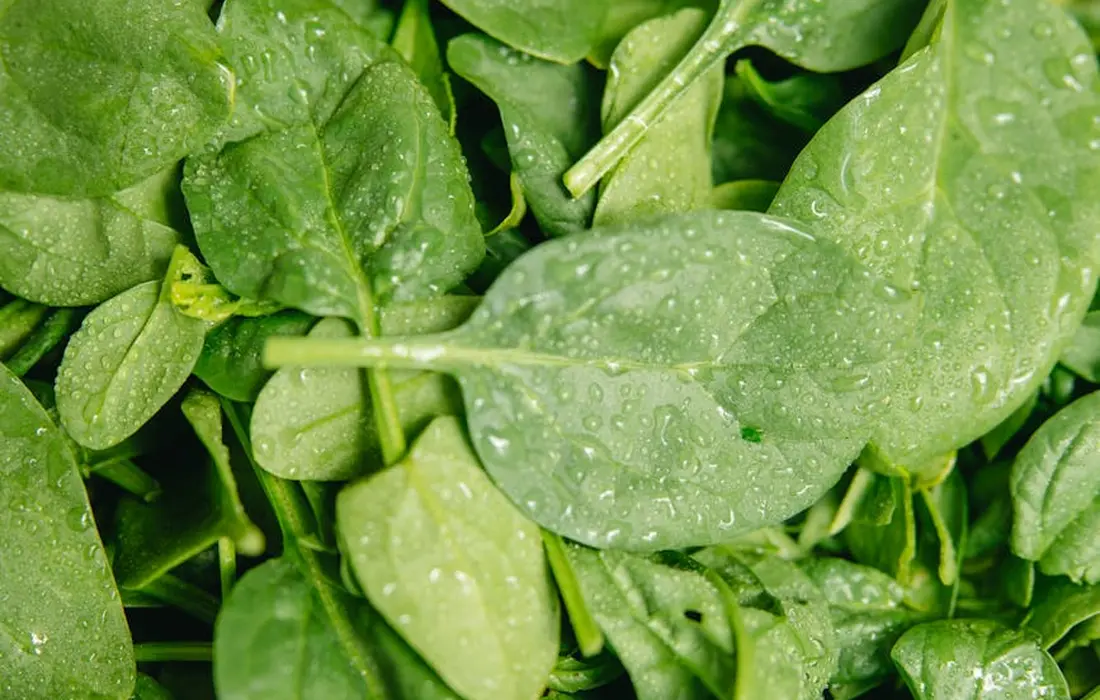
Now, I don’t want to scare you, but being a good steward means knowing what to watch for. Those oxalates I mentioned can, in rare cases, cause a fuss if a rabbit gets too many too often. It’s not about one big leaf of spinach, but a steady diet of high-oxalate greens stacking up over time.
Symptoms of Oxalate Overload or Digestive Distress
Your rabbits will tell you when something’s off, if you know their normal rhythms. Watch for any shift in their usual spark. A bunny feeling poorly from digestive upset or mineral imbalance might show you these signs:
- A noticeable drop in appetite or outright refusal of favorite foods.
- Smaller, misshapen, or fewer droppings than usual.
- Lethargy or hunched posture, like they’re guarding their belly.
- Drinking far more water than normal, which can sometimes be linked to bladder irritation.
The most common trouble you’ll see is a simple digestive slowdown from a rich food their gut wasn’t ready for, so always let their systems guide your offerings. I learned this the hard way years ago when I got overzealous with beet tops and spent an evening with a gassy, unhappy Dutch rabbit.
What to Do If Your Rabbit Eats Too Much Spinach
Don’t panic. First, remove any remaining spinach or other rich greens from the hutch. Your next steps are simple and effective:
- Provide unlimited, fresh, high-quality grass hay. Timothy or orchard grass is perfect. This is the best tool you have to get their digestion moving properly again.
- Ensure fresh water is always available to help their system flush through.
- Hold off on all other greens or treats for 24-48 hours, letting their gut reset with just hay and water.
- After the break, reintroduce greens slowly. Start with a single, familiar low-oxalate leaf like romaine.
If symptoms are severe or you see no improvement within 12 hours, a call to your veterinarian is the wisest and kindest course of action. It’s always better to err on the side of caution with our quiet critters.
Building a Balanced Green Diet: High and Low Oxalate Leafy Vegetables
Think of building your rabbit’s salad bowl like planning your garden rotation. You want variety, balance, and seasons of plenty. This prevents any one nutrient—or anti-nutrient like oxalate—from building up. When you’re selecting greens and veggies, especially for house rabbits eating diet beyond commercial pellets, it’s crucial to keep that diversity in mind.
Leafy Greens High in Oxalates to Feed With Caution
These are your “sometimes foods,” wonderful in moderation but not for daily plates. I treat them like a special garnish, given maybe once or twice a week at most, and always mixed with safer greens.
- Spinach (of course)
- Swiss Chard
- Beet Greens
- Parsley (a beloved herb, but higher in oxalates than most realize)
- Mustard Greens
Rotating these sparingly into a varied diet adds interest and different nutrients without letting oxalates accumulate. I might toss a single beet leaf into a big handful of romaine for my herd as a weekly treat.
Best Low-Oxalate Leafy Greens for Daily Rabbit Nutrition
This is your reliable crew, the backbone of the fresh food portion of their diet. You can feed these greens more liberally and frequently.
- Romaine Lettuce (the heartier the better)
- Green Leaf or Red Leaf Lettuce
- Bok Choy
- Cilantro
- Dill
- Basil
- The tops of radishes or carrots
- Spring Mix (without spinach)
Aim for at least three different types of these low-oxalate greens each time you feed to ensure a broad spectrum of vitamins and minerals. My rabbits’ daily evening feast usually consists of a handful of romaine, a few sprigs of cilantro, and a carrot top from the garden, and I’ve never had a health issue stem from that combination. For more on leafy greens that are safe for rabbits and recommended portion sizes, check the feeding guidelines.
The Nutritional Goodness of Greens in a Rabbit’s World
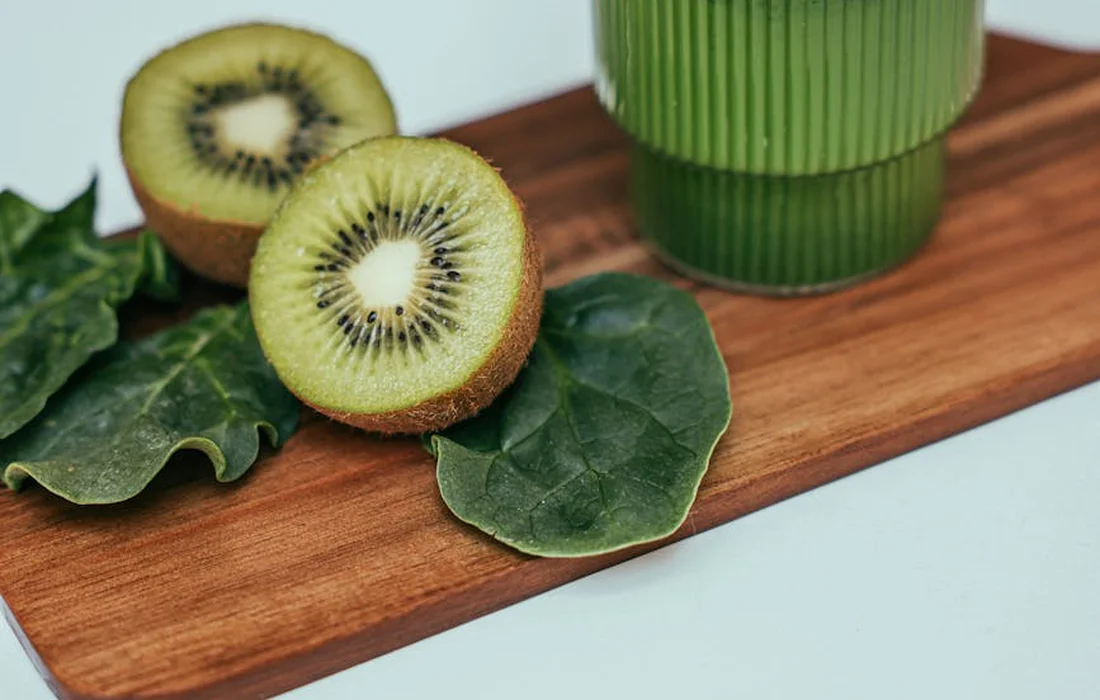
Now, in a rabbit’s world, think of fresh greens as their daily multivitamin, straight from the garden’s bounty. While that good grass hay forms the sturdy backbone of their diet-like biscuits and gravy to a farmer-these leafy offerings bring the color, the crunch, and the crucial micronutrients to the table. I’ve watched many a litter thrive when their menu includes a proper rotation of garden greens, which provide moisture, mental stimulation, and nutrients that hay alone can’t fully supply. Not all plants are created rabbit-safe. You have to be selective with what you forage from the garden, ensuring they’re both healthy and safe for your bunnies to munch on.
You’re not just tossing a leaf; you’re offering a complex bundle of vitamins like A and K, minerals like magnesium, and a heap of fiber that keeps their unique digestive tract moving smoothly. It’s about balance and knowing what each green brings to your rabbit’s feed bowl.
Benefits of Spinach and Other Leafy Vegetables
Let’s talk specifically about spinach, a green that causes more head-scratching than a hen in a dust bath. Spinach is packed with good things-it’s rich in vitamin A for eyesight, iron for blood health, and vitamin K for bone metabolism. From my own experience, a few spinach leaves once or twice a week can be a fine treat, adding variety without upsetting the cart. Chickens can enjoy spinach as part of their leafy greens rotation, but in moderation. Like other greens, it provides vitamins, yet its oxalate content means it shouldn’t be a staple in a flock’s diet. But here’s the barnyard truth: spinach is also high in oxalates, compounds that can bind to calcium and, if fed too liberally, might contribute to kidney or bladder issues over time.
Moderation is your best tool. I reckon you can offer about one to two large spinach leaves per two pounds of rabbit body weight, no more than twice weekly. Pair it with lower-oxalate greens to balance things out.
Beyond spinach, your garden holds other treasures. Here’s a quick list of some reliable leafy friends and what they offer:
- Romaine Lettuce: High in water content and fiber, it’s a gentle, low-oxalate staple. I always have some in the cooler for the bunnies.
- Kale (Curly or Lacinato): A nutritional powerhouse with calcium and antioxidants, but feed it sparingly-a few leaves per week-due to its calcium content.
- Bok Choy: A crunchy favorite that provides vitamin C and folate, and it’s lower in oxalates than spinach.
- Herb Tops: Think carrot tops, cilantro, and mint. These are fantastic for flavor and nutrients, and my rabbits hear the rustle of the cilantro bag from across the barn.
Rotating these greens ensures your rabbits get a spectrum of nutrients and prevents any single compound, like oxalates, from building up to problematic levels. It’s the same principle as crop rotation for the soil-diversity builds health.
Unsafe Greens to Avoid in Your Rabbit’s Feed Pail
Just as you wouldn’t let your chickens peck at oleander, some greens have no place in a rabbit’s meal. Being thrifty means using what you grow, but being a good steward means knowing what to never offer. I learned this lesson early when a well-meaning neighbor gave my bunnies trimmings from a toxic plant; it was a long night that taught me to always double-check.
Steer clear of these common offenders. When in doubt, leave it out.
| Green Name | Reason to Avoid |
|---|---|
| Iceberg Lettuce | It’s mostly water with little nutrition and contains lactucarium, which can cause diarrhea and digestive upset in rabbits. |
| Rhubarb Leaves | Extremely high in oxalic acid and outright toxic. Even a small amount can cause kidney failure. |
| Potato and Tomato Leaves/Vines | Part of the nightshade family, containing solanine, which is poisonous to many critters, including rabbits. |
| Onions, Garlic, Leeks | All members of the allium family can cause blood cell damage and lead to severe anemia in rabbits. |
| Head Lettuce (like Butterhead) | Similar to iceberg, it’s too watery and lacks the fiber rabbits need, potentially leading to loose stools. |
Always introduce any new green, even a safe one, in a tiny amount over several days to watch for soft stools. A rabbit’s gut flora is a delicate ecosystem, and sudden changes are the quickest way to throw it off balance. Your vigilance is the best feed supplement they have. For a practical feeding plan, see my domestic rabbit diet guide. It explains what to feed, portion sizes, and how to introduce changes safely.
Closing Tips on Spinach and Rabbit Safety
What is a safe portion of spinach for a rabbit?
A safe portion for an average-sized rabbit is one large leaf or two small leaves, fed no more than twice a week. Always mix this small amount with a generous serving of low-oxalate greens like romaine lettuce to balance the meal. Ensure that the rest of their diet is balanced and suitable for their specific needs. For dwarf breeds or rabbits with a history of bladder issues, it’s best to avoid spinach altogether.
Are there any benefits to feeding rabbits spinach?
Yes, spinach offers valuable nutrients like Vitamin A for eyesight and iron for blood health. When fed sparingly, it provides beneficial variety to your rabbit’s diet, which encourages a healthy appetite. However, these benefits are only realized when spinach is a rare treat, not a dietary staple.
How often can I feed my rabbit spinach?
Spinach should be considered an occasional treat, offered no more than once or twice per week. It is crucial to have several days between servings to prevent oxalates from accumulating. On other days, focus on a variety of safer, low-oxalate greens for their daily fresh food.
What other leafy greens are high in oxalates?
Besides spinach, you should also feed Swiss chard, beet greens, parsley, and mustard greens with the same caution. These are wonderful “sometimes foods” that add variety but should be rotated sparingly into the diet. Always pair them with a larger portion of low-oxalate greens to mitigate their impact.
How should I introduce spinach to my rabbit’s diet?
Start by offering a piece no larger than your thumbnail and monitor your rabbit closely for 24 hours. Watch for normal appetite and firm droppings to ensure they tolerate it well. Only after several successful, small introductions should you ever offer a full, single-leaf portion.
What should I do if my rabbit eats too much spinach?
Immediately remove all remaining greens and provide unlimited fresh hay and water to help their system process the overload. Monitor them closely for signs of digestive distress, such as a lack of appetite or smaller droppings. If symptoms appear severe or persist beyond 12 hours, contact your veterinarian promptly.
Shutting the Hutch Gate
When all’s said and done, feeding your rabbits right boils down to balance and knowing your greens. Always treat spinach like a occasional Sunday supper – a small, special offering – while making timothy hay the daily bread that keeps their digestion running smooth. From my own barnyard experience, watching those ears perk up for a varied plate is a sure sign of good stewardship.
I’m mighty grateful to share a bit of my pasture with y’all. There’s pure joy in watching your rabbits thrive on the careful care you provide. Now, go enjoy the simple rhythm of life with your critters. Happy homesteading, friends.
Further Reading & Sources
- r/Rabbits on Reddit: Foods High in Oxalates (kale, spinach, chard)
- Can rabbits eat spinach? | Yes, but beware of Oxalates! | rabbits.life
- Fresh Foods for Rabbits – House Rabbit Resource Network
Caroline Mae Turner is a lifelong farm girl raised on red clay, early mornings, and the sounds of a bustling barnyard. With hands-on experience caring for everything from stubborn goats to gentle dairy cows and mischievous pigs, Caroline shares practical, tried-and-true advice straight from the farm. Her goal is to help folks keep their animals healthy, well-fed, and living their best barnyard life. Whether you're wrangling chickens or bottle-feeding a baby goat, Caroline brings a warm Southern touch and plenty of real-world know-how to every bucket in the barn.
Diet Requirements