
Marigolds and Livestock Safety: Your Pasture Pest Control Solved
Published on: August 31, 2026 | Last Updated: August 31, 2026
Written By: Caroline Mae Turner
Howdy y’all. Common marigolds (from the Tagetes genus) are perfectly safe for cows, goats, and horses to eat, and planting them around your barnyard is a clever, natural way to shoo away flies and bugs. I’ve seeded them along my fence lines for years, and watching the cows amble past those golden blooms without a care is a sure sign you’re on the right track.
- Marigold seeds or starter plants (stick with Tagetes)
- A hoe or trowel for planting
- About an hour of your time
- Your usual keen eye for watching the herd
Let me break down the how and why for you, so you can get this sorted and get back to your other chores with peace of mind.
Marigold Varieties: Knowing Your Tagetes from Calendula
Y’all, when we say “marigold,” we’re often talking about two different plants that just share a name. Telling them apart is the first step in keeping your pasture safe.
Pot Marigold (Calendula officinalis)
This is the friendly herb, not the flashy flower. I keep a patch of Calendula near my back porch for homemade salves and a soothing tea. For livestock, Pot Marigold is generally considered safe and even beneficial in small amounts, unlike its ornamental cousins. Especially when it comes to rabbits, which can be quite picky.
You can identify Calendula by a few simple traits. It’s the one you want for a livestock-friendly garden.
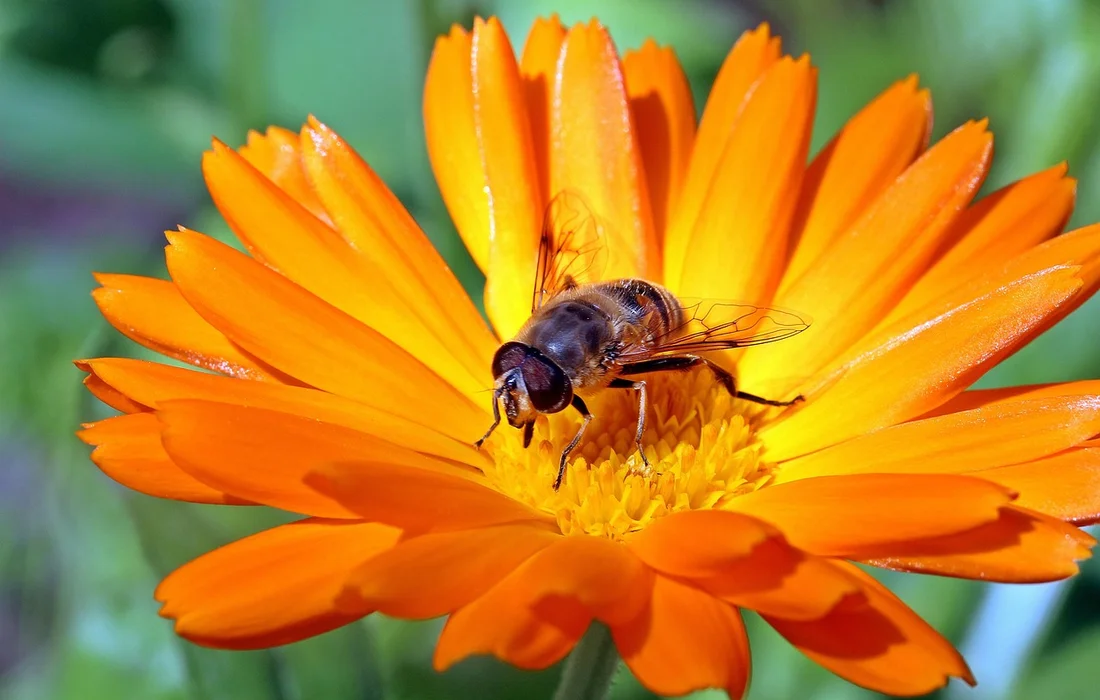
- Flowers: Sunny orange to bright yellow blooms with a layered, daisy-like appearance.
- Leaves: Pale green, slightly fuzzy, and feel a bit sticky when you rub them.
- Scent: The leaves have a mild, herbal fragrance, not a sharp, pungent one.
- Seeds: They’re curved and brown, often called “cattle ticks” or “fairies’ boats.”
I’ve dried the petals for chicken feed to enrich yolk color, and the goats have taken the occasional curious bite without any ill effect—unlike some goat heads and cockleburs that can be harmful.
French and African Marigolds (Tagetes patula and Tagetes erecta)
These are the vibrant, pungent flowers you see lining vegetable gardens. They’re excellent for pest control but are the main varieties that raise red flags for animal health. The essential oils in Tagetes species are what can cause digestive upset or skin issues if your livestock decide to make a meal of them.
Here’s a quick reference table to help you distinguish these two common ornamentals.
| Trait | French Marigold (Tagetes patula) | African Marigold (Tagetes erecta) |
|---|---|---|
| Typical Height | 6 to 12 inches tall | 1 to 4 feet tall |
| Flower Color & Form | Smaller, often bicolor red, orange, or yellow; single or double blooms. | Large, pom-pom style flowers in solid yellow, gold, or orange. |
| Growing Habit | Low, spreading, and bushy; perfect for garden edges. | Tall, upright, and more formal in clumps. |
Both types contain the compounds of concern, so if you see these in your landscape, be mindful of their placement relative to animal areas.
Assessing Toxicity and Ingestion Risks for Livestock
Understanding Plant Toxicity and Livestock Safety
In the barnyard, “toxic” rarely means “instantly deadly.” It’s usually about how much is eaten. Think of it like this: a single bite of a bitter plant is often a taste test, but a whole mouthful is a problem, especially when it comes to toxic plants and weeds for pigs.
Several factors stack together to determine the real risk to your animal. Consider these points in order.
- Animal Species: A cow’s four-chambered stomach processes things differently than a horse’s single stomach.
- Plant Part Consumed: Flowers and young leaves typically have stronger concentrations of oils than older stems.
- Amount Eaten: This is the biggest factor. Grazing a few blossoms is not the same as clearing a flower bed.
- Animal’s Overall Health: A young, old, or already sick animal will have a lower tolerance for any dietary upset.
Species-Specific Risk Assessment: Cows, Goats, and Horses
Each critter has its own way of interacting with the world, and that includes the plants they eat. Let’s walk through what to expect with each.
Cows
Cows are selective grazers, but boredom or sparse pasture can lead them to sample ornamentals. A cow would need to consume a relatively large amount of Tagetes marigolds-several pounds of plant material-to show clear signs of distress. For practical herd management, a quick guide on which plants are safe or toxic for cattle can help prevent such risks. A reliable safe-toxic plant guide for cattle can be a valuable reference when planning pastures and ornamental plantings.
- Known Reactions: Mild to moderate digestive irritation, which might look like off-feed behavior, drooling, or slight bloat.
- Risk Level: Generally low due to the large volume needed, but not zero. Fence off garden areas from pastures.
- Key Fact: The rumen can break down many compounds, but a sudden large dose of essential oils can disrupt its delicate balance.
Goats
Goats are browsers, not grazers, and they love to taste-test everything. I’ve spent hours watching my herd pick through the brush. My old goat, Jasper, taught me that they’ll often take a single bite of a pungent plant like a Tagetes marigold and then move on, effectively self-regulating. That same instinct shows up when they encounter common weeds and leaves while foraging. They sample selectively, moving on before overdoing it, which helps explain their distinctive foraging behavior and diet.
- Known Reactions: Similar to cows-possible gut upset if a large quantity is consumed. Skin contact is rarely an issue for goats.
- Risk Level: Moderate, but mainly because goats are more likely to investigate the plant. They usually reject it after the first taste.
- Key Fact: Their browsing behavior is a natural risk management system. Trust their instincts, but don’t give them unlimited access.
Horses
Horses have the most sensitive system of the three when it comes to unusual plants. For equines, the primary concern with Tagetes marigolds is the potential for photosensitization, where the skin becomes overly sensitive to sunlight after ingestion.
- Known Reactions: Digestive discomfort or colic-like signs from eating plants. White or pink skin areas may become inflamed and sunburned if photosensitization occurs.
- Risk Level: Higher than for ruminants. It’s best to assume no Tagetes is safe in a horse’s paddock or pasture.
- Key Fact: The risk is dose-dependent, but because horses can be delicate, the safest practice is complete avoidance.
Barnyard Benefits: How Marigolds Can Support Animal Health
Natural Parasite Control and Digestive Aid
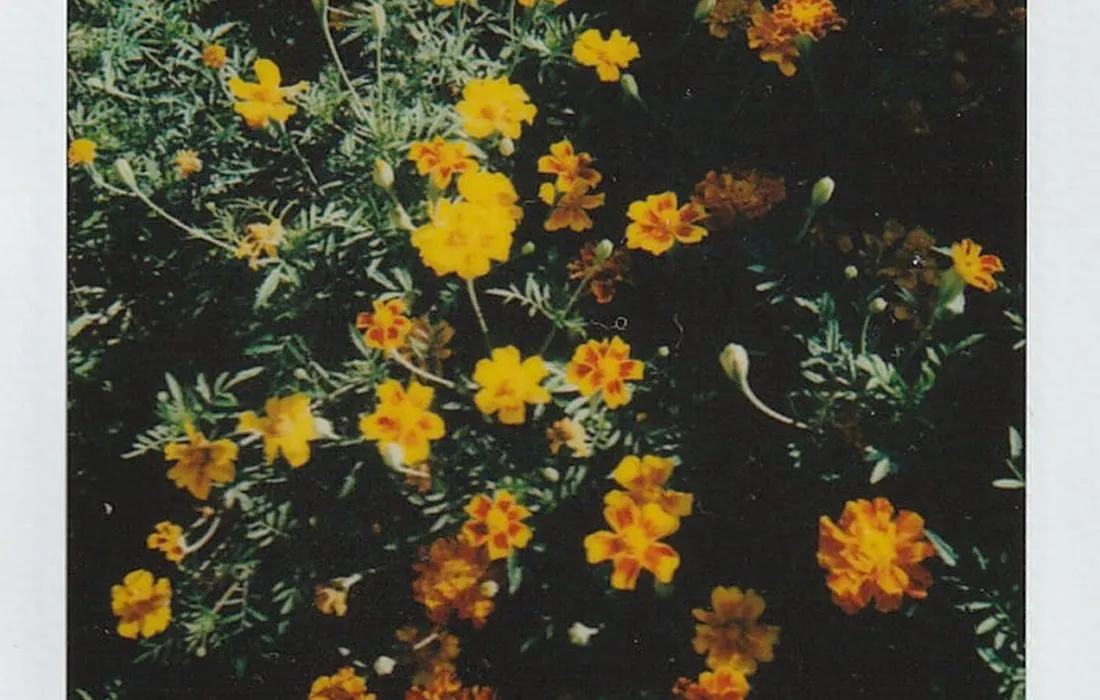
Now, I’ve kept goats for nigh on thirty years, and I reckon one of the best surprises I ever found in my garden was how those cheerful marigolds helped my herd. Beyond just prettying up the place, these flowers contain powerful compounds like lutein. This isn’t just about color; lutein and other antioxidants in the petals can gently discourage certain internal worms and soothe a troubled gut. Adding marigolds to your routine is a thrifty, natural way to support your animals’ defenses from the inside out.
You won’t find much protein in marigolds, and that’s perfectly fine-this isn’t about bulking them up. It’s about health support. I dry my own blooms every summer to make a simple herb mix for my goats and sheep through the colder months.
Here’s my step-by-step method for creating a dried herb supplement mix for small ruminants:
- Harvest fully open marigold flowers in the morning, after the dew has dried. Use only known safe varieties, like pot marigold (Calendula officinalis).
- Spread the flower heads on a screen or rack in a warm, dark, airy place until they are crisp-dry. This usually takes about a week.
- Crumble the dried petals by hand, removing any tough stems. You can mix them with other gentle, supportive herbs like dried peppermint or rosemary leaves.
- Store your mix in a sealed glass jar away from light to preserve its potency.
- Start by offering just one teaspoon of the crumbled petals mixed thoroughly into their regular grain ration for a standard-sized goat. For sheep, a slightly larger pinch will do.
Skin and Hoof Care Applications
When we talk about skin care, it’s the calendula that truly shines. I’ve used it for everything from nicks on my horse’s leg to dry patches on a cow’s udder. Calendula promotes healing and has a gentle, soothing nature that critters tolerate well. Keeping a jar of calendula salve in your tack box or barn first-aid kit is a mark of a prepared steward.
Making your own salve is simple and cost-effective. Here’s my go-to recipe for a topical oil to address minor horse skin problems like scrapes or dry skin.
You’ll need:
- 1 cup dried calendula (marigold) flowers
- 1 cup carrier oil (like olive oil or almond oil)
- 1 ounce beeswax pastilles
- A clean glass jar for infusion
- A small saucepan
- Cheesecloth for straining
- Salve tins or small jars for storage
Follow these steps:
- Place the dried flowers in the glass jar and cover them completely with your carrier oil. Seal the jar tightly.
- Let the jar sit in a warm, sunny window for 4-6 weeks, giving it a gentle shake every few days. This slowly draws out the healing properties.
- After infusion, strain the oil through cheesecloth into a saucepan, squeezing out every last drop.
- Warm the oil on low heat and stir in the beeswax pastilles until fully melted.
- Carefully pour the liquid into your salve tins and let it cool completely until solid.
Practical Feeding Methods and Pasture Management
Safely Introducing Marigolds as Forage or Supplement
Even with something beneficial, you must never rush a new food into your animal’s diet. Their digestive systems are sensitive, and a cautious approach shows respect for their well-being. I learned this lesson early when a too-eager introduction of new greens gave my old ewe a case of the scours. Patience during introduction is the cornerstone of safe, effective herbal supplementation.
Follow this protocol when offering marigolds for the first time:
- Begin with a tiny amount. For a horse or cow, this might be two or three fresh flower heads. For a goat, start with just half of one.
- Offer this small sample mixed intimately with their most familiar and beloved feed to encourage investigation.
- Observe the animal closely for the next 24 hours. Look for any signs of disinterest, upset stomach, or allergic reaction.
- If all is well after a day, you can very gradually increase the amount over the next week, but never force consumption if they refuse.
- Once accepted, you can establish a small, regular supplement, like a handful of dried petals in feed a few times a week.
Preventing Hay Contamination and Pasture Safety
The biggest risk with marigolds often isn’t the plant itself, but not knowing which plant you’re dealing with. Ornamental marigolds from the garden center might be treated with pesticides or be a different species altogether. Vigilance in your pastures and hay sources prevents more problems than any remedy can fix. I make it a habit to walk my fence lines every Sunday after church, just to see what’s cropping up, especially when it comes to flowers that could be harmful to cattle.
Implement these management practices to keep your grazing areas safe:
- Conduct regular visual checks along pasture fences and in paddocks for any volunteer plants that have seeded from garden areas.
- Learn to positively identify safe, animal-friendly marigold varieties versus potentially toxic ornamentals. When in doubt, pull it out.
- Never toss garden trimmings, especially from ornamental flower beds, over the fence as a “treat.” Compost them in a secured bin away from animals instead.
- When buying hay, ask your farmer about their field management and if they spray for broadleaf plants that could include toxic look-alikes.
Growing Marigolds for Homestead Use
Selecting and Cultivating the Right Varieties
Y’all, not all marigolds are created equal when it comes to sharing your space with livestock. For peace of mind and animal safety, I plant only Calendula officinalis, the true pot marigold, because it’s reliably non-toxic for cows, goats, and horses. I steer clear of the flashy Tagetes varieties like French or African marigolds for animal areas, as they can irritate delicate digestive tracts if browsed heavily, unlike some holiday plants that are outright toxic.
Guidance: Recommend specific, non-toxic calendula for animal use. Use a bullet list of planting tips: soil type, sun exposure, spacing in square feet per plant.
Calendula is a forgiving plant, but giving it a good start means more blooms for you and your critters. I’ve had the best luck with simple, well-tended soil and plenty of sunshine, just like my grandma taught me. Here’s how to get your patch going:
- Soil Type: Aim for average, well-drained garden soil. It doesn’t need to be rich, but if your dirt is pure clay or sand, work in a few inches of compost to improve texture and fertility.
- Sun Exposure: These flowers crave full sun. Plant them where they’ll get a solid 6 to 8 hours of direct light daily for the strongest growth and most vibrant petals.
- Spacing: Provide each plant about 1 square foot of room. I space mine 10 to 12 inches apart in rows or blocks, which prevents crowding and encourages good air flow to ward off fungal issues.
Harvesting and Preserving for Year-Round Use
The magic of calendula isn’t just in its growth but in how you capture its goodness after the harvest. I pick flowers at their peak, when the petals are wide open and the morning dew has just burned off, for the highest concentration of beneficial compounds. You can gather leaves sparingly throughout the season, too.
Guidance: Detail when and how to cut flowers and leaves. Provide a step-by-step guide for drying and storing in a cool, dark place to maintain potency.
Drying your own calendula is a thrifty homestead skill that pays off all year long. Proper preservation keeps the color and healing properties intact, so you’ll have quality petals for salves, teas, or occasional animal treats come winter. Follow this reliable method I use in my own barn:
- Cut: Use clean shears to snip flower heads right at the base of the stem. For leaves, choose healthy, green ones from the top of the plant. I do this in the late morning for ideal dryness.
- Prepare: Gently remove any visible debris or insects. I avoid washing unless absolutely necessary; if you must rinse, spread the pieces on a towel and pat them completely dry immediately.
- Dry: Lay the flowers and leaves in a single layer on a window screen or rack. Place them in a warm, dark, and airy spot-my tool shed loft is perfect. Stir or flip them every day or two to ensure even drying.
- Store: Once the pieces are crisp and brittle (usually 7 to 14 days), transfer them to airtight containers like mason jars. Store these jars in a cool, dark cupboard or pantry, where they will maintain their potency for up to 12 months.
Integrating Marigolds into a Holistic Farm Plan

Companion Planting for Pasture and Garden Health
Think of calendula as a friendly neighbor that helps keep the peace in your garden and around your pastures. Planting them as a living border creates a subtle barrier that can discourage root-knot nematodes and repel certain beetles and flies, all without a drop of spray. I use them to edge my vegetable plots and have noticed fewer pests bothering my beans and squash.
Guidance: Explain using marigolds as a border plant to deter certain pests. Use a bullet list of compatible crops and livestock areas, emphasizing they are not a primary forage crop.
It’s vital to remember that marigolds are a supplement, not supper. While a curious goat might take a taste, these flowers should never displace the core diet of quality hay, pasture, or balanced feed for any livestock. Here are some practical ways to weave them into your farm tapestry, especially when feeding flowers to goats:
- Compatible Crops: Interplant with tomatoes, cucumbers, and asparagus. Calendula’s roots exude compounds that can suppress bad nematodes in the soil, and their blooms attract pollinators.
- Livestock Areas: Sow seeds around the perimeter of your chicken coop or pig pen. The plants can help deter insects, and the birds might peck at fallen petals, but they’re primarily there for pest management.
- Pasture Borders: Establish a row along fence lines. This beautifies the space and may help minimize flying insects near your grazing animals without competing with their primary grass forage.
When to Seek Veterinary Guidance
Even with the safest plants, we must be watchful stewards. Accidents can happen if an animal breaks into a garden with toxic marigold varieties or overindulges on any plant material, so knowing the warning signs is part of responsible husbandry. I always keep my vet’s number on speed dial, just in case. Marigolds, in particular, require caution — especially when it comes to rabbits.
Guidance: List clear symptoms of plant toxicity symptoms requiring immediate action: colic in horses, severe diarrhea, or lethargy. Emphasize having local poison control information handy.
If you see any of these symptoms, don’t wait-reach out for professional help right away. Swift action is critical when dealing with potential plant poisoning, as conditions like colic or dehydration can turn dangerous fast. Be on the lookout for these red flags:
- Colic in Horses: Signs include frequent pawing, looking at the flank, rolling, or an absence of gut sounds. This is a dire emergency that demands an immediate veterinary call.
- Severe Diarrhea: Watery, profuse stool in cows or goats, especially if it’s accompanied by weakness or a drop in milk production, signals severe digestive distress.
- Lethargy: An animal that is unusually dull, lies down excessively, or shows no interest in food or water when the herd is active needs prompt attention.
Post the number for your local veterinarian and the ASPCA Animal Poison Control Center (888-426-4435) in your barn. Having that information visible and accessible can save precious minutes in a crisis, and that’s a homestead habit that’s truly priceless.
Closing Tips for Safe Marigold Use
Can my chickens or pigs eat marigolds?
Yes, chickens and pigs can safely consume non-toxic marigold varieties like Calendula officinalis. The petals are a great source of antioxidants for chickens, often enhancing yolk color, and pigs may enjoy them as a supplemental treat. Chickens can eat marigolds safely.
Are dried marigold petals safer for my animals than fresh ones?
Drying does not make a toxic plant safe, but properly dried petals from safe Calendula plants are an excellent way to preserve their beneficial properties for year-round use. The concentration of compounds remains, so always introduce any form, dried or fresh, slowly and in small amounts.
What are the first subtle signs I should watch for if my animal samples the wrong marigold?
Before severe symptoms appear, watch for a sudden disinterest in food, unusual quietness, or excessive drooling. Any change from normal behavior following exposure to an unknown plant is a cue to monitor closely and remove access immediately.
Where is the best place to buy marigold seeds that are guaranteed safe for my livestock?
Always purchase seeds from reputable herb or medicinal plant seed companies that clearly label their products as *Calendula officinalis* (Pot Marigold). Avoid generic “marigold” seed mixes from ornamental flower racks, as they often contain Tagetes species.
Is it effective to just use a calendula salve instead of growing the plants?
Using a salve is perfect for targeted skin and hoof care, but it doesn’t provide the internal digestive or pest-repelling benefits of consuming or growing the plant. For a holistic approach, consider both topical salves for wounds and growing the plants for environmental pest management.
Do marigolds lose their pest-repelling properties after a frost?
Yes, a hard frost will kill annual marigold plants, ending their active pest-deterrent effect for the season. This is why harvesting and drying the blooms in late summer is key to preserving their beneficial compounds for other uses throughout the year.
Shuttin’ the Gate
When all is said and done, the best tool in your husbandry shed ain’t a fancy supplement or a newfangled gadget-it’s your own watchful eye. Payin’ close attention to how your cows, goats, and horses act around any new plant, including cheerful marigolds, is the cornerstone of good stewardship. Trust that gut feelin’ you get watchin’ your herd. If somethin’ seems off, it probably is.
I reckon there’s a deep satisfaction in seein’ your animals content on a green pasture, with the sun warmin’ their backs and not a worry in the world. That’s the peace we’re all workin’ for. So here’s to your healthy herds, your bountiful gardens, and the simple, good life you’re buildin’ every day. Y’all take care out there, and enjoy the view from your porch. We’ll see you back down in the pasture.
Further Reading & Sources
- Magical Repelling Powers of Marigolds – Myth or Fact? – Piedmont Master Gardeners
- Marigold Plants And Pests: How Do Marigolds Help A Garden | Gardening Know How
- How to Use Marigolds for Pest Control | Gardener’s Path
Caroline Mae Turner is a lifelong farm girl raised on red clay, early mornings, and the sounds of a bustling barnyard. With hands-on experience caring for everything from stubborn goats to gentle dairy cows and mischievous pigs, Caroline shares practical, tried-and-true advice straight from the farm. Her goal is to help folks keep their animals healthy, well-fed, and living their best barnyard life. Whether you're wrangling chickens or bottle-feeding a baby goat, Caroline brings a warm Southern touch and plenty of real-world know-how to every bucket in the barn.
Herbal Supplements