
Keep Your Rabbits Fit: Practical Prevention and Management of Rabbit Obesity
Published on: August 29, 2026 | Last Updated: August 29, 2026
Written By: Caroline Mae Turner
Howdy y’all. The farmer’s fix for a pudgy rabbit is a simple two-part rule: measured pellets and unlimited grass hay, paired with daily space to run. I’ve spent many an evening worrying over a doe that turned into a fluffy loaf, only to see her health and my wallet suffer. Portion control from the start is the cheapest and kindest medicine you can give.
- What you’ll need:
- A good kitchen scale to track weight
- A dedicated measuring cup for pellets
- A sturdy hay rack that makes ’em work for it
- Five minutes each day for a visual once-over
We’ll get your herd trimmed down and thriving, so you can move on to the garden with peace of mind.
Why a Fluffy Bunny Isn’t Always a Healthy Bunny
We’re conditioned to think a plump animal is a content one, but with rabbits, that extra padding is a silent alarm. I’ve learned this the hard way, watching a favorite doe named Jolene become sluggish and disinterested in her favorite tunnels. That cuddly roundness isn’t just stored energy; it’s a metabolic burden that strains every system in their compact bodies. An overweight rabbit faces a higher risk of sore hocks, heart and liver disease, and a crippling condition called hepatic lipidosis if they stop eating suddenly.
How to Spot an Overweight Rabbit
You can’t trust your eyes alone through all that fur. Your hands are your best diagnostic tool. Perform this check every couple of weeks when you’re having a calm petting session.
- The Rib Test: Run your hands along their sides. You should feel their ribs with a slight fat covering, like the back of your hand. If you have to press to find them, that’s a problem.
- The Hip and Spine Check: Feel along their backbone and hip bones. These should be palpable, not buried under a thick, soft layer. A pronounced dip before the hips is a warning sign.
- The Dewlap Dilemma: In does, a large dewlap (that fold of skin under the chin) can become a hygiene issue, trapping moisture and food. While some is normal, one that impedes grooming or eating is too big.
- Profile View: Look at your rabbit from above. You should see a gentle curve in from their ribs to their hips. A rectangular or oval shape means they’re carrying extra weight.
- Behavioral Clues: They might struggle to groom their hindquarters, leading to a messy bottom. You’ll also see less hopping, binkying, and more lounging.
Building a Preventative Diet: It’s More Than Just Pellets
Preventing obesity is cheaper and kinder than treating it. Forget fancy supplements; the foundation is proper proportions of simple ingredients. The most common mistake I see is treating a high-quality pellet as the main course, when it’s really just a side dish. Let’s rebuild that feeding strategy from the ground up.
The Hay-First Forage Philosophy
Unlimited, fresh hay isn’t just food; it’s digestive insurance, dental care, and behavioral enrichment all in one. Their gut needs constant fiber to move, and their ever-growing teeth require the grinding action of long stalks.
- Type Matters: For adult maintenance, grass hays like Timothy, Orchard, or Meadow are perfect. Reserve richer alfalfa hay for kits, pregnant/nursing does, or underweight seniors.
- Presentation is Key: Use a large, clean hay rack that doesn’t frustrate them. I also scatter handfuls in their litter box and around their pen to encourage natural foraging behavior.
- Quality Control: It should smell sweet and grassy, not dusty or moldy. Buy the best you can afford; poor hay leads to poor health, which costs more in the long run.
Hay should constitute about 80-90% of what your rabbit consumes daily, and it’s the one thing you truly cannot overfeed. This simple shift solves most weight issues before they start. For precise daily amounts, see our hay consumption guide. It helps support digestion and dental health.
Smart Supplementation: Pellets and Greens
Pellets are a concentrated nutrient source, not bulk feed. Think of them as a daily vitamin, not kibble.
- Measure by Weight, Not Volume: A “quarter cup” means nothing if the pellets are different densities. Use a kitchen scale. For a healthy, average-sized (6 lb) adult rabbit, start with no more than 1/8 cup (about 2 tablespoons) of plain Timothy-based pellets per day. That’s roughly an ounce by weight.
- Decode the Bag: Look for a protein level between 14-16% for adult maintenance, and a fiber content over 18%. Avoid mixes with colorful bits, seeds, or corn; they’re junk food.
Fresh greens are their daily salad, providing moisture, vitamins, and variety.
- Introduce Slowly: A new green can upset a delicate gut. Offer one new type at a time, in a small piece.
- Safe Staples: Romaine, green leaf lettuce, cilantro, parsley, dandelion greens (unsprayed), and the tops of carrots or radishes are excellent daily options.
- Portion Guide: Offer about one packed cup of greens per 2 pounds of body weight daily. I split this into a morning and evening serving to keep them engaged.
The golden rule is this: if the hay isn’t being eaten first and foremost, you are feeding too many pellets or greens. Adjust their supplements down until that hay rack starts looking emptier each day. Their waistline-and their vitality-will thank you for it. Think in terms of fresh food ratios for rabbits—hay first, then veggies and a measured amount of pellets, with limited treats. Mastering these ratios keeps hay central and supports digestion and overall health.
Managing Weight and Encouraging Bunny Fitness
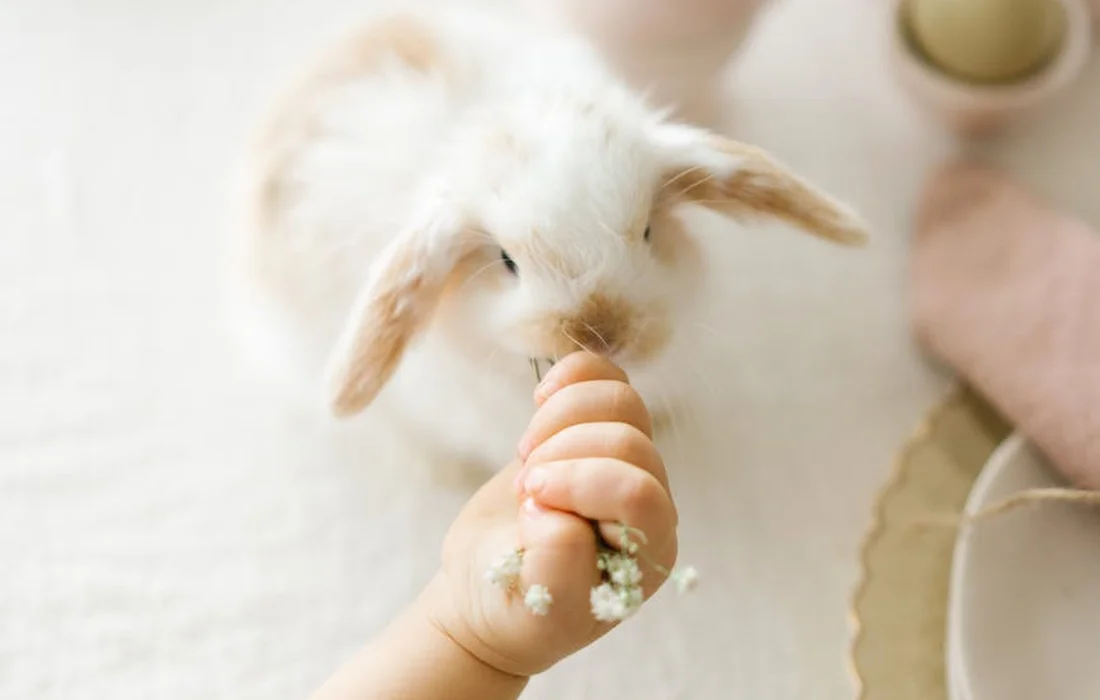
Helping a rabbit trim down requires a gentle hand and a watchful eye. You can’t just slash their rations overnight. A drastic cut can send their delicate gut into a dangerous standstill, a condition we call GI stasis. It’s a frightening thing to witness, and I’ve sat through more than one long night with a bunny in distress. The goal is steady, sustainable weight loss, not a crash diet that puts their whole system at risk. Knowing how to prevent GI stasis and other digestive problems is crucial for any rabbit owner.
Creating a Safe Weight Loss Plan
Think of this as a three-pronged approach: measure, modify, and monitor. It’s the same principle I use when getting my breeding stock into peak condition.
- Measure the Baseline: Use a kitchen scale weekly. For larger breeds, a postal scale works wonders. Write it down. Without a number, you’re just guessing.
- Modify the Feed: This is where most folks go wrong. Don’t just give less of the same pellet. Switch to a higher-fiber, lower-calorie option. Look for a timothy-based pellet with at least 18% fiber and no more than 14% protein for an adult, non-breeding rabbit. The key is to reduce pellets gradually while increasing hay.
- Monitor the Output: Those hay-filled droppings are your report card. They should be large, golden, and plentiful. Small, hard, or misshapen pellets mean you’re moving too fast. Slow down and add more hay back in.
Aim for a weight loss of no more than 1-3% of their body weight per week. For a 10-pound rabbit, that’s just 1.5 to 4.5 ounces. Patience here is the ultimate act of kindness, ensuring their digestive health stays on track while the extra pounds melt away.
Turning Your Hutch into a Gym
Movement is the other half of the equation. A rabbit in a small cage is like a person stuck in a closet-nowhere to go, nothing to do but eat. We have to get clever with their space.
- Forage, Don’t Just Feed: Scatter their daily pellets and greens throughout a large area, or hide them in cardboard tubes stuffed with hay. This turns mealtime into a hunting expedition, engaging their mind and body.
- Create a Bunny Cardio Circuit: Use concrete blocks, untreated wooden ramps, and large cardboard boxes with multiple holes to create a playground. I’ve used an old, shallow cupboard laid on its back to make a tunnel system my rabbits adore.
- Supervised Free-Roam Time: Even 30 minutes a day in a rabbit-proofed room or a secure outdoor pen (with shade and protection) works wonders. They’ll run, hop, and explore, working muscles a hutch never could.
Remember, variety is key. Rotate their toys and rearrange their gym every few days to keep them curious. A bored rabbit is a sedentary rabbit, and an active mind is the best trainer for a healthy body.
The Real Cost of Rabbit Obesity: Your Wallet and Their Wellbeing
Folks often see a plump bunny as a happy one, but that extra padding is a debt that comes due with steep interest. The price is paid in their comfort, their lifespan, and your savings account. I’ve seen the bills, and I’ve felt the heartache-it’s a cost no good steward wants to bear.
Veterinary Bills and Specialized Care
A rabbit vet visit isn’t like a dog or cat checkup. It’s a specialized field, and emergencies are complex. An overweight rabbit is a ticking clock for several expensive conditions.
- Sore Hock (Pododermatitis): Excess weight presses delicate foot bones against the cage floor, causing painful ulcers that get infected. Treatment involves weeks of antibiotics, pain meds, and special bedding, easily running into the hundreds.
- GI Stasis Surgery: When obesity and poor diet halt the gut, surgery is sometimes the last resort to remove a blockage. This is a major procedure costing upwards of $1,500, with no guarantee of survival.
- Chronic Medication: Arthritis from joint stress requires daily pain management. Liver disease from fatty deposits needs ongoing support. These pharmacy bills become a permanent line item in your budget.
Preventing these issues through weight management is, without a doubt, the most profound financial and ethical investment you can make in your rabbit’s life.
The Feed Bucket Math: Calculating Your Savings
Let’s talk straight numbers from the feed store. This is where prevention puts money right back in your pocket.
| Item | Overweight Rabbit (Cost) | Managed Weight Rabbit (Savings) |
|---|---|---|
| Pellets | ½ cup+ daily of high-calorie feed | ¼ cup of high-fiber feed; uses 50% less |
| Hay | Maybe eaten, often wasted | Eagerly consumed, less waste, better gut health |
| Treats | Store-bought, sugary snacks add up | Replaced with forage (dandelion, apple twigs) from your land |
| Long-Term | $2,000+ potential vet bills | Invested in better housing or more acreage instead |
Feeding a proper diet to a healthy-weight rabbit isn’t an expense; it’s a drastic reduction in your overall cost of care. That hay they should be eating is far cheaper, pound for pound, than any pellet bag or pharmacy bill, and it’s the very tool that keeps them out of the vet’s office. That said, our ultimate guide on hay for rabbits covers hay types and benefits. It also shares feeding tips. Spend your money on quality hay and good infrastructure, not on medical crises you can see coming a mile away.
Daily Routines for a Lifelong Healthy Weight
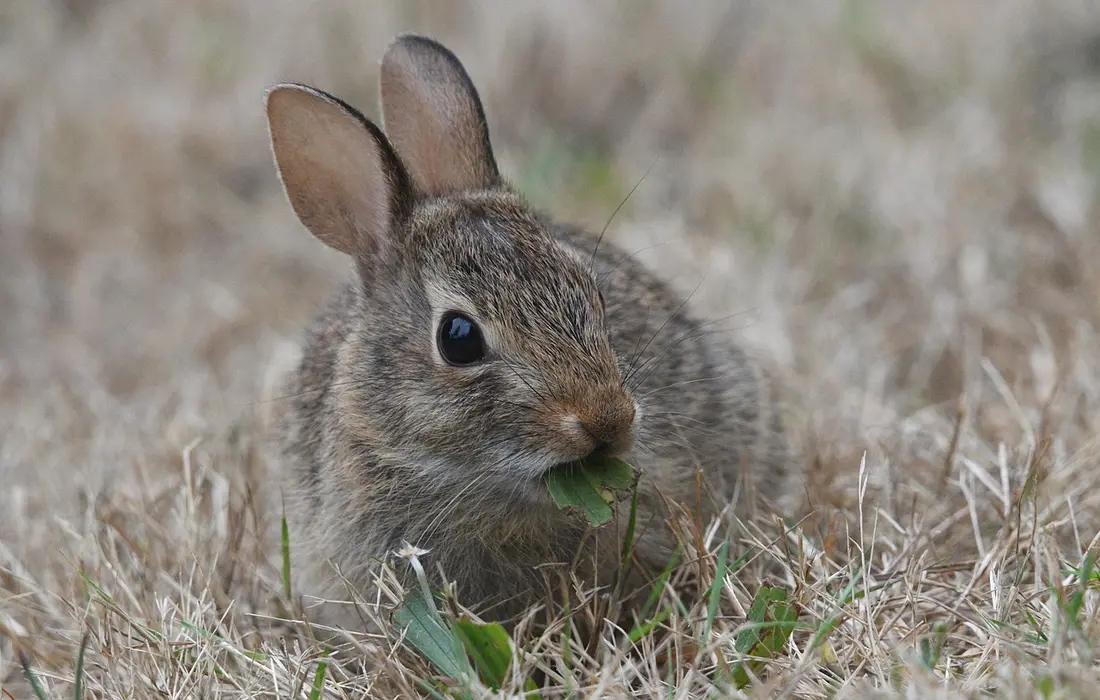
Managing a rabbit’s figure is a daily commitment, y’all, much like milking the cows or collecting eggs-skip a day, and things get out of hand. I build healthy weight into the rhythm of the farm day, starting with a dawn feeding and an evening check, a routine that’s served my herd for thirty years. Wild rabbits keep a looser, forage-driven rhythm. On a farm, timing becomes a tool to support digestion and daily energy. My old New Zealand buck, Jasper, taught me that consistency beats any fad diet.
Their main course should always be unlimited, quality grass hay-timothy for adults, alfalfa only for kits or nursing does. I measure pellets with an iron fist, a mere 1/4 cup per five pounds of bunny, and choose a brand with at least 18% fiber and no more than 14% protein to keep growth steady, not speedy. Greens are a side dish, not the main event, about a handful per day to avoid digestive upset. This careful selection is especially important when switching between different types of hay for their nutritional impact.
Exercise ain’t optional; it’s prescribed. I aim for a minimum of three hours daily in a pasture run or a predator-proof pen, giving them at least 24 square feet per rabbit to sprint, dig, and explore. On rainy days, I pile hay in their enclosure with treats hidden inside to make them forage and move.
Your Daily and Weekly Husbandry Checklist
This checklist is my barn bible, scratched on a board by the door, to keep my care on track and my rabbits fit. Following it takes the worry out of husbandry and puts the joy back in, letting you spot a subtle change before it becomes a crisis.
- Daily Duties (Each Morning & Evening):
- Swap out water bowls for fresh, clean water; a dehydrated rabbit eats less hay.
- Refill hay racks to overflowing-the good stuff should never run out.
- Dole out the precise pellet portion in a heavy ceramic dish to prevent tipping.
- Observe activity for a full five minutes; a lazy bunny is a red flag.
- Feel for round, firm droppings in the litter box; misshapen ones mean diet trouble.
- Weekly Wellness Tasks (Every Saturday for me):
- Weigh each rabbit using a basket on a digital scale; log the number to see trends.
- Perform a hands-on body condition score: ribs should feel like the back of your hand, not your palm or knuckles.
- Completely strip and clean the hutch, scrubbing with vinegar to discourage boredom chewing on soiled wood.
- Inspect the exercise area for safety and add new enrichment like applewood sticks or a cardboard tunnel.
- Audit the feed storage for any signs of moisture or pests that could spoil their rations.
When to Call the Vet: Beyond the Scale
The scale tells one story, but a rabbit’s eyes and habits tell the whole novel. If your meticulous care isn’t reflected in their condition, it’s time to seek a professional opinion, not just cut more feed. I once had a doe whose weight gain was actually early signs of arthritis, making her move less.
Don’t wait for the scale to scream; call your vet if you notice any of these signs:
- A sudden, unexplained drop in appetite or water intake, even if weight is high.
- Wet, matted fur under the chin or on the chest, indicating they can’t properly groom a bulky body.
- Persistent, pasty droppings stuck to their fur, a sign of gut slowdown often linked to obesity.
- Heavy, audible breathing or panting after minimal movement in cool temperatures.
- Reluctance to hop onto a familiar low platform or a noticeable, waddling gait.
A yearly wellness exam should include a dental check and a chat about body condition, as overgrown teeth can stem from not chewing enough fibrous hay due to overfeeding pellets. This proactive visit is far cheaper than treating metabolic disease or mobility surgery later on.
Closing Questions
How can I adjust my rabbit’s diet as they age to prevent obesity?
Transition kits from alfalfa to grass hay after six months, and reduce pellet portions for seniors due to lower metabolism. Regularly assess body condition and consult a vet for tailored plans to avoid age-related weight gain. Also, consider the type of hay best suited for your rabbit’s age and health.
What are safe treat alternatives to prevent weight gain?
Opt for low-calorie, natural options like pesticide-free dandelion greens or chewable applewood sticks from your farm. These mimic wild foraging, providing mental stimulation without the empty calories of processed snacks.
My rabbit is overweight but refuses to exercise. What should I do?
First, rule out pain or illness with a vet check, as conditions like arthritis can limit movement. Then, incentivize activity by scattering feed in their enclosure or introducing novel, safe obstacles to spark curiosity.
How do I manage feeding in a multi-rabbit setup to prevent dominant rabbits from overeating?
Use separate feeding stations or supervised meal times to ensure each rabbit receives their measured portion. This prevents food bullying and allows you to monitor individual intake, adjusting for different weight goals. Pair this with a consistent rabbit feeding schedule to ensure you feed your bunny the right amount at the right times. A regular plan helps prevent overfeeding and underfeeding.
Can obesity in rabbits lead to higher insurance premiums or specific coverage issues?
Yes, if obesity is deemed a pre-existing condition, it may limit coverage for related ailments like heart disease. Maintaining a healthy weight through proactive care can help secure better insurance terms and avoid claim denials.
How does rabbit obesity impact farm productivity and overall herd health?
Obese rabbits often have lower breeding success, increased birthing complications, and higher vet costs, reducing overall herd efficiency. This can strain resources and affect the sustainability of your farm’s rabbit-related operations.
Shutting the Gate
A rabbit’s health, from ears to tail, truly hinges on what’s in their dish and the room they have to move. The single greatest gift you can give your herd is a diet managed with a measured hand and the space to be the lively, curious foragers they were born to be. It’s a quieter, more sustainable path than any costly cure. If you’re looking for a practical, hands-on plan, my domestic rabbit diet guide outlines exactly how I balance hay, vegetables, and pellets to keep my rabbit thriving.
I reckon the true cost of rabbit obesity isn’t just counted in vet bills, but in missed moments of joy-watching a fit bunny sprint and binky in a lush paddock is a pure homestead delight. May your pens be full of that lively spirit. Thanks for makin’ the time to care for your critters so well—not just in the moment but in managing the annual costs of care. Take care of yourselves, too, and enjoy the simple peace that comes from good stewardship. Happy trails from our farm to yours.
Further Reading & Sources
- Obesity in Rabbits: Causes and How To Help Your Rabbit | PetMD
- Obesity in pet rabbits (Oryctolagus cuniculus): A narrative review – ScienceDirect
- Rabbit Body Condition Scoring | Assess Your Rabbit’s Weight – Association for Pet Obesity Prevention
Caroline Mae Turner is a lifelong farm girl raised on red clay, early mornings, and the sounds of a bustling barnyard. With hands-on experience caring for everything from stubborn goats to gentle dairy cows and mischievous pigs, Caroline shares practical, tried-and-true advice straight from the farm. Her goal is to help folks keep their animals healthy, well-fed, and living their best barnyard life. Whether you're wrangling chickens or bottle-feeding a baby goat, Caroline brings a warm Southern touch and plenty of real-world know-how to every bucket in the barn.
Diet Requirements