
The Working Homesteader’s Guide to Sheep Rations & Pasture Management
Published on: May 6, 2026 | Last Updated: May 6, 2026
Written By: Caroline Mae Turner
Howdy y’all, and welcome back to the barn. If you’ve ever stood in the feed store feeling overwhelmed, or watched your flock pick over a lush pasture and still look a bit wanting, I know the chore you’re facing. The real fix for proper sheep nutrition isn’t a magic bag of feed; it’s balancing what grows under their feet with a simple, intentional supplement in the bucket.
What you’ll need:
- Good, diverse forage-be it pasture, browse, or quality hay.
- A clean bucket or trough for supplements.
- A proper sheep-specific mineral block, free-choice.
- Fresh, clean water, always.
We’ll get your feeding routine squared away so you can get back to fixing that fence before sundown.
The Foundation of a Sheep’s Diet: Pasture, Hay, and Forage
Let’s set a spell and talk about the real backbone of sheep keeping-what grows right under their feet. In my decades on the farm, I’ve found that a thriving, managed pasture is the single greatest investment you can make for your flock’s health and your wallet. It’s where the magic happens, from soil to supper.
Your Pasture: The Main Course
Think of your pasture as a living salad bar that you need to tend. For dry ewes, you’ll want a minimum of 10 to 12 square feet of lush pasture per head, but for the best growth, aim for an acre per five animals. I rotate my flock to a fresh paddock when the grass gets down to about three inches tall.
This does more than just give the grass a break. Frequent rotation breaks the life cycle of internal parasites, which is a battle every shepherd knows well. I use simple step-in posts and polywire to make moving them a one-person job.
The Hay That Gets You Through
When winter blows in or drought turns grass to dust, your hay stash is what stands between your sheep and trouble. Always source hay that smells sweet like a summer field, with no hint of mold or dust that can cause respiratory issues. I keep my bales up on pallets and covered with a good tarp to stop spoilage.
Not all hay is created equal, and choosing the right type saves you from needing extra supplements later. Here’s a plain breakdown:
- Grass Hay (Timothy, Brome): Runs about 8-10% protein. Perfect for mature sheep just maintaining weight.
- Legume Hay (Alfalfa, Clover): Protein jumps to 15-20%. I save this for my late-pregnant and nursing ewes who need the boost.
- Mixed Meadow Hay: My personal thrifty favorite from our own fields, it offers a bit of everything.
Forage and Browse: Nature’s Supplement
Sheep aren’t just grazers; they’re browsers too. Allowing your flock access to brushy areas with plants like blackberry, willow, or even fallen leaves provides vital trace minerals and enriches their diet. I’ve watched my ewes clean up invasive species better than any tractor could.
Don’t overlook tree hay-branches cut in late summer and dried. A bundle of dried maple or poplar branches in January gives them something to strip and keeps boredom at bay in the barn. It’s a old trick my granddaddy showed me.
Beyond the Field: Concentrates, Energy, and Protein
Now, sometimes what the field provides just ain’t enough. Concentrates-the grains and meals-are your tools for fine-tuning, meant for times of high demand like growth, gestation, and milking. You feed these with a careful hand, not a shovel.
Energy Feeds: The Fuel
These grains are packed with calories for when sheep need extra spark. Oats are my go-to for safety; their high fiber content makes them gentle on the rumen, especially for lambs and old-timers. Corn is powerful stuff, but it can cause acidosis if overfed.
It helps to see your options laid out plain. Here’s a table from my own feed room notes:
| Grain | Energy Value | Best Served For | My Rule of Thumb |
|---|---|---|---|
| Oats | Moderate | Maintenance, starter feed | Feed whole or rolled. Can be up to 70% of a mix. |
| Barley | High | Finishing lambs, lactation | Must be rolled or cracked. Soak it sometimes to soften. |
| Corn | Very High | Late gestation, cold stress | Never more than 50% of the grain ration. Crack it, don’t feed whole. |
Protein Power: Building Blocks for Wool and Muscle
While good legume hay covers a lot, sometimes you need a concentrated protein punch. A lactating ewe might require a diet with 16-18% crude protein, so adding a supplement like soybean meal becomes non-negotiable. I mix it right into my grain ration. Barley grain is often the energy backbone in sheep rations. Following barley-specific feeding guidelines helps balance energy with protein when using supplements.
You’ve got a few reliable choices, each with its own place:
- Soybean Meal (44% protein): The gold standard. Ensure it’s cooked to kill trypsin inhibitors.
- Cottonseed Meal (41% protein): A fine alternative, but I avoid it for rams and breeding stock due to gossypol.
- Sunflower Meal (28% protein): A good option if you find it locally; it’s higher in fiber.
Practical Feeding of Supplements
This is where husbandry meets common sense. Always feed concentrates after sheep have filled up on roughage; it keeps their rumen functioning smoothly and prevents greedy gorging. I never feed more than 1.5 pounds of grain per head in a single meal.
Follow this orderly routine to keep your sheep safe and your feed costs down:
- Provide free-choice grass hay first thing in the morning.
- Feed your grain and supplement mix in sturdy troughs to minimize waste.
- Introduce any new concentrate over 7-10 days to allow rumen microbes to adjust.
- Store all bags in metal bins with tight lids. Rats and moisture will ruin a feed bill faster than you can say “scat.”
The Critical Details: Minerals, Vitamins, and Water
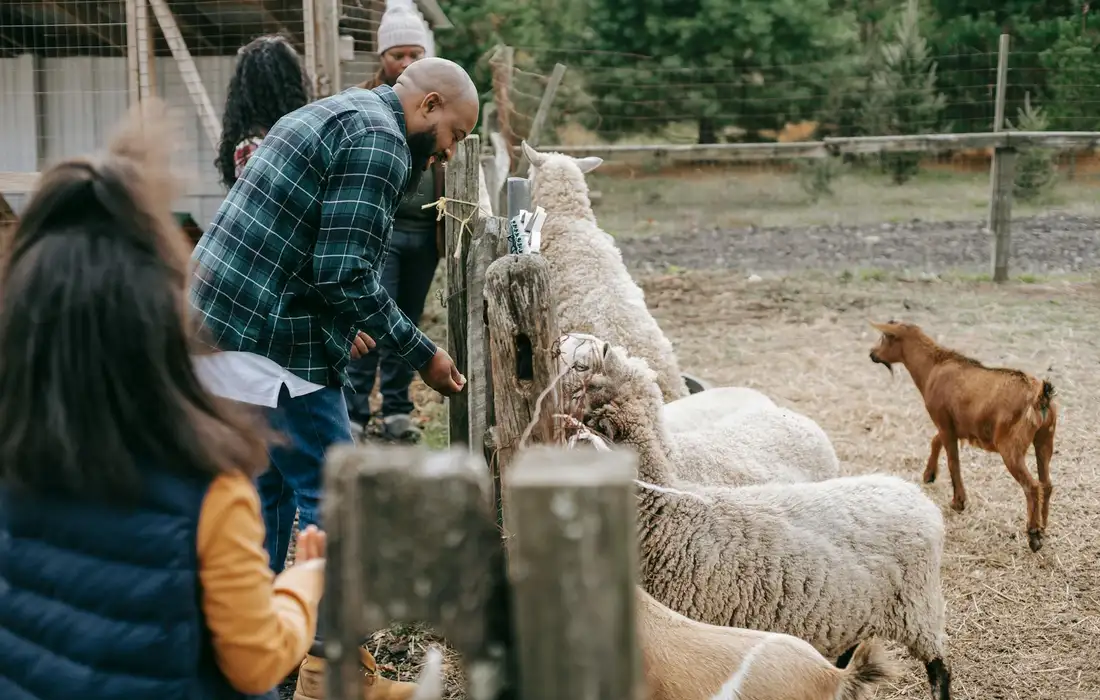
Now, let’s chat about what I call the “invisible feed.” Forget the hay for a minute; the real health of your flock is often won or lost in the details of minerals, vitamins, and water. I’ve nursed enough listless lambs back to vigor to know that overlooking these is the quickest way to a thin ewe and a light wallet.
The Mineral Box: Building Blocks from the Ground Up
Pasture alone rarely fills the mineral tank. Our soil here has been farmed for generations, and it simply doesn’t offer what it used to. Providing a loose, sheep-specific mineral mix free-choice is non-negotiable stewardship. Let them eat what they crave.
You need to know your players. Here’s a rundown of the big ones:
- Calcium & Phosphorus: Aim for a 2:1 ratio. Good hay offers calcium, but grain shifts the balance. I mix a tablespoon of steamed bone meal into the feed for my lactating ewes to keep things right.
- Selenium: Our region is deficient, and I learned the hard way. Weak newborns and stiff lambs (white muscle disease) sent me to the vet. Now, I use a selenium-fortified mineral year-round, and I’ve never seen a case since.
- Copper: Handle with care! Sheep are incredibly sensitive. Never use a cattle mineral-it’ll poison them. A proper sheep mix has just a trace, if any.
- Salt: The driver for all mineral consumption. Always offer a plain white salt block alongside your mineral feeder to encourage intake.
Vitamins: The Pasture Prescription
Vitamins A, D, and E are the trio you must mind. Green, growing forage is a perfect multivitamin, but the clock starts ticking the moment you cut hay. Vitamin A degrades in storage.
My rule of thumb is simple. If my sheep are on lush pasture for more than 6 hours a day, I don’t sweat it. But come winter or drought:
- Vitamin A is stored in the liver, but after 4-6 months on dry feed, stores deplete. A quality mineral supplement contains it.
- Vitamin D is built from sunshine. For sheep in deep confinement or in endless cloudy spells, a supplement may be needed. Most good minerals cover this.
- Vitamin E works hand-in-hand with selenium. If you’re in a low-selenium area, ensuring adequate Vitamin E is part of the puzzle.
I budget for a bag of vitamin AD&E gel tubes each fall to give my ewes a boost before breeding season-it’s cheap insurance.
Water: The River of Life
This is where I see the most mistakes, friend. Sheep won’t drink dirty water, and if they don’t drink, they won’t eat. A ewe producing milk can suck down over three gallons a day, especially in summer. Skimp here, and you’ll watch your feed dollars turn to dust.
Your water system needs to be as reliable as sunrise. Here’s my setup:
- Clean Troughs Daily: Algae, leaves, and the occasional drowned bug make water foul. I scrub my rubber troughs every morning while the coffee brews.
- Keep it Flowing or Keep it Fresh: Moving water stays cleaner. If you use tanks, empty and refresh them completely every single day.
- Winter Strategy: Frozen water is a crisis. I use heated buckets for my small group. For larger flocks, a submerged tank heater is a homesteader’s best friend. Remember, eating more hay to stay warm requires more liquid to digest it.
Watch their behavior. If they’re crowding the trough but not drinking, or if manure becomes dry pellets, you’ve got a water problem. Fix it fast.
Feeding Through Life’s Stages: Ewes, Lambs, and Rams
Just like us, a sheep’s needs change with the seasons of life. Getting the diet right for each stage isn’t just about thriftiness; it’s the bedrock of a healthy, productive flock. I’ve learned through more than a few lean lambs and worn-out ewes that a one-size-fits-all feed bucket just won’t do. From lambs to mature ewes, feeding by age and production stage matters. In the next steps, we’ll outline a practical feeding schedule by age and production stage. Let’s walk through what each member of your woolly family needs to thrive.
Gestation and Lactation: Fueling the Next Generation
When your ewe is eating for two, three, or even four, her feed is the blueprint for her lambs’ health. The final six weeks of gestation are when you’ll see her protein and energy needs nearly double, jumping from a maintenance level of about 9% crude protein to a demanding 12-14%. I always keep a close eye on body condition; a ewe should be at a solid score of 3 at lambing, not too thin and certainly not fat.
My old gal, Matilda, taught me the value of good hay during this time. I aim for a mix of legume and grass hay, like alfalfa and timothy, to boost calcium for those growing bones. Beyond the feed bucket, a quality mineral mix with ample phosphorus is non-negotiable for preventing metabolic issues like pregnancy toxemia. After lambing, her appetite will surge as she makes milk.
- Early Lactation: Provide free-choice high-quality hay and supplement with 1 to 1.5 pounds of a 16% protein grain mix per lamb she’s nursing.
- Pasture Management: Rotate lactating ewes onto your lushest, leafy forage to cut down on bought feed. They’ll need about 30 square feet per head in a paddock to avoid overgrazing.
- Water Access: A nursing ewe can drink over two gallons a day. I check water troughs twice daily without fail.
From Bottle to Bale: Lamb Feeding from Birth to Weaning
Nothing tests your homesteader’s heart like raising a bottle lamb. My first, a runt named Pip, showed me that success starts in the first hour. That first meal of colostrum is the lamb’s immune system, plain and simple; aim for 10% of its body weight in the first 24 hours. If you’re mixing a replacer, follow the brand’s directions to the letter-too thick can scour them, too thin won’t nourish.
By ten days old, I introduce a high-quality creep feed. Look for a palatable starter with 18% protein and a coccidiostat to protect those tender guts. Keep it in a space only the lambs can access, and you’ll see them nibbling curious within the week. They’ll still rely on mom or the bottle, but this jump-starts their rumen.
- Week 1-3: Milk diet (ewe’s or bottle). Offer fresh, clean water and a handful of creep feed.
- Week 4-8: Lambs will increasingly eat creep feed and tender forage. You can wean around 60 days or when they’re consistently eating 0.5 lb of feed daily.
- Post-Weaning: Transition to a grower ration with 16% protein and all the fine-stemmed, leafy hay they want. I reckon on about 4 square feet of feeder space per lamb to prevent bullying.
The Working Ram: Breeding Season Nutrition
We sometimes forget the gentleman in the equation, but a ram in poor condition can leave you with an empty lambing pen next spring. His nutrition needs a tune-up about 6 weeks before you introduce him to the ewes, a period we call “flushing.” The goal is a body condition score of 3.5-fit and sturdy, not soft.
I add a pound per day of oats or barley to his good hay to give him that extra spark. Trace minerals are his silent partners; I always ensure my mineral supplement has adequate zinc and selenium for peak fertility and strong sperm. During the breeding season, his job is taxing, so I keep that energy supplement coming and watch his weight closely.
After his work is done, I gradually back him down to a maintenance diet to prevent him from becoming overweight. A thrifty steward remembers that caring for the ram year-round ensures he’s ready and able when his moment comes. It’s a respect for the animal that pays you back in healthy, vigorous lambs.
Reading Your Flock: Body Condition and Health Troubleshooting

Your sheep can’t tell you in words when their dinner isn’t sittin’ right, but they surely speak through their condition and behavior. Learning to read this silent language is the cornerstone of good stewardship, saving you both heartache and feed bill headaches down the road. I’ve spent many an evening in the pasture, just watching and learning their ways, and that time is worth more than any fancy supplement.
The Hands-On Truth: Scoring Body Condition
Forget guessing; your hands are your best tools. We use a Body Condition Score (BCS) system from 1 to 5, where 1 is emaciated and 5 is obese. You’re aimin’ for a happy medium of 3 on most mature sheep, where you can just barely feel the ribs under a smooth layer of cover. Here’s how I do my monthly check:
- Steady your ewe or ram in a quiet corner of the pen.
- Run your hand firmly over the last rib and the area behind the shoulder. You should feel the ribs with light pressure, like the back of your own hand.
- Check the backbone and loin area; the vertebrae should feel rounded, not sharp like a knife’s edge.
- Assess the fat cover over the tailhead-it should be firm, not sunken or bulging.
I recall a time when a favorite ewe, Bertha, slipped to a BCS of 2 without me noticin’ her gradual change in the herd. Feeling her sharp ribs was a wake-up call that sent me straight to reevaluating my pasture rotation and mineral setup.
Decoding the Signs of Dietary Distress
Poor nutrition shows up in clear ways if you know what to look for. These signs often creep in before a full-blown illness takes hold.
- Dull, woolly fleece or brittle hair: Often signals a protein deficit. Aim for a diet with 12-14% crude protein for maintenance, bumping to 14-16% for late gestation and lactation.
- Pica (chewing on wood or dirt): This is a classic cry for minerals, especially phosphorus or salt. A good loose mineral mix formulated for sheep is non-negotiable.
- Poor growth in lambs or weight loss in adults: Could be insufficient energy (calories) from forage, internal parasites stealing nutrients, or both.
- Swollen jaw or “big head”: This can indicate a calcium-phosphorus imbalance, sometimes seen when feeding too much grain without proper roughage.
Keeping a simple flock journal with notes on condition and feed changes helps you spot patterns instead of just reactin’ to crises. It’s a thrifty habit that costs nothing but a bit of time.
Practical Troubleshooting for Common Issues
When you spot a problem, a methodical approach keeps you from wasting money on the wrong fix. Start with the simplest solution first.
- Rule out parasites. A barber pole worm infestation can mimic starvation. Do a FAMACHA eye score and fecal test before you pile on more feed.
- Evaluate your forage quality. Overgrazed pasture is just green concrete. Test your hay if you can; protein below 8% won’t sustain a grown ewe.
- Check your water source. Dirty or frozen water tanks lead to reduced feed intake faster than anything. Clean, accessible water is the cheapest nutrient.
- Review your mineral program. That white block from the feed store? Sheep won’t lick enough to meet their needs. Use a loose, coarse mix in a weather-protected feeder.
I’ve saved more sheep with a clean bucket of water and a strategic move to fresh pasture than with any bottle of medication from the vet kit. Prevention is always the most sustainable and economical path.
The Homesteader’s Daily Health Check
Incorporate a five-minute scan into your morning routine. This isn’t about handling each animal daily, but about observin’ from the fence line.
- Are all animals up and moving? One laggard needs a closer look.
- Is their rumen full on the left side? A sunken flank can mean off-feed.
- Is there consistent cud chewing? A sign of a happy, functioning rumen.
- Are eyes bright and alert, not dull or half-closed?
This daily ritual builds a deep familiarity with your flock’s normal, so the abnormal shouts at you the moment you see it. Your respectful attention is the finest form of care you can offer your wooly companions.
Practical Stewardship: Rations, Rotations, and Transitions
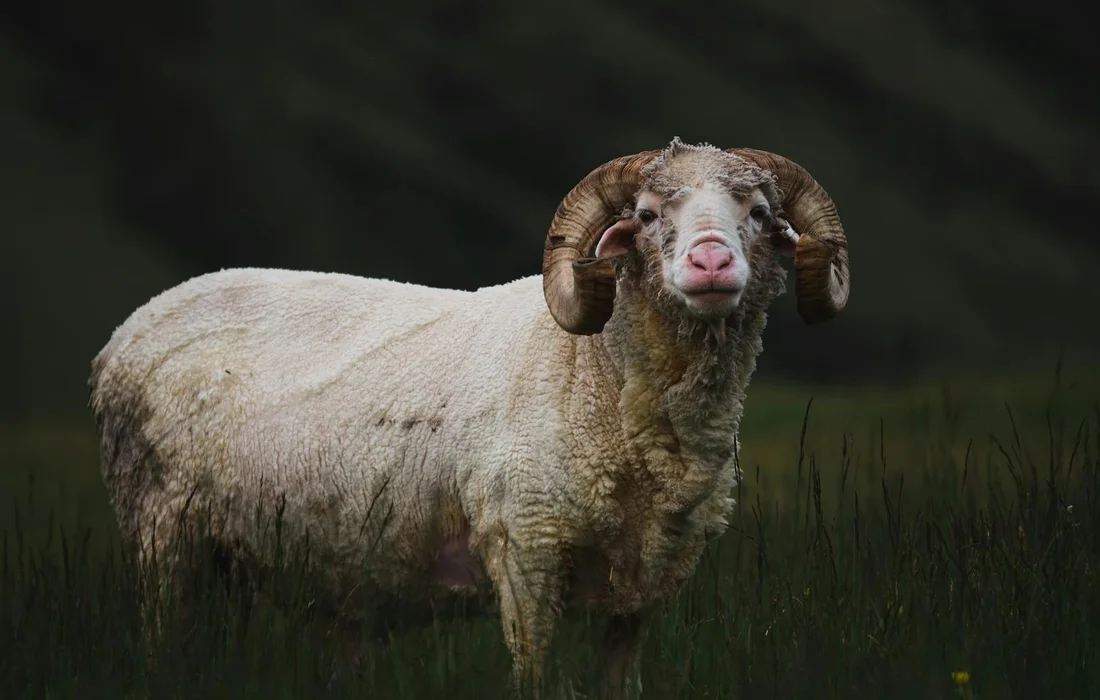
Alright friends, let’s roll up our sleeves and talk about the day-to-day work of keeping sheep well-fed and land healthy. I’ve found over the years that success hinges on three things: what you feed, where you let ’em graze, and how gently you handle change.
Getting Rations Right: More Than Just Tossing Hay
I remember one hard winter where I learned the cost of guessing on feed. A sheep’s belly isn’t a trash bin; it’s a finely-tuned engine that needs the right fuel. Seasonal weather and forage quality drive how a sheep’s nutritional needs change with the seasons, so diets must be adjusted accordingly. Weather conditions and seasonal feed availability directly affect energy and protein needs. Your feeding program must shift with the seasons and the animal’s own needs, or you’ll waste money and condition.
Forage should be the cornerstone, making up 70% or more of their diet when possible. But when the pasture browns or a ewe is heavy with lamb, supplementation becomes your tool for stewardship.
- Maintenance Mamas: A dry, mature ewe (around 150 lbs) does just fine on 2-3 pounds of quality grass hay daily. That’s about 2% of her body weight in dry matter.
- Late Gestation & Lactation: This is where needs spike. In the last six weeks of pregnancy, protein demands jump to 12-14%. After lambing, a ewe nursing twins might need 4-5 pounds of a 16% protein grain mix *on top* of her best hay.
- Growing Lambs: Aim for a creep feed with 18% protein to support those fast-growing frames, offering about 1% of their body weight daily.
- The Thrifty Tip: I always keep a barrel of plain, rolled oats mixed with black oil sunflower seeds. It’s a cost-effective energy boost that’s kinder to their rumen than some high-priced commercial mixes.
The Art of Pasture Rotation: Letting the Land Breathe
I run my flock on a simple seven-paddock system, moving them every week to ten days. This ain’t just for fresh grass; it’s a war on worms and a gift to the soil. Rotational grazing breaks parasite cycles naturally and encourages dense, resilient forage growth.
You’ll need good fences. I’m partial to sturdy, 32-inch field fence with a strand of electric wire on the top for deterrence. For space, plan on about 8-10 ewes per acre of good pasture at a time, but always let the grass be your guide-move ’em before they graze lower than 3 inches.
- Map your pastures into smaller cells using temporary electric netting or permanent lanes.
- Graze a paddock down evenly over a short period, then rest it for at least 30 days.
- Follow sheep with chickens if you can; they’ll scratch apart manure pats and gobble up larva.
- In the rest period, consider overseeding with legumes like clover to boost nitrogen and protein for free.
Navigating Transitions: The Slow Dance of Change
Nothing spells trouble faster than a sudden switch in feed or pasture. A rumen is a community of microbes, and they need time to adjust. I learned this the hard way with a batch of too-rich alfalfa. Any dietary change, whether new hay or fresh spring grass, should be made over 7 to 10 days to avoid bloat or acidosis.
When introducing a new concentrate, like grain, start by mixing just a handful in with their old ration. Increase the proportion by no more than a quarter every other day. The same patience applies to pasture moves in spring. Let them graze the new lush growth for only an hour or two the first day, slowly increasing time over a week. Their gut flora will thank you with steady digestion and fewer vet bills. It’s the slow, mindful path that keeps the flock thriving.
Closing Thoughts on Sheep Nutrition
How do you formulate a complete feed ration for sheep?
A complete ration starts with forage as the base, making up at least 70% of the diet. You then balance it with specific grains and protein supplements to meet the energy, protein, vitamin, and mineral requirements for the sheep’s life stage and production status.
What are the signs of poor nutrition or deficiency in sheep?
Key signs include a dull, brittle fleece, unexplained weight loss, and poor growth in lambs. Behavioral signs like chewing on wood (pica) often indicate a mineral deficiency, while a generally unthrifty appearance can point to inadequate energy or protein.
What are common poisonous plants or feed hazards for sheep?
Sheep should avoid plants like wild cherry, rhododendron, and oak (in large quantities), especially when wilted. Feed hazards include moldy hay or grain, which can cause respiratory issues or toxicity, and sudden access to very lush legume pastures, which can lead to bloat. Common sheep feeding mistakes and how to avoid them.
How much water do sheep need daily, and what are the best practices for providing it?
A mature ewe typically needs 1-2 gallons daily, but a lactating ewe may require over 3 gallons. Best practices include providing clean, fresh water daily in scrubbed troughs and using tank heaters in winter to prevent freezing, as water intake directly impacts feed consumption.
How do you prevent and manage nutritional diseases like bloat, acidosis, or urinary calculi?
Prevent bloat by introducing lush legumes slowly and ensuring sheep have roughage first. Avoid acidosis by limiting high-starch grains and introducing concentrates gradually. Prevent urinary calculi in rams and wethers by maintaining a proper calcium-to-phosphorus ratio (2:1) and ensuring adequate water intake.
How does feed quality (e.g., hay testing) impact diet formulation?
Testing hay for protein and energy content allows you to formulate supplements accurately, preventing costly over- or under-feeding. Knowing the exact nutritional value of your forage is the most effective way to create a balanced, economical ration tailored to your flock’s needs. Pairing this with knowledge of hay types and sheep-specific feeding guides helps identify forage alternatives for your flock. Recognizing how different sheep types respond to various forages can further refine your ration planning.
Back to the Pasture
When you walk back from the feed shed, remember this one thing above all: your best tool is your own two eyes watching them on the grass. The perfect balance isn’t in a bag; it’s in a thriving pasture and your willingness to adjust their ration with the seasons. Seasonal grazing strategies—rotational vs continuous—offer practical ways to fit grazing to the calendar. Choosing between them helps optimize pasture use and supplement needs. The most economical and healthy flock is built on the foundation of good grazing, with your careful supplements filling in the gaps that nature leaves behind.
I reckon that’s about all from my fence line for now. There’s a profound satisfaction in seeing your ewes content, their wool thick, and knowing you’ve provided well from your own land and knowledge. Thank you for caring enough to learn. Now go enjoy the quiet company of your flock and the good, simple work of stewardship. Y’all take care.
Further Reading & Sources
- Feeding the Flock
- Feeding Practices in Sheep – Management and Nutrition – Merck Veterinary Manual
- Sheep 201: Pasture management
Caroline Mae Turner is a lifelong farm girl raised on red clay, early mornings, and the sounds of a bustling barnyard. With hands-on experience caring for everything from stubborn goats to gentle dairy cows and mischievous pigs, Caroline shares practical, tried-and-true advice straight from the farm. Her goal is to help folks keep their animals healthy, well-fed, and living their best barnyard life. Whether you're wrangling chickens or bottle-feeding a baby goat, Caroline brings a warm Southern touch and plenty of real-world know-how to every bucket in the barn.
Diet Requirements