
The Wild Goose Diet Decoded: Natural Foraging for Thrifty Flock Health
Published on: July 18, 2026 | Last Updated: July 18, 2026
Written By: Caroline Mae Turner
Howdy y’all. Wrestling with high feed costs or puzzling over what your geese are really meant to eat? The simple truth is, a wild goose’s diet is built on fresh pasture grasses, aquatic plants, grains, and insects they harvest themselves through diligent foraging.
What you’ll need:
- Time to observe your geese and the land they roam
- Knowledge of beneficial, safe plants in your pasture or nearby wetlands
- A mindset to let their natural instincts guide your management
We’ll get this sorted right quick, so you can move on to the next task on your list with confidence.
The Wild Goose’s Natural Pantry: Primary Food Sources
Well, friends, let me tell you, observing a wild goose’s meals is like peeking into nature’s own well-stocked kitchen. Their diet ain’t complicated, but it’s mighty effective, built on everyday greens and grains they find themselves.
From my years watching flocks in the fields and my own gaggle’s antics, I can say their menu hinges on what’s seasonally plentiful. You’ll find them focused on grasses, sedges, rushes, and a whole buffet of aquatic plants. It’s a testament to simple, sustainable living.
Here’s a quick list of what fills their crop, perfect for scanning while you sip your sweet tea:
- Grasses, Sedges, and Rushes: These are the homestead staples. Think lush pasture or wetland edges-geese will graze it down to a tidy carpet. I’ve seen wild bands clear an area faster than my old John Deere.
- Aquatic Vegetation: Pondweed, duckweed, waterlilies, and algae are all fair game. Duckweed is a particular favorite; it’s like a protein-rich floating lettuce patch. I’ve tossed handfuls from my pond to my birds, and they act like it’s Christmas morning.
- Terrestrial Parts: This includes seeds, spilled grains from harvest, tender buds in spring, and even roots and tubers they dig up. They’re not above a little scavenging in a cut cornfield, much to some farmers’ chagrin.
- Insects and Invertebrates: Snails, worms, and aquatic bugs are crucial, especially for goslings. That animal protein is vital for growth, sometimes making up a significant part of a young bird’s diet for proper development. I reckon it’s nature’s version of a high-protein starter feed.
The mix shifts with the seasons, but the principle stays the same: eat what’s fresh, local, and nutritious. By knowing their natural pantry, we can better appreciate their role in the ecosystem or even improve our own geese’s feed on the homestead. This approach also helps manage a geese feeding budget with cost-effective diets and affordable supplement alternatives.
How Geese Forage: Habits and Techniques in the Field
Watching geese forage is a masterclass in barnyard efficiency and teamwork. They’ve got this down to a science, using methods passed down through countless generations. It’s a rhythm I’ve come to respect deeply.
Their approach boils down to two main techniques, and they switch between them as easy as you please. On dry land, they’re grazers, and in water, they become dabblers, often upending their whole bodies to reach the good stuff. My own geese practice this daily in their run and pond.
Let me lay out their main methods in simple steps:
- Grazing on Land: They walk methodically, using those serrated bills to neatly snip grasses and plants. Their bills work like perfect little shears, tearing vegetation without much waste.
- Dabbling or Upending in Water: In shallows, they’ll tip forward, tails in the air, to grub for submerged plants. It’s a sight that always makes me smile from the farmhouse window.
They never forage alone if they can help it. Flock behavior is key, with certain birds taking sentinel duty to watch for hawks or foxes while the others eat. They rotate this guard duty fairly, a system of shared responsibility I’ve tried to encourage in my own livestock management.
Their daily schedule is as reliable as the rooster’s crow. You’ll find them feeding most intensively at dawn and dusk, leveraging the cooler hours and softer light. This crepuscular rhythm helps them avoid the heat of the day and some predators.
Here’s a typical foraging sequence from start to finish, so you can picture it:
- The flock locates a food-rich area, often by sight or communal knowledge.
- They approach with sentinels already posted on the periphery.
- Feeding begins in earnest, bills tearing and filtering plant matter.
- Food is swallowed quickly, stored in the crop for gradual digestion later.
- The group moves on in unison when the spot is picked clean or a threat is signaled.
Their physical design is pure genius for this work. Those serrated bills are the ultimate tool, allowing them to grip and rip vegetation with remarkable efficiency on land or in water. It’s a humble reminder that nature provides the best tools for the job.
Seasonal Shifts: How a Goose’s Menu Changes Through the Year
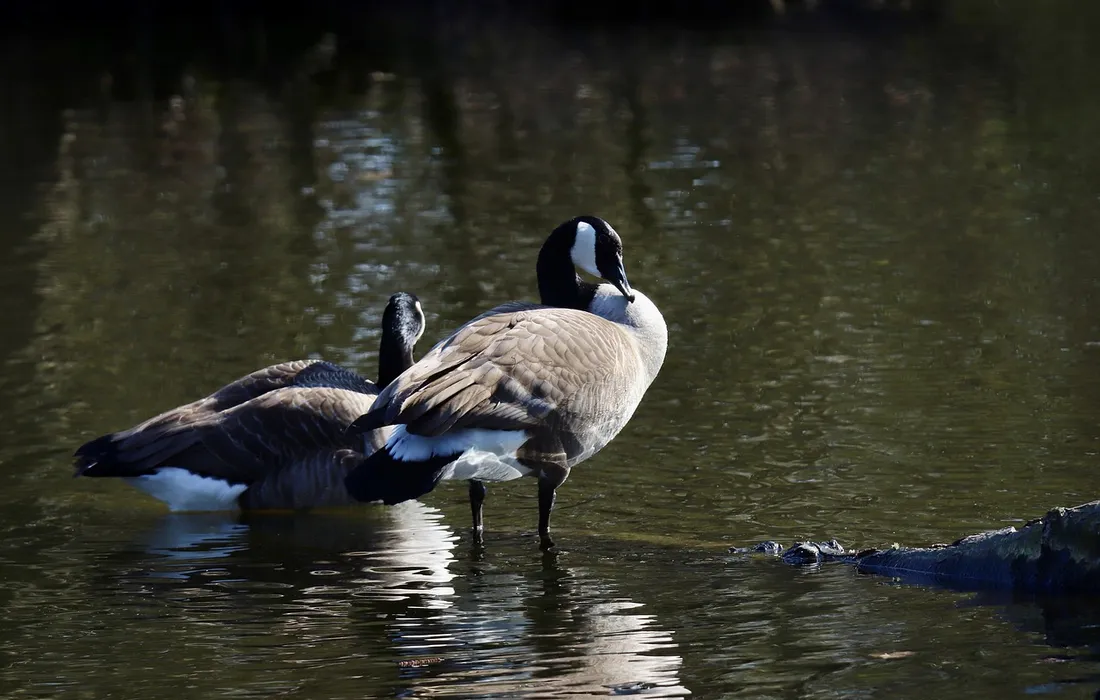
Just like my own garden chores change with the months, a wild goose’s grocery list rotates with the seasons. Their bodies are tuned to an ancient calendar, seeking out precisely what they need for breeding, travel, or simply surviving a hard freeze.
A Calendar of Foraging
Watching them on the pond and in the fields, you start to see the pattern. It’s a dance of availability and necessity. Their entire year is a cycle of feasting and fueling for the next big life event, whether that’s raising goslings or flying a thousand miles.
Spring: The Protein Push
When the ice melts and green appears, geese get serious about groceries. They target tender grasses, new sedges, and the buds of aquatic plants. This isn’t casual grazing; it’s purposeful. They need high-protein, easily digestible food to prepare for egg-laying and the exhausting work of raising young. I’ve seen them on the pasture edges, nipping the fresh clover and bluegrass like a prize similar to the dietary preferences of other geese species.
- Primary Foods: New grass shoots, clover, sedges, pondweed buds, and early agricultural sprouts.
- The Why: Builds nutrient reserves for egg production and provides energy for the demanding breeding season.
Summer: The Salad Days
Summer is a time of plenty, especially in and around the water. This is when aquatic vegetation becomes the main course. They’ll dive or upend to pull up tender roots and stems of plants like pondweed, wild celery, and duckweed. This watery buffet is cool, abundant, and packed with the vitamins their growing goslings require for rapid development.
- Primary Foods: Submerged aquatic plants, algae, and continued grazing on lush pasture grasses.
- The Why: Supports molting (replacing feathers) and fuels the high energy needs of goslings learning to forage.
Fall: The Starch Stock-Up
As days shorten, the menu shifts toward carbohydrates. Geese become avid grain collectors, seeking out spilled corn, wheat, barley, and rice from harvested fields. They also feast on seeds from native grasses and sedges. This isn’t just a meal; it’s fuel storage. They’re building the fat reserves that will act as their energy tank for long migration flights or for weathering a cold, stationary winter. In the cold months, wild Canadian geese rely on a winter diet that includes available grains and aquatic vegetation. As temperatures drop, their foraging persists, a testament to their adaptability.
- Primary Foods: Waste grains (corn, wheat), seeds of grasses and sedges, and remaining aquatic plants.
- The Why: Converts carbohydrates into body fat, the essential energy source for migration or winter survival.
Winter: The Scavenger Shift
Winter foraging is a test of resilience. With water frozen and greens buried, geese adapt. They rely heavily on leftover waste grain in fields and turn to digging for roots, tubers, and rhizomes of hardy aquatic plants in thawed patches. In town, they might browse on winter rye or even landscaping. Snow cover dictates their movement; a deep snow can force them to travel much farther to find open ground or lead them to rely on man-made food sources, which isn’t ideal for their health, especially when compared to their natural diet in other seasons.
- Primary Foods: Exposed waste grain, dug-up roots and tubers, winter grasses, and occasionally human-provended foods (though we shouldn’t encourage it).
- The Why: Pure survival. Maintaining energy intake with limited resources to preserve fat stores and body heat.
The Seasonal Forager’s Table
| Season | Primary Food Sources | Key Nutritional Goal |
|---|---|---|
| Spring | Tender grasses, clover, sedges, aquatic plant buds | High protein for breeding and egg-laying |
| Summer | Submerged aquatic vegetation, algae, lush grasses | Sustained energy for rearing goslings and molting |
| Fall | Waste grains (corn, wheat), grass & sedge seeds | Carbohydrate loading to build fat reserves for migration/winter |
| Winter | Exposed grain, roots, tubers, winter rye | Efficient energy maintenance and survival |
When the Land Freezes Solid
A hard winter teaches you about adaptation. For geese, snow and ice transform the landscape into a locked pantry. They can’t access frozen underwater tubers or buried field stubble. This is when you’ll see big flocks moving constantly, searching for a south-facing slope where snow has melted or a farmer’s field that was plowed late. Open water, even a small spring-fed stream, becomes a critical lifeline, not just for drinking but for accessing any remaining aquatic food. Their strategy shifts from selective feeding to opportunistic scavenging, a testament to their tough nature.
From Gosling to Goose: Diet Through Life Stages
Watching a gaggle grow from fuzzy yellow puffs to sturdy, honking adults is one of my great joys on the farm. Their dietary journey is a fascinating shift from protein-packed beginnings to a largely vegetarian lifestyle, and understanding it is key to good stewardship. It all starts in those first, wobbly days after hatch.
A gosling’s bill is a tiny precision tool, and it’s hunting for fuel. For the first few weeks, their bodies demand a high-protein diet-think 20% to 22%-to build strong bones, muscles, and those first crucial feathers. I’ve spent hours by the pond’s edge watching them deftly snatch up insects, mosquito larvae, and small worms, while also tearing at the most succulent, tender grass blades they can find.
That bug-heavy menu doesn’t last forever, thank goodness, or we’d be overrun. The transition to a plant-based diet is a gradual weaning process, guided by their own developing instincts and digestive capabilities. As their gizzards get stronger and their bodies require less building material, they naturally turn to grazing.
A Gosling’s Food Timeline: Hatch to Maturity
- Days 1 to 21 (The Sprinter Phase): This is all about growth speed. Their diet is a mix of small aquatic invertebrates, land insects, and the youngest, most digestible greens. Protein is king.
- Weeks 4 to 10 (The Explorer Phase): You’ll see them wandering farther, grazing more consistently on grasses and sedges. Bugs become a supplement, not the main course. Protein needs dip to about 15-18%.
- Month 3 to Adulthood (The Grazer Phase): By now, they’re efficient lawnmowers. Their diet stabilizes around grasses, roots, fallen grains, and aquatic vegetation, with protein requirements for maintenance sitting at a modest 10-14%.
So, what’s the real difference between a growing goose and a full-grown one? A gosling uses protein for construction, while an adult uses it mostly for repair and seasonal preparation. It’s the difference between building a barn and patching its roof.
| Life Stage | Primary Food Sources | Critical Protein Range |
|---|---|---|
| Gosling (0-3 weeks) | Insects, worms, larvae, tender plant shoots | 20% – 22% |
| Juvenile (4-10 weeks) | Mixed grazing; grasses, forbs, occasional invertebrates | 15% – 18% |
| Mature Adult | Grasses, aquatic plants, seeds, agricultural gleanings | 10% – 14% |
I reckon the take-home lesson is to trust nature’s blueprint. Providing a varied pasture with some wet areas for bug-hunting gives goslings the perfect start, reducing your feed bill and raising hardier birds. You’re not just feeding them; you’re letting them learn the foraging skills that’ll serve them for life.
Wetlands and Beyond: Key Habitats for Goose Foraging

Geese ain’t picky about their dinner address, so long as the menu’s good. They’re masterful opportunists, turning a wide variety of landscapes into their personal pantry.
You’ll find them working over these key spots:
- Marshes & Wetlands: The ancestral grocery store, teeming with submerged and emergent greens.
- Riverbanks & Pond Edges: Prime real estate for grazing on tender grasses and aquatic plants.
- Pastures & Meadows: Lush, open grassland is a favored buffet for grazing species.
- Agricultural Fields: A modern-day bonanza of grains, leftover corn, and young cereal crops.
- Parks & Golf Courses: Manicured lawns offer an easy, if less nutritious, feast.
Now, wetlands are the cornerstone of a wild goose’s world, and it ain’t just for the greenery. These soggy places offer a complete nutritional package you can’t get from dry land alone. The slow-moving water is packed with protein-rich aquatic invertebrates-snails, larvae, and crustaceans-that are vital for gosling growth and adult breeding condition. A goose will tip up, tail in the air, to pull tubers from the muck or skim succulent plants from the surface, getting a beakful of both salad and surf ‘n’ turf in one go.
I’ve watched our pond visitors switch from grass to duckweed without a second thought, illustrating this perfect habitat blend.
Geese have shown a remarkable knack for adapting to the landscapes we’ve created. A harvested cornfield is as attractive to a flock as a wild wetland, if not more so. This shift to agricultural and urban grazing is a learned behavior, passed through flocks, that capitalizes on predictable, energy-rich food sources. They’ve figured out our schedules, arriving after harvest or during quiet park hours to feast with minimal disturbance. It’s a testament to their intelligence, though it does lead to those familiar conflicts with farmers and groundskeepers, especially when it comes to foraging damage and other behavioral issues.
Flock size and species play a huge role in where they choose to eat. A massive flock of Snow Geese will descend on a winter wheat field or a coastal marsh, their numbers providing safety but requiring a vast, open area. A smaller family group of Canada Geese might feel secure working a smaller pond edge or a backyard pasture. Dabbling geese, like our familiar Canadas, prefer shallower waters and open fields, while some sea geese are built for grazing on tough coastal grasses. Watching who eats where teaches you a lot about their comfort and their needs. Feeding geese safely matters. Avoid bread and other unsuitable foods.
Lessons for the Homestead: Applying Wild Diets to Domestic Geese
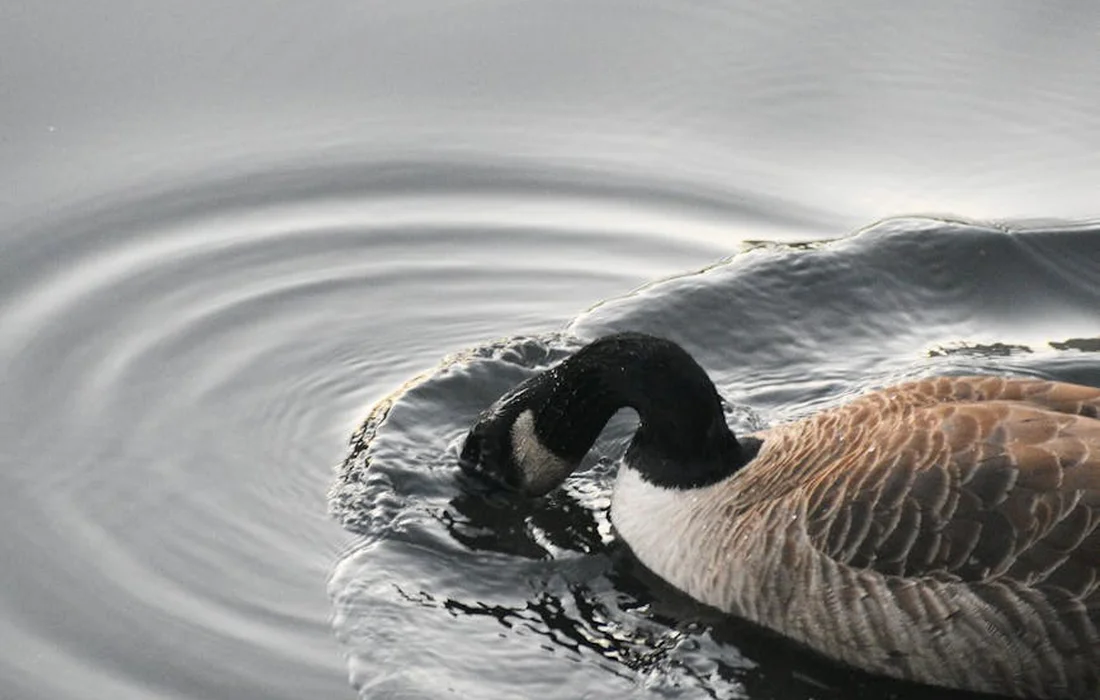
Watching a wild flock work a field teaches you everything you need to know about feeding your own gaggle. Their natural buffet is the blueprint for healthy, thrifty, and content domestic geese. The core principle is simple: their belly should be filled with fresh greenery first, with everything else acting as a supplement.
From Marsh to Meadow: Translating the Wild Menu
Your backyard geese have the same digestive machinery as their wild cousins-a powerful engine designed to process vast amounts of fibrous grass. I reckon if you provide what their bodies are built for, you’ll see fewer health issues and lower feed bills. Think of commercial poultry feed as their reliable daily bread, but the fresh forage is the hearty, vitamin-rich stew that truly nourishes them. In residential areas, their diet often turns to the lawn—are geese eating your yard? A few simple landscape tweaks can help balance their needs with curb appeal.
The Golden Rule: Let Them Graze
Nothing replicates a wild goose’s diet better than free-ranging on diverse pasture. I aim for at least an acre for every two to three geese, but even a smaller rotated paddock works wonders. It’s especially effective when combined with a healthy diet.
- Grasses & Herbs: They’ll devour orchard grass, clover, bluegrass, and even “weeds” like dandelion and plantain-which are fantastic for them.
- Safe Aquatic Options: If you have a clean pond, great. If not, a sturdy kiddie pool stocked with water hyacinth or duckweed turns into a self-harvesting salad bar. Always know your plants-avoid water hemlock and nightshades.
Daily access to tender grasses is non-negotiable for proper digestion and mental well-being; a bored goose is a mischievous goose.
Smart Supplementation: Beyond the Feed Bag
Even my best pasture gets thin in winter or drought. That’s where thoughtful supplementation comes in. A standard waterfowl or all-flock pellet (14-16% protein) forms a good nutritional base.
- Foraged Greens: I routinely toss them whole heads of lettuce, bolted spinach from the garden, and chopped comfrey stalks.
- Whole Grains: A handful of scratch grains (wheat, oats) scattered in their bedding encourages natural foraging behavior and provides energy.
- Protein Treats: Mimic seasonal bugs with a few mealworms, a spoonful of canned (unsalted) beans, or even a bit of scrambled egg after molting. Keep it occasional-too much protein strains their kidneys.
Crafting Your Homestead Goose Garden
You don’t need a sprawling estate. A dedicated “goose yard” can be incredibly productive.
- Pick Your Plot: Choose a well-drained area with sun. Fence it with sturdy 4-foot fencing.
- Plant Perennials: Sow a mix of hardy grasses, clover, and chicory. These come back year after year with little work.
- Rotate Sections: Use temporary electric poultry netting to divide the area. Graze one section down, then move them to let the other recover. This prevents mud and manages parasites.
- Provide Water For Foraging: Geese need water to wash down their food. Place a large tub or small pool in their foraging area so they can eat and rinse.
- Skip the Chemicals: Never use herbicides or pesticides where your geese graze. Their job is to be your living, honking weed-eater.
Common Pitfalls: What Not to Do
Many well-meaning mistakes stem from treating geese like chickens or ducks. Their system is unique.
- Bread is Junk Food: It fills them up with zero nutrition, causes angel wing, and pollutes waterways. I’d sooner toss them cardboard.
- Overfeeding Layer Feed: Chicken layer feed has too much calcium for geese, which can lead to kidney damage and gout. Use it only if your geese are actively laying and you have no other option, and mix it with grains.
- Ignoring Grit: Geese need insoluble grit (small stones) in their gizzard to grind up all that grass. Ensure they always have access to it.
- Assuming All Greens Are Good: Rhubarb leaves, potato leaves, and ornamental plants like foxglove are deadly. Know the toxic plants in your region.
- Relying Solely on Pellets: A goose on an all-pellet diet is a goose primed for obesity and foot problems. The pellet is the side dish; the pasture is the main course.
Closing Tips for a Thriving Flock
What is the primary difference between a wild goose’s diet and what I should feed my domestic geese?
The core diet is remarkably similar: fresh grasses and greens should be the foundation. The key difference is that you act as the steward of their habitat, ensuring consistent access to quality forage and clean water, while providing a reliable supplemental pellet to cover any nutritional gaps in their pasture.
Can I rely on my geese to find all their own food if I just let them free-range?
In a rich, diverse, and safe environment with ample space, geese can meet a significant portion of their needs. However, most homesteads require managed rotational grazing and supplemental feeding, especially in winter or during molt, to ensure they get complete nutrition without over-stressing the land.
How can I tell if my geese are getting the right nutrients from their foraging?
Observe their behavior, droppings, and physical condition. Healthy, well-fed geese are active foragers with bright eyes, smooth feathers, and firm, dark droppings. Lethargy, poor feather quality, or excessively runny waste can signal dietary deficiencies.
Are there any “wild” foods I should actively prevent my geese from accessing?
Yes. You must identify and block access to common toxic plants in your area, such as nightshades, hemlock, and certain ornamentals like foxglove. Also, prevent them from grazing areas recently treated with pesticides or herbicides.
Is it beneficial to introduce insects or other protein sources to my adult geese?
For most of the year, adult geese thrive on their plant-based diet. Offering occasional protein treats like mealworms or chopped worms can be beneficial during the strenuous breeding season or after molting to support feather regrowth, but it is not typically necessary for daily maintenance.
What’s the single most important thing I can do to mimic a wild goose diet for my homestead gaggle?
Provide them with extensive, rotating access to living pasture. This encourages natural grazing behavior, ensures the freshest possible nutrients, and supports their digestive health far better than any single bag of feed ever could.
Back to the Pasture
When you get right down to it, managing your domestic flock is about honoring that wild blueprint we just walked through. The single greatest thing you can do is give them space and variety to express those natural behaviors. A goose with access to tender grasses, clean water for dabbling, and safe ground to roam isn’t just a happy bird-it’s a robust, self-sufficient partner in your homestead’s rhythm, requiring less from your feed bag and your medicine chest. I’ve seen it in my own barnyard for years.
I sure have enjoyed walking this pasture with y’all. There’s a deep satisfaction in watching your geese graze contentedly, knowing you’re providing a life that feels right in their bones. If you listen close, they’ll teach you everything you need to know. Now, if you’ll excuse me, I hear mine calling from the pond. You all take care out there, and enjoy the simple, good work.
Further Reading & Sources
- What Do Geese Eat? (Full Diet, Feeding, Habits + Behavior) | Birdfact
- What Do Geese Eat in the Wild: A Complete Guide to Their Diet – Dive Bomb Industries
- What to feed geese – all your questions answered! – Tyrant Farms
Caroline Mae Turner is a lifelong farm girl raised on red clay, early mornings, and the sounds of a bustling barnyard. With hands-on experience caring for everything from stubborn goats to gentle dairy cows and mischievous pigs, Caroline shares practical, tried-and-true advice straight from the farm. Her goal is to help folks keep their animals healthy, well-fed, and living their best barnyard life. Whether you're wrangling chickens or bottle-feeding a baby goat, Caroline brings a warm Southern touch and plenty of real-world know-how to every bucket in the barn.
Feeding Habits