Safely Feeding Melon Rinds to Pigs and Guinea Pigs: The Thrifty Homesteader’s Guide
Published on: July 20, 2026 | Last Updated: July 20, 2026
Written By: Caroline Mae Turner
Howdy y’all! Staring at a heap of leftover melon rinds and pondering if they’re fit for your barnyard crew? Both pigs and guinea pigs can enjoy melon fruit and rinds as a tasty treat, but the secret to safety lies in thorough washing, proper chopping, and strict moderation to keep their digestion smooth. I’ve fed countless rinds to my own animals over the years, turning summer leftovers into happy snouts and cheerful wheeks.
- What you’ll need:
- Fresh, ripe melons (like watermelon, cantaloupe, or honeydew)
- A sharp knife for sturdy chopping
- A clean cutting board
- Access to your animals’ fresh water supply
Follow along, and we’ll get this kitchen scrap snack handled properly, freeing you up for the next task on your list.
The Straight Talk on Melons and Animal Safety
I recall one sweltering July afternoon, my boots dusty from the barnyard, holding a half-eaten watermelon from our own patch. The pigs caught wind of it first, their snouts wiggling with anticipation, while the guinea pigs in their hutch started a merry chirping. Sharing those sweet, drippy scraps between the two pens taught me a right smart lesson about moderation and joy in simple treats. Let’s get down to the nitty-gritty: melons are generally safe for your animals, but only as an occasional delight, not a staple. This ain’t just book learning; it’s wisdom earned from years of watching what keeps critters happy and hale. We’ll be chatting specifically about two very different fellows: your large, hearty barnyard pigs and your petite, delicate guinea pigs.
Which Melons Are Safe? Watermelon, Cantaloupe, and Honeydew Breakdown
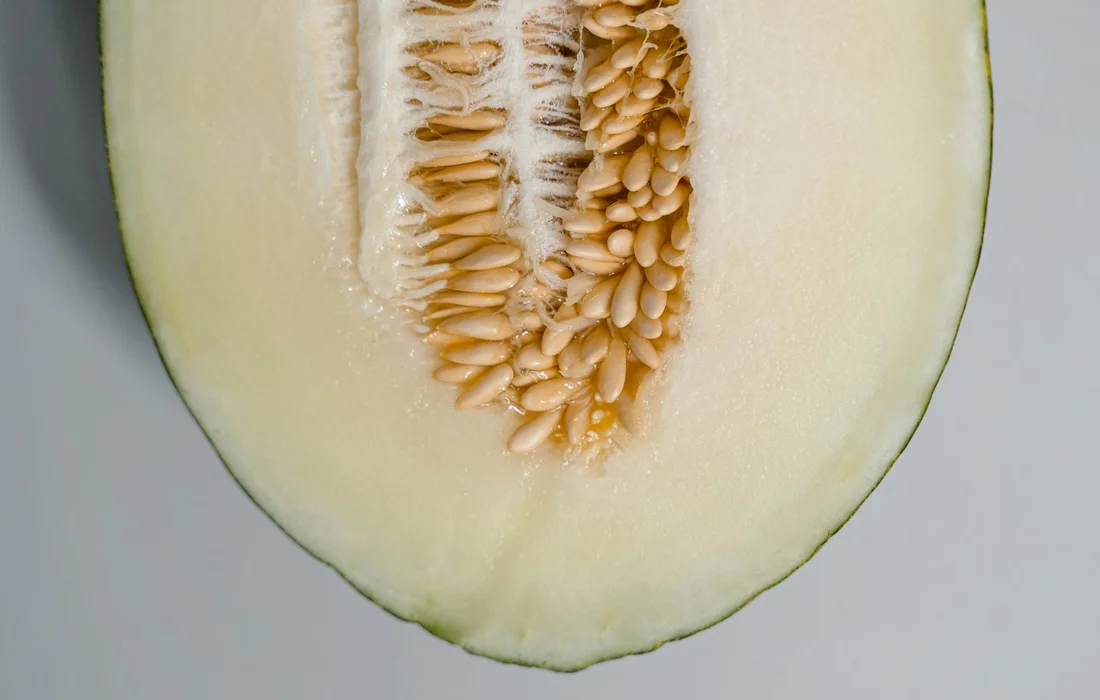
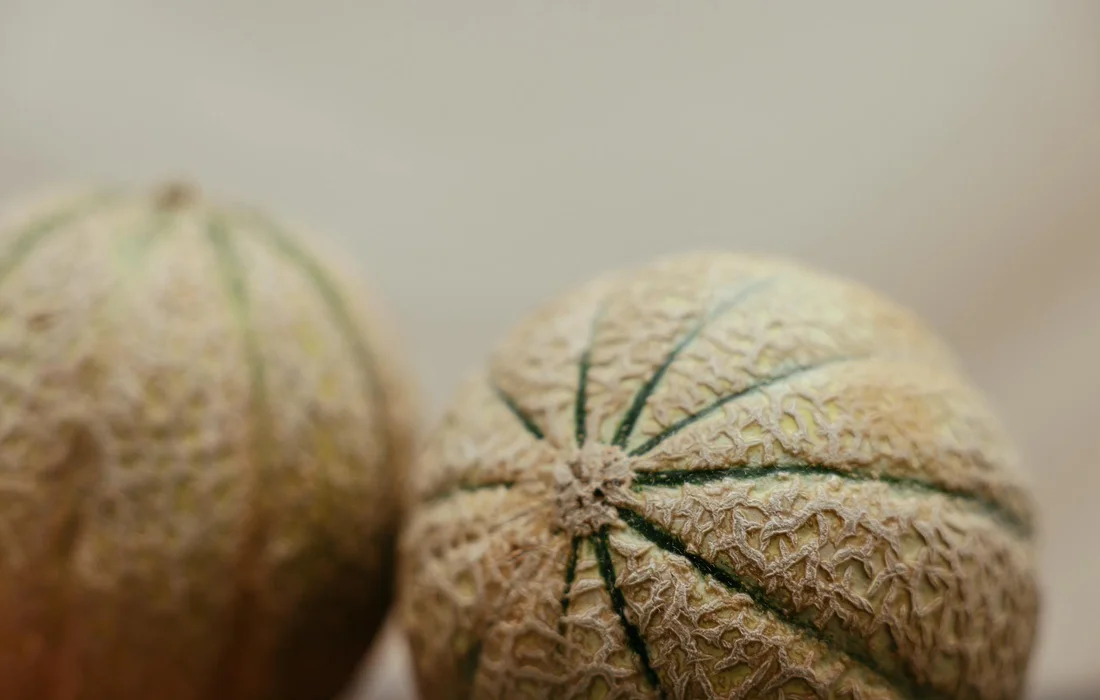
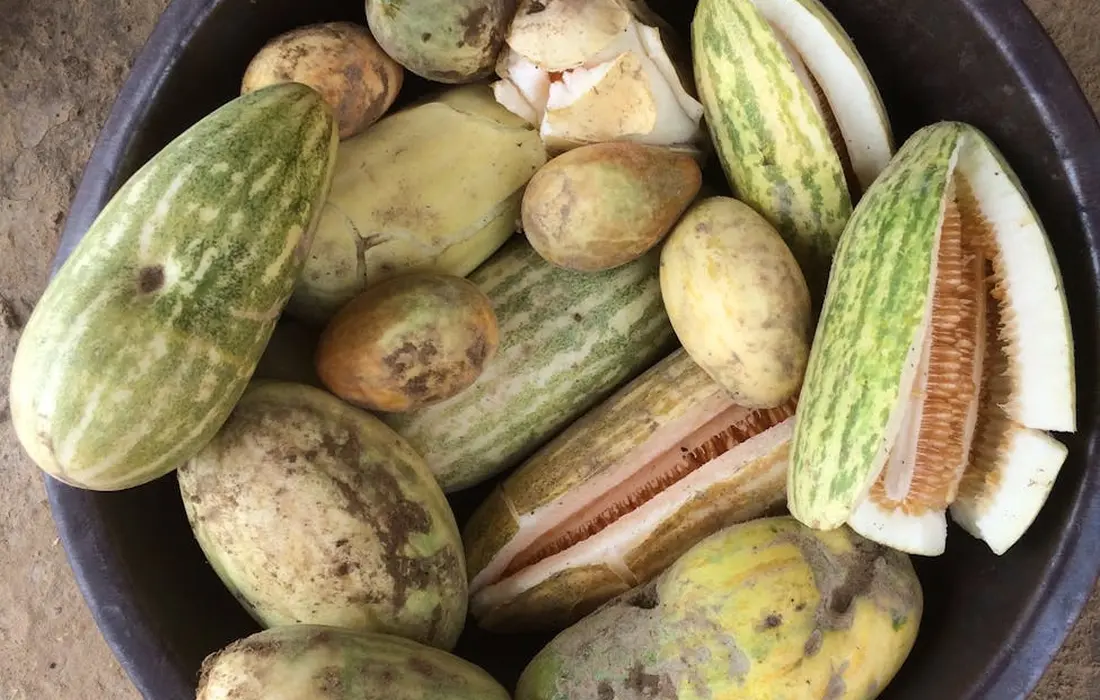
When we talk melons on the farm, we’re usually looking at three trusty varieties: watermelon, cantaloupe (or muskmelon), and honeydew. The ripe flesh of all three is perfectly safe for both pigs and guinea pigs, provided it’s fresh and offered sparingly. If you’re curious about uncommon fruits and vegetables for guinea pigs, there are other safe options to mix in beyond melons. These can add variety to their diet when introduced gradually. But just like people, each melon brings its own character to the trough. Here’s a quick look to help y’all decide what to share.
| Melon Type | Sugar Content | Texture | Common Farm Availability |
|---|---|---|---|
| Watermelon | High | Crisp, Juicy | Peak summer, often home-grown |
| Cantaloupe | Medium | Soft, Aromatic | Mid to late summer |
| Honeydew | Medium-High | Firm, Sweet | Late summer into fall |
Remember, “safe” always dances a two-step with proper preparation and strict portion control. Too much of a good thing, especially that sugar, can lead to upset bellies and worse, no matter the size of your animal.
Can Pigs Eat Watermelon Rind and Seeds?
Yes, indeed they can, but with some barnyard common sense. Those tough green rinds are packed with fiber, which can be good for a pig’s digestion, but you must chop them into manageable chunks to prevent choking. I always scrub rinds fiercely with vinegar water, as pesticide residue from store-bought melons is a risk I won’t take with my herd. As for the seeds, black watermelon seeds are generally safe for pigs in moderation, though I tend to scoop them out for very young piglets just to be cautious. My personal tip? After a family picnic, I collect all the leftover rinds in a bucket. Chopping them up for the pigs the next morning turns waste into a welcomed, crunchy enrichment that keeps them busy for an hour, unlike dangerous plants in the wild.
Can Guinea Pigs Eat Watermelon Rind and Seeds?
Now, here’s where we must be far more particular. Guinea pigs can have a tiny nibble of the white part of the rind, but only if it’s been scrubbed until your fingers ache to remove every trace of pesticide or dirt. Introduce a piece no bigger than a pea to see how their delicate systems handle it, and never make it a regular offering. As for seeds, the rule is absolute: you must always remove every single seed. Their small throats are a choking hazard waiting to happen, and it’s a risk no caring steward should ever take. Stick to the sweet flesh as the rare treat, and you’ll keep your little squeakers safe and sound.
Feeding Melons to Pigs: Portions, Rinds, and Practical Tips
First thing’s first: a pig’s belly is best filled with a proper, balanced feed ration or quality pasture. That’s their foundation. Everything else, no matter how juicy and tempting, is just the icing on the cake. Think of melon as a special occasion treat, not a staple, and it should never make up more than 10% of their total daily food intake. I’ve seen folks spoil their pigs rotten with treats, and it always leads to picky eaters and poor condition.
How Much Melon Can a Pig Eat?
Portion control is your best friend here. A pig will eat ‘til the food is gone, not ‘til they’re full, so it’s on you to be the sensible one. For a little weaner pig, a good handful of cubed melon is plenty. A growing feeder pig or a mature sow can handle a few cups’ worth. My 600-pound Duroc sow, Bertha, gets a mixing bowl full of chunks about twice a week in the summer and thinks she’s won the lottery. Pair portion control with a consistent feeding schedule to monitor each pig’s intake over time. Regular, measured meals help you dial in the right amounts for your herd.
I don’t give melon daily, and I reckon you shouldn’t either. A few times a week is the sweet spot. The natural sugars in melon, while delicious, can upset the careful fermentation balance in a pig’s gut if offered too often or in too great a quantity. Over time, that excess sugar and calorie load leads directly to an overweight hog, and carrying extra pounds stresses their joints and overall health just like it does ours.
Step-by-Step: Preparing Melon for Your Pigs
-
Wash the whole melon vigorously under running water. You’re trying to remove field dirt, bacteria, and any residual pesticides that might be on the skin, as all of that will come into contact with the flesh when you cut it.
-
Cut the melon into sizable chunks or thick slices. This prevents the pigs from trying to gulp down a whole small melon and reduces squabbling in the herd. A little competition is fine, but I like to spread the pieces out to give everyone a fair chance.
-
The rind is perfectly safe if it comes from a melon you’ve grown yourself or an organic source. If you’re unsure, give that rind a serious scrub with a vegetable brush. I often feed the rinds to my older sows who appreciate the extra fiber to chew on.
-
Your nose is your best tool here. If a section smells sour, looks slimy, or has any sign of mold, cut it out and toss it in the compost, far away from your animals. Fermented or spoiled fruit can cause serious digestive distress.
-
Never just toss food into the mud. Serve the melon pieces in a clean trough or on a patch of clean ground or pasture. It’s a simple act of respect for your animal and it helps you monitor who’s eating and how much.
Feeding Melons to Guinea Pigs: Moderation and Meticulous Care
Now, let’s chat about those little whistlers in the hutch. After decades tending animals, I’ve learned guinea pigs have digestive systems more delicate than a china plate in a bull’s pen. You must approach their treats with a gentle hand and a watchful eye, for what a pig scarfs down without issue can upset a guinea pig’s tummy right quick.
- Their gut is a fussier engine than a pig’s, built for steady hay and greens, not rich or sugary surprises.
- Melon is purely a sweet, occasional pleasure-a bite of summer-and never a replacement for their daily roughage.
How Much Melon Can a Guinea Pig Eat?
This ain’t a guessing game, y’all. Precision keeps your cavy healthy and happy. From my barn notebook, here’s the measure that’s never steered me wrong. A single guinea pig should get no more than one tiny cube of melon flesh, roughly a teaspoon’s worth, and only once or twice a week at most.
- Stick to that one small cube per piggie; it’s enough for a taste without the sugar rush.
- Remember, their vital vitamin C comes from daily bell peppers and dark leafy greens, not from occasional fruit.
- Overdoing it leads directly to messy diarrhea and unhealthy weight gain, which is a burden on their small frame.
Step-by-Step: Preparing Melon for Your Guinea Pigs
Good preparation shows respect for your animal. Here’s how I fix a melon treat for my herd, ensuring it’s safe and easy for them to eat.
- Pick a ripe, fresh melon from your garden or market, with no soft spots or off smells.
- Give the whole rind a good scrub under cool water to remove any dirt or residues.
- Cut a modest slice and pick out every single seed with care; they are a choking hazard.
- Dice the flesh into pea-sized cubes, perfect for their little mouths.
- If you want to offer rind, use a peeler on the washed exterior for a thin, manageable strip.
- Serve in a clean dish and always take out any leftovers after a few hours to prevent spoilage.
Risks and Red Flags: When Melons Cause Trouble
Sharing melon with your pigs and guinea pigs is a joy, but it ain’t all sunshine and rainbows. You must stay vigilant, because even a wholesome treat can turn sour if given carelessly, especially when it comes to citrus and exotic fruits. I’ve learned this through years of tending to my critters, and I’ll tell y’all, keeping them safe is the highest form of stewardship.
Signs of Adverse Reactions in Pigs and Guinea Pigs
Keep your eyes peeled for these warnings. Both pigs and guinea pigs will tell you when something’s off, but you have to know their language.
- Loose stools: This is often the first sign. If their droppings turn runny, that melon is disagreeing with them.
- Bloating: A tight, swollen belly means gas buildup, which is painful and dangerous.
- Lethargy: If your usually lively pig is laying around or your guinea pig isn’t wheeking for food, take note.
- Refusal of regular feed: When they turn up their snouts at their usual grub, something’s wrong in their gut.
If you spot any of these, act fast. Immediately remove all melon from their reach and offer fresh water instead. If symptoms hang on for more than a day, don’t hesitate. Call your veterinarian. I’ve had to make that call for a bloated piglet, and it saved her life.
Allergies are rare, but they happen. Always introduce melon with a tiny test piece, no bigger than a thumbnail for a guinea pig or a golf ball slice for a pig. Watch for a few hours to see how they handle it before offering more.
Common Hazards: Choking, Mold, and Sugar Overload
These dangers lurk in the details, but with good sense, you can avoid them. Proper preparation is your best defense against common melon mishaps.
- Choking: Big chunks are a risk. For guinea pigs and piglets, cut melon flesh into small, bite sized pieces. I never give rind pieces wider than their mouths. It’s simple: if they can’t chew it easily, it’s too big.
- Mold and Spoilage: Never, ever feed wilted, slimy, or fermented melon. Mold produces mycotoxins that can poison your animals, causing liver damage or worse. If you wouldn’t eat it, don’t feed it. I toss any melon with soft spots or a funky smell straight to the compost.
- Sugar Overload: Melons are sweet, and too much sugar shocks their system. Excess sugar disrupts the delicate gut flora in both pigs and guinea pigs, leading to digestive upset and imbalances. Stick to small, occasional servings. Consider it a treat, not a meal.
What’s in a Melon? Nutritional Benefits for Your Animals
Now, before we start handin’ out slices like it’s a barnyard picnic, let’s talk about what you’re actually offerin’. I reckon if you understand what’s in the treat, you’ll make better choices for your critters. A ripe melon is more than just sweet juice.
The Main Attraction: Water and Vitamins
First off, that glorious, drippy flesh is over 90% water. On a scorchin’ summer day, a chunk of watermelon or cantaloupe is a fantastic way to help your animals rehydrate and cool down from the inside out. I’ve seen my pigs perk right up after a melon snack when the sun’s been bearin’ down.
Then you’ve got the vitamins. For my guinea pig friends, this is where melon gets interesting. Guinea pigs, bless ’em, cannot make their own Vitamin C. A little bit of cantaloupe or honeydew can be a tasty, minor source of that crucial vitamin to help keep scurvy at bay. It’s not a replacement for their daily greens or a stabilized supplement, but it’s a nice little bonus.
Vitamin A is in there too, good for eyesight and skin health for all your animals. But remember, melon is a treat, not a feed bucket staple.
Pig vs. Guinea Pig: A Different Nutritional Story
Don’t make the mistake of thinkin’ a treat serves the same purpose for every animal. Their needs are as different as a tractor and a wheelbarrow.
- For Pigs: This is primarily a hydrating, refreshing snack. Their main nutrition must always come from a proper, balanced swine ration. The melon is the dessert, not the dinner. The sugar gives ’em a quick energy burst, and the water content is a lifesaver in heat.
- For Guinea Pigs: Here, melon wears two hats. It’s a hydrating treat, yes, but that tiny bit of Vitamin C adds a nutritional layer you don’t get with pigs. Think of it as a supplemental nibble rather than just a cool-down snack.
The Unsung Hero: Fiber in the Rind
Folks often toss the pale rind and that’s a shame. That tough, white part is packed with dietary fiber. For pigs with their robust digestive systems, chewing on a tough rind can provide gut-healthy fiber and act as a natural boredom buster. It gives ’em somethin’ to work on. For guinea pigs, a very small, thin piece of rinsed rind can offer a fibrous chew, but you must introduce it slower than a Sunday morning.
The Sweet Truth About Sugar
We have to balance the good with the caution. That sweet taste comes from natural sugars-fructose. Too much, too often, and you’re askin’ for trouble. For pigs, excessive sugary treats can lead to unhealthy weight gain and can unbalance their carefully formulated feed. For guinea pigs, whose digestive tracts are delicate, a sugar overload can cause painful bloating and diarrhea. The benefits are real, but moderation isn’t just a suggestion; it’s a rule written in barnyard experience. That caution also applies to processed human foods—candy, snacks, and other sweets can trigger digestive upset in guinea pigs. Sticking to hay, fresh greens, and guinea pig–specific pellets keep their diet balanced.
Beyond Melons: A Quick List of Other Safe Fruits
Now, while melons make a fine seasonal treat, I reckon y’all might be curious about other fruits to offer for a little dietary sparkle. From my own farmstead experience, rotating a few safe fruits keeps your animals interested and taps into different vitamins and minerals they might not get from hay or pellets alone. Think of this as your quick-reference guide for adding wholesome variety.
| Fruit | Safe for Pigs? | Safe for Guinea Pigs? |
|---|---|---|
| Blueberries | Yes – A antioxidant-rich handful per pig is a perfect dose. I often scatter them in the pen for foraging fun. | Yes – One or two whole berries, a couple times a week. Their small size is just right for a guinea pig’s snack. |
| Strawberries | Yes, in moderation – Always remove the green leafy tops first. The sweet flesh is a high-sugar treat, so offer just a berry or two. | Yes, in moderation – A thin slice or a small quarter of a berry, with tops removed, is plenty for their tiny systems. |
| Pear Slices | Yes – Core and remove all seeds first. Pigs love the juicy crunch, and it’s a good source of fiber. | Yes – Same preparation: seedless and cored. A thin slice once a week is a special, vitamin-C boosting bite. |
| Apple Slices | Yes – Core and seed them without fail to avoid any trace of cyanide. A classic, crunchy favorite in my barnyard. | Yes – With seeds meticulously removed. A small piece provides a nice texture change and a bit of vitamin C. |
| Watermelon (for comparison) | Yes – Flesh and rind are both safe, as we’ve covered. A superb hydrator on hot days. | Yes, flesh only – Never the rind. A cube about the size of their thumbnail is perfect. |
No matter what fruit you pull from the garden or market, the homesteader’s golden rule never changes: feed treats sparingly. I’ve seen firsthand how too much fruit, even the safe kinds, can swiftly lead to weight gain or digestive trouble in pigs and guinea pigs alike. Always wash produce thoroughly, prepare it by removing any seeds, pits, or stems, and introduce any new food in a tiny amount to see how your critter takes to it. Knowing which fruits are safe is crucial for maintaining their health.
Closing Tips: Frequently Asked Questions on Melon Feeding
Can pigs eat watermelon rind?
Yes, pigs can safely consume watermelon rind when it is thoroughly washed to remove pesticides and chopped into small, manageable pieces. This fibrous treat should be given in moderation to support digestion without causing choking or imbalance in their diet. Remember to exercise the same caution and moderation when feeding other fruits like oranges and raspberries to pigs or other livestock.
Can guinea pigs eat watermelon rind?
Guinea pigs may nibble on a tiny, pea-sized piece of the white rind only if it is rigorously scrubbed clean. Due to their delicate systems, rind should be a rare offering and never replace their core diet of hay and vegetables. If you’re considering fruit beyond greens, bananas can be offered in tiny amounts as an occasional treat. For banana safety for guinea pigs, keep portions small and monitor for any signs of digestive upset.
What types of melon are safe for pigs and guinea pigs?
Common varieties like watermelon, cantaloupe, and honeydew are safe for both animals when served as occasional treats. Always select fresh, ripe melons and avoid any that show signs of spoilage or mold to ensure safety. For a practical guide on melon safety for rabbits, see our melon safety guide. It covers safe choices and portions for watermelon, cantaloupe, and honeydew.
How much melon can a pig eat safely?
Melon should comprise no more than 10% of a pig’s daily intake, with a mature pig enjoying a few cups of chunks a few times weekly. Overfeeding can lead to digestive upset and unnecessary weight gain, so strict portion control is key.
How much melon can a guinea pig eat safely?
A guinea pig should be limited to one teaspoon-sized cube of melon flesh, offered only once or twice a week. This small amount provides a sweet treat without disrupting their sensitive digestive health or essential nutrient balance.
Should melon seeds be removed before feeding?
For guinea pigs, always remove all seeds to eliminate choking risks. For pigs, seeds are generally safe in moderation, but it’s wise to scoop them out for young piglets as a precautionary measure.
Shutting the Gate
When the last slice of melon is gone and you’re left with a pile of rinds, just remember the golden rule: everything in its own good time and place. For both your pigs and your guinea pigs, the true secret is treating melon as a delightful supplement, cut into manageable chunks for safety, rather than the main event of their diet. Watch them enjoy it, use up what would be waste, and then send them back to their excellent, everyday feed and forage. That balance is where good health and happy animals live.
There’s a deep satisfaction in turning what your kitchen can’t use into a sticky, joyful treat for your critters. It connects the dots in the simple, thrifty life we’re all trying to build out here. I reckon that’s worth more than just saving a scrap from the compost. So go on, share that summer sweetness, watch them snuffle and squeak with delight, and then take a moment for yourself on the porch. Y’all and your animals are doing just fine.
Further Reading & Sources
- Fruit – Watermelon rind – how often? – Guinea Pig Cages
- GuineaDad Food Blog: Can guinea pigs eat watermelon?
- GuineaDad Food Blog: Can guinea pigs eat honeydew melon?
Caroline Mae Turner is a lifelong farm girl raised on red clay, early mornings, and the sounds of a bustling barnyard. With hands-on experience caring for everything from stubborn goats to gentle dairy cows and mischievous pigs, Caroline shares practical, tried-and-true advice straight from the farm. Her goal is to help folks keep their animals healthy, well-fed, and living their best barnyard life. Whether you're wrangling chickens or bottle-feeding a baby goat, Caroline brings a warm Southern touch and plenty of real-world know-how to every bucket in the barn.
Feed Recommendations