Rabbit-Proof Gardening: Plants They Avoid
Published on: August 10, 2026 | Last Updated: August 10, 2026
Written By: Caroline Mae Turner
Howdy y’all. The surefire homestead fix is to outsmart them by growing herbs, flowers, and vegetables that rabbits naturally dislike. I’ve watched more bean sprouts vanish to these fuzzy foragers than I care to count, and it’s a chore that can wear on any gardener’s patience.
What you’ll need:
- A list of proven rabbit-resistant plants for your zone
- Seeds or transplants of those specific varieties
- Your trusty gardening gloves and trowel
We’ll have this sorted directly, so you can get back to the rest of your homestead duties with peace of mind.
When Bunnies and Livestock Share a Fenceline
If your pasture runs right up against the garden, you’ve seen how a curious rabbit views that tidy row of greens as a free buffet. I’ve spent many an evening mending fences, only to find cottontails had slipped through to nibble the beet tops meant for the pigs. Creating a buffer zone with plants rabbits naturally avoid is a thrifty, peaceful way to protect your livestock’s supplemental feed without constant warfare. You’re not just gardening; you’re stewarding the whole piece of land.
Think of it like setting a polite but firm boundary. My geese patrol the perimeter, but they can’t be everywhere at once. Strategic planting is your first line of defense, saving you money on damaged crops and extra fencing supplies. It respects the rabbit’s instincts while safeguarding the food for your chickens, cows, and other critters.
- Plant rabbit-deterring species along the fenceline itself, creating a living barrier they’re reluctant to cross.
- Interplant these with your livestock forage crops; a row of marigolds between rows of kale can work wonders.
- Keep the base of fences clear of tall grasses where bunnies can hide, using gravel or a thick mulch of pine needles they dislike.
The Foundation: Why Rabbits Snub These Plants
Rabbits are selective nibblers with a survival instinct sharper than a new hoof pick. They rely on smell, taste, and touch to decide what’s safe. Understanding their aversions lets you work with nature’s own design to keep your garden productive. I reckon it’s smarter to use what they already don’t like than to fight what they do, especially by knowing what rabbits eat and avoid.
Toxic Deterrents: Nature’s “Do Not Eat” Signs
Some plants produce alkaloids or compounds that are harmful to rabbits, and their keen sense of smell detects these dangers. These toxic plants are nature’s own “Keep Out” signs, and wise homesteaders use them as protective companions. I’ve seen foxglove and monkshood growing wild at the wood’s edge, untouched by wildlife for generations.
Here are a few reliable choices to place strategically, but always ensure your livestock can’t access them if they’re also toxic to larger animals:
- Foxglove (Digitalis purpurea): All parts are highly toxic. Its tall, showy spikes make a dramatic backdrop fence line.
- Daffodils (Narcissus): The bulbs and leaves contain lycorine. Plant these around tree bases or garden borders in fall.
- Buttercup (Ranunculus): The fresh plant causes mouth irritation. It often pops up in wetter pasture areas rabbits might skirt.
- Rhubarb (Rheum rhabarbarum): Those tasty stems for your pies have leaves packed with oxalic acid. Plant it in your kitchen garden patch.
Aromatic Armor: Herbs and Flowers They Can’t Stand
A rabbit’s nose is powerful, and strong scents overwhelm their sensitive senses. Herbs with pungent oils are your aromatic army, defending your plots with every breeze. I always plant a thick border of rosemary and lavender near my chicken run; the bees love it, and the bunnies give it a wide berth.
These fragrant warriors do double duty, as many are wonderful for your own kitchen or for drying as nesting herbs for the hens.
- Rosemary: Woody, fragrant, and drought-tolerant. Its resinous scent is a major turn-off.
- Lavender: The quintessential calming herb for us, but a potent repellent for them.
- Mint (especially peppermint): Plant it in pots to contain its spread, but that sharp, cool aroma is highly effective.
- Garlic and Onions: Their sulfurous compounds in the leaves and bulbs make them unappealing. I tuck them throughout the vegetable beds.
- Marigolds (Tagetes): Their distinct, musky scent deters rabbits and a host of insect pests, too.
Textural Turn-Offs: Fuzzy, Prickly, or Tough Foliage
Rabbits prefer tender, succulent greens-anything that feels unpleasant on their tongue or lips gets a hard pass. Plants with tricky textures act as a physical barrier, a fence made of leaves. I remember watching a young rabbit sample a lamb’s ear plant once; it took one bite, shook its head, and never returned.
Incorporate these texturally challenging plants as edging or between your more vulnerable crops.
- Lamb’s Ear (Stachys byzantina): The leaves are densely covered in soft, fuzzy hairs that rabbits find distasteful.
- Salvia (many perennial types): Leaves are often thick, leathery, and sometimes hairy.
- Sea Holly (Eryngium): Its spiky, thistle-like foliage and steely blue flowers are beautiful but intimidating.
- Ornamental Grasses (like Fountain Grass): The coarse, sharp-edged blades are not palatable. They make excellent perimeter plants.
- Snapdragons (Antirrhinum): The foliage is somewhat tough, and the flower structure itself is unpalatable.
Strategic Planting: Fortifying Your Livestock Zones
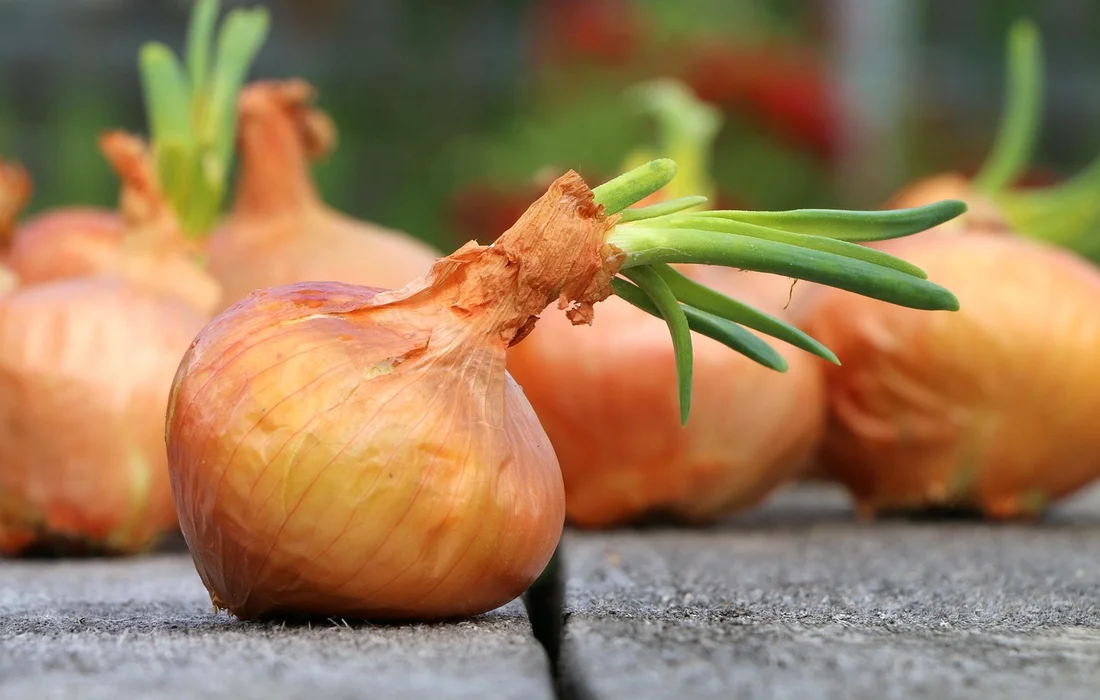
Fences wear out and wire sags, but a well-planned living barrier just gets thicker and tougher with each passing year. Think of strategic planting as building a permanent, self-repairing defense line that also nourishes your land and your animals. You’re not just keeping rabbits out; you’re creating a more resilient and productive homestead ecosystem.
Guarding the Chicken Run and Goose Greens
Our feathered friends deserve a peaceful scratch in the dirt, free from nibbling interlopers. I like to plant a “moat” of unappetizing greenery around their spaces. A thick border of rosemary or lavender works wonders; rabbits turn up their noses at those strong oils, but the chickens love dust-bathing near the aromatic plants. For a lower-growing option, I’ve had great success with a dense planting of nasturtiums. Those peppery leaves and flowers are a rabbit deterrent, but they’re a delightful, healthy snack for the flock, packed with vitamin C and acting as a natural wormer. Just be sure to plant them outside the run fencing so the birds don’t demolish them before they establish.
Creating a Rabbit-Resistant Hedge for Pig Pastures
Pigs are magnificent rototillers, and the last thing you want is rabbits using their wallows as a gateway to your garden. A proper hedge here needs to be rugged, dense, and rooted deep. We’re talking about a multi-layered defense you plant once and forget, save for the occasional pruning for swine snacks.
My Go-To Pig Paddock Perimeter Mix
I plant this in two staggered rows for a thick, impenetrable screen. These choices are tough as old boots and serve a purpose beyond defense.
- Rugosa Roses: Their incredibly thorny canes stop traffic cold. Once established, they form a massive, sprawling thicket. The rose hips are a superb winter vitamin source for the pigs, and I’ve seen the sows cleverly rub against the stems for a good scratch.
- Elderberry: Fast-growing with a network of stems rabbits find unappealing. The pigs will happily clean up the ripe berry clusters you toss over the fence, and I always harvest some for my own syrups. It’s a win-win-win.
- Blackberry or Raspberry (thorned varieties): Let’s be honest, these spread willingly. By directing that vigor along your pasture border, you create a barbed wire made of vines. The brambles provide shade and an excellent annual treat for the pigs when the fruit comes in.
- Autumn Olive or Sea Berry: These nitrogen-fixing shrubs are true powerhouse plants. They’re not preferred browse for rabbits, grow in poor soil, and produce berries loaded with nutrients. They bolster the soil for your pasture and offer fantastic forage.
Plants with a Dual Purpose: Deter Rabbits, Benefit Livestock
The most satisfying plants on the homestead are those that pull double duty. By choosing flora that rabbits shun but your stock can utilize, you turn a simple pest problem into an opportunity for free, on-the-hoof nutrition and healthcare. This is where the old wisdom of the farmstead herb garden truly shines.
Herbal Allies for the Henhouse
I tuck these herbs right into the run or in planters the chickens can access. The birds will self-medicate as they see fit, and the scent alone helps keep the area clear.
- Oregano (Greek variety is strongest): This is my number one pick. Rabbits avoid it. For chickens, it’s a potent broad-spectrum support for respiratory health and immune function. I dry great bundles of it for their winter nesting boxes.
- Fennel: Its strong licorice scent is a turn-off for bunnies. The chickens will peck at the feathery foliage, which is believed to help with digestion and can even boost egg yolk color.
- Lemon Balm & Mint: Plant these in pots to contain their spread! Their powerful citrus and menthol aromas mask the scents rabbits find attractive. Scatter a few crushed leaves in the coop to refresh it and deter insects.
Alliums: A Pungent Powerhouse
No rabbit-proof strategy is complete without the allium family. That sulfurous punch that makes our eyes water is downright offensive to a rabbit’s sensitive nose and taste buds. But for our larger livestock, these plants are gentle giants of wellness. Rabbits tend to avoid them, even if they’re not strictly safe for them to eat.
I plant rows of chives, walking onions, and garlic around my garden’s edge and even in my orchard. Beyond the barrier they create, I harvest the greens for the animals. Geese and ducks will nibble fresh chives. For the pigs and cows, I chop up garlic scapes or mild elephant garlic greens and mix them into their feed. It’s a time-honored way to support gut health and act as a mild natural vermifuge. The key is consistency and moderation-a little bit, often, does the trick.
What to Avoid: Common Missteps in Rabbit-Proofing
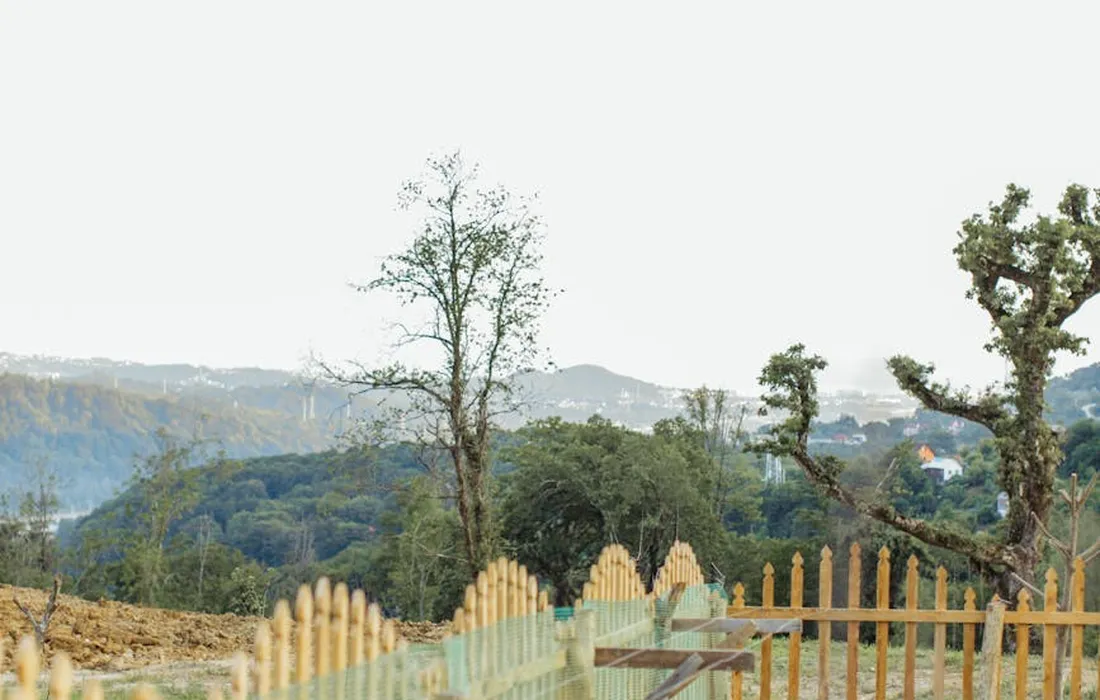
I’ve watched many a well-meaning neighbor get tripped up by the same few pitfalls. It’s easy to think a single solution will hold, but rabbits are clever, persistent critters. The biggest mistake is relying on just one type of defense; a truly rabbit-resistant garden uses a layered approach that appeals to all their senses and includes rabbit-proof plants.
Don’t make the assumption that a plant labeled “deer-resistant” will also deter rabbits. Their tastes are entirely different. I once planted a whole row of deer-proof hostas, only to find them nibbled to nubs by sunrise. Rabbits lack the sophisticated digestion for many strong-scented herbs, making plants like lavender and rosemary far safer bets than most ornamental foliage. For gardeners seeking true rabbit-resistant flowers, focusing on native perennials and plants with tough textures often pays off. A few well-chosen rabbit-resistant blossoms can brighten borders with less risk of nibbling.
Another common error is forgetting about the seedlings and young plants. A mature, woody rosemary bush might be safe, but a tender four-inch start is a delicious green snack. You must protect new plantings with physical barriers like cloches or netting until they’re well-established and their defensive oils or textures have fully developed.
Finally, avoid creating cozy habitat right next to your garden. Piles of brush, tall unmown grass, and dense shrubbery are perfect rabbit condos. Keeping the perimeter of your garden clear and open removes their sense of security and makes them think twice about venturing into your exposed planting beds for a meal.
Cultivating Your Deterrent Garden: Practical Steps
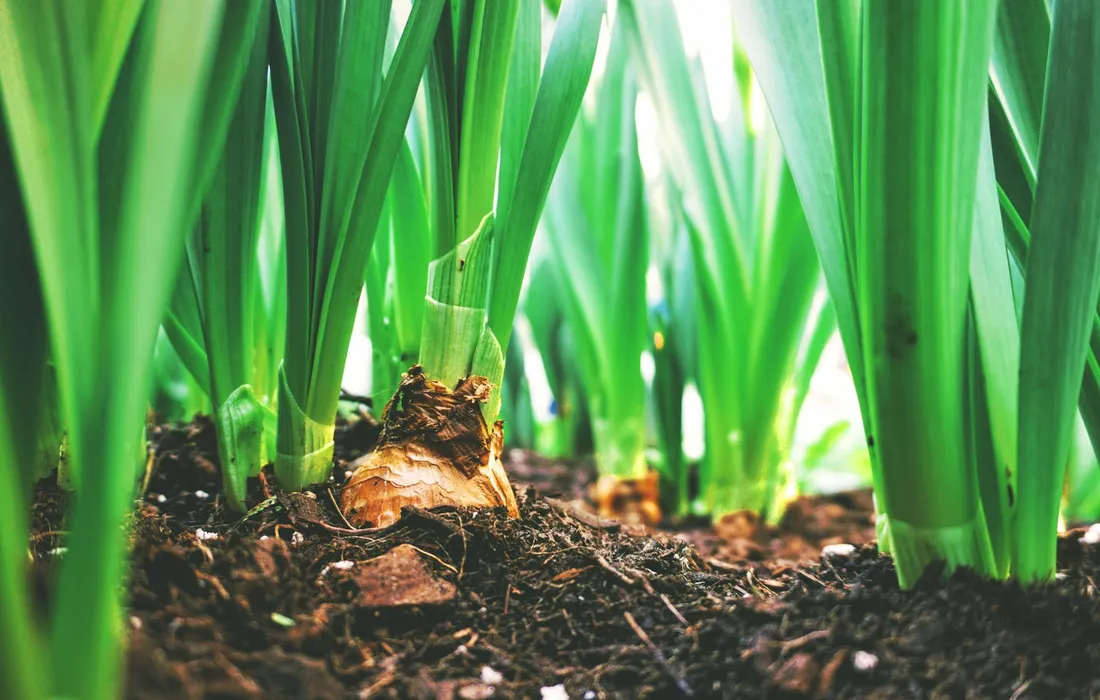
Turning theory into practice is where the fun begins. Let’s roll up our sleeves and plan a garden that works with nature’s cues to keep your harvests safe.
Step 1: Map Your Trouble Spots and Animal Zones
Grab a notebook and just watch for a couple of days. Where do you see rabbit droppings? Which plants already have bite marks? This tells you their main highways. Your map should note these high-traffic areas, as they’ll need the strongest defensive planting or a physical fence.
Think about your own livestock, too. My chickens have a run, but the geese free-range. I don’t plant my precious deterrent herbs where the geese can trample them. Divide your land into zones: rabbit problem areas, protected garden space, and livestock areas to prevent your own animals from undoing your hard work.
Step 2: Source Plants or Seeds Frugally
You don’t need a fancy nursery bill. Start with divisions from fellow homesteaders. Many deterrent herbs like thyme, oregano, and mint spread readily, and most folks are happy to share a clump. Local plant swaps are gold mines for finding established, rabbit-proof perennials that are already acclimated to your soil and weather.
For seeds, focus on annuals like marigolds and nasturtiums. A single packet of seeds costs little and can line an entire garden bed. Saving your own seeds from year to year, especially from prolific bloomers like marigolds, turns this step into a one-time investment for endless rabbit protection.
Step 3: Plant with Defense in Mind
Don’t just plant in rows. Use strategy. I plant my most vulnerable lettuces in the center of a raised bed, surrounded by a perimeter of onions and a border of sprawling, pungent oregano. This method, called interplanting, creates a confusing sensory barrier rabbits would rather hop around than hop through.
Height and texture matter. Place taller, shrubby plants like lavender at the back of a border. Use low, fuzzy plants like lamb’s ear as a fuzzy, unappetizing ground cover along edges. Think of your garden not as a collection of plants, but as a living fortress wall with different defensive layers at different heights.
Step 4: Maintain and Adapt Your Strategy
A garden is never static, and your strategy shouldn’t be either. Regularly pinch back your aromatic herbs. This pruning encourages new growth, which is often where the strongest oils and scents are produced. Crushing a few leaves of sage or rosemary as you walk by releases their scent into the air, reinforcing the “keep out” signal to any nearby rabbits.
Pay attention each season. If you notice a new breach, fill it immediately with a potted marigold or a transplanted sage start. Successful rabbit-proofing is an active partnership with your garden, requiring observation and a willingness to shift your plant placements as you learn what works best in your unique space.
Closing Tips for a Peaceful Homestead
Are there any rabbit-resistant plants I can grow specifically as feed for my chickens or geese?
Yes, several plants serve this dual purpose. Nasturtiums and calendula are excellent choices; their peppery, pungent foliage deters rabbits, but poultry enjoy both the leaves and flowers. Herbs like oregano and fennel are also avoided by rabbits and provide fantastic health benefits when your birds peck at them.
How do I safely use toxic deterrent plants, like foxglove, near my animal pastures?
Place them completely outside of any grazing area, ideally as part of a perimeter hedge along a boundary fence your livestock cannot reach. The goal is for rabbits to encounter them before they reach the pasture, creating a no-go zone without introducing risk to your larger animals who might also find them toxic. This way, you can manage the access of wild rabbits to your garden more effectively.
What should I do if rabbits start eating a plant that’s supposed to be resistant?
First, protect the plant immediately with a physical barrier like wire mesh. Hunger and local taste preferences can vary. Consider reinforcing the area by planting a stronger-smelling companion, like garlic or rosemary, or applying a safe, natural repellent spray until the plant matures and develops its full defensive traits.
Do rabbit-deterring plants work year-round, or do I need a seasonal strategy?
Your strategy must adapt with the seasons. Many aromatic perennials die back or are less potent in winter. Rely on evergreen herbs like rosemary, use textured barriers like ornamental grasses, and prioritize fall planting of bulbs like daffodils. Always protect young spring seedlings, as they are most vulnerable before their defenses develop.
Can I plant rabbit-proof vegetation directly inside my pig pasture or chicken run?
Inside a pig pasture, it’s generally not feasible, as pigs will root up and eat most plants. For chickens, you can plant hardy, established herbs in protected corners or in raised planters they can browse. It’s often more effective to plant your deterrent barrier *around* these enclosures to keep rabbits out while letting your own animals graze safely inside.
How long does it take for a planted deterrent barrier to become effective?
It depends on the plant. Transplants of established aromatic herbs like lavender can be effective within a season as they establish scent. From seed, most annuals like marigolds work once they have substantial foliage. For a full, dense hedge of shrubs like rugosa rose, expect 2-3 growing seasons for a truly formidable, established barrier.
Back to the Pasture
There you have it-a whole plot’s worth of wisdom on steering those long-eared nibblers toward your compost pile and away from your prized petunias. A garden is a living thing, and so is the fence line of plants you choose to guard it. The most dependable strategy is to start your defenses with a fortress of strong-smelling herbs and tough-leaved ornamentals; they create a living barrier that encourages rabbits to find their salad bar elsewhere. It’s about working with nature’s own rules, not just fighting against them.
I reckon the best part of this whole homesteading life is finding those simple, clever solutions that let us all live together a little more peacefully. Now, if you’ll excuse me, I see my own garden beckoning, and a certain lop-eared fellow eyeing the clover down by the fence. Happy planting, y’all. May your harvest be bountiful and your lettuce leaves untouched.
Further Reading & Sources
- 19 Beautiful Rabbit-Resistant Plants for Your Flower Garden
- 17 Plants I Now Know Rabbits Won’t Eat, After Years of Trial and Error
- How to stop bunnies from eating your pollinator garden
Caroline Mae Turner is a lifelong farm girl raised on red clay, early mornings, and the sounds of a bustling barnyard. With hands-on experience caring for everything from stubborn goats to gentle dairy cows and mischievous pigs, Caroline shares practical, tried-and-true advice straight from the farm. Her goal is to help folks keep their animals healthy, well-fed, and living their best barnyard life. Whether you're wrangling chickens or bottle-feeding a baby goat, Caroline brings a warm Southern touch and plenty of real-world know-how to every bucket in the barn.
Pasture Management