
Stopping Mink Attacks and Boosting Chicken Health with Minnows
Published on: August 14, 2026 | Last Updated: August 14, 2026
Written By: Caroline Mae Turner
Howdy y’all. The absolute best defense against a mink is a fortress of 1/4-inch hardware cloth buried a foot out from your coop, and a powerful boost for your hens comes from offering them whole, dried minnows as a protein-packed treat. Nothing turns a good morning sour faster than finding a scene of pure carnage in your henhouse, and a mink leaves a particular kind of havoc. On the flip side, watching your chickens eagerly peck at minnows is a sure sign you’re giving them a natural feast that builds strong feathers and better eggs.
- Tools & Materials: 1/4-inch (or smaller) hardware cloth, heavy-duty staples, a strong shovel, durable gloves.
- For the Flock: A source of dried or fresh minnows, a secure treat dispenser or shallow dish.
- Time & Vigilance: An afternoon for serious fortification, and a daily habit of checking for any new digging or weakness in your defenses.
Let’s get this problem sorted, so you can tend the rest of your homestead with peace of mind.
Know Your Enemy: The Mink, a Poultry Predator
Let’s talk about a varmint that’s a whole different kind of trouble for the homestead flock. We’re used to foxes looking for a meal or raccoons making a mess, but a mink operates on a different, more sinister level. This ain’t just a thief; it’s an efficient killer driven by pure instinct.
Spotting a Mink: Appearance and Habits
Picture a long, sleek, chocolate-brown tube of muscle and fur, not much bigger than a large rat but moving with the fluid grace of a snake. They’ve got a small, pointed face, beady eyes, and a bushy tail. You’re most likely to see one at dawn, dusk, or on a cloudy day, slinking along creek banks, drainage ditches, or pond edges, for they are never far from water. They are phenomenal swimmers and can pursue prey right into the water. On our place, I once watched one vanish into a drainage pipe no wider than a coffee can-if their head fits, their body follows.
Signs a Mink Has Visited Your Flock
The scene is chillingly distinct from other predators. You won’t find just one or two birds missing. A mink is often compelled to kill every chicken it can corner. You’ll find multiple birds dead, typically with bites to the back of the neck or head, and often left uneaten. This surplus killing is a hallmark of a mustelid predator and leaves a heart-wrenching sight for any homesteader. Look for tracks in soft mud: five toes on both front and back feet, often with a bounding pattern.
Understanding Mink as Mustelid Carnivores
Mink belong to the same family as weasels, otters, and ferrets. This means they are hyper-carnivores with a metabolism that runs like a furnace. They *must* eat frequently. A chicken coop represents a concentrated food source, and their instinct is to neutralize every potential threat or competitor, which they interpret as every bird in the pen. Understanding this pure predatory drive is key to defending against it; they aren’t just hungry, they are hardwired to hunt and cause disruption similar to stress-induced cannibalism in chickens.
Fortifying Your Flock: Mink-Proofing the Homestead
Defense against a mink is an exercise in absolute precision. There is no room for “good enough.” They will find and exploit the smallest lapse in your security.
Building a Fortress: Coop and Run Security
Your first and best line of defense is physical barrier. Think less “fence” and more “fortress.”
- Hardware Cloth is Non-Negotiable: Banish chicken wire from your mind for predator proofing. You need 19-gauge or heavier 1/4-inch hardware cloth. This spacing is too small for a mink’s skull.
- Bury It or Apron It: Mink are adept diggers. Sink your hardware cloth at least 12 inches straight down into the soil around the run’s perimeter, or lay a 12-inch horizontal apron outward from the base and cover it with soil or mulch.
- Secure Every Opening: Vents, windows, and eaves must be covered with that same sturdy hardware cloth. A mink can squeeze through a hole the size of a quarter.
Step-by-Step Fencing and Hardware Cloth Inspection
- Put on your gloves and get on your hands and knees. You must inspect from a predator’s eye level.
- Run your fingers along every seam and staple line. Feel for give, rust, or loose fasteners. A determined mink will work at a weak spot until it gives.
- Check where different materials meet-wood to wire, door frames to walls. Seal any gap wider than 1/4 inch with more hardware cloth or metal flashing.
- Test every latch. Many can be nudged open by clever paws. Add spring-loaded carabiners, sliding bolts, or padlocks.
- Kick the bottom of the run walls gently. If it wobbles, a predator will sense that vulnerability. Reinforce it with a treated lumber kickboard.
This monthly inspection is as vital as filling the waterer; it turns a static coop into an active defense.
Beyond the Wire: Additional Predator Deterrents
While the fortress is primary, layering your defenses makes your homestead a less appealing target.
- Lights and Noise: A motion-activated light over the coop can startle a nocturnal hunter. A radio left on talk radio near the coop occasionally adds an unpredictable human element.
- Livestock Guardians: A good barn cat or a free-ranging, poultry-respecting dog can be an excellent deterrent. Their scent and presence mark territory.
- Remove Attractants: Never leave spilled feed out overnight. Secure your compost pile and garbage cans. You’re not just feeding chickens, you’re avoiding feeding every wild critter in the county.
- Consider a Perimeter: For runs, a hot wire strung 4 inches off the ground and 4 inches out from the run wall can deliver a memorable discouragement to a searching mink.
The goal is to make your coop the most difficult, confusing, and risky option on the mink’s nightly patrol. It’s a battle of wits, and with diligent, layered preparation, your wits-and your flock-will prevail.
The Mink’s Natural Diet: Why Your Pond Matters
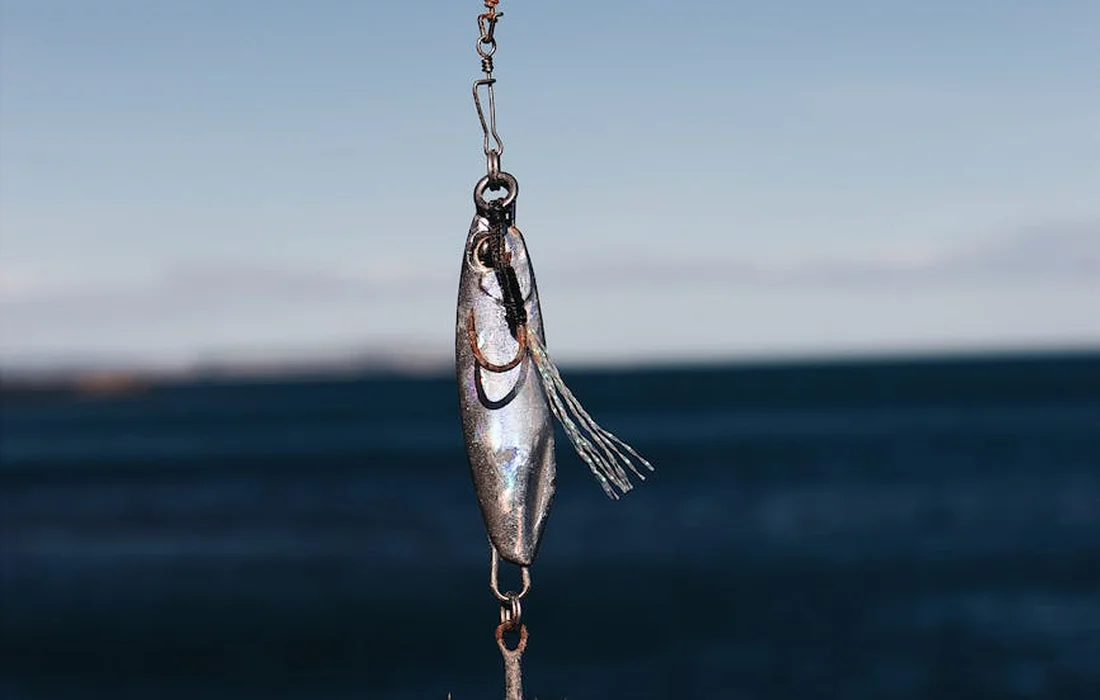
You might reckon a mink’s interest in your place starts and ends at the coop. I’ve learned different, watching their sleek, dark forms glide along my creek bank at dusk. What draws a mink onto your property is often a reliable dinner plate, and that’s frequently your pond or wetland area. A healthy water source is a beacon for them, signaling an easy, protein-rich living.
What Mink Eat in the Wild: Fish, Frogs, and More
These critters are relentless, opportunistic hunters. Their wild menu is what I call the “wetland sampler.” It’s not picky eating. I’ve seen the evidence after they’ve visited: piles of crayfish claws, frog parts, and the shells of mussels. A mink will take mice and voles from the field, but its heart belongs to the water’s edge. Their primary targets are aquatic: fish, frogs, crayfish, and waterfowl like ducklings or even full-grown muskrats. They’re fierce for their size, and a flock of chickens is just another type of slow-moving, ground-dwelling bird to them. Even chickens aren’t immune at the wetland edge. Snakes will nab a chick or egg, and turtles will opportunistically target nests when the cover is right.
The Role of Minnows and Aquatic Habitat
Minnows and small fish are the cornerstone of a mink’s diet in many areas. Think of them as the daily bread. A pond teeming with fathead minnows, sticklebacks, or young sunfish is a guaranteed draw. It’s a self-replenishing buffet. This aquatic habitat also supports all the other prey items-frogs lay eggs there, crayfish hide in the mud, and birds come to drink, including geese that feed on the pond. By maintaining a vibrant pond, you’re essentially running a full-service restaurant for every mink in the township. I learned this the hard way one spring when a family of mink took up residence in my old muskrat lodge, living high on the hog off my bluegill spawn.
Managing Water Bodies to Discourage Mink
You don’t have to drain your pond to get peace of mind. Good stewardship means managing the habitat so it’s less inviting to predators. Start by clearing dense brush and cattails right at the water’s edge for a good ten to fifteen feet. Mink hate crossing open ground where they can be spotted by owls or coyotes. Next, look at your fish population. If it’s overstocked, you’re rolling out the welcome mat. Consider recreational fishing or introducing a natural predator like a couple of large bass to thin the ranks. For small, ornamental ponds or critical water sources near your coop, a physical barrier is your best bet. Burying hardware cloth (½ inch mesh) at least a foot deep and a foot out from the bank can block their digging and access points. It’s a chore, but it’s cheaper than losing a whole flock.
From Predator to Protein: The Place of Minnows in Chicken Feed
Now, here’s a twist that always makes me smile. The very thing that attracts a fierce predator can also be a powerful boost for your flock. While we’re busy discouraging mink, we can harvest some of that same aquatic protein for our birds. Turning a potential problem into a nutritional resource is the heart of good homestead thrift.
Can You Feed Minnows to Chickens? Safety and Sense
You absolutely can, and your hens will act like you’ve given them the keys to the grain bin. Freshwater minnows, like fatheads or shiners, are a safe, natural treat. The key is the source. Never feed fish from water you suspect is polluted with runoff, chemicals, or algae blooms. I only use minnows from my own clean pond or trusted wild sources. Always offer them fresh, never rotten, and remember they are a supplement, not a main course. Fish and seafood safety is crucial when feeding any treats. A handful tossed into the run sparks a hilarious, scrambling chase that’s good for the birds’ spirits and their bodies.
Step-by-Step Guide to Offering Fish as Treats
- Source Safely: Collect minnows with a small trap or net from clean water. Avoid roadside ditches or stagnant ponds.
- Rinse Well: Give them a quick rinse in fresh, clean water to remove any pond silt or debris.
- Serve Fresh or Dried: You can toss them fresh directly into the run. For longer storage, dry them on a screened rack in the hot sun for a day or two until crisp.
- Limit Portions: A small handful for a standard flock of 12 hens once or twice a week is ample. Too much can affect the taste of eggs.
- Provide Grit: Ensure your birds have access to coarse grit to help them properly digest the small bones.
The Nutritional Benefit of Small Fish for Poultry
Minnows are little powerhouses. They’re packed with high-quality protein, often measuring 50-60% crude protein on a dry matter basis. That’s far beyond what your best layer pellet offers. They’re also rich in omega-3 fatty acids, which translate into those rich, flavorful yolks everyone loves. The calcium from their tiny bones supports strong eggshells. Feeding small, whole fish delivers a complete package of amino acids, fats, and minerals in a form a chicken’s gut understands perfectly. I’ve seen molting hens perk up and regrow feathers faster with a few fish treats in their diet. Ducks also relish minnows and other live protein sources, so this topic naturally extends to waterfowl nutrition. For a broader look at live foods, a complete live-food protein guide covers nightcrawlers and similar treats for ducks and poultry alike.
Fish Meal and Sustainable Protein Alternatives
Now, if you’re not near a pond, you can still tap into this concept. The commercial version of this is fish meal, a staple in many quality feeds. Look for feeds that list fish meal as an ingredient. For a DIY approach, consider drying or smoking small fish you catch or buy. You can crush them into a meal and mix it into your scratch. Other sustainable proteins follow the same logic: black soldier fly larvae (grubs), mealworms, or even cooked eggs. The goal is to mimic the diverse, protein-rich diet a foraging bird would find on its own, moving beyond just grains and pellets. It’s about working with nature’s logic, whether you’re keeping mink out or putting vital nutrition in. These protein options also contribute to a protein-rich diet for ducks—think safe insects, worms, or small fish can be part of a balanced diet. Just as with seafood safety, prioritize safe sourcing and proper handling to protect birds and waterways.
Integrated Flock Management: Living with Wildlife
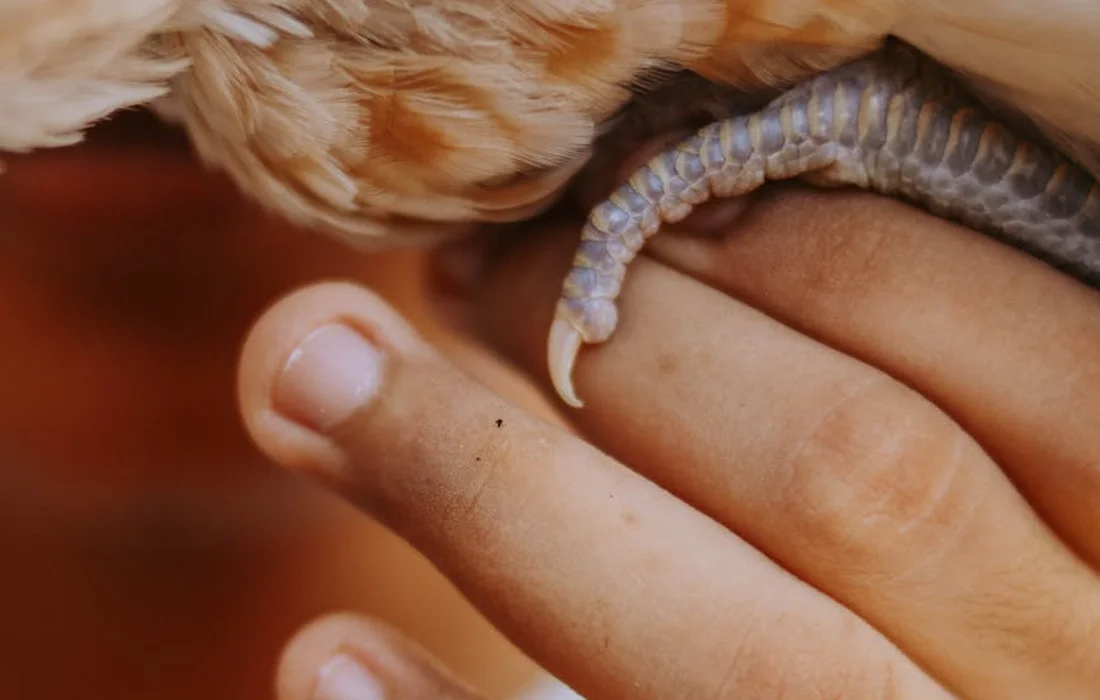
Here’s a truth I learned from my granddaddy: you don’t eliminate predators from your land, you manage around them. A quiet farm is a healthy ecosystem, and that includes the weasels and foxes. The goal isn’t a scorched-earth war, but a respectful boundary that keeps your flock safe while letting wildlife do its job elsewhere. It’s about smart coexistence, not constant confrontation.
Daily and Seasonal Monitoring for Predator Risk
Vigilance is your cheapest and most effective tool. I make my evening rounds with a cup of coffee, not just to say goodnight to the hens, but to read the land. It’s a quiet audit. After a hard rain, I’m checking for new digs under the coop skirt. In late fall, when natural prey gets scarce, my senses are on high alert. Predator pressure isn’t constant; it pulses with the seasons and the weather, and your routine should too.
For a critter as sly as a mink, you have to look for the signs they can’t help but leave:
- A musky, skunk-like odor near a coop corner or run. That’s a mink’s calling card.
- Perfectly round, dime-sized holes dug right at the base of fencing. They’re tireless diggers.
- Chicken carcasses with bitten-off heads or necks, often left behind. Minks are driven to kill.
- Unease in the flock for no clear reason. Your birds notice that scent long before you do.
Seasonally, stay extra sharp during the late fall and deep winter when other food is hard to come by, and in early spring when predators are feeding young. A muddy or snowy perimeter around your coop will show you every track, telling you exactly what’s been visiting under the moon.
Creating a Secure Yet Natural Environment
Your chicken yard shouldn’t look like a prison yard. With some thought, you can build security that blends right in. It’s about layered defense. I use hardware cloth, not chicken wire, buried a foot out from the coop and run to stop diggers. Overhead, netting or a roof keeps owls and hawks from diving in. This physical barrier is your non-negotiable fortress wall. If you’re planning the yard, consider a garden planning guide for chicken-safe plants to choose safe, productive varieties.
Beyond the fence line, think about habitat. Keep grass and brush trimmed back from your coop by several feet. This creates a clean zone that denies cover for a sneaky approach. I also encourage nature’s own balance. A good barn cat or even a resident fox can help keep rodent populations down, which in turn removes a primary food source that attracts minks to your area in the first place.
Now, let’s tie this to diet in a way most folks don’t consider. This is where those minnows come in. A scratch-grain-only diet might fill a chicken’s crop, but it doesn’t build a resilient bird. Supplementing with protein-rich treats like minnows (which can be 50-60% protein) builds stronger, more alert, and physically robust chickens. A hearty hen is quicker to sound the alarm and more resistant to the stress of predator threats. I’ll net minnows from my pond, freeze them in blocks, and toss one in the run. The pecking and activity is a distraction from boredom, and the nutrition is a frontline defense. It’s thrifty, sustainable stewardship that makes your flock less of an easy target. Plus, it’s one of the supplemental foods and treats that chickens can eat besides their regular feed.
Closing Tips for a Secure Flock and Thriving Flock
How can I make my pond less attractive to mink without harming it?
Manage the shoreline by clearing dense brush to create open, exposed areas that mink avoid. You can also responsibly fish the pond to reduce an overabundant minnow population, which is a primary food lure, making your property a less reliable buffet.
Are minnows from any pond safe to feed my chickens?
No, you must source minnows from clean, unpolluted water. Avoid ponds with suspected chemical runoff, algal blooms, or stagnant water, as toxins can concentrate in the fish and be passed to your birds.
What’s the best way to store dried minnows for chicken treats?
Once fully dried and crisp, store minnows in an airtight container in a cool, dark place. For longer-term storage, a sealed container in the freezer will prevent fats from becoming rancid and keep pests away.
Will feeding minnows make my chickens’ eggs taste “fishy”?
When fed in moderation as a treat, minnows should not affect egg flavor. Overfeeding can lead to a fishy taste, so limit portions to a small handful for a flock once or twice a week.
If I can’t get minnows, what are the best plant-based protein alternatives?
While not direct substitutes, high-protein options like sunflower seeds, sprouted lentils, or peas are excellent. For a complete animal protein alternative, consider black soldier fly larvae, which offer similar benefits.
How does managing mink and feeding minnows fit into a daily routine?
Incorporate a quick perimeter check for new digging into your daily lock-up ritual. Supplementing with minnows can be a weekly enriching activity, turning predator management and nutrition into simple, sustainable habits.
Back to the Pasture
When it comes to mink and minnows, it all boils down to a simple truth: you’re the steward of a whole, connected barnyard world. The most important thing you can do is marry vigilant protection with thoughtful nutrition, creating a homestead where your flock feels secure and is fueled by what’s right for them. A welded-wire fortress and a scoop of quality layer feed do more than just react to problems-they build a foundation for thriving animals.
I reckon that’s about all from my fence line for today. I’m mighty grateful y’all took the time to visit. Now, go enjoy the sound of contented hens and the peace of mind that comes from a job done right. Take care of your critters, and they’ll surely take care of you.
Further Reading & Sources
- Mink Damage Identification | Internet Center for Wildlife Damage Management
- How to Get Rid of Minks | Minks Removal | Havahart® US
- Mink Thrashes Chickens | Bushcraft USA Forums
Caroline Mae Turner is a lifelong farm girl raised on red clay, early mornings, and the sounds of a bustling barnyard. With hands-on experience caring for everything from stubborn goats to gentle dairy cows and mischievous pigs, Caroline shares practical, tried-and-true advice straight from the farm. Her goal is to help folks keep their animals healthy, well-fed, and living their best barnyard life. Whether you're wrangling chickens or bottle-feeding a baby goat, Caroline brings a warm Southern touch and plenty of real-world know-how to every bucket in the barn.
Diet Requirements