
Feeding Your Rabbits Right: The Daily Fresh Grass Guide
Published on: August 17, 2026 | Last Updated: August 17, 2026
Written By: Caroline Mae Turner
Howdy y’all. For a healthy, adult rabbit, you’ll want to provide a daily pile of fresh grass that’s at least as big as the rabbit’s own body. I’ve watched many a new homesteader fret over that very question while holding an armful of clover.
What you’ll need:
- A safe, chemical-free pasture or lawn for cutting
- A simple harvesting tool like garden shears
- A dry, clean spot in the run or hutch to serve the greens
We’ll sort through the details together, quick as a bunny, so you can move on to the rest of your day’s work.
The Daily Grass Guide: Figuring the Right Portion
Let’s talk real numbers, because guesswork has no place at the feed trough. For a healthy, average-sized rabbit, plan on fresh grass making up about 80% of their daily diet, which translates to a bundle roughly the size of their own body. You can literally eyeball it each morning.
Now, that’s a heap, but it’s not all they eat. Grass works alongside quality hay, a small measure of pellets, and clean water. I always reckon the grass portion first, then let good timothy hay fill in any gaps and keep their digestion moving smooth as butter. It’s a balance that’s served my herd for years.
A Handy Measure by Weight
If you’re the type who likes a chart nailed to the coop wall, here’s a simple guide based on what’s worked in my pens. These amounts are for fresh grass on top of unlimited hay.
| Rabbit Weight | Daily Fresh Grass Guide |
| 2-3 lbs (Dwarf breeds) | 1 to 1.5 cups, loosely packed |
| 5-6 lbs (Standard) | 2 to 3 cups, or a good two-handed clump |
| 9-11 lbs (Large breeds) | 4 to 5 cups, think a large salad bowl |
Remember, these are starting points. The best gauge is a peaceful rabbit with a softly rounded belly, not drum-tight or hollow. Run your hand along their side after feeding; you’ll learn the feel.
My Pasture Rotation Trick
I don’t just toss grass in a pile. I use movable pens on my pasture to let them harvest it themselves, which saves my back and fertilizes the land. For a pair of standard rabbits, I move their pen to a fresh 4’x4′ square of mixed clover and orchard grass every single day. This gives them more than enough to browse and keeps the grass from being overgrazed down to dirt. It’s much safer than feeding them cut grass or clippings.
- Step 1: Fence off a section of safe pasture free of chemical treatments.
- Step 2: Place your rabbit tractor or secure pen over lush grass about ankle-high.
- Step 3: Let them graze for 4 to 6 hours, always with shade and water available.
- Step 4: Move them to a new spot, allowing the grazed section to recover for 3-4 weeks.
This method mirrors their natural foraging and cuts my feed bill noticeably. Sustainable stewardship means working with the land’s rhythm, not against it. I’ve watched my soil improve and my rabbits thrive on this simple cycle.
What Changes a Rabbit’s Appetite for Grass?
A rabbit’s hunger for green stuff isn’t fixed; it swings with the seasons and their own life’s chapter. Just last week, my old doe Matilda turned her nose up at rye grass she’d usually devour, which was my first clue to check her teeth. Paying attention to these shifts is key to good husbandry.
Life Stage & Health
The needs of a growing kit are worlds apart from a retired buck. A nursing doe can easily consume double her normal grass intake to support her litter, needing that extra protein and moisture. Here’s what I’ve seen change appetites at my place:
- Growth & Pregnancy: Young rabbits under 6 months and bred does need more volume and richer grasses like alfalfa (but introduce it slow to avoid bloat).
- Age & Teeth: Senior rabbits or those with dental issues may eat less grass because it’s harder to chew. They’ll rely more on tender clover or chopped herbs.
- Health Snags: A rabbit off its grass is often the first sign of gut slowdown or illness. Heat stress can also cause a major drop in appetite.
Weather and Season
Sun and temperature play a huge role. During a scorching Tennessee July, I find my rabbits graze heavily at dawn and dusk, but nibble little during the heat of the day. You’ve got to adjust your offerings accordingly.
- Spring Lush: New grass is high in moisture and sugars. Introduce it gradually over a week to prevent digestive upset.
- Summer Heat: Provide grass in the cooler hours. Wilted grass from the midday sun is less appealing and lower in nutrients.
- Winter Dormancy: Fresh grass disappears. This is when your stockpile of nutrient-rich hay becomes the cornerstone of their diet.
Always offer grass dry, never wet from rain or dew, to avoid introducing harmful bacteria into their delicate systems. I spread mine on a clean rack in the shade to air out if needed.
Forage Quality and Variety
A monotonous menu bores any creature, rabbits included. I regularly mix in handfuls of plantain, dandelion, and raspberry leaves with their standard grass to spark interest and provide a broader nutrient profile. A patch of tired, stemmy grass won’t get eaten, while a diverse, young sward keeps them happy.
Your management directly influences their appetite. Respect for the animal means observing not just how much they eat, but how eagerly they approach their meal. That eager hop to the feeding station tells you everything is right in their world.
Picking the Right Pasture: Safe Grasses & Hazardous Lawns
Not all that is green is good for a bunny’s belly, and I learned that lesson early when one of my youngsters got into a patch of jimsonweed. Your pasture pick matters more than you might reckon, as rabbits have delicate digestive systems tuned for specific fibrous grasses. Think of it like setting a fine table; you want to serve the wholesome stuff and keep the poison well away. Curious about what rabbits actually nibble in your yard? A simple yard-foraging guide can help you identify safe greens versus risky snacks in your lawn and garden.
Safe pastures are built on grasses like timothy, orchard grass, and brome. I aim for a mixed stand in my paddock, as variety mimics nature and provides a broader range of nutrients, with protein levels in good grass hay sitting around a dependable 7-10%. Clover and dandelion leaves are fine treats in moderation, but the foundation should always be grass.
Your Safe Grazing List
- Timothy Grass: The gold standard, high in fiber and low in calcium.
- Orchard Grass: Softer and sweet, a palatable choice for most rabbits.
- Meadow Fescue & Brome: Tough, hardy grasses that hold up in varied weather.
- Barley Grass & Oat Grass: Wonderful for young, green growth before seed heads form.
What to Fence Out Immediately
This list isn’t just caution; it’s a mandate. Many common lawn plants and garden ornamentals can cause anything from mild upset to fatal toxicity in rabbits. I keep my herd well clear of these, and you should too. This naturally leads to considering what rabbits can safely eat versus which plants are unsafe. Understanding this will help you curate a safe menu for your rabbits.
- Treated Lawns: Any grass sprayed with herbicide or pesticide is an absolute no. Chemicals linger.
- Buttercups & Nightshade: These wild invaders bring trouble, causing mouth blisters and neurological issues.
- Foxglove & Oleander: Pretty but deadly, affecting the heart.
- Rhubarb Leaves: From the garden, their oxalic acid content is dangerously high for rabbits.
My rule is to know every plant in their run. Sustainable stewardship means managing that square footage actively; I rotate my rabbits on fresh pasture using movable pens, allowing at least 10 square feet per animal to prevent overgrazing and soil depletion. A little observation prevents a world of worry.
Switching to Greens: A Safe Introduction Plan
You can’t just turn a pellet-fed rabbit out on a lush field and call it a day. Switching diets must be slower than molasses in January to avoid gastrointestinal stasis, a dangerous shutdown of their gut. I start every new rabbit, whether kit or adult, on this same gentle plan.
Begin when your rabbit is healthy and stress-free. Their primary diet should still be high-quality hay, with fresh grass acting as a supplement, not a replacement, for those crucial long fibers. Think of grass as the vibrant side dish to hay’s main course.
The Step-by-Step Introduction
- Week One: The Tiny Taste. Offer a handful of washed, fresh grass (about the size of their head) once a day. Watch their droppings closely for any change in size or consistency.
- Week Two: Gradual Increments. If droppings remain normal, increase to two small handfuls daily, split between morning and evening feedings.
- Week Three: Building Up. You can now offer a larger portion, roughly a cup of grass per 2 pounds of body weight daily, still divided into multiple feedings.
- Week Four & Beyond: Monitoring Full Integration. They can now enjoy more free-grazing time in a safe pasture, but I always provide unlimited hay first. Their total fresh forage can reach up to 20-30% of their daily intake.
I keep a keen eye on their condition during this shift. Thriftiness here means using what your land offers wisely, but never rushing the process to save a dime on pellets; a sick rabbit costs more than any feed bill. If droppings become small, misshapen, or stop entirely, pull all greens immediately and go back to just hay and water.
Remember, a rabbit’s gut flora needs time to adjust to new microbes on fresh plants. This careful plan respects the animal’s biology and prevents the bloat and distress I’ve seen in folks who moved too fast. Patience in the transition yields robust health on the other side, and that’s a victory for any homesteader.
The Balanced Bunny Plate: Grass, Hay, and More

Fresh grass is a wonderful thing for a rabbit, but it’s just one part of a proper supper. Think of their diet like a good, sturdy plate: built on a foundation of roughage, with other bits and pieces for balance. From my years watching rabbits in the paddock, I’ve learned that variety keeps them hopping and healthy. Grass is just one type of roughage, but there are other important elements to consider.
Here’s how I break it down for my own herd. An adult rabbit’s daily rations should lean heavily on fiber:
- Unlimited Grass Hay: This is the bedrock. Offer a pile as big as the rabbit itself every single day. Timothy or orchard grass hay is my go-to.
- Fresh Grass & Forage: This is where your pasture comes in. A good rule is about a packed handful per two pounds of body weight daily, but let them graze if you can.
- Measured Pellets: Just a quarter cup per five pounds of rabbit. Look for a plain pellet with 16-18% protein and at least 18% fiber-no colorful bits or seeds.
- Leafy Greens: A cup or so of dark lettuces or herbs, but introduce new greens slow to avoid a poorly belly.
I reckon the hay does the heavy lifting, keeping their gut moving and teeth worn down. That fresh grass is a treat that mimics their natural foraging, but it’s the hay that ensures consistency through wet spells and dry summers. I’ve saved a pretty penny over the years by putting up my own hay when the field is lush.
Signs Your Rabbit Needs More (or Less) Roughage
Your rabbits will tell you plain as day if their fiber isn’t right. You just have to know what to look for in their behavior and what they leave behind.
Signs they need more roughage are usually written in their droppings. If those little cocoa puff pellets get tiny, hard, or scarce, it’s a red flag. You might also see them chewing on cage bars or being less active. Overgrown teeth, which can happen if they aren’t grinding down on enough hay, make for a miserable bunny.
Now, a rabbit can rarely have too much good fiber, but the balance can be off. If you see soft stools or bloating, it often means the rich greens or pellets are crowding out the simple hay and grass. Ease back on the extras and double down on that timothy. I learned this after my doe, Pearl, got a bit too fond of dandelion greens and reminded me what moderation means.
When Grass Isn’t Enough: The Non-Negotiables of Hay & Water
Pasture is perfect, but it fades in winter or turns to mud. That’s where your planning comes in. Hay is your fail-safe, the steady heartbeat of rabbit care that never falters with the seasons. It provides the long-stem fiber that fresh grass clippings or lawn mowings simply can’t match.
And let’s talk about water. A rabbit eating all that dry hay is going to drink a lot-often a cup or more per day. Clean, fresh water is the silent partner to roughage, without which the whole digestive engine seizes up. I use heavy bowls and check them twice daily, without fail.
Here’s my non-negotiable daily checklist for every hutch:
- A rack stuffed full of fragrant, dry hay (never dusty or moldy).
- A clean water vessel, refilled with cool water.
- Access to safe grazing or that handful of fresh grass, if weather permits.
One August, a drought left my pasture thin. Seeing my rabbits contentedly munching on stored hay while the field baked taught me that true stewardship means having a backup plan for your critters. Their health depends on that constant, simple supply.
A Barnyard Perspective: How Rabbit Grass Intake Compares
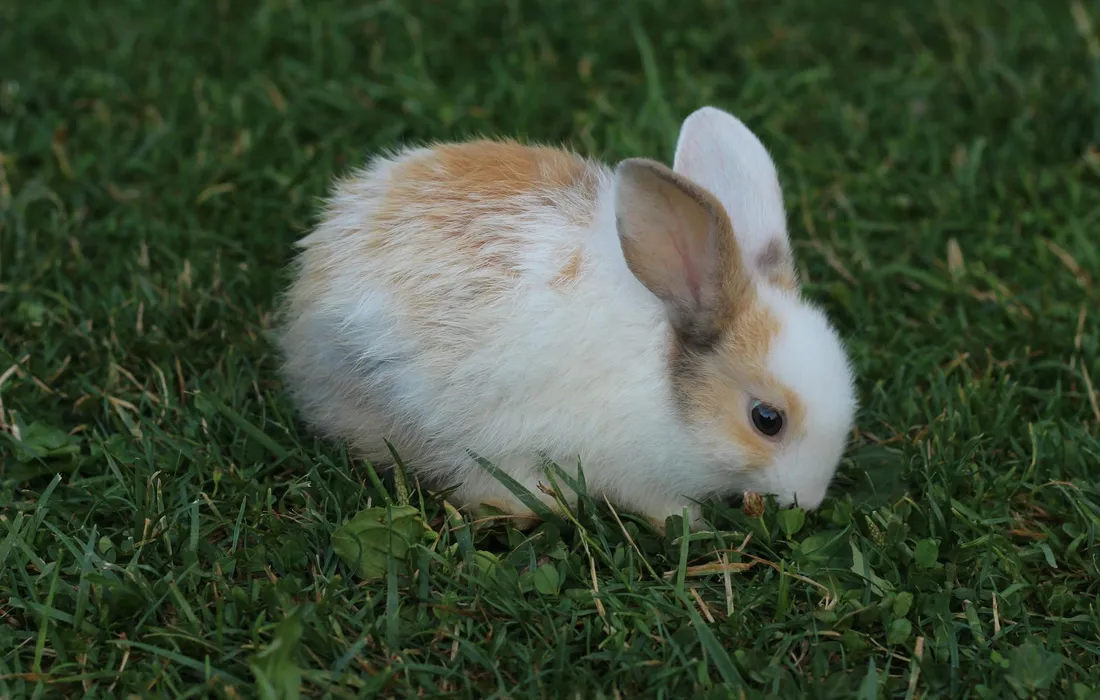
When you’re managing a whole barnyard, understanding how each critter uses pasture makes you a better steward. Rabbits are the refined foragers of the farm, requiring a delicate balance of fresh greens that sets them apart from your other livestock. I’ve spent years watching them all, and the differences are as clear as night and day.
Let’s talk digestion first. Your chickens and pigs are monogastrics, like us, with one stomach. Cows and sheep are ruminants with four-chambered stomachs. Your rabbit, now, is a champion hindgut fermenter, processing dense fiber in a massive cecum, which is why the right grass is non-negotiable for their health. This unique system means they can’t just eat like the others.
Side-by-Side in the Pasture
Here’s how their daily forage needs stack up:
- Rabbits: Selective grazers. They need a constant, steady supply of mixed grasses and herbs, ideally 1-2 packed cups of fresh greens per 5 lbs of body weight daily, alongside unlimited hay. They nibble tender tops and leaves.
- Chickens: Opportunistic scratchers. They’ll eat some grass, but they’re after bugs and seeds. Fresh greens are a vital supplement, not the main event. Too much lush grass can dilute their protein intake.
- Geese: Natural lawnmowers. A couple of geese can keep an acre tidy! They consume vast quantities of grass as their primary diet, but they’re tough on tender plants and need a large, rotating area.
- Pigs: Rooters, not grazers. They’ll eat grass, but they’re more likely to plow it up searching for roots and grubs. You can’t rely on pasture alone for pigs; they need a formulated ration.
- Cows & Sheep: Bulk grass processors. They are built to consume large volumes of mature grass and ferment it in the rumen. They’ll clear a field where a rabbit would still find a meal.
From my pasture, I’ve learned rabbits need a gentler hand. You can’t just turn them onto the same tough, stemmy pasture your sheep finished; they need it young, diverse, and clean. A mix of orchard grass, timothy, and a little clover (for a 14-16% protein boost) is their version of fine dining. For a practical home feeding plan, I cover a domestic rabbit diet guide. It helps translate pasture into a balanced daily menu.
The Rotation Revelation
This comparison teaches the biggest lesson: rotational grazing is everything. I run my chickens after the rabbits. The rabbits get the first, choice bite of fresh growth in a paddock, then the chickens follow to scratch, distribute manure, and pick out pests. This mimics nature, prevents parasite build-up, and lets the pasture recover. Giving rabbits a fresh “salad bar” every day in a movable tractor or a new pen section is the secret to vibrant health and a sustainable system. This is a practical example of pasture rotation management aimed at maximizing grazing efficiency. When moves are timed well, forage is used more evenly and soil health improves.
Closing Tips on Rabbit Grass Feeding
Is there a difference in grass consumption for different rabbit breeds or sizes?
Yes, the primary factor is the rabbit’s body size, not its specific breed. A large Flemish Giant will naturally require a much larger volume of daily fresh grass than a Netherland Dwarf.
Can a rabbit eat too much fresh grass?
Yes, particularly if it is introduced too quickly or is very rich, lush grass. Overconsumption can lead to serious digestive upset, including bloat and gastrointestinal stasis, so it must be balanced with unlimited hay.
How does a rabbit’s age impact its grass intake?
Young kits should have grass introduced very gradually after weaning. During this period, careful attention to the baby rabbit diet during weaning and the introduction of first foods supports healthy nutrition for the young. A smooth transition sets the stage for long-term dietary habits in rabbits. Healthy adults maintain a consistent intake, while senior rabbits may consume less due to dental issues, requiring softer forage.
How does grass consumption relate to hay consumption?
Hay is the constant, essential source of long-stem fiber for dental and gut health. Fresh grass is a valuable, moisture-rich supplement that varies with the seasons but should not replace hay in the diet.
What are the signs of a rabbit not getting enough grass or fiber?
Key signs include small, hard, or irregularly shaped droppings, overgrown teeth, and a lack of activity. A rabbit may also show increased interest in chewing on inappropriate objects like wood or cage bars.
How do you introduce fresh grass to a rabbit’s diet safely?
Begin by offering a very small amount, roughly the size of the rabbit’s head. Gradually increase the portion over 7-10 days while closely monitoring the size and consistency of their fecal pellets for any changes.
Back to the Pasture
When all’s said and done, the real trick isn’t in measuring ounces of grass, but in watching your rabbit. A bright eye, a busy nose, and a steady pile of good, round droppings tell you more than any scale ever could. The most reliable daily guide is to offer a generous, varied pile of fresh greens that’s about the size of your bunny’s own body, always alongside unlimited hay and measured pellets. That balance keeps their digestion humming and their spirits bright.
I reckon the finest part of this whole husbandry journey is the peace found in simple routines. There’s a deep contentment in watching your rabbits graze on sun-warmed grass, knowing you’re providing right from the land. Thank y’all for moseying through this with me. Now, go enjoy the quiet company of your flock and the good dirt under your boots.
Further Reading & Sources
- Hay for Rabbits
- Types of Rabbit Hay & Grass Not All Rabbit Hay Is the Same
- Grass and Hay for Rabbits – The Rabbit House
Caroline Mae Turner is a lifelong farm girl raised on red clay, early mornings, and the sounds of a bustling barnyard. With hands-on experience caring for everything from stubborn goats to gentle dairy cows and mischievous pigs, Caroline shares practical, tried-and-true advice straight from the farm. Her goal is to help folks keep their animals healthy, well-fed, and living their best barnyard life. Whether you're wrangling chickens or bottle-feeding a baby goat, Caroline brings a warm Southern touch and plenty of real-world know-how to every bucket in the barn.
Diet Requirements