Guinea Pig Tomato Feeding Guide: The Safe and Simple Method
Published on: August 21, 2026 | Last Updated: August 21, 2026
Written By: Caroline Mae Turner
Howdy y’all. You can absolutely share a bit of tomato with your guinea pig, but the rule is simple: only the ripe, red flesh, never any leaves or stems, and only as a modest, weekly treat. I’ve handed out many a tomato slice in my time, and getting this right saves a heap of worry over their tender digestion.
What you’ll need:
- A ripe, red tomato (homegrown or organic cuts pesticide risk)
- A clean knife for dicing
- A sturdy feeding dish
- A mindful approach to portion and frequency
We’ll have this all figured out in two shakes, so you can get back to the rest of your waiting critters and chores.
The Straight Talk on Tomato Safety for Your Cavy
Now, let’s get down to brass tacks about what parts of a tomato plant you can share with your guinea pig. For rabbits, tomato plant toxicity depends on the part: leaves and stems are riskier, while ripe fruit is generally safer in small amounts. It’s a bit like knowing which weeds in the pasture are harmless and which will make a cow bloat—you’ve got to be precise.
What’s On the Menu: The Safe Parts
The only part of the tomato plant that should ever find its way into your cavy’s cage is the fully ripened, red fruit itself. Think of it as offering just the perfect, sun-warmed berry from the vine, nothing more.
- The Flesh and Juice: The soft, inner pulp and seeds of a ripe tomato are perfectly safe. Those little seeds won’t cause any harm.
- A Thin Slice of Skin: The skin of a washed, ripe tomato is fine. I always give mine a good scrub first, just like I would for my own kitchen.
What’s Absolutely Off-Limits: The Dangerous Parts
Every other part of the tomato plant contains toxic compounds called glycoalkaloids, mainly solanine. This is a non-negotiable rule of cavy husbandry, as firm as keeping the chickens out of the feed shed.
- Leaves and Stems: These are poisonous. If you’re giving a tomato from your garden, ensure not a speck of stem or leaf is attached.
- Flowers: Do not feed the yellow blossoms.
- Green, Unripe Tomatoes: These contain higher levels of solanine. Only offer tomatoes that are fully red and ripe.
I keep a dedicated little colander in the sink for washing “critter veggies,” and I’m mighty careful to trim and compost any green bits before anything goes to the guinea pig cage.
The Good Stuff: Nutritional Benefits of a Tomato Treat
So why bother with a tomato at all? Well, beyond seeing the pure joy on their little faces, a ripe tomato offers some mighty fine nutritional perks when used as a occasional supplement to their prime hay and pellets.
A Powerhouse of Vitamins
Tomatoes bring a welcome burst of vitamins to the table. This juicy fruit is an excellent source of Vitamin C, which is absolutely vital for guinea pigs since their bodies can’t produce it on their own. A lack of it leads to scurvy, and we don’t want that.
- Vitamin C: Supports a healthy immune system and helps with healing.
- Vitamin A: Good for their eyesight and skin health.
- Vitamin K: Plays a role in healthy blood clotting.
- Potassium: This electrolyte helps with nerve function and muscle health.
Hydration and Digestive Aid
With their high water content, tomatoes can be a refreshing source of hydration, especially on a warm day. The moisture and gentle fiber in a tomato slice can also help keep things moving smoothly in your pig’s digestive tract, complementing that all-important hay.
Feeding It Right: Portion and Frequency
Here’s where thriftiness and stewardship meet. A tomato is a treat, not a staple. I reckon a sensible feeding plan looks something like this:
- Portion Size: One or two thin, small slices (about a tablespoon’s worth) per pig is plenty.
- Frequency: No more than 1-2 times per week. This prevents digestive upset and ensures they eat their core diet.
- Preparation: Always wash thoroughly to remove pesticides. Serve raw, never cooked or seasoned.
You know your own animals best. If a new food gives one of them loose stools, you pull back. It’s the same principle as watching for scours in a new calf-observation is your best tool.
From Vine to Pig: What Parts to Offer and What to Toss
-
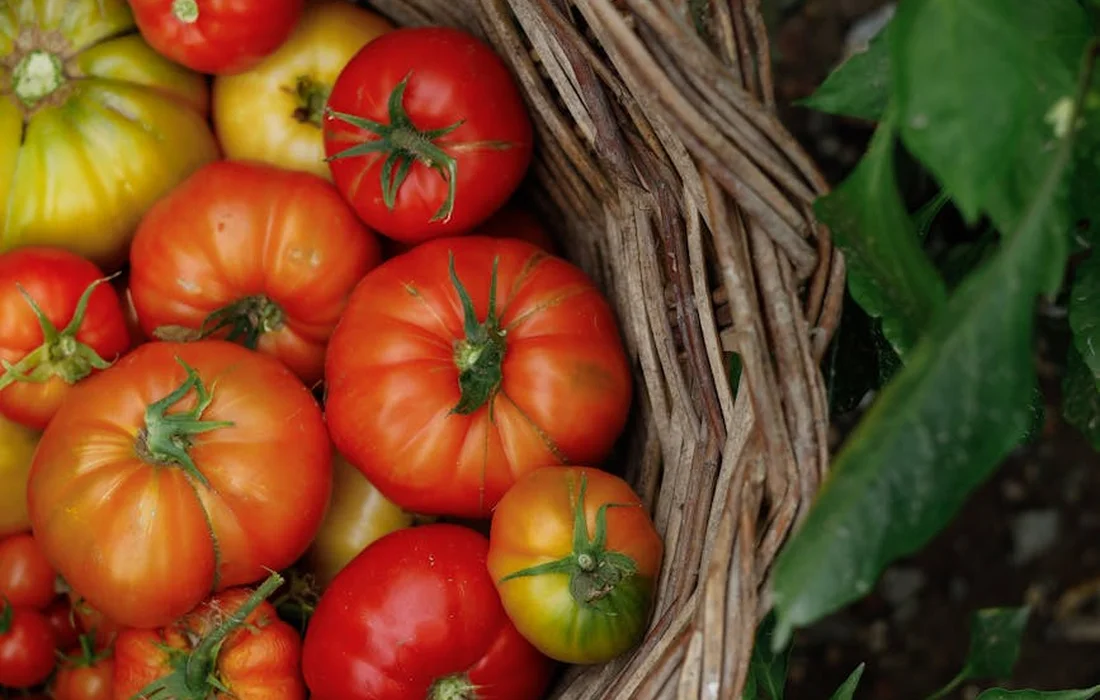
Safe to Eat: The ripe, red fruit flesh. That juicy, sun-warmed center is the only part your guinea pig should ever taste. I always think of it like the heart of the matter-pure, sweet, and safe.
-
Must Avoid: All leaves, stems, vines, and green tomatoes. Every bit of the plant besides the ripe fruit is off-limits. They contain solanine, a natural toxin that can cause serious harm to your little critter. For more on safety regarding tomatoes, see the rabbits eat cherry tomatoes safety risks explained. It explains what’s safe to feed and what to avoid.
-
The Seed Question: The seeds inside a ripe tomato are generally not toxic in small amounts. My best practice, honed from years in the barnyard, is to scoop them out before serving. It’s a simple step that minimizes any chance of digestive upset in their sensitive systems.
Why the Green Parts Spell Trouble
That solanine I mentioned is the plant’s own defense mechanism. In my experience, respecting this boundary is a non-negotiable part of good animal stewardship. It’s akin to knowing which pasture weeds make a cow bloat-you just don’t take the risk. Even a small nibble on a stem or a green tomato can lead to drooling, lethargy, or worse in a guinea pig.
I reckon it’s one of those lessons you learn once. A tidy kitchen rule saves a trip to the vet every time. Toss those greens straight to the compost where they belong.
How to Serve Tomatoes: Prep, Portion, and Frequency
-
Choosing the Tomato: Go for organic if you can, or scrub a conventional one like you’re washing a prized egg. Pesticide residue has no place in your pig’s snack, and a fully ripe, red tomato is the only safe choice. No exceptions.
-
Prepping the Treat: Give it a good wash under cool water. Slice off the stem end completely. I often take a moment to scoop out the seed pulp with a teaspoon. Then, chop the flesh into small, bite-sized pieces-no bigger than a pea-to prevent choking.
-
Getting the Portion Size Right: For an adult guinea pig, keep it modest. One cherry tomato or a thin wedge (about one-eighth) of a medium Roma tomato is a perfect serving. Think of it as a garnish, not a meal—especially since tomatoes are from the nightshade family and should be given in moderation.
-
Setting the Frequency: This is where thriftiness and care intersect. Offer this juicy treat no more than once or twice a week. Their main diet must stay hay and pellets; tomatoes are just a weekend surprise.
I stick to a schedule, like Tuesday and Saturday treats. Consistency keeps their digestion steady and prevents them from turning up their noses at their staple foods. It’s about joy in moderation, for them and for your peace of mind.
Spotting Trouble: Signs of a Bad Reaction
Now, I reckon even the best-tended animals can have a sensitive belly, and guinea pigs are no exception. You’ve got to keep a keen eye on your cavies after introducing any new green, tomato or otherwise, to their trough. I learned this lesson early on when my old guinea pig, Patches, got into some discarded tomato vines I’d foolishly left within reach.
Watch for these changes in their behavior and output. A happy, healthy guinea pig is a busybody, always rustling about and chattering for its next meal.
- Lethargy or Hunching: If your normally perky critter is sitting puffed up and still in a corner, that’s a red flag.
- Loss of Appetite: Turning up their nose at favorite hay or pellets is a sure sign something’s amiss.
- Abnormal Droppings: This is your best clue. Look for droppings that are soft, misshapen, or strung together with mucus.
- Bloated Abdomen: A tight, drum-like belly is painful and dangerous, often from gas.
- Wetness Around the Rear: Soiled fur back there often points to diarrhea setting in.
If Diarrhea Strikes: Your Barnyard First Aid
Don’t panic if you see loose stools. Fast, simple action can often steer your little friend back to health. Diarrhea in small animals can lead to dehydration mighty quick, so your first job is to support their gut and keep fluids coming.
- Immediately Remove All Treats. Clear out any leftover tomato, fruit, or fresh veggies from their space. For the next 24-48 hours, their diet should be strictly high-quality grass hay and plain water. That hay is like a broom for their digestive tract.
- Encourage Water Intake. Ensure their water bottle is clean and full. I sometimes offer a slice of cucumber (peeled) for extra moisture, as it’s very mild.
- Keep Them Warm and Quiet. Move their cage to a draft-free, calm spot. Stress only worsens tummy troubles. A small, clean towel for burrowing can offer comfort.
- Monitor Closely. Check on them every few hours. If the diarrhea doesn’t start to firm up within a day, or if they stop drinking entirely, it’s time to call your vet. I never hesitate with a phone call; it’s the thrifty thing to do to prevent a costlier problem later.
Tomatoes on the Trough: Comparing Common Veggie Treats
Let’s set that tomato alongside other garden favorites. Knowing what’s in your harvest basket helps you rotate treats for balanced nutrition and keeps mealtime interesting for your cavies. I aim for variety, just like I do with my chickens’ scratch grains.
| Veggie Treat | Key Nutrient Boost | How Often & How Much | Barnyard Notes |
|---|---|---|---|
| Tomato (fruit only) | Vitamin C, Lycopene | 1 cherry tomato or 1 thin wedge, 1-2 times weekly | Always remove leaves and stems. The acidity means go slow. I treat it as a weekend snack. |
| Bell Pepper (any color) | Exceptionally high Vitamin C | A thin slice, daily | This is my top pick for a daily staple. It’s sweet, crunchy, and packed with the C they can’t make themselves. |
| Carrot | Vitamin A (Beta-Carotene) | One or two baby carrot sticks, 2-3 times weekly | High in sugar. Feed sparingly to avoid weight gain, just like you would with apples for the pigs. |
| Romaine Lettuce | Hydration, Fiber | A large leaf, daily | A good base green. Avoid iceberg lettuce-it’s mostly water with little nutritional value, a poor bargain for your feed dollar. |
| Zucchini | Hydration, Manganese | A thin round slice, a few times weekly | A mild, low-sugar option. My guinea pigs love the seeds and soft flesh, and it’s a great use for overgrown squash from the garden. |
Rotate these treats to cover different vitamins and minerals, and you’ll be practicing good stewardship of your animal’s health. Remember, these veggies are supplements to a diet that should be at least 80% grass hay, with a steady portion of fortified pellets.
Rounding Out the Feast: A Balanced Guinea Pig Diet
Now, feeding a guinea pig properly isn’t much different than rationing for a milk cow or a flock of layers-you need a solid foundation, a reliable daily ration, and the good sense to keep treats in their proper place. Their entire digestive health and happiness hinges on getting this balance right, every single day. Understanding guinea pig care feeding frequency habits—how often you offer hay, pellets, and fresh greens—helps keep that balance consistent. Getting this rhythm right supports steady digestion and overall wellbeing.
The Unshakable Foundation: Hay
Think of hay for your guinea pig like pasture for your sheep or goats. It’s not just food; it’s their occupation. Their teeth grow constantly, and hay is the perfect grindstone. A limitless pile of quality grass hay is non-negotiable for keeping their digestion moving and their teeth in check. I keep a big flake of timothy or orchard grass hay in the corner of their pen, just like I would in a stall, and it never runs empty.
- Primary Hay (90% of their hay): Timothy, Orchard Grass, or Meadow Hay. This is their main fodder.
- Supporting Hay: A handful of alfalfa hay can be given to young, growing pups or pregnant sows for extra calcium and protein, but it’s too rich for most adults.
The Daily Green Ration: Vegetables & Herbs
This is where you get to be the short-order cook. A good cup of fresh veggies per pig, per day, delivers vital moisture and nutrients like Vitamin C, which they cannot make on their own. Variety isn’t just the spice of life here; it’s the key to covering all their nutritional bases without overdoing any one thing. I gather their greens when I’m picking for my own supper, straight from the garden.
Staples You Can Feed Daily:
- Green or Red Leaf Lettuce (never iceberg-it’s all water and no worth)
- Bell Peppers (any color, core and seeds removed)
- Cucumber (a great hydrator on hot days)
- Cilantro, Parsley, Dill
- Zucchini
Treat Veggies (2-3 times a week):
- Carrot (just a slice or two)
- Broccoli Florets (a small piece, too much can cause gas)
- Spinach or Kale (high in calcium, so rotate to avoid stones)
- Sweet Corn Husks & Silks (a favorite they can strip clean!)
Fruit & Other Treats: The Saturday Night Special
Fruit is pure dessert. Its sugar can upset their delicate gut flora if overdone. I reckon a portion the size of your thumbnail, once or twice a week, is a mighty fine treat for a job well done. It’s the same principle as not letting your chickens eat nothing but scratch grains-it fills ’em up but doesn’t feed ’em right.
- Safe Fruit Treats: Blueberry (1 or 2), Apple slice (no seeds), Strawberry top, Melon rind.
- What to Avoid Completely: Onions, potatoes, garlic, leeks, rhubarb, or anything from the allium or nightshade plant parts (like tomato leaves!).
Where Tomatoes Fit on the Plate
So, about that tomato. The ripe, red fruit itself is that “Saturday night special” kind of treat. It’s high in acid and sugar. A single cherry tomato or a small wedge of a larger variety, fed no more than twice a week, is a safe and enjoyable change of pace for your pig. If you’re considering chickens, you might ask how tomatoes fit into a flock’s diet—green or red, raw or ripe. There’s a complete safety guide you can consult for chickens and tomatoes. But you must be as careful as when you’re sorting good spuds from green ones. Every other part of the tomato plant-the vines, the leaves, the flowers, even the green fruit-is toxic to them. If you’re plucking treats from your garden, double-check what’s in your hand before it goes in the cage.
Closing Tips on Feeding Tomatoes to Your Guinea Pig
Can I feed my guinea pig tomatoes from my garden?
Yes, but only the ripe, red fruit after washing it thoroughly, similar to how you’d clean produce for your own table. Always avoid any green parts, leaves, or stems, as they contain solanine, a toxin that can harm small animals just like certain weeds can affect livestock.
What key nutrients do tomatoes provide for guinea pigs?
Tomatoes are a good source of Vitamin C, which is crucial since guinea pigs cannot synthesize it, much like supplementing feed for optimal health in farm animals. They also offer hydration and gentle fiber, supporting digestion when fed sparingly as a treat. Beyond the basics, there are uncommon fruits and vegetables that guinea pigs may enjoy in moderation. These can diversify their diet while keeping safety in mind.
Should I remove the seeds from tomatoes before feeding them to my guinea pig?
While seeds in ripe tomatoes are generally safe, it’s wise to scoop them out to reduce any potential digestive discomfort. This precaution is akin to processing grains for livestock to ensure easy digestion and prevent issues.
How should I manage if my guinea pig gets diarrhea from eating tomatoes?
Immediately halt all treats and provide only hay and water, similar to isolating a sick animal in the barn. If diarrhea persists beyond a day, consult a vet promptly, as dehydration can set in quickly, just as with young calves or piglets.
Is it safe to make a tomato salad with other vegetables for my guinea pig?
Yes, you can combine small tomato pieces with guinea pig-safe veggies like bell peppers or leafy greens, but introduce new mixes gradually. Ensure all ingredients are fresh and pesticide-free, mirroring how you’d diversify feed for chickens or geese without overdoing it.
What should I consider when reading online advice, like from Reddit, about feeding tomatoes?
Use online forums as a supplement, but always verify with reliable sources or a vet, since anecdotes can vary. It’s like sharing barnyard tips-helpful but not a substitute for proven animal care practices.
Shutting the Gate
When all’s said and done, keepin’ your guinea pig healthy while enjoyin’ tomatoes comes down to a mindful routine. Always serve a small, seedless piece of ripe red tomato no more than twice a week, and meticulously remove every bit of stem and leaf to protect your pet from toxins. Remember, a guinea pig diet thrives on variety—tomatoes can fit in with salads and safe plant parts in moderation. Planning meals around these plant parts helps maintain digestion and overall health. I’ve kept cavies for years, and that consistent, careful habit is what separates a thriving piggy from one with a sour stomach.
I’m right grateful y’all stopped by to tend to your herd’s supper details. There’s a deep satisfaction in hearin’ those happy chirps at treat time, knowin’ you’re providin’ good, safe variety. May your homestead be filled with the simple, contented sounds of well-fed critters.
Further Reading & Sources
- GuineaDad Food Blog: Can guinea pigs eat tomatoes?
- r/guineapigs on Reddit: can guinea pigs eat tomato
- Can Guinea Pigs Eat Tomatoes? Safe Parts and Feeding Guide
Caroline Mae Turner is a lifelong farm girl raised on red clay, early mornings, and the sounds of a bustling barnyard. With hands-on experience caring for everything from stubborn goats to gentle dairy cows and mischievous pigs, Caroline shares practical, tried-and-true advice straight from the farm. Her goal is to help folks keep their animals healthy, well-fed, and living their best barnyard life. Whether you're wrangling chickens or bottle-feeding a baby goat, Caroline brings a warm Southern touch and plenty of real-world know-how to every bucket in the barn.
Diet Requirements