Your Guinea Pig’s Pumpkin Treat: A Safe and Simple Preparation Guide
Published on: August 27, 2026 | Last Updated: August 27, 2026
Written By: Caroline Mae Turner
Howdy y’all. Plain, cooked pumpkin flesh is a safe and enjoyable occasional snack for your guinea pigs, but you must always remove the stringy pulp, hard skin, and seeds first to keep their delicate systems running smooth. I’ve been tossing a few cubes to my own squeaking crew every fall when the garden overflows, and it’s a wonderful way to add variety without waste.
What you’ll need:
- A small, fresh pumpkin (skip the canned pie filling)
- A reliable knife and cutting board
- A steamer pot or a baking sheet
- Roughly fifteen minutes for prep and cooking
We’ll have this sorted in two shakes, so you can get back to the rest of your homestead chores.
The Short Answer: Pumpkin Safety and Nutrition for Cavies
You can absolutely share a bit of pumpkin with your guinea pig. I reckon it’s a fine seasonal treat my own cavies get to enjoy. Offer only raw, fresh pumpkin flesh in small, occasional amounts to keep their digestion on track—think of it as a supplement, not a staple. Remember, safety first.
That orange flesh brings good things to the table. It’s packed with Vitamin A for sharp eyes and healthy skin, and it offers a nice dose of fiber to keep their gut moving. The high water content helps with hydration, too. But here’s the kicker-it’s also sugary for such a small critter. Too much, too often, leads to an upset tummy and weight gain.
I stick to a thumb-sized piece, once or twice a week at most, and only when the gourds are in season on the farm. Moderation is the golden rule with any treat, ensuring your piggy gets the variety they crave without the bellyache they don’t.
Preparing Pumpkin for Your Guinea Pig: A Step-by-Step Process
Getting pumpkin ready for your cavy is simpler than mending a chicken coop door. Just follow these steps for a safe, squeak-worthy snack.
- Source a Whole Pumpkin: Pick a small, firm sugar pumpkin or pie pumpkin from your patch or the market. These are denser and less stringy than big jack-o’-lantern types.
- Scrub the Shell: Give the outside a good wash under cool running water. Use a clean brush to scrub off any dirt or waxy coating, just like you would for your own cooking.
- Cut and Scoop: Slice the pumpkin open and remove all the stringy pulp and seeds from the cavity. Set the seeds aside for a moment-we’ll talk on those directly.
- Slice the Flesh: Cut a small section of the firm orange flesh away from the hard outer skin. A sharp paring knife works best for this job.
- Cube It Up: Chop that flesh into small, bite-sized cubes, no bigger than your pinky nail. This prevents choking and makes it easy for your piggy to manage.
- Serve Immediately: Offer one or two cubes on a clean feed dish. Remove any uneaten pieces within a few hours so they don’t spoil.
What Parts Are Safe? Flesh, Seeds, and Skin Decoded
Not every part of the pumpkin is a green light for your cavy. Let’s break it down, piece by piece.
- The Flesh (Safe): The bright orange meat is the main event. It’s the only part I routinely feed. Always serve it raw and fresh.
- The Skin/Rind (Not Safe): That tough outer shell is a hard no. It’s too fibrous and difficult for a guinea pig to digest, posing a serious risk of intestinal blockage. Always peel it away completely.
- The Seeds (Use Caution): This one requires your judgment. Raw, unsalted pumpkin seeds can be offered very rarely-maybe one seed as a rare curiosity. They are high in fat and can be a choking hazard. I typically skip them and just dry the seeds for my chickens instead.
- The Pulp and Strings (Not Safe): The gooey, stringy guts inside the pumpkin should be discarded. It’s messy and offers little nutritional value for the risk of digestive upset.
Sticking to the plain, peeled orange flesh is the safest path, avoiding any guesswork for you and discomfort for your pet.
Can You Feed Cooked or Canned Pumpkin?
This is where we need to be as clear as a clean water trough. The rules are different from how we might prepare pumpkin for ourselves.
Plain cooked pumpkin, steamed or baked without any additives, is technically safe in a tiny pinch, but raw is always superior. Cooking starts to break down nutrients and concentrates the sugars. If you must use cooked, ensure it’s cooled completely and is absolutely plain.
Now, let’s talk about canned pumpkin. You must read the label like you’re checking a feed tag. The only acceptable canned product is 100% pure pumpkin puree, with no added sugars, spices, xylitol, or preservatives. “Pumpkin pie filling” is full of sugar and spices and is dangerous. Even with pure puree, the texture and nutrient profile aren’t ideal. I’ve never used it for my cavies. Fresh from the garden is best, but if you use canned, use it sparingly as a last resort.
My advice from the homestead? Keep it simple, fresh, and raw. It’s the method that preserves the most benefit and introduces the least risk to your precious herd.
Feeding Pumpkin Right: Portion Control and Frequency
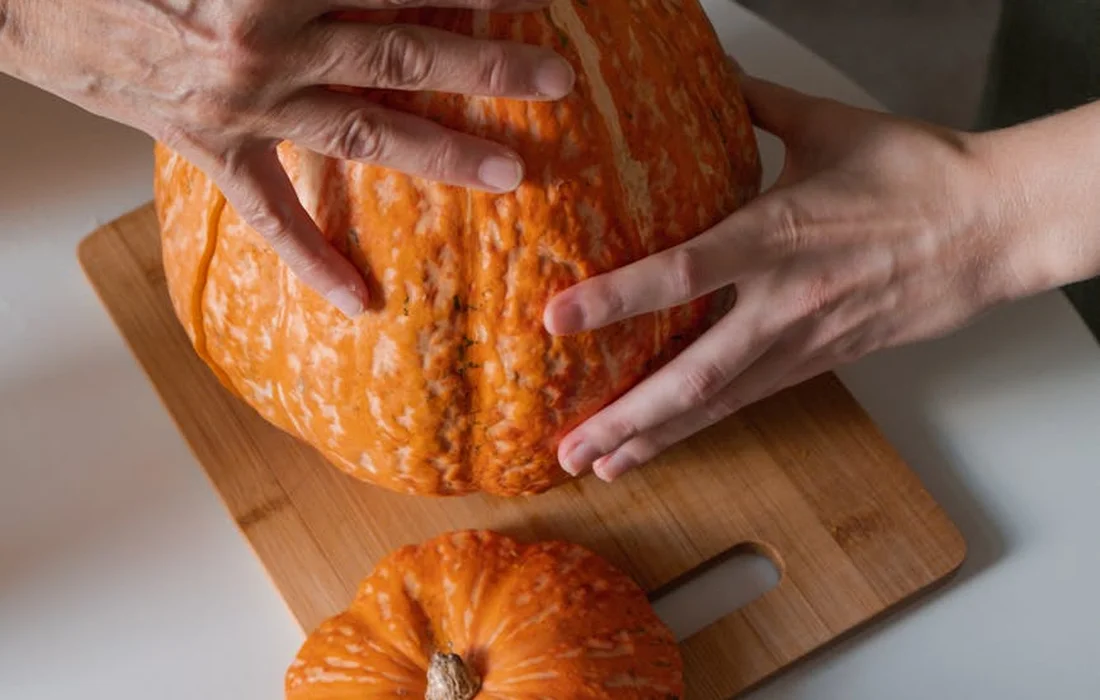
Now, let’s talk about how to share this autumn bounty without causing a ruckus in their little tummies. I reckon it’s like giving a child a slice of pie-a little is a wonderful treat, but the whole pie leads to a sour stomach. Pumpkin should always be a special garnish, not the main course, for your guinea pigs.
From my years on the farm, I’ve learned that moderation is the golden rule with any new feed. For a full-grown guinea pig, a teaspoon of fresh, cooked pumpkin flesh is a plenty generous serving. You can offer this about once or twice a week. Sticking to this small, infrequent portion prevents their sensitive digestive systems from getting overwhelmed and supports your guinea pig’s overall health and wellbeing.
Here’s how I prepare it for my own cavy crew:
- Start with a ripe, uncarved pumpkin from your patch or the market.
- Wash the exterior thoroughly to remove any dirt or field residue.
- Cut it open, scoop out all the seeds and stringy pulp.
- Cube the firm flesh and steam or bake it until it’s soft-no salt, butter, or spices, please.
- Let it cool completely to room temperature before serving a tiny portion.
Any leftover cooked pumpkin freezes beautifully in ice cube trays. This thrifty practice lets you spread that seasonal nutrition across many months, reducing waste right from your homestead. Just thaw a cube when treat day rolls around.
Potential Benefits and Risks to Monitor
That bright orange color isn’t just for decoration; it tells you something good is inside. Pumpkin is a fine source of vitamin A for healthy eyes and skin, and its fiber can help keep things moving smoothly. In my barnyard experience, a bit of pumpkin can sometimes aid a critter feeling a tad bound up, acting as a gentle digestive helper.
But you must balance the good with the cautious. The natural sugars in pumpkin, while not high, can add up. Too much, too fast, is the fastest way to an unbalanced gut. Always introduce pumpkin over a few tiny meals to watch how each individual animal handles it.
Spotting Digestive Upset and Allergies
Just like people, every guinea pig is different. I’ve had some that could eat a nibble of anything and others with tummies of fine china. You need to become a keen observer. Rabbits, too, react differently to pumpkin. A complete diet guide for rabbits on pumpkin explains how pumpkin can fit into a balanced rabbit diet. After that first taste of pumpkin, keep a close eye on their droppings and behavior for the next 24 hours.
Here are the warning signs that mean you should pull pumpkin from the menu:
- Soft, misshapen, or overly wet droppings.
- A noticeable drop in appetite for their regular hay.
- Unusual lethargy or a puffed-up, uncomfortable posture.
- Any signs of itching or skin irritation, though this is rarer.
If you see these, stop the pumpkin immediately and go back to their steady diet of quality hay and plain pellets. Their digestive system usually rights itself quickly once the irritant is removed, but persistent troubles warrant a chat with your vet. It’s all about respectful, attentive stewardship of these small lives in your care.
Homestead Harmony: Storing Pumpkin and Feeding Other Livestock

Now, a bountiful pumpkin harvest is a beautiful sight, but you’ve got to know how to put ’em up right. Proper storage turns a seasonal windfall into months of valuable, free feed for just about every critter in your barnyard. I’ve kept pumpkins firm and fresh well into February with a few simple rules.
Keeping Your Gourds Garden-Fresh
You want a cool, dry, and dark place-my root cellar or a corner of the unheated barn works perfectly. Aim for 50-55°F if you can. A concrete floor wicks away moisture, which is your enemy here. Never stack pumpkins directly on dirt. Set them on pallets or a layer of straw so air can circulate underneath.
Check each one carefully first. Any pumpkin with a soft spot, a crack, or a broken stem will rot faster and spoil its neighbors. That intact, woody stem is like a natural cork, sealing in moisture and keeping rot out. I give each gourd a gentle wipe with a dry cloth to remove field soil before tucking it away for the winter.
Quick Storage Checklist
- Choose pumpkins with hard, unblemished rinds and firm, dry stems.
- Clean off excess dirt with a dry towel.
- Store single-layer on pallets in a dark, cool (50-55°F), dry spot.
- Check every two weeks for soft spots and use those first.
Sharing the Orange Bounty: A Barnyard Buffet
Once you’ve got your stash, the fun begins. That pumpkin isn’t just for pie or decoration; it’s a powerhouse of nutrition your livestock will adore.
For the Chickens: They go absolutely foolish for pumpkin. I simply split one open with my hatchet and toss the halves, seeds and all, right into the run. They’ll peck out every bit of flesh. Those seeds are a wonderful natural dewormer, and the beta-carotene makes their yolks a rich, sunset orange. It’s a brilliant way to supplement their layer feed in the leaner months.
For the Pigs: My hogs consider a whole pumpkin the best treat this side of the trough. The sheer fiber aids their digestion, and they enjoy the crunchy texture. For younger pigs, I’ll smash it open first. For my big Berkshire sow, I roll it in whole and let her do the work—it keeps her entertained for an hour. Watching a pig methodically destroy a pumpkin is a lesson in joyful, efficient eating. It’s one of the few treats that are natural and safe, unlike some foods you have to be careful with.
For the Cows & Steers: I treat pumpkin as a tasty mixer for their hay or silage. For safety, I always chop it into hefty chunks-no whole gourds, as they could pose a choking risk. The moisture and sugars are a pleasant change for them, especially in dry winter feed. My milk cow’s production always gets a little happy bump when she gets some orange flesh in her evening ration. It’s always important to ensure the safety and nutrition of pumpkins before feeding them to cattle.
For the Geese: These grazers appreciate variety, too. I slice pumpkin into thin, manageable wedges for them. They’ll nibble at the soft flesh and leave the tougher rind, which I later collect for the compost or the pigs. It’s a great way to add vitamins during times when fresh grass is scarce. If you’re looking for a complete guide to a healthy geese diet, this touches on the basics of what geese can eat.
Feeding Guidelines at a Glance
| Livestock | Preparation | Key Benefit |
|---|---|---|
| Chickens | Split open; feed flesh & seeds | Natural dewormer, yolk enrichment |
| Pigs | Whole (large hogs) or smashed | Digestive fiber, behavioral enrichment |
| Cows | Chopped into large chunks | Palatable moisture & sugar source |
| Geese | Sliced into thin wedges | Vitamin supplement to autumn grass |
I reckon the true spirit of homesteading is found in this kind of thrift. Nothing from that bright orange globe goes to waste on my watch-from the flesh that nourishes my animals to the rinds that feed my compost pile, and finally, to the soil that will grow next year’s bounty. It’s a beautiful, practical circle we get to steward right in our own barnyards.
Closing Questions
Can guinea pigs eat pumpkin?
Yes, guinea pigs can eat pumpkin as an occasional treat. Offer only the fresh, raw flesh in small amounts to supplement their regular diet.
How should pumpkin be prepared for guinea pigs?
Thoroughly wash the pumpkin, then remove all skin, seeds, and stringy pulp. Cut the firm orange flesh into small, bite-sized cubes before serving it raw.
What parts of the pumpkin are safe for guinea pigs?
Only the plain orange flesh is safe for consumption. Always discard the tough skin, seeds, and inner pulp, as they pose choking or blockage risks.
Can guinea pigs eat cooked pumpkin?
Raw pumpkin is ideal, but plain cooked pumpkin without additives is safe in tiny, rare servings. Avoid canned products with sugars, spices, or preservatives.
What are the risks of feeding pumpkin to guinea pigs?
Overfeeding pumpkin can cause diarrhea, weight gain, or digestive upset due to its natural sugars. Monitor your pet for any adverse reactions after introduction.
Can baby guinea pigs eat pumpkin?
It’s not recommended to feed pumpkin to baby guinea pigs. Their developing digestive systems require a stable diet of hay, pellets, and milk; consult a vet before introducing treats, like sweetcorn.
Shutting the Gate
Look after the basics, and your little herd will thrive. The golden rule with pumpkin, or any new treat, is to watch your herd closer than a hawk watches a field mouse-their lively behavior and consistent droppings are your best assurance that all’s well. A tiny portion of fresh, plain pumpkin a couple times a week is a fine addition, but that good grass hay is still what keeps their engines running right.
I reckon the best part of this homesteading life is sharing these simple pleasures with our critters. Nothing warms my heart like seeing a happy little herd munching away on a wholesome treat they enjoy. I hope your piggies get a kick out of their autumn snack. Y’all take care now, and enjoy those contented chirps from a well-fed bunch.
Further Reading & Sources
- Can Guinea Pigs Eat Pumpkins?
- Can Guinea Pigs Eat Pumpkin? (Serving Size, Hazards & More)
- Can Guinea Pigs Eat Pumpkin? Vet-Approved Nutritional Science & Info | Hepper Pet Resources
Caroline Mae Turner is a lifelong farm girl raised on red clay, early mornings, and the sounds of a bustling barnyard. With hands-on experience caring for everything from stubborn goats to gentle dairy cows and mischievous pigs, Caroline shares practical, tried-and-true advice straight from the farm. Her goal is to help folks keep their animals healthy, well-fed, and living their best barnyard life. Whether you're wrangling chickens or bottle-feeding a baby goat, Caroline brings a warm Southern touch and plenty of real-world know-how to every bucket in the barn.
Diet Requirements