
Can Chickens Eat Oranges? Your Guide to Citrus & Lime Safety
Published on: September 2, 2026 | Last Updated: September 2, 2026
Written By: Caroline Mae Turner
Howdy y’all, and welcome back to the barn. Let’s settle the flock’s fruit bowl debate right now: your hens can peck at a bit of citrus flesh, but too much of the strong oils can upset their digestion and might just put them off their feed.
- What you’ll need:
- A few orange or lemon segments (peeled)
- A bag of agricultural lime (not hydrated or quicklime!)
- Your trusty flock observation skills
We’ll have this whole citrus and lime business sorted quicker than a hen spots a June bug, so you can get back to the real chores.
Citrus Fruits and Your Flock: The Straight Talk
Let’s settle this barnyard query once and for all. Yes, chickens can eat citrus fruits like oranges, lemons, and limes. I’ve fed my flock the occasional orange slice for years without a single sour outcome, but you need to know the whole story.
The debate centers on citrus oils and natural acidity. Some folks worry the oils might irritate a bird’s crop, while the acid could potentially upset their gut balance. In my experience, these risks are minimal when citrus is offered as an occasional treat, not a daily meal. Used sparingly, they can contribute to safety benefits by adding variety without replacing a balanced diet. Just remember to remove seeds and avoid rind to keep it safe for your flock. Your hens will often self-regulate, pecking at sweet oranges but turning up their beaks at sour lemons.
Here’s a quick safety check for common citrus from the grove:
- Oranges & Mandarins: Perfectly safe. Most flocks love the sweet flesh. I remove thick pith to make pecking easier.
- Lemons & Limes: Technically safe, but rarely popular. The high acidity usually means one curious peck is all they’ll take.
- Grapefruit: Safe in small, peeled portions. Its bold flavor means it often gets left behind in the run.
I recall a brisk fall morning after making marmalade, with a bowl full of leftover orange peels. Tossing them to the chickens, I learned they’d rather scratch for bugs beneath them than eat them, a fine reminder that these critters are savvy foragers with their own preferences. It turned waste into a bit of enrichment for their day, though it made me think about what treats they actually prefer.
Agricultural Lime 101: What It Is and Why We Use It
Types of Lime Used on the Homestead
- Agricultural Lime (Calcium Carbonate): This is your dusty, bagged friend for soil work. It’s simply crushed limestone that gently raises soil pH over time. This is the type we spread in pastures and around our citrus trees to manage acidity and improve nutrient uptake.
- Hydrated Lime (Calcium Hydroxide): Now, handle this one with care. It’s a processed, fast-acting, and caustic material. I never use hydrated lime where my animals graze or my food grows; it’s for tasks like amending very acidic waste areas, not for routine homestead soil care.
How Lime Benefits Soil and Citrus Trees
- Lime is a soil sweetener. It neutralizes excess acidity, which is crucial because citrus trees prefer a soil pH between 6.0 and 7.0. By balancing the pH, lime makes nutrients like nitrogen and phosphorus more available to the tree’s roots, leading to healthier growth and better fruit set.
- For a general pasture application, you might see rates of 1 to 2 tons of agricultural lime per acre. Around a young citrus tree, I’ll gently work about 5 pounds into the soil under the drip line, always following a soil test to avoid overdoing it. It’s a thrifty step that supports your orchard for seasons to come.
The Real Risks: Lime Safety for Chickens
Understanding Lime Toxicity and Burns
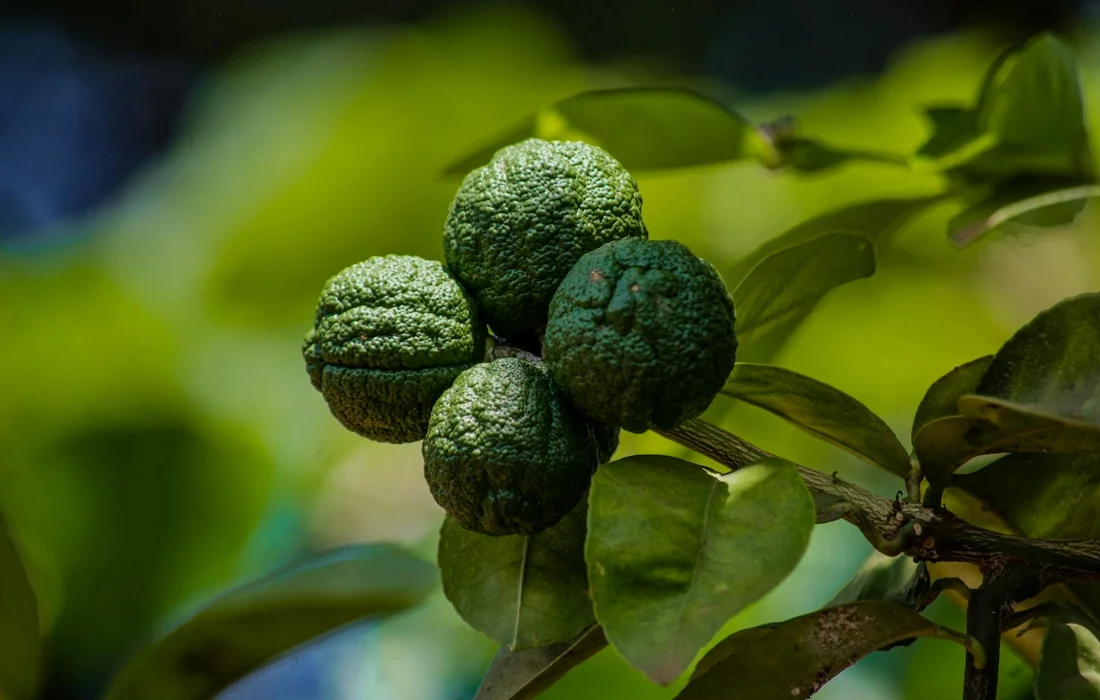
Now, I reckon we need to talk straight about lime. Agricultural lime is mostly calcium carbonate, and while it’s wonderful for sweetening soil, that fine dust can be a real menace in the coop yard. From my own missteps years back, I learned that lime powder doesn’t just disappear into the wind; it settles right into a chicken’s delicate lungs and on their feathers. Direct contact with damp lime is even worse, as it can cause chemical burns on their feet and skin, much like a bad scalding. It’s not the kind of grit chickens are supposed to peck at.
- Respiratory Harm: Inhaling lime dust irritates their air sacs, leading to coughing, sneezing, and labored breathing. I’ve watched a hen hack for days after a windy application near her run.
- Skin & Foot Burns: When lime gets wet from dew or a drinker spill, it becomes caustic. This can scald the scales on their legs and feet, causing redness, limping, and sores.
- Eye Irritation: Dust clouds lead to watery, inflamed eyes. You might see your birds blinking excessively or rubbing their heads on the ground.
Can Lime Contaminate Feed and Water?
You bet it can. That drifting dust doesn’t discriminate, and an open feeder or waterer is a prime target. Contaminated feed loses its palatability, and lime in water can create a harsh solution that burns their throats on the way down. It’s a surefire way to set back your flock’s health and your egg production. Sometimes ducks will nibble chicken feed too, which makes safe feeding practices even more important. Choose safe pellets and all-flock feeds, and keep scratch away from feeding areas to protect everyone.
- Always move or completely cover all feeders and waterers with a tarp or lid before you even open a bag of lime. I use old plywood sheets from the barn.
- If you can’t move them, seal them up tight. A five-gallon bucket with a lid works wonders for temporary water storage during the job.
- After application, don’t just uncover them. Wipe down the exteriors and rinse the interiors thoroughly with clean water to remove any settled dust.
- Monitor the area for a few days. Wind can kick up residual lime, so keep those sources covered until the dust is fully settled or washed in.
Safe Lime Application with Chickens on the Property
Recommended Waiting Periods After Spreading Lime
Patience is your best tool here. Rushing your birds back onto treated ground invites trouble. The general rule on my place is to keep the flock confined for at least 48 hours after a dry application, but I always let the weather have the final say. A good soaking rain is nature’s perfect fix.
- Dry, Windy Conditions: Wait a minimum of 3-4 days. The dust will linger and travel far from where you spread it.
- After a Good Rain: If a steady rain has fallen and washed the lime into the soil, you can often let them out the next sunny day. I still do a boot test first.
- Around Citrus Trees: If you’re liming near citrus, keep chickens out of that entire drip zone for a full week. Their scratching will kick up material from the soil surface.
Step-by-Step: Applying Lime Near Your Flock
This ain’t complicated, but it does require a method. Here’s how I manage it to keep my feathered friends safe and the job done right.
- Pick Your Day: Choose a still, calm morning with no wind forecast. Early dew can help keep the dust down, too.
- Secure the Flock: Lock all your chickens securely in the coop or a well-ventilated but dust-free pen. Give them extra water and feed to keep them occupied.
- Cover and Protect: As already mentioned, seal up all open feed and water sources in the surrounding area.
- Apply and Dampen: Spread your lime evenly, and then lightly water the area with a hose or wait for an expected rain. This bonds the lime to the soil.
- The Boot Test: Before releasing the birds, walk the area. If you see white powder kicking up on your boots, it’s not ready. Wait longer or water it again.
- Supervised Return: Let a few birds out at first and watch them for any signs of pecking at dusty spots or irritation. This careful reintroduction has saved me from more than one headache over the seasons.
Essential Protective Gear for Handling Agricultural Lime

Y’all, farm safety ain’t just a suggestion-it’s a commandment. Handling agricultural lime demands respect, a lesson I learned one windy afternoon when I skipped my gear. That chalky cloud left me wheezing for a week, a stark reminder that protecting yourself is the first step in good stewardship.
You must treat lime like the potent amendment it is. Here’s the personal protective equipment I never handle a bag without:
- A tight-sealing respirator mask: An N95 minimum, not a bandana. It filters out the fine particles that can irritate your lungs for days.
- Durable, impermeable gloves: Thick rubber or leather palms work best. Lime will suck the moisture right out of your skin faster than a hot Tennessee day.
- Wraparound eye protection: Safety goggles seal out dust. Regular glasses just won’t cut it when a gust kicks up.
Always work with a good breeze at your back. Ventilation is non-negotiable; mix or spread lime outdoors or in a wide-open shed, never in a closed-up space.
For spills, dampen the area with a fine mist of water before you sweep or shovel. This keeps the dust down. Move your animals to a different pen until the air is completely clear, because their delicate respiratory systems are even more sensitive than ours. It’s a simple act of care that costs nothing but a moment of your time.
Feeding Citrus to Chickens: Practical Tips from the Coop

How Much Citrus is Too Much?
I treat citrus like a rare dessert in my coop-a tiny, occasional surprise. For a standard flock, a few small segments of orange or tangerine, shared once a week, is the absolute max I’d recommend. More than that, and you risk upsetting their delicate gut balance.
Watch your birds closely. If their droppings run loose or they snub their layer feed, you’ve overdone it. Always offer the flesh only, and peel off any waxy rind from store-bought fruit, as those coatings and oils can be harsh on their digestion. For mangoes in particular, some parts are better avoided; the mango fruit peels parts safety guide can help you decide. I save the peels for the compost heap, where they belong.
Creative and Safe Treat Alternatives
If you’re passing on the citrus, don’t fret. A thrifty homestead is full of better, engaging treats. Using what you already have on hand is the heart of sustainable animal care. For cows, oranges can be a small, occasional addition, but it’s wise to check safety considerations first. If you’re curious about cows eating oranges, the citrus fruit safety guide covers what to feed and what to avoid. Here are my tried-and-true favorites:
- Garden gleanings: Beet tops, carrot greens, and outer cabbage leaves. My flock chases these around like it’s a festival.
- Scratch grains with purpose: I mix a handful of cracked corn with oats and sunflower seeds for a scattered foraging treat that keeps ’em busy.
- Protein-rich supplements: A scoop of plain yogurt or a hard-boiled egg, mashed up, works wonders during molt or after a stressful event.
- Pumpkin and squash: After autumn, I split open spare squash and let the hens clean out the seeds and stringy guts. It’s entertainment and nutrition in one.
Closing Questions
What type of lime (hydrated vs. agricultural) is safe for use around poultry?
Agricultural lime (calcium carbonate) is safe for use around poultry when applied properly. Hydrated lime is caustic and should never be used in areas where animals graze or forage due to the risk of chemical burns. For pet owners, guinea pig pig diet lime safety is a related concern when selecting supplements or bedding. Avoid lime-containing products around their enclosure to prevent accidental exposure.
What is the recommended amount of agricultural lime to apply to soil for citrus trees?
For young citrus trees, gently work about 5 pounds of agricultural lime into the soil under the drip line. Always base applications on a soil test to avoid over-liming and ensure optimal pH balance.
How long should chickens be kept off a pasture after lime application?
Keep chickens off for at least 48 hours after a dry application. Extend this period in windy conditions or until a good rain washes the lime into the soil to prevent dust exposure, especially when using lime in garden areas frequented by chickens.
Can lime dust from application contaminate chicken feed or water sources?
Yes, drifting lime dust can contaminate open feeders and waterers. Always cover or move these sources before spreading lime and clean them thoroughly after to safeguard your flock’s health.
What are the signs of lime exposure or irritation in chickens?
Watch for respiratory signs like coughing or sneezing from inhaled dust. Also, check for skin and foot issues such as redness, limping, or sores caused by caustic burns from damp lime.
What are the safety precautions for handling agricultural lime?
Wear a tight-sealing respirator, durable gloves, and eye protection to prevent inhalation and skin contact. Always work in well-ventilated areas and dampen spills to minimize dust.
Shutting the Gate
Look after your land and your land will look after your flock. That’s the long and short of it. Whether you’re tossing orange peels into the compost or dusting the coop floor with ag lime, your intention matters most. You’re thinking ahead, preventing problems, and building a healthier homestead from the ground up. The safest practice is to always keep powdered lime away from your chickens’ lungs and their feed, applying it only to empty, clean spaces and letting it settle before the birds return. Mind that boundary, and both your soil and your hens will thrive. While you’re at it, make sure to avoid giving your chickens any questionable kitchen scraps.
I reckon that’s about all from my corner of the barnyard. I’m right grateful you stopped by to chew over these details-it’s this kind of careful tending that makes a homestead strong. Now get on out there and enjoy the simple pleasures: the sound of contented scratching, the warmth of a fresh egg in your hand, and the satisfaction of a job done right. Take care of your critters, and they’ll surely take care of you. Y’all come back now, you hear? We’ll save some eggs for you over the fence.
Further Reading & Sources
- Can Chickens Eat Citrus Fruit? – Fresh Eggs Daily® | Lisa Steele
- 10 Foods You Should Never Feed Your Chickens (And Safe Alternatives)
- Chickens under citrus? (chickens forum at permies)
Caroline Mae Turner is a lifelong farm girl raised on red clay, early mornings, and the sounds of a bustling barnyard. With hands-on experience caring for everything from stubborn goats to gentle dairy cows and mischievous pigs, Caroline shares practical, tried-and-true advice straight from the farm. Her goal is to help folks keep their animals healthy, well-fed, and living their best barnyard life. Whether you're wrangling chickens or bottle-feeding a baby goat, Caroline brings a warm Southern touch and plenty of real-world know-how to every bucket in the barn.
Feed Recommendations