How Much Fresh Veggies Should Rabbits Eat? Your Daily Portion Guide Solved
Published on: September 9, 2026 | Last Updated: September 9, 2026
Written By: Caroline Mae Turner
Howdy y’all, the farmer’s fix is straightforward: for a healthy adult rabbit, aim for about one to two packed cups of fresh veggies per six pounds of body weight, spread over two meals. I’ve seen too many folks fret over spoilage or upset bunny bellies from guessing at portions in the feed bowl.
What you’ll need:
- A kitchen scale or trusty measuring cups for consistency
- Two to three varieties of rabbit-safe leafy greens like romaine or kale
- A sharp knife and cutting board for chopping
- About five minutes each morning and evening for feeding
Let’s break it down together, so you can confidently tend to your herd and move on with your day.
The Unshakable Foundation: Hay and Water First
Before we ever talk about a single lettuce leaf, we have to settle the bedrock of a rabbit’s diet. Think of hay and water as the sturdy walls and roof of your rabbit’s nutritional home-everything else is just the furniture inside. Unlimited, fresh timothy or orchard grass hay should make up about 80-90% of what your rabbit consumes every single day. This isn’t just food; it’s the constant fiber that keeps their unique digestive system moving and their ever-growing teeth filed down.
I keep a hay rack full at all times in every hutch, and I check it twice a day, just like checking water tanks for the cows. You want hay that smells sweet and fresh, not dusty or damp. If the hay doesn’t look good enough for you to take a deep whiff of, it’s not good enough for your rabbits either. That endless supply of roughage is what prevents the deadly condition of GI stasis, where their gut slows to a halt. For a deeper understanding, the ultimate guide on hay for rabbits covers hay types, benefits, and feeding tips. It’s a quick reference for tailoring roughage to each rabbit’s needs.
And water? Clean, fresh water is non-negotiable. I prefer heavy ceramic crocks over bottles for most of my herd, as they allow for a more natural drinking posture and are easier to keep clean. You’ll find a rabbit drinks nearly as much water as a laying hen, so never let that source run dry, especially in summer. The veggies we add are a supplement to this foundation, never a replacement.
What to Feed: Building a Safe and Varied Salad Bar
Now for the fun part-the greens! Offering a variety is key, both for balanced nutrition and to keep your bunnies interested. I reckon a good rule of thumb is about one packed cup of fresh veggies per two pounds of your rabbit’s body weight daily, split between two feedings. Start any new food slower than a January thaw, introducing just one type at a time and in small amounts to watch for any soft droppings.
Their daily salad should be built mostly from leafy greens. I like to mix it up from what’s in my garden or available at the market. Here’s my go-to list, broken into staples and occasional treats.
Daily Staples (Rotate 2-3 kinds per feeding)
- Romaine, Green Leaf, or Red Leaf Lettuce (Never iceberg-it’s all water and no value)
- Spring Greens or Mesclun Mixes
- Fresh Herb Tops: Cilantro, Parsley, Mint, Basil, Dill
- Radish Tops and Beet Greens (The roots are for you!)
- Bok Choy and Swiss Chard Stalks
Weekly Treats (Feed 1-2 times per week in smaller amounts)
- Carrot Tops (They love these more than the carrot itself!)
- Broccoli Florets and Leaves
- Bell Pepper (Any color, seeds removed)
- Zucchini or Summer Squash Slices
- A single Blueberry or Apple Slice (No seeds)
The “Do Not Feed” List
Some common garden plants are pure poison to a rabbit. Vigilance here is the cheapest form of veterinary care you can provide. Always know what you’re handing them, especially when rabbit proofing your garden.
- Anything from the Onion Family: Onions, Leeks, Garlic, Chives
- Potato and Tomato Leaves & Stems (The fruit is fine)
- All Houseplants and Most Bulb Flowers
- Iceberg Lettuce and Cabbage (Can cause painful gas)
- Rhubarb Leaves
I keep a printed list of toxic plants right on the fridge as a reminder for the whole family. The safest policy is to only feed what you can positively identify as rabbit-safe. When in doubt, leave it out and give them an extra handful of their regular hay instead. Their digestive health will thank you for the caution.
How Much to Feed: Measuring Your Rabbit’s Daily Produce

Forget complicated math. After decades of raising meat and fiber rabbits, I measure greens by the handful, not the calculator. The golden rule is simple: offer about one packed cup of fresh veggies per two pounds of your rabbit’s body weight each day.
This daily salad is a supplement to their unlimited hay, not a replacement for it. Think of hay as the main course of meat and potatoes, and greens as the vitamin-rich side dish that makes everything work better.
Sizing Up the Salad: From Mini Rex to Flemish Giant
Not all bunnies are created equal, and their dinner plate shouldn’t be either. You wouldn’t feed a calf the same as a goat kid.
- Small Breeds (Under 5 lbs): Think Netherland Dwarfs. A generous handful, about ¾ to 1 cup total, is perfect for these little folks.
- Medium Breeds (5-10 lbs): Your standard New Zealands or Californians. These hardworking rabbits do well with 1.5 to 2.5 cups of varied greens daily.
- Large/Giant Breeds (10+ lbs): Majestic Flemish Giants and the like. They can easily handle 3 cups or more, but I always split this into two feedings to prevent waste and mess.
A kitchen scale for your rabbit and a measuring cup for their food are the two most valuable tools for getting this right. I keep an old steel cup nailed by the hay bale just for this purpose. Consistency prevents a fussy bunny and an upset gut.
The Right Way to Introduce New Vegetables
I learned this lesson the hard way with a beautiful chinchilla doe named Mabel. One spring day, I gave her a full bowl of fresh dandelion greens from the pasture. By evening, she was off her feed and lethargic-her system was in shock from the sudden change.
Introducing any new food to a rabbit must be done with the patience of watching a seed sprout. Their delicate digestive flora needs time to adjust.
- Start Solo: Introduce only one new vegetable at a time. This way, if there’s a soft stool or a problem, you know the exact culprit.
- Go Small: Begin with a piece the size of your thumbnail, or about one small leaf. Offer it alongside their familiar greens.
- Watch and Wait: Monitor their droppings and energy for the next 24 hours. Healthy, round, dry fecal pellets mean you’re on the right track.
- Increase Gradually: If all is well, you can slowly increase the amount over the next 4-7 days until it becomes a regular part of their rotation.
Here’s a schedule I’ve followed in my barn for years:
| Day | New Veggie Amount | Mixed With… |
|---|---|---|
| 1-2 | 1-2 small leaves or thumbnail piece | Their usual daily greens |
| 3-4 | Double the initial amount | Their usual daily greens |
| 5-7 | Enough to make up ¼ of their green portion | Reduced amount of usual greens |
Avoid gas-producing veggies like cabbage, broccoli, and cauliflower until your rabbit is very accustomed to greens, and even then, feed them sparingly. Stick with beginner-friendly starts like romaine lettuce, cilantro, or carrot tops. For a complete guide to veggies rabbits can safely eat, see our ultimate safe veggie list.
Always wash store-bought greens to remove pesticides. What grows in your garden is always best. If a plant is questionable, don’t feed it. Simple as that.
What to Avoid: Greens That Can Cause Trouble
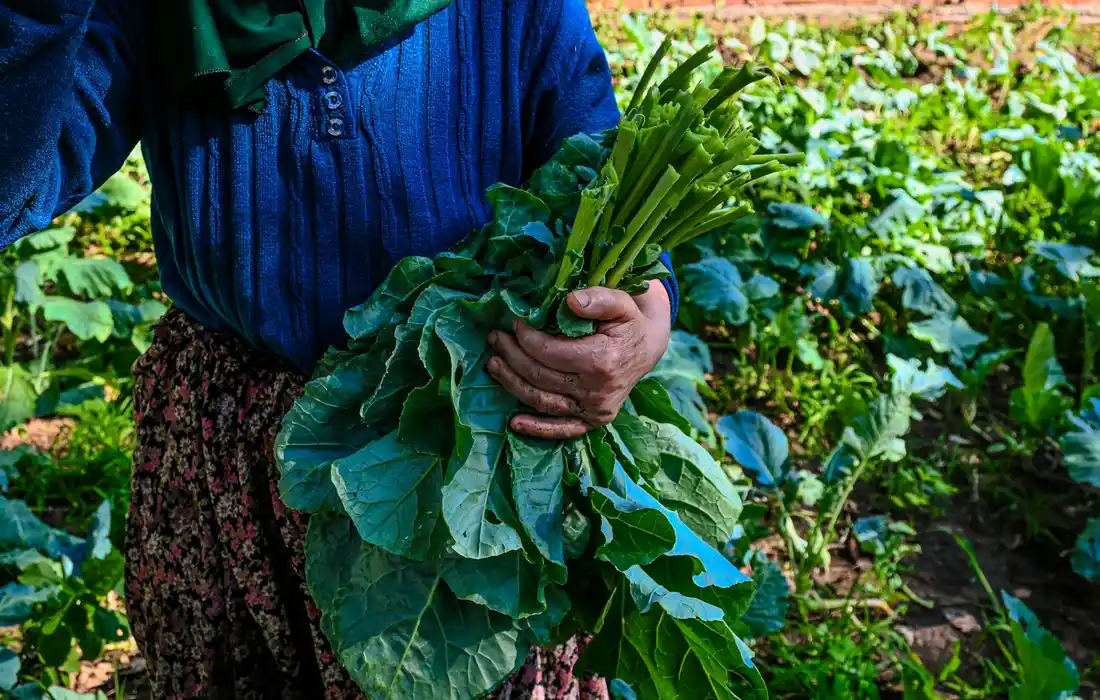
Now, let’s have a frank chat about the salad bar items that don’t belong in your rabbit’s bowl. Even on a diversified homestead, some common garden plants and kitchen scraps pose real risks to our delicate lagomorph friends. I’ve learned this through careful observation and a couple of scares over the years that sent me running for the vet’s phone number.
The Risks of Too Much of a Good Thing
First, understand that even safe vegetables can cause harm if they dominate the diet. The most common pitfall for new rabbit keepers is overfeeding veggies, which can crowd out the essential hay and lead to a sluggish, unbalanced gut. A rabbit’s digestive system is a finely tuned fermenter, and throwing too many watery greens or sugary treats into the mix will throw it out of whack faster than a summer thunderstorm.
Here are the specific veggies and categories to steer clear of:
- Iceberg Lettuce: It’s mostly water and offers little nutritional value. More critically, it contains lactucarium, which can be a digestive irritant and lead to diarrhea. I reckon it’s just not worth the risk when so many better options exist.
- High-Oxalate Greens: Fed in large, frequent amounts, these can contribute to kidney issues. This group includes spinach, Swiss chard, beet greens, and parsley. A tiny sprig as a very occasional treat is one thing, but they should never be a daily staple on your rabbit’s menu.
- Beans, Rhubarb, & Potato Parts: These are outright toxic. Never feed dried beans, raw rhubarb (especially the leaves), or potato tops and eyes.
- Alliums: This entire family-onions, garlic, leeks, chives-is harmful to rabbits and can cause blood disorders.
- Corn & Peas: While not toxic, these are too starchy and high in carbohydrates for a rabbit’s simple stomach. They can easily cause a dangerous case of GI stasis.
Putting It All Together: A Sample Daily Feeding Routine
Let’s paint a clear picture of a balanced day for a standard 5-pound adult rabbit. This routine has served my herd well, keeping them bright-eyed and producing plenty of fertilizer for the garden. Remember, unlimited grass hay (timothy, orchard, or meadow) is the absolute cornerstone and must be available 24 hours a day (see how much hay a rabbit should eat daily). The veggies are the beneficial supplement, not the main course.
Morning (6-8 AM)
- Fresh Water: Dump, scrub, and refill the water bowl or bottle with cool, clean water.
- Hay Check: Shake up the hay rack or feeder, fluff it, and top it off to encourage foraging.
- Pellets: Offer a measured portion of high-fiber timothy-based pellets (no colorful bits or seeds). For our 5-lb rabbit, that’s about 1/4 cup total per day. I give half that amount now.
Evening (5-7 PM)
- Veggie Time! This is when you’ll offer the daily fresh vegetable portion. For our 5-lb bunny, aim for about 2 packed cups of mixed greens.
- Build a Good Mix: Combine 2-3 different items from the safe list. For example: 1 cup romaine lettuce, 1/2 cup cilantro, and a 2-inch piece of bell pepper strip.
- Finish Pellets: Provide the remaining half of the daily pellet ration.
- Final Hay & Water Check: Ensure everything is topped off for the night.
Rotate your veggie selections every few days to provide a range of nutrients and keep your rabbit interested in its meals. I like to think of it like planning my own supper plate-variety is the spice of life, even for a cottontail. If you’re introducing a new vegetable, start with a piece the size of your thumbnail and wait 24 hours to ensure no soft stools appear before offering more.
Your Rabbit Veggie Questions, Answered
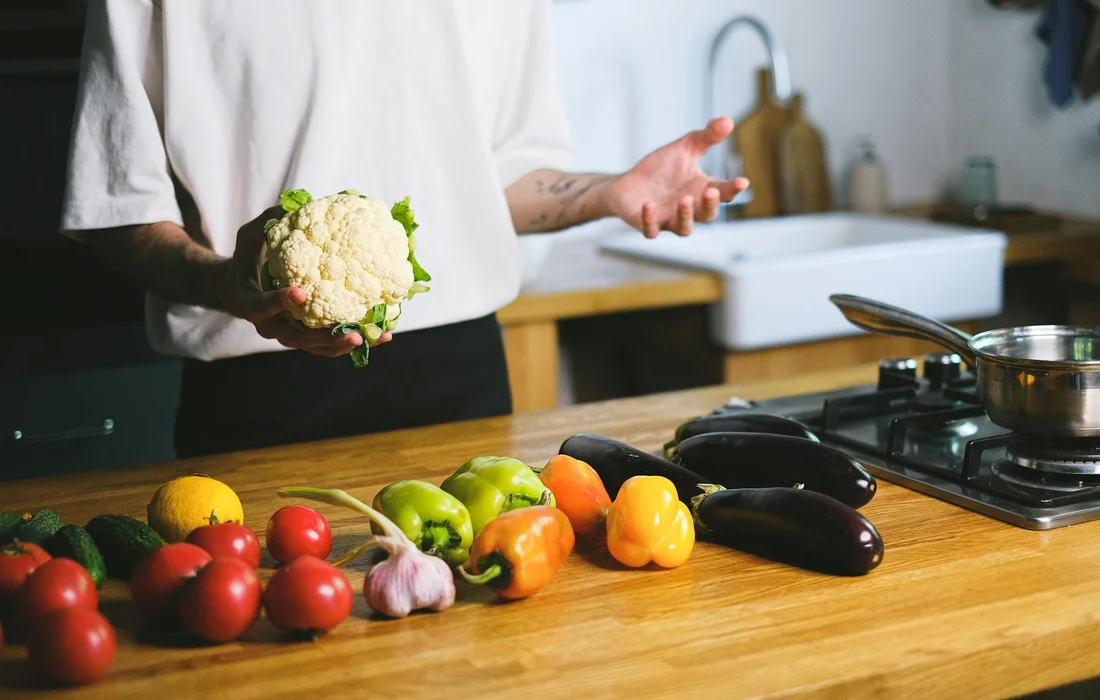
How much fresh vegetables should rabbits eat daily?
The core rule is to provide about one to two packed cups of fresh vegetables per six pounds of your rabbit’s body weight daily. This amount should be split into at least two separate feedings to support steady digestion and prevent selective eating. A regular feeding schedule—often two meals a day or more—helps ensure you feed your bunny the right amount at consistent times. Consistency also makes it easier to spot changes in appetite or digestion early.
What types of vegetables are safest to start with for a new rabbit?
Begin with leafy greens that are gentle on digestion, such as romaine lettuce or cilantro. These are excellent staples that provide moisture and nutrients without the higher risk of causing gas or digestive upset that some other veggies might.
How should I introduce a new vegetable from my garden to the herd?
Introduce only one new garden vegetable at a time, starting with a piece no larger than your thumbnail. Mix it with their trusted greens and closely monitor their droppings for the next 24 hours to ensure no soft stools or digestive issues arise.
Are there common garden plants or scraps that are surprisingly harmful?
Yes, many common allium plants like onion and garlic tops are toxic, as are potato and tomato leaves. Also, avoid feeding any beans, rhubarb leaves, and iceberg lettuce, which offers little nutrition and can cause digestive irritation.
How do I quickly determine the right portion for different-sized rabbits in my care?
Use a standard measuring cup for consistency. A handy barnyard method is to offer roughly one packed cup per two pounds of body weight. Always adjust portions based on the individual rabbit’s condition and activity level, ensuring hay intake remains high.
Can I feed my rabbits the same veggie scraps as my chickens or pigs?
No, you must be much more selective. Many scraps safe for poultry or swine (like onion skins, potato peels, or beans) are dangerous for rabbits. Always consult a rabbit-safe list first and err on the side of caution, sticking to known leafy greens and herbs.
A Final Word of Barnyard Sense
Feeding your rabbits right is simpler than it seems once you know the rules. The golden keys are unlimited hay, clean water, and measured, varied veggies. Trust your eyes and your rabbit’s healthy, round droppings as the best signs you’re on the right track for a thriving herd.
Back to the Hutch
When all’s said and done, feeding veggies is about seeing the whole rabbit, not just the meal. Watch their energy, their coat, and that all-important digestive output. The golden rule from my barn is simple: a portion about the size of their head, heavy on the leafy greens, and always, always introduce one new thing at a time. It’s a practice in patience that pays off in healthy, hopping critters.
I reckon there’s a deep satisfaction in getting this daily rhythm right. It connects us to the simple, good work of stewardship. Now y’all go enjoy those happy binkies and the peace that comes from a well-tended hutch. We’re always here, just over the digital fence, if you have a story to share.
Further Reading & Sources
- Best Vegetables for Rabbits: A Healthy Diet Guide
- Rabbit Diet: What to Feed a Pet Bunny | Best Friends Animal Society
- Diet – House Rabbit Society
Caroline Mae Turner is a lifelong farm girl raised on red clay, early mornings, and the sounds of a bustling barnyard. With hands-on experience caring for everything from stubborn goats to gentle dairy cows and mischievous pigs, Caroline shares practical, tried-and-true advice straight from the farm. Her goal is to help folks keep their animals healthy, well-fed, and living their best barnyard life. Whether you're wrangling chickens or bottle-feeding a baby goat, Caroline brings a warm Southern touch and plenty of real-world know-how to every bucket in the barn.
Feeding Guidelines