
Can Rabbits Eat Purslane? A Homesteader’s Guide to Safe Foraging
Published on: September 10, 2026 | Last Updated: September 10, 2026
Written By: Caroline Mae Turner
Howdy y’all. You’re out there pulling weeds, eyeing those rampant ground covers, and wondering if you could just toss ’em to the rabbits instead of the compost. Good news: your bunnies can safely enjoy fresh purslane and even creeping Charlie (ground ivy) as a occasional forage treat, but there are some mighty important rules of the pasture to follow first.
What you’ll need:
- A good foraging basket or bucket
- A reliable plant identification guide or app
- Knowledge of your own land (no sprays or contaminants)
- A conservative eye for portion sizes
Don’t you worry, we’re gonna sort through this together so you can turn a chore into a free snack and get back to the rest of your homesteadin’ list.
Can Rabbits Eat Purslane?
You bet they can. I’ve watched my own herd of floppy-eared foragers clean up patches of this succulent with pure delight. While some folks yank it as a weed, I see it as a free, nourishing gift from the garden.
Purslane Nutrition and Safety for Rabbits
Purslane is a rabbit-safe powerhouse. It’s packed with omega-3 fatty acids, which are rare in leafy greens and wonderful for a healthy coat and reducing inflammation. This plant also brings a good dose of magnesium and potassium to the table. The high moisture content can be a real help on hot summer days, offering a bit of extra hydration with their meal. You must ensure it’s from an area free of pesticides or chemical runoff, as with any forage. I’ve fed it for years without a single issue, and my rabbits always come back for more.
How to Feed Purslane to Your Rabbit
Feeding purslane is simple, but a few barnyard rules apply. Never make a sudden, large change to your rabbit’s diet.
- Wash It Thoroughly: Rinse the purslane in cool water to remove any dirt, bugs, or potential contaminants from the soil.
- Start Small: For a new rabbit, offer just a few leaves or one small sprig. Watch their digestion over the next 24 hours.
- Treat It as a Supplement: Purslane should complement a diet based on unlimited grass hay, not replace it. A handful per rabbit, a few times a week, is a splendid treat.
- Mix It In: I like to chop it up and mix it with their regular greens. This prevents picky eating and adds variety to their dish.
This method introduces new food without upsetting their delicate digestive balance, which is the cornerstone of good rabbit husbandry. To transition their diet safely, start with small portions and increase gradually. This sets the stage for introducing new foods without digestive upset and leads into practical steps for safe diet changes in the next steps.
Can Rabbits Eat Creeping Charlie?
Now, this is where we need to pause and step carefully. While purslane gets a hearty thumbs-up, Creeping Charlie is a different story altogether for our rabbit friends.
Understanding Creeping Charlie for Herbivores
Creeping Charlie, also called ground ivy, is a member of the mint family. It has a strong, distinctive smell when crushed. While some livestock like chickens or geese might peck at it without apparent harm, it is not considered safe for rabbits. The plant contains compounds that can be irritating to a rabbit’s unique and sensitive digestive system, potentially leading to discomfort or digestive upset. I reckon it’s one of those plants where it’s just not worth the risk when there are so many other safe, abundant weeds like dandelion or plantain available.
My rule in the barnyard is simple: if I’m not 100% certain, it doesn’t go in the rabbit hutch. Stick to known, safe greens and forages, and you’ll keep your bunnies hopping happily for years to come. For other critters, like pigs or chickens, a little Creeping Charlie in a vast pasture is usually no concern, but for rabbits, I keep it off the menu entirely.
Rabbit-Safe Ground Covers for Nibbling and Foraging
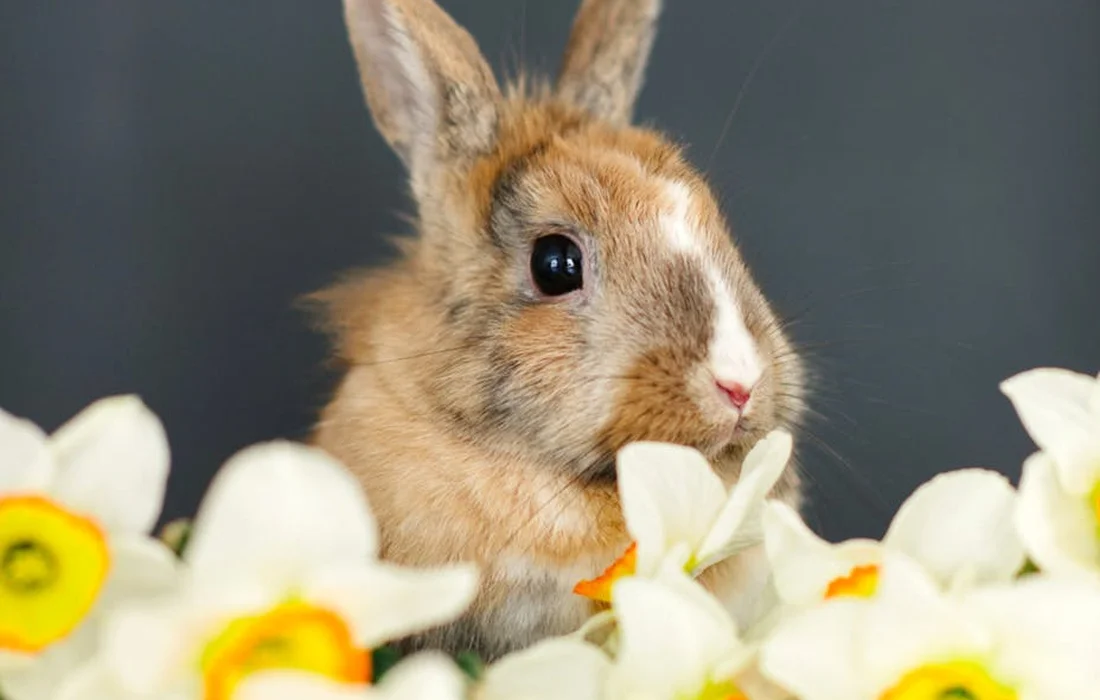
Y’all, there’s nothing quite like watching a contented rabbit graze on a patch of green she helped herself to. Offering safe, wild greens is a thrifty way to supplement your rabbits’ diet and enrich their daily routine. I’ve spent many an afternoon weeding the garden and sharing the bounty with my lop-eared crew-they’re my finest taste-testers. Just remember, any new forage should be introduced slowly and gathered from areas free of pesticides or car fumes. Leafy greens can be a nutritious addition when you choose safe varieties and proper portions. A quick guide on safe leafy greens feeding guidelines will follow in the next step.
Top Picks for a Bunny Buffet
When I’m looking to treat my herd, I head for these hardy, common plants that often pop up right under our noses. Focus on young, tender leaves for the easiest digestion and highest nutrient content your rabbits will love.
- Purslane (Portulaca oleracea): This succulent is a powerhouse. It’s unusually high in omega-3 fatty acids for a green plant and carries a crude protein content around 2-3%. I often toss a handful into the hutch on hot days-the moisture content helps with hydration.
- White Clover (Trifolium repens): A classic meadow find that’s rich in protein. I reckon it’s best fed dried or wilted slightly to minimize any bloat risk, and I never let it make up more than 10% of their daily greens.
- Dandelion (Taraxacum officinale): Every part is safe-leaf, flower, and root. The leaves are a stellar source of vitamins A and K. My rabbits will binky for these bitter greens, which support liver health.
- Broadleaf Plantain (Plantago major): Not the banana, but the humble lawn weed! It has a reputation among old-timers for soothing minor digestive upsets. I keep a patch growing near the run just for this purpose.
- Chickweed (Stellaria media): This mild, star-flowered creeper is a superb early spring forage. It’s gentle on the stomach and provides a nice mix of minerals like potassium and magnesium.
For a mixed foraging area, I aim for about one square foot of diverse ground cover per rabbit to prevent overgrazing. Rotating their access to these patches mimics natural browsing and keeps the plants coming back strong.
Ground Covers and Garden Plants Toxic to Rabbits
Now, let’s talk about the other side of the fence. Nature isn’t always a friendly salad bar, and some common plants can cause serious harm. Stewardship means knowing what’s growing in your bunny’s reach and erring on the side of caution every single time. I learned this lesson young when a favorite kit got hold of some clippings I hadn’t identified properly-we were lucky, but it was a sobering scare.
Common Toxic Plants in Yards and Gardens
Many ornamental plants and vigorous weeds contain defenses that a rabbit’s gut simply can’t handle. When in doubt, keep it out of the hutch-no treat is worth a veterinary emergency. Some common weeds can be safe nibbling for rabbits, while others are not. In the next steps, we’ll cover safe vs unsafe wild plants. Here are the usual suspects I yank out whenever I see them.
- Creeping Charlie (Glechoma hederacea): Despite its harmless look, this aromatic mint relative contains volatile oils that can lead to excessive salivation, diarrhea, and weakness. I don’t allow it in my yard where the rabbits roam.
- Buttercups (Ranunculus species): All parts are toxic, fresh or dried. They contain protoanemonin, which burns the mouth and gut. I clear these from pasture edges before turning any animal out.
- Foxglove (Digitalis purpurea): This beautiful garden staple is deadly. Even a small nibble of the leaves can cause heart failure due to digitalis glycosides. My rule is to never plant it near livestock areas.
- Nightshades (Solanum species): This includes garden tomatoes and potatoes-the fruits are fine, but the leaves, stems, and vines are toxic. Wild varieties like deadly nightshade are an obvious danger. I fence my vegetable garden separately.
- Rhubarb Leaves (Rheum rhabarbarum): While the stalks bake into fine pies, the leaves are packed with oxalic acid, which can cause kidney damage. My compost pile for these is well away from curious noses.
- English Ivy (Hedera helix): A popular ground cover that can cause vomiting, diarrhea, and abdominal pain. Its aggressive growth means I have to stay vigilant and pull it from fence lines regularly.
I keep a printed list of toxic plants nailed right to the barn wall for a quick reference. Proper identification is your first and best defense for keeping your fluffy herd safe and sound. When you’re foraging, if you aren’t 100% certain, leave it be-there’s always another dandelion patch down the lane.
How to Introduce Any New Green to Your Rabbit
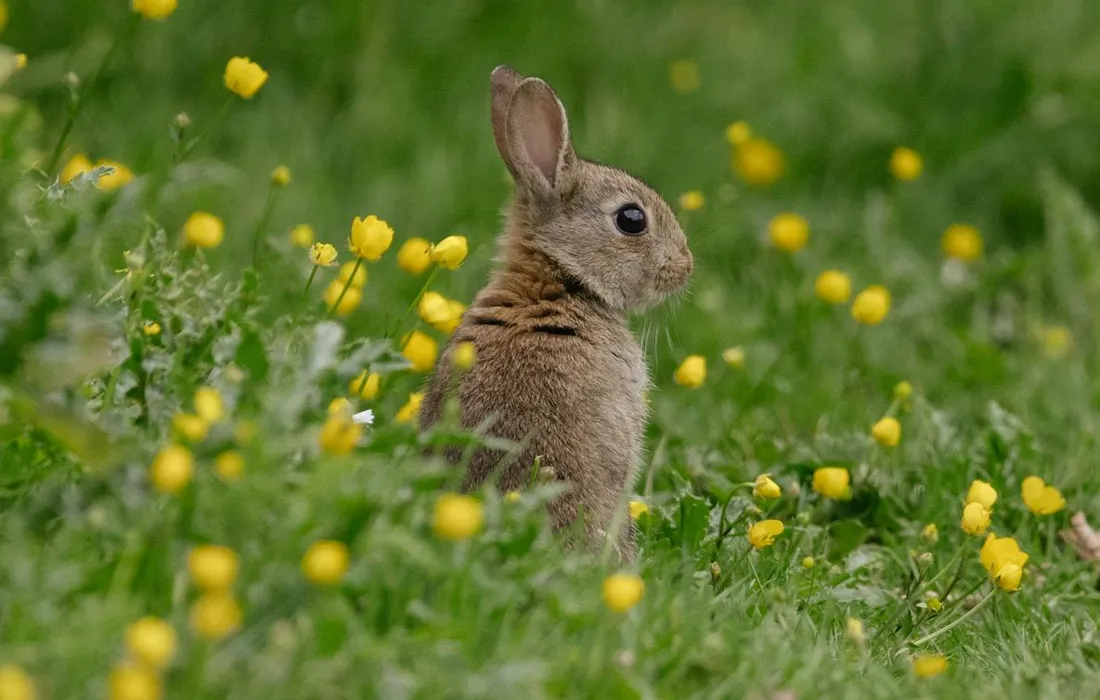
Now, I’ve seen folks get so excited about a patch of fresh greens that they’ll bring a whole handful straight to the hutch. I reckon that’s a surefire way to spend a long night worrying over a bunny with a sour stomach. Introducing new food is a gentle art, not a race, and patience here saves you a world of trouble, especially when it comes to vegetables rabbits can eat. I follow a method passed down from my granddaddy, and it hasn’t failed my herd yet.
The Golden Rules of New Foods
Stick to these few simple commandments, and you’ll keep your rabbits hopping happily.
- One at a Time: Never offer two new plants on the same day. If a digestive issue pops up, you’ll have no clue which culprit to blame.
- Start Small as a Seed: A single leaf or a piece the size of your thumbnail is plenty for that first taste test. It’s just an introduction, not a meal.
- Watch Like a Hawk: For the next 12 to 24 hours, keep an eye on their droppings and behavior. Firm, round pellets and normal energy mean you’re on the right track. Soft droppings or lethargy mean stop immediately.
- The Slow Climb: If all is well after a couple of days, you can slowly increase the amount over a week. Don’t let that new green make up more than 10% of their total diet at first.
- Know Your Source: This is my non-negotiable. You must be absolutely certain of your plant identification and know the area hasn’t been sprayed with herbicides or pesticides. I only forage from my own pastures and gardens where I control what goes on the land.
Why Ground Covers Boost Rabbit Diet and Health
Pellets are a fine convenience, but they’re the culinary equivalent of a basic loaf of bread-it’ll sustain you, but it won’t thrill your palate or cover all your nutritional bases. Wild ground covers are the vibrant, seasonal salad bar that completes the meal, offering nutrients pellets simply can’t replicate.
Beyond the Feed Bucket: Natural Nutrition
Let me tell you what I’ve observed in my own rabbits over thirty seasons. When they get regular access to a variety of weeds and creeping plants, their coats get sleeker, their eyes brighter, and they just seem more… content. There’s science in that barnyard observation.
- Gut Health Dynamos: These fibrous, living plants are teeming with microorganisms that help populate a rabbit’s complex digestive system. They act as a natural probiotic, keeping that crucial gut flora in balance.
- Hidden Nutrient Troves: Take that purslane we talked about. It’s packing more Omega-3 fatty acids than some fish oils! That’s for immune support and a healthy inflammation response. Creeping Charlie, in moderation, offers vitamins and may have historical use for minor respiratory irritations.
- Dental Care on the Hoof: The varied textures and fibrous strands naturally grind down those ever-growing teeth in a way that a uniform pellet never could. Good dental health is the cornerstone of a rabbit’s overall well-being, preventing a cascade of other issues.
- Enrichment For The Soul: There’s a pure joy in watching a rabbit harvest its own food. The nibbling, the searching, the gentle tug-it engages their mind and satisfies deep instincts. A bored rabbit is often an unhealthy rabbit.
Feeding these ground covers isn’t just about saving a penny on feed, though that’s a fine benefit. It’s about honoring the animal’s design and becoming a true steward of their holistic health, from their teeth to their digestion to their curious spirit.
Planning Your Garden with Rabbit Safety in Mind
Creating a Forage-Friendly Homestead
When you start looking at your property through the eyes of a rabbit, your whole perspective on gardening shifts. I plan my garden spaces not just for my kitchen, but as an extension of the rabbitry, offering safe, fresh nibbles right from the source. This approach saves on feed bills and enriches their lives, turning your land into a partner in their care.
Think of it as zoning. I keep my medicinal herbs and nightshade veggies far from the rabbit runs, but I deliberately let patches of beneficial weeds flourish in their line of sight. A “rabbit-safe zone” of purposefully planted or tolerated greens around their area prevents curious noses from venturing toward danger. Rabbits naturally nibble nettles, dock leaves, dandelions, and thistles. Tuning which of these greens you let grow around their runs helps with weed safety. You’re working with their nature, not against it.
Choosing and Managing Safe Ground Covers
Not every green that sprouts is a friend. My rule of thumb is to know three safe plants for every one I need to pull. Reliable, rabbit-safe ground covers act as a living mulch that doubles as a snack bar, reducing your weeding chores and their feed costs. I’ve seeded areas near my hutches with a mix of these for easy grazing during supervised playtime. While ground covers are great for grazing, it’s also beneficial to have a variety of rabbit-safe flowers to keep their diet interesting and nutritious.
- Purslane (Portulaca oleracea): A superstar here. It’s succulent, packed with omega-3s, and thrives in heat. I let it carpet certain sunny beds.
- White Clover: A classic forage. It’s gentle on the tummy, fixes nitrogen in the soil, and the bunnies adore the leaves and flowers.
- Creeping Thyme: Aromatic, hardy, and safe. It makes a great border plant and can handle a little light browsing.
- Chickweed (Stellaria media): A cool-season favorite that pops up voluntarily. It’s mild and moist, a perfect spring treat.
Knowing What to Exclude is Just as Critical
Vigilance is your best tool. Some common ornamental and wild ground covers spell serious trouble. I walk my fence lines weekly, not just for breaks, but to spot and eradicate any toxic invaders before they become a temptation. Here are a few troublemakers I yank on sight:
- Creeping Charlie (Glechoma hederacea): Despite being in the mint family, it’s a hard no. It contains compounds that can irritate the digestive system and cause excessive drooling.
- English Ivy: All parts are toxic. Its aggressive growth habit means it can sneak into a space overnight.
- Periwinkle (Vinca major/minor): Pretty but problematic, containing alkaloids that can cause harm.
- Pachysandra: A common landscape cover that’s decidedly off the menu for all livestock.
Fencing is your friend, but so is strategy. I use raised beds for my prized vegetables and rely on low, permeable borders of safe plants to distract and delight my rabbits in their own zones. It’s about creating a landscape where their natural foraging instinct is a benefit, not a risk. By planting with purpose, you build a homestead where every creature, from the smallest bunny to the gardener, can thrive together. Pair this approach with a complete foraging and planting guide for rabbit-safe garden vegetables to shape your seasonal plantings. It helps map safe, inviting options that keep rabbits engaged without compromising your harvest.
Closing Tips on Farm Animal Foraging
Can rabbits eat purslane, and is it also safe for animals like chickens or pigs?
Yes, purslane is safe for rabbits and can be a healthy treat for chickens and pigs as well. Its high omega-3 content and moisture offer nutritional benefits, but ensure it’s foraged from chemical-free areas.
Is creeping Charlie harmful only to rabbits, or should other livestock avoid it too?
Creeping Charlie is particularly risky for rabbits but may cause mild digestive upset in animals like geese or cows if consumed in large amounts. It’s safest to exclude it from all animal pastures or feeding areas.
Beyond purslane and creeping Charlie, what ground covers are generally safe for mixed farm animals?
Dandelion, white clover, and chickweed are excellent, safe options for rabbits, chickens, pigs, and cows. These provide essential vitamins and minerals, supporting overall health when fed in moderation. For a quick guide on safe and unsafe herbs for rabbits, see our herb guide.
How should I introduce ground covers to different barnyard animals to prevent issues?
Start with small quantities for any new plant, monitoring each species for 24 hours for signs of distress. This gradual approach helps avoid digestive problems across all livestock.
What are the key benefits of adding ground covers to diets for animals like pigs and cows?
Ground covers enrich diets with diverse nutrients and promote natural foraging behaviors, aiding digestion and overall wellness. They complement regular feed but should not replace balanced nutrition.
What critical precautions must I take when foraging ground covers for my farm?
Always confirm plant identification and avoid areas sprayed with herbicides or pesticides. Regularly inspect pastures for toxic species like buttercups or nightshade to keep all animals safe.
Shuttin’ the Gate
After all this talk of purslane, creeping Charlie, and pasture greens, the simplest rule in the barnyard still holds the most weight. No single weed or feed makes a complete diet, and introducing any new green to your rabbits’ menu should be a slow, watchful affair. Their delicate digestion thrives on consistency and careful variety more than on any one exciting discovery. Knowing what constitutes a complete diet is crucial for all breeds and habitats.
I reckon the truest joy in this life comes from sittin’ on an upturned bucket, watching your animals contentedly forage. There’s a peace in knowin’ you’re providin’ good, wholesome food straight from the good earth. I hope this chat helps your bunnies thrive and gives you one less thing to fret over. Now, go enjoy those happy critters and the quiet satisfaction of a homestead well-tended. Y’all take care.
Further Reading & Sources
- Can Rabbits Eat Purslane? | Is it Safe for Your Rabbit?
- OMG I have thrown away so much purslane! | Rabbit Talk – Meat Rabbit & Farming Forum
- BunSpace.com Forum: Is Purslane Okay For Rabbits?
Caroline Mae Turner is a lifelong farm girl raised on red clay, early mornings, and the sounds of a bustling barnyard. With hands-on experience caring for everything from stubborn goats to gentle dairy cows and mischievous pigs, Caroline shares practical, tried-and-true advice straight from the farm. Her goal is to help folks keep their animals healthy, well-fed, and living their best barnyard life. Whether you're wrangling chickens or bottle-feeding a baby goat, Caroline brings a warm Southern touch and plenty of real-world know-how to every bucket in the barn.
Forage Options