Safe Fruits for Your Flock: A Practical Guide to Apples, Grapes, and Other Treats
Published on: September 30, 2026 | Last Updated: September 30, 2026
Written By: Caroline Mae Turner
Howdy y’all. Standing at the fence with a bucket of kitchen scraps, wondering what’s safe to toss to your eager sheep is a common homestead dilemma. You can safely share apples, grapes, pears, and watermelon with your sheep, but the golden rule is always to introduce any new treat slowly and in very small quantities to prevent life-threatening bloat. I learned this the hard way years ago when a few too many apples led to a long night in the barn.
- What you’ll need:
- A selection of fresh, ripe fruit (never spoiled or moldy)
- A good knife for coring and chopping
- A clean feed pan or trough
- Less than ten minutes for prep and feeding
Stick with me, and we’ll get your treat routine squared away so you can move on to the next task with confidence.
The Barnyard Basics: Fruit as a Treat, Not a Staple
Now, y’all, let’s get one thing straight from the get-go: fruit is for fun, not foundation. I learned this lesson early on when my favorite ewe, Bertha, got a tad too fond of windfall apples and ended up with a bellyache. Sheep are designed to thrive on fibrous forage like pasture grass and hay, not sugary snacks. Their rumen, that mighty fermentation vat, needs a steady diet of roughage to keep the good microbes happy and digestion smooth.
Think of fruit like a slice of pie after a hearty meal-it’s a delightful extra, but it won’t keep you going through the day. I never let fruit make up more than 5% of my flock’s daily intake, and even that’s a generous splash for special occasions. For a full-grown sheep, that might mean just a handful of chopped fruit like cranberries a couple times a week. Moderation is your best friend here.
Here’s a quick list of common safe fruits and how I prepare ’em on my farm:
- Apples: Core and chop them to avoid choke risk. I toss out the seeds, as they contain a trace of cyanide, though you’d need a bushel to cause real harm. My girls love ’em sliced thin.
- Grapes: Perfect as-is, but I split clusters so no one gorges. A few grapes per sheep is plenty. They’re like little juicy prizes.
- Bananas: Peel and all! My ram, Samson, will follow me for a bite of banana peel. Rich in potassium, but again, just a few slices.
- Watermelon: A summer favorite. The rind and flesh are both safe and help with hydration. I cut it into manageable chunks.
- Pears: Similar to apples-chop and core. They’re a bit softer, so the older sheep with worn teeth appreciate ’em.
Always introduce any new treat slowly, watching for loose stools. If you see digestive upset, pull back on the treats and let their system settle with extra hay. Stewardship means knowing when to indulge and when to hold back.
A Bounty of Benefits: Why a Little Fruit Goes a Long Way
Beyond the feed bucket, a bit of fruit brings a heap of good to your flock. These natural treats pack vitamins and antioxidants that complement a grass-based diet beautifully. For instance, apples offer vitamin C and fiber, while grapes provide a splash of vitamin K. It’s like giving their immune system a friendly nudge.
I reckon one of the biggest benefits isn’t just nutritional-it’s behavioral. Hand-feeding slices of apple or grape is a powerful way to build trust and tame a nervous flock. My lambs learn to come when called, associating my voice with a sweet reward. It makes handling for health checks or shearing much smoother.
Fruit can also be a thrifty, sustainable choice. Those slightly bruised apples from your tree or leftover watermelon from a picnic? Don’t toss ’em-your sheep will thank you. I’ve spent many an afternoon gathering windfalls from the orchard, turning potential waste into wholesome enrichment. Just ensure it’s clean and mold-free.
Here’s a simple breakdown of what a little fruit contributes:
- Hydration Boost: Fruits like melon have high water content, perfect for hot days.
- Enrichment: Scatter chopped fruit in their pen to encourage natural foraging behavior.
- Bonding Time: A quiet moment sharing grapes with your ewes strengthens your connection to the herd.
- Nutrient Variety: Adds trace minerals and vitamins not always abundant in dry hay.
Remember, the goal is happy, healthy animals living in balance with the land. By using fruit as a careful supplement, you’re practicing the kind of respectful, mindful husbandry that lasts for generations. It’s about enhancing their diet without disrupting the delicate rumen balance that keeps them thriving.
The Safe List: Fruits Your Flock Will Love
Apples: The Classic Crunch
There’s little my ewes love more than the sound of an apple being split open on the fence post. This fruit is a homestead staple for good reason. I keep a bushel of windfalls from our old trees specifically for the sheep pen. Always core apples and remove the seeds before feeding; those seeds contain trace amounts of cyanide that can build up over time. A few slices or one small apple per sheep is a perfect treat. I’ve found it’s a brilliant way to lure a skittish lamb in for a health check or to reward the flock after a stressful event like shearing.
Grapes & Berries: Sweet Bites in Moderation
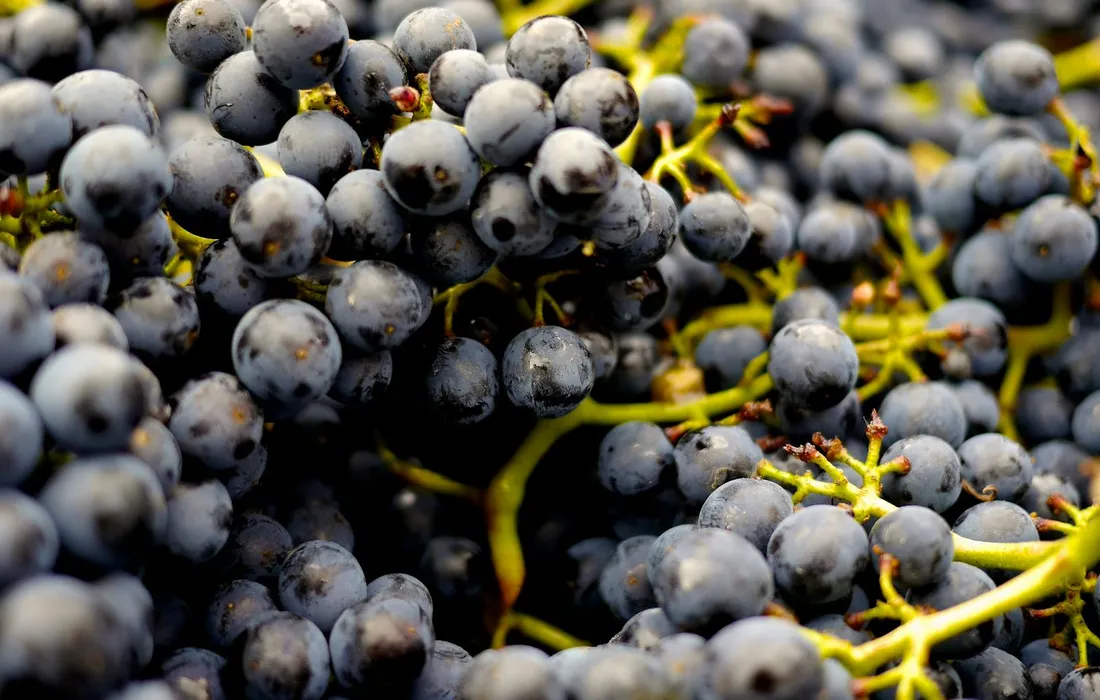
From blackberries that grow along my pasture fence to the occasional bunch of store-bought grapes, these small, sweet fruits are usually a hit. They’re packed with vitamins and antioxidants, which is a nice bonus. Think of berries and grapes as candy for sheep-high in sugar, so a small handful per animal is the absolute limit. I scatter them in their trough to prevent greedy snatching and to encourage natural foraging behavior. Remember that berries like blackberries and raspberries also provide good browse if you have canes growing in areas your sheep can access safely. Blackberries are a favorite type of bramble for many kinds of livestock, including sheep.
Melons: A Summer Hydration Helper
On a scorching August afternoon, nothing beats seeing the flock work over a halved watermelon. Melons are over 90% water, making them fantastic for hydration. The entire melon is safe for sheep to eat-rind, seeds, and flesh-making it a wonderfully zero-waste snack. I simply chop cantaloupe or watermelon into large chunks, dump them in the run, and let the sheep have at it. The rind provides fiber, and cleaning up after is easy since they’ll devour every last bit. It’s a thrifty way to use any melons that get too ripe in the garden. For safety specifics about rind feeding, our sheep watermelon rind safety guide covers it.
Other Barnyard-Friendly Options
My fruit tree guild provides more than just apples. Here’s a quick list of other safe, common fruits that have passed the test with my flock:
- Pears: Treat them just like apples-core and seed them first. They’re soft and easy for older sheep to chew.
- Bananas: My sheep are oddly passionate about bananas, peel and all. I mash them up for lambs or old ewes with dental issues.
- Peaches & Plums: The pit is the only danger. Remove it, and the soft fruit is a palatable, messy treat they adore.
- Pumpkins & Squash: Technically a fruit! After Halloween, our carved pumpkins get smashed open for the sheep. Seeds can act as a natural dewormer.
Rotating these treats keeps your sheep interested and provides a wider range of natural vitamins and minerals in their diet.
Fruits to Avoid: Knowing What’s Toxic
Just as important as knowing what to feed is knowing what never to feed. Stewardship means protecting your animals from harm, even when they’re giving you those begging eyes. Any fruit pit or seed from the *Prunus* genus-like cherries, peaches, plums, and apricots-contains amygdalin, which breaks down into cyanide in the gut. While the fleshy fruit is fine, a handful of crushed pits could cause poisoning.
Citrus fruits are a point of contention. I avoid them. The high acidity and strong oils can cause digestive upset in sheep, and they simply don’t seem to enjoy the sour taste. The skin is particularly problematic and can cause bloating. Sheep treats like oranges and other citrus fruits should be given with caution.
Most concerning are the fruits and parts we might not consider:
- Avocado Skins & Pits: Contain persin, a toxin that can cause severe cardiac distress in sheep.
- Green Potatoes & Tomato Vines: These are part of the nightshade family. The green parts contain solanine, which is toxic.
- Rhubarb Leaves: While the stalk is used in pies, the leaves are high in oxalic acid, which can cause kidney failure.
When in doubt, leave it out. A sheep’s digestive system is designed for forage, not exotic fruits, so sticking to the classic, known-safe options is the wisest path. I keep a list of toxic plants and forbidden foods right on the barn wall as a reminder for the whole family. It’s saved us more than once when well-meaning visitors wanted to share their snack.
Preparation is Key: From Orchard to Pasture
Before you hand over that shiny apple, a little prep work makes all the difference between a happy treat and a vet bill. I’ve learned that taking ten minutes to properly prepare fruit safeguards your flock’s health and lets you sleep soundly at night. You wouldn’t give a young child a whole apple, and the same careful mindset applies to our wooly friends.
Start with sourcing. Those windfall apples from your orchard or a neighbor’s are a thrifty treasure, but you must be vigilant. Always inspect for mold, rot, or insect damage, as spoiled fruit can cause serious digestive upsets quicker than you can say “scours.” I give mine a good rinse in a vinegar-water solution to cut through any residual dirt or mild surface spores.
Now, for the hands-on part. Size and shape matter more than you might reckon for a creature with no top front teeth. Here’s my barn-tested method for common fruits:
- Apples: Core and slice them. Those seeds contain cyanogenic compounds, and while a few won’t hurt, why risk it? I quarter them for larger sheep and slice thinner for lambs.
- Grapes: Wash thoroughly and always cut them in half. This prevents a potential choking hazard and makes the sugars easier to handle. For smaller breeds or lambs, I’ll even quarter them.
- Pears & Stone Fruits: The rule is simple: remove the pits and seeds. Peach, plum, and cherry pits are a hard no-they’re choking risks and can contain higher levels of problematic compounds. I slice the flesh away and offer it in chunks.
- Bananas & Melons: These are softer, but I still peel bananas and remove the rind from melons. Cut melon flesh into manageable chunks, discarding the seeds.
I keep a dedicated cutting board and bowl by the back door for this very purpose. This small habit turns fruit prep into a simple, safe ritual, not a chore you’ll be tempted to skip. Remember, you’re not just feeding them; you’re practicing good stewardship with every slice.
How Much is Too Much? Smart Feeding Guidelines
Fruits are treats, not feed. Their main job is to supplement your sheep’s excellent rumen function, not replace it. Overindulgence in sugary fruits can throw their delicate gut bacteria out of balance, leading to bloat or acidosis. I view fruit like I do a rich dessert-a little is a joyful thing, but too much makes for a miserable morning.
So, what does “a little” mean? It’s not one-size-fits-all. A burly ram can handle more than a petite ewe, and a lactating mother has different needs than a growing lamb. A good rule of thumb is that treats, including fruits, should never make up more than 10% of their total daily dry matter intake. For most average-sized sheep, that translates to about a cup of chopped fruit per day, maximum.
Here’s a more specific breakdown from my own feeding logs. These amounts are for a mature, healthy sheep of roughly 150 pounds:
- Apple slices: 1 medium apple (cored and sliced) every other day.
- Grape halves: A small handful (10-15 halves) twice a week.
- Banana: Half of a medium banana, mashed or sliced, once or twice a week.
- Watermelon or Cantaloupe chunks: About one cup, once a week in the heat.
Frequency is your friend. I far prefer to offer tiny amounts several times a week rather than a large portion all at once. This keeps their system steady and turns treat time into a regular bonding moment. For lambs, cut these amounts at least in half and always supervise their first few introductions to any new food.
Watch your flock closely after feeding fruits. If you notice loose stool or a sheep lagging behind at the next meal, pull back immediately. Their pasture, hay, and mineral licks are the cornerstone of their diet; fruit is just the delightful icing on the cake. By measuring with care, you show respect for their biology and ensure they stay robust for years to come.
Introducing New Fruits: Take It Slow, Friend
Y’all, I remember the first time I brought a basket of windfall apples to the sheep pen. My old ewe, Bertha, looked at me like I’d brought gold. I fed her three whole apples before I knew better. Let’s just say the next day was a learning experience for both of us.
A sheep’s digestive system is a finely-tuned fermentation vat, and dumping in new sugars can throw the whole operation into chaos.
You wouldn’t eat a whole foreign feast on vacation without consequence. Your sheep feel the same about new treats.
Here’s how I introduce any new fruit now, a method that’s saved me many a vet call.
- Day One: Offer a piece no bigger than your thumb per animal. For a flock of five, one apple slice shared is plenty.
- Observe for 24 hours. Watch for bloating, diarrhea, or a lack of interest in their normal hay. If you see any, stop immediately.
- If they pass the test, you can slowly increase the amount over the next week. I never let fruits exceed 10% of their daily diet.
Patience here isn’t just a virtue; it’s the cornerstone of good stewardship and prevents expensive digestive upsets.
I keep a notebook by the back door to jot down what I fed and when. It helps me remember what each group of critters can handle.
The Seed and Pit Problem: A Simple Rule of Thumb
This is where many well-meaning folks get tripped up. The fruit flesh is often safe, but nature packages some seeds with built-in defenses.
My barnyard rule is straightforward: if you wouldn’t comfortably eat the seed or pit yourself, don’t let your sheep have it.
It’s a matter of mechanical danger and chemical risk. A peach pit can crack a tooth or lodge in the gut. Apple seeds, in very large quantities, can cause issues due to trace amounts of cyanide-producing compounds.
Here’s a quick list of common fruits and how I handle their cores:
- Apples & Pears: Always core them. It takes an extra minute, but it removes the seed risk entirely. I save the cores for my compost heap.
- Stone Fruits (Peaches, Plums, Cherries, Apricots): The pits are an absolute no. They are a choking hazard and can cause fatal blockages. I slice the fruit away from the pit every time.
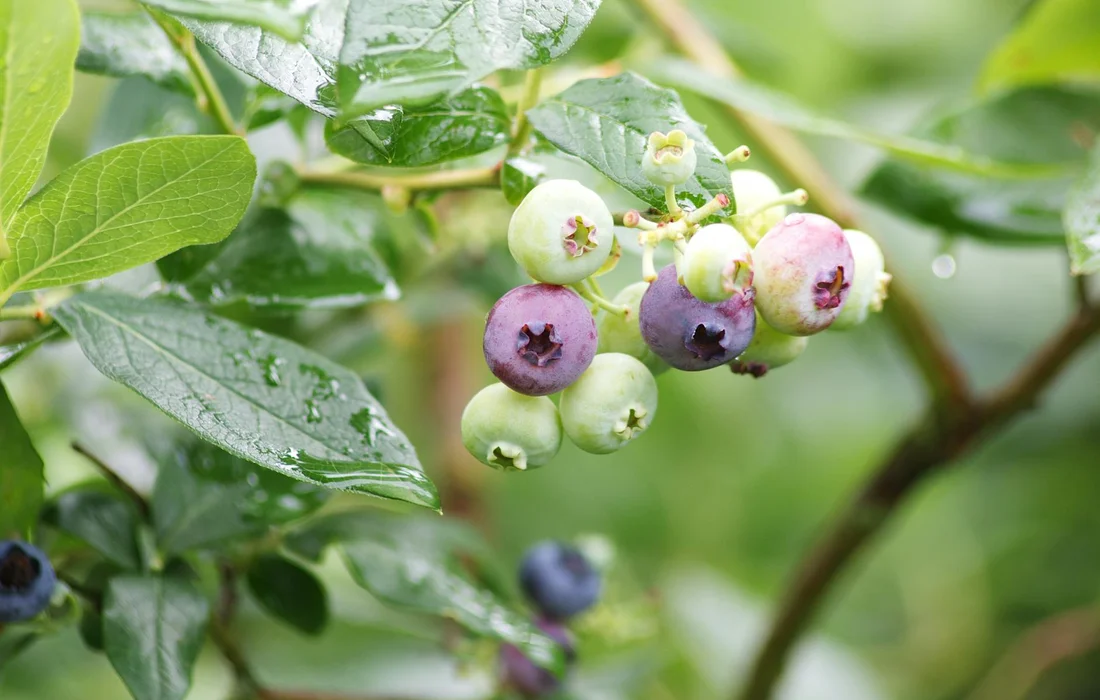
- Grapes & Berries: The small seeds in grapes, blueberries, or raspberries are generally safe. However, for very young, old, or small sheep, I sometimes mash or halve grapes to be extra cautious.
- Watermelons & Cantaloupes: The black seeds in these melons are safe. My sheep crunch them right up. The rind is fine, too, but I cut it into manageable strips.
Taking the time to properly prepare fruit treats is the simplest act of care, ensuring your kindness doesn’t lead to a midnight emergency.
I keep a dedicated paring knife and cutting board right in the feed shed. When I’m pruning the orchard or cleaning up windfalls, I process the fruit as I go. It becomes part of the rhythm of the day.
Closing Tips on Fruitful Feeding
What fruits are safe for sheep to eat?
Sheep can safely enjoy a variety of fruits including apples, pears, bananas, melons (like watermelon and cantaloupe), and berries. Berry varieties can be a tasty, moderate addition to a sheep’s diet. When feeding berries to sheep, offer them in small amounts and monitor their response. Always introduce any new fruit slowly and in small quantities to monitor their individual reaction.
How should apples be prepared for sheep?
Always core apples to remove the seeds and then chop or slice them into manageable pieces. This prevents any choking hazard and eliminates the trace compounds found in the seeds.
Can sheep eat grapes safely?
Yes, sheep can eat grapes safely. It is best to wash them and cut them in half to minimize any choking risk and to help control the portion of sugary fruit they consume at once. This is similar to the precautions taken when feeding grapes to rabbits or guinea pigs.
What are the benefits of feeding fruits to sheep?
Fruits provide supplemental vitamins, minerals, and antioxidants. They also offer hydration and serve as excellent tools for enrichment and positive reinforcement during training and handling.
Are there any fruits that are toxic to sheep?
Yes, avoid feeding the pits and seeds of stone fruits (like cherries, peaches, and plums) and never give them avocado skins/pits or rhubarb leaves. Citrus fruits are also best avoided due to potential digestive upset.
How much fruit can a sheep safely consume?
Fruit should only be a treat, comprising no more than 5-10% of their daily diet. For an average-sized sheep, this typically means about a cup of chopped fruit total, fed a few times a week rather than daily. Make sure to choose fruits that are safe for sheep to consume and avoid any peels or potentially harmful ones like banana or orange peels.
Shuttin’ the Gate on Fruit Feedin’
When all’s said and done, treatin’ your sheep to a sweet snack boils down to two things: moderation and preparation. The single most important habit you can form is to introduce any new food, fruit included, in tiny amounts and to watch your flock like a hawk afterward for any sign of bellyache or disinterest. A handful of sliced apples per animal, a few berries tossed in the trough-these are treats, not meals. Their main job is still to munch on that good hay or pasture you’ve stewarded for them. It’s essential to know what’s best for their diet before introducing any extras.
I reckon if we listen, our animals teach us to savor the simpler joys, like the eager bleat when they see the treat bucket or the quiet contentment of a flock grazing at dusk. I hope this helps y’all feel confident in spoilin’ your woolly crew a little, the safe way. Now go enjoy those finer things in life-a sturdy fence, a busy garden, and a happy, contented flock. Happy homesteadin’, friends.
Further Reading & Sources
- Know Which Foods Not to Feed Your Chickens and Ducks
- Top 5 Fruits and Vegetables for Your Chickens Each Season of the Year – Dare 2 Dream Farms
- What Can Chickens Eat? The Complete Guide of Chicken Treats to Feed and Avoid
Caroline Mae Turner is a lifelong farm girl raised on red clay, early mornings, and the sounds of a bustling barnyard. With hands-on experience caring for everything from stubborn goats to gentle dairy cows and mischievous pigs, Caroline shares practical, tried-and-true advice straight from the farm. Her goal is to help folks keep their animals healthy, well-fed, and living their best barnyard life. Whether you're wrangling chickens or bottle-feeding a baby goat, Caroline brings a warm Southern touch and plenty of real-world know-how to every bucket in the barn.
Treat Suggestions