Guinea Pigs and Lemon Safety: The Straight-Talking Homesteader’s Answer
Published on: October 9, 2026 | Last Updated: October 12, 2026
Written By: Caroline Mae Turner
Howdy y’all, if you’re eyeing that lemon tree and wondering about your guinea pigs, here’s your farmer’s fix right now: you must never feed lemons or any part of a lemon plant to your guinea pigs, as the high acidity and essential oils can cause serious digestive upset and health issues. I’ve seen a piggy lose its appetite for days after nibbling a fallen leaf, and it’s a sight that’ll make any steward’s heart sink.
- A firm rule to keep all citrus fruits and clippings out of the pen
- Knowledge of guinea pig-safe, vitamin C-rich alternatives like bell peppers
- A quick audit of your garden or yard for lemon plant access
Let’s break this down simply, so you can secure your herd and move on to your next chore with peace of mind.
The Barnyard Truth: Why Lemons and Guinea Pigs Don’t Mix
Let’s get straight to the point, friend: you should never, ever feed lemon-or any part of a lemon plant-to your guinea pig. While some of our larger barnyard critters might handle a bit of citrus, for these small hay-munchers, it’s downright dangerous. I’ve seen curious piggies try to nibble on the oddest things that blow into their run, which is why we have to be so vigilant about what’s within reach.
The risks boil down to three main issues that a guinea pig’s body just can’t manage:
- Citric Acid Irritation: Their delicate digestive tracts and mouth tissues are no match for the intense acid.
- Limonene Toxicity: This natural compound in citrus peels and oils is harsh on their systems.
- Dietary Incompatibility: Guinea pigs are strict herbivores built for grasses and hay, not acidic fruits.
Offering lemon disrupts their delicate gut balance in minutes, leading to pain and serious health complications.
Understanding Lemon Toxicity for Small Livestock
To understand the “why,” we need to look at what’s in a lemon. The primary offenders are citric acid and volatile essential oils like limonene. A guinea pig’s digestive system is a finely tuned fermentation vat designed for breaking down fibrous cellulose. It relies on a specific, balanced gut flora. Pour in strong acid and oils, and you effectively “burn” the good bacteria and irritate the stomach lining. This is why [lemons are not safe for guinea pigs](https://thebarnyardbucket.com/guinea-pig-diet-safety-and-human-consumption).
This causes immediate discomfort, painful mouth sores, and a high likelihood of bloat or diarrhea. Feeding junk food to a guinea pig only magnifies these risks, as their digestive systems can’t handle processed sugars the way humans can. That’s why guinea pig diets should avoid snacks altogether and focus on hay, fresh vegetables, and appropriately fortified pellets. Unlike a chicken or a goat, which can handle a wider variety of forages and acids, a guinea pig’s gut is sensitive and specialized. The result isn’t just an upset tummy; it’s a metabolic crisis that can dehydrate a small animal frighteningly fast.
Lemon Juice, Peel, and Plant: A Detailed Look at the Dangers
Every part of the lemon poses a threat, but some are more concentrated than others. Here’s a quick breakdown to keep on your mental feed chart:
| Lemon Part | Risk Level | Primary Reason |
|---|---|---|
| Juice & Pulp | Very High | Concentrated citric acid. |
| Peel & Zest | Extremely High | High in limonene and harsh oils. |
| Leaves & Stems | High | Contain toxins and oils. |
| Blossoms | High | Can contain plant alkaloids. |
Consider the whole plant and its fruit entirely off-limits for your cavy’s enclosure and play areas.
Can Guinea Pigs Have Lemon Juice or Zest?
Absolutely not, not even a single drop or a tiny speck of zest. I reckon some folks think a little “vitamin C” from lemon juice might help, but it’s the most acidic delivery possible. Here’s what that tiny taste does: First, the acid stings the sensitive lips and mouth, potentially causing ulcers. Then it hits the stomach, dropping the pH sharply and killing beneficial bacteria.
This shock to the system halts proper digestion. The gut slows down or stops, a condition called GI stasis, which is a life-threatening emergency for small herbivores. The pain can cause them to stop eating and drinking entirely, creating a deadly downward spiral. There are far safer ways to ensure vitamin C intake through bell peppers and proper pellets.
Are Lemon Leaves, Trees, or Blossoms Safe?
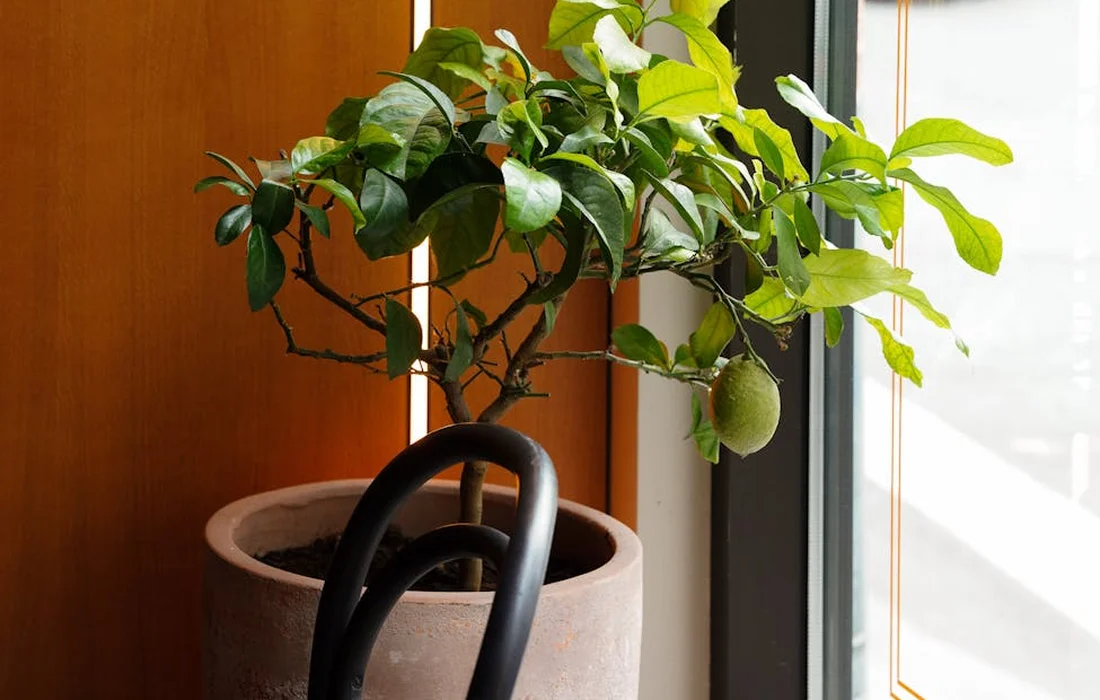
No, the entire lemon plant is unsafe. While the fruit is the most potent, the leaves, stems, and blossoms also contain compounds-alkaloids and those same essential oils-that can cause digestive upset and toxicity if ingested. If you keep potted citrus trees indoors or have them in your garden, you must guinea-pig-proof them.
Ensure the plants are completely out of reach of any free-roaming time your piggies might have. A sturdy physical barrier is the only surefire way to prevent a curious nibble that could lead to a vet visit. For their primary enclosure and run, stick with known safe grasses and herbs like wheatgrass, oat grass, or a bit of parsley as a treat.
Recognizing the Signs: Symptoms of Citrus Poisoning
Now, I reckon you watch your hens for signs of distress and your goats for bloat. Your guinea pig requires that same sharp eye, but the clues are often quieter. You must become a dedicated observer, as the first signs of trouble from citrus are frequently soft and easy to miss. Here’s what to look for in your little cavy.
- Excessive Drooling or Wet Fur Around the Mouth: This isn’t a normal dribble. You might see the fur on their chin and chest matted down, a clear sign of oral irritation from those harsh acids.
- Loss of Appetite or Refusing Favorite Treats: If they turn their nose up at a piece of bell pepper or cilantro, something’s wrong. A guinea pig’s gut must always be moving, so a pause in eating is a serious red flag.
- Lethargy and Hunched Posture: A healthy piggy is curious and alert. A sick one will sit puffed up in a corner, often with eyes squinted, showing no interest in its surroundings. It reminds me of a chick that’s gotten a chill.
- Diarrhea or Soft, Unformed Stools: Their droppings should be firm and oval. Citrus can wreak havoc on their delicate digestive balance, leading to messy, potentially dehydrating diarrhea.
- Visible Discomfort or Pawing at the Mouth: They may rub their face against the cage floor or use their paws to scratch at their mouth, trying to alleviate the burning sensation.
Time is of the essence with small animals; their condition can change from worrisome to critical in a matter of hours. If you spot even one of these symptoms following a suspected lemon encounter, it’s time to move to the next step.
What to Do If Your Guinea Pig Eats a Lemon
Don’t panic. Take a deep breath and follow these steps, the same way you’d methodically handle a birthing ewe or a chick with pasty butt. A clear head saves critters.
- Remove the Source Immediately. Gently take any remaining lemon piece, peel, or plant material away from your guinea pig and its enclosure. Prevent any further nibbling.
- Provide Plenty of Fresh, Clean Water. This helps flush their system and combat dehydration. Make sure the water bottle is working perfectly-sometimes they fail just when you need them most.
- Do Not, Under Any Circumstances, Try to Induce Vomiting. This is not a dog or a cat. Guinea pigs cannot vomit, and attempting to make them do so can cause severe aspiration and death. This is the most critical piece of husbandry advice I can give you in this situation.
- Offer Their Regular Hay. Encourage them to eat their Timothy or orchard grass hay. The fiber is the best thing to get their gut motility back on track and dilute any irritants.
- Monitor Closely and Take Notes. Watch for the symptoms listed above. Note what you see and when you see it. This information is gold for your veterinarian.
- Contact Your Exotics Veterinarian Right Away. This is not a “wait-and-see” moment. Call your vet, tell them exactly what and how much was ingested, and describe all symptoms. Be ready to take your piggy in. Professional care is non-negotiable here.
I’ve learned from decades with livestock that swift, calm action paired with expert help is the recipe for the best outcome. Your job is to stabilize and transport; the vet’s job is to diagnose and treat. Trust in that partnership, and you’ve given your little friend the finest fighting chance.
Building a Proper and Safe Guinea Pig Diet
Feedin’ your guinea pigs right is simpler than mendin’ a fence, and it starts with three steadfast rules. Offer unlimited grass hay, a measured portion of fortified pellets, and a reliable source of vitamin C every single day, come rain or shine. I keep a bale of timothy hay open at all times in my barn; it’s the roughage that keeps their digestion clockwork and their teeth from overgrowin’. Understanding guinea pig feeding frequency habits—offering several small portions spread through the day—keeps their digestion clockwork. A predictable schedule helps avoid tummy upsets and nibbling anxiety. A quarter cup of quality pellets per pig daily provides balance, but hay is the main event. Proper feedin’ is the heart of sustainable stewardship-it prevents waste and illness, showin’ respect for these little foragers.
Safe Treats and Greens for Your Herd
Think of treats as the garden’s bonus, not the main crop. Here’s a list of safe, wholesome choices I’ve relied on for my herd:
- Bell peppers – All colors, seeds removed. Give a slice daily for vitamin C.
- Cilantro and parsley – A few fragrant sprigs, three to four times a week.
- Romaine or green leaf lettuce – A large leaf per pig, several times weekly.
- Carrot tops or zucchini – A small piece twice a week for variety.
- Apple – A thin slice, once weekly, with core and seeds removed.
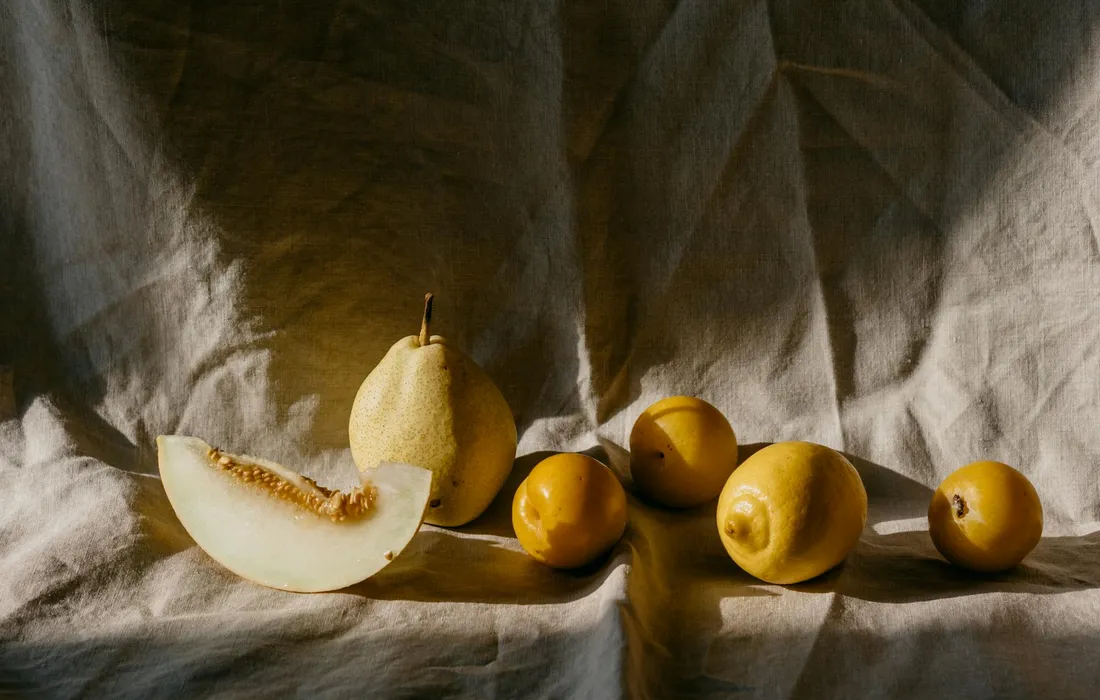
Now, contrast that with citrus and other exotic fruits: lemons, limes, oranges, and grapefruit are strictly off the menu. Their high acidity and potent oils can irritate a guinea pig’s mouth and gut, leadin’ to discomfort you might not notice until it’s a problem. Keep all treats to about one tablespoon per pig per day to avoid digestive upset. I hand-feed mine in the evenin’, which tames ’em and lets me check their health.
Meeting Vitamin C Needs Without Citrus
It’s a common misstep to think citrus is the only way to get vitamin C, but for guinea pigs, it’s the wrong road. Fresh, raw bell pepper is your best and safest bet-a one-inch square of red pepper provides over 100% of their daily need. Other stellar sources include dark leafy greens like kale and Swiss chard, offered in rotation a few times a week. Always ensure fresh water is available, as it helps their bodies absorb nutrients properly. Balance their plate with 80% hay, 15% veggies, and 5% pellets for robust health. I’ve seen my pigs thrive on this mix, with glossy coats and bright eyes. These feeding choices help ensure essential vitamins and minerals for pig health. A balanced diet supports their overall vitality.
Stewardship on the Homestead: Keeping All Creatures Safe
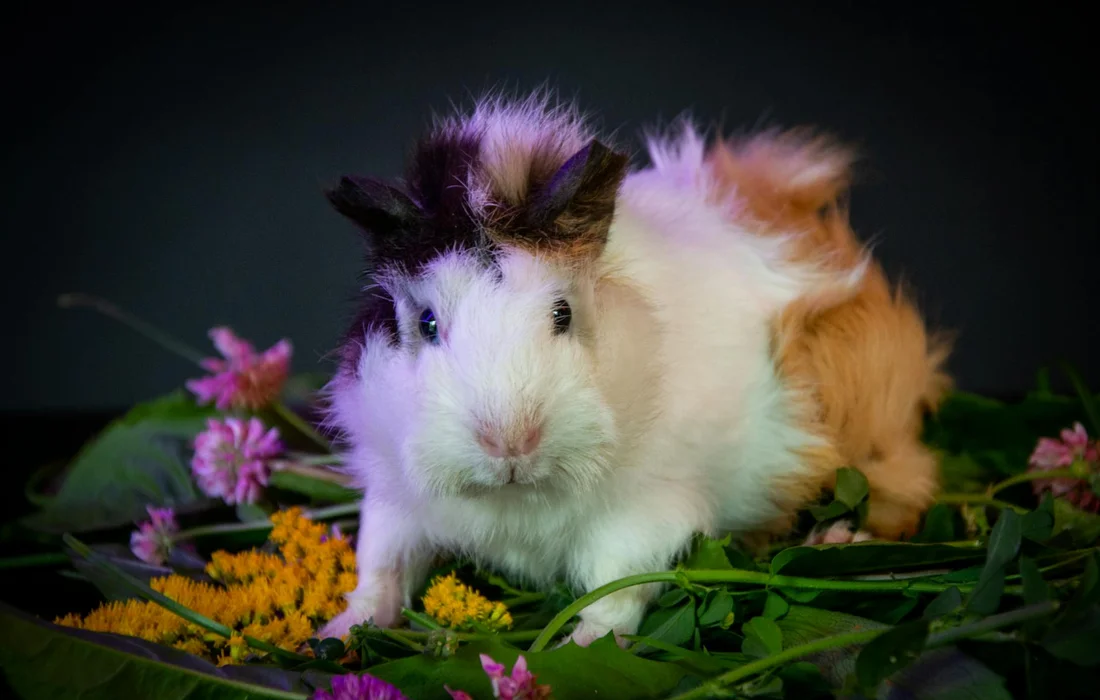
Caring for guinea pigs ties right into the homesteadin’ ethos of watchful thriftiness and respect for all life. You must develop a keen eye for plant toxicity, not just for your pigs but for chickens, goats, and all your critters. I recall one summer when a volunteer lemon balm plant sprung up near the coop; I had to dig it out quick, knowin’ its strong oils weren’t safe for small animals. Learn which plants are friends or foes-avoid lemon verbena, lemon tree leaves, and all citrus parts around your herd. It’s about creatin’ a safe, sustainable haven where every bein’ can flourish without risk. That’s the wisdom passed down through generations on this land. To keep that wisdom goin’, I keep a pig-forage safety guide handy to spot toxic weeds and risky greens before they hit the trough. It helps keep every critter safe and thrivin’ by mindin’ what goes into their forage.
Closing Questions
Is lemon safe for guinea pigs to eat?
No, lemon is not safe for guinea pigs to eat. The high citric acid and essential oils can severely irritate their digestive system and mouth. You should never offer lemon or any citrus fruit as part of their diet, including lime.
Are lemon leaves safe for guinea pigs?
No, lemon leaves or any citrus parts are not safe for guinea pigs. They contain plant toxins and oils that can cause digestive upset and toxicity if ingested. Ensure all lemon plant clippings are kept far from their living area.
What parts of a lemon plant are toxic to guinea pigs?
All parts of a lemon plant are toxic, including the fruit, juice, peel, zest, leaves, stems, and blossoms. Each contains harmful compounds like citric acid or limonene that can disrupt a guinea pig’s health, similar to other toxic substances like onions that should be avoided.
What are the symptoms of lemon poisoning in guinea pigs?
Symptoms include excessive drooling, loss of appetite, lethargy, diarrhea, and pawing at the mouth due to discomfort. Monitoring for these signs is crucial, as they indicate a need for immediate veterinary care.
Is lemon peel or zest safe for guinea pigs?
No, lemon peel and zest are particularly dangerous due to concentrated limonene and oils. Even a tiny amount can lead to gastrointestinal stasis, making it vital to avoid these entirely.
Can guinea pigs be around lemon trees or plants?
Guinea pigs should not have access to lemon trees or plants, as curious nibbling can lead to ingestion. To prevent accidents, use physical barriers to keep these plants out of reach during free-roaming time. Similarly, cherries can pose safety risks for guinea pigs, as pits and leaves are toxic if chewed. Keep all cherry parts out of reach to maintain safety during playtime.
Shutting the Hutch Door
When it comes to our small, furry charges, the safest path is always the straightest one. Offer plenty of fresh hay, a steady supply of clean water, and those beloved vitamin C-rich veggies they know. Stick with the safe, familiar greens like bell peppers, cilantro, and dandelion greens from clean areas, and you’ll sidestep a whole heap of worry that comes from experimental treats. A simple, consistent diet builds a foundation for a lively and long-lived little critter.
I reckon the greatest joy in tending any animal, big or small, comes from the quiet moments of watching them thrive in a secure and thoughtful space. So here’s a neighborly wave to you and your herd-may your harvests be plentiful, your fences be strong, and your guinea pigs’ happy chirps fill your homestead with simple joy.
Further Reading & Sources
- GuineaDad Food Blog: Can guinea pigs eat lemons?
- r/guineapigs on Reddit: Can guinea pigs have lime and/or lemon?
- Can Guinea Pigs Eat Lemon? Vet Approved Nutrition Facts & FAQ | Hepper Pet Resources
Caroline Mae Turner is a lifelong farm girl raised on red clay, early mornings, and the sounds of a bustling barnyard. With hands-on experience caring for everything from stubborn goats to gentle dairy cows and mischievous pigs, Caroline shares practical, tried-and-true advice straight from the farm. Her goal is to help folks keep their animals healthy, well-fed, and living their best barnyard life. Whether you're wrangling chickens or bottle-feeding a baby goat, Caroline brings a warm Southern touch and plenty of real-world know-how to every bucket in the barn.
Special Needs