
Rabbit-Proofing: Do Rabbits Eat Boxwood, Dogwood & Other Shrubs?
Published on: October 16, 2026 | Last Updated: October 16, 2026
Written By: Caroline Mae Turner
Howdy y’all. Rabbits will gladly munch on tender shrubs like dogwood and azalea, but they often avoid bitter-tasting, established boxwood. I’ve spent many mornings surveying the garden, coffee in hand, tracing those telltale nibbles back to a furry culprit.
- What you’ll need:
- Roll of 36-inch tall chicken wire or hardware cloth
- Stakes and a mallet for securing fence lines
- Pruning shears to tidy up damaged branches
- A good half-day for assessment and installation
Let’s sort this out right quick, so you can get back to what matters.
Why Rabbits Chew on Your Shrubs: Understanding the Nibbling Habit
Now, I reckon if you’ve found a rabbit snacking on your landscaping, you might be a tad frustrated. But understanding their nature is the first step to peace. Rabbits are true herbivores, built to graze and gnaw nearly constantly. Their teeth never stop growing, so chewing on tough bark and woody stems helps wear them down naturally. This gnawing isn’t just a nuisance; it’s a vital physical need for the animal, much like a chicken needing grit for its gizzard.
Beyond tooth care, they’re driven by a simple hunger, especially when times get lean. In late winter or a dry summer, wild forage can thin out, pushing them into your yard. Tender new growth on shrubs is like a neon “Open” sign to a hungry bunny. I’ve watched it happen year after year when the clover in the back pasture gets sparse.
Here are the common reasons those cotton-tails venture into your domain:
- Seasonal Hunger: Natural food sources dry up or are buried under snow.
- Tender Targets: The soft, succulent shoots of spring shrubs are irresistible.
- Boredom or Habit: In a confined space, a rabbit will chew for stimulation.
- Nutritional Gaps: They might seek out specific minerals or fibers found in bark.
- Safe Cover: Dense shrubs offer protection from predators while they eat.
This nibbling habit matters to us homesteaders beyond the flower bed. If rabbits are munching your ornamentals, they’re likely eyeing the tasty greens in your livestock food plots, too, like kale or beet tops meant for the chickens. A little foresight protecting your shrubs can save your intended animal feed from becoming wild game appetizers.
Toxic Troubles: Boxwood, Dogwood, and Other Dangerous Shrubs
Not all greenery is good greenery. While a rabbit might sample many plants, some shrubs can cause serious harm or worse. It’s our job as stewards to know the difference between a nuisance and a nightmare. Always err on the side of caution and assume a curious rabbit will try a bite of anything within reach, especially when it comes to wild plants and weeds.
I learned this lesson sharp one early spring. I found a young rabbit under my boxwood hedge, with tell-tale tooth marks on the lower branches. My heart sank. We moved quick, offering fresh water and plenty of safe weeds like dandelion to help dilute any toxins, and kept a close watch for a full day. Thankfully, that fellow was alright, but it scared me straight into researching every plant on the property.
| Shrub Name | Toxicity Level | Risky Plant Parts |
|---|---|---|
| Boxwood | Highly Toxic | All parts, especially leaves and stems |
| Dogwood | Mildly Toxic | Leaves and bark in large quantities |
| Holly | Moderately Toxic | Berries and spiny leaves |
| Lilac | Low Toxicity | Generally safe, but large amounts of bark may cause upset |
Boxwood: A Highly Toxic Hazard
That neat, trimmed boxwood hedge is a real danger. It contains steroidal alkaloids that can wreak havoc on a rabbit’s digestive system. Ingesting even a small amount of boxwood can lead to severe gastrointestinal distress and neurological issues. They typically avoid it, but a desperate, hungry animal in a barren winter yard might take a chance.
If you suspect boxwood ingestion, watch for these specific symptoms:
- Violent diarrhea or sudden lack of droppings.
- Loss of coordination, appearing wobbly or weak.
- Tremors or seizures in severe cases.
- Refusal to eat or drink.
- Significant lethargy and dull eyes.
Dogwood and Other Common Risks
Common dogwood trees and shrubs pose a milder risk. The problem compounds if a rabbit eats a large pile of fallen leaves or strips the bark. While not as immediately deadly as boxwood, dogwood can still cause stomach upset and salivation, which leads to dehydration. Other common landscape shrubs can hide similar dangers.
Here are a few more to keep far from your pastures and paddocks:
- Yew: Every part is deadly toxic; even a handful of needles can be fatal.
- Rhododendron & Azalea: Beautiful but dangerous, causing vomiting and weakness.
- Oleander: Highly toxic; all parts are poisonous, even when dried.
- Privet Hedge: Commonly planted, yet its leaves and berries can cause digestive issues.
Planting Smart: Rabbit-Resistant Shrubs for Your Landscape Design
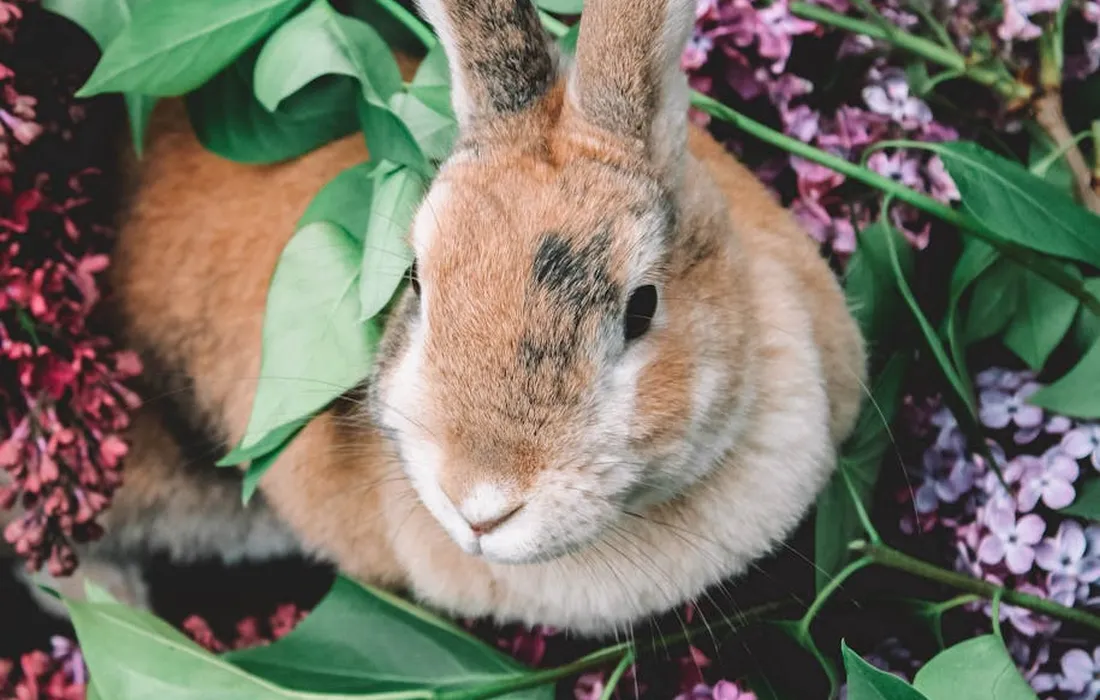
I reckon the smartest fence is the one you don’t have to build. Before you string a single wire, look to your plantings. Using shrubs rabbits naturally turn their noses up at is the thriftiest, most sustainable defense you can plant. It’s a living barrier that saves you money on feed replacements and fencing materials year after year.
On my place, I use these sturdy characters to frame the poultry runs and shield my more tender kitchen garden. It creates a beautiful, multifunctional space where the geese can nab bugs off the lavender and I don’t have to worry about a bunny banquet.
- Lavender: Rabbits hate strong, aromatic scents. This perennial’s powerful fragrance makes it a perfect border plant, and the chickens love dust-bathing near its dry, sunny base.
- Rosemary: Another fragrant herb with tough, needle-like leaves. It’s unpalatable to bunnies and useful for you in the kitchen. I plant it near the coop door for a handy scent and snippet.
- Butterfly Bush (Buddleia): While the blooms attract pollinators, the slightly fuzzy texture of the leaves and stems seems to discourage rabbits. It’s a fast-grower that provides great screening.
- Boxwood: Yes, rabbits typically avoid it! The leaves contain alkaloids that make them bitter and mildly toxic. Their dense, evergreen form makes an excellent garden hedge.
- Japanese Pieris: This showy evergreen shrub is generally left alone. All parts of the plant are considered toxic to many animals, including rabbits, giving it a built-in defense system.
- Barberry: Those thorns aren’t just for show. They provide an excellent physical deterrent. Choose sterile cultivars to avoid it spreading in pastures.
- Russian Sage: Its strong scent, fuzzy stems, and airy texture are a triple-threat against rabbit interest. It’s drought-tolerant and provides wonderful movement in the landscape.
- Viburnum (many varieties): While not 100% bulletproof, many viburnums, especially the leathery-leaved types like Leatherleaf Viburnum, are seldom severely damaged. Their robust structure adds great winter interest.
Integrate these with your runs by planting them along the exterior fencing. This creates a “no-bunny’s land” of unappealing plants before they even reach the main fence line, protecting both your ornamentals and any garden greens you might be growing for your flock. Supplement these with rabbit-proof plants they avoid to enhance your garden’s defenses.
Building Physical Barriers: Fencing and Chew-Proofing Methods
Sometimes, you gotta build a fortress. For your prized shrubs or a vulnerable new planting, a physical barrier is your most reliable bet. I’ve saved many a young dogwood with this step-by-step approach, often using materials left over from other projects.
- Assess the Shrub Area: Get down on a rabbit’s level. Look for tracks, droppings, and which sides show nibble damage. Determine if you need to protect just the trunk or the entire root bed from digging.
- Choose Your Material Wisely: This is where folks get tripped up. Standard chicken wire (1-inch mesh) is for keeping chickens in, not determined rabbits out. A young bunny can squeeze right through it. You need a smaller gauge wire for real protection.
- Install for Trunk and Bed: For individual shrubs, create a cylinder. For a bed, a simple fence. Bury the bottom edge 6 inches deep and angle the bottom 6 inches outward away from the plant to block diggers. Secure every seam tightly.
- Maintain Your Defense: Check barriers each season. Spring growth can push into wire, and winter snow can bend it. Pull away mulch and leaves that pile up, giving rabbits a hidden step stool.
Never let good fencing go to waste; a section of leftover welded wire from the pig pen or a bent livestock panel can be reshaped into a perfect shrub cage. It’s the homestead way.
Using Hardware Cloth for Ultimate Protection
If you want sleep-at-night security, hardware cloth is your best friend in the barnyard. It’s a stiff, welded wire grid that’s far more rugged than flimsy chicken wire. Rabbits cannot chew through it or squeeze past it when installed correctly.
For bunny-proofing, I swear by ½-inch x ½-inch mesh, 19-gauge or heavier. The small holes stop even the tiniest kits, and the thicker wire resists bending. For areas with heavy vole pressure too, go with ¼-inch mesh.
- Measure the circumference of the shrub’s base and the height you need to protect (usually 2-3 feet tall).
- Cut your hardware cloth with tin snips, wearing good gloves. The cut edges are sharp.
- Form a cylinder around the shrub, leaving a few inches of space between the wire and the trunk for growth.
- Secure the vertical seam with sturdy zip ties or galvanized wire every 4 inches. Bury or stake the bottom flange outward.
Temporary Barriers and Quick Fixes
When rabbits surprise you or you’ve just put in new plants, you need a fix you can deploy before sundown. These get-you-by solutions have saved many a seedling on my farm.
- Cylinder Cages: Fasten hardware cloth or strong wire mesh into a simple tube. Push a couple stakes into the ground inside to hold it steady. It’s reusable and effective.
- Plastic Netting or Tree Guards: Spiral tree guards work well on single trunks. Rolled plastic bird netting can be draped over small shrubs but must be monitored for tangles.
- Leftover Livestock Panels: A short section of a tall, rigid panel can be bent into an arch over a shrub row and secured with T-posts. It’s a fortress in minutes.
- The Tin Can Trick: For brand-new, whip-like saplings, cut both ends off a large tin can and slide it over the trunk. It’s a classic, thrifty chew guard.
These temporary shields give tender plants a fighting chance to establish their own woody defenses, after which you can often remove the barrier. Just keep a watchful eye.
Natural Rabbit Deterrents and Habitat Management
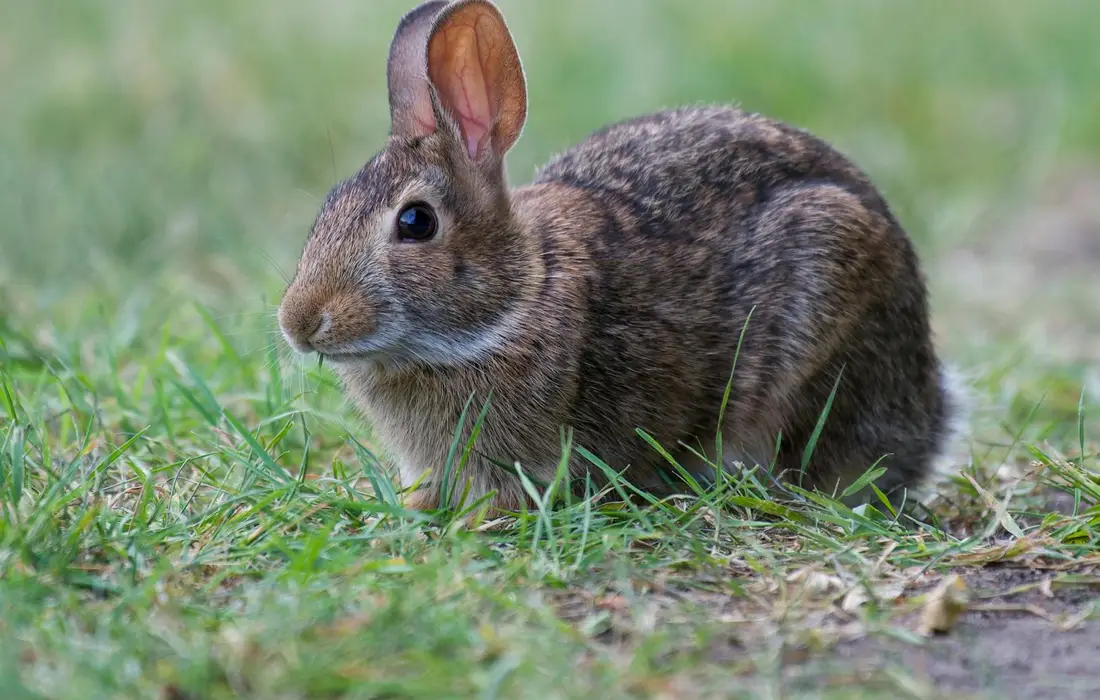
When a fence isn’t practical or you just need a little extra help around a prized flowerbed, there are plenty of old-fashioned tricks to encourage rabbits to dine elsewhere. My favorite methods rely on strong scents and making your homestead less inviting than the wild edges of your property.
A rabbit’s nose is its guide, and you can use that to your advantage with simple homemade sprays. I keep a bottle of this mix in my barn for spot-treating young trees and garden borders.
- Garlic and Pepper Spray: Blend two whole bulbs of garlic and two tablespoons of crushed red pepper flakes with a quart of water. Let it steep for a day, strain it, and add a teaspoon of castile soap to help it stick. Spray it on plant leaves (not directly on food crops you’ll soon harvest) and reapply after rain.
- Vinegar Fence Line Spray: Plain white vinegar sprayed along the base of a fence or on hardscape can create a scent barrier rabbits dislike. It won’t hurt established plants but can affect soil pH, so I use it mostly on perimeter rocks or fence posts.
- Predator Scent Markers: This one’s as old as the hills. Sprinkling used pet litter (from a dog or cat) or human hair from a barbershop around the garden mimics the presence of a threat. Refresh it regularly, especially after a good dew.
Beyond the spray bottle, think about your land from a rabbit’s perspective. They are prey animals that need quick cover. Clearing out brush piles, tall grass, and weedy patches within thirty feet of your garden removes their safe highways and hiding spots. It encourages them to stay in the thicker cover at your property’s edge.
Companion planting can also offer a line of defense. While no plant is completely rabbit-proof, interplanting strong-smelling herbs among your vegetables or ornamentals can confuse and deter them. Consider rabbit-proof flowers and garden plants they avoid to further minimize nibbling. These plant choices can act as an additional barrier alongside scent-based deterrents.
- Ring a garden bed with onions or garlic.
- Plant marigolds, sage, or lavender as a fragrant border.
- Rosemary and thyme are tough, aromatic herbs that rabbits typically pass by.
Finally, I reckon a balanced farm has a place for natural predators. A welcoming habitat for hawks, owls, and foxes might sound counterintuitive, but these creatures help manage the overall wildlife population. Putting up a few nesting boxes for barn owls or leaving a snag tree for hawks to perch on lets nature do some of the patrol work for you. It’s all part of the larger stewardship of the land we manage.
Recognizing and Responding to Poisoning from Shrubs
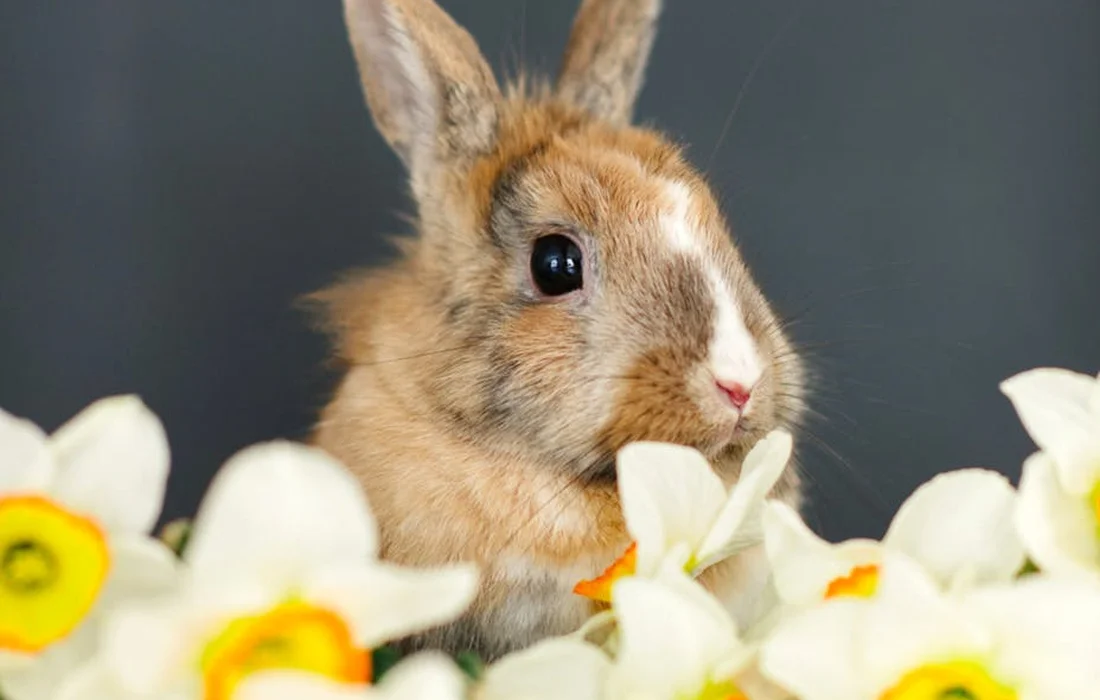
Even with the best precautions, a curious rabbit might take a nibble of something it shouldn’t. Knowing the signs can make all the difference. Time is your most critical resource when dealing with potential poisoning, and a calm, prepared response is your best tool.
The symptoms can come on suddenly or develop over hours. You’re looking for any drastic change from normal, perky behavior. I once had a young doe get into a wilted cherry branch, and the shift in her demeanor was my first clue.
- Lethargy and Weakness: A rabbit that is hunched, unwilling to move, or seems limp.
- Loss of Appetite: Ignoring favorite greens or pellets is a major red flag.
- Digestive Distress: This includes diarrhea, very small or misshapen droppings, or a complete lack of droppings.
- Neurological Signs: Tremors, head tilting, seizures, or apparent disorientation.
- Excessive Salivation or Difficulty Breathing.
If you see a combination of these signs and suspect a toxic plant is the cause, don’t wait. Follow these steps immediately.
- Isolate the Animal: Gently move the rabbit to a quiet, warm, and safe enclosure like a carrier or small pen with soft bedding. This reduces stress and allows you to monitor it closely.
- Remove the Source: Identify and remove any remaining suspect plant material from its reach. If you can, safely bring a sample of the plant for identification.
- Provide Fresh Water: Ensure clean water is available. Do not try to force-feed food or water, as this can cause aspiration.
- Contact Your Veterinarian: Call your vet right away. Tell them the symptoms, describe the plant if you know it, and follow their instructions. They may advise you to bring the rabbit in immediately.
Your vet may recommend activated charcoal, but only administer this under specific professional guidance, as improper use can be harmful. The goal is to get professional help swiftly. Having the number for an emergency vet who sees rabbits saved more than one of my animals over the years. It’s a number worth keeping on the barn wall.
Closing Questions
How does rabbit damage to shrubs impact the food sources for my farm animals?
Rabbit browsing can deplete shrubs and plants you grow for animal feed, like kale or beet tops, reducing available nutrition for chickens or pigs. This may lead to increased supplemental feeding costs and less forage for your livestock to graze on.
Are there rabbit-resistant shrubs that can also serve as food or shelter for my poultry?
Shrubs like lavender and rosemary deter rabbits while providing aromatic pest control and dust-bathing spots for chickens. However, always verify that any plant is non-toxic before allowing animals to consume it, as some resistant shrubs may not be suitable for feed. Chickens may nibble on safe herbs like rosemary and sage in small amounts. Other herbs can be included as well, but always verify safety and suitability for poultry.
What signs should I look for to tell if rabbits are targeting the plants I grow for my livestock?
Watch for clean-cut nibbles on low-growing greens, rabbit droppings near feed plots, and burrows or trails leading to these areas. Early detection helps protect your animal food crops from becoming a rabbit buffet.
Can natural rabbit deterrents, like predator scents, harm my farm animals if used nearby?
Most natural deterrents are safe when applied cautiously, but avoid placing predator scents like dog hair directly in animal pens to prevent stress. Ensure sprays don’t contaminate water sources or feed intended for your livestock.
How can I protect my animal feed plots from rabbits without using toxic chemicals?
Install physical barriers such as hardware cloth fencing around feed plots, and interplant with strong-scented herbs like sage to confuse rabbits. Consider adding rabbit-resistant plants and flowers along the borders to diversify deterrents and provide bloom. Regularly clear weeds and debris to eliminate hiding spots near these areas.
If a rabbit eats a toxic shrub near my pasture, should I worry about my cows or geese?
While large livestock are less prone to sampling toxic shrubs, remove any affected plant debris to prevent accidental ingestion. Monitor your animals for unusual behavior and consult a vet if you suspect cross-contamination in shared grazing spaces. It’s also essential to know which plants are safe for cows to eat.
Shutting the Gate
The biggest lesson from the garden fence is that a watchful eye is your best tool. You can plan and plant all you want, but stewarding both your landscape and your livestock means observing what they actually do, not just what a list says they should. Your rabbits will tell you what they find tasty in your particular patch, and that’s the knowledge that truly rabbit-proofs a homestead. This is the kind of insight our rabbit safe garden vegetables complete foraging planting guide aims to capture. It helps you tailor crops to your rabbits’ tastes while protecting the rest.
I reckon that’s the real joy of this life-learning the rhythms of your own land and the creatures on it. So here’s to your flourishing shrubs and your happy, healthy rabbits. May your mornings be quiet, your greens be lush, and your fence lines hold firm. Take care, neighbor.
Further Reading & Sources
- Can a rabbit eat Boxwood? | Rabbit Hole Hay
- Will Rabbits Eat Boxwood Shrubs?
- Garden Plants That Rabbits Love to Eat
Caroline Mae Turner is a lifelong farm girl raised on red clay, early mornings, and the sounds of a bustling barnyard. With hands-on experience caring for everything from stubborn goats to gentle dairy cows and mischievous pigs, Caroline shares practical, tried-and-true advice straight from the farm. Her goal is to help folks keep their animals healthy, well-fed, and living their best barnyard life. Whether you're wrangling chickens or bottle-feeding a baby goat, Caroline brings a warm Southern touch and plenty of real-world know-how to every bucket in the barn.
Feeding Habits