Can Rabbits Eat Plums and Cherry Tree Parts? Your Barnyard Safety Guide
Published on: September 13, 2026 | Last Updated: September 13, 2026
Written By: Caroline Mae Turner
Howdy y’all, You can safely share a bit of ripe plum flesh with your rabbit as an occasional treat, but the pits, leaves, stems, and twigs from both plum and cherry trees contain cyanide and are downright dangerous for your critters. I’ve spent many an afternoon sorting orchard windfalls from my rabbit paddocks, and knowing what’s safe saves a heap of worry.
What you’ll need:
- Fresh, ripe plums (organic is best)
- A reliable knife for pitting and slicing
- Your rabbit’s primary feed-good quality hay
- A sharp eye to identify toxic tree parts
We’ll have this sorted in no time, so you can tend to your rabbits and move on to the rest of your homestead chores with peace of mind.
Rabbit Digestion 101: Setting the Table for Treats
That rabbit tummy of theirs is a delicate thing, y’all. It’s built on a constant flow of fiber to keep the gut moving and prevent deadly stasis. Their system simply can’t handle rich or sugary foods the way ours can.
The cornerstone of every healthy bunny diet boils down to three simple things.
- Unlimited Grass Hay: Timothy, orchard, or brome hay should fill their rack 24/7. This is their main food, not a snack.
- Measured Pellets: A scant quarter-cup per five pounds of body weight daily is plenty for most adult rabbits.
- Fresh Leafy Greens: A packed cup of romaine, cilantro, or kale per day adds moisture and vitamins.
Now, where do plums and cherries fit in? Think of fruit as a once-a-week bonus, not part of the regular meal plan. That natural sugar can ferment in their cecum and cause real trouble.
I learned this the hard way with my first pair of Rex rabbits. After a few too many berry treats, I spent a long night with a bloated bunny and a lesson I’ve never forgotten. Balance isn’t just advice; it’s stewardship.
The Whole Plum Story: Fruit, Skin, Leaves, and Pits
Can a Rabbit Eat a Plum? (The Flesh)
- The sweet flesh of a ripe plum is safe for rabbits, but only as a rare delicacy. Its high sugar content means it’s a treat, not a food.
- I serve no more than one small cube, about the size of a dime, per rabbit once a week. Any more is asking for soft stools or a picky eater who ignores their hay.
Can Rabbits Eat Plum Skin and Plum Leaves?
- Washed plum skin is usually fine, but always introduce a tiny piece first to see how your bunny’s gut handles it. I scrub mine with vinegar water to remove any wax or residue.
- Fresh, unsprayed plum leaves from your tree can be offered in small handfuls occasionally. My herd likes them as a seasonal browse, but they never replace their staple greens.
The Critical Warning on Plum Pits
- Plum pits are strictly forbidden because they contain cyanogenic compounds and pose a severe choking risk. There is no safe amount for a rabbit to consume.
- Safe preparation is non-negotiable: wash the fruit, cut it in half, remove the pit entirely, and dice the flesh. I always check my cutting board twice to ensure no pit fragments remain before handing over the treat.
Navigating the Cherry Tree: Fruit, Wood, and Everything In Between
Can Rabbits Eat Cherry Fruit?
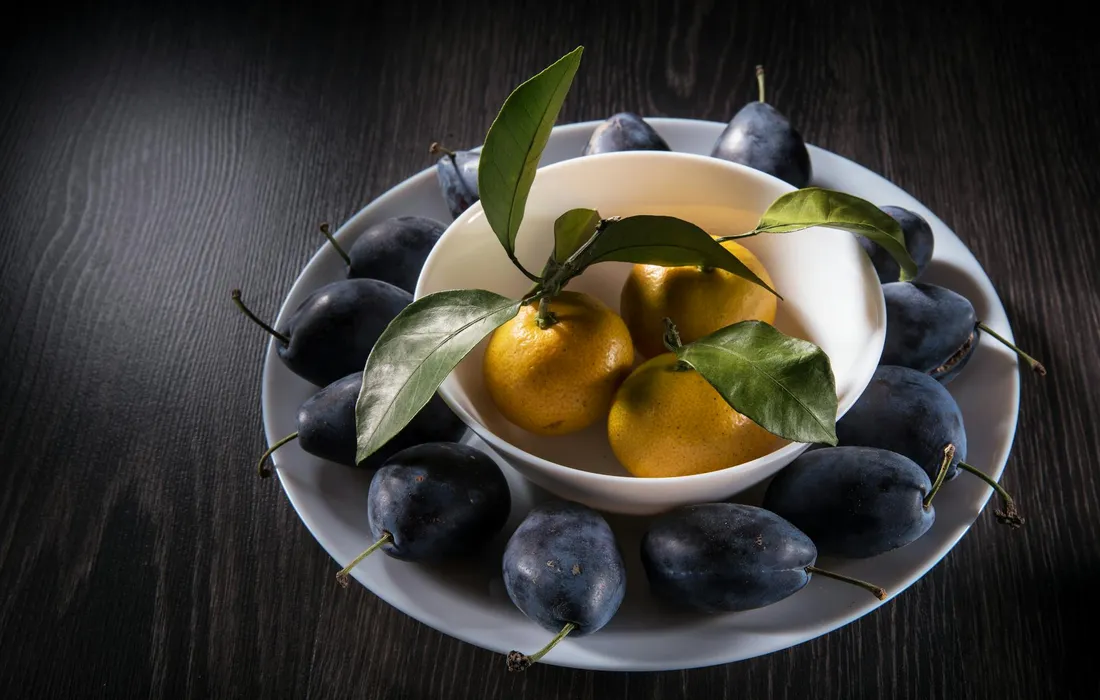
Yes, but mind your manners and treat it like candy-a very rare piece. I’ll let a bunny nibble a cherry maybe twice a month, and only after I’ve yanked that pit out myself. That shiny stone in the center is a hard no, carrying the same risks as a plum pit. Sugar is the other culprit here; cherries run a tad sweeter than plums, so they can stir up more digestive fuss if you overdo it.
- Serve only pitted, fresh cherry flesh. Never from a can or pie.
- Start with a tiny taste. A good rule is half a single cherry for a standard 5-pound rabbit.
Can Rabbits Eat Cherry Leaves and Stems?
This is where you must pay close attention. Fresh or wilted cherry leaves and stems harbor cyanogenic glycosides. When chewed, these can turn into cyanide inside your rabbit’s gut. I never, ever feed green leaves or stems from my cherry trees directly to the animals. There is one safe exception, but it requires patience and perfect drying.
- Fresh or wilted leaves/stems: Toxic. Keep them out of the hutch.
- Thoroughly dried leaves: When they’re brown, crispy, and have hung on a pesticide-free tree for months, I’ll sometimes offer a few for chewing enrichment. They lose the risk when fully desiccated.
Can Rabbits Eat Cherry Wood or Twigs?
Now here’s some good news! Properly prepared cherry wood is a top-shelf chew toy for wearing down those ever-growing teeth. Dried branches from a cherry tree you know hasn’t been sprayed are a homestead gold mine for small animal dental health. I’ve got a stash in my barn for all my chewing critters. Just don’t go handing over green wood.
Here’s how I prepare branches safe for my herd:
- Source from a tree untouched by pesticides or road pollution.
- Cut branches about the width of your thumb.
- Let them dry and season in a dry, airy spot for at least three to four months.
- Before serving, I give them a good scrub under water to remove any dirt or wild mildew.
Understanding the Real Risks: Toxicity and Physical Dangers
- The pits from both plums and cherries pose a dual threat. They’re a choking hazard and, if cracked open, can release amygdalin, which converts to cyanide.
- Fresh leaves and stems from these trees contain cyanogenic glycosides. When the plant is stressed-like when wilted or frost-bitten-this compound breaks down faster into hydrogen cyanide, which attacks a rabbit’s ability to use oxygen.
- Hard, irregular pieces of wood can splinter or cause blockages if swallowed without proper chewing. Always offer wood that’s the right size for your bunny to gnaw, not gulp.
- I learned this lesson years back when a well-meaning neighbor tossed some pruned peach twigs into my weanling pens; while related, the principle is the same. One eager youngster got a stomach ache that had me up all night with gentle massages and herbs. It drove home that every branch and leaf must be identified and prepared with intention. Your vigilance is their safety.
Spotting Trouble: Signs of Poisoning or Distress

Over the years in my barn, I’ve seen that even with the best intentions, a curious rabbit can get into something they shouldn’t. Your keen observation is the most powerful tool you have for safeguarding your herd’s health. If they’ve nibbled on the wrong part of a cherry tree or too much plum pit, their body will tell you pretty quickly. Watch for these red flags. Thinking ahead, you might explore rabbit-proof gardening plants they avoid to reduce nibbling before it starts. These plant choices can serve as a natural line of defense for your herd and garden alike.
- Lethargy: A bunny that’s usually hopping about but is now slumped and uninterested in its surroundings is sending a clear signal.
- Difficulty Breathing: Listen for labored breaths or see if their sides are heaving; this can point to cyanide interference from pits and leaves.
- Loss of Appetite: When a rabbit turns its nose up at fresh hay or a favorite green, take it seriously.
- Tummy Bloat: A hard, distended abdomen is a painful and urgent sign of digestive trouble.
If you notice any of these symptoms, don’t wait and see. Your immediate action can drastically alter the outcome for your animal. Here’s what to do right away.
- Remove every trace of the suspect food from the hutch or run to prevent any more nibbling.
- Contact your veterinarian or an emergency animal clinic without delay; have details ready about what and how much they ate.
- Keep the rabbit warm, quiet, and separate from others to reduce stress while you seek help.
I reckon after a scare like that, you’ll agree with me on this next point. Prevention, built on a foundation of good knowledge, is always cheaper and kinder than any cure. Knowing your trees and your treats keeps the peace in the rabbitry.
Safe Serving Practices: A Step-by-Step Protocol
Now, I’m not one to deny a critter a little sweetness, but we must do it right. Sticking to a careful routine turns a risky fruit into a safe, joyous treat. Here’s my tried-and-true method, step by step.
-
Source fruit from unsprayed trees or wash store-bought fruit thoroughly. I only use plums from my own orchard where I know no chemicals have touched them. For store fruit, a good scrub under running water removes surface residues.
-
Remove all pits, stems, and any questionable leaves completely. This is non-negotiable. The flesh is the prize; everything else goes in the compost. I use a paring knife to be absolutely certain.
-
Chop the fruit flesh into tiny, rabbit-bite-sized pieces. I aim for pieces no bigger than a pea. This makes it easy to digest and prevents any chance of choking, especially for smaller breeds.
-
Offer a minimal amount as a treat, not a meal, no more than 1-2 times per week. A teaspoon-sized portion per rabbit is plenty. Their main diet must always be hay and greens; fruit is just the icing on the cake. To ensure you’re feeding them appropriately, follow a proper rabbit feeding schedule.
-
Always supervise the first feeding of any new food. I sit with them for a good fifteen minutes. You learn their reactions and can spot any immediate dislike or sensitivity before it becomes a problem.
Other Safe and Unsafe Tree Parts for Rabbits
Now, while we’re on the subject of trees, let’s branch out a little. I’ve spent many an afternoon pruning and selecting just the right twigs for my bunnies’ chewing pleasure. Providing safe wood is a cornerstone of good rabbit husbandry, keeping their teeth worn down and their minds busy. You’ll want to stick with woods that are known to be non-toxic and palatable—like bamboo, willow, or hazel—for those long-eared nibblers.
- Safe, Chewable Woods: My rabbits have always done right well with branches from apple, willow, pear, aspen, and mulberry trees. I let the cuttings dry out for a few months to reduce any lingering sap or mold risk before handing them over.
But that’s not the whole story. Just as important is knowing what not. Some woods harbor compounds that can cause serious digestive upset or worse in rabbits, so we must be choosy. I learned this lesson early on when a well-meaning neighbor offered some peach trimmings.
- Unsafe Woods to Avoid: Steer clear of woods from stone fruit trees like peach, apricot, and plum-they contain cyanogenic compounds, same as cherry. Cedar is a definite no for its strong oils, and while pine is debated, I avoid it unless it’s kiln-dried to remove phenols.
Beyond the branches, a few leaves can be a nice treat. My herd loves the occasional mulberry or maple leaf, but I always double-check the tree wasn’t sprayed with chemicals. Just remember our earlier chat: cherry leaves are off the menu for rabbits, no matter how fresh and green they look.
For the Rest of the Homestead: Plums and Cherries for Other Animals
What’s good for the goose ain’t always good for the gander-or the rabbit, in this case. Around here, nothing goes to waste, so let’s talk about sharing the orchard bounty with your other critters.
Can Chickens Eat Plums and Cherry Tree Parts?
My hens act like feathered cleanup crews, and they’re far less delicate than rabbits. Chickens can happily peck at plum and cherry flesh, and they’ll even sample the young leaves without issue. Their tough gizzards handle a variety of foods well.
- You can toss them leftover fruit pieces, but I always crush or remove the pits first to prevent any choking hazard or crop impaction.
- While they handle variety better, moderation is still key. Too much fruit can lead to loose droppings, so I reckon it’s a treat, not a staple.
Can Pigs, Cows, and Geese Eat These Fruits?
Walking the fence line with a bucket of fallen fruit is a regular chore for me. Pigs and cows view windfall plums and cherries as a sweet bonus, and they can consume them in moderation as part of a varied diet. Their larger, robust digestive systems are built for diversity. Pigs can safely eat some stone fruits when given sparingly.
- For pigs and cows, the main watchpoint is pit accumulation over time; I try to rake up excess pits in their areas to be safe.
- Geese, being grazers at heart, can eat small amounts of the fruit flesh, but their primary diet should always be grasses and greens.
From my years in the barnyard, I’ve seen firsthand how digestive tolerances differ. A cow’s rumen can break down compounds that would trouble a rabbit, and a pig’s stomach is tough, but even they respect the rule of “too much of a good thing.” Geese, with their simpler digestive tracts, need the bulk of their food from forage, making fruit a mere afternoon snack. It’s all about knowing your animals and feeding with respect.
Closing Tips for Your Orchard Safety
Can rabbits eat plums?
Yes, rabbits can eat the flesh of a ripe plum as a very occasional treat. Due to its high sugar content, it should only be offered in tiny amounts, no more than once a week. Fruits should be fed to rabbits in moderation and with caution.
Can rabbits eat plum pits?
No, rabbits must never eat plum pits. They are a severe choking hazard and contain cyanogenic compounds that can release cyanide if chewed or cracked open. While some people wonder if rabbits can eat raisins or other dried fruits, these pose risks and should be avoided or offered only in tiny, infrequent amounts due to sugar content and potential digestive upset.
Can rabbits eat plum leaves?
Yes, fresh, unsprayed plum leaves can be offered occasionally in small amounts. They should be introduced slowly and never replace the rabbit’s staple diet of hay and greens.
Can rabbits eat cherry fruit?
Yes, pitted cherry flesh is safe as a rare treat. It is even higher in sugar than plum, so offer half a cherry at most, and only a few times a month.
Can rabbits eat cherry stems?
No, fresh or wilted cherry stems are toxic to rabbits. They contain cyanogenic glycosides and must be kept far away from your rabbit’s hutch or run, whether cherry stems or cherries themselves.
Can rabbits eat cherry tree wood or twigs?
Yes, but only if properly prepared. Branches must be from an unsprayed tree, cut to size, and dried/seasoned for several months to be a safe chew toy for dental health.
Shutting the Gate
When it comes to treats like plums, the rule is simple: the flesh is a rare sweet bite, but the pit and leaves are a hard no. With cherry trees, remember that everything but the clean, dry wood is trouble. The most powerful tool in your husbandry kit isn’t in your feed room-it’s your watchful eye, observing your rabbits before, during, and after you introduce any new food to their routine.
I reckon we all learn best by sharing stories over the fence. So, I thank y’all for lettin’ me share a bit of mine. Now, go enjoy the simple blessings of your homestead and the quiet company of your critters. Happy rabbit-keepin’ to you and yours.
Deep Dive: Further Reading
- Can rabbits eat the leaves and bark from cherry, peach, apricot, almond, and plum trees? ⋆ bunloaf
- Safe Branches List for Rabbits & Guinea-pigs – Bunny Meadow
- Rabbit Damage: Can This Plant Be Saved? – Northern Gardener
- Can Rabbits Eat Plums? | Is Dried Plums Or Cherry Plums Toxic?
Caroline Mae Turner is a lifelong farm girl raised on red clay, early mornings, and the sounds of a bustling barnyard. With hands-on experience caring for everything from stubborn goats to gentle dairy cows and mischievous pigs, Caroline shares practical, tried-and-true advice straight from the farm. Her goal is to help folks keep their animals healthy, well-fed, and living their best barnyard life. Whether you're wrangling chickens or bottle-feeding a baby goat, Caroline brings a warm Southern touch and plenty of real-world know-how to every bucket in the barn.
Feeding Guidelines