
Smart Feeding with Rye, Wheatgrass, and Grains for Thriving Chickens
Published on: September 14, 2026 | Last Updated: September 14, 2026
Written By: Caroline Mae Turner
Howdy y’all. If you’re wrestling with high feed costs or lackluster eggshells, the farmer’s fix is to use rye and wheatgrass as potent, homegrown supplements alongside your standard grains, a method that’s kept my flock robust and my wallet happy for three seasons running. This simple shift adds vital nutrients and foraging fun right in their run.
What you’ll need:
- Whole rye grain for sprouting or sowing
- Wheatgrass seeds or established trays
- Your regular complete layer or broiler feed
- A dedicated pan or trough for serving scratch grains
- Fifteen minutes every couple of days for maintenance
Let’s get this sorted plainly and practically, so you can move on to the rest of your day’s work.
What Rye, Wheatgrass, and Grains Mean for Your Flock
Y’all, these aren’t just items on a feed store shelf. To a homesteader, rye, wheatgrass, and grains represent a thrifty, closed-loop way of caring for your birds. I’ve spent many a season sowing rye as a cover crop, only to watch my chickens joyfully scratch and peck through it come spring. Integrating these plants into your system turns your flock into active partners in land stewardship.
Think of them as your pantry’s extension. A stand of wheatgrass in a cold frame or a patch of winter rye can slash your feed bill when greens are scarce. I reckon I save a good 15% on commercial feed from November to March by relying on these homegrown resources. That’s money you can redirect to other projects, like reinforcing your coop or setting up a new water line.
For your chickens, these feeds signal variety and vitality. A diet stuck solely on mash can leave birds bored and lacking certain nutrients. Offering rye greens or sprouted grains sparks natural foraging behavior, which keeps hens content and reduces pecking issues, unlike some supplemental foods and treats that may not provide balanced nutrition. I’ve seen it time and again in my own flock—happy chickens are productive chickens.
The Goodness They Bring: Nutritional Benefits
Let’s get down to the nitty-gritty of what these feeds deliver. Each one brings a unique set of vitamins, minerals, and energy to the table, complementing a balanced layer feed or scratch mix.
Why Rye Grass and Grain Work Wonders
Rye is a rugged, cold-tolerant friend. The young grass, when grazed or cut, packs about 18-20% crude protein, which is mighty fine for feather growth and overall condition. That high protein content in rye grass makes it a superb, natural booster for molting hens or growing pullets (as long as it’s safe for them to eat).
The grain itself, often fed whole or cracked, is a solid energy source. I mix cracked rye grain into my scratch at a ratio of about 1 part rye to 3 parts corn or wheat. This blend provides sustained energy for body heat and egg production without packing on too much fat.
Here’s a little trick from my barn: use rye as a dual-purpose crop.
- Sow it in fall to protect your soil.
- Let the chickens ‘harvest’ it in early spring before you till.
- It saves you work and feeds the flock.
Wheatgrass: A Green Powerhouse
Wheatgrass is concentrated sunshine in a blade. It’s brimming with chlorophyll, vitamins A, C, and E, and a host of minerals like iron and magnesium. This green juice for chickens acts as a brilliant detoxifier and immune system supporter, especially during seasonal changes.
You don’t need a fancy setup. I grow trays of it right in my mudroom during winter. A mere square foot of dense wheatgrass can supply a handful of greens for a dozen hens each day. That daily bit of fresh wheatgrass does wonders for yolk color and shell strength, thanks to its dense nutrient profile.
For the best results, feed it fresh and young.
- Cut the grass when it’s about 6-7 inches tall.
- Chop it roughly to prevent stringy strands.
- Scatter it in their run to encourage natural pecking.
Energy from Grains: What Chickens Gain
Grains like wheat, rye, and oats are the carbohydrates that fuel your flock’s day. They’re the barnyard equivalent of a hearty breakfast. Properly utilized grains convert directly into the energy hens need for foraging, laying, and keeping warm. Cooked oats can be a great addition to their diet.
But balance is key. Grains should supplement, not replace, a complete feed. A good rule of thumb is that grains should make up no more than 10-15% of their total daily intake. Overdoing it can lead to obese hens and a drop in egg production, which defeats the whole purpose. This is why it’s important to feed chickens according to specific guidelines.
Here’s a simple table on how common grains stack up:
| Grain Type | Key Benefit | Best Served |
| Cracked Rye | High fiber, aids digestion | Mixed in scratch, especially in winter |
| Whole Wheat | Good protein (14%) & energy | Scattered for foraging activity |
| Rolled Oats | Warm, easy to digest | As a warm mash on cold mornings |
I always soak or sprout my grains overnight before feeding. This simple step unlocks more nutrients and makes the grains easier for the gals to digest, ensuring they get every bit of goodness. It’s a small chore that pays off in vibrant health.
Potential Pitfalls and How to Sidestep Them
When Rye Can Cause Trouble
Now, don’t get me wrong, I’m a firm believer in using what the good Lord provides, but rye can throw you a curveball if you ain’t paying attention. The biggest worry in my book is a fungus called ergot. It looks like dark, purplish-black growths on the seed heads, and it’s pure poison for your flock. I learned this the hard way one damp harvest season when a batch of rye I’d cut for bedding made a few hens mighty poorly. Always inspect your rye, whether it’s grain or grass, for any signs of that nasty mold before you let your birds near it.
Even clean rye grass can cause a scuffle in the coop if you introduce it too fast. A sudden bellyful of fresh, fibrous greenery can lead to loose droppings. The key is to start with small handfuls scattered in their run, letting their systems adjust over a week or so. Think of it like introducing a new neighbor-you do it gradual and polite.
- Ergot Alert: Reject any rye with dark, spur-like fungal bodies on the seeds.
- Digestive Ease: Transition to fresh rye grass over 7-10 days to avoid digestive upset.
- Quality Check: Never feed rye that’s been musty, overheated, or spoiled in storage.
Grains and Wheatgrass: Moderation is Key
It’s mighty tempting to dump a whole bucket of scratch grains or a lush tray of wheatgrass into the pen and call it a day. I reckon that’s how we spoil our critters, but it’s also how we create problems. Grains are like candy for chickens-tasty and energizing, but too much unbalances their diet and can fatten them up quicker than a pig at a pie contest. I limit grains to no more than 10% of their total daily feed intake.
Wheatgrass is a powerhouse of vitamins, but it’s not a complete meal. I treat wheatgrass as a vibrant supplement, not the main course, offering a few clipped handfuls per bird a few times a week. This keeps their diet varied and prevents them from filling up on greens and ignoring their balanced layer or grower feed.
- Weigh your grains. For a dozen hens, a single cup of scratch grain in the evening is plenty.
- Offer wheatgrass as a midday snack, not a morning staple, to ensure they eat their protein-rich feed first.
- Watch their condition. If egg production dips or birds get pudgy, cut back on the grains pronto.
Feeding Rye and Wheatgrass: Safe Practices
Can Chickens Eat Rye Grass? How to Offer It
You bet your boots they can! Rye grass is a splendid, cold-hardy forage that my flock races for. The safest way to offer it is right from the pasture, letting them graze it down themselves, which mimics their natural pecking order and foraging behavior. If you’re cutting it for them, use clean shears and give it a rough chop if the stems seem tough. It’s important to make sure you’re selecting safe grass types for feeding.
I often sow a patch of annual rye grass in the fall for winter grazing. This provides vital green entertainment and nutrients when other plants are dormant, and it saves me a pretty penny on feed costs. Just make sure the plot hasn’t been treated with any herbicides or pesticides, especially if it’s used for rye grass for goats pasture or hay.
- Free-Range Favorite: Rotate your birds onto rye grass pastures for a few hours daily.
- Hand-Fed Method: Chop fresh rye grass and scatter it to encourage foraging and prevent bullying at a single pile.
- Dried Option: You can hang small, dried bunches in the coop for them to peck at; it’s a fine boredom buster.
Can Chickens Eat Wheatgrass? Serving Methods
Absolutely, and they’ll likely go plumb crazy for it. Wheatgrass is simple to grow right on your windowsill or in a low tray in the greenhouse. I set the whole tray in their run once the grass is about 4-6 inches tall, and let them have at it-soil, roots, and all. They’ll devour the greens and scratch in the dirt, which is good for their spirits and their claws.
For a tidier approach, you can snip the wheatgrass with scissors. I mix these fresh clippings with their regular feed or with a bit of yogurt for a probiotic boost, especially after a round of antibiotics. It’s a thrifty way to pack in nutrients without buying expensive supplements.
- Tray Planting: Use shallow trays with organic potting soil. Sow seeds thickly, keep moist, and harvest in 7-10 days.
- Direct Feeding: Place the entire tray in the run. Replace it once the grass is thoroughly trampled and eaten.
- Clipped and Mixed: Combine up to one cup of fresh wheatgrass clippings per five birds into their mash or sprinkle on top.
Rye Grain for Chickens: Pros and Cons in Practice
Rye grain is a durable, small grain that stores well, but it’s got a personality. On the plus side, it’s a decent source of energy and fiber. I’ve used cracked rye grain in my winter scratch mixes to help keep the girls’ internal furnaces stoked against the cold. It can be a cost-effective local option if you grow it yourself.
On the other hand, rye grain contains some compounds that can reduce its palatability and, if fed in high amounts, might slightly interfere with protein digestion. I never make rye grain more than 15% of my scratch mix or 5% of their total ration, and I always observe if they’re eating it eagerly or picking around it. Mixing it with sweeter grains like oats or corn can help.
| Pros | Cons | My Practice |
|---|---|---|
| Grows well in poor soil; good for homestead crop rotation. | Can be less palatable than wheat or corn. | Crack or roll the grain to improve digestion and appeal. |
| High fiber content aids gut health and satiety. | Ergot fungus risk requires vigilant inspection. | Source from a trusted local farmer or inspect every batch. |
| Provides slow-release energy for colder months. | Overuse can dilute dietary protein intake. | Limit quantity and always pair with a high-quality complete feed. |
Balancing Grains in Your Chicken’s Daily Diet
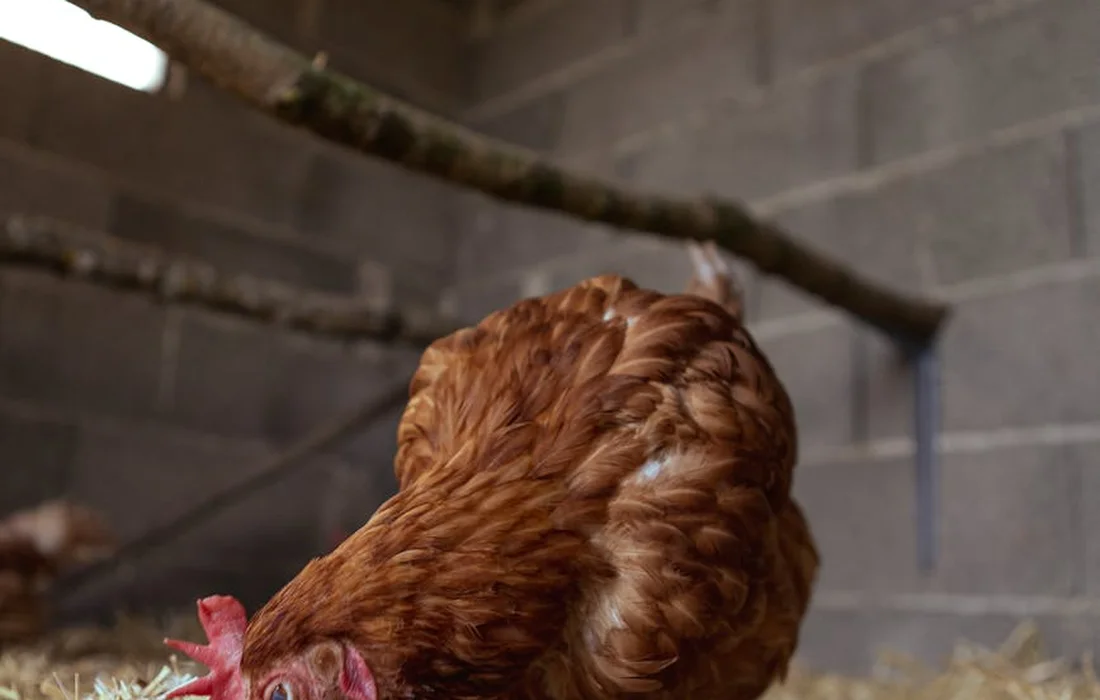
Think of grains like the hearty cornbread to your flock’s main meal of pellets or mash. They’re a fantastic source of energy, especially in colder months, but too much can lead to a chubby, less productive bird. The golden rule on my farm is that grains are a supplement, not the main course, and balancing them keeps your hens laying and your roosters strutting with vigor, be it barley or whole grains.
What Grains Can Chickens Eat? A Handy List
Your flock can enjoy a fine variety, and I often mix a few together for a custom scratch blend. Here’s a trustworthy list of common grains you likely already have in the feed shed.
| Grain | Best Served | My Notes from the Coop |
|---|---|---|
| Corn (Cracked) | Winter energy boost | High in carbs, low in protein. Perfect for cold evenings but go easy in summer. I never feed more than 25% of my grain mix as corn. |
| Wheat | Year-round staple | A solid all-rounder with about 14% protein. Whole wheat kernels are great for digestion and keep the gizzard working right. |
| Oats (Whole or Crimped) | Cool weather, molting season | Higher in fiber and protein (13%). Adds bulk and warmth. I’ve found it makes feathers come in glossy during a molt. |
| Barley | Mixed into ration | Similar to wheat but with a hull. Chickens sometimes pick around it, so I often crack it first to avoid waste. |
| Rye (Grain) | Sparingly in mixes | Can be palatability issue if overused. I limit it to no more than 5% of my grain blend, but the young grass is gold for forage. |
| Millet | Great for chicks & treats | Tiny seeds loved by all. A wonderful, high-protein (12%) sprinkle for encouraging foraging behavior in the run. |
How Much Grain to Feed Without Overdoing It
It’s easy to spoil your birds with handfuls of scratch, but discipline here saves you vet bills later. Fatty liver disease is a real risk for overfed hens.
I follow a simple 90/10 guideline for my laying flock. Ensure 90% of their daily nutrition comes from a balanced layer feed, leaving only 10% for treats like grains, kitchen scraps, and forage. In practical terms, that’s about a hearty handful of scratch grains per bird, tossed in the late afternoon *after* they’ve filled up on their complete feed.
For a mixed flock of 10 hens, I might scatter just one single quart of scratch across the litter to encourage natural scratching behavior. Always offer grains in the litter, not in a feeder, to promote the exercise and mental stimulation they were bred for. In deep winter, you can nudge that amount up slightly for extra body heat, but never let grains displace their primary, nutritionally-complete feed.
Growing Rye and Wheatgrass for Forage
Nothing beats the sight of happy chickens grazing on tender greens they’ve worked for. Growing your own forage cuts feed costs and boosts yolk color, and it’s simpler than you reckon. Turning a patch of dirt or a spare tray into a chicken salad bar is the very heart of thrifty, sustainable husbandry.
Planting Winter Rye Grass for Year-Round Grazing
Winter rye is my number one champion for cold-weather grazing. You can plant it in late summer or early fall, and it will keep growing long after other grasses have browned.
- Timing is Everything: Sow seed about 4-6 weeks before your first hard frost. It establishes roots in the fall coolness.
- No Fancy Prep: Scratch up the soil in a run corner or a dedicated pasture patch. Broadcast the seed thickly and rake it in lightly. Even covering with straw helps.
- Manage the Graze: I use portable electric poultry netting to section off a patch. Let the grass get 6-8 inches tall, then turn the birds in. They’ll mow it down in days. Rotate them off and let it recover. This rotation prevents parasite build-up and gives the plants a fighting chance.
- Double Duty: Beyond feed, winter rye prevents soil erosion and acts as a wonderful green manure to improve your land for the next season.
Sprouting Wheatgrass Indoors for Fresh Feed
When the ground is frozen solid, I bring the pasture inside. Sprouting wheat or barley berries for grass is so easy the kids can manage it.
- Soak Your Seed: Take a quart of hard wheat berries (meant for planting or sprouting) and cover them in water in a bucket. Let them soak for 8-12 hours.
- Drain and Spread: Drain the water off. Spread the swollen seeds in a thin layer on shallow trays filled with an inch of potting soil or even just damp coconut coir.
- Cover and Wait: Cover the trays with another tray or dark cloth to keep light out for 2-3 days. This encourages root growth. Keep them moist with a spray bottle.
- Uncover and Greet the Sun: Once you see sprouts, uncover and move to a sunny spot. A south-facing windowsill is perfect.
- Harvest and Feed: In about 7-10 days, you’ll have a thick mat of grass. You can cut handfuls with scissors or simply lay the whole tray in the coop for a joyous pecking frenzy. The roots and all are edible and packed with enzymes.
One pound of seed can produce multiple trays of dense, nutrient-rich feed for pennies. It’s a brilliant way to add live, green vitality to your flock’s diet every single week of the year.
DIY Chicken Feed Recipes and Thrifty Tips
Store-bought feed is a fine convenience, but there’s a deep satisfaction in mixing your own. You know exactly what’s going into your flock, and your wallet will thank you. Controlling the ingredients means you can adjust for season, flock age, and what’s plentiful and cheap in your own region.
Simple Homemade Grain Mix for Layers
My base layer mix hasn’t changed much in twenty years, though I tweak it like an old family recipe. For a flock of a half-dozen hens, a 50-pound batch is a good start. Aim for a crude protein around 16-18% for active layers.
- 40% Cracked Corn: The main energy source. It keeps ’em warm in winter but go lighter in summer heat.
- 30% Wheat or Rye: Wheat is classic, but whole rye adds a lovely variety. It’s a sturdy grain that pushes through cold soil, which I respect.
- 20% Protein Power: This is your soybean meal, sunflower seeds, or even field peas. This portion is non-negotiable for strong eggshells.
- 10% Oats & Barley: Filler with benefits. Oats are great for feathers, and barley adds fiber. I’ll often toss in a handful of dried, chopped wheatgrass from my fodder trays here for a green boost.
Mix it all in a clean garbage can or a big feed tub. This mix is a fantastic base, but remember, it’s not a complete feed on its own-your hens absolutely need access to oyster shell for calcium and grit for digestion. I keep both in separate dishes in the run.
Fermenting Grains for Better Nutrition
Now, if you want to see a real difference in your flock’s health and your feed bill, you’ve got to try fermenting. It’s like making a sourdough starter for your chickens. I keep a couple of gallon jars going on my pantry shelf.
- Take any of your grains-rye, wheat, corn-and cover them with non-chlorinated water in a jar or bucket. Leave room for expansion.
- Cover it with a cloth or loose lid so gases can escape. You don’t want a sealed bomb.
- Let it sit at room temperature for 3-4 days. You’ll see bubbles and smell a tangy, yeasty aroma. That’s the good stuff.
- Drain off the liquid (the hens love to drink this “probiotic tea”) and feed the plump, softened grains.
Fermentation unlocks vitamins, pre-digests the grain, and makes minerals more available. The best part is the grain absorbs water and swells, so you’re feeding less dry volume but more actual nutrition. My hens go wild for it, and their droppings are firmer, which is always a welcome sight in the coop.
Using Leftovers: Rye Bread and Kitchen Scraps
Nothing pains me more than waste. The chickens are our finest recyclers, but we must be smart stewards about what we toss over the fence.
That leftover rye bread? It’s a treat, not a meal. Stale bread is perfect for tearing up, soaking in water, and mixing into their mash or scattering in the run for a scratch-and-peck activity. Always soak dry bread to prevent any risk of choking or crop impaction-a simple step that makes a treat safe.
For general kitchen scraps, I follow the “Three-Day Rule.” If my family hasn’t eaten the cooked vegetables, rice, or meat scraps in three days, the flock gets a review. Avoid anything moldy, salty, or overly processed. They adore:
- Cooked squash and pumpkin seeds
- Wilted lettuce and cabbage cores
- Meat and bone scraps (cooked only, and they’ll pick them clean)
- Overripe tomatoes and berries from the garden
I feed scraps in the afternoon, after they’ve filled up on their balanced layer ration. This way, treats supplement their diet instead of diluting the critical nutrients they need to stay healthy and productive. It’s a thrifty cycle that honors the food, the flock, and the work that brought it all to the table.
Closing Tips for Your Flock’s Feed
Is rye a good all-around feed for chickens?
Rye is a beneficial, multi-purpose feed when used correctly. It provides excellent cold-weather forage as grass and serves as a hearty grain for energy.
Always ensure it is clean and free of the ergot fungus, and introduce it gradually to prevent digestive upset in your birds.
What’s the best way to use rye grass for my chickens?
The best method is to grow it as a pasture for direct grazing, which encourages natural behavior. You can also cut and scatter chopped rye grass in their run to promote foraging and prevent bullying at a single pile.
What are the practical pros and cons of feeding rye grain?
The pros include it being a hardy, homegrown energy source that aids digestion with its high fiber. The primary cons are its potential lower palatability and the critical need to inspect every batch for dangerous ergot fungus before feeding.
Is the “Raeford Chicken Sale” related to feeding rye and grains?
No, the “Raeford Chicken Sale” typically refers to poultry processing or livestock auction events, often in areas like Raeford, North Carolina. It is not directly connected to feeding grains like rye or wheatgrass to your backyard flock.
Is “rue” safe to use in recipes like chicken and biscuits?
No, the herb rue (*Ruta graveolens*) is a bitter, potentially toxic plant and should not be used in cooking. It is entirely different from “rye” the grain. For a classic sauce in chicken and biscuits, you would make a roux from fat and flour.
Should I use “rue” in a chicken pot pie?
Absolutely not; the herb rue is not safe for culinary use. A delicious chicken pot pie relies on a creamy sauce, which starts with a roux-a cooked mixture of butter and flour used for thickening.
Shutting the Gate
After all this talk of rye patches and sprouting jars, let’s get down to the brass tacks. Grains and grasses are mighty fine tools in your husbandry kit, but they’re just one part of a much bigger picture. The true secret isn’t in any single feed, but in respecting the whole animal-providing a varied diet, clean living space, and the freedom to express their natural behaviors. Your flock’s health is a mirror of your stewardship.
I’m right grateful y’all took the time to walk this pasture with me. There’s a deep, quiet joy in watching your birds thrive on something you helped grow. So go on, scatter that scratch grain at sunset and listen to the soft cluck of contented hens. That’s the sound of a homestead working as it should. Until next time, keep your fences tight and your heart full.
References & External Links
- Growing Fodder for Backyard Chickens, Ducks and Geese – Fresh Eggs Daily® | Lisa Steele
- Grass for chickens | Chicken Forum
- Chicken and Wheat Grass
- Amazon.com : Healthy Greens Wheatgrass Scratch Feed & Fodder Seed, 1lb Bag. Premium Wheat Berries, Non-GMO Wheatgrass for Backyard Chickens, Plant Indoors/Outdoors. Also Ideal for Cats, Dogs w/Chick Fresh : Patio, Lawn & Garden
Caroline Mae Turner is a lifelong farm girl raised on red clay, early mornings, and the sounds of a bustling barnyard. With hands-on experience caring for everything from stubborn goats to gentle dairy cows and mischievous pigs, Caroline shares practical, tried-and-true advice straight from the farm. Her goal is to help folks keep their animals healthy, well-fed, and living their best barnyard life. Whether you're wrangling chickens or bottle-feeding a baby goat, Caroline brings a warm Southern touch and plenty of real-world know-how to every bucket in the barn.
Feed Types