Rabbit Diet Safety: Navigating Holly, Raspberry, and Columbine in Your Garden
Published on: April 21, 2026 | Last Updated: April 21, 2026
Written By: Caroline Mae Turner
Welcome back to the barn. Here’s your farmer’s fix straight away: holly and columbine are no-gos for your rabbits, but those raspberry canes and leaves are a safe, tasty treat you can offer with confidence. I reckon that sigh of relief is warranted-figuring out what’s safe for curious bunnies to nibble can feel like a full-time chore all by itself.
What you’ll need:
- Five minutes to read and remember this guide
- A careful eye for identifying plants in your yard or forage pile
- A mindful habit of checking what goes into the run
Let’s get this sorted, so you can put the worry down and pick your other chores back up.
The Foundation of a Healthy Rabbit Diet
What Makes Up a Balanced Rabbit Meal Plan?
Think of your rabbit’s belly like a little fermentation vat that needs the right fuel to keep humming. From my years in the barn, I’ve seen that a diet built on unlimited grass hay is the single most important thing for a happy, healthy rabbit. That timothy or orchard hay isn’t just bedding; it’s what keeps their teeth ground down and their digestive system moving smooth as butter. Knowing the right hay to feed is key.
Here’s how I break it down for my herd:
- Unlimited Grass Hay (80-90% of diet): This is the main course, every day. It should be fresh, sweet-smelling, and always available.
- Leafy Greens & Garden Vegetables (1-2 cups daily per 5 lbs rabbit): This is where your garden comes in. Think dark leafy stuff like romaine, kale stems, and carrot tops.
- Quality Pellets (a scant 1/4 cup per 5 lbs rabbit): Use these as a supplement, not the main event. Look for a brand with at least 18% fiber and no fancy seeds or colorful bits mixed in.
- Fresh, Clean Water: Changed daily in a sturdy bowl they can’t tip over. A dehydrated rabbit is in serious trouble fast.
I’m thrifty by nature, so I grow a dedicated patch of parsley and dandelion greens just for the bunnies. Stewardship means planning your garden with your animals’ needs in mind, not just your own.
Introducing New Garden Greens to Your Rabbit
Your garden is a treasure trove, but you can’t just toss a new plant in and hope for the best. A rabbit’s gut flora is delicate. Always introduce one new green at a time, and in amounts smaller than a walnut. This way, if there’s an upset, you know exactly the culprit.
Here’s my barn-tested method:
- Start Tiny: Offer a single leaf or a small sprig on the first day.
- Watch Close: Monitor their droppings for the next 24 hours. You want firm, round pellets. If they become soft or misshapen, stop the new food.
- Go Slow: If all is well, you can gradually increase the amount over a week.
- Know Your Sources: Never feed plants from areas treated with pesticides or herbicides. I wash all my garden greens in cool water, just like I do for my own supper.
I keep a little journal by the hutch to track what I’ve fed and when. This simple habit has saved me more than once from a midnight worry about a gassy bunny.
Holly in the Garden: A Festive Hazard for Rabbits
Why Holly is Dangerous for Rabbits
That holly bush with its glossy leaves and bright berries might look pretty, but it’s pure trouble for a curious rabbit. Every part of the holly plant-leaves, berries, and stems-contains sharp-pointed compounds that can physically irritate the mouth and gut. Worse yet, it packs saponins, which are natural chemicals that can lead to severe digestive upset.
I remember one winter when a festive wreath shed a few berries near the run. It only takes a nibble to cause a problem, as those toxins don’t play nice with a rabbit’s sensitive system. Unlike our rumen-rich cows, rabbits can’t vomit to clear something nasty, so whatever goes in must pass through, causing damage along the way.
Recognizing and Responding to Holly Poisoning
If you suspect your rabbit got into holly, time is of the essence. You’ll need to be a keen observer. The first signs are often a sudden loss of appetite and a noticeable drop in energy-that bunny will look downright miserable. You might also see signs of abdominal pain like teeth grinding, hunched posture, or a lack of droppings.
Here’s exactly what to do if you face this scare:
- Remove the Source: Immediately get any remaining holly away from your rabbit and check their living space thoroughly for more.
- Offer Familiar Hay and Water: Encourage them to eat their trusted timothy hay to help keep their gut moving.
- Contact Your Veterinarian Without Delay: Describe the plant and the symptoms. Don’t wait to see if they “get better.” Rabbits hide illness until they’re very sick.
- Follow Professional Advice: Your vet may recommend bringing the rabbit in for supportive care, like fluids or specific medications to protect the gut.
Prevention is the best medicine. I reckon the safest policy is to simply not plant holly where your rabbits forage, or to fence it off securely with sturdy wire. Respect for these creatures means managing our gardens with their safety in plain sight.
Raspberry Plants: A Surprising Safe Snack or a Risk?
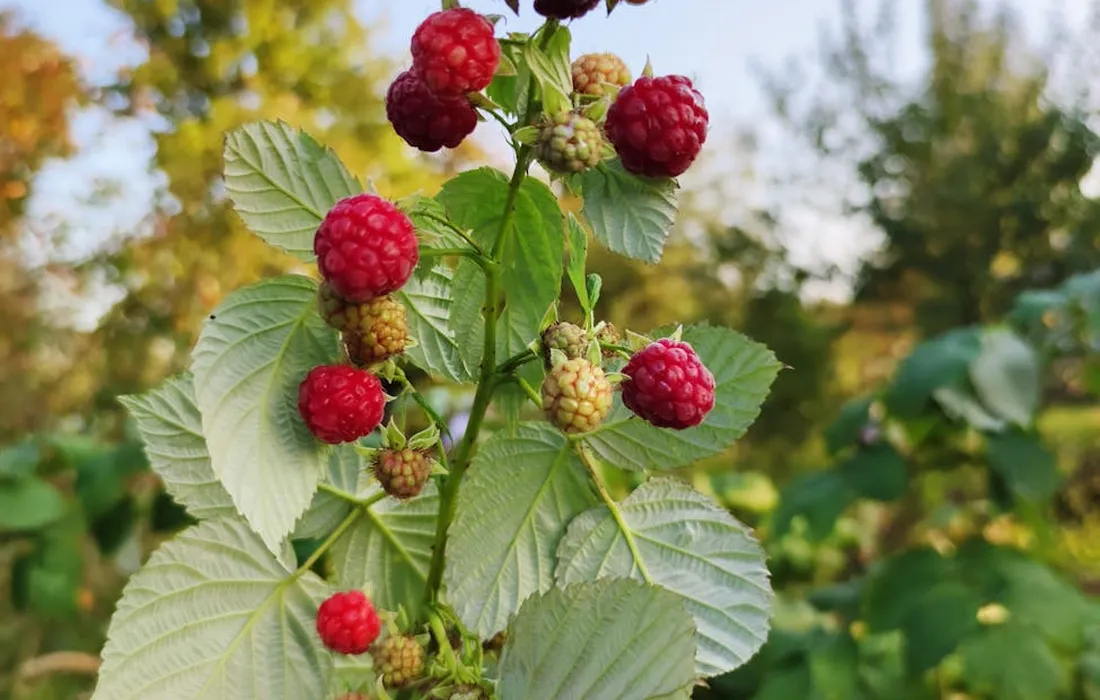
Let me set your mind at ease right off the bat. Of the plants in your garden, the raspberry is a downright friend to your rabbits. Every part of the raspberry plant, from the thorny canes to the leaves and even the fruit itself, is perfectly safe and healthy for bunnies to consume. I’ve been tossing prunings from my patch into the rabbit pens for years and have watched with satisfaction as they make a fine, fibrous meal of it (particularly when compared to some other berry leaves).
Safe Parts of the Raspberry Plant for Rabbits
Your rabbits can make good use of what you might consider garden waste. Here’s what’s on the menu:
- Leaves: These are the prime prize, fresh or dried. They’re rich in tannins, which can have a gentle, positive effect on a rabbit’s digestive tract.
- Canes (Stems): After you’ve finished your summer pruning, those thorny canes are a fantastic source of roughage. The bark and wood help wear down teeth and keep the gut moving.
- Fruit: The actual raspberry is a sweet treat. Feed it sparingly, just like any other fruit, due to the sugar content-a berry or two per rabbit is plenty.
I’ve found that the dried leaves, in particular, are a wonderful winter supplement, and my does seem to seek them out when they’re kindling. It’s a perfect example of turning a simple garden chore into free, nutritious feed.
How to Offer Raspberry Plants as Forage
You can’t just yank up a plant and toss it in, but with a few simple steps, you’ll have a safe, sustainable snack ready.
- Source with Certainty: Only use plants from areas you know haven’t been sprayed with pesticides, herbicides, or chemical fertilizers. My own organic patch is my only source.
- Harvest with Care: Snip off leaves and young canes. For older, woodier canes from pruning, I chop them into manageable lengths, about a foot long, so the rabbits can handle them easily.
- Wash and Dry (Optional but Wise): A quick rinse removes dust and any unseen pests. To store leaves, I spread them on an old window screen in the barn loft until they crinkle.
- Introduce Slowly: If your herd has never had raspberry before, start with a leaf or two per animal to ensure their unique digestion takes to it.
- Offer in Moderation: This is a supplement, not a staple. A few leaves or one cane section per rabbit, a couple times a week, fits nicely into a diet built on hay and greens.
It’s a thrifty practice that respects the animal by providing variety and respects your pocketbook by reducing waste. Watching a rabbit meticulously strip the bark from a raspberry cane is to see an animal contentedly engaged in its own natural care.
Columbine Flowers: Beautiful but Potentially Dangerous
Those elegant columbine flowers, with their star-like blooms and long spurs, are a proud sight in many a homestead garden. I’ve grown them for years near my porch for a splash of color. But friends, let me tell you, their beauty hides a risk for your rabbits that’s as real as the dirt under your nails. Just because a plant is common don’t mean it’s safe for every critter in your care.
On my place, I keep my rabbit tractors well away from the ornamental beds, and for good reason. Stewardship means knowing what’s decorative for you and what’s dinner for them, and columbine firmly belongs in the “look, don’t nibble” category.
The Toxins in Columbine and Their Effects
Columbine plants contain cardiogenic glycosides. Now, that’s a fancy term for toxins that can mess with the heart’s rhythm. These compounds are the plant’s natural defense, and they don’t play nice with a rabbit’s delicate system. All parts of the plant-leaves, stems, flowers, and seeds-carry this risk.
From what I’ve seen and read, the effects can come on pretty quick after a rabbit takes a few bites. You need to watch for specific changes in their behavior and health.
- Digestive distress: Look for sudden loss of appetite, excessive drooling, or signs of abdominal pain.
- Lethargy and weakness: A normally active bunny may become listless and reluctant to move.
- Cardiac symptoms: In more serious cases, you might notice labored breathing or a wobbly, uncoordinated gait.
It don’t take a heap of columbine to cause a problem, so erring on the side of caution is the only wise path. I remember a neighbor’s rabbit that got into some wilted clippings; that bunny was off its feed for two days and needed careful nursing.
What to Do If Your Rabbit Eats Columbine
If you suspect your rabbit has sampled columbine, don’t just hope for the best. Your calm, quick action makes all the difference. First, stop the feast immediately by removing any plant material from your rabbit’s enclosure. Then, follow these steps like you would a trusted recipe.
- Secure your rabbit in a safe, quiet space. This reduces stress and lets you monitor them closely without other animals bothering them.
- Identify what was eaten. Grab a sample of the plant, if you can. This helps your vet know exactly what they’re dealing with.
- Call your veterinarian or an emergency animal clinic right away. Tell them the species (columbine), the amount you think was eaten, and any symptoms you see. Don’t wait for symptoms to worsen.
- Follow professional advice to the letter. Your vet may suggest inducing vomiting, giving activated charcoal, or bringing the rabbit in for supportive care like fluids.
Prevention is always cheaper and kinder than a cure, so plan your garden layout with your animals’ safety in mind. A simple chicken wire barrier around flower beds is a thrifty fix that saves a world of worry. Your rabbits will thank you for their safe, green salad bar elsewhere.
Creating a Rabbit-Safe Garden: Practical Tips for Homesteaders
Now, let’s get our hands dirty and talk about layin’ out your space. A rabbit-friendly garden ain’t just about what you plant; it’s a whole mindset of stewardship and smart planning. I reckon the best approach is to think in zones-some for you, some for them, and a good, sturdy line between the two where needed.
Plants to Embrace and Avoid in a Rabbit-Friendly Yard
My philosophy has always been to work with nature, not just fence against it. That means planting plenty of delicious, safe greens your bunnies can enjoy as treats, which can actually help deter them from nibblin’ on your prize vegetables. It’s about bein’ a generous neighbor, even to your four-legged ones.
Plant a “Bunny Buffer” of these safe, attractive herbs and flowers around your vegetable plot’s perimeter. Rabbits often go for the easy meal first, and these can satisfy their curiosity. Make sure to check out our guide to safe and unsafe herbs for rabbits before planting.
| Safe & Tasty (For Treats) | Absolutely Avoid (Toxic) |
| Basil, Cilantro, Dill | Foxglove, Lily of the Valley |
| Marigolds, Nasturtiums | Daffodil, Tulip bulbs |
| Sunflowers (leaves & petals) | Rhubarb leaves |
| Raspberry & Blackberry canes and leaves (fruit in moderation) | Any plant from the nightshade family (tomato, potato foliage) |
| Wheat or oat grass patches | Buttercups and Wild Mustard |
Remember our talk on holly and columbine? Keep those decorative plants far from your rabbits’ reach. I made the mistake once of thinkin’ a potted ivy was high enough-let’s just say a determined Dutch rabbit proved me wrong. Always err on the side of caution; if you aren’t 100% certain a plant is safe, it doesn’t belong in your rabbit’s vicinity. It’s especially important when dealing with toxic plants like lantana, azalea, or ivy.
Effective Barriers and Fencing Solutions
Fencin’ is your most honest conversation with the local wildlife. It tells ’em exactly where the line is. For rabbits, you’ve got to think both underground and overland. They are diggers and sprinters.
Here’s what I’ve found works best, built from years of trial and a good bit of error:
- Wire Choice is Key: Use 1-inch or smaller mesh hardware cloth. Chicken wire often ain’t sturdy enough, and the holes are too big for young kits.
- Bury It Deep: Bury the bottom edge at least 6 inches deep, angling it outward in a shallow “L” shape if you can. This stops the burrowers cold.
- Height Matters: Your fence should be at least 2 feet tall for most breeds, but 3 feet is better for the athletic jumpers. A few of my Silver Foxes could clear a low barrier like it was nothin’.
- Double-Duty Design: For raised garden beds, staple hardware cloth to the bottom of the frame before fillin’ it with soil. This protects your carrots from below.
For individual plant protection, I’m a fan of simple hardware cloth cages. You can fashion quick cloches from wire mesh to shield young seedlings until they get established and less tender. It’s a thrifty and reusable solution that saves a lot of heartache.
Don’t neglect your compost pile, either. Those kitchen scraps are a mighty temptation. A simple penned area with a lid, usin’ that same sturdy mesh, keeps the bunnies out and the compost tidy. Good fencin’ is an act of care-it protects your investment in your garden and your responsibility to your animals’ health all at once.
Closing Tips for a Rabbit-Safe Homestead
What are some key characteristics of rabbit-safe plants to look for?
Rabbit-safe plants typically have soft, non-woody stems and lack milky sap or strong odors. Always prioritize common herbs like basil or mint, and when in doubt, cross-reference with a trusted guide before offering any new plant. This connects to the broader question of which plants and foods are safe or unsafe for rabbits to eat. Understanding this helps keep them healthy.
Are there any UK-native plants that are particularly safe or unsafe for rabbits?
In the UK, safe natives include dandelion leaves and plantain, which are excellent forages. Avoid common toxic natives like foxglove and buttercups, which can be harmful if ingested by your bunnies.
Can I grow rabbit-safe house plants indoors for my bunnies?
Yes, you can grow rabbit-safe house plants such as spider plants or wheatgrass in pots. Ensure they are placed out of direct reach to prevent over-nibbling and are grown without chemical fertilizers or pesticides.
What are some common garden vegetables or herbs that are safe for rabbits?
Common safe garden choices include carrot tops, parsley, and cilantro in moderation. Avoid feeding plants from the nightshade family, like tomato leaves, and always introduce new greens slowly to monitor digestion.
How should I manage my garden to prevent accidental ingestion of toxic plants?
Create physical barriers using hardware cloth to separate rabbit zones from ornamental beds. Regularly inspect your garden for toxic weeds and consider planting a dedicated patch of rabbit-safe greens to divert their interest.
What resources do you recommend for double-checking plant safety for rabbits?
Consult reputable sources like the Rabbit Welfare Association or veterinary-approved lists for accurate information. Keeping a local guide to regional plants can also help you quickly identify safe options for your herd.
Shutting the Gate
After wandering through the garden, the clearest path home is this: your rabbit’s well-being is woven directly into your daily choices. Stick to the known-safe greens like raspberry leaves in moderation, and treat toxic plants like holly and columbine with the same wide berth you’d give a rattlesnake in the woodpile. I’ve saved many a bunny from a bellyache by simply pausing to identify every single branch I offer.
It’s a blessing to share this land with such gentle creatures. I hope you find as much joy in their care as I do. Now, go on and enjoy the sunshine with your flock-there’s nothing finer. Take care, and happy trails from my farm to yours.
Further Reading & Sources
- Poisonous Plants | Rabbit Welfare Association & Fund (RWAF)
- Poisonous Plants
- Toxic plants in rabbits | Supreme Petfoods
Caroline Mae Turner is a lifelong farm girl raised on red clay, early mornings, and the sounds of a bustling barnyard. With hands-on experience caring for everything from stubborn goats to gentle dairy cows and mischievous pigs, Caroline shares practical, tried-and-true advice straight from the farm. Her goal is to help folks keep their animals healthy, well-fed, and living their best barnyard life. Whether you're wrangling chickens or bottle-feeding a baby goat, Caroline brings a warm Southern touch and plenty of real-world know-how to every bucket in the barn.
Diet Requirements