
Rabbit Daily Diet Essentials: Your Complete Nutrition and Portion Guide
Published on: April 23, 2026 | Last Updated: April 23, 2026
Written By: Caroline Mae Turner
Howdy y’all. Staring at a feed bag, wondering if you’re giving your bunnies too much pellet or not enough roughage? Let’s settle it. The cornerstone of a healthy rabbit’s diet is unlimited, high-quality grass hay, which should make up about 80% of what they eat every single day.
- Tools: A sturdy hay rack or manger to keep hay clean and a heavy ceramic crock for pellets.
- Feed: Timothy, Orchard, or Meadow grass hay; a measured portion of plain pellets; fresh greens; and clean water.
- Time: About 10 minutes each morning and evening for feeding and a quick health check.
We’ll walk through each part of that menu together, so you can feed your herd with confidence and get back to the rest of your homestead tasks.
The Four Pillars of a Rabbit’s Daily Nutrition
Feedin’ rabbits right ain’t just about fillin’ a bowl it’s about balancin’ four key elements every single day. I’ve kept rabbits for nigh on twenty years, and this four-part foundation has never steered my herd wrong. Think of hay as the bedrock, greens as the fresh garnish, pellets as the vitamin boost, and water as the lifeblood. Let’s break it down at a glance so y’ can see how they all work together.
| Pillar | Its Main Role | Daily Practice |
|---|---|---|
| Hay | Provides essential fiber for gut motility and wears down ever-growing teeth. | Unlimited, fresh access at all times. |
| Greens | Offers vitamins, minerals, and hydration from fresh vegetation. | About 1 packed cup per 2 lbs of body weight. |
| Pellets | Concentrated source of balanced nutrients and protein. | Limited to 1/4 cup per 5 lbs of body weight for adults. |
| Water | Prevents dehydration and supports every bodily function. | Fresh, clean water changed daily in a sturdy bowl or bottle. |
The Heart of Their Diet: Why Hay is Non-Negotiable
If y’ forget everything else, remember this: a rabbit without hay is a rabbit in trouble. That long-stem fiber is what keeps their intricate digestive system moving and prevents painful, costly blockages. I reckon I’ve spent more on hay over the decades than on the rabbits themselves, and it’s worth every penny for their health. Rabbits do need hay every day. Getting the hang of which hay types fit best and watching portions helps avoid overfeeding risks.
Choosing the Right Hay for Gut Health
Not all hay is created equal, and pickin’ the right kind is your first act of good stewardship. For most adult rabbits, grass hays like Timothy or Orchard are the gold standard, typically runnin’ 8-10% protein and high in that crucial fiber. Legume hays like Alfalfa, with its rich 15-20% protein and calcium, are more for youngsters, pregnant does, or underweight animals. The stiff stalks of grass hay give their teeth a proper workout, preventing overgrowth that can stop ’em from eatin’. My tip for thriftiness? Source from a local farmer you trust for freshness, and store bales off the concrete floor in a dry, ventilated shed to prevent mold.
How to Feed Hay: The “Unlimited” Rule in Practice
“Unlimited” means just that-they should never find an empty hay rack. Practicality is key: I use a simple wire rack mounted on the side of the hutch, but I place it just above head level so they can stretch and forage like they would in a meadow. This encourages natural behavior and staves off boredom. First, stuff that rack full every mornin’. Second, consider droppin’ a good handful right on the clean floor for them to root through. Third, check it throughout the day and top it off. It’s a simple rhythm that reinforces their health and your peace of mind.
Greens and Vegetables: Nature’s Supplement
Your Daily Portion Guide for Leafy Greens
Think of fresh greens as your rabbit’s daily multivitamin, straight from the garden. I reckon balancing this part of their plate is where many folks get nervous, but a good rule of thumb has served my herd well for decades. If you’re unsure how much is appropriate, a quick daily vegetable portion guide can help. For every 2 pounds your rabbit weighs, offer about one packed cup of leafy greens each day to round out their hay-based diet.
You can’t go wrong with these reliable, safe staples. I keep these in rotation depending on what’s thriving in the garden or on sale at the co-op.
- Romaine lettuce (the heartier the better)
- Cilantro (a fragrant favorite)
- Green leaf or red leaf lettuce
- Carrot tops (the greens, not the orange root!)
- Dandelion greens (free for the picking, just avoid sprayed areas)
- Bok choy
- Basil or mint in small handfuls
Now, don’t just toss those greens in the hutch straight from the market. I always give my bunny greens a good rinse under cool water to remove any dirt or residue, just like I would for my own salad. And when introducing a new green, do it slower than a July afternoon. Offer just a small amount for two or three days to watch for any soft droppings or hesitation. Their digestive systems appreciate a gentle introduction.
Safe vs. Unsafe: A Homesteader’s Checklist
Feeding rabbits from the garden requires a cautious eye. What nourishes us or other livestock can sometimes harm a bunny. Here’s my straightforward checklist born from both book learning and barnyard experience.
Always Safe Greens & Veggies: These are your go-to, daily-use items. They’re low in starches and sugars, making them a trustworthy foundation.
- Romaine, Green Leaf, Red Leaf Lettuce
- Herbs: Cilantro, Parsley, Dill, Basil
- Endive and Escarole
- Radish Tops
- Celery Leaves (chopped fine)
- Bell Peppers (just the flesh, seeds removed)
Never Feed to Your Rabbits: Keep these far away from the hutch. This list isn’t about scare tactics, but simple stewardship.
- Iceberg Lettuce (it’s mostly water and offers little nutrition)
- Potatoes, Tomato Leaves, or Vines (part of the nightshade family)
- Rhubarb (highly toxic)
- Onions, Garlic, Leeks
- Beans or Corn
- Any processed human snacks, bread, or crackers
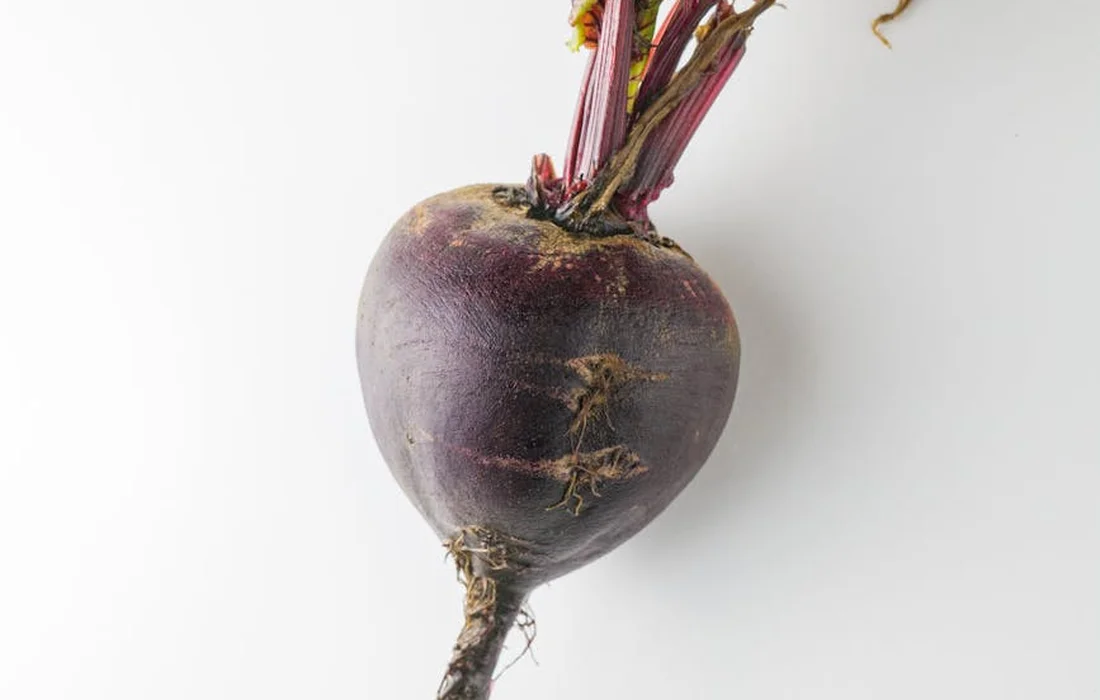
Understanding the ‘why’ behind the rules prevents problems. Sugary foods like fruits or carrots (the root) should be rare treats because they disrupt the delicate bacterial balance in the cecum, leading to serious gut stasis. Similarly, veggies high in oxalates, like spinach and beet greens, bind with calcium. Over time, this can throw off their calcium balance and contribute to urinary sludge or stones. I learned this lesson years ago by overdoing the spinach with a favorite doe, and we spent a tense week getting her right again. Moderation and variety are your best tools for prevention.
Getting Pellets Right: Avoiding the Overfeeding Trap
Now, I reckon most folks mean well when they keep that pellet bowl full to the brim, thinking they’re bein’ generous. But in my years of raisin’ everything from chicks to calves, I’ve learned that with rabbits, an overflowing feed cup is a one-way ticket to trouble. Pellets are a supplement, not the main event, and gettin’ this wrong can cost you in vet bills and heartache.

Selecting a Quality Timothy-Based Pellet
Walkin’ down the feed store aisle, you’ll see bags with all sorts of colorful mix-ins-seeds, corn, dried fruit. You want to walk right past those and find a plain, timothy-based pellet for your adult rabbits. The bag should read like a short, simple recipe. I look for two things first: a crude fiber percentage of at least 18%, and timothy hay listed as the very first ingredient. A quick brand comparison helps you spot safe ingredients and avoid fillers. The rabbit pellets brand comparison ingredient safety guide will cover what to look for next.
Here’s what a good bag tells you, and what a fussy one tries to hide:
- High Fiber is Non-Negotiable: That 18-20% fiber range keeps their gut movin’ like a well-oiled tractor. Lower than that, and you’re askin’ for stasis.
- Ingredients You Can Pronounce: Timothy grass meal, soybean meal for protein, a vitamin pack. That’s it. No “colorful bits,” no “processed grain by-products.”
- Protein in Check: For a maintenance pellet, aim for 12-14% protein. Much higher, and you’re not feedin’ a growin’ kit or a breedin’ doe, you’re strainin’ an adult rabbit’s kidneys.
Let me contrast this with what else you might see. Alfalfa-based pellets are for youngsters-they’re richer in calcium and protein for growth. Givin’ an adult rabbit alfalfa pellets is like feedin’ a grown man nothing but rich cream; it’ll cause problems. Those “gourmet” mixes with seeds and treats? They let your rabbit pick out the junk food and leave the nutrition, creatin’ a picky eater and an unbalanced diet.
The Exact Portion Control Your Rabbit Needs
Portion control ain’t about bein’ stingy; it’s about bein’ a good steward. The golden rule I’ve lived by for my herd is a strict 1/8 cup of plain timothy pellets for every 2 pounds of your rabbit’s healthy body weight each day. For a standard 5-pound rabbit, that’s just about a shy 1/3 cup. You measure this with a dry-ingredient measurin’ cup, not a coffee mug or a scoop from the bin. There’s also a simple daily pellet limit to guide you and a quick plan for handling pellet refusals. I’ll outline the daily portion sizes and the refusal guide in the next steps.
Why such a tight limit? Well, it comes down to two main systems:
- Urinary Health: Excess pellets, especially those with improper calcium levels, can lead to sludge and painful stones. Limitin’ pellets encourages your rabbit to drink more water and eat more hay, which naturally flushes their system.
- Digestive Harmony: A rabbit’s gut is designed to process vast amounts of roughage. Too many dense pellets slow everything down, raisin’ the risk of GI stasis-a silent, deadly enemy in the barn.
I feed pellets once a day, in the evenin’. It’s a small, predictable ritual that my rabbits anticipate, and it keeps me from the temptation of sprinklin’ in a little more. That measured scoop protects their health and your wallet, makin’ that bag of quality feed last longer. Remember, the bulk of their plate-80% or more-should be that unlimited, fragrant hay. Beyond the hay, think in a balanced mix—fresh veggies, a measured portion of pellets, and only occasional treats—to round out their daily intake. If you’re curious about exact fresh-food ratios and what counts as safe veggies or treats, we can cover that next.
Water, Treats, and Boredom Busters
Hydration is Everything: Providing Fresh Water
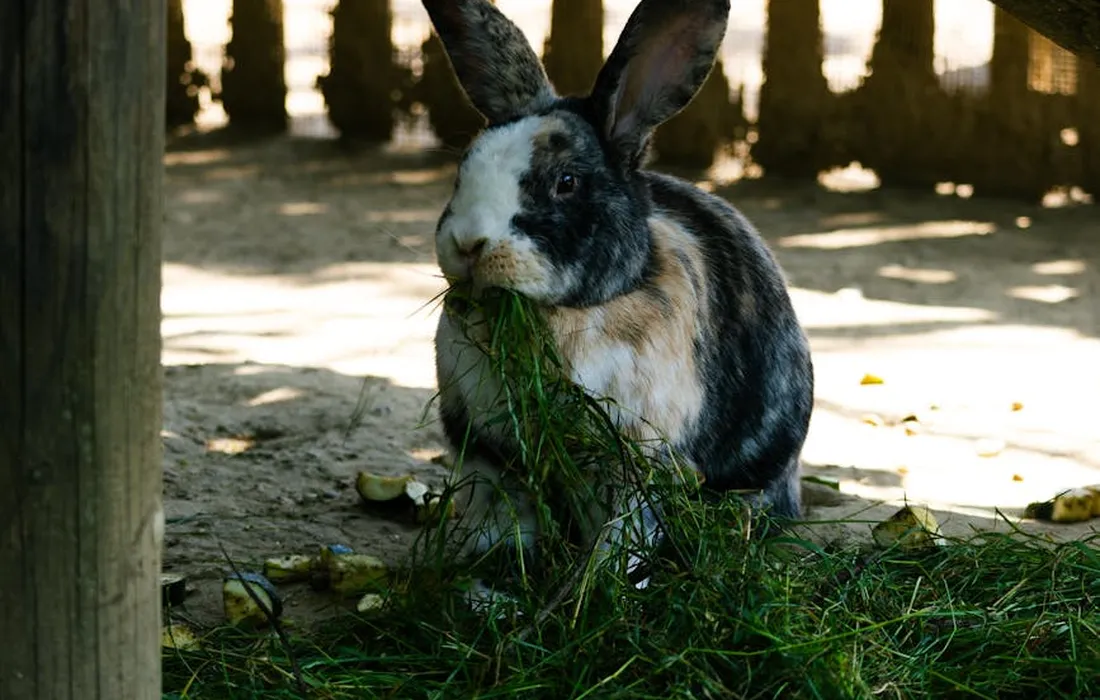
Now, let’s talk water. If hay is the heart of their diet, fresh water is the lifeblood that keeps everything moving. I learned that the hard way one scorching August when my favorite Californian buck, Dusty, got lethargic because his water source failed him. You must check their water supply twice a day, without fail, as if your own thirst depended on it.
You’ve got two main choices: a heavy ceramic bowl or a hanging bottle. I’ve used both for decades. Bowls let rabbits drink naturally, but they can tip, get dirty, or become a bathing pool. Bottles stay cleaner but can clog with algae or mineral bits. My personal rule? For my main herd, I use bowls and accept the extra cleaning, but for mischievous youngsters, I bolt those bowls down or switch to bottles. A clean water source is non-negotiable, whether it’s from a bowl or a spout.
Here’s my simple cleaning ritual:
- Empty and scrub with vinegar and water every single morning.
- Rinse until you smell nothing but clean.
- Refill with cool, fresh water-never ice-cold.
In summer, a rabbit can drink over a liter a day. Watch for dry noses or small, dark pee spots in the litter box-both are whispers of trouble. Proper hydration prevents urinary issues and keeps their gut processing that all-important fiber like a well-oiled machine.
Treats with Respect: Fruits and Natural Forage
I reckon everyone loves to spoil their animals, and a rabbit’s gentle nose nudge can melt your heart. But hear me: treats are for bonding and fun, not food. Think of them like a rich dessert after a solid meal—a tiny, occasional delight. Overdoing treats, even healthy ones, is a fast track to an obese rabbit with a picky appetite. Knowing what rabbits like to eat can help you avoid this.
Portion control is everything. For an average 5-pound rabbit, a treat should be no bigger than your thumbnail. That’s about one teaspoon’s worth. I use an old measuring spoon from the kitchen drawer to keep myself honest. Offer treats no more than 2-3 times a week.
Skip the pet-store sugary sticks and yogurt drops. Instead, forage from your safe, unsprayed yard or garden. Here are my flock’s favorites:
- Apple or willow twigs (great for chewing!).
- A single blueberry or raspberry.
- A thin slice of carrot or apple (peel on!).
- Fresh herbs like mint, basil, or cilantro.
- Dandelion greens plucked from clean soil.
I once had a New Zealand white named Clover who would do a full happy dance for one blueberry, but she only got it on Sundays. Natural forage enriches their day and satisfies that gnawing instinct without the sugar crash of commercial junk. Stick to the greens and woodsy bits, and your rabbits will thrive on the simplicity.
Adjusting for Age and Health: Kits, Seniors, and Special Needs
Just like you wouldn’t feed a newborn calf the same ration as a milking cow, a one-size-fits-all menu doesn’t work for rabbits. Their needs shift dramatically through life’s chapters, and a good steward pays attention.
Diet for Growing Kits and Pregnant Does
I remember the first time I had a litter of kits in the barn. The energy in that nest box was pure, buzzing life, and their mama worked harder than a hen in a hawk’s shadow. For these fast-growing youngsters and hard-working does, nutrition is about building strong bones and bodies from the ground up.
From weaning until about seven months old, I offer unlimited alfalfa hay alongside their starter/grower pellets. Alfalfa provides the higher protein and calcium needed for rapid skeletal development and milk production. It’s a richer legume hay, so think of it as the building blocks for their future.
Their pellet portion during this phase is also more generous-usually unlimited until about 6 months-to ensure they’re getting concentrated nutrients. But here’s the critical part folks often miss: the transition. You can’t keep them on this rich diet forever.
- Start the Shift at 7 Months: Begin mixing timothy or orchard grass hay into their alfalfa. Over a few weeks, completely replace the alfalfa with grass hay.
- Switch Pellets: Concurrently, transition them to a measured amount of an adult maintenance pellet, which is lower in protein and calcium.
- Introduce Greens Slowly: For young kits, start offering tiny amounts of one type of green at a time, watching for any soft stools.
This deliberate shift prevents urinary issues and obesity down the road, setting them up for a long, healthy adult life.
Supporting the Golden Years and Sensitive Systems
My old buck, Samson, lived to see ten springs. In his later years, his metabolism slowed and his teeth weren’t as sharp. The goal for seniors and rabbits with special needs isn’t to reinvent the wheel, but to gently smooth the path.
Hay remains the absolute cornerstone. Never reduce a senior rabbit’s hay intake, as maintaining gut motility and dental wear is more important than ever. If you notice they’re struggling with longer strands, you can offer a second cutting of timothy, which is often softer, or slightly dampen the hay to make it more appealing. Make sure to choose the right type of hay for your rabbit’s needs by consulting The Ultimate Guide to Hay for Rabbits: Types, Benefits, and Feeding Tips.
You might need to get creative with greens for an older rabbit with a sensitive mouth or digestive system.
- Opt for tender, easily chewed greens like spring mix, basil, or cilantro.
- Lightly steaming fibrous veggies like broccoli stems can make them gentler.
- Grate or finely chop harder vegetables to reduce the work of chewing.
Pellet amounts may need a slight reduction if activity has plummeted, but this should be done with a watchful eye on their weight. And here’s my firm barn rule: Supplements, from probiotics to joint aids, are a conversation for you and your veterinarian, not the feed store aisle. What helps one critter can harm another, and a vet’s guidance is worth its weight in golden oats.
Reading the Signs: When Your Rabbit’s Diet is Off Track

Now, I reckon your rabbits can’t use words to complain about a bellyache, but they’re mighty good at sending signals if you know what to look for. Paying attention to these everyday signs is the cornerstone of good husbandry, letting you fix small problems before they turn into big vet bills.
The Tale of the Droppings
What comes out the back end tells you everything about what’s going in the front. Normal, round, dry fecal pellets are a sign of a happy gut. You need to worry when you see:
- Small, hard, or misshapen pellets: This often screams dehydration or a serious lack of fiber. It’s a red flag that hay intake is way too low.
- Mushy or diarrhea-like droppings: This is a digestive emergency, often linked to too many sugary treats, sudden diet changes, or the wrong vegetables.
- Cecotropes left uneaten: Those soft, clustered droppings they’re supposed to eat directly from their backend are nutrient-packed. Finding them stuck in the fur or left in the cage means the diet is too rich, often in protein or carbs.
A sudden change in droppings is your cue to immediately remove all pellets and veggies, offering nothing but fresh hay and water, and to call your vet.
Teeth Tell the Truth
Those ever-growing teeth are designed to be worn down by constant grinding on fibrous hay. I’ve had a rescue bunny come in with teeth so long he couldn’t close his mouth-a purely dietary problem. Overgrown teeth, which can lead to painful abscesses and starvation, are almost always a direct result of a hay-deficient diet. If you notice wet fur on the chin, dropping food, or a sudden disinterest in harder foods, get those teeth checked.
Weight and Wool
Run your hands over your rabbit’s spine and ribs every week during cuddle time. You should feel a gentle padding, like a slicker jacket over a fence post.
- If those ribs feel like sharp pickets, your bun is underweight and likely not getting enough calories.
- If you can’t find the ribs at all for a thick layer of fat, you’ve got an overweight rabbit at risk for heart and liver disease. Weight issues in rabbits almost always boil down to an over-reliance on commercial pellets and a neglect of measured portion control.
Also, a dull, patchy coat can signal a lack of specific nutrients usually found in a balanced variety of greens, not from bagged feed alone.
The Look in Their Eyes
A healthy rabbit is a curious, bright-eyed critter. Lethargy-just sitting hunched in a corner for hours-is a major warning sign. This isn’t just “being calm”; it’s often a sign of gastrointestinal pain or discomfort stemming directly from poor diet. Pair that with a lack of appetite for their favorite hay, and you have a situation that needs professional attention, pronto.
When you spot any of these signs, your first move is always the same: simplify. Go back to basics with unlimited grass hay and fresh water, then seek expert guidance to carefully rebuild a balanced diet from the ground up. Your rabbit’s vitality depends on it.
Closing Tips for a Thriving Herd
What if my rabbit is a picky hay eater?
Try offering a different type of grass hay, like switching from Timothy to Orchard or Meadow grass. Ensuring the hay is fresh, sweet-smelling, and stored properly is crucial, as rabbits will often reject hay that is dusty or stale.
How do I adjust fresh vegetable portions for a very large or small breed?
The standard guideline is about 1 packed cup per 2 lbs of body weight. For a giant breed, you may offer up to two cups, while for a dwarf, start with a half cup and monitor their droppings to ensure they tolerate the amount well.
Are all pelleted rabbit feeds created equal for different breeds?
No, the core principle of a timothy-based, plain pellet applies to most adult breeds. However, giant breeds may benefit from a specific pellet formulated with slightly different fiber and protein levels to support their larger frame, so consult your feed supplier.
Can I give my rabbit treats more often if they are very active?
No, treat frequency should remain limited to 2-3 times per week regardless of activity. Their sensitive digestive system requires a consistent, low-sugar diet, and extra calories should come from increased hay consumption, not more sugary treats.
What’s the best way to provide water in a drafty barn during winter?
Use a heavy ceramic bowl and check it twice daily, as it can freeze. While some use bottle insulators, a bowl with a wider surface area is easier to monitor and break ice from, ensuring your rabbit doesn’t go without fresh liquid water.
How should I adjust the diet for a rabbit that is housed alone and less active?
You may need to slightly reduce their daily pellet portion to prevent weight gain, but never limit their hay. Focus on providing a variety of safe, low-calorie greens and ensure their enclosure encourages movement with hay placed in different areas to promote natural foraging behavior.
Shuttin’ the Hutch Door
We’ve covered a powerful lot of ground, from pellets to pasture. If you remember just one thing from our visit today, let it be this: a rabbit’s health is built more on the balance of what’s in the bowl than the sheer amount you pour. The single best thing you can do is watch your rabbits closely at every feeding; a bright eye, a busy nose, and consistent droppings tell you more about their diet than any chart ever could. That daily check-in is your truest guide.
Thank y’all for settin’ a spell. There’s a deep, quiet satisfaction in knowin’ you’re feedin’ your herd right, in seein’ that glossy fur and those lively hops. I reckon my favorite part of the day is that last evening feeding, just as the light turns golden. So here’s to your peaceful evenings at the hutch, to your thriving bunnies, and to the simple, good work of keepin’ them well. Happy homesteadin’, friends.
Further Reading & Sources
- Rabbit Diet & Nutrition: Safe Foods and Treats for Bunnies
- Rabbit Nutrition Guide: What to Feed Your Rabbit for Optimal Health
- The guide to a great rabbit diet | Rabbit Awareness Week
Caroline Mae Turner is a lifelong farm girl raised on red clay, early mornings, and the sounds of a bustling barnyard. With hands-on experience caring for everything from stubborn goats to gentle dairy cows and mischievous pigs, Caroline shares practical, tried-and-true advice straight from the farm. Her goal is to help folks keep their animals healthy, well-fed, and living their best barnyard life. Whether you're wrangling chickens or bottle-feeding a baby goat, Caroline brings a warm Southern touch and plenty of real-world know-how to every bucket in the barn.
Feeding Guidelines