
Put Your Chickens to Work: Natural Pest Control for Grubs, Ticks, and Roaches
Published on: April 20, 2026 | Last Updated: April 20, 2026
Written By: Caroline Mae Turner
Howdy y’all. Turning your chickens loose on pest patrol is one of the smartest, thriftiest fixes for a bug-ridden yard or garden. I rely on my flock to handle grubs in the compost, ticks along the fenceline, and even the occasional roach in the barn, saving me money and spray bottles.
What you’ll need:
- A few hearty chickens known for foraging
- A safe area where pests gather, like a garden bed or brush pile
- Time to let them scratch and peck for a couple hours each day
By the time we’re through, you’ll know exactly how to point your feathered crew toward trouble so you can move on to the next chore.
The Foraging Chicken: Nature’s Little Pest Patrol
Watching a flock work a piece of ground is watching a masterclass in targeted pest elimination. They don’t just eat; they hunt. Their constant scratching and pecking is a deliberate, systematic search pattern that uncovers pests at every stage of life, from egg to adult. I’ve spent many an afternoon leaning on the fence post, admiring the efficiency of it. They turn over leaf litter, break apart manure piles, and aerate the soil, all while performing their duty. It’s a beautiful, messy symbiosis.
A Bug Buffet: Common Pests on the Chicken’s Menu
If it creeps, crawls, or flutters low, your hens likely see it as a snack. Their appetite is a powerful, free-range tool for managing populations of nuisance and harmful insects around your homestead. This isn’t just anecdotal; you’re putting a natural predator right at the source of the problem, and they work for payment in protein.
Grubs and Soil-Dwelling Larvae
This is where chickens truly shine as organic tillers. Those vigorous scratches aren’t random. They’re digging for the juicy, fat-rich morsels hiding just beneath the surface.
- Japanese Beetle Grubs: A top-tier favorite. Let your flock into a section of lawn or garden in late summer or early fall, and they’ll diligently seek out these C-shaped pests, disrupting the lifecycle before they can emerge and skeletonize your plants.
- Lawn Grubs & Cutworms: Chickens will happily rid your pasture or garden beds of these root-munching troublemakers. I’ve used a movable pen to clear a future vegetable patch with great success.
- Nutritional Bonus: Grubs are packed with fat and protein, sometimes over 40% protein. This high-value food source boosts their energy, contributes to richer egg yolks, and reduces your feed bill during the foraging season.
Ticks and External Parasites
This is the benefit folks in wooded areas appreciate most. Chickens are voracious tick vacuums.
- They expertly pick ticks off tall grass, brush, and even (gently) from each other. I’ve watched a hen find a seed tick on her own leg and make a quick meal of it.
- They significantly reduce populations around the coop and in yards they frequent. While they won’t eliminate every single tick, a active foraging flock creates a noticeably safer zone for you, your family, and your other livestock.
- A word to the wise: Don’t rely on chickens as your sole tick defense for pets or yourself. Think of them as a fantastic first line of defense in your integrated pest management plan.
Roaches, Beetles, and Crawlers
Your flock offers relentless, 24/7 patrol against a host of crawling invaders.
- Roaches & Crickets: From American to Oriental roaches, if it scurries in the run or barn, it’s doomed. Chickens keep feed storage areas and coop corners much cleaner.
- Colorado Potato Beetles: Turn hens into potato patch guardians after the plants are established. They’ll devour the bright yellow larvae and the adult beetles with gusto.
- Sowbugs & Pillbugs: These aren’t major pests, but chickens see them as tasty, crunchy little treats that help balance their calcium intake from the shells.
- Ants & Eggs: They’ll wipe out a ground ant colony, eating adults, larvae, and eggs, often with comical enthusiasm as they shake their heads from the formic acid.
For beetles and other insects, our complete bug-eating guide for chickens covers safe, tasty options and how to offer them in balance with forage. It’s a handy reference as you expand your flock’s natural foraging repertoire.
Flying Insects: Flies, Moths, and More
Don’t underestimate their aerial skills. A chicken’s peck is lightning fast.
Weighing the Benefits: How Effective is Chicken Pest Control?
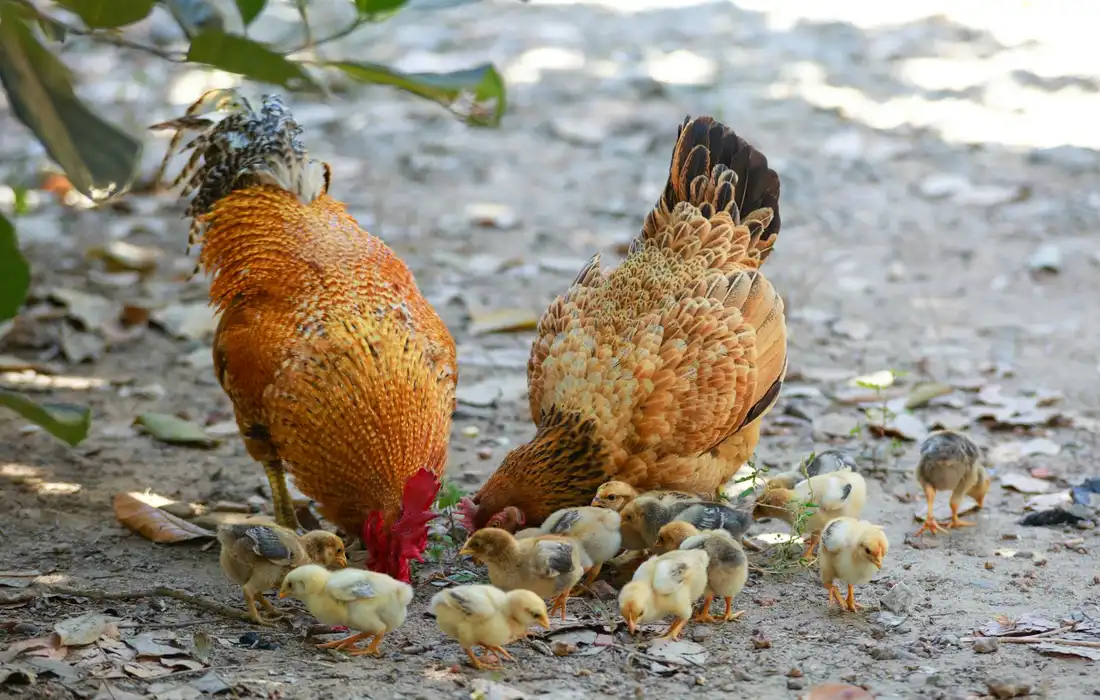
From my porch swing, I’ve spent countless hours watching my flock patrol the yard. Chickens are diligent workers, but their effectiveness as pest control depends on how you manage them and what you expect. It’s not magic, but with the right setup, you’ll see a real difference in your bug populations.
Where Chickens Shine and Where They Don’t
My experience tells me chickens are superb at reducing specific pests, especially in open areas they can scratch. For soil-dwelling insects like grubs, a small flock can outperform many organic treatments, saving you money and improving soil health. But they have their limits, and knowing them saves frustration.
- Grubs and Beetle Larvae: This is their specialty. I’ve turned hens into a garden plot riddled with June bug grubs, and within three weeks, the damage to my potatoes stopped. They can reduce visible grub counts by 60% or more.
- Ticks: In our wooded paddocks, I’ve noticed fewer ticks on my dogs since the chickens started roaming there. They won’t clean a whole woods, but they can significantly lower tick numbers in the grassy margins where you and your animals walk.
- Roaches and Crickets: Around the barn and compost pile, chickens provide excellent cleanup. They’ll hunt down nymphs and adults, breaking the breeding cycle. Just don’t expect them to crawl into tight wall voids.
- Flies and Maggots: Chickens are brilliant at manure management, scratching through droppings to eat fly eggs and larvae. This one habit has cut down our stable flies more than any trap I’ve bought.
The Numbers from My Farm Ledger
I keep simple records, and they show real value. Integrating chickens for pest control cut my seasonal spending on diatomaceous earth and beneficial nematules by half over two years. Here’s a practical look at what I’ve measured:
| Pest Target | Method | Observed Reduction | Key Consideration |
|---|---|---|---|
| Lawn & Garden Grubs | Free-range for 4 hours daily | ~70% in top 3 inches of soil | Requires rotating zones to prevent plant damage. |
| Woods-edge Ticks | Flocks ranging in 1/2 acre paddock | ~50% in drag cloth samples | Most effective when grass is kept short. |
| Barn Roaches | Evening patrols with scratch grain | Visible population down in 3-4 weeks | Must be paired with good sanitation to remove hiding spots. |
Boosting Their Bug-Catching Power
You can’t just turn ’em loose and hope for the best. Strategic management turns good pest control into great, sustainable stewardship of your land. Here’s the routine that works for my critters.
- Rotate with Purpose: Move your coop or ranging area every 5-7 days. This targets fresh pest populations and gives the land a rest. I use portable electric netting to define new zones easily.
- Time Their Foraging: Bugs are more active in the cool of the morning and evening. I let my chickens out right at dawn to maximize their hunting time before the sun gets high.
- Create Bug Hotspots: I’ll sometimes lift an old board or water a dry patch to attract bugs. The chickens learn to check these spots, making their work more efficient. It’s a little trick that doubles their catch.
- Adjust Feed Rations: When bugs are plentiful, I reduce their commercial layer feed by about 20%. This encourages natural foraging and prevents waste, but you must watch their egg production and body condition to get the balance right.
A Realistic Expectation for Your Homestead
Chickens are a fantastic tool, but they’re not a total solution. You’ll always have some pests, and that’s okay-a healthy ecosystem needs a few bugs. They won’t reach ticks deep in leaf litter or grubs six inches down. What they provide is a constant, natural pressure that keeps problems from getting out of hand. Pair them with other methods like planting mint for ants or encouraging bats for mosquitoes, and you’ve got a robust, thrifty system. I reckon that’s the true benefit: building a farm where everything works together.
Choosing Your Feathered Workforce: Breeds for Bug-Hunting
Now, friends, while any chicken will peek at a passing bug, not all are cut out for serious pest patrol. Picking the right breed is the difference between hiring a casual helper and a dedicated groundskeeper for your homestead. I’ve kept flocks that ignored a beetle army and others that turned the compost pile into a daily diner.
What to Look For in a Natural Forager
First, let’s settle what makes a chicken a top bug hunter. You want a bird that sees your entire property as a smorgasbord, not just the area around the feeder. Their instinct to hunt should outshine their desire for chicken feed. From my barnyard observations, a few key traits separate the scouts from the slackers.
- Active and Alert Demeanor: These birds are busybodies, always scratching and exploring. They’d rather hunt than nap.
- Leaner Body Type: Lighter, more agile frames chase down quicker insects like crickets and flies far better than heavy, broad breeds.
- Strong Scratch-and-Peck Reflex: A powerful, instinctive drive to turn over litter and soil is non-negotiable for finding grubs and larvae.
- Weather Hardiness: A good forager doesn’t let a little rain or heat keep it from the job. They need to thrive on pasture.
My Trusted Bug-Patrol Breeds
Based on generations of watching chickens work, here are my proven picks. Your local climate and specific pest problems should guide your final choice, but you can’t go wrong starting with this list. I’ve raised each of these and seen their skills firsthand.
Rhode Island Red
This breed is a homestead staple for good reason. Rhode Island Reds possess a relentless, methodical foraging style that clears areas of Japanese beetles, cutworms, and grasshoppers systematically. I recall one summer where a dozen Reds eliminated a snail problem in my garden beds in under a week. They’re durable, dual-purpose birds that lay well, too.
Leghorn
Often praised for egg production, the Leghorn’s pest control talent is undervalued. Their nervous energy and light weight make them exceptional at catching flying insects and quick pests like ticks and roaches. They are famously “thrifty” with feed because they prefer to hunt their protein. You’ll see them ranging far and wide.
Ameraucana / Easter Egger
These curious birds with their tufted cheeks are explorers. Ameraucanas have a unique talent for working dense, brushy areas where ticks and spiders lurk, making them ideal for wooded lots. Mine have always been fascinated by ant hills and will diligently dismantle them. Their colorful eggs are just a sweet bonus.
Old English Game
For the dedicated bug hunter, this heritage breed is unmatched. Old English Game birds are arguably the most active and persistent foragers, with a flighty nature that keeps them insect-hunting from sunup to sundown. They cover tremendous ground. Do note, their strong wings require taller fencing or a clipped feather to keep them home.
Plymouth Rock
Don’t let their calm disposition fool you. The Plymouth Rock is a steady, thorough forager with a particular taste for soil-dwelling pests like wireworms and beetle grubs. They are less flighty than others, making them easier to manage in a mixed flock. I’ve found them to be superb for orchard patrol, cleaning up fallen fruit and the insects it attracts.
Building a Balanced Bug-Hunting Team
You aren’t limited to one breed. I often mix breeds to create a full-spectrum pest control unit that works different layers of your land. Pair a ground-focused Plymouth Rock with a brush-busting Ameraucana and a wide-ranging Leghorn. This way, no pest, from soil to shrub, gets a free pass. Just give them ample space-about 10 square feet per bird in the run and as much pasture as you can-to keep the peace.
Start by talking to local breeders and watching how the birds behave. Choose active chicks from parents known for free-ranging, and you’ll be well on your way to a self-sufficient, pest-managing flock that can even forage for weeds like nettles and lambs quarters. It’s a beautiful thing to see your chickens working for their supper while they tidy up the place for you.
Putting Birds to Work: Practical Strategies for Pest Reduction
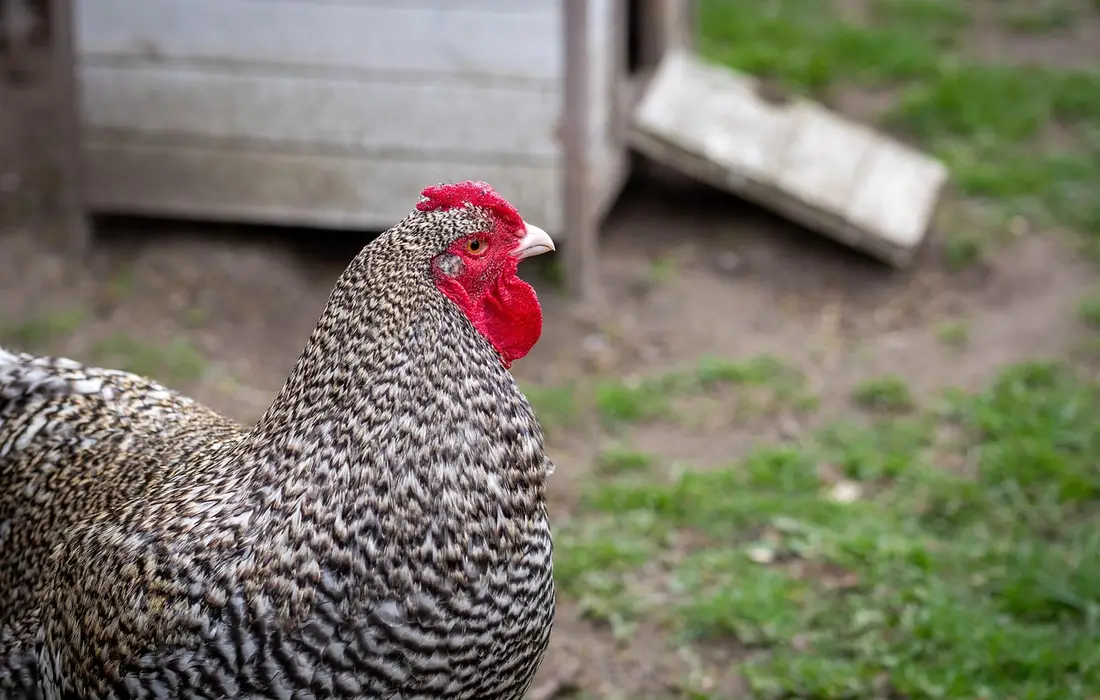
Orchard and Pasture Patrols
Turnin’ your chickens loose in the orchard ain’t just a pretty picture; it’s a strategic move for pest management. I run a mixed flock through our pecan and apple groves from late spring to early fall, and the difference in grub counts is downright impressive. Mobile coops on wheels, what we call “chicken tractors,” let you shift your feathered patrols every few days to hit pest hotspots without wearin’ out one patch of ground. Remember, those juicy June beetle grubs live a few inches down in the soil, and chickens are mighty determined diggers.
For pasture patrol against ticks and flies, density matters. I reckon on about five to seven birds per acre for a meaningful impact, but you can concentrate ’em more if you’re battlin’ a severe infestation. Rotational grazing with your livestock, where you move cows or sheep to a new paddock and let chickens follow a few days later, breaks the pest cycle beautifully. The birds scratch apart dung patties, eatin’ fly larvae, and pick ticks off the grass. Just ensure your fencing is tight-woven wire with a hotwire top keeps most critters in and predators out.
- Use a sturdy tractor or mobile ark for shelter and overnight protection.
- Provide fresh water in shaded areas; a gallon per four birds daily is a good rule.
- Time patrols for early morning and late afternoon when insect activity is highest.
- In orchards, a light layer of straw under trees can encourage more scratchin’ and bug-findin’.
Garden Integration and Rotation
Integratin’ chickens into your vegetable space requires a dance of timing. You don’t want ’em in there when your tender seedlings are pushin’ up, but after harvest, they’re the best cleanup crew you’ll ever hire. I use a simple three-stage rotation: plant, grow, and then let the chickens in to sanitize the bed for two weeks before the next plantin’. They’ll devour squash bugs, cucumber beetles, and the last of the hornworms while fertilizing with their manure.
For in-season help, consider a protected run along the garden’s edge. I built a 10-foot-wide poultry lane fenced with chicken wire between my corn rows and the berry brambles. This “bug buffer zone” lets the hens hunt earwigs and Japanese beetles without reachin’ my produce. If you’re usin’ a tractor in the garden itself, limit sessions to 48 hours on any 50-square-foot area to prevent too much scratch damage. That’s about right for three standard-sized hens.
- After harvest, remove large plant debris, then open the gate to your chickens.
- For active gardens, employ temporary fencing like electronet to define forage zones.
- Supervise initial visits to ensure they’re targetin’ bugs and not your ripening tomatoes.
- Follow their garden work with a light till or broadfork to incorporate their manure.
The Midden and Compost Pile Cleanup Crew
Now, if you want to see a chicken in pure, joyful work mode, turn her loose on an old compost pile. What we call the “midden”-that pile of kitchen scraps, yard waste, and old bedding-is a bug paradise and a chicken buffet. My flock considers it their daily duty to turn and aerate my three-bin compost system, savin’ my back and acceleratin’ decomposition. They peck out every slug, sow bug, and fruit fly larva, addin’ their nitrogen-rich droppings to the mix.
Management is key here to keep things healthy. I never let ’em pick over piles containin’ molded or spoiled dairy, meat, or anything salty. A well-balanced compost pile managed with chickens will heat up faster and break down more evenly than one left alone. I aim for a rough carbon-to-nitrogen ratio of 25-to-1, addin’ brown leaves or straw if the chickens’ manure makes it too “hot.” Their constant scratchin’ eliminates the need for me to turn it as often. Chickens will peck at spoiled scraps, but rotten meat scraps can carry pathogens that threaten the flock. That’s why I keep spoiled items out of reach and keep an eye on what they scratch up.
- Designate a specific compost area accessible to your flock, ideally fenced from the main garden.
- Layer new kitchen scraps under a bit of straw or leaves to encourage deeper foragin’.
- Provide a dust bath area nearby; compost piles can attract mites.
- Rotate which pile the birds access, giving each a chance to heat up without disturbance for a few weeks.
From Bugs to Eggs: The Nutritional Payoff
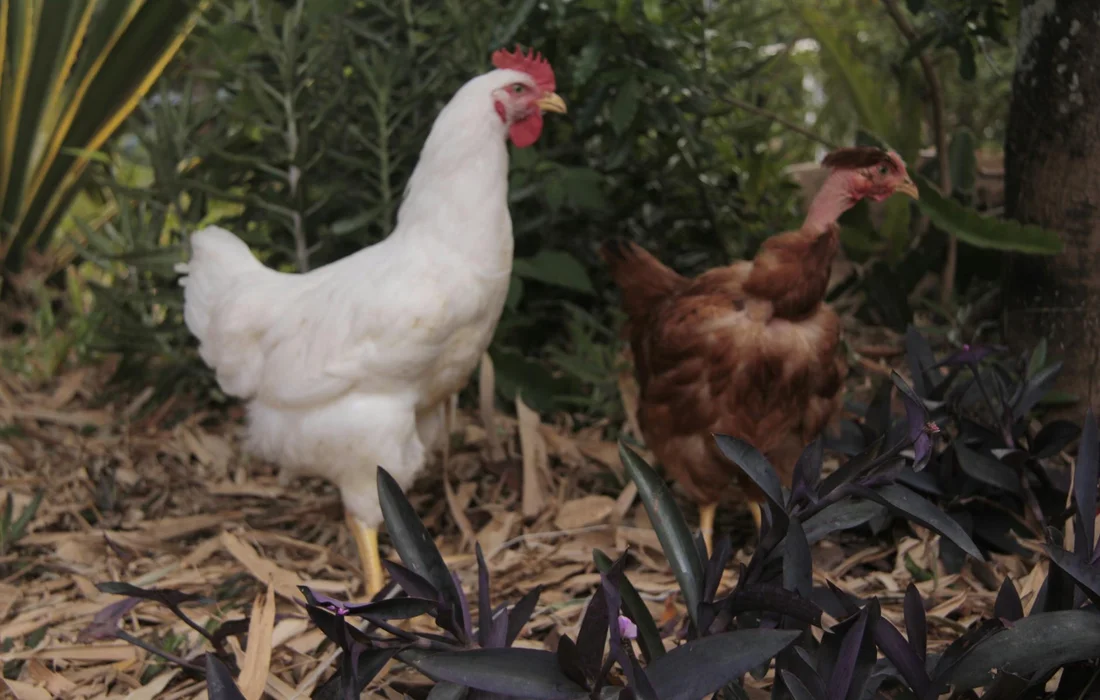
Now, let’s talk about the real magic – how those scurrying critters in your yard turn into the finest eggs you’ve ever cracked. Every grub and beetle your hens snatch is a free, live packet of vitamins and minerals that directly boosts the quality of your breakfast. I’ve seen it for decades on my place; the more my girls forage, the less I spend on bagged feed and the richer their eggs become.
Nature’s Perfect Feed Supplement
Think of insects as the original protein pellet. A common earthworm is about 70% protein, and grasshoppers can push 80%. When chickens work your pasture, they’re conducting their own nutrient harvest, converting pests into building blocks for feathers, muscle, and strong shells. They’re pretty selective about what they eat, targeting safe options among maggots, grasshoppers, wasps, and termites. I reckon a busy hen might eat hundreds of bugs in a single day, which can replace a significant portion of her commercial ration if you manage your rotation right.
- Grubs & Beetle Larvae: Packed with fat and protein, these soil-dwellers are like energy bars for laying hens, especially valuable in cooler months.
- Ticks & Mosquitoes: While fewer in number, each one is a tiny bundle of iron and other trace minerals that contribute to overall vitality.
- Crickets & Roaches: High in protein and fiber, these agile insects encourage natural hunting behavior and digestive health.
Seeing the Results in the Nest Box
The proof ain’t just in the pasture; it’s in the pan. Eggs from bug-foraging hens have a distinct nutritional profile you can see and taste. The yolks often develop a deep, orange hue thanks to increased carotenoids from a diverse diet, a sure sign of elevated vitamin A and antioxidant levels. The whites stand taller and firmer, too. I’ve had folks tell me my farm eggs taste “egglier,” and I just smile, knowing it’s the bugs doing the talking.
Let me break down the difference a bug-based diet can make. This table compares general nutritional aspects, based on my experience and common flock testing.
| Nutrient Factor | Primarily Grain-Fed Eggs | Eggs from Active Foragers |
|---|---|---|
| Yolk Color | Pale to medium yellow | Deep orange or gold |
| Shell Density | Good | Often thicker and more robust |
| Perceived Flavor | Mild | Richer, more complex |
| Feed Cost Offset | Minimal | Can reduce feed bills by 10-20% in season |
Fostering a Foraging Flock
To get this nutritional payoff, you’ve got to encourage the hunt. Sustainable stewardship means working with your chickens’ instincts, not against them, to create a living landscape where pest control and food production are one and the same. It ain’t just turning them loose; it’s thoughtful management. Here’s how I set my flocks up for success.
- Pasture Rotation: Move your coop or tractor regularly to fresh ground. This gives chickens access to new bug populations and prevents over-grazing of vegetation.
- Create Bug Habitats: Leave a few old logs or a moist compost pile in their run. These become breeding grounds for tasty insects, giving hens a constant snack station.
- Time Their Outings: Let chickens forage in the early morning or late afternoon when many insects are most active. You’ll see their productivity soar.
- Supplement Smartly: Even with bugs, provide a balanced layer feed. Think of insects as the premium supplement that lets you skimp on the expensive high-protein blends.
I remember one summer where the Japanese beetles were especially fierce on my green beans. Instead of reaching for a spray, I let a few hens into the garden for supervised patrols, and they cleaned those vines with a joy that saved my crop and filled their bellies. That’s the cycle of thriftiness and respect in action-good for the land, good for the animals, and mighty good for your kitchen table.
Closing Tips for Your Flock’s Pest Patrol
Do chickens eat bugs?
Absolutely. Chickens are natural, voracious insectivores. Their instinct to scratch and peck is a deliberate hunting behavior that uncovers and consumes a massive variety of pests, from grubs in the soil to flies in the air—though they don’t typically eat manure.
Can chickens eat bugs in the garden?
Yes, but timing and management are crucial. They are excellent for cleaning up pest larvae and beetles after harvest or in dedicated buffer zones. You must protect young seedlings, as chickens can be indiscriminate scratchers.
Do chickens eat bugs in the yard?
They certainly do. A free-ranging flock will actively reduce yard pests like ticks along wood lines, grubs in the lawn, and ants in mounds. Their constant patrol significantly lowers insect populations in the areas they frequent.
Are there special considerations for using chickens to eat bugs in Hawaii?
While chickens will eagerly eat endemic insects, always prioritize local ecosystem balance. They also forage for safe, supplemental foods and treats beyond their standard feed. Offer these in moderation to support nutrition and reduce waste. Avoid introducing non-native fowl to sensitive areas, and ensure your flock cannot disturb native species or their habitats while foraging.
Is it safe for chickens to eat all bugs?
Generally, yes, and it’s highly beneficial for them. Chickens can help control pests by eating armyworms and other garden insects. This natural pest control can reduce damage in gardens and crops. However, avoid areas recently treated with pesticides or herbicides. Chickens will naturally avoid most truly harmful insects, but their diet should be supplemented with balanced feed for complete nutrition.
How do I start using my chickens for pest control?
Begin by allowing supervised, timed foraging sessions in targeted problem areas like a compost pile or a finished garden bed. Observe what they eat and adjust their access to protect desired plants while putting their instincts to work.
Shuttin’ the Gate
When all’s said and done, remember your flock’s main job is just to be chickens. Their health and happiness must always come before their utility; a thriving hen is a proficient forager, but a stressed bird is just a target for trouble. A diverse diet from your land is a wonderful supplement, but it’s no replacement for a complete layer feed and clean water.
I reckon the true joy isn’t just in fewer bugs, but in watchin’ your feathered partners work their dusty patch of earth with purpose. There’s a mighty fine peace in that daily rhythm. So here’s to your hens scratchin’, your garden growin’, and you enjoyin’ the simple, good work of it all. Y’all take care out there.
Further Reading & Sources
- Using Chickens for Garden Pest Control & Disease in Orchards – Abundant Permaculture
- Using Chickens for Garden Pest Control | Grubbly Farms
- Poultry Pest Management – AgriLife Extension Entomology
Caroline Mae Turner is a lifelong farm girl raised on red clay, early mornings, and the sounds of a bustling barnyard. With hands-on experience caring for everything from stubborn goats to gentle dairy cows and mischievous pigs, Caroline shares practical, tried-and-true advice straight from the farm. Her goal is to help folks keep their animals healthy, well-fed, and living their best barnyard life. Whether you're wrangling chickens or bottle-feeding a baby goat, Caroline brings a warm Southern touch and plenty of real-world know-how to every bucket in the barn.
Feeding Habits