
Feeding Ducks vs. Chickens: Simple Diet Fixes for Healthy Ducklings and Adults
Published on: April 27, 2026 | Last Updated: April 27, 2026
Written By: Caroline Mae Turner
Howdy y’all. You cannot feed ducklings and chicks the same starter crumble because ducks need nearly double the niacin to prevent leg issues, while chicks require less protein and more controlled calcium. I learned this after a rough spring with wobbly ducklings, and now my flocks thrive on their own tailored menus.
What you’ll need:
- Two separate bags: chick starter (20-22% protein) and duck starter (18-20% protein) or a niacin supplement
- Sturdy, tip-proof feeders for each species to keep diets separate
- A deep water dish for ducks to dunk their heads-they need it to eat
- About five extra minutes at feeding time to check on both groups
Let’s walk through the details together, and you’ll have both flocks eating right in no time.
Feathered Friends with Different Forks: Foundational Differences
If you watch a chicken and a duck in the same yard, you’ll see they’re built for entirely different menus. It’s not just preference; their whole design, from the neck down, dictates what they can eat and how they gather it. I’ve spent many an afternoon leaning on the fence post, just observing the different strategies at work.
Built for Different Buffets
Let’s start with the tools. A duck’s bill is a soft, sensitive marvel designed for sifting, dredging, and straining. They’ll shovel mud and water, filter out the tasty bugs and seeds, and let the muck drain out the sides. A chicken’s hard beak is a pickaxe, perfect for precise pecking at seeds, scratching apart leaf litter, and seizing insects. Their feet tell the same story: webbed paddles for ducks to propel them in water where food floats, and scratching claws for chickens to unearth treasures from the dirt.
This changes everything about their natural diet. Ducks are the pond’s clean-up crew, loving snails, slugs, aquatic plants, and mosquito larvae. This natural pest-control role makes ducks valuable allies, as they feast on insect larvae. Tapping into this behavior can reduce reliance on chemical controls in ponds and gardens. Chickens are your garden’s tillers and bug patrol, devouring beetles, worms, and weed seeds. Recognizing these inherent behaviors is the first step to feeding them right; you’re working with their design, not against it.
Breaking Down the Feed Bag: Core Nutritional Requirements
While good pasture and bugs provide fantastic nutrition, most homestead flocks need a solid commercial feed as their base. Here’s where the specifics matter. You can’t just grab one bag for all and expect everyone to thrive.
Protein is the biggest talker. Ducklings grow at a breathtaking pace and need a serious protein boost to fuel it. For their first two weeks, I aim for a starter crumble with 20-22% protein. Chick chicks start closer to 18-20%. After that initial burst, you can lower the protein for both, but ducks will consistently need about 2% more than chickens of the same age. Too much protein in adult layers, especially chickens, can cause kidney issues.
Calcium is another divider. Laying hens need a hefty amount (around 3.5-4.5% in their feed) to form strong eggshells. Laying ducks need less calcium in their main feed, closer to 2.5-3%. Offering separate free-choice oyster shell lets each bird take what she needs without risking kidney damage in drakes or non-laying ducks.
| Life Stage | Chicken Feed Protein | Duck Feed Protein | Key Note |
|---|---|---|---|
| Starter (0-2/3 wks) | 18-20% | 20-22% | Use non-medicated for ducks. |
| Grower (to lay) | 16-18% | 16-18% | Monitor duck growth; they mature faster. |
| Layer (Adult) | 16-18% | 16-18% | Provide separate calcium for both. |
| All Flock/Maintenance | ~16% | Not ideal for ducklings | Okay for mixed adult flocks in a pinch. |
The Niacin Necessity for Waterfowl
This is the single most critical difference in their dietary needs. Ducks require nearly double the niacin (Vitamin B3) that chickens do for proper bone and leg development. A niacin deficit in a growing duckling manifests quickly and cruelly, leading to weak, bowed legs and an inability to walk. I’ve sadly seen it once, and correcting it taught me a lifelong lesson.
Chicken feed simply doesn’t have enough. Even if you’re using a non-medicated chick starter, you must supplement. Here’s my tried-and-true method:
- Brewer’s Yeast: This is your best barnyard friend. I mix it into the ducklings’ feed at a rate of about 1/2 cup per 10 pounds of starter crumble.
- Pea Sprouts & Greens: Ducklings love snipped pea sprouts, which are naturally high in niacin. It’s a perfect, fresh supplement.
- Emergency Boost: In a true pinch, a human-grade niacin supplement (check it’s only niacin, no added herbs) crushed and dissolved in their water can help. Prevention through proper feed supplementation is always cheaper and kinder than a cure.
This need continues into adulthood, though it’s less critical once their skeletal structure is set. I still keep brewer’s yeast in the mix for my laying ducks for overall health and vibrant feathering.
Choosing the Right Crumbles, Pellets, and Mixes
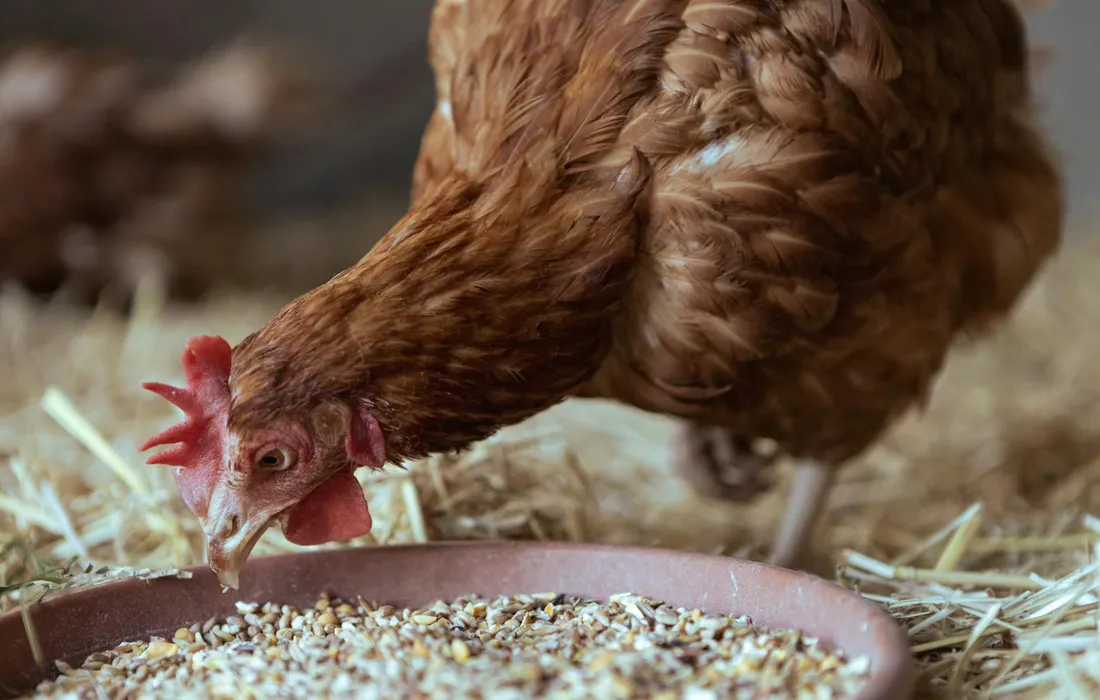
Walk into any feed store and y’all will be met with a wall of bags, all claiming to be best. Let’s cut through the noise. For chicks, you want a starter crumble with about 18-20% protein. For ducklings, reckon you need a bit more punch-aim for 20-22% protein to support their rapid growth and waterproofing needs. I learned this difference the hard way after a batch of ducklings on chicken feed grew slower than molasses in January.
Now, the form matters more than you might think. Crumbles are ideal for youngsters, easy for tiny beaks to manage. Pellets are for your grown birds, reducing waste. Ducks, with their enthusiastic dabbling, can make a soupy mess of crumbles in water. I always use pellets for my adult flock to keep their feeding area drier. Sticking with sinking pellets for ducks prevents nutrient loss and keeps your water cleaner.
Mixes with whole grains and seeds are tempting, but they let birds pick out the tasty bits and leave the balanced nutrition behind. If you favor a mix, make it a small part of their diet. On my place, I use a quality pellet as the staple and scatter a handful of scratch grains as an evening treat only. This thrifty habit ensures they get their full nutrition without wasting a single penny.
A Word on Grit and Digestion
Here’s a fact that’s easy to overlook: birds don’t have teeth. They need grit-small, hard stones-in their gizzard to grind up food. Chickens absolutely require it, even if they free-range. Ducks often ingest enough sand and fine gravel from their pond or run, but it’s not a guarantee. Providing a separate dish of insoluble granite grit is a simple act of stewardship that keeps every bird’s digestion running smooth.
You’ll need two types. Digestive grit, which gets used up, and oyster shell or limestone for calcium (laying hens need this for strong eggshells). Grit helps ducks grind their feed and supports digestive health. Probiotics can help with common feeding problems by balancing gut bacteria. Ducks typically don’t require extra calcium unless they’re layers, and even then, their need is different. My Muscovies get their calcium from their layer feed and rarely touch the oyster shell. Observing your flock’s habits tells you more than any bag label ever could.
| Bird Type | Grit Necessary? | Recommended Type & Size |
|---|---|---|
| Chicks & Ducklings | Yes, after first few days | Fine chick grit (size of sand) |
| Adult Chickens | Always | Coarse poultry grit (size of pea) |
| Adult Ducks | Often, if no fine sand available | Coarse poultry grit or fine gravel |
Remember, grit is not their feed. Keep it in a separate hopper so they can take what they need. I check my grit station every Sunday when I muck out the coops. This simple weekly routine has saved me from countless potential cases of impacted crops over the years.
From Fluff to Feather: Feeding by Life Stage
Now, y’all know I’ve raised both ducks and chickens for decades, and I can tell you straight, their feeding timelines aren’t the same. A chick and a duckling might look alike in their fluff, but their bellies need different fare from day one. Getting that starter feed right sets the stage for healthy, vigorous birds that thrive on your homestead. Especially when it comes to ducklings.
Ducklings grow at a frantic pace and need a starter crumble with about 20% protein. That’s a touch higher than what you’d give chicks. But the real secret? Niacin. Ducklings require nearly double the niacin of chicks for proper leg and bone development. I learned this the hard way years ago when a batch of Pekins got wobbly; a brewer’s yeast supplement in their water fixed them right up. Always check your starter bag for niacin content, or be prepared to supplement, because weak legs in a duck are a heartbreaker.
They’ll stay on that starter for about two to three weeks before you can consider a switch. Chickens, you can move to a grower feed a little sooner. Ducks are messier drinkers, so I always use a crumble for ducklings to prevent paste-up in their beaks from wet mash.
Special Considerations for Laying Ducks
When your ladies start to lay, their diet becomes a precise craft. A laying duck’s body is a egg-making factory, and the fuel you provide makes all the difference in shell strength and her long-term health. You cannot skimp on quality here without seeing the consequences in your egg basket and your vet bills.
I feed my laying flock a dedicated waterfowl layer pellet if I can find it, or a high-quality chicken layer pellet with a minimum of 16-18% protein. Chicken layer feed is often just fine, but listen close: you must supplement with grit. Ducks eat more grit than chickens because they tend to gobble their food whole. I keep a separate dish of insoluble granite grit available at all times.
The calcium demand is immense. While layer feed has calcium for shells, ducks often lay eggs earlier in the morning than chickens. I make sure they have access to crushed oyster shell or recycled eggshells free-choice. This lets each hen regulate her own intake, so she isn’t leaching calcium from her own bones. I remember my Khaki Campbells one spring; their shells got thin when I fell behind on replenishing the oyster shell bucket. It was a reminder that stewardship means staying ahead of their needs.
Pasture plays a bigger role for laying ducks than for chickens. They are superb foragers for slugs, bugs, and tender greens. This not only cuts your feed bill but enriches their eggs with deeper orange yolks. Let them onto your garden after harvest-they’ll clean up pests and fertilize for you. Good pasture management is the thriftiest health supplement you can offer, especially when combined with a proper diet for ducks.
Here’s a simple list of what my laying ducks get daily:
- High-protein layer pellets, about a half cup per duck.
- Unlimited access to clean, deep water for drinking and dunking.
- Free-choice granite grit and oyster shell in separate containers.
- Afternoon snacks of garden trimmings, sweet corn, or peas.
Finally, watch their condition. A laying duck should be robust, not fat. Excess weight can halt egg production. If I see my girls getting portly, I cut back on the corn and boost their time on pasture. It’s about balance, just like everything else on the farm. Feeding a laying duck isn’t just about rations; it’s about supporting a cycle of life that sustains your homestead.
Water Isn’t Just for Drinking: The Vital Role of Access
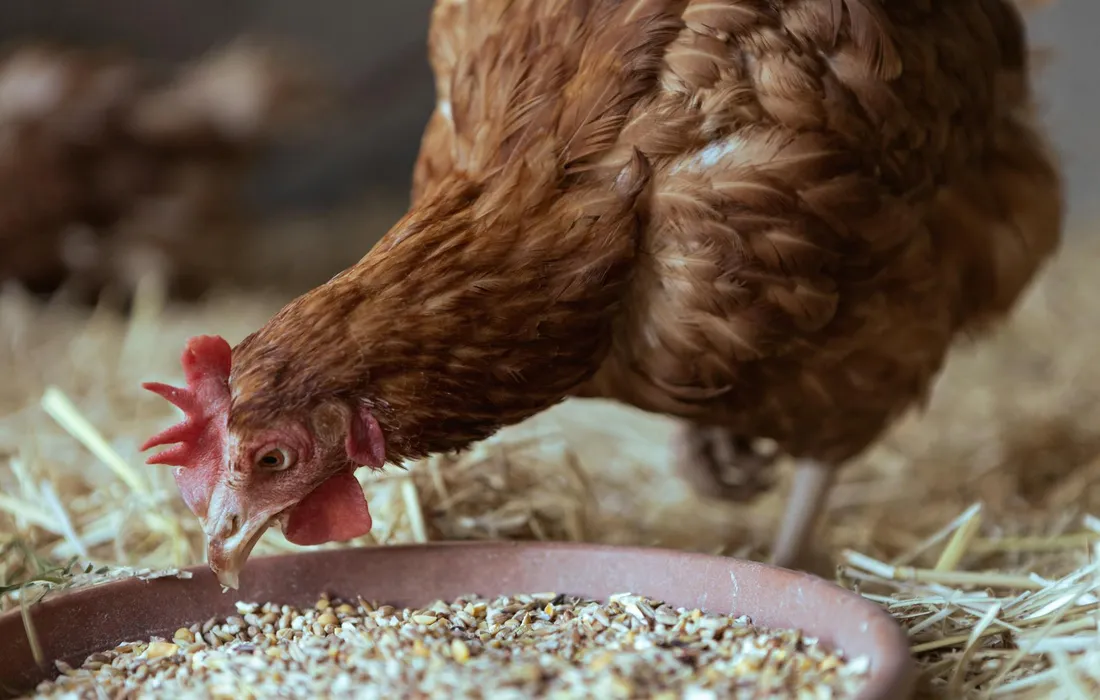
Now, here’s where the rubber meets the road, or rather, where the bill meets the water. A chicken and a duck approach a puddle with two entirely different life philosophies. For a hen, water is a beverage. For a duck, water is a dining room, a washing machine, and a joy all rolled into one. This fundamental difference dictates everything about how you must manage their feeding stations to keep feed fresh and your animals healthy.
Preventing Feed Spoilage and Mess
I learned this lesson the hard way one humid summer, watching good mash turn to moldy cement in a trough. Ducks don’t just sip; they dabble. They take a mouthful of feed and immediately plunge their bills into water to wash it down, sending a slurry of food particles back into their drinking source. If their water is right next to their feed, you’ve created a soggy, wasteful, and potentially hazardous bacteria buffet.
Your first mission is to decouple the duck’s dining and drinking areas by at least a few good paces. I keep their deep water tub for splashing on one side of the run and their feed station on the other. This forces them to take a few waddles between bites and sips, cutting down on the direct backwash into their food.
For their actual drinking water near the feed, I use a heavy, shallow pan that’s tough to tip. The key is to fill it just enough for drinking and head-dunking, but not so deep they can submerge their entire food-filled bill. You’ll still need to refresh it multiple times a day, but that’s just part of the duck-keeping dance.
Feeder and Waterer Strategies
Your equipment choices make all the difference. Here’s what I’ve settled on after years of trial and error:
- For Ducks: Use a wide, low-walled feeder or even a flat pan. Their broad bills struggle with narrow chicken feeder openings. Position it under a simple roof or awning to keep rain out.
- For Chickens: A classic hanging tube feeder or treadle feeder works wonders to limit scratching waste and keep feed dry.
- Water for Chickens: Nipple waterers are a splendid invention for them. It keeps water clean, feed dry, and their litter much drier.
- Water for Ducks: Nipples can work for drinking, but you must provide a separate, open source of water deep enough for full head immersion for their eye and nostril health. A simple rubber livestock tub is my go-to.
Remember, a duck’s world revolves around water. By planning your feed and water setup with their dabbling nature in mind, you save money on wasted feed and safeguard your flock’s health. A dry, crumble-free feeding area for your ducks is the clearest sign you understand their quirky, wonderful needs. It’s a bit more daily management, but seeing them thrive makes every spilled bucket worth it.
Greens, Grubs, and Goodies: Safe Supplements and Treats
Beyond their main feed, both ducks and chickens thrive on snacks from the land, but their preferences and tolerances differ like sunshine and rain. I’ve found that offering the right supplements not only cuts feed costs but also keeps your birds healthier and more content. Ducks will happily vacuum up slugs and tender grasses, while chickens excel at scratching for seeds and bugs, highlighting some key differences in their feeding requirements.
Pasture and Forage Management for Mixed Flocks
Managing a pasture for both ducks and chickens is a dance of balance. You want to harness their natural foraging without letting one species ruin the buffet for the other. Rotation is your best friend for preventing parasite buildup and ensuring a constant supply of fresh greens and insects. I move my electric netting every 7 to 10 days in the growing season.
Ducks naturally create wet spots around their water, which can turn into muddy wallows. Place their waterer on a broad, movable platform or in a designated drainage area to concentrate the mess and save your pasture. I use a section of old gravel drive for this very purpose.
Chickens, on the other hand, will dust bathe and scratch in drier areas. Here’s a simple system I follow:
- Divide your grazing area into at least three paddocks.
- Rotate the flock to a new paddock once the grass is evenly worked over but not demolished.
- Let each paddock rest for a few weeks to regenerate before the birds return.
This rotation manages manure naturally and gives earthworms and beetles time to repopulate. For a thriving mixed flock, aim for at least 25 square feet of pasture per chicken and 15 per duck, but more is always better for forage and health. Remember, ducks will eat more grass than chickens, so factor that into your rotation timing.
Common Pitfalls and Practical Thrifty Tips
We’ve all made husbandry mistakes, and learning from them is part of the homesteading journey. One of my earliest blunders was feeding chick starter to ducklings for too long, not realizing its lower niacin content could cause leg problems. Ducklings need a starter with around 20% protein and extra niacin, which is non-negotiable for proper growth.
Here are a few other common missteps and how to avoid them:
- Overfeeding treats: Keep snacks like corn or veggies to less than 10% of their daily intake to avoid nutritional imbalances.
- Using medicated feed for ducks: Many chick starters contain amprolium, which can be toxic to ducklings; always choose non-medicated for them.
- Neglecting grit: Chickens need insoluble grit in their gizzard to grind food, but ducks often get enough from foraging if they’re on pasture.
Now, for thriftiness. Fermenting your flock’s feed is a game-changer I adopted years ago to stretch my dollar and boost gut health. It increases vitamin levels, makes nutrients more digestible, and cuts feed waste by up to a third. Simply soak feed in water for 2-3 days until it bubbles, then drain and serve. Both species love it.
Can You Mix the Flock at Feed Time?
This question hits my porch about as often as the mail. The straight talk is yes, you can, but it requires careful management to ensure everyone gets what they need. Chickens are quicker and more aggressive at the feeder, often leaving ducks waiting politely and hungry on the sidelines. I’ve watched my hens bully the ducks away from the best morsels time and again.
If you’re set on feeding together, a compromise feed is an option. Use a higher-protein, non-medicated poultry grower or all-flock ration (around 18-20% protein) that suits both. Always supplement this with a separate niacin source for the ducks, like brewer’s yeast mixed into their water or sprinkled on wet feed.
For true peace and proper nutrition, I recommend these strategies:
- Use Separate Feeders: Place the duck’s feeder near their water source and the chicken’s feeder in a drier area. Ducks make a mess with water, and chickens prefer to eat dry feed.
- Employ Timed Feeding: Let the ducks have first access for 30 minutes in the morning before releasing the chickens. This ensures the ducks get their fill of the right nutrients.
- Provide Enough Space: Have multiple feeding stations to reduce competition and stress, which can lead to injury and poor health.
Mixing at feed time can work, but vigilance is key. Observing your flock daily is the best tool you have to prevent the more submissive birds from going hungry. A little extra planning at mealtime ensures all your feathered friends thrive.
Common Pitfalls and Practical Thrifty Tips
Can You Mix the Flock at Feed Time?
Y’all, I hear this question every season when new folks bring home ducklings and chicks. While it might seem easier to toss feed for the whole crowd, I’ve learned through hard-won experience that mixing ducks and chickens at the trough often creates more problems than it solves.
Their eating habits are as different as their feathers. Ducks need to wash down their food, leading to a soaked, spoiled mess chickens won’t touch. That wasted, soggy feed adds up quick, and thriftiness means respecting every scoop you pay for.
I once tried a communal feed station to save myself some steps. Within a week, my chickens were picking at moldy clumps, and the ducks were scattering more than they ate-a clear lesson in why good stewardship sometimes means separate setups.
Here’s the core of the issue:
- Nutritional Mismatch: Duck starter needs about 20-22% protein and extra niacin, while chick starter runs 18-20%. Adult layer feed has calcium levels for hens that can harm duck kidneys.
- Feeding Style Friction: Ducks are dabbling, ground-foraging critters. Chickens prefer to scratch and peck from raised feeders. Putting them together means one species always loses out.
- Health and Hygiene: Ducks require open water to eat, creating a muddy, bacterial soup around the feed area that can skyrocket disease risk for the entire flock.
So, can you do it? In a pinch, maybe, but I don’t recommend it for the long haul. Your most practical path is to establish simple, separate feeding zones that cater to each animal’s natural behavior.
Let me share my thrifty, barn-tested method for peaceful coexistence:
- Set up a “duck diner” away from the coop. I use low, wide pans (old baking sheets work wonders) placed near their pond. This contains the mess.
- Keep chicken feeders elevated and under cover. A simple hanging feeder inside the run keeps their rations dry and discourages ducks from bothering.
- Time feedings if you free-range. Let chickens out first to scratch, then call ducks to their own area. A consistent routine prevents bickering.
A little planning prevents waste and ensures each animal gets the precise nutrition it needs to thrive, which is the heart of sustainable husbandry. You’ll see it in glossy feathers, strong eggshells, and fewer vet worries down the road.
Common Questions on Feeding Ducks & Chickens
What are the main differences in treats for ducks versus chickens?
Ducks excel at eating soft, wet treats like slugs, chopped greens and peas, utilizing their sifting bills. Chickens prefer drier, peckable items like scratch grains, sunflower seeds, and whole grains. Always avoid feeding either species salty, sugary, or moldy foods.
Can I feed my ducks and chickens on the same schedule?
You can feed adults on a similar twice-daily schedule, but managing physical separation is more critical than timing. Ducklings, however, grow faster and may need feed available longer than chicks during their initial rapid growth phase to meet their higher energy demands. Age-related needs mean the feeding schedule can be much more frequent for ducklings and juveniles as they grow. Tailoring feed availability to these shifts helps ensure energy demands are met at each stage.
Do their dietary needs change with the seasons?
Yes, both species benefit from more calorie-dense foods like corn in winter to help maintain body heat. In summer, ensure plenty of fresh greens and clean, cool water, as ducks especially need to regulate their temperature and may eat less dry feed.
How can I tell if my duck or chicken isn’t getting the right nutrition?
Watch for physical signs: bowed legs or lethargy in ducklings can signal niacin deficiency, while soft-shelled eggs in hens often point to low calcium. Poor feather quality, reduced activity, or abnormal weight loss in either species are general indicators of dietary issues.
Is an “all-flock” or “poultry feed” a good compromise for a mixed flock?
An all-flock feed can work for healthy, non-laying adults in a pinch, but it is not ideal for growing ducklings due to potential niacin gaps. For laying hens, you must still provide separate free-choice calcium (oyster shell), as the calcium in all-flock feed is insufficient for heavy egg production.
What’s the best way to store feed for both species?
Store all feed in airtight, rodent-proof containers in a cool, dry place to prevent spoilage and maintain nutritional value. Since you’ll likely have two separate bags, clear labeling prevents accidental mix-ups that could lead to nutritional deficiencies.
Final Flock Management Tips
Successfully feeding ducks and chickens hinges on respecting their inherent differences. The small effort of managing separate feeding stations and tailored nutrition pays off in robust health and productivity. Consistent observation is your most valuable tool for catching any dietary shortfalls early and ensuring your entire flock thrives. A quick comparison of duck and chicken dietary needs can guide how you tailor their feeds. This makes it easier to set up feeding plans that respect each species’ unique requirements.
Heading Back to the Coop
After all this talk of feed buckets and waterers, the most important thing to remember is that happy, healthy poultry starts with respecting their natural design. The single best thing you can do for a mixed flock is to run separate feeders; this simple act of stewardship ensures your ducks get the extra niacin they need from their higher-protein ration and your chickens don’t overdose on minerals best left for the pond. Watch your birds, not just your feed bag. A duck’s enthusiastic eating style and a chicken’s careful pecking tell you everything about how their meals should be served.
I reckon there are few things more satisfying than the sound of contented quacks and clucks floating across the homestead at sundown, knowing you’ve met their needs right down to the last crumble. It’s a simple joy, born from good stewardship. Thank y’all for spending this time talking husbandry with me. Now go enjoy your critters and the good, simple life they help provide.
Further Reading & Sources
- Chicken meat vs. Duck meat – Health Impact and Nutrition Comparison
- Maple Leaf Farms | Duck vs. Chicken – Which is better for you?
- Duck Eggs vs. Chicken Eggs: Comparing Nutrition and Benefits
Caroline Mae Turner is a lifelong farm girl raised on red clay, early mornings, and the sounds of a bustling barnyard. With hands-on experience caring for everything from stubborn goats to gentle dairy cows and mischievous pigs, Caroline shares practical, tried-and-true advice straight from the farm. Her goal is to help folks keep their animals healthy, well-fed, and living their best barnyard life. Whether you're wrangling chickens or bottle-feeding a baby goat, Caroline brings a warm Southern touch and plenty of real-world know-how to every bucket in the barn.
Waterfowl Nutrition