
Cracking the Feed Bin Mystery: How Much Grain Your Cows Really Need
Published on: May 31, 2026 | Last Updated: May 31, 2026
Written By: Caroline Mae Turner
Howdy y’all. For a healthy, mature beef cow, you can expect her to eat roughly 2% of her body weight in dry matter each day, with grain often being just a supplement to good pasture or hay. That moment of doubt at the feed store, wondering if you’re buying too much or coming up short, is a familiar headache on this homestead.
What you’ll need:
- A honest estimate of your herd’s average weight
- Knowledge of what’s in your feed bag or forage
- A little time to run the numbers
We’ll have this figured out directly, so you can get back to what matters most.
The Daily Feed Bucket: Figuring Daily Grain Consumption
You can’t just back the truck up and dump grain into the trough. Figuring the right amount is part science, part art, and all about paying attention. Feeding is a conversation with your cow, and her condition, production, and even the weather are her way of talking back to you.
It All Starts with Bodyweight and Purpose
First thing you do is get a fair idea of that cow’s weight. A livestock scale is a luxury, but a good weight tape works wonders. Everything springs from that number and what you’re asking her to do. A beef mama just raising a calf on good pasture is living a different life than a dairy cow pouring gallons of milk. Think of grain not as the main course, but as a supplement to balance what your pasture or hay lacks, or as the fuel for heavy production.
Here’s the simple rule of thumb we’ve always worked with:
- Maintenance: A dry, mature cow just holding her weight needs about 1.5% to 2% of her body weight in total feed (forage plus grain) per day. On excellent forage, she may need no grain at all.
- Production: When you ask for more-growth, milk, late pregnancy-that’s when grain enters the chat. We’re often talking 0.5% to 1% of her body weight in grain alone, on top of all the forage she can eat.
A Practical Look at the Dairy Cow’s Dinner Plate
My little herd of Jerseys taught me this. A 1,000-pound milking Jersey is a eating and producing machine. During peak lactation, she might easily put away 35 pounds of high-quality hay and 10 pounds of grain mix a day. That grain mix is crucial-it’s usually a 16-18% protein dairy ration to match the protein she’s pouring into her milk.
I mix my own, but the store-bought bag tells you how much. You start slow after calving and work up to her full feed over two weeks to avoid founder. The golden rule for dairy cows is to feed for what they’re producing; you’ll adjust that grain amount up or down a pound or two as her milk sheet tells the story.
The Beef Cow’s More Modest Menu
Over in the beef pasture, life is quieter. A 1,300-pound brood cow nursing a calf might only need a few pounds of grain-or none-if the grass is lush and green. I often just give mine a pound or two of a 12% protein cube in the winter when the hay is stemmy, just to keep them in good flesh. The goal with a beef cow is to keep her healthy and cycling back, not to fatten her-that’s her calf’s job.
Now, that calf is a different tale. When we’re finishing a steer on the farm, we’ll push grain hard at the end. A finishing beef animal might eat 2.5% of its body weight in total feed, with grain making up 70% or more of that in the final months. That’s how you get that marbled finish, but it’s a careful, gradual process.
The Whole Story: Estimating Lifetime Grain Consumption
Daily math is one thing, but the lifetime tally really opens your eyes. It shows why pasture is king for economics and why every pound of grain must earn its keep.
From Weaning to Freezer: The Beef Animal’s Journey
Let’s follow a steer. Say we wean him at 600 pounds. He’ll spend months on grass, maybe with a pound or two of creep feed daily. The real grain bill comes in the last 120 to 150 days of finishing. During this “finishing phase,” he might eat 20-25 pounds of high-energy grain mix daily.
Do the math: 150 days x 22 pounds = 3,300 pounds of grain. That’s roughly 66 of those 50-pound bags you’re humping from the feed store, all for one animal. This is why many homesteaders opt for grass-finished beef-it swaps that grain cost for more land, time, and management.
The Dairy Cow’s Lifetime of Meals
A dairy cow’s ledger is longer. She’ll start eating grain as a heifer to support growth. Then, across a 305-day lactation, she might average 8 pounds of grain daily. That’s 2,440 pounds for one lactation year. Over a productive lifetime of, say, five lactations, that’s over 12,000 pounds of grain-six tons!
But here’s the perspective: that grain helped her produce perhaps 20,000 pounds of milk in that time. It’s an investment with a return, which is why the calculus for a family milk cow is different than for a beef animal headed to the processor. You’re feeding for sustained yield, not a final endpoint.
Grain is Just One Course: The Role of Forage in Ruminant Nutrition
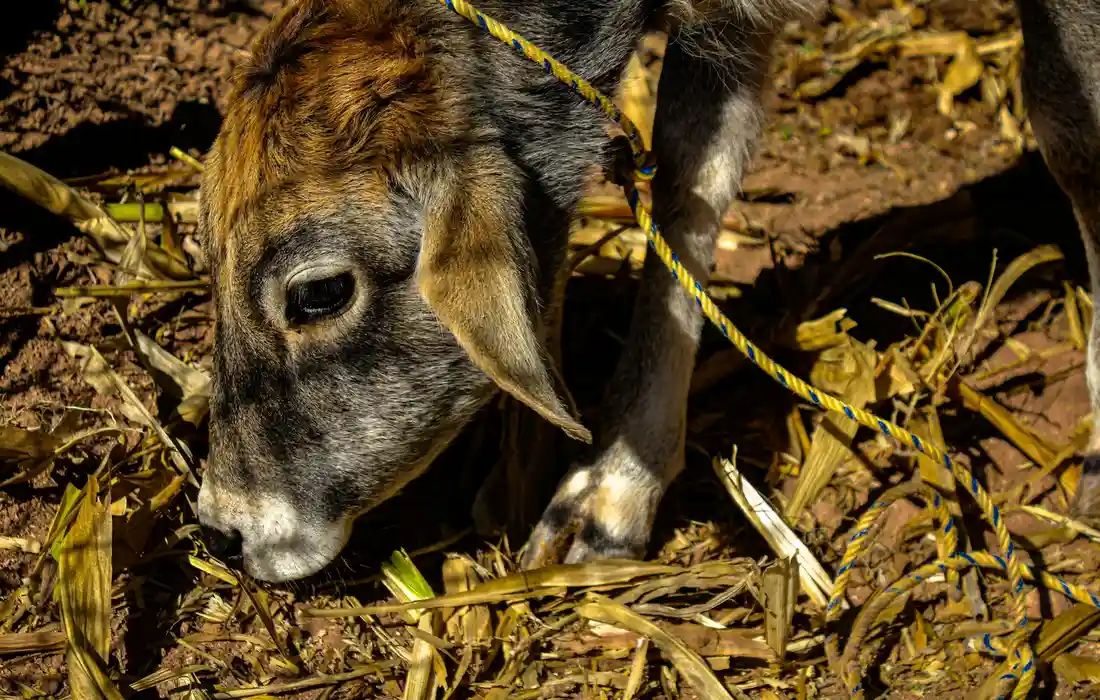
Let’s get one thing straight, friends-that bucket of grain is just a supplement, not the main meal. For a cow, forage is the cornerstone of every dinner plate, and neglecting it is like building a barn on a soggy foundation. I’ve spent decades watching herds, and the healthiest, most contented cows are the ones with bellies full of roughage. Their complex rumens are engineered by nature to break down grasses and hay, not just to shuttle grain through. That’s because their ruminant digestive system is built to extract energy from fibrous grasses through microbial fermentation in the rumen. Understanding why cows eat grass comes down to how those rumen microbes turn roughage into usable nutrients.
On my place, we aim for forage to constitute a solid 70 to 80 percent of a mature animal’s diet by dry matter. That rumen is a fermentation vat that requires a steady flow of fiber to function properly, preventing bloat and a host of other ailments. When you tally up a cow’s lifetime eating, it’s the pastures and hayfields that truly tell the story, far more than the tonnage of grain.
Understanding Dry Matter Intake: The Real Measure of a Full Belly
If you want to feed smart, you’ve got to wrap your head around dry matter intake, or DMI. DMI is your true north because it measures only the solid nutrients, subtracting all the water that can fool you in fresh feed. That dewy morning grass might be 75% water, so a cow eating 100 pounds of it is only getting about 25 pounds of actual food substance. It changes everything about how you calculate rations.
A good rule of thumb is a beef cow will consume 2% to 2.5% of her body weight in dry matter each day. For a 1,400-pound brood cow, that means she needs 28 to 35 pounds of dry forage daily to hold her condition without leaning heavy on expensive grains. I keep a battered notebook in my overalls pocket with these figures, scribbled next to reminders to fix the gate, and notes on cow feed consumption for daily quantities and alfalfa intake.
- Figure Your DMI: Take the as-fed weight of your feed and multiply by its dry matter percentage. If your hay tests at 88% dry matter, a 60-pound bale gives you roughly 53 pounds of DMI.
- Watch the Herd: If your cows are constantly bawling at the feed trough or chewing on fences, their DMI from forage likely isn’t meeting their needs.
- Seasonal Shifts: Lactating cows or animals battling bitter cold can need DMI pushed to 3% of body weight to keep energy levels up.
Pasture, Hay, and Silage: The Forage Foundation
Think of these three as the pillars holding up your cattle operation. Each one serves a purpose, and a savvy homesteader uses them all. Pasture is your most economical feed source, but it demands respectful rotation to keep grasses nutritious and rooted. I move my herd to a fresh paddock when the grass is about boot-high, which encourages tender regrowth with protein often hitting 16-18% in the spring.
| Forage Type | Typical Dry Matter % | Best Used For | Hard-Earned Advice |
|---|---|---|---|
| Pasture (Managed) | 20-30% | Spring/Summer grazing, building condition | Soil test every other year; a little clover seed goes a long way for free nitrogen. |
| Hay (Sun-Cured) | 85-92% | Winter sustenance, drought backup | Buy hay by the ton, not the bale, and store it under a tarp or in the barn loft to preserve those precious leaves. |
| Silage (Chopped & Fermented) | 30-40% | High-energy feed for growing calves or finishing | Pack it dense in the bunker and seal it airtight with proper plastic; one hole can ruin a whole season’s work. |
Hay is your winter insurance policy. I look for a mix of grass and legume hay that tests at least 12% protein for milk cows, while dry cows can manage on 8-10% protein grass hay. Understanding hay versus silage in terms of nutrition guides practical feeding guidelines for different cattle. A quick hay-vs-silage comparison informs rations across lactating, dry, and growing stages. Silage is a terrific way to put up summer abundance, but it’s a commitment-once you open that pile, you need to feed it quickly to prevent spoilage. Balancing these forages throughout the year is the heart of sustainable stewardship, saving your wallet and letting your animals express their natural behaviors.
What Sways the Scale? Key Factors Affecting Grain Intake
Figuring out your cow’s grain ration isn’t about a fixed number. It’s a dance with several partners on your homestead. Let’s amble through the five biggest factors that change what you’ll be scooping into that feed tub.
-
Animal Size and Bodyweight: Bigger frame, bigger appetite.
You wouldn’t feed a draft horse the same as a pony, and cows are no different. A 1,400-pound brood cow simply needs more fuel than a 700-pound growing heifer. I’ve watched my big beef cows comfortably eat over 20 pounds of grain daily in winter, while a younger animal might only need half that. That’s the essence of comparative livestock diets—matching feed to each animal’s size and production goal. It helps you tailor rations more precisely. Always start by estimating your animal’s weight-a livestock scale or weight tape takes the guesswork out.
-
Production Stage: Lactation demands peak nutrition.
A cow’s needs shift dramatically with her life stage. Maintenance for a dry cow is one thing, but a milking mama is another. When a dairy cow freshens, I increase her grain to at least 1% of her body weight, and for high producers, that can soar toward 2% during peak flow. For beef cows, the last trimester of pregnancy is when I ramp up grain, as she’s building a calf and preparing her own body for the milk to come.
-
Forage Quality: Poor hay means more grain needed to fill gaps.
Your pasture and hay are the foundation of every meal. Rich, leafy alfalfa hay might supply most needs, while weathered, stemmy grass hay leaves big gaps. If your forage tests below 10% protein, you’ll be supplementing with several extra pounds of a 16% protein grain mix just to meet basic requirements. Mastering sheep nutrition essentials means balancing hay, grains, and supplements for steady intake. It helps prevent waste and underfeeding while supporting a healthy, productive flock. I test my hay every season; knowing its value stops me from wasting grain or underfeeding my herd.
-
Weather: Cold stress increases energy needs substantially.
Cows use a heap of energy just to keep their body temperature up. When a hard frost sets in, their maintenance needs can jump 20% or more. My rule of thumb is to add an extra pound of grain for every day the wind chill sits below 20°F, especially if the animals are wet. Providing a dry, windbreak shelter is crucial, but that extra grain is what keeps their condition from slipping away.
-
Breed and Genetics: Some breeds are simply more efficient converters of feed.
Genetics play a starring role at the trough. Beef breeds like Herefords are often bred for efficient gain on forage, while many dairy breeds prioritize milk volume. On my farm, a heritage breed like a Dexter will finish on significantly less grain than a larger, faster-growing Charolais cross. It pays to research your breed’s tendencies and select animals from lines known for thriftiness if you’re watching the feed bill.
The Changing Menu: How a Cow’s Diet Evolves Through Life
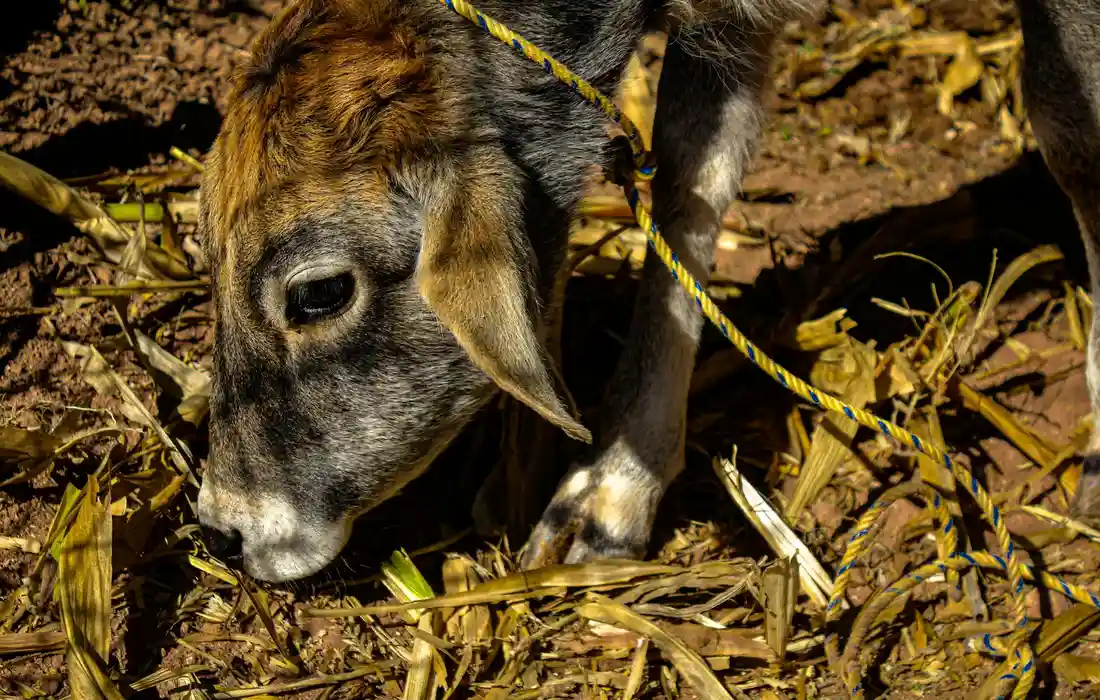
Just like a youngster don’t eat the same as a grown hand workin’ the fields, a cow’s nutritional needs shift dramatically from birth to maturity. Getting this progression right is the bedrock of raising healthy, productive animals, and it’s where a steward’s foresight truly pays off. Let’s walk through each stage.
The Calf: Starting on Milk and Transitioning to Feed
I’ve spent many an early morning in the barn with a bottle calf, and that first milk, the colostrum, is non-negotiable. It’s life itself. For the first few days, it’s all about that rich dam’s milk or a quality milk replacer. By about a week old, though, that curious little nose is sniffin’ for more, and that’s your cue to offer a stellar calf starter feed.
This ain’t just grain. A good starter is around 18-20% protein, packed with energy, and includes a coccidiostat to protect those tender guts. Keep a fresh handful in a small bucket they can reach. You’ll notice they nibble long before they eat much-that’s the point. We’re building that rumen.
- 0-3 Months: Primary nutrition from milk (or replacer). Free-choice high-quality calf starter and fresh, clean water introduced from Day One.
- The Weaning Shift: Wean based on consumption, not just age. A good rule is when they’re consistently eatin’ 2 pounds of starter grain per day. Their rumen is now workin’.
- First Forages: Offer a bit of the softest, sweetest hay you’ve got alongside that starter. They’ll mouth it, learn the taste, and slowly start their journey as a ruminant.
The Growing Heifer: Building a Frame for the Future
This stage is where mistakes hide, only to show up later as a poor milker or a weak brood cow. Your heifer ain’t a miniature milk cow; she’s a growing athlete. Nutrition here fuels bone and frame development, not lactation, so you must resist the urge to push for fat instead of growth. A fat heifer is a troubled heifer.
From weaning until about two months before her first breeding, she should be on a growing ration. This can be 14-16% protein, depending on your forage quality. The best, most thrifty program keeps her on excellent pasture or top-tier grass hay, supplementing just enough grain to keep her growing steadily. I aim for a gain of about 1.5 to 1.8 pounds per day for most dairy breeds.
- Forage is Foundation: She should be eatin’ 2-2.5% of her body weight in dry matter from forages daily.
- Grain as a Tool: Supplement with 2-5 pounds of a growing grain mix per day, only as needed to maintain that steady, even growth curve on your weight tape.
- Minerals Matter: A free-choice mineral mix formulated for growing cattle is absolutely critical for proper skeletal and reproductive development.
The Mature Cow: Maintenance, Pregnancy, and Peak Production
Now, the menu gets complex, changin’ with the season of her life and production. A dry, pregnant cow has needs worlds apart from one peakin’ in her milk flow. Think of her intake in three layers: what she needs just to exist, what she needs to grow a calf, and what she needs to make milk. Fail the first, and the others suffer.
For a mature, 1,400-pound brood cow just maintaining herself on good pasture, she might eat 25-30 pounds of dry matter a day, with little to no grain. But slide her into late pregnancy, and that unborn calf’s demands skyrocket in the last trimester. She needs more energy, more protein, and specific minerals, which is a crucial part of cow diet basics for optimal health.
When lactation hits, the game changes entirely. A high-producing dairy cow can eat over 4% of her body weight in dry matter. That’s 50+ pounds of feed a day!
Here’s a simple table to show how priorities shift:
| Life Stage | Forage Focus | Grain Supplement | Key Goal |
|---|---|---|---|
| Dry Cow (Early Pregnancy) | Mature pasture, grass hay. Limit rich legumes. | 0-2 lbs/day, if any. | Maintain body condition, prevent obesity. |
| Late Pregnancy (Last 3 months) | Excellent quality hay (mixed grass/legume). | 4-7 lbs/day of a balanced brood cow ration. | Support rapid fetal growth and prepare for colostrum. |
| Peak Lactation | Highest-quality forage available (alfalfa, lush pasture). | 10-20+ lbs/day of high-energy dairy ration. | Support massive milk output without losing body condition. |
The golden rule I live by? Feed the rumen first with the best forage you can manage, then use grain to fill in the gaps her pasture or hay can’t meet. Listen to your cow, watch her condition, and let her needs, not just a chart, guide your hand at the feed bin.
Practical Wisdom from the Feed Bunk: Homesteader Tips
Now, let’s step away from the textbook numbers and into the mud boots of daily life. Managing your feed program is where true husbandry meets your homestead budget. What works in your neighbor’s pasture might need tweaking for your soil and your stock, and that’s where your observation becomes your most valuable tool.
How to Conduct a Simple Feed Cost Analysis Per Animal
You don’t need a fancy spreadsheet, just a notepad and a calculator. First, figure out how much a bag or ton of your chosen feed costs. Next, know exactly how much you’re feeding per head, per day. Multiply that daily cost by 365 for a yearly estimate. That yearly number is your wake-up call, showing you exactly where your money is going and where a small savings per day adds up fast. I do this every season, and it’s what pushed me to buy in bulk.
| Feed Type | Cost per 50lb Bag | Daily Feed per Cow (lbs) | Daily Cost | Estimated Annual Cost |
| 16% Dairy Pellet | $18.00 | 10 lbs | $3.60 | $1,314.00 |
| Bulk Whole Corn | $0.14/lb ($7.00/50lb) | 8 lbs | $1.12 | $408.80 |
Seeing those numbers side-by-side clarifies your choices. Remember to add in the cost of your hay or pasture to get the full picture.
The Benefits of Buying Grain in Bulk with Proper Storage
If your setup allows, buying by the ton or even the half-ton is the single biggest cost-cutter. The price per pound drops significantly. The key, and I learned this the hard way, is investing in storage that keeps moisture and vermin out. I use food-grade metal barrels with tight-sealing lids. Old freezers (with the locks removed, for safety!) also make fantastic grain bins. Proper storage prevents mold, waste, and attracts fewer unwanted barnyard guests. It pays for itself in one season.
Mixing Your Own Ration vs. Buying Complete Feed-Pros and Cons
This is the great homestead debate. Let’s break it down plain.
Mixing Your Own Ration
- Pros: Total control over ingredients, often lower cost, can utilize farm-grown grains.
- Cons: Requires knowledge of nutrition balance, needs quality protein source (like soybean meal), requires storage for multiple ingredients, more labor-intensive.
Buying Complete Commercial Feed
- Pros: Nutritionally balanced and consistent, convenient, no guesswork for beginners.
- Cons: Higher cost per pound, less flexibility, may contain additives you don’t want.
My rule of thumb? If you’re raising animals for serious production (dairy, finishing beef) or are new to the game, a quality complete feed is worth the premium for peace of mind. For maintaining dry cows or bulls on good pasture, a simpler homemade mix often does just fine.
Signs You’re Feeding Too Much or Too Little Grain
Your cows will tell you everything, if you’re looking. For overfeeding, watch for loose, pudding-like manure. An animal that leaves grain in the bunk is shouting they’ve had enough. Excessive fat cover, especially over the ribs and tailhead, is a sure sign you’re pouring money into the bunk that isn’t turning into milk or muscle. Underfeeding shows up in poor coat condition, visible ribs and spine, and lackluster energy. A herd that acts frantic and pushes aggressively at feeding time might be hinting they need a bit more.
Always Introduce Grain Changes Slowly Over a Week
This is non-negotiable barnyard law. A cow’s rumen is a vast fermentation vat filled with microbes specific to her diet. Switching feeds abruptly is like sending those microbes into a riot, causing bloat, acidosis, or scours that can set an animal back for weeks. My method is the 7-day switch: Days 1-2, mix 25% new feed with 75% old. Days 3-4, go 50/50. Days 5-6, mix 75% new with 25% old. By Day 7, you’re on the new ration. Their gut will thank you, and you’ll avoid a costly vet call.
Your Cow Feeding Questions, Answered
How much grain does a cow eat per day?
A cow’s daily grain intake is not a fixed number. It varies greatly, typically ranging from 0 pounds on excellent pasture to over 20 pounds for a high-producing dairy cow at peak lactation. The amount is a supplement based on her body weight, life stage, and the quality of her forage. In practice, many producers reference a daily grass intake guide to estimate total pasture consumption. These guides help balance grass and supplemental feed to meet her energy and production needs.
How much grain does a cow eat in a lifetime?
A beef steer finished on grain may consume over 3,000 pounds in its final months. A dairy cow, over several lactations, can eat six tons or more. This lifetime tally highlights why grain is a strategic investment in production, not a default feed.
What factors affect a cow’s grain consumption?
Five main factors influence how much grain a cow needs: her size and bodyweight, production stage (like lactation), the quality of available forage, cold weather, and her breed’s genetics. You must consider all of these to determine the right ration.
What is the difference between grain and forage in a cow’s diet?
Forage (pasture, hay) is the essential foundation of a ruminant’s diet, making up 70-80% of intake. Grain is a concentrated energy and protein supplement used to fill nutritional gaps in forage or fuel high levels of production like milk yield. Producers often consult a cattle forage guide to select grasses and hay types, along with appropriate supplements. It also highlights unusual plants that may affect rumen function or safety.
How does a cow’s diet change over its lifetime?
A calf starts on milk, transitions to a high-protein starter grain, and then learns to eat forage. A growing heifer needs nutrition for frame development. A mature cow’s diet then cycles between maintenance, late pregnancy, and lactation, with grain needs rising sharply during peak production.
How do I know if I’m feeding the right amount of grain?
Observe your animals. Signs of overfeeding include loose manure, leftover grain, and excessive fat. Signs of underfeeding include poor body condition, visible ribs, and a dull coat. Your cow’s condition and behavior are the best guides.
Closing Tips for the Thoughtful Steward
Remember, successful feeding is a balance of numbers and observation. Always introduce any new grain or ration changes slowly over 7-10 days to protect your animal’s rumen health. Let the quality of your forage guide your grain bill, and never stop learning from the herd itself.
Back to the Pasture
When you step back and look at the big picture, it all comes down to this: your herd is unique, and your feeding plan should be too. The best measure of success isn’t just a chart in a book, but the condition of the animals in your care. The most important daily practice is simply watching your cows-their energy, their manure, the shine on their coats-and letting those honest signs guide your hand with the feed scoop as you adjust their feed based on their nutritional needs. I’ve learned more from a quiet moment leaning on the fence than from any single feed table. Proper feeding is an act of daily stewardship, not a set-it-and-forget-it chore.
Well, friend, that about covers the feed bunk from end to end. I reckon you’re set with a solid foundation to feed your herd with confidence and thrift. There’s a deep satisfaction in seeing a pasture full of contented, well-fed animals you’ve cared for yourself. Now go enjoy that simple joy. Thanks for lettin’ me share a bit of what I’ve learned out here. Until next time, keep your gates tight and your heart full.
Further Reading & Sources
- Feeding Grain to Stock Cows | NDSU Agriculture
- Province of Manitoba | agriculture – Extending Livestock Feed Supplies Section Four
- EC67-215 Grain Feeding Guide for Dairy Cows
Caroline Mae Turner is a lifelong farm girl raised on red clay, early mornings, and the sounds of a bustling barnyard. With hands-on experience caring for everything from stubborn goats to gentle dairy cows and mischievous pigs, Caroline shares practical, tried-and-true advice straight from the farm. Her goal is to help folks keep their animals healthy, well-fed, and living their best barnyard life. Whether you're wrangling chickens or bottle-feeding a baby goat, Caroline brings a warm Southern touch and plenty of real-world know-how to every bucket in the barn.
Feeding Guidelines