What Do Ducks Eat? Your Simple Guide to Happy, Healthy Ducks
Published on: June 7, 2026 | Last Updated: June 7, 2026
Written By: Caroline Mae Turner
Howdy y’all, and welcome back to the barn. If you’re staring at your flock wondering what to toss in their pan, here’s your farmer’s fix right up front: A healthy duck’s diet is a balanced trio of a quality commercial starter or layer feed, plenty of clean water for dabbling, and generous access to bugs and tender greens from a safe pasture. It’s simpler than it sounds, I promise.
- A Good Commercial Feed: Starter for ducklings, layer for egg producers.
- Deep, Clean Water Sources: For drinking and for washing their food down.
- Safe Foraging Space: A yard or run where they can hunt for extras.
- A Few Minutes Each Day: For checking feed and refreshing their water.
Let’s get this sorted so you can get back to the rest of your chores with a confident smile.
The Omnivorous Appetite: What Ducks Eat in Nature and on the Farm
Y’all, there’s a mighty important lesson to learn by watching a wild duck dabble in a pond. Our domestic ducks, from Pekins to Runners, carry the same omnivorous blueprint as their wild cousins, meaning their health hinges on a varied mix of plants and proteins. The key to good husbandry is understanding that wild menu and then faithfully replicating its balance right here in your barnyard.
Out in the marshes, a duck’s diet is wonderfully diverse and changes with the weather and water. This natural buffet provides every nutrient they need, from strong bones to glossy feathers, without a single bag of feed.
- Aquatic plants like duckweed and pond algae for essential vitamins.
- Seeds, grains, and grasses foraged from fields and banks.
- Insects, larvae, and worms plucked from the soil and water.
- Small invertebrates including snails, slugs, and tiny crustaceans.
On the homestead, we craft a practical version of this wild diet. You can think of it as a three-part harmony: a reliable commercial base, thoughtful supplements, and plenty of freedom to forage. I’ve kept ducks for decades, and this approach keeps ‘em hearty and my feed bill sensible. To round this out, there’s a concise complete diet and treat guide. It fits neatly into the three-part harmony above as a natural next step.
- Commercial waterfowl or non-medicated poultry feed (16-18% protein for adults).
- Whole grains like oats, barley, or cracked corn as a scratch treat.
- Garden and kitchen scraps: chopped kale, zucchini ends, and watermelon rind.
- Natural boosters: brewer’s yeast for niacin, crushed eggshell or oyster shell for grit, and dried soldier flies or mealworms.
Wild Ducks: Foragers of the Pond and Marsh
A natural wetland is a dynamic pantry. Seasonal shifts dramatically alter what’s on the menu, and wild ducks adapt their feeding strategies daily. In my years observing the ponds here, I’ve seen how their food sources cycle.
- Spring brings tender new shoots and a boom in insect larvae, perfect for rebuilding energy after migration.
- Summer offers floating seeds, ripe berries, and abundant snails in the warm shallows.
- Fall turns attention to hard mast like acorns and leftover grain from harvested crop fields.
- Winter demands digging for dormant tubers, roots, and any hibernating invertebrates in the muddy bottom.
That constant change is what we aim to mimic. Providing variety isn’t just nice; it’s what keeps their digestive systems and instincts sharp.
Domestic Ducks: Adapting the Wild Diet to the Barnyard
Your backyard flock relies on you to play nature’s role. Balance is everything: too many scraps and they’ll lack protein; too little foraging and they’ll get bored. I start my adults on a solid base of waterfowl-specific pellets with about 16-18% protein for maintenance.
Beyond the feed bucket, I let them patrol the garden for slugs and toss them the thinnings from the lettuce bed. Thriftiness and stewardship go hand-in-hand-my ducks recycle imperfect produce and pest insects into beautiful eggs. Remember, treats like bread or excess corn should be rare; they dilute the nutrition from their core feed.
Always offer insoluble grit like coarse sand or small pebbles. Ducks don’t have teeth, so that grit in their gizzard grinds up whole grains and tough greens for proper digestion.
From Downy Fluff to Full Feathers: Feeding Ducklings Right
Raising ducklings is a pure delight, but those first weeks are critical. Getting their diet right from the start prevents a world of trouble later, especially with their fast-growing legs and bones. I’ve raised hundreds, and this step-by-step method never fails.
- Use a high-protein (20-22%) non-medicated starter feed for the first two weeks. Chick starter works, but you must amend it.
- Supplement niacin crucially. Mix brewer’s yeast into their feed at a 2% ratio or use a waterfowl-specific starter to prevent debilitating leg weaknesses.
- Give constant access to clean, shallow water. Ducklings must dunk their food to eat it safely and keep their nasal passages clear.
- Switch to a 16-18% protein grower feed from week two until they’re nearly mature at 18-20 weeks old.
- After week one, introduce tiny treats like finely chopped tender greens or small insects to encourage natural foraging behavior.
I keep a dedicated shallow pan for their water, refreshed three times a day. Clean water is non-negotiable; it’s as important as the feed itself for preventing pasty butt and ensuring hydration. Watch them grow-you’ll see the results in their energetic waddles and bright eyes.
The Daily Grub: Practical Feeding Guidelines for Your Flock

Figuring out how much to feed your waddling crew saves money and keeps them in fine fettle. In my experience, a full-grown duck will typically eat about a quarter to a third of a pound of commercial feed each day, but that’s just the cornerstone of their diet. Their daily nutrition requires a balanced mix of grains, greens, and proteins.
You can offer feed free-choice, leaving a hopper full so they can nibble at will, which I do for my laying girls. Scheduled feeding, like a scoop in the morning and another at dusk, gives you more control and lets you check on each bird’s appetite daily.
Here’s a simple table to guide you based on their stage of life and job on the farm. These amounts assume they also have access to grit and clean water for proper digestion.
| Age & Purpose | Daily Feed Guidance | Homesteader’s Note |
|---|---|---|
| Ducklings (0-2 weeks) | Free-choice starter crumble (20-22% protein) | Use a shallow dish to prevent drowning; feed must be dry. |
| Growers (3-8 weeks) | About 1/4 lb of grower pellet (16-18% protein) | They’ll eat less if on excellent pasture with plenty of bugs. |
| Maintenance Adults | 1/4 to 1/3 lb of layer or maintenance pellet | For drakes or hens not laying; adjust if they get lots of kitchen scraps. |
| Laying Hens | Up to 1/3 lb of layer feed (16-18% protein) | Offer oyster shell free-choice for eggshell strength. |
| Breeding Flock | 1/3 lb of breeder ration (higher protein & vitamins) | Switch to this feed a month before you collect eggs for hatching. |
Seasonal Adjustments: Winter Feeding Wisdom
When the pond ices over and the north wind blows, your ducks burn calories just staying warm. I supplement their regular feed with a hearty evening snack of cracked corn or wheat, which gives ’em slow-burning energy to generate body heat through the night.
Remember, extra feed means nothing without water. Ducks require liquid water to swallow and digest their food, so a frozen waterer can lead to serious trouble. I keep a heated base under their water bucket all winter long.
Summer Foraging and Pasture Management
Let your ducks work for you when the days are long and green. Rotational grazing is the secret to healthy birds and lush pasture-I move my duck tractor to a fresh patch every two or three days.
This pattern gives the birds new grasses to trim, pests to eat, and allows the previous area to recover. You’ll notice their feed consumption drop significantly when they have a rich variety of slugs, beetles, and tender greens.
Always provide a deep, shady retreat. Ducks can suffer from heat stress, so a simple tarp or a stand of trees gives them a vital place to cool down.
Kitchen Scraps and Garden Goodies: Safe Treats for Ducks
One of the purest joys of keepin’ ducks is sharin’ the bounty from your kitchen and garden. Treats are a wonderful way to bond with your flock and provide nutritional variety, but they should never make up more than 10% of their total daily diet. I always reckon treats are like dessert for my grandkids-a little goes a long way, and the good stuff matters.
Safe Fruits & Vegetables: The Duck Salad Bar
My flock comes a-runnin’ when they hear the crunch of a knife on the choppin’ board. Most fruits and veggies are fair game, but prep work is key. Always chop items into beak-sized pieces to prevent choking and to make it easier for them to eat.
- Leafy Greens: Romaine, kale, swiss chard, and lettuce (not iceberg, it’s mostly water). These are packed with vitamins.
- Peas: A universal duck favorite, frozen or fresh. They’re like little green candies full of protein.
- Berries: Strawberries, blueberries, raspberries. High in antioxidants and a sweet summertime delight.
- Melons: Cantaloupe, watermelon (with rind for extra fun). Fantastic hydration on hot days.
- Root Vegetables: Cooked sweet potato or pumpkin (never raw) is a superb source of vitamin A.
- Corn: Fresh, frozen, or cooked. A great energy-dense treat in cold weather.
- Cucumber & Zucchini: Hydrating and easy for them to peck at.
You must remove any pits or seeds from fruits like apples, peaches, and cherries, as they contain traces of cyanide. It’s a simple step that keeps your birds safe. I save all my veggie trimmings in a bowl in the fridge-onion skins and potato peels go to the compost, but the good bits go to the ducks.
The Truth About Bread: Why It’s a Hard “No”
I know it’s a tradition to feed bread to ducks at the pond, but on the homestead, we have to do better. Bread is junk food for waterfowl. It fills their bellies without giving them the nutrients they need, leading to malnutrition even if they look full. Feeding bread can cause a permanent deformity called angel wing, where the wing joints twist and the feathers splay out, leaving the bird flightless. That’s a life sentence for a duck. There’s a broader truth about what ducks should eat, and the reasons why bread and other human foods can harm them. Understanding the truth about feeding ducks human food helps us make better choices for our ponds and flocks.
Beyond the bird, it pollutes your water. Uneaten, soggy bread fouls ponds, promotes algae growth, and attracts pests. If you want a happy, healthy flock with clean water, leave the loaf in the breadbox.
Treat Time Do’s and Don’ts
Keep this list handy on the coop wall. It’s saved me from many a questionable scrap over the years.
- DO: Offer treats in a shallow dish of water or scattered on the ground to encourage natural foraging.
- DO: Stick to the 10% rule. Their main nutrition must come from their complete feed.
- DO: Provide grit (like coarse sand or small granite chips) if you give lots of whole grains or tough veggies. It helps them grind food in their gizzard.
- DON’T: Feed anything moldy, salty, or sugary. Their livers can’t handle it.
- DON’T: Give onions, garlic, avocado, or citrus in large amounts. These can cause digestive issues or be toxic.
- DON’T: Offer dry, uncooked beans. They contain a toxin called hemagglutinin that is only neutralized by cooking.
- DON’T: Use treats as their main meal. A layer duck needs a feed with 16-18% protein to keep layin’ strong; treats will throw that balance off.
Special Considerations for Laying Ducks and Breeding Flocks
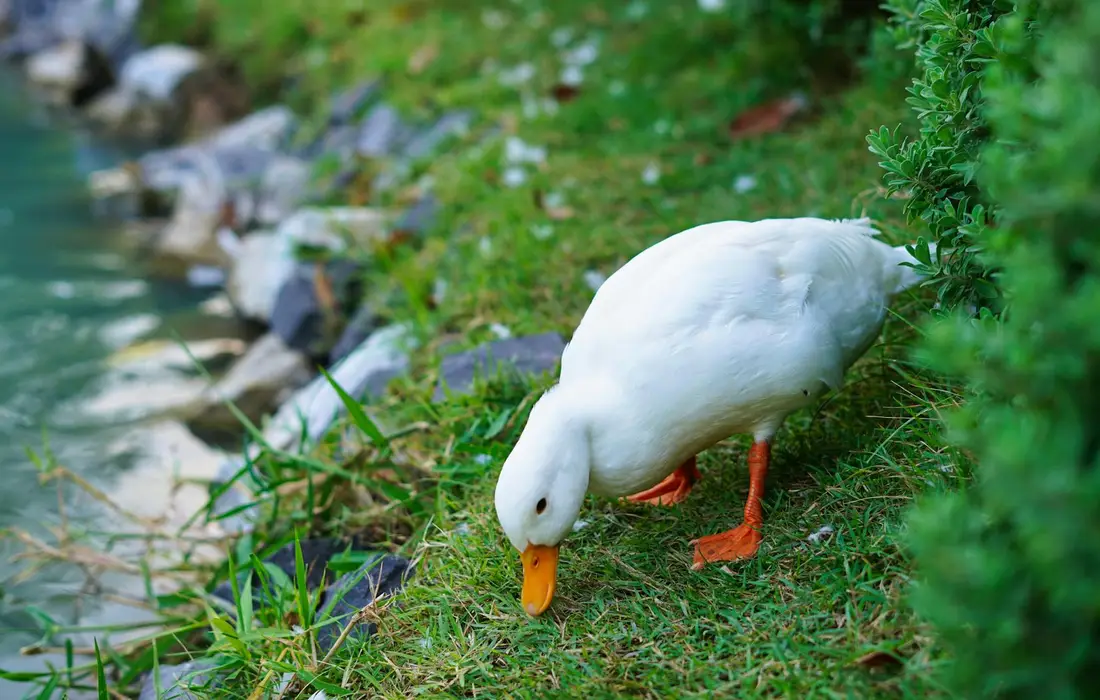
When your ducks start laying regular, their dietary demands shift like the weather. I learned this with my own Pekins years back-a hen producing eggs is burning the candle at both ends. You’ll want to provide a feed with 16% to 18% protein to maintain her body condition and support consistent, quality egg output.
But high protein alone won’t guarantee good eggs. Calcium is the cornerstone for those sturdy shells. Without it, you risk thin-shelled eggs and serious health issues like egg binding. Offer a separate, free-choice supplement of crushed oyster shell or baked, crushed eggshells in a small dish; the hens will know just how much they need.
Tailoring the Diet for Breeding Season
Come breeding time, both drakes and hens need a dietary tune-up. Their nutritional requirements aren’t quite the same, and paying attention here pays off in fertile eggs and healthy ducklings. I begin adjusting feed about a month before I plan to breed my flock, focusing on overall vitality and reproductive health.
For drakes, keep them on a good-quality maintenance ration but watch their weight. A drake carrying too much extra can struggle with fertility. For the hens, continue the higher protein and calcium, but consider adding more vitamins. A few times a week, I’ll treat my breeding flock to a scrambled egg or some soaked oats for an extra nutrient kick that supports fertility.
My Go-To Feeds and How to Serve Them
Through trial and error, I’ve settled on a few reliable feed types for my laying and breeding ducks. Specifics matter, so let’s break it down based on age and breed.
- Feed Type: I use a pelleted waterfowl layer feed if I can find it. If not, a high-quality, unmedicated chicken layer pellet works, but check the protein level meets that 16-18% range.
- Calcium Source: Never mix the oyster shell into the main feed. Keep it separate so ducks don’t overconsume it when they don’t need to.
- Presentation: Use heavy, tip-proof feeders placed on a dry platform. Ducks are messy drinkers, so keep the feeder close to their water source to mimic their natural dabbling behavior.
Remember, clean feed is happy feed. Wet or spoiled feed can cause more problems than it solves. Check those feeders daily, and don’t be shy about brushing out the old crumbs to keep everything fresh.
Steering Clear of Trouble: Foods That Are Toxic to Ducks
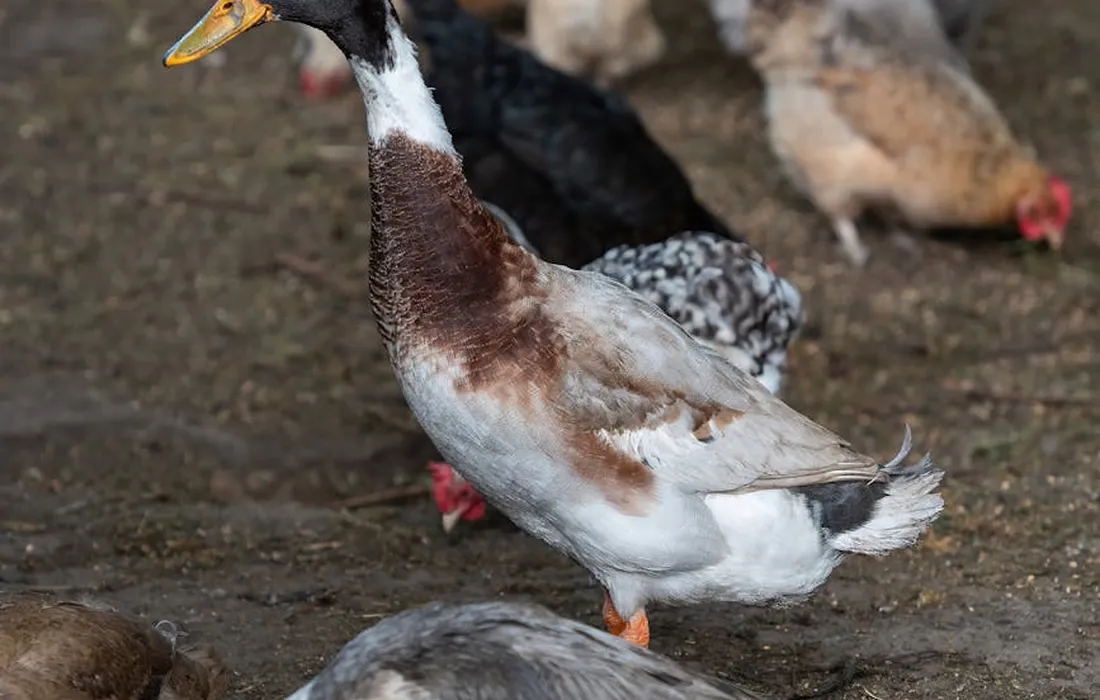
Keeping a flock safe is as much about knowing what not to feed as it is about filling their trough. I’ve learned that ducks, with their enthusiastic appetites, will sample nearly anything, so a vigilant steward makes the rules clear. Their metabolism is different from ours or even chickens’, and some common foods can cause serious harm or worse. That’s why it’s crucial to know which foods are toxic or unsafe for ducks and should never be offered. Keeping that in mind helps prevent injuries and illness in the flock.
Here’s a list of the main offenders you need to keep far away from your pond and run.
- Avocado: Every part-the pit, skin, and flesh-contains persin, a toxin that can cause heart damage and respiratory distress in ducks. It’s an absolute no.
- Chocolate & Caffeine: That theobromine and caffeine in chocolate, coffee, or tea acts as a potent stimulant. For a duck, it can lead to hyperactivity, seizures, and cardiac issues. A little can do a lot of damage.
- Onions & Garlic: In large quantities, these can cause hemolytic anemia, damaging their red blood cells. A tiny bit of garlic in a commercial feed supplement is formulated to be safe, but I never offer the raw bulbs from my garden.
- Citrus Fruits: While not instantly deadly, citrus can interfere with calcium absorption and may cause digestive upset. I avoid it to keep eggshells strong and bellies happy.
- Raw, Dried, or Green Potatoes: The solanine in these, especially in the eyes and green skins, is a toxin. Cooked plain potato flesh is fine in tiny treats, but the risk isn’t worth it in my book.
- Rhubarb Leaves: They’re loaded with oxalic acid, which can bind calcium and lead to kidney failure and soft-shelled eggs.
- Alcohol & Mold: This seems plain, but I’ve seen folks think a bit of beer won’t hurt. It does. Likewise, never offer anything moldy-bread, feed, or grain. Mycotoxins in mold can be fatal.
Everyday Safety Tips for the Duck Keeper
Beyond the obvious toxins, a few simple practices will keep your flock thriving. It’s the husbandry habits, formed over seasons, that prevent most problems.
- Ban Salty, Sweet, and Processed Snacks: Duck kidneys can’t process much salt, and sugary or fatty people-food leads to angel wing and obesity. Stick to their formulated feed and healthy treats.
- Never Toss Moldy Feed: If a bag of feed gets damp or smells off, don’t feed it out. Compost it far from your animals. I keep feed in sealed metal cans to stop moisture and pests.
- Change Diets Gradually: Switching from chick starter to grower, or introducing a new grain? Mix it in over a week. A sudden change can shock their digestive system, leading to diarrhea or impacted crops.
- Mind the Green Tomatoes & Nightshades: Like potatoes, the leaves and vines of tomatoes, eggplants, and peppers contain solanine. The ripe fruit is generally safe, but I keep my ducks out of the vegetable patch altogether.
- Provide Grit Separately: Ducks need insoluble grit (like small granite chips) in a separate dish to grind their food, as they don’t have teeth. Without it, they can’t properly digest whole grains or tough greens.
A good rule from my granddad still holds: if you aren’t 110% sure it’s safe, then it’s not duck food. Their health is a direct reflection of our care and caution at the feed bucket.
Closing Tips for a Well-Fed Flock
How often should you feed ducks?
For most backyard flocks, free-choice feeding is simplest, allowing ducks to eat throughout the day. If you prefer scheduled feeding, offer a main meal in the morning and a smaller portion in the evening to check on their health and appetite. A duck feeding schedule often helps determine how much to feed each day. This can cut waste and prevent overfeeding.
What is the best feed for laying ducks?
A high-quality layer feed with 16-18% protein is essential for consistent egg production. Always provide a separate dish of crushed oyster or eggshell free-choice so hens can take the extra calcium they need for strong shells.
How much do ducks eat?
An adult duck typically eats about 1/4 to 1/3 pound of commercial feed daily. Their total consumption will vary based on their access to forage, as a good pasture full of bugs and greens will significantly reduce their need for processed feed and can affect their feeding schedule.
What do wild ducks eat in a pond?
In a pond, wild ducks primarily dabble for aquatic plants like duckweed, small fish, and insect larvae. They also upend to reach snails, freshwater shrimp, and roots in the muddy bottom, creating a diverse, protein-rich diet. This pattern reflects wild ducks’ natural foraging habits and seasonal diets. It also ties into questions about whether wild ducks eat according to these natural foraging patterns and seasonal diets.
Can ducks eat bread?
No, bread is harmful “junk food” for ducks. It provides no nutritional value, can cause life-threatening angel wing, and pollutes water sources with mold and algae growth, which is especially problematic in a farm pond setting. Many people wonder why ducks eat bread and what safe alternatives exist.
What should you feed ducklings?
Ducklings require a non-medicated starter crumble with 20-22% protein for their first two weeks. You must supplement this with a niacin source, like brewer’s yeast, to prevent leg deformities and ensure proper growth.
Shutting the Gate
We’ve covered a powerful lot of ground on what to put in the feed trough, but if you remember just one thing from this old farmer, let it be this. The absolute best feed in the world won’t do a lick of good if your ducks don’t have constant access to clean, deep water to wash it down. Their silly dabbling and head-dunking isn’t just for show; it’s how they survive and thrive.
I reckon I’ll head on back to the pasture now. There’s a gaggle of Pekins waiting by the gate, likely just to tell me the pond level is perfectly adequate. I hope this guide helps your flock stay plump, sassy, and productive. There’s few things more satisfying than watching happy ducks busy about their work on a homestead. We’d love to hear what works for y’all over on the farm. Until then, happy quacking.
Further Reading & Sources
- What Do Ducks Eat? | Canal Wildlife | Canal & River Trust
- What Do Ducks Eat? | Bird Spot
- A Guide to the Ideal Diet for Backyard Ducks | Grubbly Farms
Caroline Mae Turner is a lifelong farm girl raised on red clay, early mornings, and the sounds of a bustling barnyard. With hands-on experience caring for everything from stubborn goats to gentle dairy cows and mischievous pigs, Caroline shares practical, tried-and-true advice straight from the farm. Her goal is to help folks keep their animals healthy, well-fed, and living their best barnyard life. Whether you're wrangling chickens or bottle-feeding a baby goat, Caroline brings a warm Southern touch and plenty of real-world know-how to every bucket in the barn.
Diet Requirements