
What Vegetables Can Ducks Eat? Your Guide to Safe Snacks and a Happy Garden
Published on: June 13, 2026 | Last Updated: June 13, 2026
Written By: Caroline Mae Turner
Howdy y’all, and welcome back to the barn. If you’re watching your waddling crew make a beeline for your lettuce patch, your heart might be sinking faster than a duck’s butt in a pond. Let’s settle your nerves right now: the vast majority of common garden vegetables are not only safe for ducks, they’re a fantastic, nutritious supplement to their feed.
What you’ll need:
- A quick-reference list of safe vegetables (we’ll get to that)
- A good knife and cutting board for chopping
- A clean water bowl for serving
We’ll get this all sorted faster than you can shoo them off the tomatoes, so you can get back to the rest of your chores with peace of mind.
Understanding the Duck’s Dinner Plate: More Than Just Pond Scum
Now, I reckon a lot of folks see ducks dabbling in the pond and think that’s the whole menu. I’ve watched my flock for years, and while they do love that aquatic salad bar, a duck’s gut is built for variety. Providing vegetables isn’t just a treat; it’s a cornerstone of good stewardship, filling in the nutritional gaps that commercial feed and forage can miss. There’s a quick guide to ducks’ vegetables—peas, corn, beans, and leafy greens—that fits with this approach. These options make sense as practical, nourishing additions to a duck’s diet.
Their digestion is a robust system, but it needs roughage and vitamins to run smoothly, much like a well-oiled tractor. I learned this early on when my first ducks had lackluster feathers. Adding a daily scoop of garden goods transformed their plumage and their energy, proving that kitchen scraps are a currency of health on the homestead. Knowing what to feed them is essential for their well-being, so it’s important to follow a complete diet and healthy treat guide for pet ducks.
You must think of their diet in layers: a base of quality feed, free-choice grit for grinding, clean water for washing food down, and then our vegetable contributions. This layered approach prevents waste and ensures every bite delivers value, honoring the thrifty spirit of farm life.
The Barnyard Bucket List: Safe Vegetables for Your Flock
Y’all ready to raid the garden? Here’s my time-tested list of safe veggies, sorted by type. Remember, always introduce new foods slowly and chop pieces smaller than a beak’s width to prevent choking.
Leafy Greens and Tender Tops
These are the daily staples, packed with vitamins and easy to grow. I often toss a handful into their water tub; it keeps them busy and hydrated.
- Kale & Swiss Chard: Cold-hardy champions. I grow extra rows just for the ducks. The stems are tough, so I chop them fine.
- Lettuce (Romaine, Butterhead): A superb hydrating snack. Avoid iceberg-it’s mostly water with little nutrition.
- Spinach & Beet Greens: Feed these in moderation due to oxalates. A few times a week is perfect for a mineral boost.
- Radish Tops & Carrot Greens: Don’t you dare toss these! My ducks flock to me when I have a basket of thinnings from the garden.
Wilted or slightly past-prime greens from your kitchen are perfectly fine, turning potential compost into premium poultry feed.
Crunchy Favorites and Garden Bounty
This is where texture matters. The crunch helps keep their bills in good shape and satisfies their foraging instinct.
- Cucumbers & Zucchini: Summer lifesavers. Slice them into coins. My ducks will eat these before anything else on a hot day.
- Carrots & Peas: Either raw or lightly steamed to soften. Frozen peas are a fun, peckable treat thawed in warm water.
- Bell Peppers: All colors are safe. Remove the seeds and stem, then chop the crunchy flesh. They provide a fantastic vitamin C kick.
- Sweet Corn: Cut the kernels off the cob. Never give them the dry, hard field corn meant for livestock.
I save all my vegetable peels from supper prep, give them a good rinse, and run them through the old hand-crank food chopper for a mixed duck salad.
Seasonal Specials and Winter Squash
When the garden winds down, these storage vegetables shine. They’re economical and keep for months in the root cellar.
- Pumpkins & Winter Squash (Butternut, Acorn): Scoop out the seeds and bake the shell until soft. I let it cool, then break it into chunks. The seeds are a natural dewormer.
- Sweet Potatoes: Always cooked! Boil or bake them, then mash. Raw sweet potatoes are hard to digest.
- Broccoli & Cauliflower: The florets and stems are both fair game. Chop the stems small. These are great for fall flocks.
- Green Beans: Must be cooked (steamed or boiled) to neutralize lectin. I cool them and snip into half-inch pieces.
After Halloween, I collect unwanted pumpkins from neighbors-my ducks devour them, and it teaches a fine lesson in resourcefulness to the young ones.
How to Serve a Proper Veggie Feast: Safe Feeding Tips
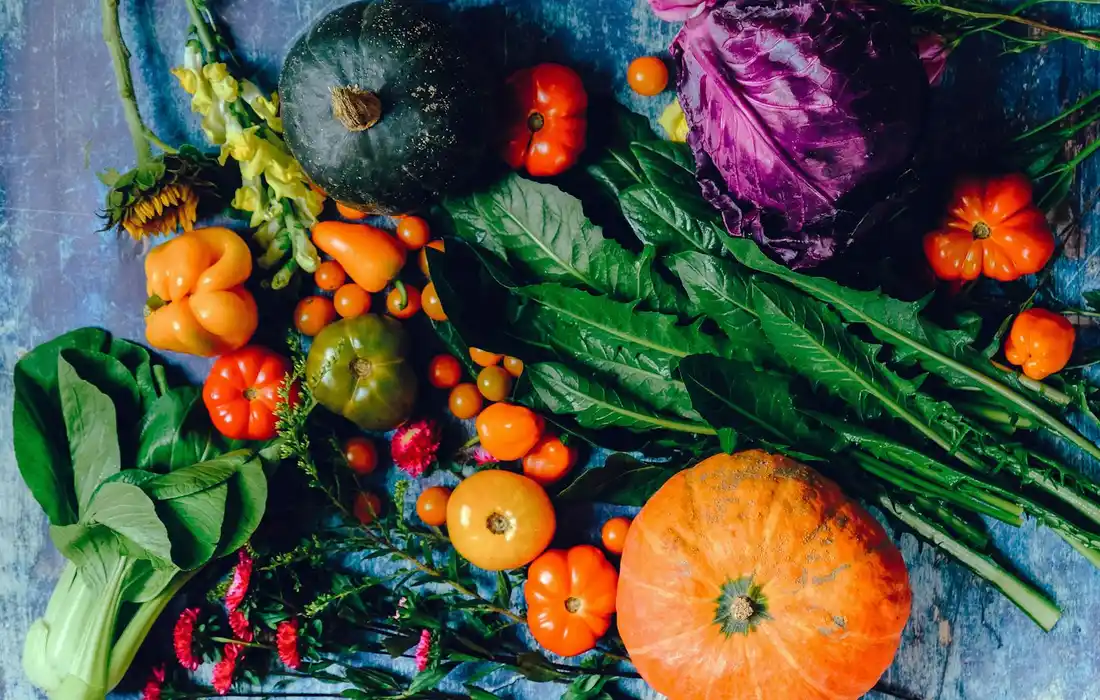
Now, just ’cause a vegetable is safe doesn’t mean you can just toss a whole pumpkin in the run and call it a day. How you serve their greens matters just as much as what you serve. I learned this the hard way years back with a bunch of overzealous ducklings and some tough kale stems.
Step 1: Prep It Right
Think of your ducks’ bills as delicate, nibbling tools, not wood chippers. You need to help them out. For most veggies, that means a good chop.
- Chop leafy greens, herbs, and softer veggies like zucchini into manageable ribbons or bits. A rough chop to about half-inch pieces is perfect.
- Grate or shred hard vegetables like carrots, beets, or whole winter squash. Their bills can scoop this up easily.
- For things like pumpkin or squash, you can cut them into flat wedges they can pick at, but I find roasting or steaming them soft first makes the nutrients more available and reduces waste.
- Always soak wilted greens or tougher garden trimmings in a bucket of cool water for an hour or so. This rehydrates them, cleans off dirt, and makes them crisp and appealing. A quick soak turns sad, leftover greens into a duck delicacy they’ll chase you for.
Step 2: Serve It Safe
Presentation ain’t just for fancy dinners; it’s for safety and thrift on the farm, too.
- Serve veggies in a shallow, heavy dish or a flat pan with clean water. The water helps them wash each bite down, which is how ducks naturally eat.
- Never, ever serve their vegetable portion in their primary drinking water. It will foul the water instantly, leading to bacterial growth and sick birds.
- Treat vegetables as a supplement or treat, not the main course. A good rule of thumb is that treats (including veggies) shouldn’t make up more than 10-15% of their total daily diet. The rest should be their complete waterfowl or poultry feed.
- Time it right. I like to offer the veggie feast in the late morning or early afternoon. This ensures they’ve filled up on their nutrient-dense pellets first.
Step 3: Clean It Up
This step is non-negotiable if you want healthy ducks. Ducks are wonderfully messy, and leftover produce rots fast.
- Remove any uneaten fresh vegetables within a couple of hours, especially on hot days. That mushy, fermented pile is a breeding ground for mold and pests.
- Rinse their serving dish thoroughly. A quick scrub with a dedicated brush and a splash of vinegar solution keeps it sanitary.
- Watch their run or yard for tossed-away bits. If you see a chunk of zucchini hiding in a corner for days, pick it up. Good barnyard stewardship means cleaning up after the feast as diligently as you prepared it.
- Compost all the leftovers and scraps! Your garden will thank you next season, completing the beautiful cycle of farm life.
What Not to Feed: The Short and Serious “No” List
Now, I reckon we’ve all been tempted to toss our kitchen scraps straight to the quacking crowd. Let me tell you about the time I fed a handful of wilted onion tops, thinking nothing of it, and spent the next day worried sick over a listless runner duck. Some common garden veggies contain compounds that a duck’s system simply cannot handle, and knowing this list by heart is part of responsible stewardship.
Here are the main offenders that should never cross the fence into your duck yard.
- Onions, garlic, leeks, and chives are absolutely forbidden. All alliums, whether raw, cooked, or dried, can cause hemolytic anemia by breaking down a duck’s red blood cells. I don’t even compost these where my ducks can forage.
- You must keep all parts of the avocado, especially the skin and pit, away from ducks. They contain persin, a toxin that can lead to respiratory congestion and heart failure in birds rapidly.
- Rhubarb leaves are a hard no for any livestock in my book. Their high concentration of oxalic acid can cause a dramatic drop in calcium levels, leading to kidney failure and tremors.
- Green potatoes, potato sprouts, and tomato vines and leaves are dangerous. They contain solanine and other glycoalkaloids that severely irritate the digestive tract. I only offer ripe tomato flesh sparingly as a rare treat.
- Never feed dried or undercooked beans of any kind. They hold phytohemagglutinin, a potent toxin that can cause digestive shutdown. If you must share beans, they must be thoroughly cooked and cooled, but I find it’s easier to just avoid them altogether.
- Citrus fruits like oranges and lemons are too acidic for a duck’s gut. While not immediately toxic, they can disrupt digestion and cause sore mouth ulcers, so I steer clear.
I practice a simple rule in my barnyard: if I’m not 100% certain it’s safe, it doesn’t get fed. Ducks should not eat toxic or unsafe foods, so I keep hazards out of reach. That careful habit helps ensure the flock stays healthy and curious about safe treats. Protecting your ducks from these foods is the thriftiest choice you can make, as it saves you costly vet visits and heartache down the line.
Feathered Gardeners or Feathered Foes? Protecting Your Plots
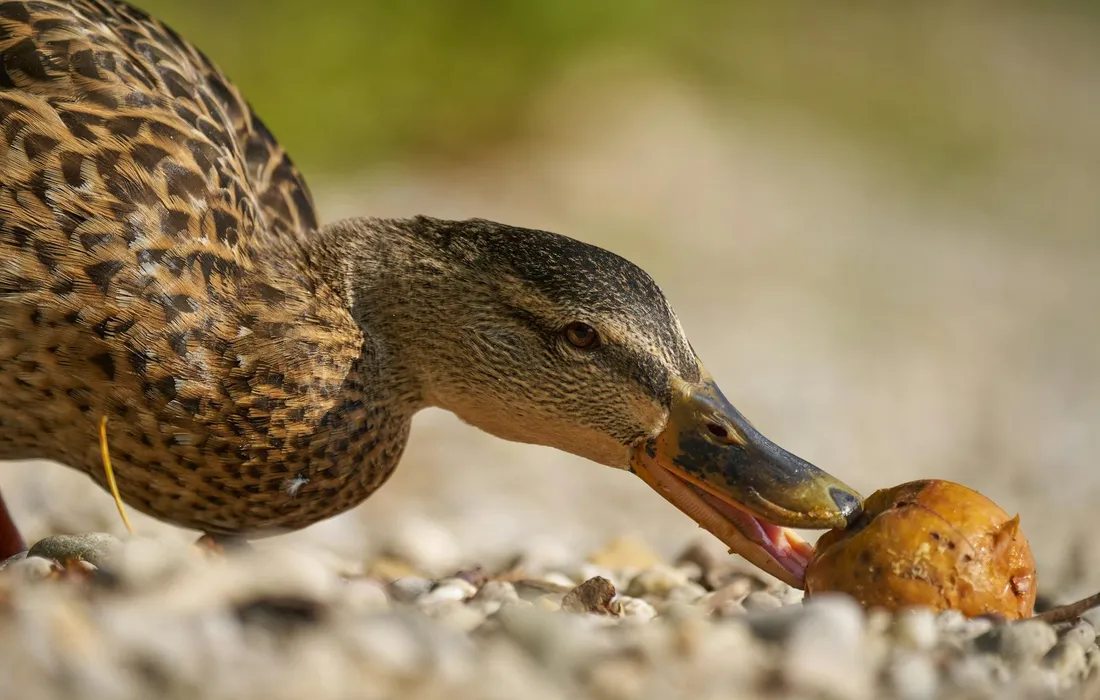
Now, y’all might be watching your ducks waddle through the rows and wonder if they’re helpers or hitchhikers. From my porch, I’ve seen them clear a patch of slugs one day and stomp my spinach the next, so I reckon context is everything. Their natural dabbling can aerate soil and eat pests, but without a plan, your harvest can disappear faster than a June bug in a duck’s bill.
Defensive Strategies for Your Vegetable Garden
You need a set of dependable tactics to shield your tender plants. My first line of defense is always a physical barrier, as trust is good but fencing is better. I learned that the hard way when a single duck decimated my beet seedlings in an afternoon.
For quick, movable protection, I use rolls of 2-foot tall poultry netting. This lightweight wire is my go-to for encircling new transplants or small, sensitive beds like lettuce and herbs. It’s affordable and you can store it easy when the season changes.
Building raised beds that stand at least 18 inches high has been a game-changer. The extra height makes most ducks think twice before hopping up, and it saves your back during planting too. My main garden is all raised now, and the losses have near vanished.
For a whole garden plot, invest in a sturdy perimeter fence. A permanent fence of 1-inch chicken wire, 24 inches high and buried 6 inches deep, will deter even the most determined diggers. Space your wooden posts every 8 feet to keep it strong against the wind and leaning ducks.
Never underestimate the power of a schedule. I only allow my flock supervised garden time in the late morning, after I’ve done my picking and when the soil is dry. This simple habit prevents muddy trampling and gives the plants a head start.
Strategic Planting and Distraction Techniques
You can work with a duck’s instincts instead of just fighting them. Planting a sacrificial crop or “duck buffet” away from your main garden is the thriftiest peace offering you can make. I keep a sunny corner with their favorites, and it keeps them busy and happy.
Ducks have clear preferences, so use them to your advantage. By sowing patches of kale, Swiss chard, or nasturtiums specifically for them, you create a powerful lure away from your beans and peppers. It’s a form of sustainable stewardship that respects their needs while protecting yours.
Timing your plantings can also reduce conflict. I get my most vulnerable crops, like baby greens and pea shoots, well established before I ever let the ducks near that part of the garden. A sturdy plant with deep roots can handle a curious nibble much better than a seedling.
Never let them into the garden on an empty stomach. Scattering a handful of cracked corn or watermelon rinds in their run before garden time takes the edge off their foraging enthusiasm. A content duck is a gentler garden visitor, in my experience — especially when they’re not tempted by suspicious leaves or squash from the garden.
Turning the Tables: How Ducks Help the Homestead Garden
Most folks look at their garden and see a buffet for ducks. I look at my ducks and see the hardest-working pest patrol and fertilizing crew I’ve ever hired. With a little managed strategy, your waddling flock can transform from garden raiders into your most valuable seasonal helpers. It’s all about timing and supervision.
Pest Patrol on Webbed Feet
I’ll never forget the year the slugs were so bad they’d gleam on the stepping stones by dawn. After a few frustrated evenings with salt shakers, I let the ducks have at it for fifteen supervised minutes each morning. Ducks are voracious consumers of slugs, snails, Japanese beetles, grasshoppers, and a host of other leaf-munching critters that plague our plants. They root them out with those sensitive bills in a way chickens simply can’t match.
- Slugs & Snails: A prime delicacy. Ducks devour them, shells and all.
- Colorado Potato Beetles: Let them tidy up your potato plants after harvest.
- Grubs: Their dabbling unearths these lawn-destroying pests.
- Moth & Beetle Larvae: They’ll clean fallen fruit and scratch through leaf litter.
The Gentle Fertilizer Service
Unlike chickens that scratch and demolish, ducks tend to tamp down soil and deposit a rich, nitrogen-heavy gift. Their manure is a fantastic “cold” fertilizer that can be worked directly into garden beds without the same burning risk as fresh chicken manure. I often pen them on a finished bed in the late fall. They’ll eat any leftover pests and weed seeds while manuring it perfectly for spring planting.
- Wait until after your main harvest.
- Fence the ducks onto that specific bed or area for a few days.
- Let them work over the plant debris and soil.
- Once they move off, simply turn their donations under the soil.
Weed Seed and Seedling Management
Those flat bills are superb for nibbling off tender green shoots. A targeted duck patrol in early spring can drastically reduce your weeding workload by grazing down young weeds before they get established. They’re especially fond of common purslane, chickweed, and young grass sprouts. You must be vigilant, though-they adore young pea and lettuce shoots just as much!
| Garden Task | Best Duck Timing | Key Supervision Note |
|---|---|---|
| Pest Cleanup | Early morning or evening for slugs/snails. Post-harvest for remaining bugs. | Limit time to 15-30 minutes to prevent plant damage. |
| Soil Fertilization | Late fall or early spring on empty beds. | Use temporary fencing to keep them where you want the nutrient boost. |
| Weed Suppression | Very early spring, before desirable seeds sprout. | Only allow access to areas where no crops are sown yet. |
The key is to remember that ducks are not chickens. Their help is deliberate and ground-level, making them perfect partners for certain garden stages if you direct their natural behaviors. It turns a potential problem into a productive partnership right there on the homestead.
From the Coop to the Kitchen: A Thrifty Bonus
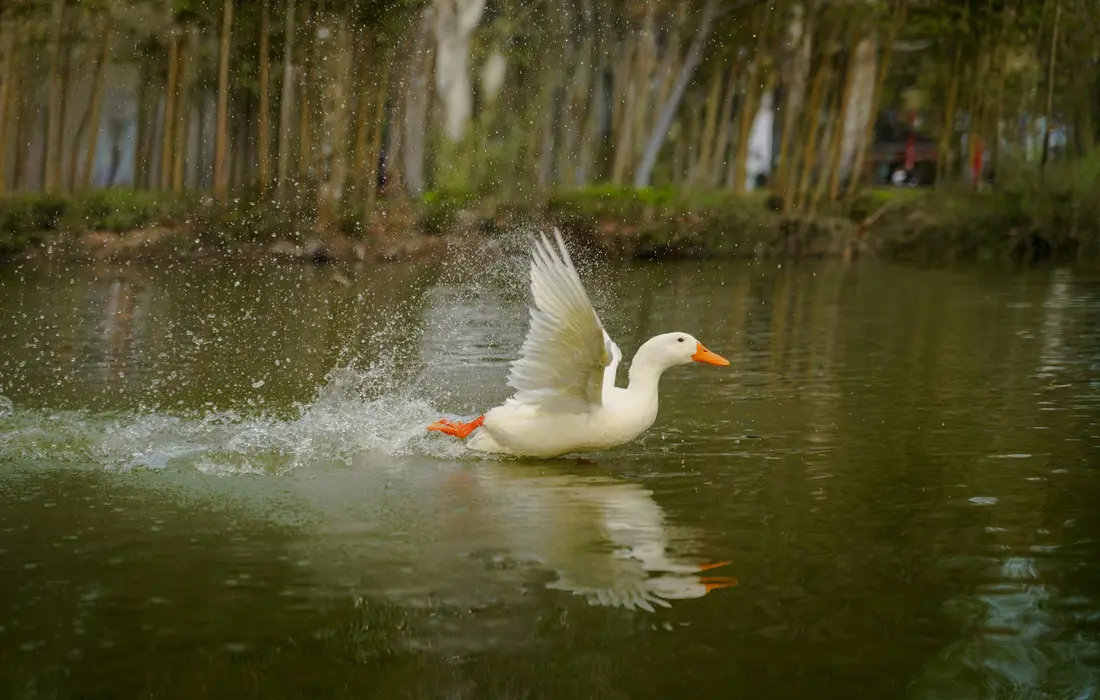
Let me tell you, one of the sweetest satisfactions on this farm isn’t just a basket of eggs; it’s watching not a single scrap of food go to waste. Turning your kitchen leftovers into wholesome duck feed is the very heart of thrifty homesteading, saving you money on feed bills and reducing your waste pile in one fell swoop. I’ve kept a mason jar on the counter for decades, just for collecting veggie trimmings for the birds.
Your Duck’s Shopping List: Straight from the Fridge
Most of your meal-prep odds and ends are duck gold. Just chop pieces to a size they can swallow easily to prevent choking. Here’s what my flock cleans up regular:
- Leafy Greens: Kale stems, lettuce hearts, Swiss chard ribs, and carrot tops. They’ll peck at spinach, but I go easy-too much can interfere with calcium.
- Root Vegetables: Potato and sweet potato peels (cooked only, never raw), beet tops, and carrot peelings. Cooked pumpkin and squash guts from pie-making are a fall favorite.
- Brassica Bits: The tough outer leaves of cabbage, broccoli stalks, and cauliflower cores. Chop these fine for easy eating.
- Corn & Peas: A handful of frozen peas or corn kernels, thawed, makes a fine treat. They’re lower in protein but high in energy.
A word from the wise barnyard: Avoid anything moldy, heavily salted, or from the allium family-onions, garlic, leeks-as these can cause digestive upset and anemia in ducks over time. I learned that lesson the hard way with a batch of spoiled tomato ends that left my Pekins feeling poorly for a day.
Prepping Scraps for Happy Bills
You can’t just toss a whole cabbage core into the run. Follow these simple steps for safe, mess-free feeding.
- Wash It: Rinse all scraps to remove any lingering sauces, salts, or dirt from the garden.
- Chop It: Dice or shred tougher items. Ducks don’t have teeth, so smaller pieces prevent waste and ensure they get the nutrition.
- Mix It: Stir the scraps into their regular layer pellet or crumble. This encourages them to eat their complete feed first and ensures they aren’t just filling up on treats.
- Serve Wet: Ducks need water to eat. Serve their mash in a shallow pan with fresh water nearby, or sprinkle over damp pellets.
A Quick Guide to Common Scraps
| Vegetable Scrap | Preparation Needed | Feeding Frequency |
|---|---|---|
| Lettuce cores & wilted greens | Roughly chop | Daily |
| Cooked potato peels | Mash or chop small | 2-3 times a week |
| Broccoli stalks | Grate or finely dice | Several times a week |
| Cucumber ends | Slice into thin coins | Daily (great hydration) |
| Sweet corn cobs (cooked) | Let them peck at leftover kernels | Occasional treat |
The Beautiful Cycle: Scraps, Ducks, and Garden Gold
This thriftiness circles right back to your land. Those vegetable scraps you feed return to the earth as rich, nitrogen-heavy manure that your compost pile and garden will thrive on. Beyond the feed bucket, a well-managed duck run provides fertilizer that’s pure black gold for next season’s tomatoes. I reckon it’s the closest thing to a free lunch you’ll find on the homestead.
Remember, treats and scraps should never make up more than 10-15% of your duck’s total diet. Their main fare must always be a balanced waterfowl feed to ensure they get the 16-18% protein and vital nutrients like niacin that kitchen leftovers simply can’t provide alone. It’s all about balance, just like a good stew. A handful of grated zucchini here, some chopped greens there, and you’ve got yourself a flock of hearty, productive ducks without breaking the bank. Understanding their dietary needs is crucial for maintaining their health and productivity.
Closing Tips for the Thrifty Homesteader
Can I feed my ducks the vegetable scraps left over from making duck fat roasted vegetables?
Absolutely, but with one critical rule. Ensure the vegetables were cooked only in duck fat and seasonings safe for ducks, like a bit of thyme or rosemary. Never feed them scraps seasoned with onion, garlic, salt, or other harmful spices from your kitchen preparation. When it comes to feeding ducks, it’s especially important to be cautious with any meat or kitchen scraps to avoid potential harm.
What are the benefits of using duck fat for cooking my own vegetables?
Using rendered duck fat is a fantastic way to honor the whole animal and add rich, savory flavor to your homestead meals. It’s a high-smoke-point fat perfect for roasting root vegetables from your garden, creating a delicious cycle of homegrown food.
Is it safe to give my ducks the vegetables after I’ve roasted them in duck fat?
No, you should not share these roasted vegetables with your flock. Vegetables prepared for human consumption are typically seasoned with salt, onions, garlic, or other ingredients that are toxic to ducks. Always serve your ducks their vegetables raw or plainly steamed, especially when considering any human food that may be unsafe for them.
Can I use duck fat to cook vegetables specifically as a treat for my other farm animals?
While ducks shouldn’t eat seasoned cooked veggies, other livestock like pigs or chickens might enjoy small amounts of plain, unsalted vegetables cooked in duck fat as a rare, high-energy supplement. Always research specific dietary needs for each animal species first. For ducks, a complete vegetable feeding guide helps identify safe greens and proper portions. It provides duck-specific veggie options and feeding patterns to keep them healthy.
How do I properly render duck fat from my homestead birds for cooking?
Carefully trim the fat from the cavity and skin of the duck, chop it into small pieces, and slowly heat it in a heavy pot with a little water until the fat liquefies and the cracklings brown. Strain the clear fat into jars; it will keep for months in the fridge or freezer.
Do you have a simple recipe for roasting garden vegetables in homestead duck fat?
Toss hearty garden vegetables like chopped potatoes, carrots, or parsnips in a spoonful of rendered duck fat, season with salt and pepper, and roast at 400°F until tender and crispy. This simple recipe turns your garden harvest into a flavorful, frugal side dish.
Shutting the Gate
When all’s said and done, feeding your ducks from the garden is about joyful simplicity and sensible care. The single best piece of advice I can give you, worn smooth from years at the pond’s edge, is to always introduce new vegetables slowly and in small amounts, watching your flock’s reaction as closely as you’d watch a coming storm. This patience prevents upset bellies and lets you see what truly delights your birds. You might also wonder how wild ducks’ pond diets compare to a backyard duck’s meals. Do wild ducks eat the same foods you’d offer in a pet pond, or are there items to avoid in a backyard setting?
I’m mighty grateful we could chat about this today. Now, go enjoy the simple rhythm of tossing out some chopped squash and watching your ducks happily quack their thanks. There ain’t much better than a contented flock on a homestead. Y’all take care out there.
Further Reading & Sources
- What do ducks eat? Six things you can feed ducks
- What Ducks Can and Can’t Eat: The Ultimate List
- r/YouShouldKnow on Reddit: YSK you should feed ducks vegetables and fruits rather than bread.
Caroline Mae Turner is a lifelong farm girl raised on red clay, early mornings, and the sounds of a bustling barnyard. With hands-on experience caring for everything from stubborn goats to gentle dairy cows and mischievous pigs, Caroline shares practical, tried-and-true advice straight from the farm. Her goal is to help folks keep their animals healthy, well-fed, and living their best barnyard life. Whether you're wrangling chickens or bottle-feeding a baby goat, Caroline brings a warm Southern touch and plenty of real-world know-how to every bucket in the barn.
Diet Requirements