Can Pigs and Guinea Pigs Eat Bananas? The Farmer’s Definitive Guide
Published on: June 16, 2026 | Last Updated: June 16, 2026
Written By: Caroline Mae Turner
Howdy y’all. Staring at that bunch of overripe bananas on the counter and wondering if they can go to the critters instead of the compost? Yes, both your pigs and your guinea pigs can enjoy bananas as a tasty treat, but the devil-and the digestive health-is in the details of how much and how often.
- A ripe banana (peeled)
- A sharp paring knife for dicing
- A steady cutting board
Let’s peel back the layers on this fruity question so you can hand out snacks with confidence and get back to the rest of your fence-mending, garden-tending day.
The Straight Answer on Banana Safety
Well now, let’s not beat around the bush. Yes, you can share a banana with both your guinea pigs and your porkers. The flesh of this tropical fruit is a safe, occasional treat for your barnyard crew when offered with a good dose of common sense. I’ve handed out many a mushy banana from my own kitchen to thankful snouts and squeaks over the years.
You do need to mind the peel, though. For your little cavies, that tough peel is a choking hazard and hard on their delicate digestion, so I always strip it clean off. For the pigs, a well-washed organic peel can be a fibrous snack, but conventional peels often carry pesticide residues I’d rather not feed. My rule is simple: if I wouldn’t eat the peel myself, I don’t give it to the animals—especially when it comes to feeding potato peels to pigs and guinea pigs.
The real sticky point is the sugar. A banana packs a sweet punch that can lead to weight gain and upset tummies if overdone. Think of it as candy from the compost pile-a special delight, not a staple of their diet. I reckon it’s our job as stewards to balance their joy with their health.
Portion Control: A Little Goes a Long Way
Moderation is the cornerstone of good husbandry, and it sure applies here. Offering too much of a good thing is a fast track to health troubles, wasting both your feed money and your animal’s well-being. A thrifty homesteader uses treats to supplement, not sabotage, a balanced diet.
For Your Tiny Grazers: Guinea Pig Portions
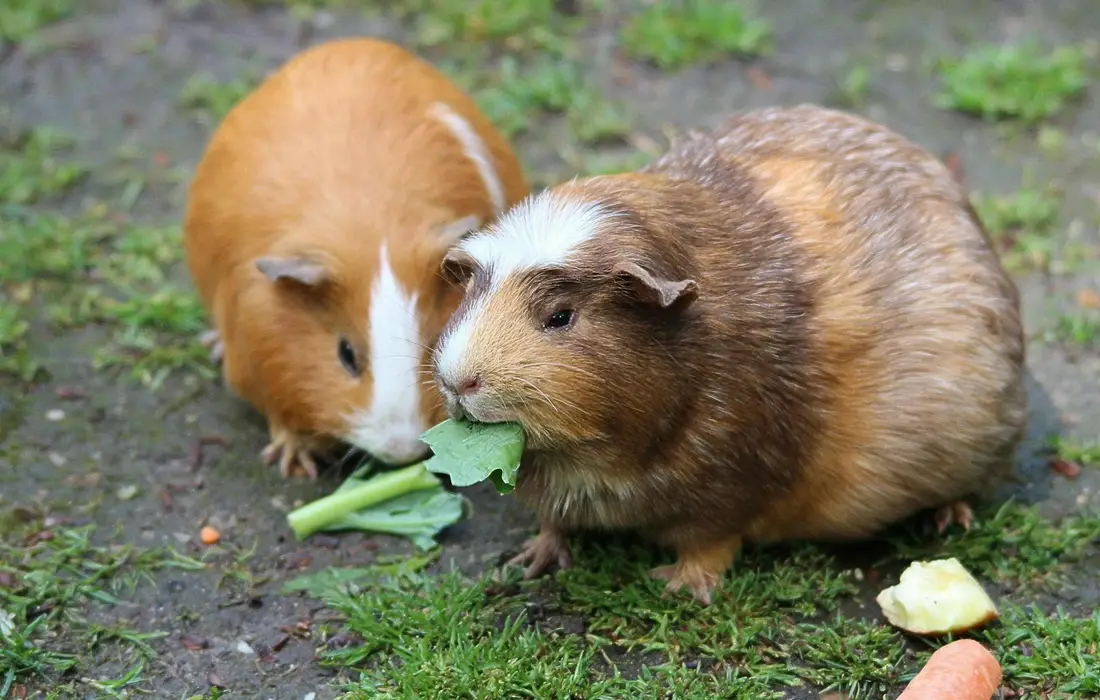
These little fellows have tiny digestive systems and a mighty need for vitamin C. While banana has some, it’s not their best source. A piece of banana about the size of your thumbnail, once a week, is plenty for one guinea pig. That’s roughly a half-inch slice, mind you. I usually split one banana slice among my whole herd as a Friday treat.
Follow these steps to do it right:
- Peel the banana completely and discard the skin.
- Cut a thin slice, no thicker than a pencil.
- Chop that slice into tiny, bite-sized cubes to prevent choking.
- Serve it fresh, and remove any uneaten fruit from the hutch within an hour.
For Your Rooting Companions: Pig Portions
Now, a hog can put away a lot more, but their diet should still be primarily their quality grain ration. I use the “fist-sized” rule for my adult pigs: one whole, peeled banana per 100 pounds of body weight, no more than twice a week. For a weaner pig, a couple of hearty bites is sufficient. These choices fit within the comprehensive guide to pig nutrition. It covers balancing rations, treats, and growth across different ages.
You can get creative with how you serve it:
- Mash it into their regular feed as a flavor booster on a hot day.
- Freeze chunks in a block of ice for a hot-weather enrichment treat.
- Slice it and scatter it in their rooting area to encourage natural foraging behavior.
Always account for these sweet treats by slightly reducing their daily grain ration to keep their total calorie intake steady. I’ve seen a bored pig turn into a portly pig right quick on too many kitchen scraps, bananas included.
Banana Peels: To Feed or Not to Feed?
That’s the question that’ll stop you in your tracks, peel in hand, right there at the fence line. It’s a thrifty notion, using every last scrap, and I admire that spirit. Whether that thick yellow skin is a treasure or trash for your critters depends entirely on who’s waiting at the trough. Let’s peel back the layers on this one.
Peels and Small Mammals
Now, for your smaller livestock like guinea pigs or rabbits, caution is your best friend. The flesh of a banana is a sweet, potassium-rich treat for them, but the peel is a different story. It’s not toxic, but it’s tough, fibrous, and can be hard for their delicate digestive systems to process in any real quantity. If you’re considering banana peels for rabbits, follow safety prep steps: wash the peel, trim rough bits, and cut into small pieces. Introduce them slowly and monitor digestion.
My biggest concern, born from hard experience, is what’s on that peel. Commercial bananas are sprayed with more pesticides than you’d care to know about. Even a good scrub might not remove all the residues, which can be harmful to a small animal. I learned this lesson years ago when a favorite guinea pig had a nasty bout of digestive upset after nibbling a bit of peel I thought was clean enough. That caution also extends to rabbits, who might nibble on banana fruit or even banana leaves. Banana leaf safety should be kept in mind, and such treats should be rare.
If you’re set on offering a bit, here’s my barn-tested protocol:
- Source only organic bananas if possible.
- Scrub the peel under running water with a vegetable brush like you’re prepping it for your own supper.
- Offer only a tiny, thumb-nail sized piece as a rare curiosity, not a meal.
- Watch their droppings closely afterward. Any change means their gut is saying “no thank you.”
For small mammals, the safe bet is to stick with the soft fruit inside and compost those peels for your garden. Their systems just aren’t built for such coarse fare, and it’s our job to be mindful stewards of their health.
Peels for the Pig Trough
For your pigs, however, those peels are a whole different proposition! A pig’s digestive system is a marvel of efficiency, built to handle a wide variety of roughage and kitchen scraps. Those banana peels you’re hesitant about? To a pig, they’re a perfectly acceptable, slightly chewy snack, especially when included as part of their fruit diet.
I routinely toss banana peels into my mixed scrap bucket for the hog pen. They’re a good source of extra fiber and some nutrients, and my Berkshire sows crunch them down without a second thought. Remember, a pig’s diet should be primarily a balanced commercial ration-think of scraps and peels as the salad side dish, not the main protein course. Their growth and health depend on that consistent protein base, usually around 16-18% for growing pigs.
Here are my ground rules for feeding peels to pigs:
- Chop or Mash Them: Whole peels can be slippery and a choking hazard, especially for younger pigs. I give mine a rough chop with a shovel or mix them into wet mash.
- Inspect for Mold: Never, ever feed a moldy or fermented peel. That’s an invitation for illness.
- Wash When You Can: I give non-organic peels a quick rinse to knock off any loose dirt or residues, same as I would for my garden.
- Moderation is Key: A few peels from the family’s breakfast bananas are fine. A whole garbage bag of peels from the grocery store is a recipe for unbalanced nutrition and potential digestive upset.
Pigs will turn those peels into rich compost for you faster than any bin in your backyard, returning that goodness to the land in the most sustainable way. It’s a beautiful cycle of thrift and stewardship right there in the mud of the pen.
Understanding the Risks and Rewards
Offering treats from the kitchen is one of the simple joys of farm life, but knowing your critters’ limits is the mark of a good steward. A treat that’s a delight for one animal can be a digestive disaster for another, so let’s break down the banana specifics for our smaller and larger porch pals. I’ve learned these lessons through trial, error, and a few messy cleanups I’d rather forget.
Guinea Pigs: Sugar and Sensitive Digestion
Now, our guinea pig friends are delightful little fellows, but their digestive systems are as delicate as a watch mechanism. They thrive on a steady diet of high-quality hay, a sprinkle of fortified pellets, and fresh, leafy greens. Bananas enter this equation as a very potent, very sugary exception that must be handled with extreme care. Their main risk isn’t toxicity; it’s the sheer sugar and starch content disrupting their fragile gut flora. Beyond bananas, there are uncommon fruits and vegetables for guinea pigs that can be offered sparingly. We’ll explore those options in more depth in the next steps.
Too much banana can lead to painful gas, diarrhea, and a condition called gastrointestinal stasis, where their gut slows down or stops-a genuine emergency. I recall one chilly morning finding my old sow, Matilda, hunched and still after the children had been a bit too generous with their fruit scraps the day before. A tense day of syringe-feeding water and critical care followed, teaching us all a lasting lesson.
If you choose to offer this sweet treat, follow these rules to the letter:
- Portion Control is Paramount: A single, thin slice (about the thickness of a pencil) per guinea pig, once or twice a month at most, is the absolute limit.
- Peel is a Hard No: The peel is far too fibrous and difficult for them to digest and poses a serious choking or blockage hazard.
- Observe Closely: After offering a new treat, watch their droppings for the next 24 hours. Any change in consistency means bananas don’t agree with them.
- Prioritize Fiber: Always ensure unlimited timothy or orchard grass hay is available. The hay’s roughage helps keep their ever-growing teeth worn and their complex digestion moving properly, countering the banana’s soft sugar.
Pigs: Moderation in All Things
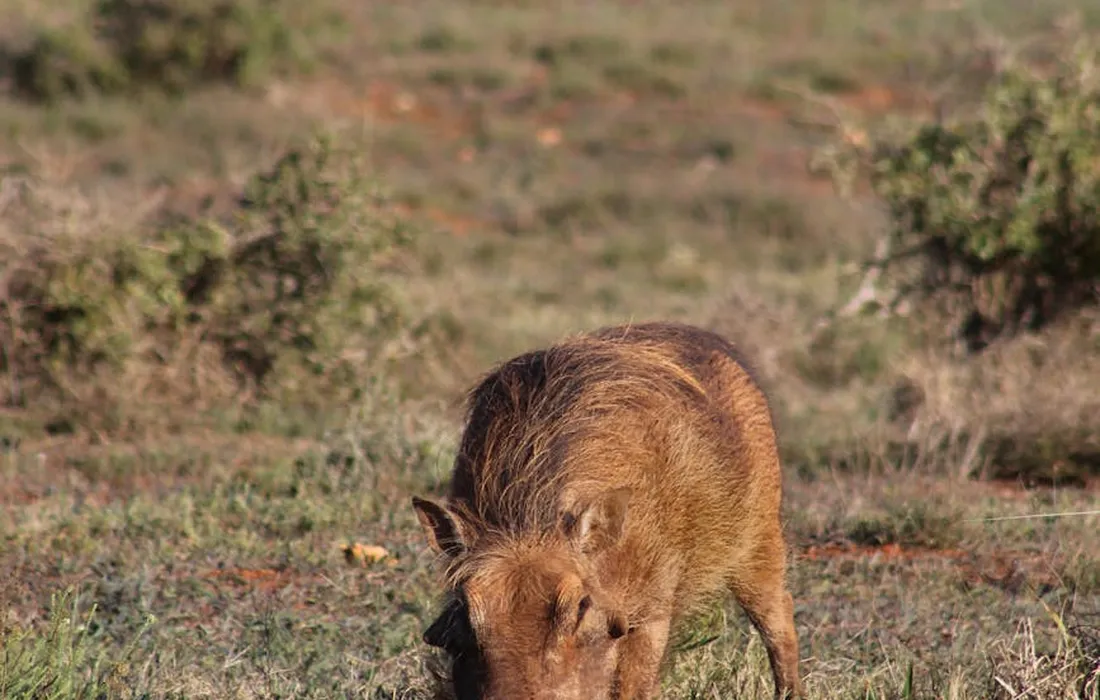
Pigs, bless their hearts, are gastronomic opportunists with a famously robust digestive system. They can process a wider variety of foods than our guinea pigs, but “can” and “should” are two different pastures. The primary risk for pigs with bananas isn’t a delicate stomach, but rather obesity and nutritional imbalance when fed in excess. A pig will happily eat bananas until they are gone, peel and all, but a responsible keeper must set the limit.
Bananas are high in potassium and sugars, which are fine in tiny doses but can lead to a portly porker if overdone. An overweight pig is at risk for joint problems, heart strain, and reproductive issues. Think of a banana as the rich dessert after their main course of a complete grower ration.
Here’s how I incorporate bananas into my pigs’ diet without courting trouble:
- Treat, Not Feed: Bananas should never constitute more than 5% of their daily diet. For a growing pig, that’s maybe half a small banana; for a large sow, a whole one.
- The Peel is Optional: Unlike for guinea pigs, pigs can digest banana peels. I often give them the whole fruit, as the peel adds beneficial fiber. Just ensure it’s washed to remove any pesticide residue.
- Use for Training & Enrichment: Small banana pieces are fantastic for positive reinforcement during training or to stuff into a puzzle toy. It engages their brilliant minds and slows down their eating.
- Balance with Basics: A pig’s foundation must always be a nutritionally-balanced pig feed. This ensures they get the proper protein (usually 16-18% for growers), vitamins, and minerals that fruit alone cannot provide.
The golden rule in my barnyard is that treats, however healthy they seem, are the spice of life-not the main course. By respecting the distinct biological blueprints of our guinea pigs and our pigs, we can share a safe, happy snack without any of the unpleasant side effects. It’s all about mindful moderation, a principle that serves every creature on the homestead well.
Smart Banana Feeding Practices
Now, let’s talk about puttin’ that knowledge to work in the barnyard. Feedin’ any critter isn’t just about dumpin’ scraps; it’s a thoughtful practice. Good stewardship means seein’ a treat not as waste, but as a chance to enrich your animal’s day without upsettin’ their delicate digestive balance. I’ve learned this the hard way with a greedy goat or two, and the principle holds true here.
For Your Guinea Pigs: Tiny Portions, Big Joy
Think of your guinea pig’s slice like a precious mint on a fancy dinner plate-a small, delightful finish. Their main hay buffet shouldn’t ever be crowded out by sweet extras.
- Frequency is Key: Offer banana just once, maybe twice, a week at most. This isn’t a daily dessert.
- Proper Portion Size: A single, thin coin-shaped slice (about the size of a nickel) per pig is ample. More than that invites trouble.
- Preparation Matters: Always peel it thoroughly. Wash it if it’s not organic. I slice mine into tiny, manageable cubes to prevent choking.
- Watch and Learn: After the first offering, keep an eye on their droppings for the next day. If things get too soft, you’ll know to offer even less next time or wait longer between treats.
For Your Pigs: A Robust, Thrifty Treat
Your pigs are your clean-up crew and your compost champions. Bananas, especially those spotted, overripe ones you wouldn’t touch, are golden in a pig’s world. They’ll consume peel, flesh, and all, but a few smart steps keep everything runnin’ smooth.
- Source Scraps Wisely: That bunch turning black on the counter? Perfect. Your local grocer’s discount produce bin is a treasure trove. This is homestead thrift at its best.
- Moderation in the Mix: Even for a 500-pound hog, bananas should be a treat mixed into their regular, balanced ration. I never let treats exceed 10% of their total daily intake. A few whole bananas per pig, scattered, is a fine reward.
- Prepare for Safety: If you’ve got a whole bunch, break it apart. Toss them in singly or smash them slightly. This prevents a dominant pig from tryin’ to swallow a whole hand at once, which could pose a risk.
- Observe the Herd: Spread the treats out over a wide area in their pen or pasture. This gives every pig, even the lower ones in the pecking order, a fair chance to get some and reduces squabblin’.
A Quick Guide for Your Feed Room Wall
| Animal | Safe Part | Frequency | Key Tip |
|---|---|---|---|
| Guinea Pig | Flesh only (peeled) | 1-2x per week | One thin slice per pig |
| Pig (Hog) | Whole fruit (peel & flesh) | A few times a week | Use overripe bananas; scatter to avoid gulping |
Remember, friends, the best practice is one born of observation. Your eyes are the finest tool in your husbandry kit-watch how your animals respond, adjust accordingly, and you’ll build a happier, healthier barnyard for it. Now, let’s get to peelin’ those overripe bananas. The hogs are waitin’, and nothin’ gets past their keen sense of smell.
Beyond the Banana: Other Safe Treat Ideas
Now, while a bit of banana is a fine treat, variety is the spice of life in the barnyard too. I reckon offering different snacks keeps your critters interested and rounds out their fun. Just remember, treats of any kind should never make up more than 10% of their daily food intake-their main feed is their true nutritional bedrock.
For Your Guinea Pigs: The Little Grazers
These small folks thrive on a constant supply of good hay, a measured portion of fortified pellets, and a daily cup of fresh veggies. Think of treats as part of that veggie cup. Their digestive systems are delicate, so any new food should be introduced slower than molasses in January, just a tiny piece at a time.
- Leafy Greens Daily: Romaine lettuce, green leaf lettuce, cilantro, and bell peppers (any color) are superb staples.
- Occasional Sweet Bites: A blueberry or two, a thin apple slice (no seeds!), a small strawberry top, or a 1-inch piece of carrot.
- Herbal Delights: Fresh parsley, dill, or basil in small, limited amounts make for a fragrant treat.
- What to Always Avoid: Iceberg lettuce (it’s mostly water), potatoes, onions, garlic, and anything from the allium family. They simply can’t process them.
For Your Pigs: The Robust Recyclers
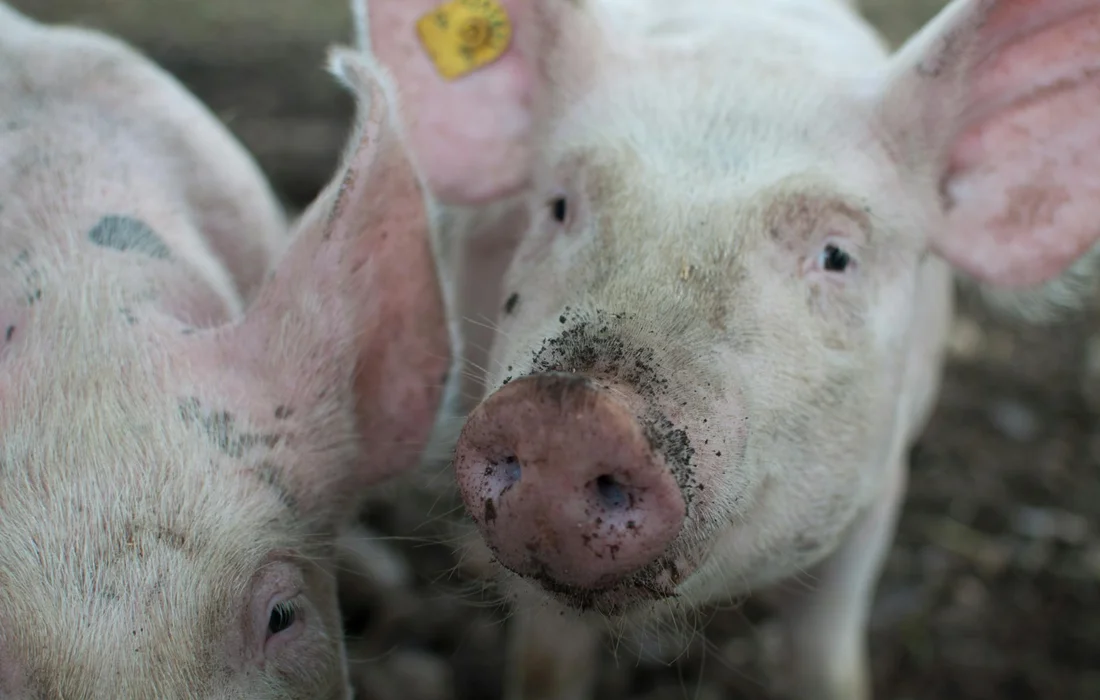
Our porcine pals are walking compost bins with a glorious sense of taste. My own pigs get most of their treats from garden surplus and kitchen scraps, saving me a fortune on feed. A pig’s treat regime is a fantastic way to reduce waste while making a friend for life. Just ensure everything is fresh, not spoiled or moldy.
- Garden Glory: Squash, zucchini, pumpkin (seeds and all!), cucumbers, and cooked sweet potatoes are piggy heaven.
- Orchard Offerings: Apple cores, pear chunks, watermelon rinds, and peach pits (they’ll crunch them right up) are summer favorites.
- Salad Scraps: The tough outer leaves of lettuce, carrot tops, and broccoli stems are never wasted here.
- Dairy Delicacies: A scoop of plain yogurt or a splash of surplus milk can be a wonderful occasional protein boost, especially for a nursing sow.
- Proceed with Caution: While pigs can eat most things, go easy on very citrusy fruits and always avoid raw meat, excessive salty foods, and chocolate.
I keep two separate buckets by my kitchen door-one for the pigs and one for the compost pile. Getting into this habit turns your meal prep scraps into a valuable resource, reinforcing that beautiful cycle of stewardship we homesteaders hold dear. Watching a pig contentedly munch a whole cracked pumpkin is a sight more satisfying than any store-bought treat could ever be.
Closing Banana Tips
Can guinea pigs eat bananas?
Yes, guinea pigs can eat the flesh of a ripe banana as an occasional treat. It must be completely peeled to avoid any choking or digestive hazards from the tough skin.
Can pigs eat bananas?
Yes, pigs can safely eat both the flesh and the peel of bananas. They make for an excellent supplemental treat when fed in moderation alongside their balanced primary ration.
How much and how often can guinea pigs have bananas?
A portion about the size of your thumbnail, offered no more than once a week, is perfect. This tiny amount prevents the high sugar content from disrupting their sensitive digestive system.
How much and how often can pigs have bananas?
A good rule is one whole, peeled banana per 100 pounds of body weight, no more than twice a week. Always adjust their main feed slightly to account for these extra calories.
Are banana peels safe for guinea pigs?
No, banana peels are not recommended for guinea pigs. They are difficult to digest, a choking risk, and may contain harmful pesticide residues even after washing. Unlike some other fruits.
What are the main risks of feeding bananas?
For guinea pigs, the risk is digestive upset from too much sugar. For pigs, the primary risk is weight gain and nutritional imbalance if bananas replace their proper, protein-rich feed. Just like any junk food for guinea pigs or pigs, bananas should be given sparingly.
Back to the Hutch and Pen
The whole banana business boils down to a simple barnyard truth: moderation makes the meal. Whether it’s a tiny wedge for your squeaking guinea pig or a few slices tossed into the pig’s trough, these sweet treats should only ever be a delightful supplement, never the cornerstone of their diet. Your steadfast commitment to their core nutrition-that good hay, balanced pellets, and wholesome forage-is what truly keeps them thriving.
I’m right grateful y’all took the time to sit a spell and talk critters with me. There’s a special kind of joy in sharing a simple, safe treat with the animals we steward. Go on, enjoy that peaceful moment of handing over a banana slice and hearing those happy grunts and whistles. Here’s to happy, healthy animals and the simple life that sustains us all.
Further Reading & Sources
- Can guinea pigs eat bananas? | Blog | Burgess Pet Care
- Can Guinea Pigs Eat Bananas? – GuineaDad
- Cabbage Chronicles: Guinea Pigs and the Leafy Green – Central Victoria Hay
Caroline Mae Turner is a lifelong farm girl raised on red clay, early mornings, and the sounds of a bustling barnyard. With hands-on experience caring for everything from stubborn goats to gentle dairy cows and mischievous pigs, Caroline shares practical, tried-and-true advice straight from the farm. Her goal is to help folks keep their animals healthy, well-fed, and living their best barnyard life. Whether you're wrangling chickens or bottle-feeding a baby goat, Caroline brings a warm Southern touch and plenty of real-world know-how to every bucket in the barn.
Diet Requirements