Can Rabbits and Guinea Pigs Eat Broccoli? The Farmer’s Safe-Snacking Guide
Published on: May 14, 2026 | Last Updated: May 14, 2026
Written By: Caroline Mae Turner
Howdy y’all, and welcome back to the barn. Yes, both your bunny and your cavy can nibble on broccoli, but you must treat it like a rich dessert-a tiny, occasional treat, not a staple of their supper. I’ve seen the hopeful look when you’re holding kitchen scraps, wondering if you can share the bounty with your furry pasture pals.
- Fresh broccoli: Florets and stalks, but always washed.
- A sharp knife and cutting board: For dicing it down to safe, bite-sized pieces.
- A watchful eye: The most important tool for spotting any tummy trouble.
Let’s get this sorted right quick, so you can get back to the rest of your critters with confidence.
Broccoli Basics: Can Your Small Livestock Eat It?
Well, from my years tending a mixed barnyard, I’ve handed out plenty of vegetable scraps. Both rabbits and guinea pigs can eat broccoli, but you must treat it like a special occasion bite, not regular feed. Their core diets are non-negotiable. For rabbits, that’s unlimited grass hay. For guinea pigs, it’s hay plus a daily source of vitamin C. Here’s a quick look at the lay of the land.
| Animal | Is Broccoli Safe? | Serving Size | Dietary Foundation |
|---|---|---|---|
| Rabbits | Yes, as an occasional treat | 1-2 small florets weekly | Unlimited timothy or orchard grass hay |
| Guinea Pigs | Yes, as a supplemental treat | A teaspoon-sized piece 2-3 times weekly | Hay plus vitamin C-rich foods or supplements |
That table is your cheat sheet, but the real wisdom comes from knowing how each critter uses that broccoli.
For Rabbits: A Fibrous Treat
A rabbit’s gut is a finely-tuned engine that runs on fiber. Broccoli can be part of their leafy green rotation, but it should never, ever reduce their hay consumption. I keep a rack full of fresh hay available at all times for my herd. A bite of broccoli stem or a leaf is just for interest and variety, not nutrition they can count on.
For Guinea Pigs: A Vitamin C Boost
Since guinea pigs can’t synthesize vitamin C, we have to provide it in their diet. Broccoli brings a helpful punch of this vital nutrient, but it carries a load of calcium we need to mind. In my guinea pig pen, I use small bits of broccoli to complement their quality pellets and other greens. It’s a supplement, not a staple. To mix things up, I sometimes include uncommon fruits and vegetables that are safe for guinea pigs. These add variety while keeping nutrition balanced.
Understanding the Risks: Gas, Calcium, and More
Feeding any new food requires a watchful eye. What seems like a harmless green can cause real trouble if we’re not careful about the specifics for each animal. Let’s walk through the main hazards so y’all can steer clear of them.
Risks for Rabbits: Guard Against GI Stasis
Rabbits and cruciferous vegetables like broccoli have a tricky relationship. The complex sugars and compounds can ferment in their cecum, producing painful gas that may lead to gastrointestinal stasis, a life-threatening condition. I’ve seen a curious bunny bloat up after sneaking into the garden bed. Now, I introduce any new green, including broccoli, in pea-sized amounts and watch their droppings like a hawk. These issues are common rabbit digestive problems to watch for, including signs of bloat and GI stasis. Early, simple strategies to prevent bloat and GI stasis can help keep their gut happy and reduce risk.
- Severe Gas and Bloating: Caused by raffinose, a sugar hard for rabbits to digest.
- GI Stasis: The gut slows or stops, requiring immediate vet care.
- Disrupted Gut Flora: Broccoli can upset the delicate bacterial balance essential for digestion.
- Individual Sensitivity: Some rabbits tolerate it better than others. Always start with a tiny piece.
Risks for Guinea Pigs: Mind the Minerals
The issue for guinea pigs isn’t gas-it’s mineral management. Consistent overfeeding of high-calcium foods like broccoli can lead to urinary sludge or the formation of painful bladder stones. With my own pigs, I balance higher-calcium treats with plenty of low-calcium options, like cucumber and bell peppers, to keep their systems flowing smoothly.
- Urinary Sludge or Stones: Excess calcium precipitates out in the urinary tract.
- Mineral Intake Imbalance: Too much calcium can interfere with the absorption of other crucial minerals.
- Risk for Prone Animals: Older guinea pigs or those with a history of urinary issues need extra caution with broccoli.
Feeding Guidelines: How Much and How Often
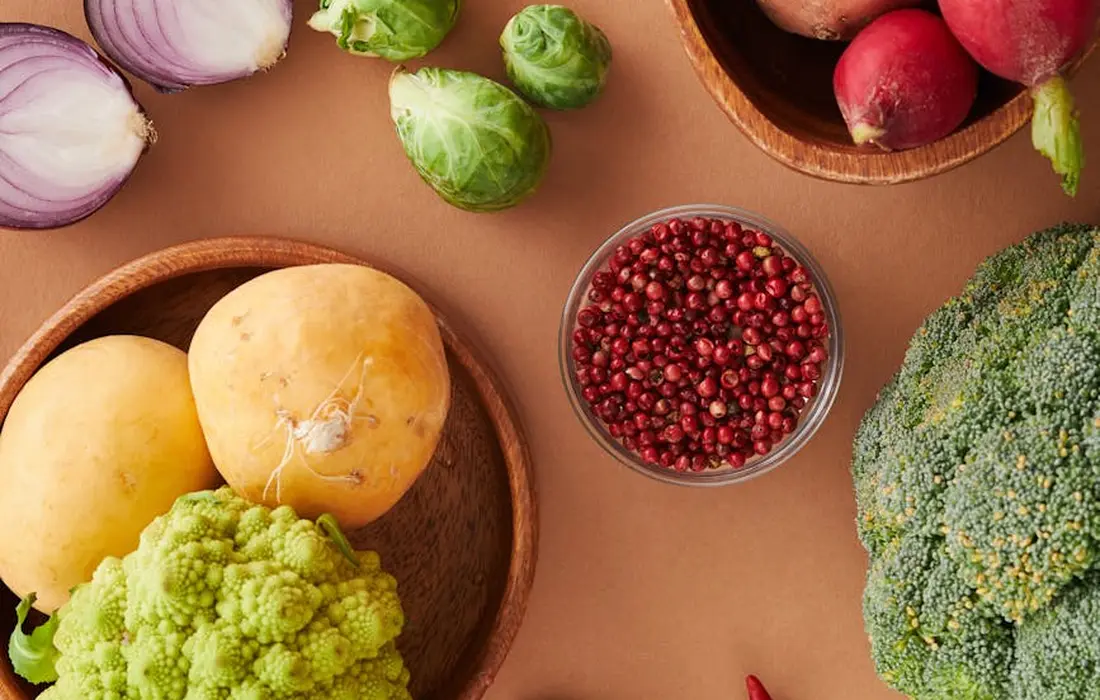
Now, let’s talk about the practical side of serving broccoli, because good intentions need a solid plan. From my barnyard experience, the difference between a healthy treat and a tummy ache boils down to measured portions and a steady schedule. Y’all wouldn’t let chicks overrun the feed sack, so we apply the same careful logic here.
| Animal | Size / Age | Serving Size | Frequency |
|---|---|---|---|
| Rabbit | Adult (5 lbs & up) | 1-2 small florets or 3-4 leaves | 1-2 times weekly |
| Rabbit | Junior or Dwarf Breed | 1 teaspoon chopped floret | Once weekly |
| Guinea Pig | Adult | 1 small floret (about 1 inch wide) | 1-2 times weekly |
| Guinea Pig | Young (under 6 months) | 1/2 small floret | Once weekly |
I keep a simple chart like this pinned in my feed room-it reminds me that even with good food, restraint shows respect for their delicate digestion.
Step-by-Step Introduction
Introducing a new food is like introducing new animals to the flock; you do it slowly to keep the peace. Rushing this process is the fastest way to upset a sensitive gut, and I’ve cleaned up enough of those messes to preach patience. Follow these steps to keep your critters content.
- Offer a tiny, washed piece of broccoli floret or leaf, no larger than a dime, to test their interest and tolerance.
- Monitor closely for 24 hours for any signs of gastrointestinal upset like gas, bloating, or unusually soft stools.
- If they tolerate it well, you can gradually increase the amount over the next week, but only by a nibble or two each time.
- Establish a limited weekly routine, always ensuring this treat comes alongside their unlimited hay and fresh water.
Portion Control for Rabbits and Guinea Pigs
Getting portions right is where savvy husbandry shines. I reckon if you can measure feed for chickens, you can measure treats for these smaller folks with the same careful eye. Their small size means every bite counts more.
- For an average rabbit, a serving is one to two small florets or a few leaves-about the size of a ping pong ball total.
- For a guinea pig, one small floret, roughly an inch in diameter, is the perfect portion per feeding.
- Younger, smaller, or less active animals should receive half these amounts to start.
Remember, broccoli is a supplement, not a staple. All treats combined should never make up more than 10% of their daily food intake; the rest must be quality grass hay and a small portion of pellets. I’ve found that using a dedicated teaspoon for measuring keeps my treats thrifty and their diets balanced.
Preparing Broccoli: From Stem to Floret
Now, let’s get our hands dirty and talk about how to serve this green goodness from your garden or market basket. I reckon proper prep is the difference between a healthy treat and a tummy ache. The golden rule is to treat broccoli like you would for your own table: fresh, clean, and cut for easy eating. I’ve seen my share of eager rabbits bite off more than they can chew, so taking a few extra minutes here saves a heap of worry later.
Safe Parts to Feed
Not all of that broccoli head is created equal in the eyes of your small stock. Here’s the breakdown, in the order I’ve found my own critters take to them best:
- The Leaves: These dark green, tender leaves are often the biggest hit and my top recommendation for starting out. They’re packed with fiber and typically cause less digestive fuss than the florets. I’ll even dry a bunch in summer to mix into their winter hay for a flavor boost.
- The Florets: Those little tree-like tops are the prize, but they come with a caveat. They contain more of the compounds that can cause gas, so moderation with florets isn’t just a suggestion-it’s a cornerstone of good husbandry. Think of them as the rich dessert of the broccoli world.
- The Stems: The tender part of the main stalk, once you’ve peeled off the tough outer skin and diced it up, is perfectly safe and enjoyable. I always save these bits when I’m cooking for myself; it feels good to waste nothing on a homestead.
Remember, the tough, woody base of the stem isn’t fit for your pets or your stock pot-that’s for the compost pile.
Preparation Steps
Follow these simple steps, and you’ll have a safe, appealing snack ready in no time. It’s the same routine I use for my guinea pig pen and rabbit hutches every treat morning.
- Give the broccoli a good rinse under cold, running water. This isn’t just about dust; it helps remove any lingering pesticides or field residues that our sensitive friends shouldn’t ingest.
- Chop every part-leaves, florets, and peeled stems-into bite-sized pieces. For a standard rabbit or guinea pig, aim for pieces no bigger than your thumbnail. This simple act drastically reduces any risk of choking and helps you control portion size easily.
- Start with a truly minimal portion, maybe one or two small pieces per animal, especially if it’s their first time. Watch them close for the next 12 hours to ensure their systems handle it well.
- Always, and I mean always, have plenty of fresh water available in a clean dish or bottle. Extra hydration is key when introducing any new food to help everything move along smoothly.
Nutritional Perks: What Broccoli Brings to the Table
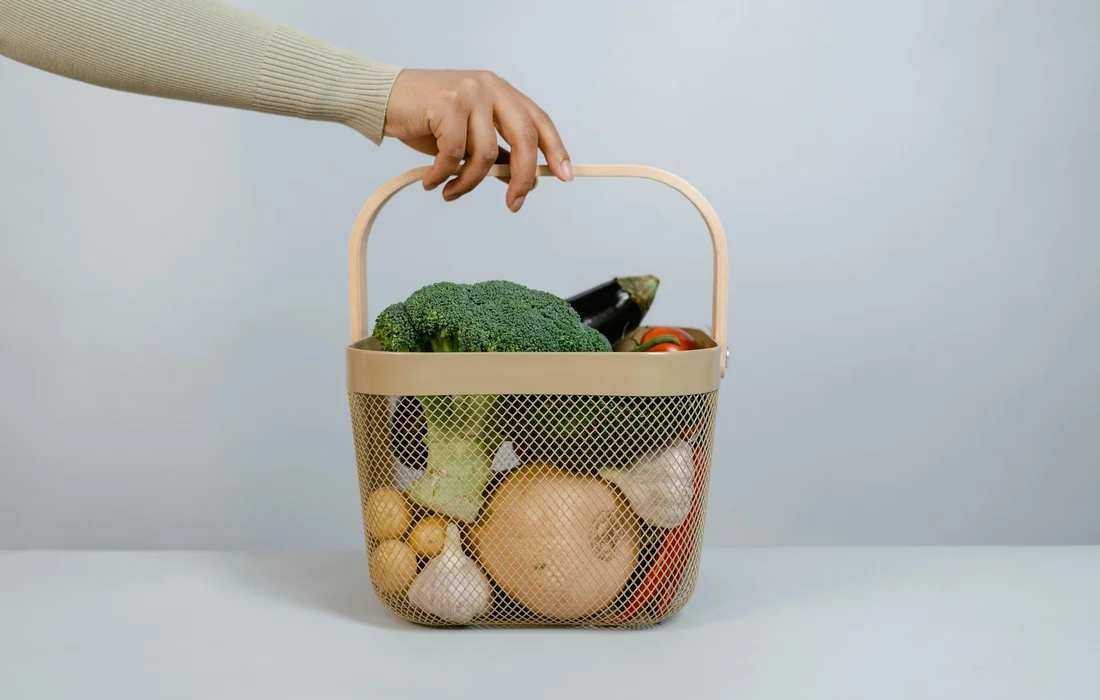
Let’s set the record straight on what this garden green can honestly offer. Broccoli isn’t a staple, but a supplemental snack that packs a nutritional punch when used wisely and sparingly. For both rabbits and guinea pigs, its value lies in filling tiny gaps in their primary diet.
- For Rabbits: It brings a boost of dietary fiber for digestion and a handful of supplemental vitamins, nicely complementing their endless need for grass hay.
- For Guinea Pigs: Its crowning glory is vitamin C, along with folate and Vitamin A, making it a useful ally in meeting their unique dietary demands.
In my barn, I reckon all treats should earn their keep. Broccoli earns its place by offering specific nutrients that support overall health, but only when given in strict moderation alongside their core feed.
Benefits for Rabbits
Watching my rabbits nibble, I’ve learned their systems crave consistency with just a dash of variety. Broccoli contributes a specific type of roughage that encourages gut motility, helping keep their digestive clockwork ticking smoothly.
- Dietary Fiber: The fiber in the florets and stalks aids in moving food through the gut, working in concert with their hay to prevent dangerous stasis.
- Vitamin K: This supports healthy blood clotting and bone metabolism, a nice little bonus for an active bunny.
- Antioxidants: These compounds help manage cellular wear and tear, promoting resilience from the inside out.
Never forget the golden rule. All these perks are secondary; the unparalleled fiber and wearing action of unlimited grass hay is what truly sustains a rabbit’s health and wears down their ever-growing teeth. Check out The Ultimate Guide to Hay for Rabbits for more details.
Benefits for Guinea Pigs
Guinea pigs are a special case, and I learned this the hard way years ago with a lethargic pet. Their bodies cannot synthesize vitamin C, making every meal a critical opportunity to prevent scurvy, and broccoli can be part of that solution.
- Vitamin C: Just a few small florets weekly contribute to the daily requirement, supporting immune health and collagen production.
- Folate: This B vitamin is vital for proper cell division and is especially beneficial for growing pups or expecting mothers.
- Vitamin A: It maintains good vision and a glossy, healthy coat, so your pig looks as good as it feels.
Broccoli is a helpful option, not the only option. I always rotate it with other reliable vitamin C sources like bell peppers and parsley to create a diverse, thrifty, and engaging menu for my cavies.
Spotting Trouble: Signs of Dietary Upset
Y’all, after offering broccoli, you need to watch your critters like a hawk for the next day or so. Even a small portion can sometimes upset a sensitive system, and catching trouble early makes all the difference. Both rabbits and guinea pigs might show general signs of discomfort if that broccoli sits wrong.
Here’s a quick list of warnings that apply to both, telling you it’s time to stop the treats and pay close attention.
- Turning up their nose at food, even their regular feed.
- Unusual tiredness or lack of interest in coming out.
- A visibly swollen or hard belly.
- Droppings that are misshapen, overly soft, or absent.
- Audible signs of pain, like whimpering or frequent squeaking.
If you notice any combination of these signs, don’t hesitate to ring up your veterinarian. With digestive issues, hours can matter, and it’s always better to err on the side of caution.
Warning Signs in Rabbits
A rabbit’s gut is a finely tuned engine, and broccoli can sometimes gum up the works. I’ve spent more than one long night with a bunny whose supper didn’t agree with him, and a hunched back is the first clue I look for. These are the specific symptoms that signal real distress in rabbits.
- Hunched posture, as if trying to curl into a ball.
- Loud, abnormal gurgling sounds from the abdomen, or a troubling lack of any sound.
- No fecal pellets produced over a span of 10-12 hours.
- Diarrhea or droppings that are strung together with mucus.
- Loud teeth grinding, which is a clear indicator of pain.
GI stasis, where the digestive system slows or stops, is a dire emergency that demands immediate veterinary care. This is not a “wait-and-see” situation; prompt action saves lives.
Warning Signs in Guinea Pigs
For guinea pigs, the concern often shifts from the gut to the bladder due to broccoli’s calcium content. Monitoring their urine output is just as important as watching what goes in, as stones can form painfully fast. Keep a close eye for these particular red flags.
- Blood in the urine, showing as pink or red stains on bedding.
- Straining or crying out when attempting to urinate.
- Sudden weight loss from refusing to eat.
- Huddling in one spot, looking puffed up and miserable.
- A wet or matted chin from drooling due to dental pain, which can stem from dietary imbalance.
Urinary tract issues are serious and painfully debilitating for these small animals. At the first sign of straining or blood, consult your vet to discuss pain management and dietary changes.
Closing Questions
Can rabbits eat broccoli?
Yes, rabbits can eat broccoli as an occasional treat. However, it must be given sparingly to prevent digestive upset and should never replace their essential diet of unlimited grass hay. Grass is essential for rabbits for their digestive health and well-being.
Can guinea pigs eat broccoli?
Yes, guinea pigs can eat broccoli in moderation. It provides a beneficial boost of vitamin C, but overfeeding can lead to urinary issues due to its calcium content.
What are the risks of feeding broccoli to rabbits?
The main risks include severe gas and potentially life-threatening gastrointestinal stasis. This is caused by fermentable sugars in broccoli that can disrupt a rabbit’s delicate gut flora, similar to risks associated with tomatoes.
What are the risks of feeding broccoli to guinea pigs?
Overfeeding broccoli can cause urinary sludge or painful bladder stones from excess calcium. It’s important to balance it with low-calcium foods and monitor portion sizes closely.
How much broccoli can a rabbit eat?
An adult rabbit can have 1-2 small florets weekly, while smaller or younger rabbits should start with a teaspoon-sized piece. Always ensure treats do not exceed 10% of their daily intake, as maintaining proper fresh food ratios for rabbits is essential.
How often can guinea pigs have broccoli?
Guinea pigs can have a small floret, about one inch wide, 1-2 times per week. Younger guinea pigs should receive half this amount to avoid mineral imbalances and support overall health. These feeding frequency habits are a core part of guinea pig care. For more on tailoring portions to age and health, see our care guidelines.
Shutting the Gate
When all’s said and done, both rabbits and guinea pigs can enjoy a floret or leaf of broccoli as a welcome change. The truest secret to safe feeding isn’t found on any chart, but in watching your own animals and learning their unique tolerances. Start small, go slow, and let their comfort guide your hand. If you’re wondering which plants are safe or unsafe for rabbits to eat, that topic will be explored in the next steps. That overview will help you separate safe choices from risky ones as you introduce new foods.
It’s a genuine pleasure sharing these barnyard conversations with y’all. May your days be filled with the simple joy of a contented critter’s munching, and your gardens always provide a bounty to share. Happy homesteading, friends.
Further Reading & Sources
- Can Guinea Pigs Eat Broccoli? – GuineaDad
- r/guineapigs on Reddit: should i feed my guinea pig broccoli
- Safe Vegetable List for Rabbits & Guinea-pigs – Bunny Meadow
Caroline Mae Turner is a lifelong farm girl raised on red clay, early mornings, and the sounds of a bustling barnyard. With hands-on experience caring for everything from stubborn goats to gentle dairy cows and mischievous pigs, Caroline shares practical, tried-and-true advice straight from the farm. Her goal is to help folks keep their animals healthy, well-fed, and living their best barnyard life. Whether you're wrangling chickens or bottle-feeding a baby goat, Caroline brings a warm Southern touch and plenty of real-world know-how to every bucket in the barn.
Diet Requirements