Can Rabbits Eat Acorns, Radishes, Scallions & Turnips? Your Barnyard Breakdown
Published on: May 5, 2026 | Last Updated: May 5, 2026
Written By: Caroline Mae Turner
Welcome back to the barn. You can feed your rabbits radishes and turnips in careful moderation, but you must avoid acorns and scallions altogether to prevent making your herd sick. I’ve spent many an afternoon watching bunnies nibble, and I know the temptation to share our garden bounty.
What you’ll need:
- A few fresh radishes or turnips, tops and all
- A clean knife and board for chopping
- Your rabbit’s primary feed-good quality hay
- Patience to introduce new foods slowly
Stick with me, and we’ll have this sorted quicker than you can collect the eggs.
The Bedrock of Bunny Nutrition: Hay, Pellets, and Greens
Let’s get right down to the foundation. A rabbit’s dinner plate is built on three simple pillars. First, you’ve got unlimited grass hay, like timothy or orchard grass. This isn’t just food; it’s the fiber that keeps their unique digestive conveyor belt moving. Second, a measured cup of plain, high-quality pellets delivers concentrated nutrients. Third come your fresh vegetables and herbs for vitamins and variety. That sensitive gut of theirs, a finely-tuned system for breaking down tough grasses, can be thrown into serious revolt by the wrong snack. That’s why it’s crucial to know what you can safely feed your rabbit.
Any new green or treat, whether from the store or your garden, is a stranger to their insides. I introduce anything new slower than molasses in January-just a bite or two the first day, watching their droppings closer than a hawk. This careful approach has saved me many a midnight worry over a bunny with a bellyache.
Acorns: Navigating Nature’s Fall Bounty
Now, you might see wild cottontails nibbling around oak trees and wonder, “If it’s good for them, why not for my barnyard bunny?” Well, wild rabbits might sample an acorn in a lean winter, but it’s a risky, last-resort bite, not a staple. For our domestic companions, whose diets we control, those shiny nuts are trouble waiting to happen.
The risks come in a few forms. The hard shell is a clear choking or tooth-cracking hazard. More insidious are the high levels of tannins, which are natural toxins that can bind up nutrients and bring digestion to a grinding halt. Finding a few acorns in your rabbit’s pasture run is no cause for panic, but you should never intentionally gather and feed them. The same caution goes for fallen oak leaves; they carry similar tannic risks, especially when green or wilted.
What’s in an Acorn? Tannins and Trouble
Think of tannins like that overly strong, bitter tea that dries your mouth right up. In a rabbit’s gut, they do something similar, interfering with protein absorption and irritating the delicate lining. While an acorn packs fats and carbohydrates a wild animal might desperately need, the anti-nutrient load is simply too high for a pet or homestead rabbit. Their system is designed for fibrous, low-starch, low-fat meals.
A rabbit’s natural forage instinct leads them to tender grasses, leafy weeds, and bark, not to hard mast like nuts. Safer foraging options you can provide include apple or willow branches, or handfuls of picked dandelion greens and plantain from an unsprayed yard. Unlike nuts and seeds, which can be harmful, rabbits should avoid all nuts and seeds.
If You Reckon You Must: A Risk-Heavy Approach
I don’t recommend this path, but if you’re determined to offer a taste of the forest, you must mitigate the dangers. First, you must leach out the tannins. This means shelling the acorns, crushing the meats, and boiling them in several changes of water until the water runs clear, not brown. It’s a tedious process.
After that, you’d offer a piece no bigger than a pea to a full-sized rabbit, and only once in a blue moon as a curiosity, not a food. This boiled, crushed bit is the only form I’d even consider, and I still watch that rabbit like a mother hen for the next 24 hours. For the vast majority of us, our effort is far better spent growing a pot of cilantro or slicing a fresh radish top instead.
Radishes & Their Greens: A Crunchy Occasional Treat
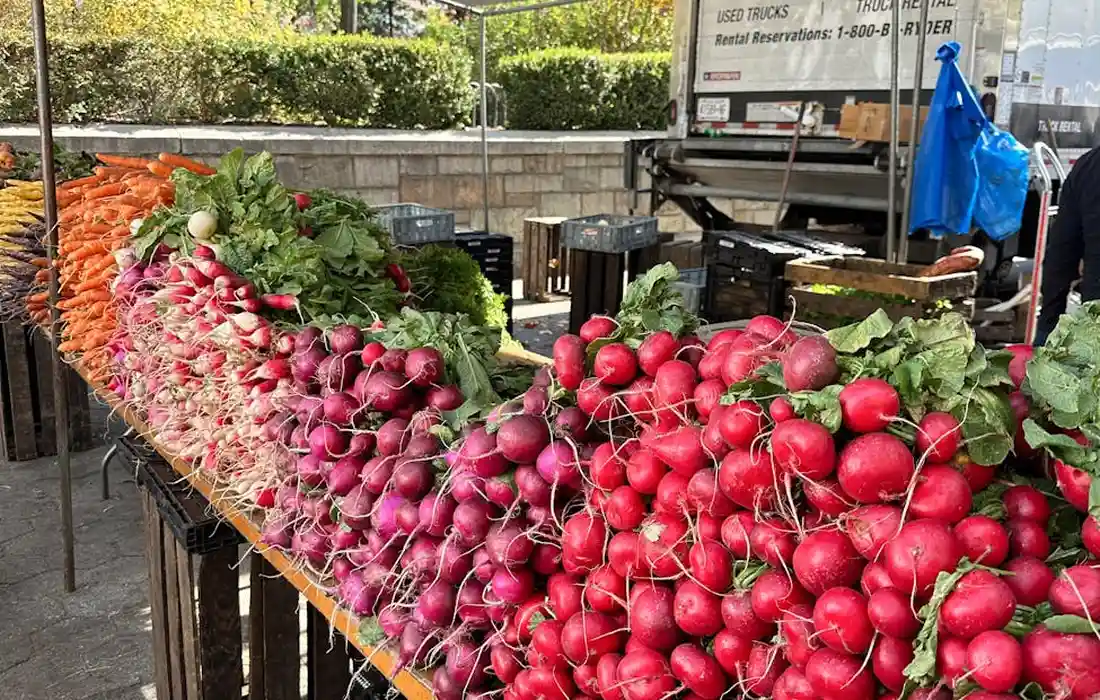
Now, let’s dig into the dirt on radishes. You’ve got to treat the root and the leafy tops as two completely different feeds, just like you wouldn’t give a chicken the same scratch as a goose. Separating your advice for the bulb and the greens is the first step to being a responsible rabbit steward.
- For the Bulb: The radish root itself is safe, but only in strict, tiny moderation. Its sugars and starches can quickly upset the delicate balance of a rabbit’s cecum, leading to cecal dysbiosis-a fancy term for gut trouble we want to avoid.
- For the Greens: The leafy tops are an excellent, safe addition to their daily salad. I toss them in my mix regularly. They’re rich in nutrients and almost always a hit with the herd.
- Serving Size: For a small Netherland Dwarf, a piece of radish bulb no bigger than a blueberry, once a week, is plenty. For a larger breed like a Flemish Giant, you could offer a piece the size of a cherry tomato, same frequency. The greens? A handful per large rabbit daily, mixed with other greens, is just fine.
The Radish Root: Sparing the Spice
I reckon the radish root is best thought of as a surprise, not a staple. That little red globe packs a peppery punch and a bit more sugar than our long-eared friends need on the regular. Treating the radish root like a fruit-a tiny, occasional piece-is the safest path to avoid digestive slowdowns.
- Benefits: It does offer a dash of vitamin C and some fiber, which is good, but it’s not their primary source for either.
- Drawbacks: The sugar content is the main concern. A rabbit’s system is built for steady, high-fiber fermentation, not sugar spikes. Too much can lead to an overproduction of cecotropes and GI discomfort.
Radish Tops: A Green Light for Greens
Here’s where the real value lies, in my humble opinion. Those vibrant green tops are often tossed by folks, but they’re gold in my barn. Radish greens are a powerhouse of vitamins A, C, and K, along with minerals like calcium and iron, making them a premier choice for a daily leafy green. I’ve seen my does’ coats get a nice sheen when these are in rotation.
You can confidently include radish tops in your rabbit’s daily salad mix, alongside other trusted staples. I grow a long row just for the tops most years.
- Romaine Lettuce (not iceberg)
- Carrot Tops
- Bok Choy
- Spring Greens
- Radish Greens
- Herbs like Cilantro & Mint
Scallions & Green Onions: An Absolute Forbidden Food
Let’s settle this matter straight from the garden gate. You must never, ever feed scallions, onions, garlic, or any member of the allium family to your rabbits. This isn’t a suggestion for moderation; it’s a non-negotiable rule for their safety. For a deeper dive into why these foods are off-limits, our allium safety guide for rabbits explains the risks.
- All alliums are poisonous to rabbits, full stop. This includes every variety from the mildest scallion to the strongest garlic bulb.
- The specific toxins are compounds called organosulfoxides. In a rabbit’s body, these substances cause devastating hemolytic anemia and severe gastrointestinal turmoil. Hemolytic anemia means their red blood cells are destroyed faster than their body can replace them, leading to weakness, lethargy, and organ failure.
- There is no safe preparation. Every single part of the plant-the white bulb, the green stalks, the roots-is toxic whether served raw, cooked, baked, or dried. Heat does not neutralize this danger.
- Think of alliums like other common garden hazards. Just as you wouldn’t offer rhubarb leaves, potato greens, or oleander, you must keep alliums far from your curious bunnies. A vigilant eye in the garden saves a heap of trouble at the hutch.
Why Alliums Are a Hard No
Digging a little deeper into the science helps us understand the “why” behind the warning.
- Organosulfoxides are the sneaky chemicals that do the damage. When a rabbit eats them, these compounds break down into reactive substances that create oxidative stress inside the red blood cells. This stress makes the cell membranes fragile, causing them to rupture and leading to a dangerous shortage of oxygen-carrying cells.
- I learned this lesson the hard way early on. One of my first rabbits, a curious Dutch named Bonnie, once snatched a piece of onion skin that blew into her run. Within half a day, she was off her feed and breathing too fast. We got her to the vet in time, but it was a costly, scary reminder. Rabbits are delicate, and their systems simply can’t process these compounds like some larger livestock might. It’s a risk I won’t take again, and I don’t want you to either.
Turnips & Turnip Greens: Root and Leaf Wisdom
When you’re holding a turnip fresh from the earth, you’re holding two separate feeds in one hand. I’ve always taught my neighbors to treat the turnip root and turnip greens as distinct food items, much like you wouldn’t feed corn husks and kernels the same way to your livestock. This wisdom comes from watching my own rabbits over the seasons.
- Treat the turnip root and turnip greens as two distinct food items. Their jobs in your rabbit’s diet are different, and mixing them up in your mind can lead to an unbalanced meal.
- For the root: similar to radishes, safe in very small amounts as a starchy treat, not a staple. I reckon a thumbnail-sized piece per adult rabbit, once or twice a week, is the generous limit.
- For the greens: highly recommend as a nutrient-dense, safe leafy green for regular feeding. They are a weekly feature in my hutches, and the animals do right well on them.
- Both parts can be used from your garden or market, which is the heart of good stewardship. Nothing goes to waste here-the root gets stored, and the greens go straight to the critters, making the most of what you’ve grown or bought.
The Turnip Root: A Dense, Sweet Bulb
That pale purple and white bulb is mighty dense and sweeter than you might think. The turnip root carries a higher sugar and starch content compared to leafy greens, which is why it’s a treat food and not a daily dinner. I’ve seen a lazy bunny perk right up for a taste, but too much can slow them down.
To keep things safe, I never hand over a whole chunk. Grating or cutting the root into very small pieces prevents choking and helps you control overconsumption with a gentle hand. A fine shred or a cube smaller than a pea is just right for a careful snack.
- Note the higher sugar and starch content compared to leafy greens. This can disrupt delicate digestion if fed too freely.
- Suggest grating or cutting into very small pieces to prevent choking and overconsumption. A kitchen box grater is my tool of choice for making it rabbit-ready.
Turnip Greens: A Staple in the Leafy Green Rotation
Oh, those leafy tops are a treasure! Turnip greens boast impressive calcium, vitamin K, and antioxidant content, which supports strong bones and good health for your breeding does and growing kits. I’ve always counted them as a reliable part of my garden’s yield for the animals.
After cutting them from the root, I give them a good swish in a bucket of clean water to remove any field dirt. Serving them fresh from the garden, either still damp or patted dry, seems to please the rabbits most and keeps their meals interesting. You can offer a hearty handful per rabbit daily alongside their hay.
- Praise their calcium, vitamin K, and antioxidant content. These nutrients are building blocks for a sturdy rabbit.
- Provide tips on washing and serving them fresh from the garden. A quick wash and a rough chop if the leaves are large makes for an easy, wholesome feed.
Building a Safe and Thriving Rabbit Menu
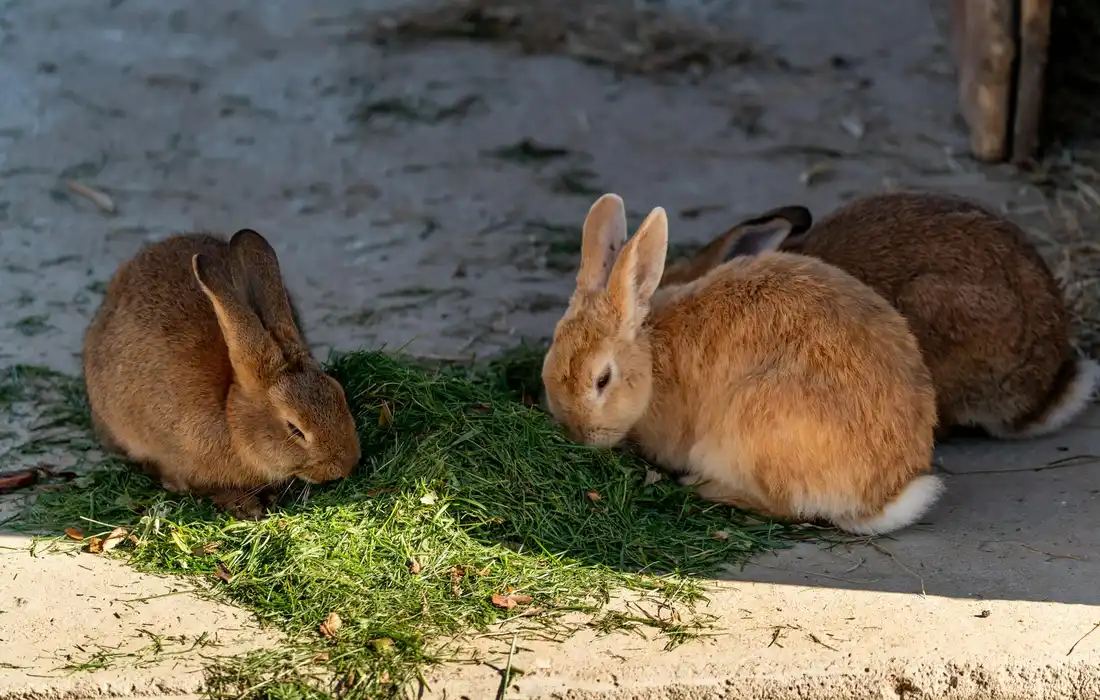
Let’s sort our pantry, shall we? Based on what we’ve covered, here’s the quick rundown on our title foods. Radish tops and turnip tops are wonderful, nutritious greens you can feed regularly, while the roots themselves are a fine occasional treat. Acorns sit firmly in the “risky” category-best left for the wild squirrels unless you’re willing to go through a tedious leaching process. Scallions, and all their allium family kin like onions and garlic, are outright toxic and have no place near your rabbit’s hutch.
Superior Snacks from the Garden
Why flirt with trouble when nature provides a bounty of safe, joyous foods? My rabbits’ eyes light up for these more than any store-bought treat. I grow many of these right outside their run, letting them watch their salad bar flourish.
- Leafy Greens: Dandelion greens (a powerhouse of nutrients), romaine lettuce, green or red leaf lettuce, kale stems and leaves, mint, basil, cilantro, and carrot tops.
- Garden Herbs: Parsley, oregano, and dill are aromatic favorites that also offer digestive benefits.
- Safe Garden Veggies: Bell peppers (any color, seeds removed), zucchini, broccoli leaves and stalks, and the occasional small slice of carrot.
A Sample Week of Feasts
Variety isn’t just the spice of life; it’s the key to balanced nutrition and a happy bunny. This chart is a guide I’ve used for years, modeled after my doe Thistle’s routine. Remember, portions depend on your rabbit’s size, but a good rule is about one packed cup of fresh veggies per 2 lbs of body weight daily. If you’re wondering how much fresh veggies should rabbits eat daily, the vegetable portion guide offers clear, weight-based recommendations. It helps you tailor portions to your rabbit’s size and activity.
| Day | Morning Fresh Foods | Evening Fresh Foods |
|---|---|---|
| Monday | Romaine lettuce, a few sprigs of cilantro | Dandelion greens, a basil leaf |
| Tuesday | Green leaf lettuce, 1-inch slice of zucchini | Kale stems & leaves, a sprig of mint |
| Wednesday | Carrot tops, a slice of bell pepper | Broccoli leaves, a parsley stem |
| Thursday | Romaine, a few turnip tops | Dandelion greens, oregano |
| Friday | Red leaf lettuce, cilantro | Kale stems, a small radish (as a treat) |
| Saturday | Mix of leftover safe greens, basil | Small handful of oat hay as special forage |
| Sunday | Simple day: just romaine and parsley | Rest day for digestion; just hay and pellets |
The Foundation of Every Meal
Never lose sight of the core rule that keeps a rabbit’s gut and teeth in working order. The 80/20 rule is your north star: 80% of their diet must be unlimited, high-quality grass hay like timothy or orchard grass. The remaining 20% is for everything else-a measured portion of fortified pellets and those wonderful fresh foods we just listed. Think of hay as the bread and butter of every meal, and the fresh veggies as the carefully chosen condiments. Stick to this, and you’ll raise thrifty, healthy critters with a shine to their coat and a spring in their hop.
Closing Questions
Do rabbits eat acorns?
Rabbits do not typically eat acorns as part of their natural diet, though they might investigate them out of curiosity. For domestic rabbits, acorns are not a suitable food item and should be avoided to prevent health issues.
Can rabbits eat acorns?
It is not safe to feed acorns to rabbits due to high tannin levels and hard shells that can cause digestive distress or choking. In fact, they are not safe for many animals, even with preparation, and are best left out of their meals.
Do rabbits eat acorns in the wild?
In the wild, rabbits may rarely nibble on acorns during food shortages, but this is an emergency behavior rather than a preference. Their diet primarily consists of fibrous plants like grasses and weeds, not nuts. Rabbits are generalist foragers prioritizing readily available greens. Their foraging habits shape their everyday diet, which is dominated by fibrous plants.
Do rabbits eat acorns in the winter?
Wild rabbits might resort to acorns in winter when other forage is scarce, but it remains a hazardous choice due to toxins. For homestead rabbits, acorns should not be offered in winter or any season for their safety.
Can rabbits eat acorns everyday?
Acorns should never be a daily food for rabbits, as consistent intake can lead to toxin buildup and serious digestive problems. Occasional, carefully prepared bits are still not recommended for regular feeding.
Can rabbits eat corn?
Corn is not advised for rabbits, as its high starch content can disrupt their sensitive digestive systems and cause blockages. Even the corn husks or kernels are not safe for them. Focus on providing hay, pellets, and safe vegetables like radishes and turnips in moderation.
Shuttin’ the Gate
When you step back and look at the whole spread, the rule is simple: know your forages and feed with a mindful heart. Those turnip greens and radish tops are a fine, thrifty supplement, while the scallions and acorns stay far from the hutch. As you broaden their menu, a careful, gradual transition helps keep digestion steady. The single most important habit you can build is introducing any new green, even a safe one, in a tiny amount and watching for soft droppings for a full day before offering more. A rabbit’s digestion is a delicate engine, and patience is the best fuel you can give it.
I reckon the real joy is in sharing the bounty of the land with our animals, seein’ a happy rabbit nibble on a turnip top I thinned from the garden. It connects the whole cycle. So here’s to your rabbits, your garden, and the simple, good work of carin’ for both. Thanks for lettin’ me share a cup of virtual coffee and some barnyard wisdom with y’all. Now go enjoy your critters!
Further Reading & Sources
- r/Bunnies on Reddit: My rabbit eats acorns. Is this bad?
- Acorns? | Rabbit Talk – Meat Rabbit & Farming Forum
- Response of Fattening Rabbits with Acorns (Quercus pubescens Willd.) Combined in the Diet: First Acquaintances on Growth Performance, Carcass Traits and Perirenal Fatty Acid Profile – PMC
Caroline Mae Turner is a lifelong farm girl raised on red clay, early mornings, and the sounds of a bustling barnyard. With hands-on experience caring for everything from stubborn goats to gentle dairy cows and mischievous pigs, Caroline shares practical, tried-and-true advice straight from the farm. Her goal is to help folks keep their animals healthy, well-fed, and living their best barnyard life. Whether you're wrangling chickens or bottle-feeding a baby goat, Caroline brings a warm Southern touch and plenty of real-world know-how to every bucket in the barn.
Diet Requirements