Can Rabbits Eat Asparagus? Your Practical Guide to Safe Feeding
Published on: May 3, 2026 | Last Updated: May 3, 2026
Written By: Caroline Mae Turner
Howdy y’all. Yes, your rabbits can eat asparagus, and it’s a fine occasional treat when prepared right, but overdoing it can lead to a mighty messy hutch. I’ve been there, holding a bunch of garden spears and pondering if they’d make a good snack or a costly vet visit.
What you’ll need:
- A few fresh asparagus spears
- A clean knife and cutting board
- Less than five minutes for washing and chopping
- Your rabbit’s regular hay and water handy
Stick with me, and we’ll have this feeding question settled faster than you can muck out a stall.
The Straight Answer on Rabbits and Asparagus
Y’all, the short answer is a resounding yes. Rabbits can eat asparagus. I’ve fed it to my own herd for seasons, watching them nibble those tender stalks with gusto. This garden vegetable is a perfectly safe choice when offered as part of a balanced, varied diet. On a related note, amaranth grain plants can also be safe for rabbits when offered in moderation.
Why Asparagus Makes the Safe List
It all boils down to what’s not in it. Asparagus lacks the alkaloids or other potent toxins found in plants like nightshades. In my decades of care, I’ve never seen a rabbit have a bad reaction to fresh, raw asparagus from the garden. It’s on the safe list because it’s simply digestible and non-poisonous to our hoppy friends. For a complete list of safe and toxic foods, our ultimate rabbit food safety guide is the go-to reference.
Here’s the plain truth on its safety credentials:
- No known rabbit toxins: It doesn’t contain solanine, lectins, or cyanogenic glycosides that harm other livestock.
- Gentle on the system: The fibrous stalks are easy for rabbits to grind down with those ever-growing teeth.
- A natural fit: Think of it as a foraged stem-similar to safe weeds and grasses they’d find in a meadow.
I always wash mine to remove any field dust or residue. Feed it raw and fresh, just as you would a leaf of lettuce, and your bunnies will do just fine.
Understanding Asparagus in Rabbit Nutrition
Now, safe doesn’t mean it’s a free-for-all. We must look at what it brings to the feed bucket. Asparagus is a low-calorie, high-moisture vegetable that can supplement a rabbit’s primary diet of grass hay. It offers about 2.2% crude protein and 2.1% fiber per 100-gram serving, although not all plants are safe for rabbits.
Those numbers tell a story. The fiber supports gut motility, which is critical for a rabbit’s health. I view asparagus as a hydrating snack that provides a sprinkle of vitamins like K and folate, not a main course. It’s a complement, not a cornerstone.
For a practical feeding guide, stick to these amounts:
- For a standard 5-pound rabbit, offer no more than 1-2 thin spears, 2-3 times weekly.
- Chop it into one-inch pieces to prevent choking and make it easier to eat.
- Always introduce it slowly over a week if your rabbit has never tried it before.
Their daily plate should still be piled high with timothy or orchard grass hay. Hay is the bedrock of their nutrition, and treats like asparagus are just the garnish on top.
The Oxalate Consideration for Rabbit Health
This is the part that demands your attention. Asparagus contains moderate levels of oxalic acid, or oxalates. In a rabbit’s body, oxalates can bind with calcium, potentially forming crystals in the urinary tract over time. I spotted this issue years ago in a favorite Dutch rabbit, and it taught me a lasting lesson.
Now, this doesn’t mean you panic and ban asparagus. It means you manage it with sense. Rotation is your best tool against oxalate buildup, much like rotating crops in a field preserves the soil.
Here’s my barn-tested method for handling oxalates:
- Mix your greens: Pair asparagus with low-oxalate vegetables like cucumber, celery, or bok choy.
- Limit frequency: I never feed asparagus two days in a row. It’s a Tuesday or Thursday treat, not an everyday expectation.
- Promote dilution: Ensure unlimited, clean water is always available to help their kidneys flush minerals.
- Observe your stock: Watch for signs of urinary trouble-damp fur below, straining, or reduced appetite-and adjust their diet promptly.
Balance is everything in good stewardship. By respecting the oxalate content and feeding asparagus thoughtfully, you can enjoy sharing your garden bounty without worry.
How to Safely Introduce and Feed Asparagus
Introducing a new food to a rabbit is a bit like welcoming a new critter to the pasture-you do it slowly and with a watchful eye. Their delicate digestive systems thrive on consistency, so any change, even a healthy one, must be handled with care. I’ve learned this after many years of watching my own rabbits’ habits, and a slow start always beats a rushed job. When you introduce new foods, start with tiny amounts and gradually increase. This helps you monitor any reactions and protect their gut.
Step-by-Step: Introducing This Garden Green
- Start with a single, one-inch piece. This tiny taste is just a test for their gut flora.
- Wash thoroughly to remove pesticides or garden soil. I use a quick vinegar-water soak on my homegrown spears, then a good rinse.
- Offer it raw, not cooked. Cooking changes the texture and nutrient profile, and rabbits need the crisp, fibrous texture of raw veggies.
- Observe for 24 hours. Watch their droppings closely. Any sign of soft cecotropes or lethargy means you should stop and stick to their usual greens.
- Increase slowly if no issues arise. Over the next couple weeks, you can gradually offer a bit more, moving toward the proper portion size.
Figuring the Right Portion for Your Rabbit
Asparagus is a treat, not a staple. Think of it as the occasional garden bonus, not the main course of their salad. For an average-sized rabbit, one or two thin spears, two to three times a week, is a sensible limit. I use the “thumbnail rule” for my herd: the total weekly portion of all non-leafy veggies (like asparagus) shouldn’t be larger than the size of the rabbit’s own head. This prevents overwhelming their system and keeps the focus on their essential hay and leafy greens. Also, a daily vegetable portion guide can help you gauge how much fresh veggies rabbits should eat each day.
Which Parts of the Plant to Offer
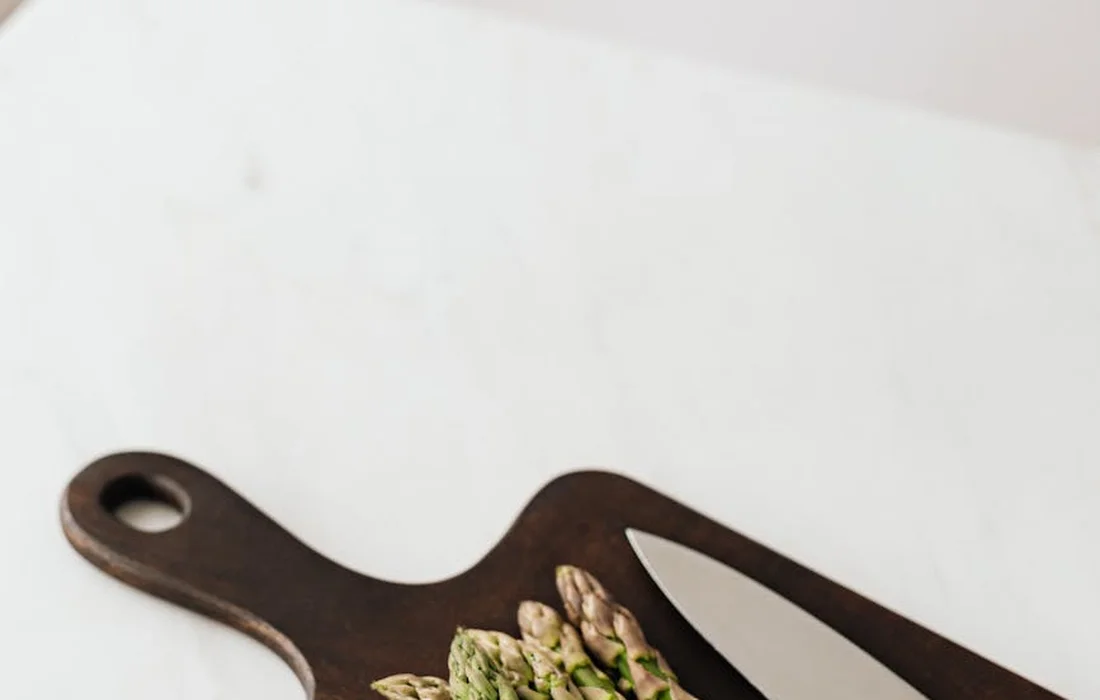
You can safely offer the tender green spears we eat. The tough, woody ends should be trimmed off, as they’re a choking hazard and too fibrous even for a rabbit’s teeth. The bright red berries that form on female asparagus plants are strictly off-limits, as they are toxic to many animals, including rabbits. As for the fern-like foliage the plant produces, it’s best avoided. While not always toxic, it can be irritating, and with so many other proven-safe greens available, I don’t risk it in my own rabbitry. Stick to the crisp, familiar spear for a safe and enjoyable snack.
Special Considerations and Rabbit Welfare
Feeding time is about more than just filling a dish; it’s a daily act of care that shapes their well-being. Your rabbit’s health is built on a foundation of consistent, gentle nutrition, and every new food should be weighed with that in mind. From my barn to yours, I’ve seen that thriving animals come from keepers who think ahead and watch close. A regular rabbit feeding schedule helps you know how much to feed your bunny each day. Small, consistent portions support digestion and overall health.
Can Young Rabbits Have Asparagus?
I reckon this is one of those times where “better safe than sorry” is the only right answer. Do not feed asparagus to rabbit kits under three months old-their digestive systems are simply too delicate for such introductions. I learned this early on when a well-meaning treat for a growing litter led to a long night of worry and soft stools. Their primary job is growing, not processing unfamiliar fibers—especially when it comes to any kind of garden treats, like plums or cherry tree parts.
Focus on building a robust system first with these essentials:
- Timothy or grass hay: This should be available around the clock, making up about 80% of their intake.
- Starter pellets: Look for a formula with 16-18% protein to support steady growth without excess.
- Clean water: A constant supply in a tip-proof bowl or bottle is non-negotiable.
Once they’re past twelve weeks and eating hay strongly, you can introduce a speck of asparagus. Start with a piece no bigger than a pea, and only once every week or two, to test their tolerance.
Symptoms to Watch After Feeding
Even a seasoned rabbit can have an off day with a new food. Spotting trouble early is the cornerstone of good husbandry, saving you vet bills and your rabbit distress. Their gut is a finely tuned engine, and asparagus can sometimes throw a wrench in the works.
After offering asparagus, watch your rabbit for these warning signs over the next 12-24 hours:
- Changes in Droppings: Small, hard, or absent pellets are a red flag. So are overly soft, sticky, or misshapen ones.
- Reduced Hay Consumption: If they’re leaving their hay rack full, their gut motility is slowing down, which is serious.
- Lethargy or Hunched Posture: A rabbit sitting still with a pained, rounded back is telling you it has stomach ache.
- Audible Gut Sounds or Bloating: Strange gurgles or a firm, swollen belly indicate gas or stasis, needing immediate action.
If you observe any symptom, follow these steps without delay:
- Immediately remove all fresh vegetables and treats from the hutch.
- Encourage hay eating by offering fresh, fragrant cuttings-sometimes a handful of oat hay can tempt them.
- Ensure water is fresh and easily accessible to prevent dehydration.
- If no improvement is seen within six hours, or if bloating occurs, contact your veterinarian. In rabbit care, waiting it out is rarely the right choice.
I’ve found that chopping asparagus into fine pieces helps some adults, but it’s never a daily dish. Keeping a simple journal of what you feed and how they react will make you a more attentive keeper for all your critters.
How Asparagus Stacks Up Against Other Rabbit Greens
In my barn, variety isn’t just the spice of life-it’s the cornerstone of good health. Rotating your garden offerings prevents nutrient imbalances and keeps your rabbits keenly interested in their dinners. Let’s see how our springtime spear measures up to the usual lineup.
The Nutritional Neighbors
Think of your rabbit’s salad bowl like a community potluck. Every green brings something different to the table. Here’s a quick glance at how a few common options compare.
| Green | Key Strength | Watch Point | My Farm Frequency |
| Asparagus | Great fiber, low in calcium | Can cause strong urine odor | Weekly treat in season |
| Romaine Lettuce | High water content, hydrating | Low in nutritional density | Base green 3x a week |
| Kale | Vitamin powerhouse | High in calcium & oxalates | Small handful, bi-weekly |
| Dandelion Greens | Excellent all-around nutrients | Can be diuretic | Foraged staple 2x a week |
| Bok Choy | Crisp, good vitamins | Moderate oxalate levels | Occasional swap for romaine |
Beyond the Feed Bucket
Where asparagus truly shines is in its fiber profile and low calcium content. For adult rabbits, especially those prone to urinary issues, a low-calcium green like asparagus is a smarter choice than kale or spinach. I’ve found it a reliable part of a balanced menu, never the main course.
Romaine is a trusty workhorse, but it’s mostly water. Dandelion greens from a chemical-free yard are a forager’s gold. You get more nutritional “bang for your buck” from a dark leafy dandelion than from a pale lettuce heart. I mix them all, watching my herd’s condition closer than the weather.
Building a Balanced Weekly Plate
Here’s a peek at how I structure greens for my small herd, based on what’s thriving in the garden:
- Daily Foundation: A large handful of orchard grass or timothy hay per rabbit. This is non-negotiable.
- Monday & Thursday: Romaine base with a few sprigs of parsley and one inch of asparagus spear.
- Tuesday & Friday: Foraged dandelion greens and plantain, with a single raspberry leaf for tannins.
- Wednesday & Saturday: A base of butterhead lettuce with a small piece of bell pepper and a broccoli leaf.
- Sunday: “Clean-out-the-garden” mix-a bit of carrot top, a basil leaf, and a slice of zucchini.
The key is constant, gentle rotation. This method mimics the diverse browsing a wild rabbit would do and protects their delicate gut from a shock of too much of any one thing. Understanding rabbit digestive health, eating habits, and their satiety signals helps explain why rotation matters. I reckon if you wouldn’t eat the same single food every day, neither should your rabbit. A quick read on cues can guide feeding choices.
Your Asparagus and Rabbits FAQ
Can rabbits eat asparagus?
Yes, rabbits can eat asparagus. It is a safe, non-toxic vegetable that can be offered as an occasional garden treat when introduced properly. That said, you might wonder about other treats like raisins or dried fruits. They carry more risks and should be given sparingly.
How should asparagus be prepared for rabbits?
Always wash it thoroughly to remove dirt or chemicals. Offer it raw and chopped into one-inch pieces to prevent choking, and be sure to trim off any tough, woody ends.
Are there any risks or side effects of feeding asparagus to rabbits?
The main risks are digestive upset from overfeeding and the oxalates it contains, which in excess can contribute to urinary issues. It can also cause a stronger odor in your rabbit’s urine.
What parts of the asparagus plant are safe for rabbits?
Only the tender green spear is recommended. The tough, fibrous bottom should be discarded, and the fern-like foliage and especially the red berries are toxic and must be avoided.
What are the signs of an adverse reaction to asparagus in rabbits?
Watch for lethargy, a hunched posture, a loss of appetite, or changes in droppings (like them becoming small, hard, or mushy). These signs indicate digestive distress.
How often can rabbits have asparagus?
Treat asparagus as an occasional snack, not a daily food. For an average-sized rabbit, offering 1-2 thin spears, 2-3 times per week as part of a varied diet is a good guideline.
Closing Tip from the Barn
Just like rotating your livestock’s pasture keeps the land healthy, rotating your rabbit’s greens keeps their gut healthy. Asparagus is a fine seasonal bite, but their hay should always be the main course.
Shuttin’ the Garden Gate
When it comes to treatin’ your bunnies, remember the golden rule: Go slow as molasses in January whenever you introduce a new green to their menu, watch how they take to it, and always, always let good hay be the cornerstone of their supper. A happy rabbit is one with a predictable belly, and that’s a truth as solid as the ground beneath your boots.
I reckon there ain’t much better than sittin’ on the porch at dusk, watchin’ your critters content in their paddock. So go on, share a spear or two from your patch, enjoy that simple joy of providin’ a good life, and I’ll see y’all down the pasture road. Take care of yourselves and your animals.
Further Reading & Sources
- r/Rabbits on Reddit: Asparagus for a Rabbit?
- Can Rabbits Eat Asparagus? Vet-Reviewed Safety Facts & FAQ | The Vet Desk
- Will rabbits eat asparagus plants?
Caroline Mae Turner is a lifelong farm girl raised on red clay, early mornings, and the sounds of a bustling barnyard. With hands-on experience caring for everything from stubborn goats to gentle dairy cows and mischievous pigs, Caroline shares practical, tried-and-true advice straight from the farm. Her goal is to help folks keep their animals healthy, well-fed, and living their best barnyard life. Whether you're wrangling chickens or bottle-feeding a baby goat, Caroline brings a warm Southern touch and plenty of real-world know-how to every bucket in the barn.
Diet Requirements